Oh Those Poor White People, Those Poor White Men
First, a disclaimer. I like men. I like men a lot. Some of my best friends are men, of all colors and nationalities. I am married to a white man.
Our Glorious Leader, the Bone-Spur Coward-in-Chief declares (as he has in Executive Orders from Day One of his Regency) that diversity, equality and inclusiveness are discrimitory against white males, and are hurting them.
I challenge Trump to take a look at statistics. I challenge him to tally the ranks of CEOs and Executives in the USA to see just what percentage of each sex and race are in those positions, and in what proportions. IF white males are not dominant, I will eat this post.
Yes. This is a rant. Yes, I am livid. As a woman, I was privileged to go to university, privileged because my own father was sure that women’s place was in the home, having children, taking care of you know, women things. He was shocked and horrified that I didn’t get a teacher’s degree or a nursing degree, or why had he sent me to college?
A very small percentage of women and people of color have managed to get to the highest positions of influence, power and wealth in the United States. So tell me about the poor white men!
For my American friends who scorn the Middle East; I lived in three countries, Qatar, Kuwait and Saudi Arabia where the voters – men – recently voted for the women in their countries to have the vote. These were men who love their mothers, sisters, cousins, wives and daughters and wanted them to have the dignity of choice of leadership in their own countries. They educated their daughters, and even, in Saudia Arabia, would take their daughters out to the deserts and teach them how to drive, even though it was illegal in Saudi Arabia for women to drive. These Arab, Islamic men you denigrate supported the right of females to vote, to have access to good education. At one time they sent them to the United States. I don’t imagine they will be sending their daughters -or their sons – here now.
It is unthinkable to me that these statements are issuing from privileged white men in charge of our country. We’re looking at universities in Ireland and Scotland where universities will, as US universities once did, encourage free exchange of ideas and fraternity, and equality and respect and dignity of all people.
At one time, not too long ago, in our country, we had laws, and those laws were obeyed! We had laws protecting the cleanliness of our air and water, we had laws protecting the rights of citizens – and non-citizens. We had laws against profiting from public office, laws requiring the disclosure of personal interests, and recusal from decisions that might enrich the decision-maker. We had laws requiring oversight of government policies. We had a Supreme Court that acted with impartiality. We had a President who was not above the law. We had alliances with countries with whom we stood shoulder to shoulder for decades against bullies and thugs.
I expect my son will call and warn me that our Orange Acting President of Venezuela is about to take away my citizenship and send his Goons to my door with zip ties for speaking out. Or maybe just come and shoot me in the face as I offer cookies and ice tea?
From Axios: America’s Healthiest and Least Healthy States

(The United Health Foundation was established by UnitedHealth Group in 1999 as a nonprofit, private foundation dedicated to improving health and health care. To date, the United Health Foundation has committed more than $845 million to programs and communities around the world, including a $100 million commitment to help advance and grow the health care workforce.” (from the United Health Foundation website)
This is one of the non-governmental agencies using facts and statistics to measure outcomes of health practices in the USA. Official statistics are disappearing. Entire years of government studies have been deleted from websites. Fortunately, there are people who saw it coming and who recorded the data from the websites, hoping for a future that respects science, research and statistics, and uses that research to create a greater good for us all, and shares that knowledge and best practices with the world.
So Much For Health and Transparency
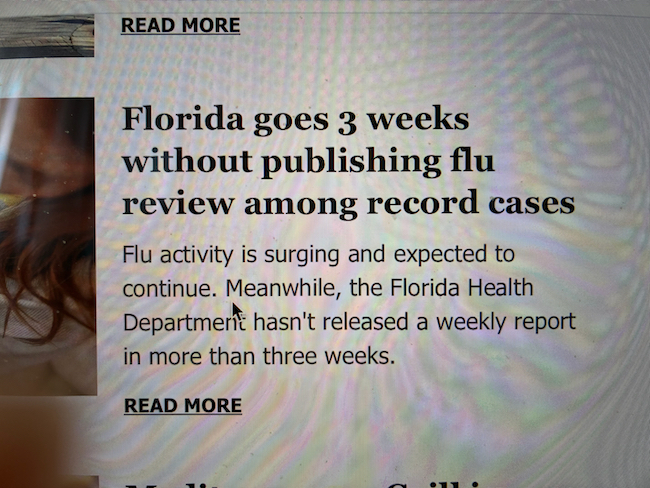
It started during COVID. Politicians and their Administrations stopped publicizing statistics when the stats revealed their government was doing little or nothing to prevent spread of disease. Now, under the cover of cost reductions and eliminating fraud they are gutting the agencies that maintain the statistics and restricting publications of what few statistics are being gathered. Fortunately, private institutions and individuals are watching, keeping track, and doing their best to keep a vulnerable population informed.
Pensacola New Year’s Sunset over the Bayou
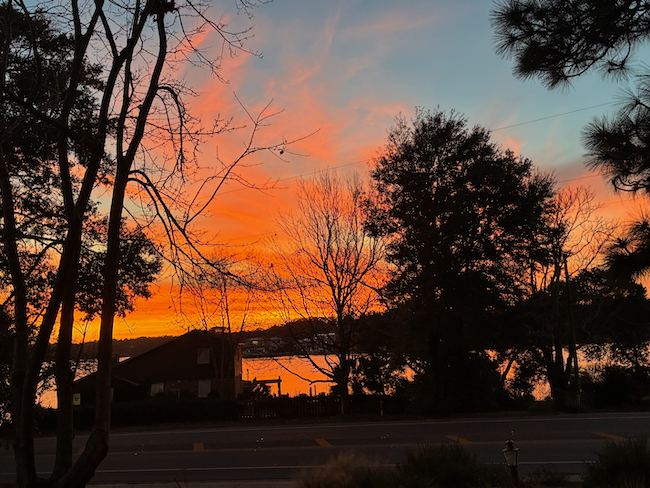
We moved to this house at the beginning of COVID. You wouldn’t think it was a great time to go house hunting or to move, but it worked for us. Almost every day, I thank my husband for moving here (he had said “No more moves!” but COVID made things different.) Almost every day is a sunset – not unlike this one, but no two are identical. Every day. It never fails to thrill my heart. Happy New Year!
British Isles: Farewell to Bergen, Jupiter and Good Friends
The alarm goes off too early, the bags outside our door are gone and we quickly dress and head to the lounge for departure. It is raining! This is the only real rain we saw the entire trip, and our guide says “Welcome to the REAL Bergen!” We had the special-day sunny Bergen for our previous day, and were doubly thankful for it.
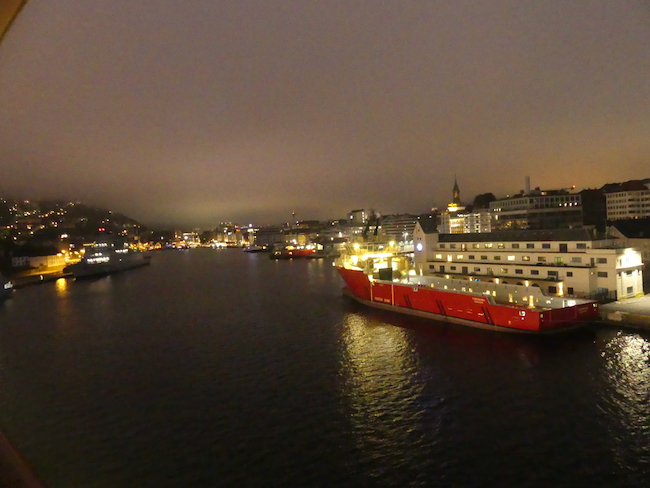
Our route back takes us to Copenhagen, then Atlanta, then Pensacola, and all flights departed and arrived as scheduled. The flight out of Bergen, however, was hilarious. There were 32 rows on the flight. The first 18 rows were Business Class. The last 14 rows were economy. They were labeled. They looked exactly the same. Business class boarded and debarked through the front. Economy boarded and debarked through the rear of the plane. I’ve never seen this before!
I would have liked more time in Copenhagen, but it was a rush through the facial recognition machines, a rush to customs and baggage searches, and a walk to our gate, where we were soon boarded.
The SAS flight into Atlanta was delightful. Good movies, a little off the beaten track, and good meals. We had cheerful, polite service with a genuine feeling of goodwill.
It’s good to be home, to have our family and sweet kitties all together. And our brains are scrambled. There are so many cities, my brain can’t always keep it straight. I keep confusing the Orkney Island experiences with the Shetland experiences, and confuse the capitals as well. I am thankful I kept the journal, but even the journal is confused from time to time. And the missing photos jarred my thinking, and my confidence.
Thank you to my life long partner, AdventureMan, in adventure and marriage, for sharing these great times, for reading and correcting my mistakes and for contributing so many great photos of Scara Brae to fill in where I had deleted my photos. And thank you, readers, for going along on this great long cruise with us and being patient with my endless photos.
British Isles: Sunny Bergen and a Delightful End
Bergen was a treat. We docked earlier than expected, and I wasn’t even awake. We ate a leisurely breakfast, a light breakfast because we were meeting up with friends at an old Bergen restaurant where we had reservations for lunch.
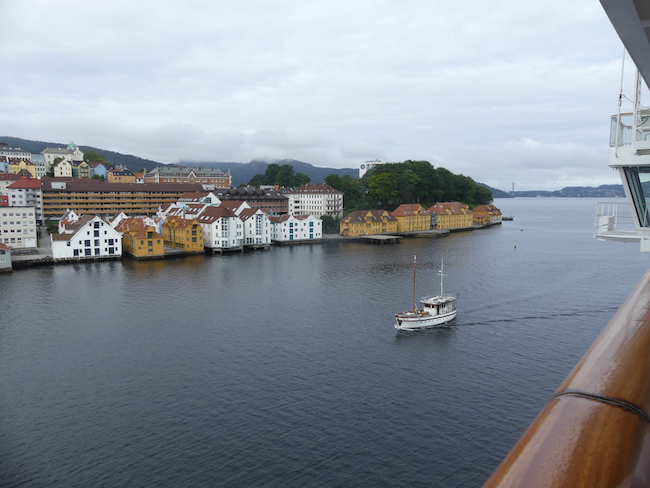
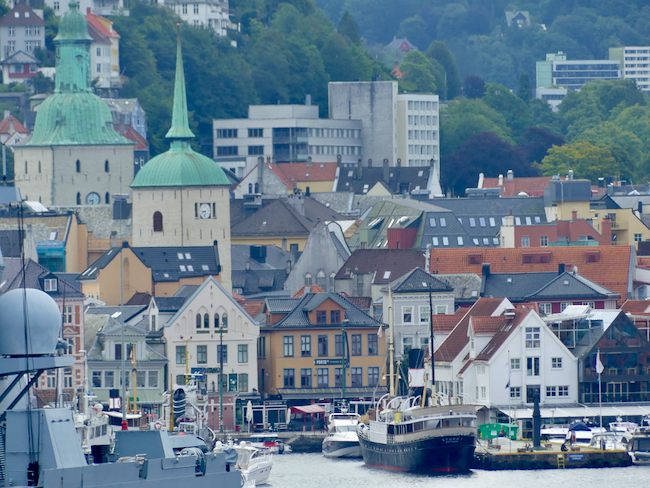

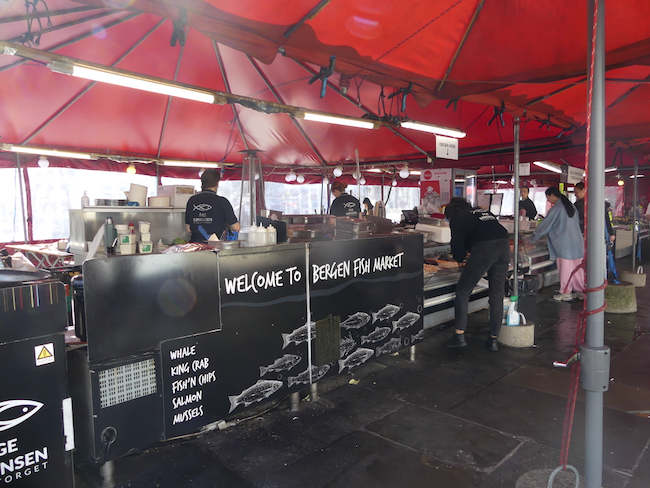
The trip is ending, and we are not ready. We decide to forego packing and head into Bergen (we are docked in the city) to explore a little before lunch. It is a bright sunny day, and a warm day in Bergen. It is still early, so not yet crowded as we walk into the downtown area to explore the fish market and surrounds, and take some documentary photos.

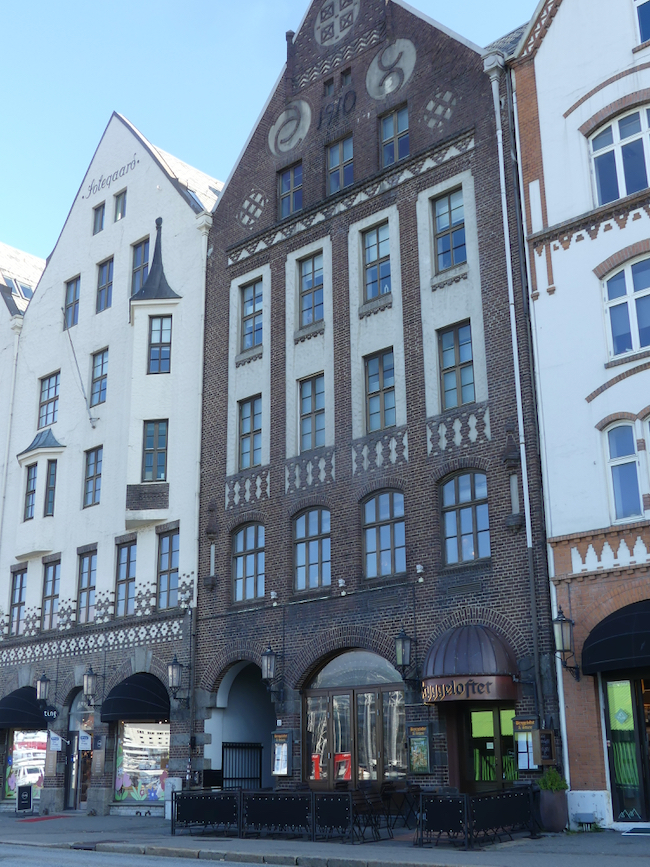
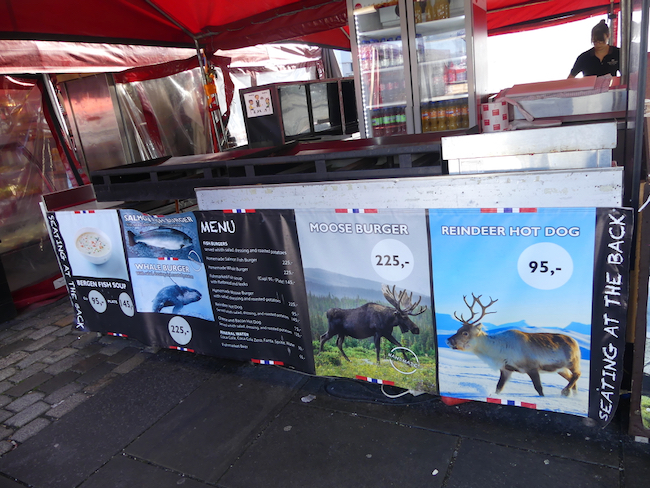
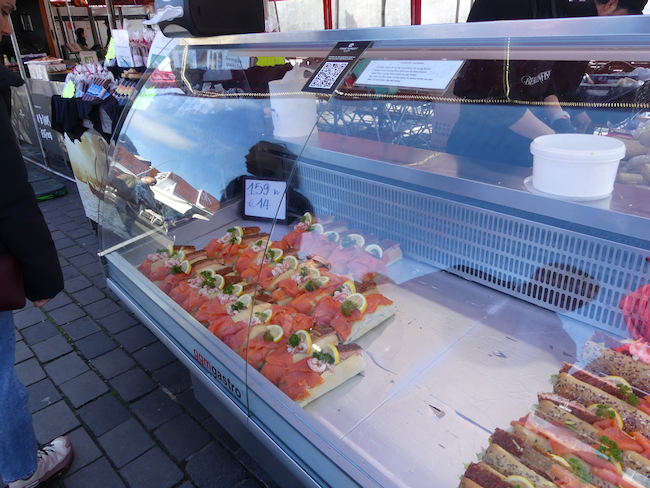
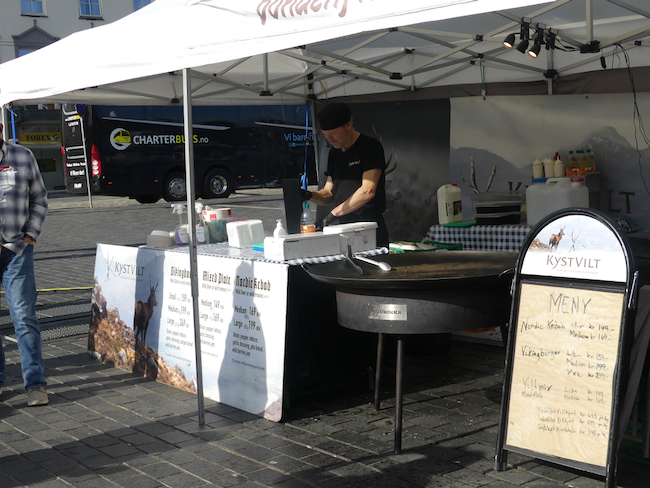
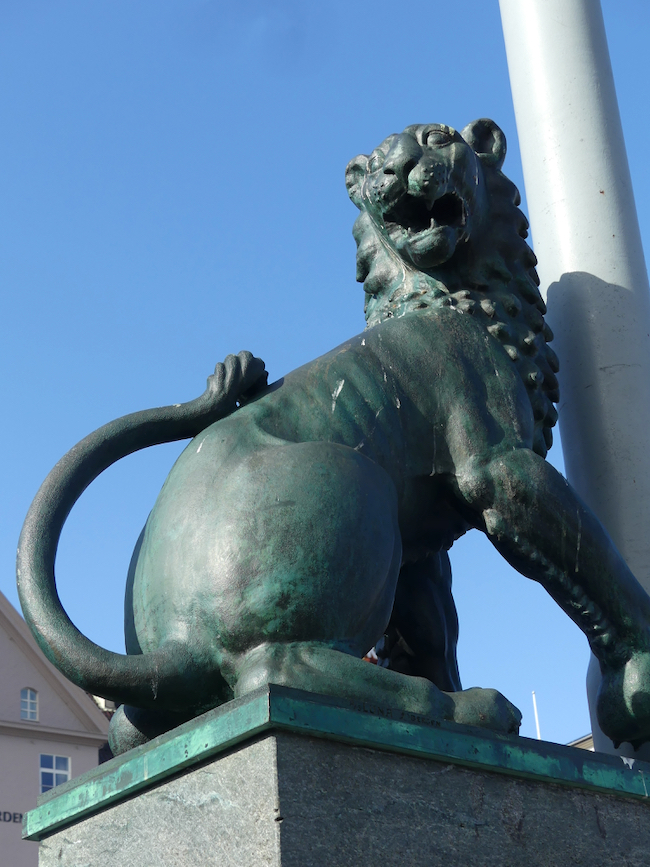
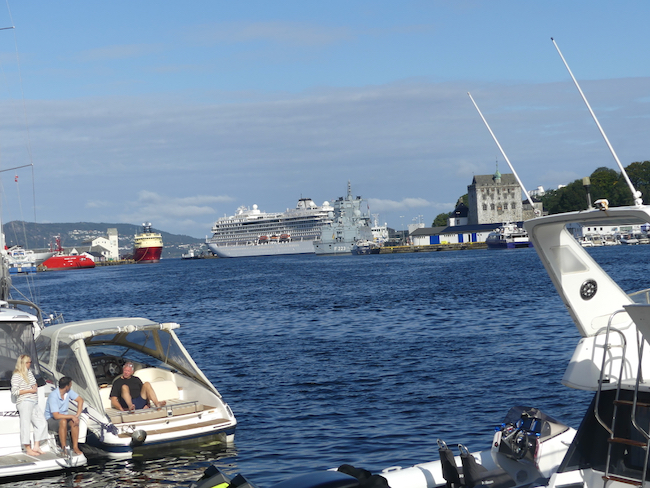
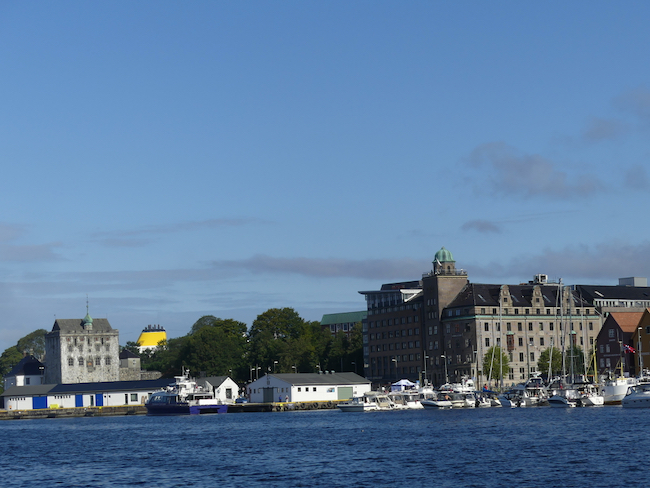
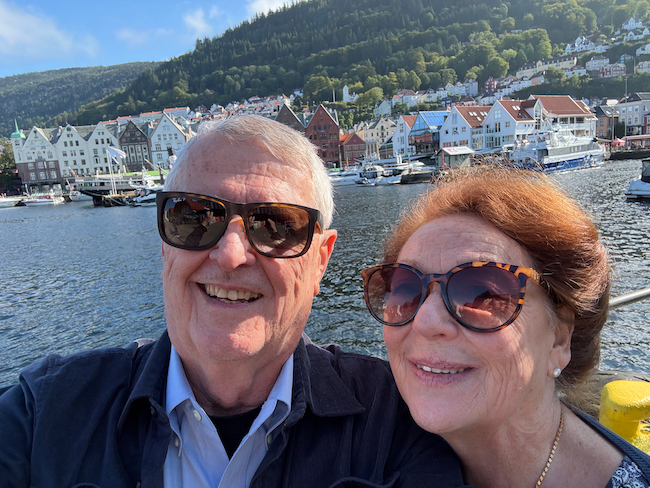

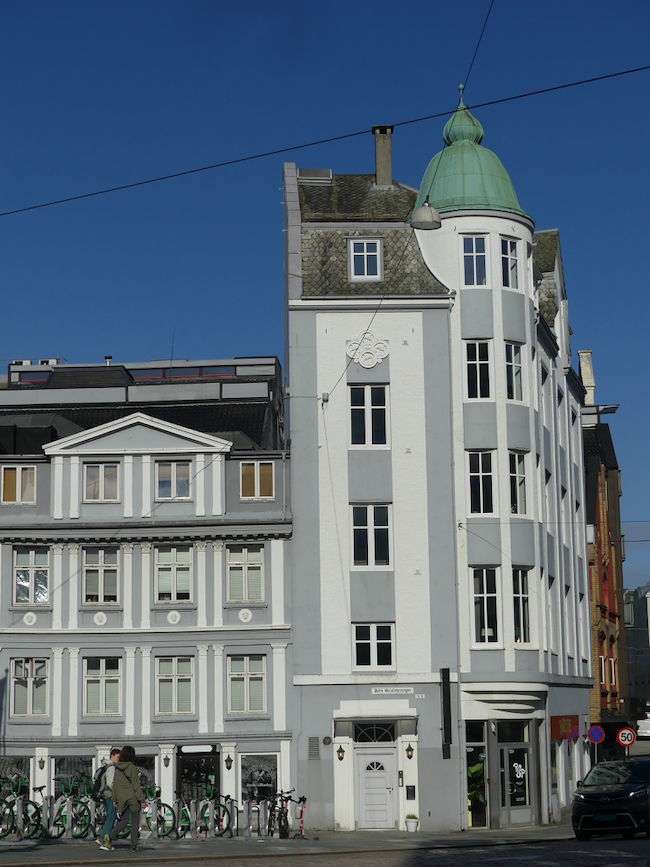

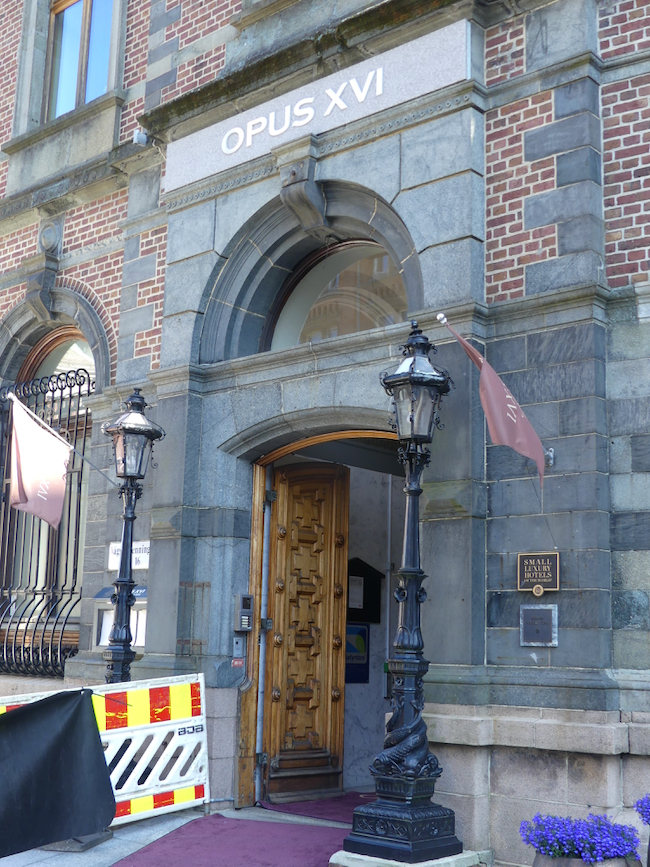
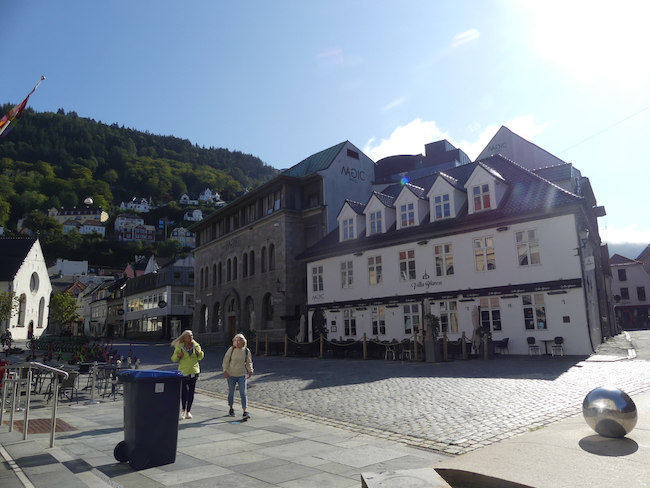
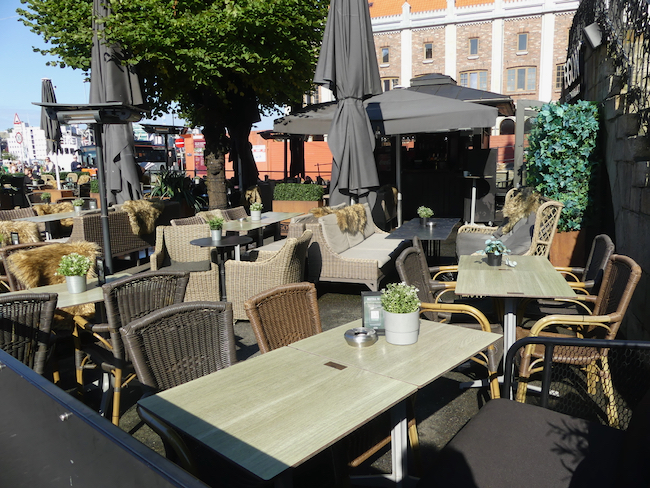
Strange experience with Starbucks restroom. Had coffee, saw signs for restrooms – through the next door empty bar, and up two flights of stairs. A man coming out held the door for me, and I found the restroom flooded and needing repair. Back downstairs, AdventureMan asked how I had gotten in when I didn’t have “the code” and I said I hadn’t needed one, and then remembered the man who had held the door open a I headed up. I had not realized there was a code, and I hadn’t needed it. Others were flummoxed at having climbed all those stairs only to realize they needed to ask for the code before heading up.
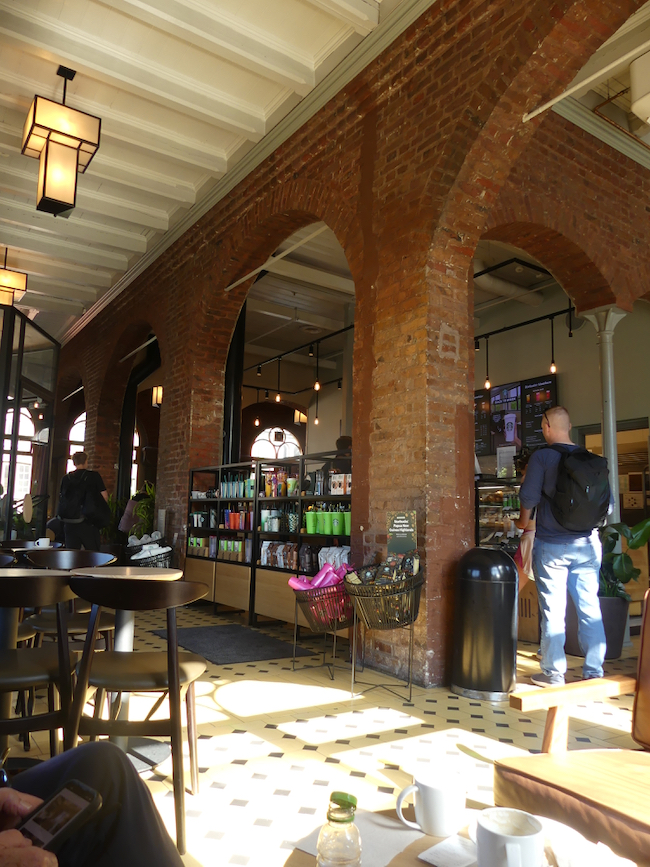
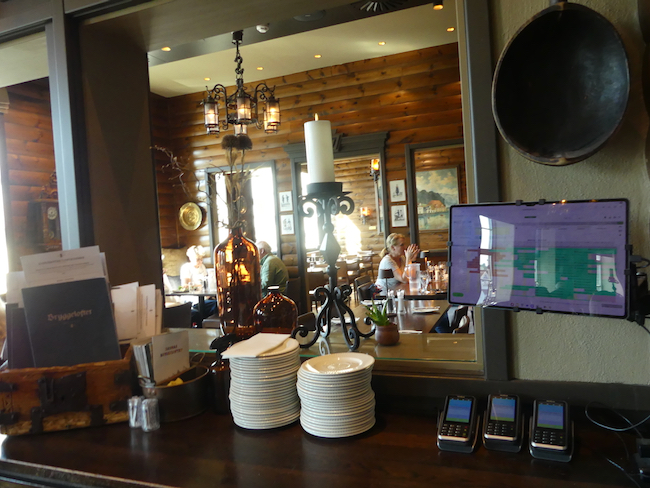
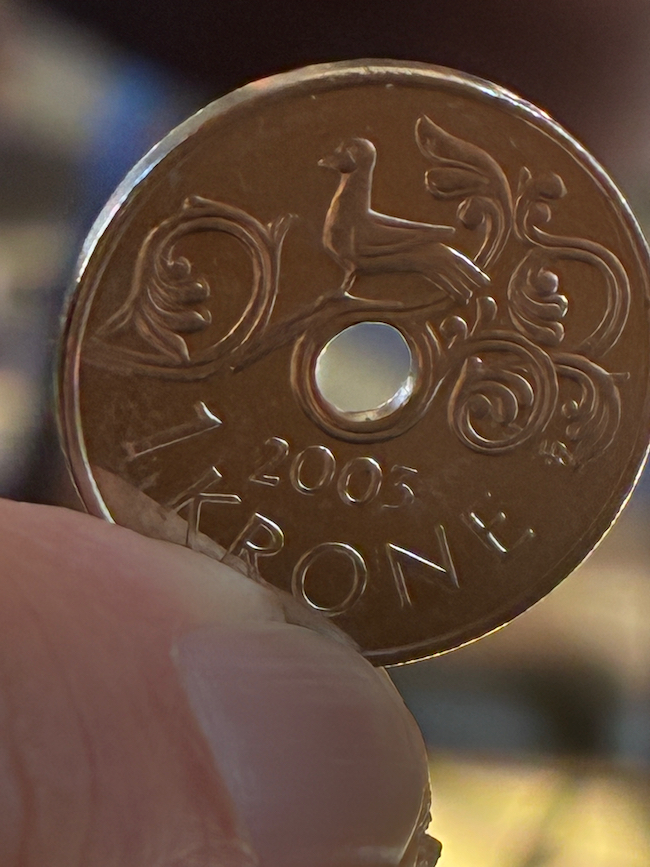
Our friends caught up with us at Starbucks and we headed over to the restaurant. There was a long line! All Chinese! They were shown upstairs. We said we had reservations and they showed us upstairs, too, where we were seated next to the large group.
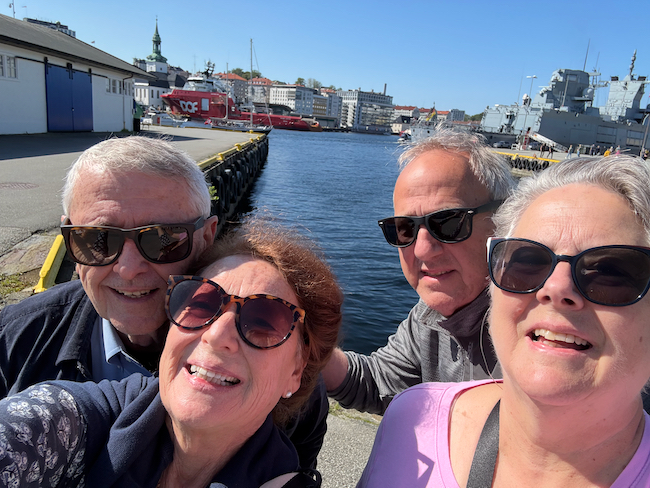
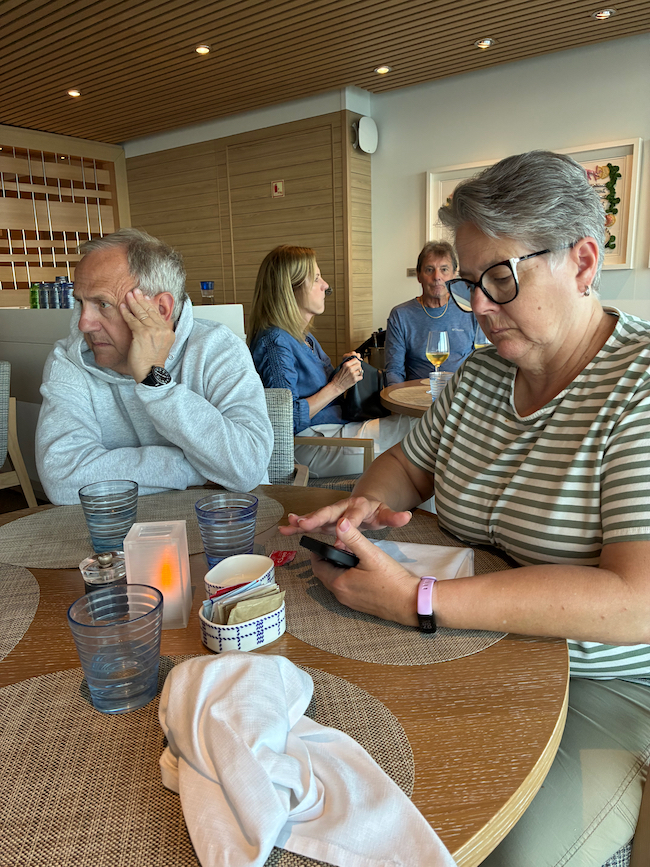
We think this might be the best trip ever because of all the conversations with our good friends:
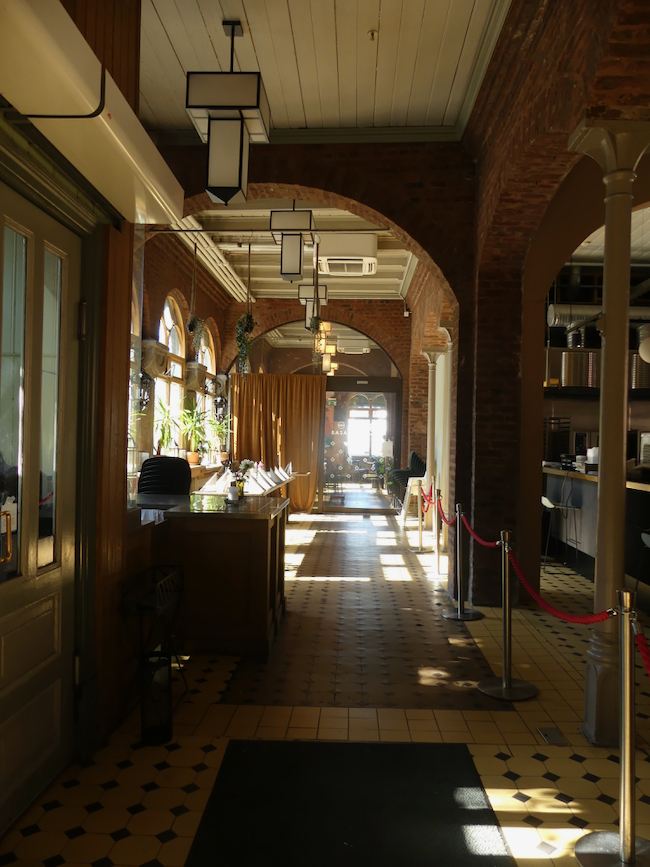
We ordered drinks and appetizers, and the group next to us was served soup, and lavish shrimp open-faced sandwiches, and then dessert, and we never saw our original waitress again. Finally we had waited politely long enough, AdventureMan stopped another waitress and asked where the rest of our meals were – it had been about 40 minutes. Evidently there had been a communication problem among the staff, but once it was brought to their attention that were waiting for the rest of our order, it showed up almost immediately.
AdventureMan had the fish soup and a huge platter of crab claws, and I had the venison in wine sauce. There was so much I needed the others to help me out. They didn’t mind – it was really delicious.


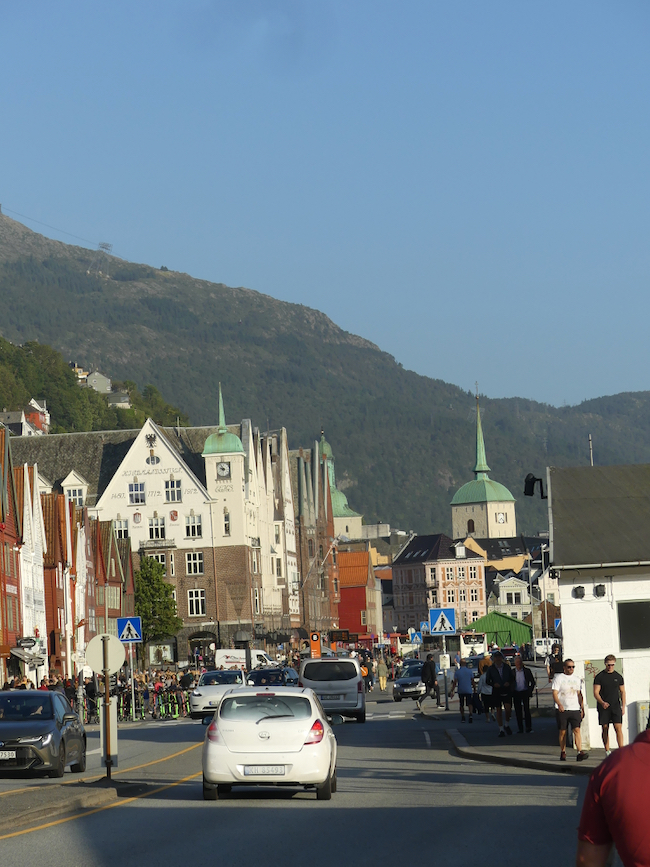
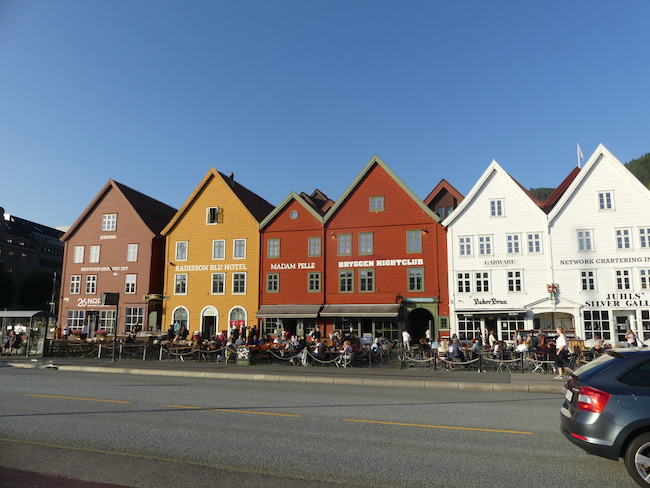
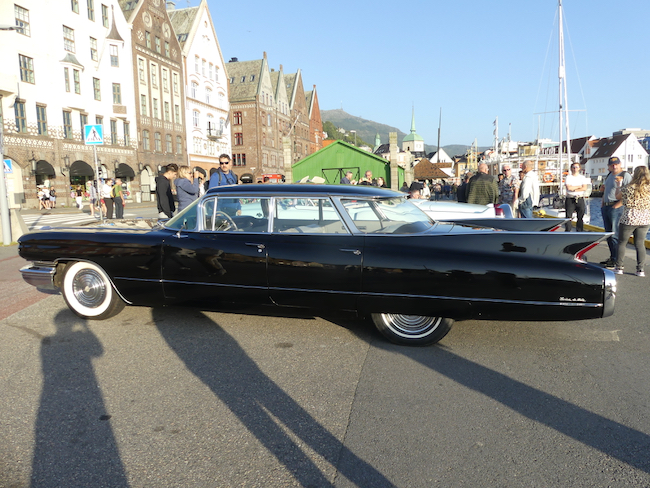
We walked slowly back to the ship. It was time to pack and we didn’t want to pack. Our suitcases had to be organized, packed, and outside in the hall for pick-up to get us to the airport early the next morning. They warn us to clean out our safes, keep aside medications, and pack travel clothes separately in our carryon bags. We laughed, but we also imagined that these are things that have caused problems in the past. Packing wasn’t that hard, and we head for one last visit to the spa.
Meeting up with our friends for dinner, we work some on the problems of the world, and then on our more immediate problems – family, travel plans, things we have to deal with in the real world. It’s still light outside after our long (also light) dinner, so AdventureMan and I take a last walk into downtown Bergen and back to settle ourselves. We actually sleep well.
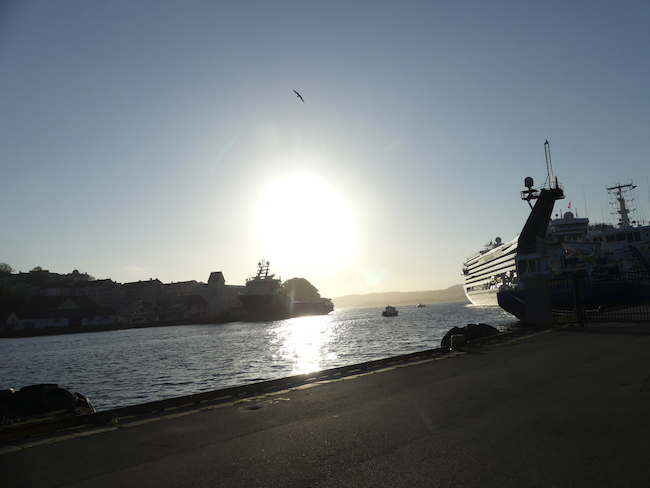
Sun setting over Bergen:
British Isles: Lerwick, Shetland and Jarlshof
We are finally here! Were were excited about visiting the Shetland Islands back when we did The Wake of the Vikings, but the weather made the water too tough to dock or tender in, and we had to skip the Shetland Islands. It was particularly disappointing to AdventureMan, as he had watched every episode of Shetland, a mystery series on Netflix.
As it turns out, he wasn’t alone – one of the first things the guide mentions is that everyone wants to see where the murders were committed (and through the trip, she showed us!) but that the show made The Shetlands look like the murder capitol of the world, when in truth, daily life tends to be very routine, and crime of any kind is limited. And everybody knows everybody.
Probably half of our bus had watched the show, or read Ann Cleeves addictive books about Shetland, and there was a lot of enthusiasm and appreciation from the people on the bus when the guide pointed out the places where the crimes really did not take place.
On our way this morning, this cracked me up. The local ferry, the North Link, with a big Viking on it passes the huge Viking ship as if we were barely moving, LOL. I guess it just struck me as funny. Maybe he’s pointing the way, thinking we are lost.
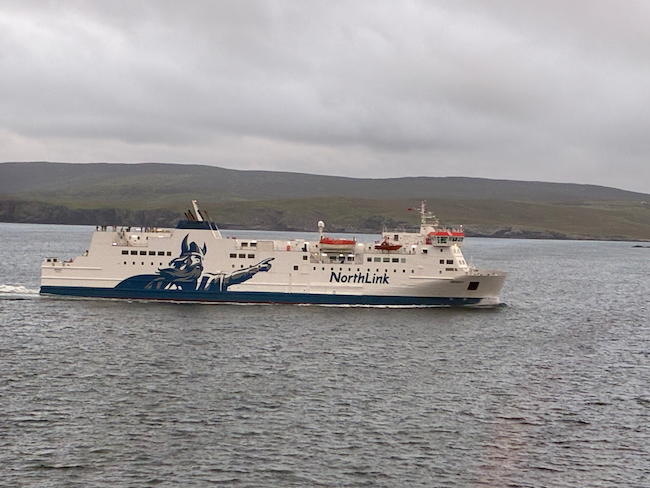
Today, it is cloudy, but they are high clouds, and foggy, the kind that burns off by late morning, and AdventureMan spots a seal sporting in the Viking Jupiter wake as we are docking.
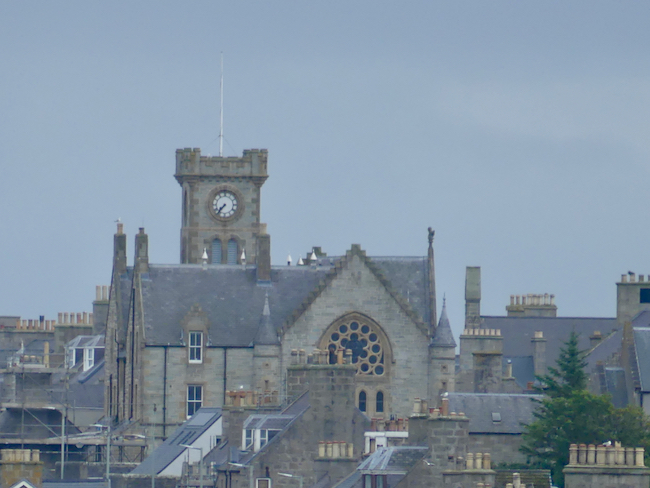


I was wearing a skirt, but I change into Levi’s because it is chill, this is Juneau, Alaska, where I grew up kind of August. I wear a shirt under a sweater, and carry a windbreaker, which I later don when we hit Jarlshof, our destination today.
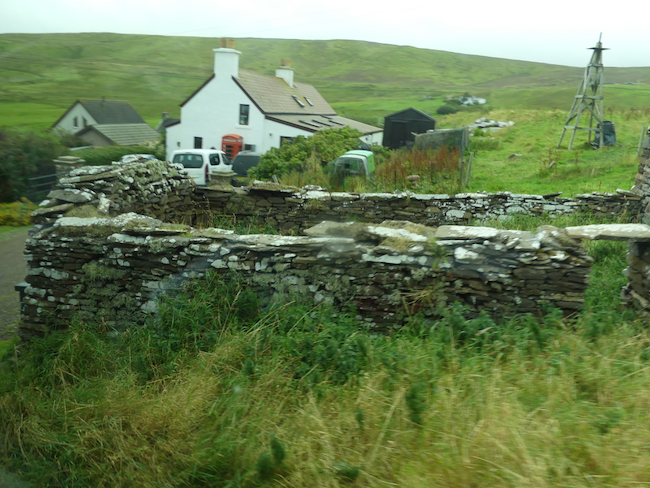
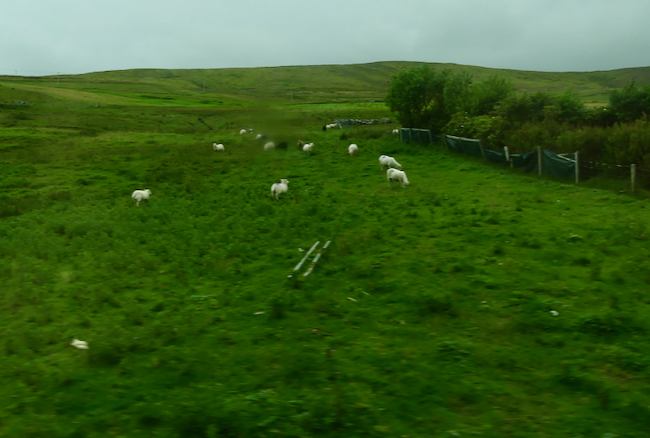
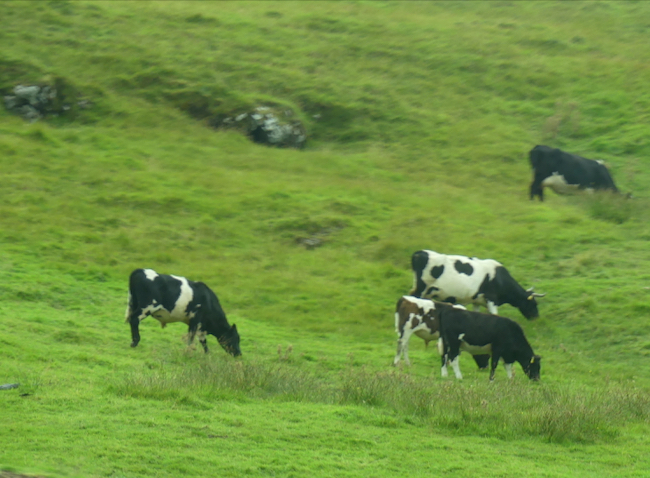
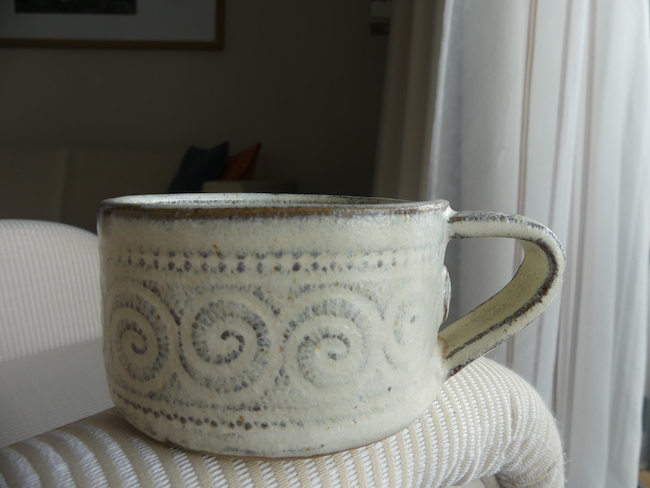
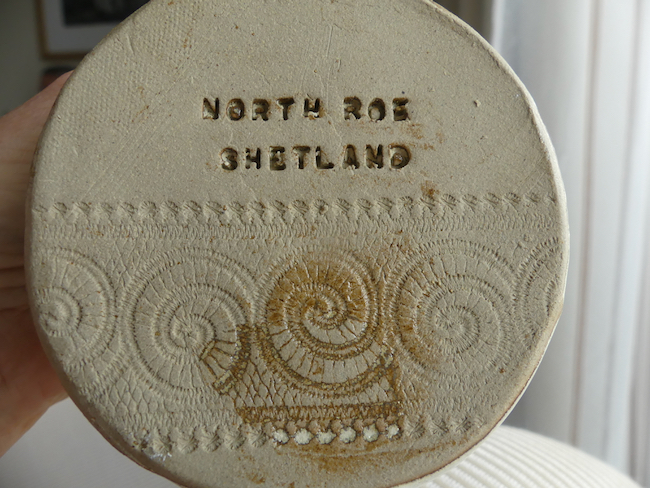
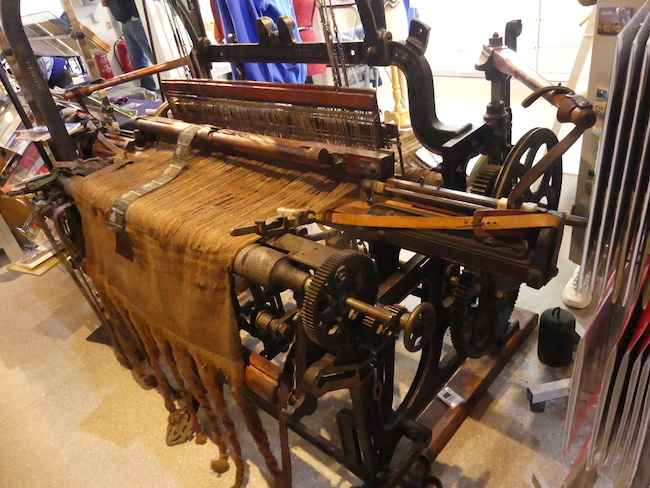
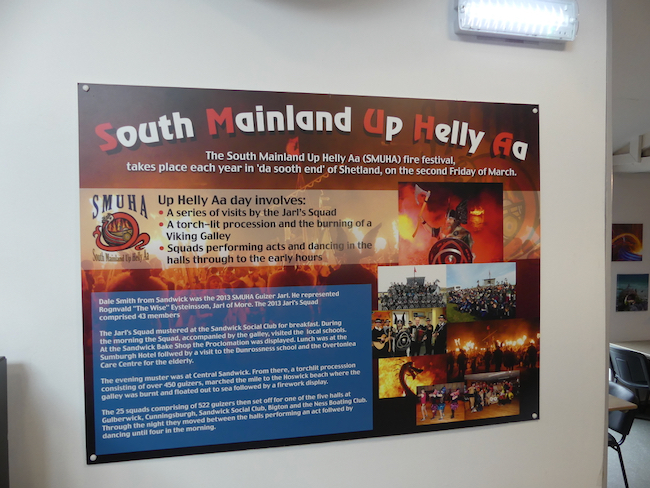
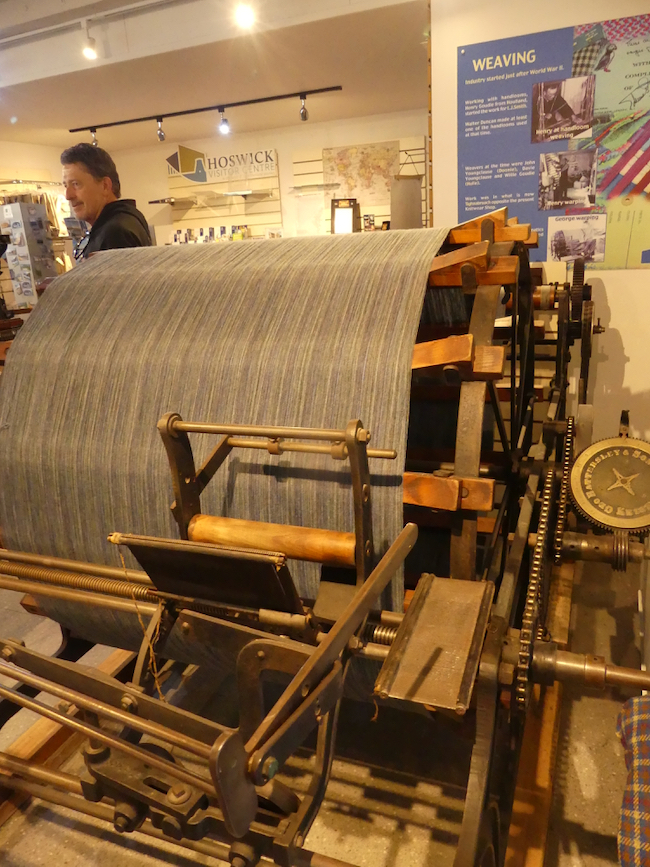
En route, we pass gorgeous bays, fields full of fat, happy sheep, contented cows and frisky Shetland ponies. We stop for a break in Hoswick where I find a gorgeous handmade coffee cup, and love the old crafts demonstrations set up there. It was still very early – barely 8:30, so they had gone to some trouble to be open when we passed through.
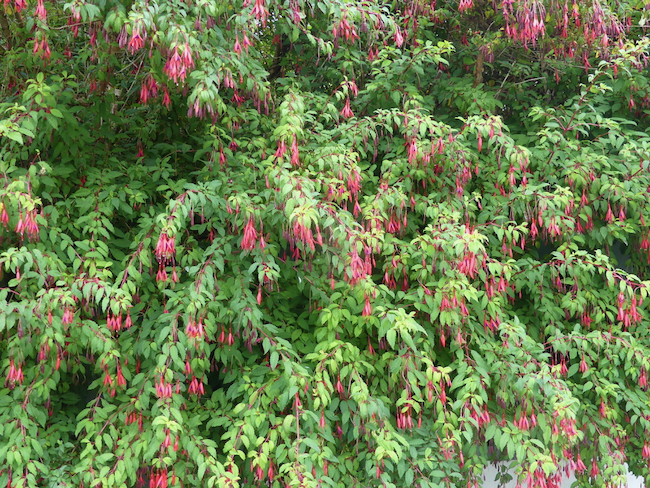
In this village I see something that blows my mind, an entire hedge which is a fuchsia shrub. Fuchsias are special to me; I used to buy one for my Mother for Mother’s Day. I have tried to keep hanging fuchsia’s almost everywhere we have lived, but they are very particular – don’t like heat at all, and need just the right amount of water. The guide tells me this is a hardy fuchsia, and they are grown all over the Shetlands because they love it there. What luxury!


We see a tall ship out in the adjoining bay. Our guide is smart, and a good story-teller. She tells us not much really grown in the Shetlands to support life; the trees are mostly gone, some grow potatoes and vegetables in family plots, but the main industry, until the oil fields came, has been fishing, particularly herring. There are herring stations near where our boat is docked, and she tells us there were women called the “gutting girls” who would flay and salt the herring and put them in barrels to ship around the world.


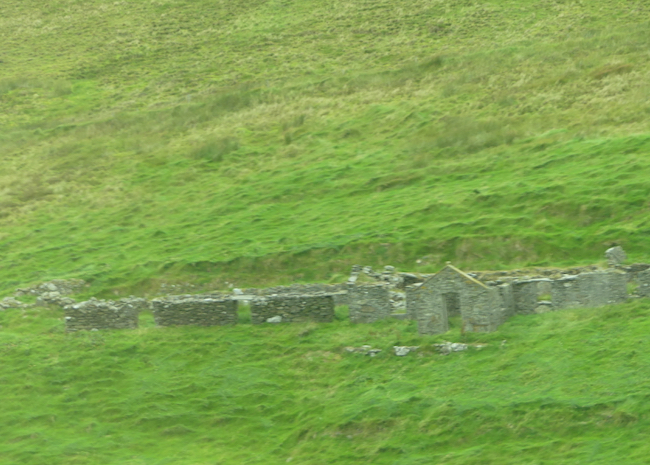

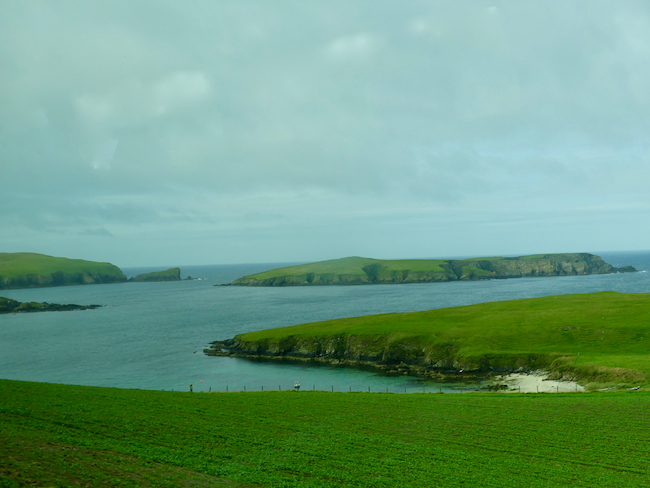
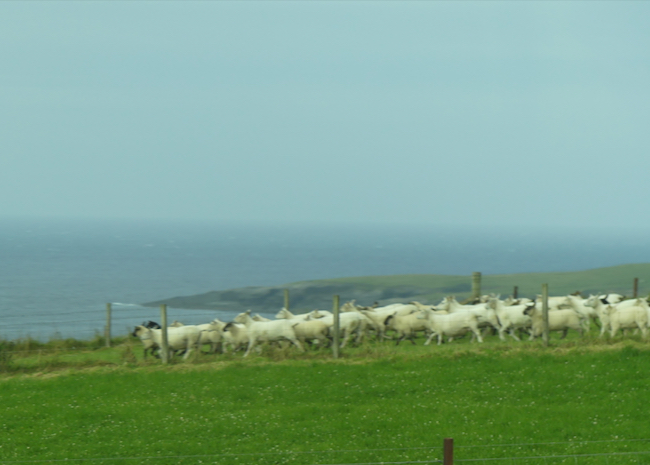
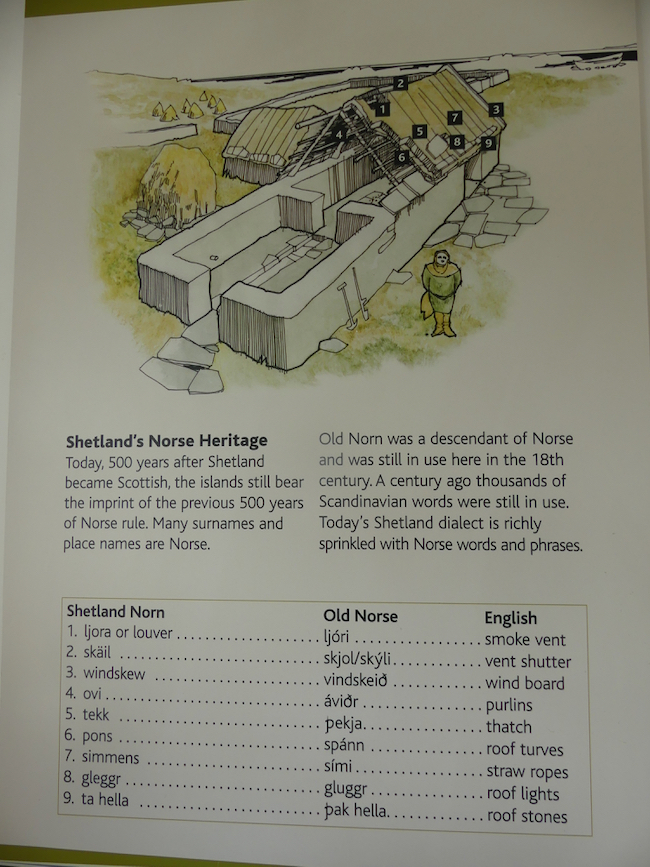
We learned the Shetlands have only been a part of Scotland for the last 500 years; before that they were largely settled by Danes and Norwegians. The streets are named after Norwegian kings, and their language is a marvelous combination of Norwegian language patterns coupled with Scottish vocabulary.
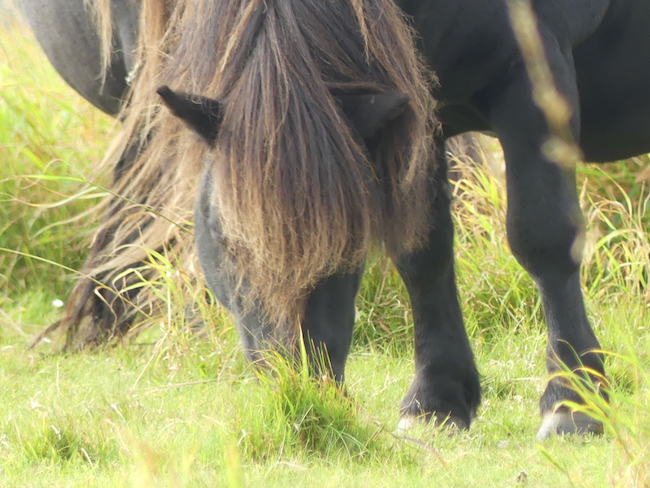
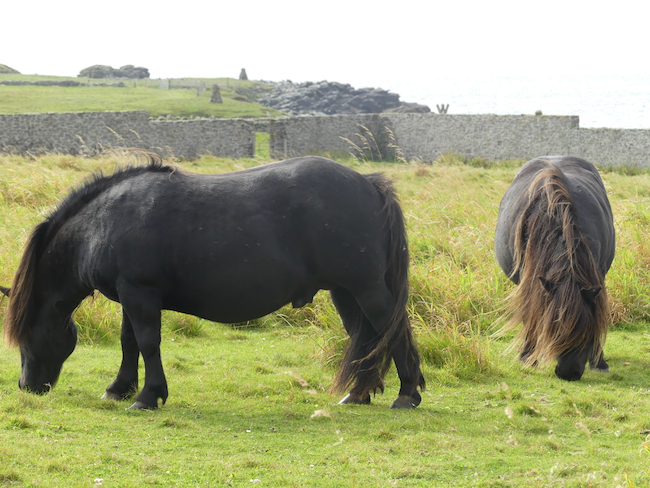
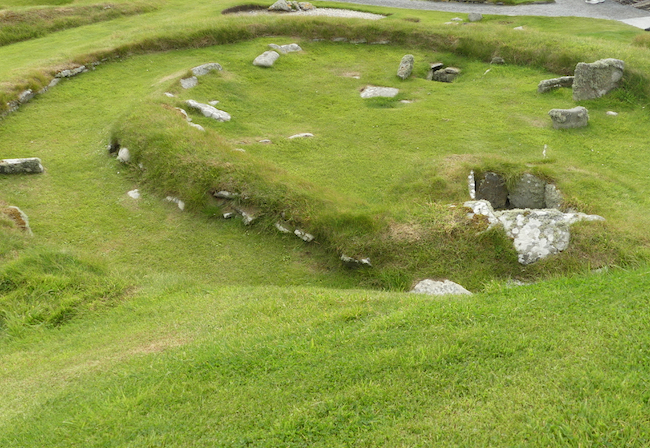
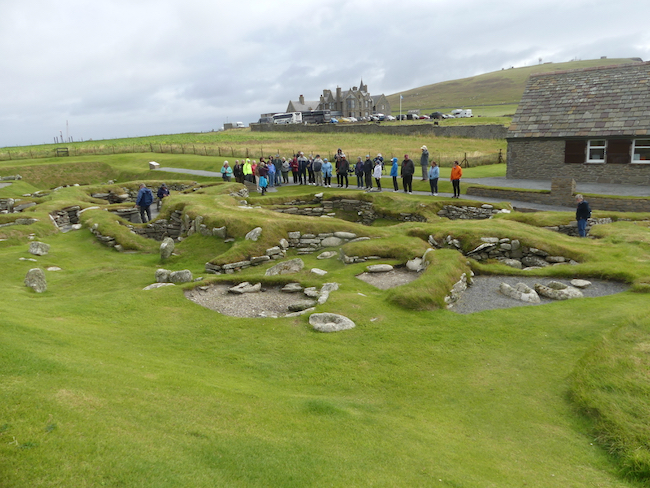
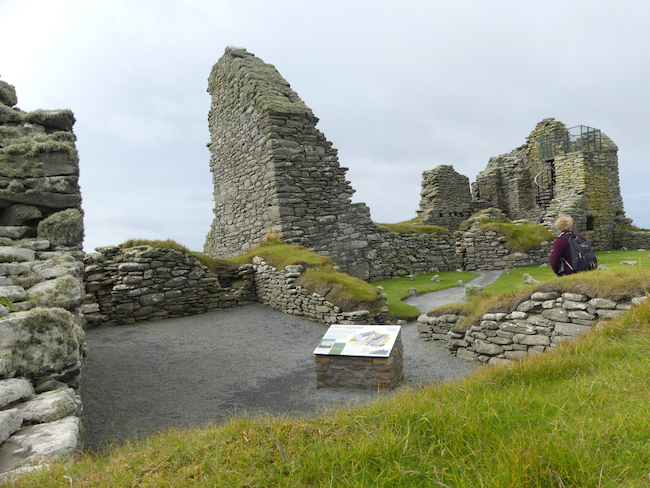
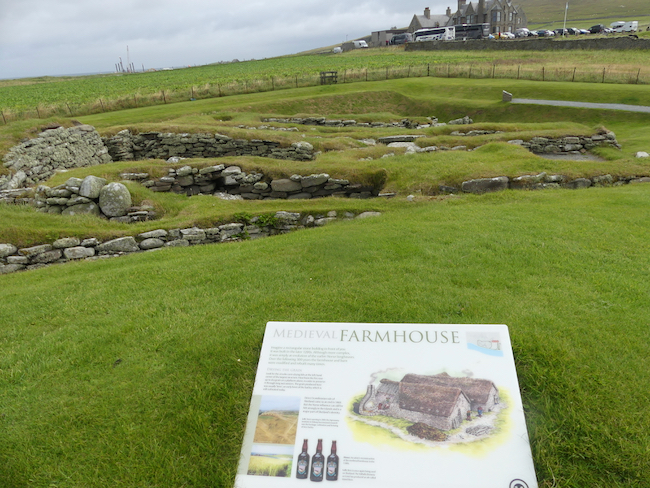
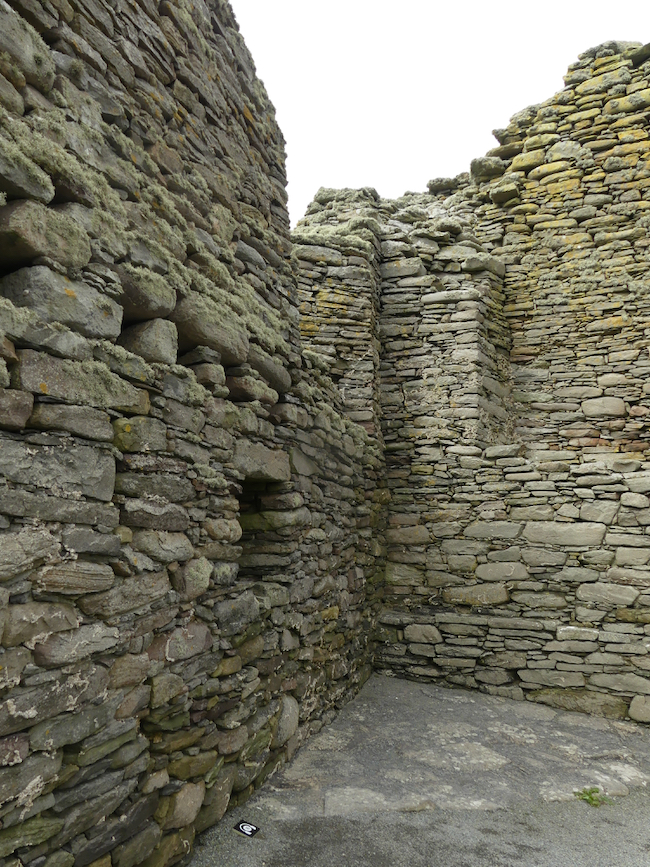
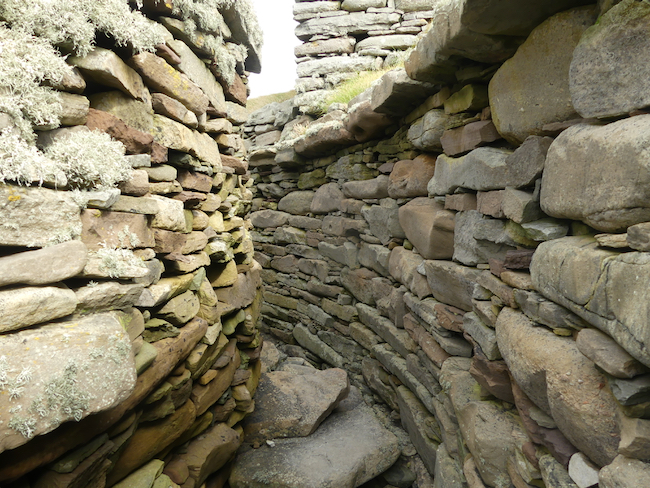
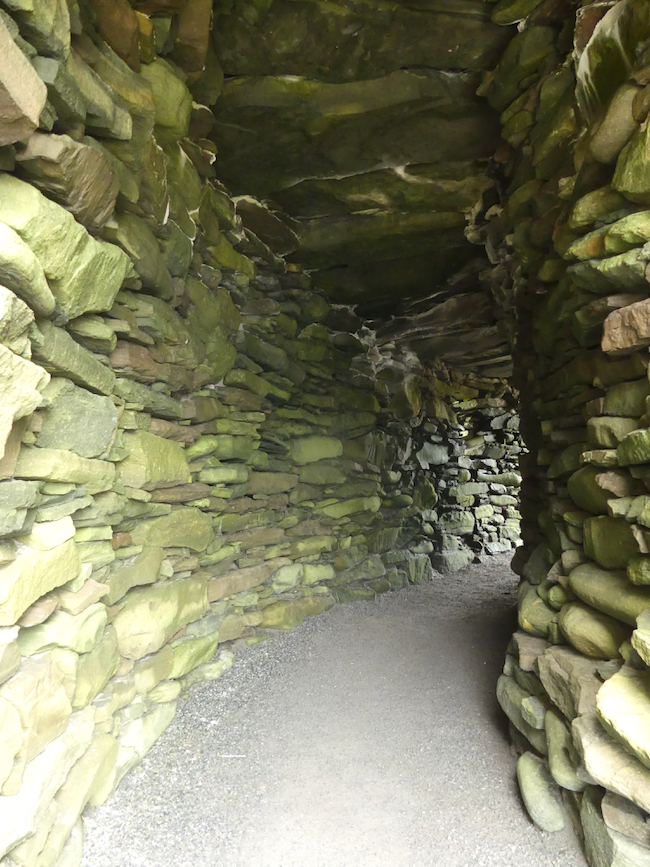
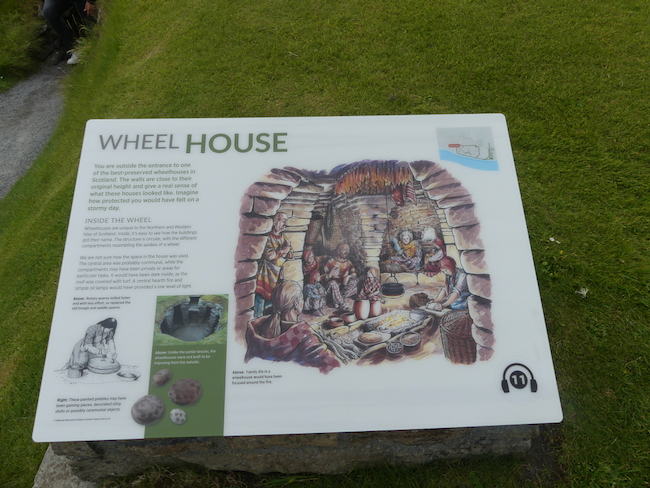
We reach Jarlshof, literally the house of the Earl, and there is a ruin of a medium sized stone house with more-or-less modern dimensions. The treat, though, is that (like Scara Brae in the Orkneys) a large storm uncovered ruins of dwellings dating back more than 4,000 years, built partly underground but covered by sand over the years.
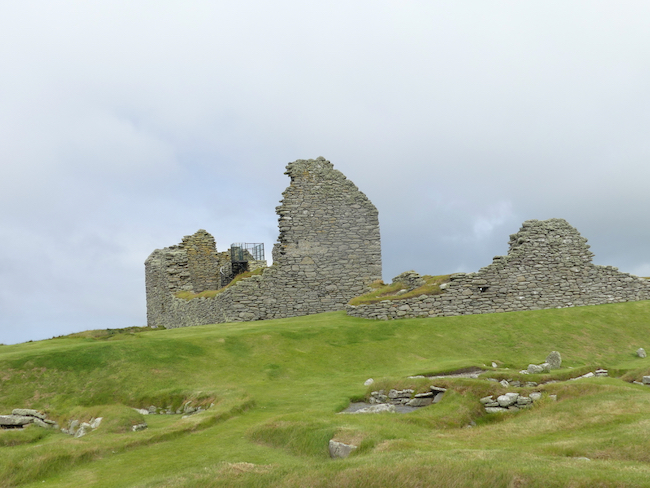
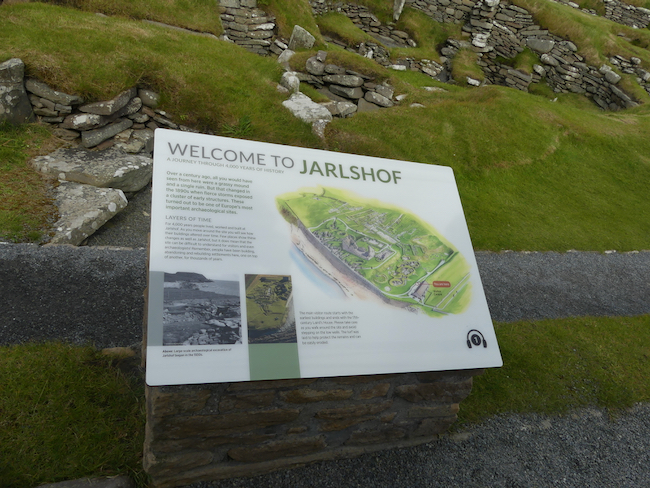
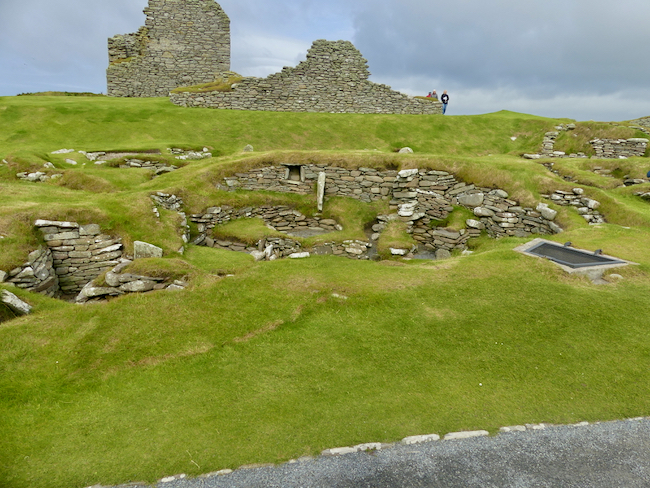
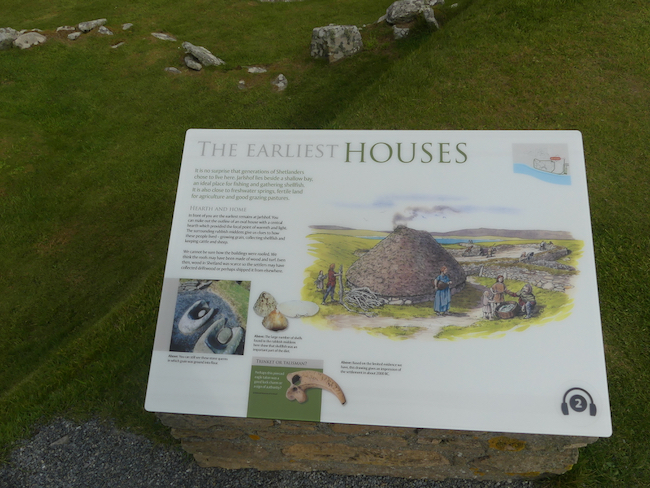
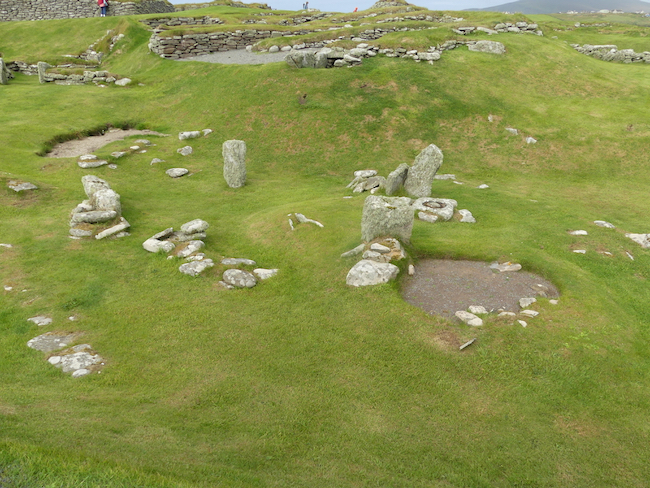


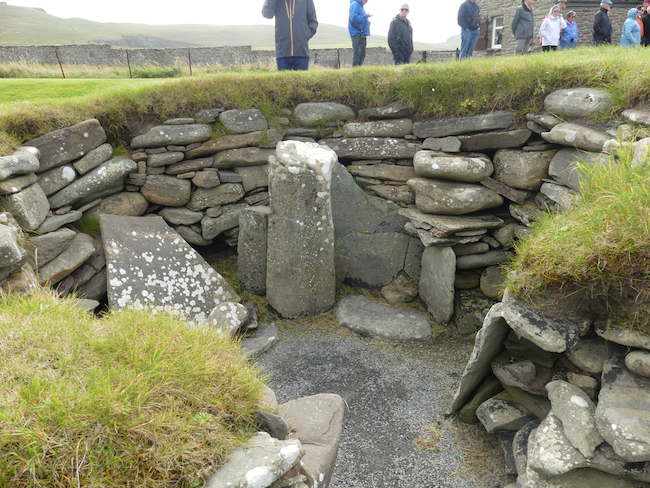
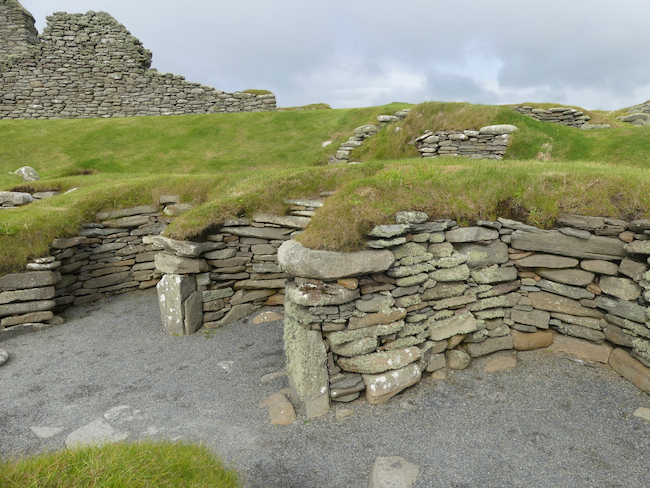
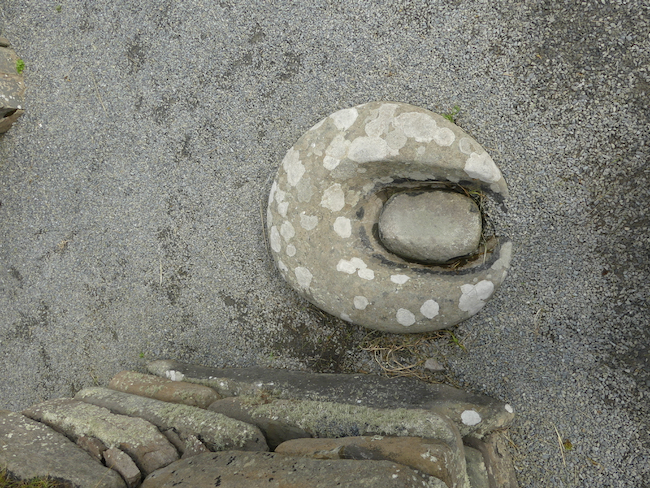
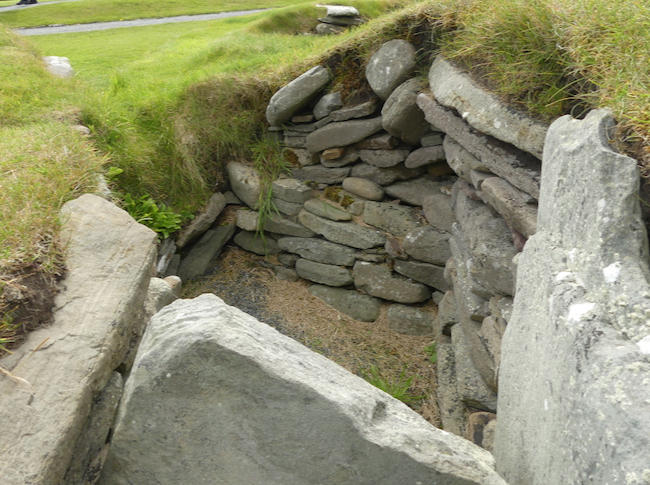


The people who lived here were smart, and inventive. They created archways and strong tunneled wheel-houses, for living, for storage, or so the anthropologists and archaeologists surmise. The truth is, no one knows how or why, or even who made these dwellings. No one really knows whether they died out, or were driven away when the Northmen invaded, or if they assimilated – most of the Orkneys and Shetland Islands have a large portion of Nordic blood running in their veins.
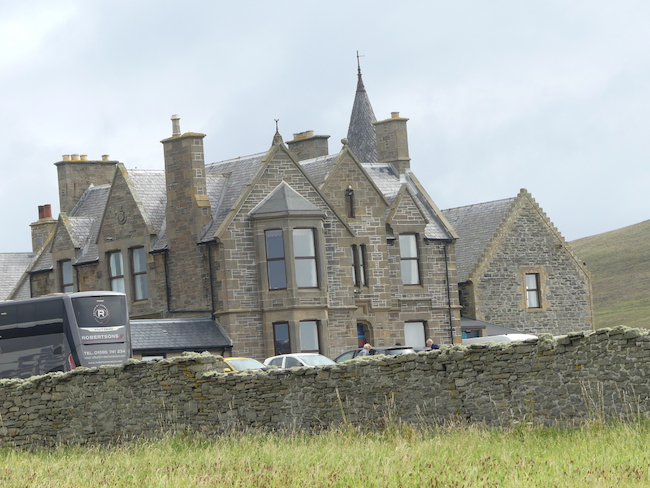
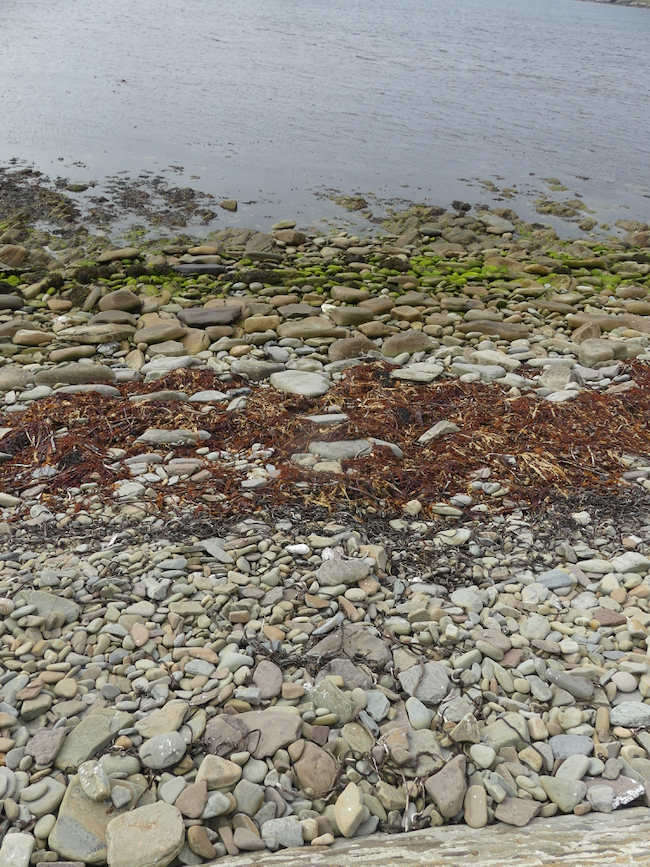

Seeing these early dwellings is a thrill, and it is further thrilling knowing that there may be even earlier dwellings underneath these ones. No one wants to destroy what they have found so far to search for earlier peoples.
Equally thrilling is that while we are touring Jarlshof, the sun breaks through and the landscape looks different, no longer shades of grey and diffuse with fog, now it is bright and shines with energetic colors.




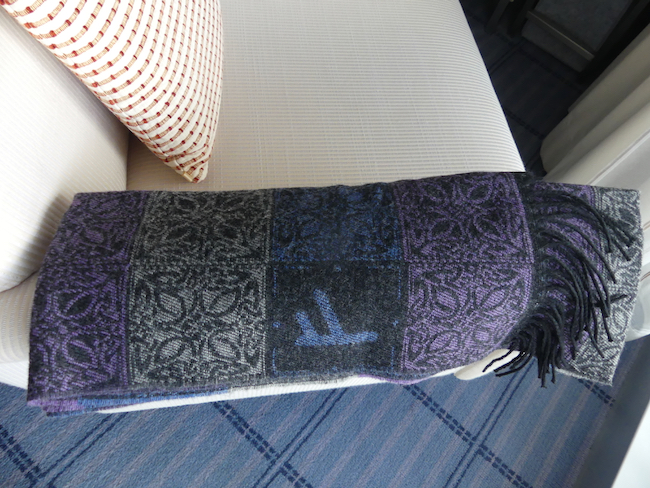
You never know when suddenly you will find a treasure, and today, as I was exiting through the Visitor Center, I saw some truly gorgeous scarves, in classic colors with classic patterns, created by a Scottish Heritage foundation. I couldn’t resist. Sometimes you see something special and you know it. This scarf thrills my heart.
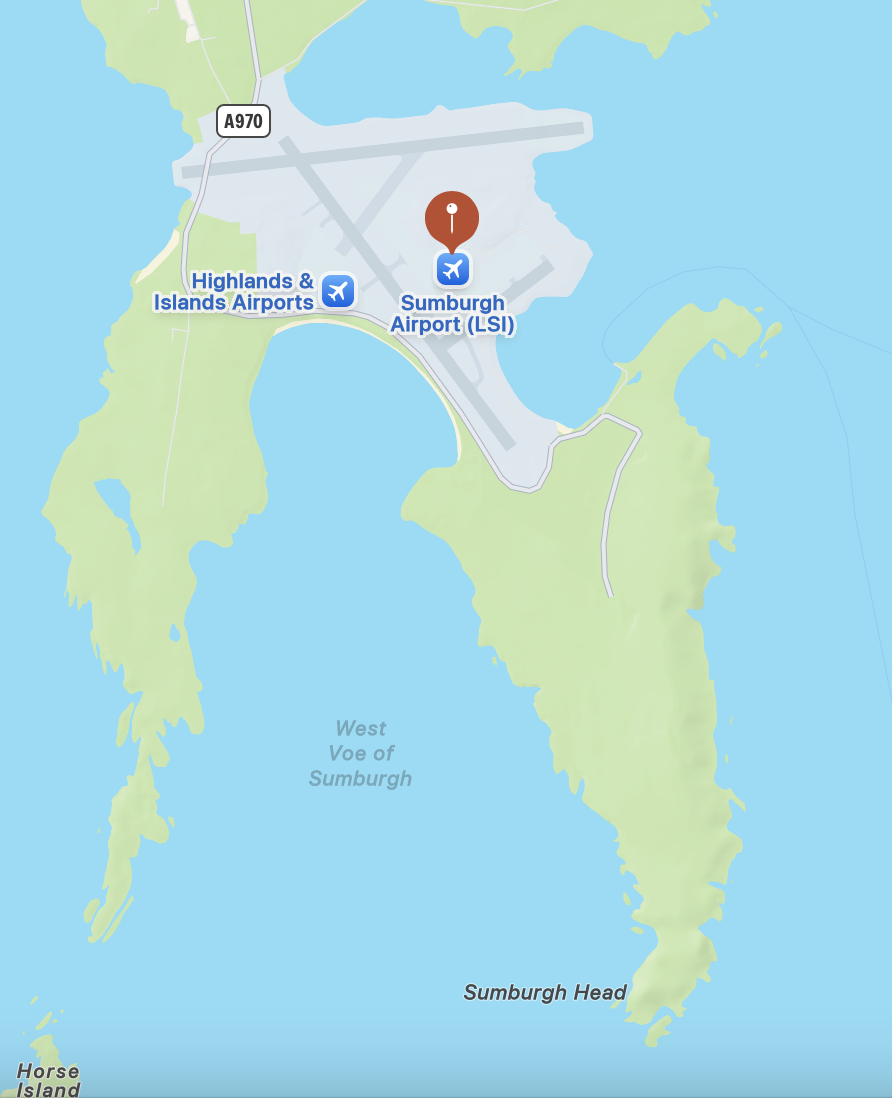
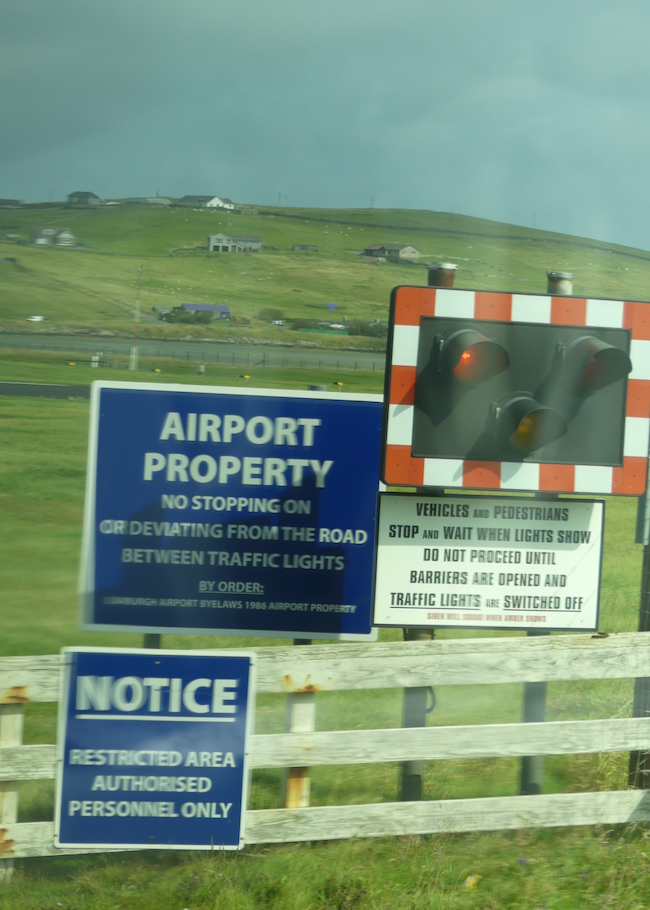
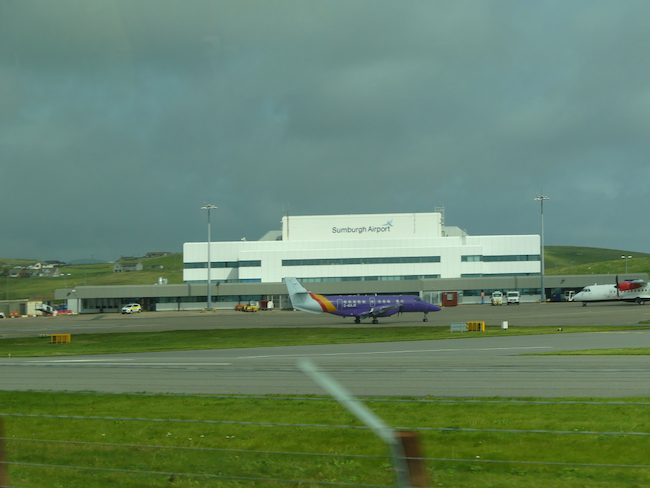
Leaving Jarlhof, we are stopped by a gate across the road and a red light. The road crosses the airport landing strip, and a plane is landing, stopping all traffic in both directions until the gates are lifted once again. We watch the plane land, and then we proceed. I’ve since learned from Ann Cleeves that this is Sumburgh Airport, into which investigators and medical examiners fly from Aberdeen when there are all these murders in Shetland.
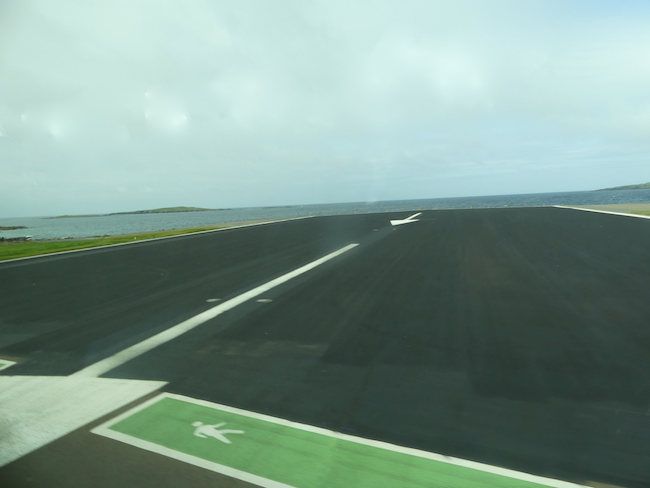
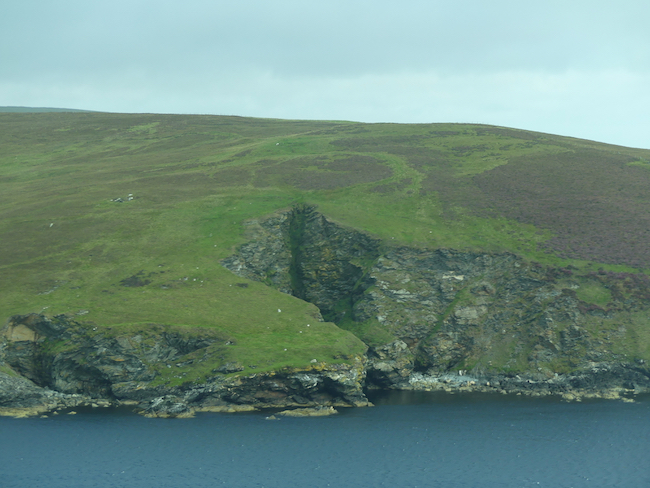
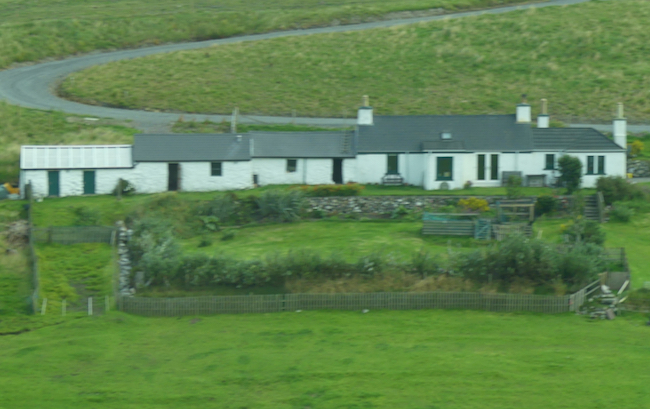

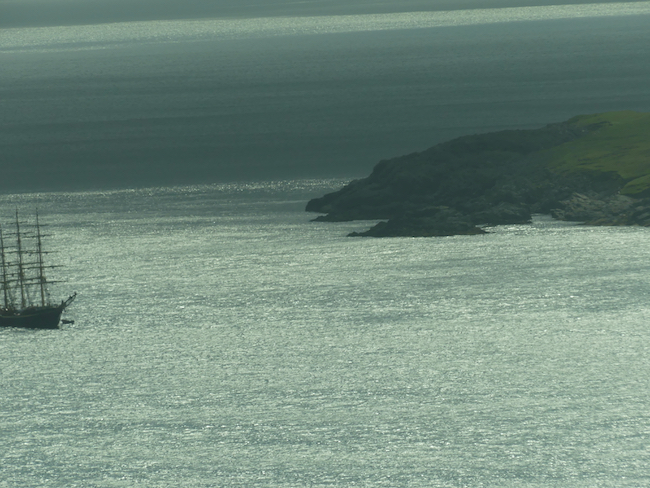
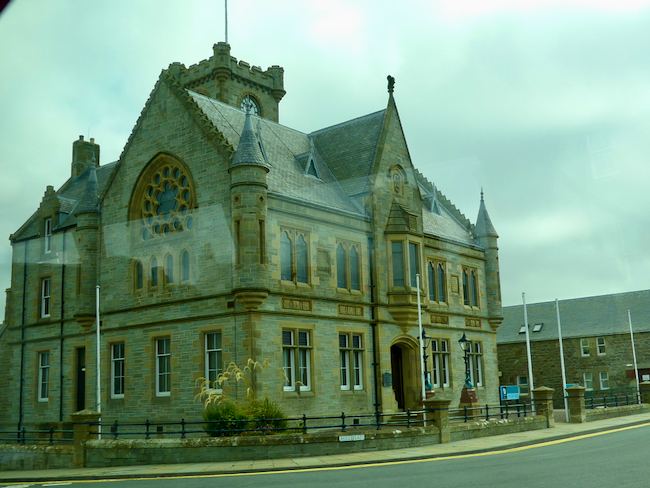
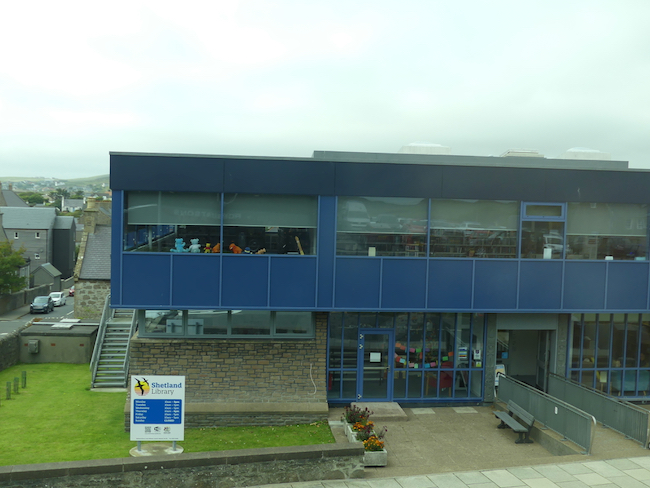

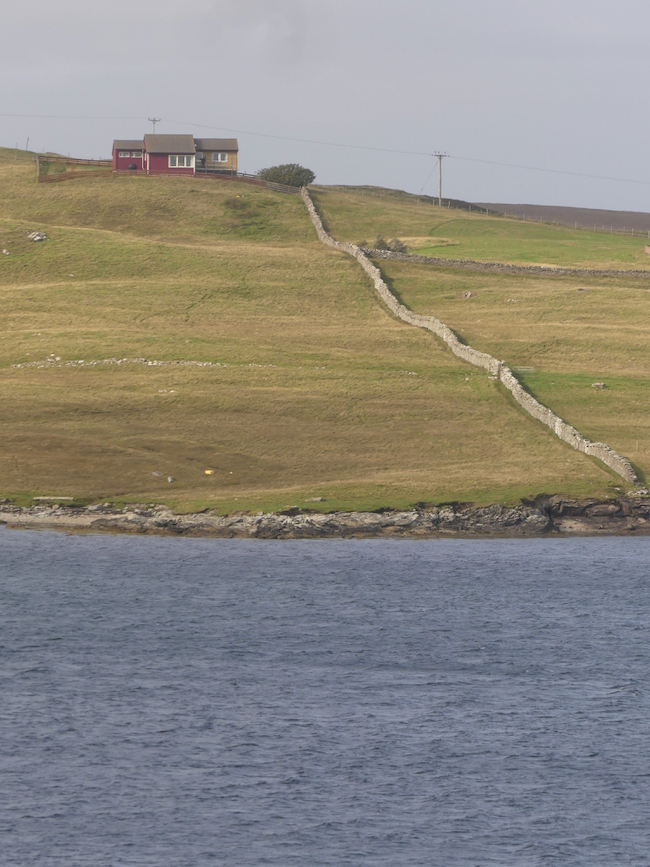
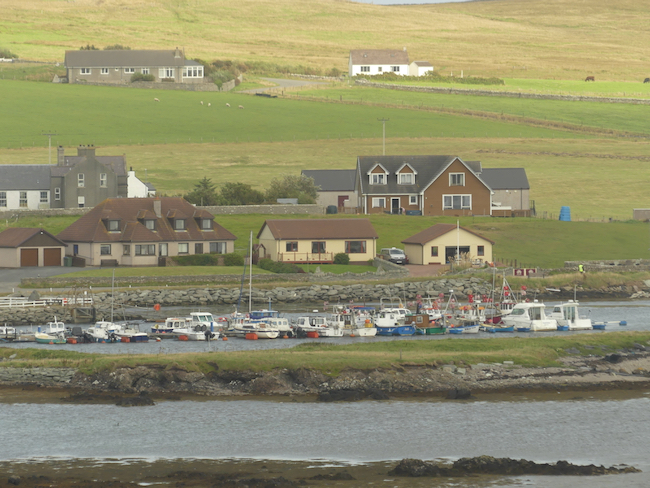
Our ride home is beautiful, again the hills with sheep and cows and ponies, even a few goats. We see small farms, we reach Lerwick where the Viking Jupiter is docked and see granite and sandstone buildings, a high street for shopping and modern supermarkets. Our guide is very proud to tell us that most of the shops in the Shetlands are privately owned, with very few chain stores. Shopping is more personal. Mail order through the internet is iffy – because everything has to come in by air or by sea, weather plays a big role, particularly the wind and rain, and no one guarantees “next-day” delivery.
Back on board, we both choose Malabar beef curry with roasted carrots and are delighted. Afterwards, we go down to the main lounge for coffee, then to the spa to exercise and to recover from our morning.
I try to carve a time each day when I can write this journal while our memories are still fresh, but there is so much! I wake up in the middle of the night remembering new things I need to tell you about!
We are starting to think about packing. Every time we think about it, we put it off. Our ship just departed Shetland for Bergen, Norway, where we will spend the day tomorrow, then depart on Monday for home. We can pack tomorrow.
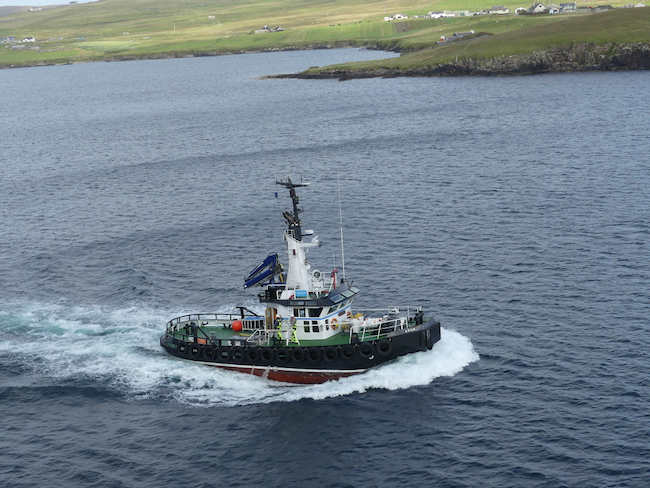

Leaving Shetland – even the skies and seas are the Shetland colors of my scarf!
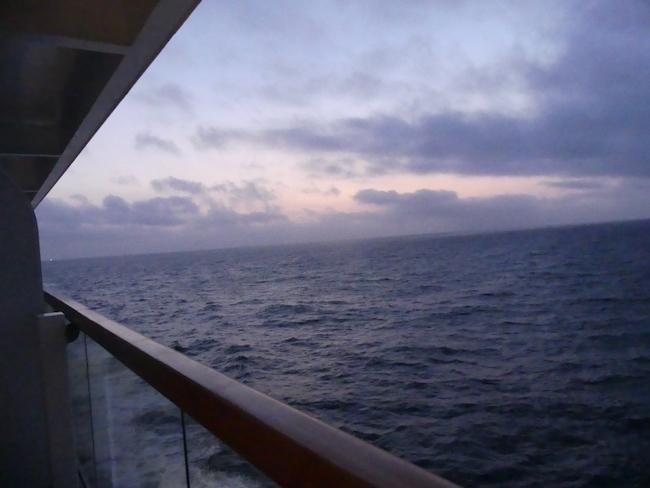
Maybe this was the best day of our trip?
British Isles: Aberdeen Exceeds Expectations
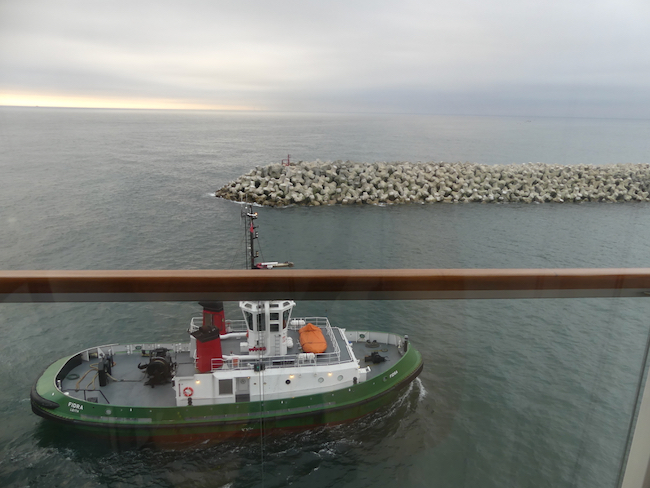
We had low expectations for Aberdeen, but thanks to a truly great guide on our Aberdeen historical and architectural tour, we now see Aberdeen in a whole new light.

Our first impression as we drive around, is how very clean Aberdeen is. Our guide, Andy, told us that when COVID struck, and tourism dwindled to nearly nothing, the city took a very preemptive move to ask the oil and gas companies for funds to pressure wash and clean all the granite buildings. The difference is astonishing. The grey granite of Aberdeen sparkles!
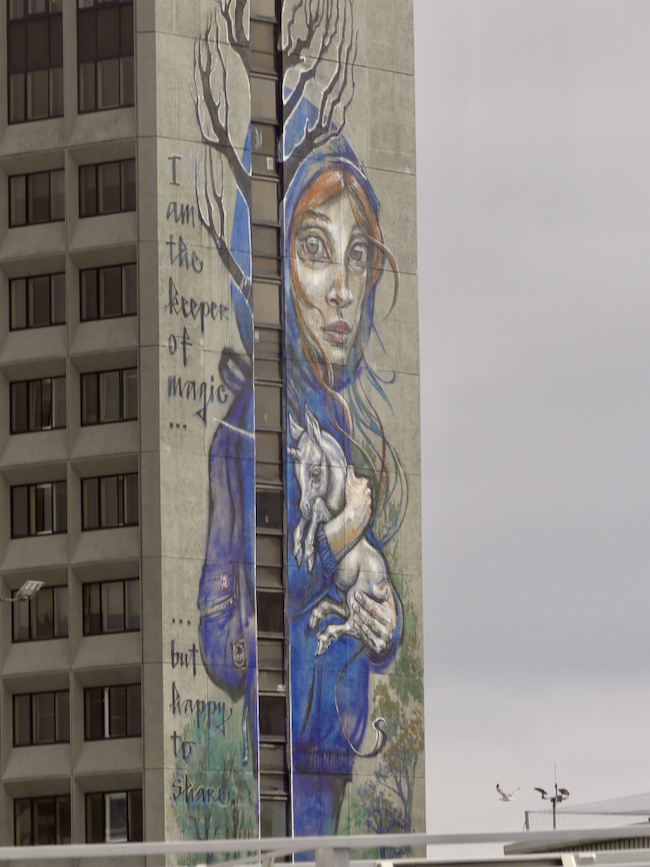
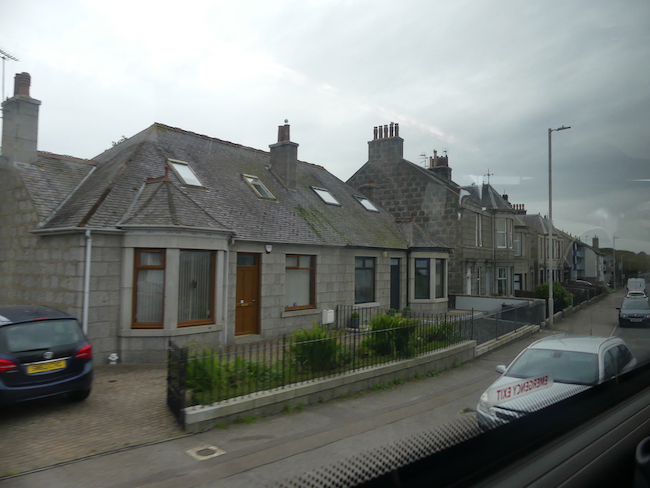
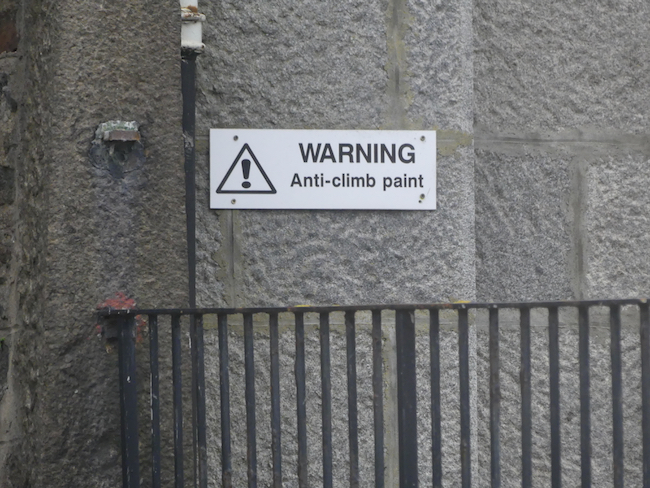
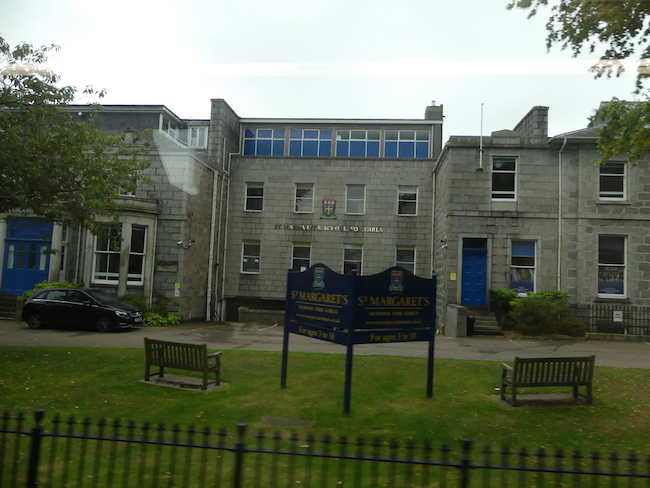
The Historic Aberdeen tour started with a drive through the area with the private schools, leading to a visit at two universities where they had recently cleaned everything, and it was stunningly beautiful. We were able to visit the old library, classroom and chapel.
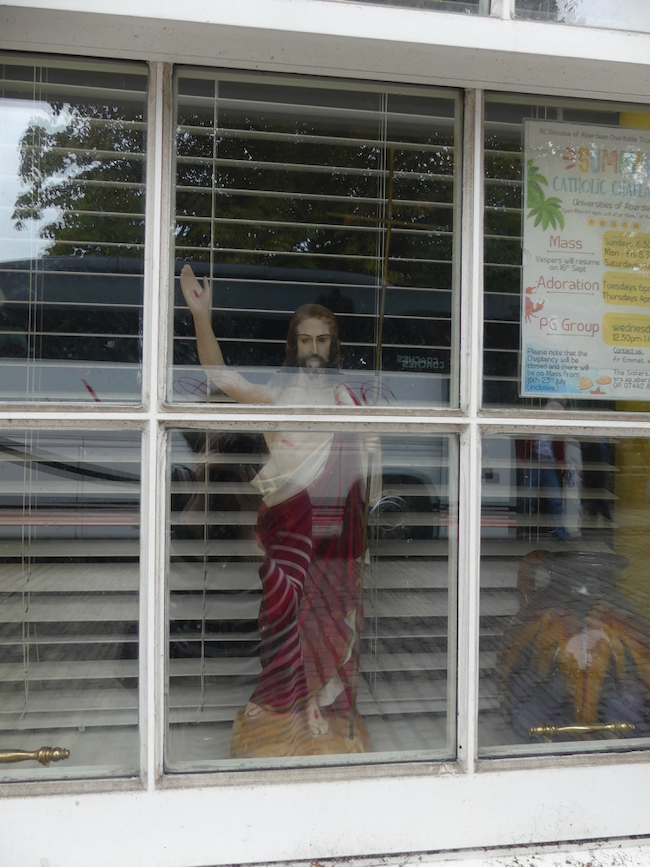
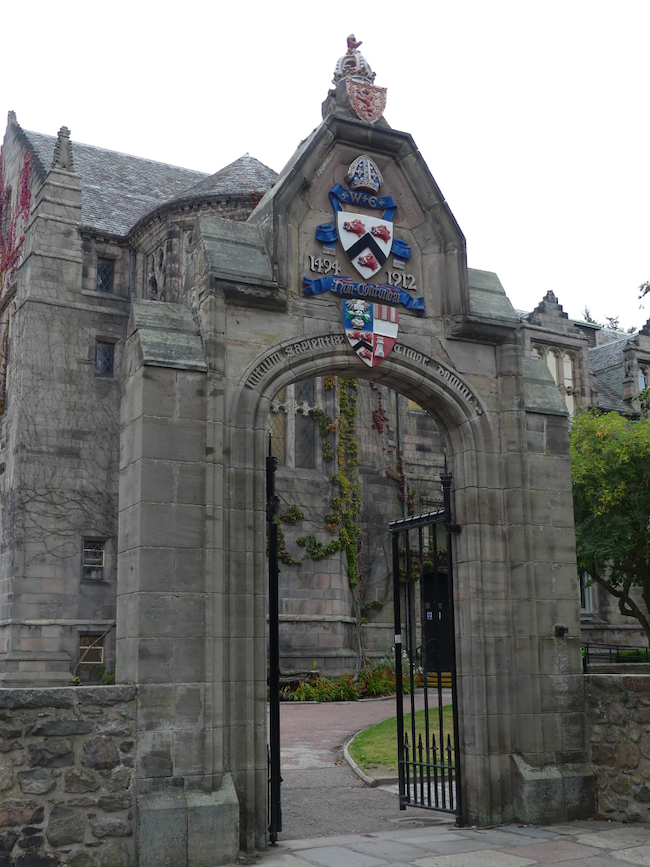
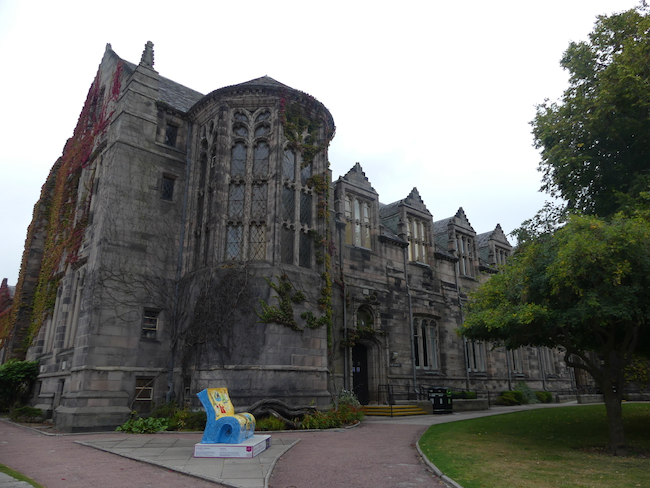
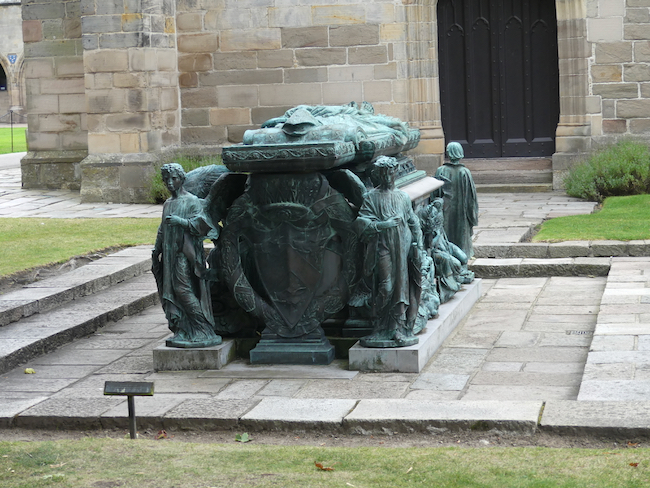
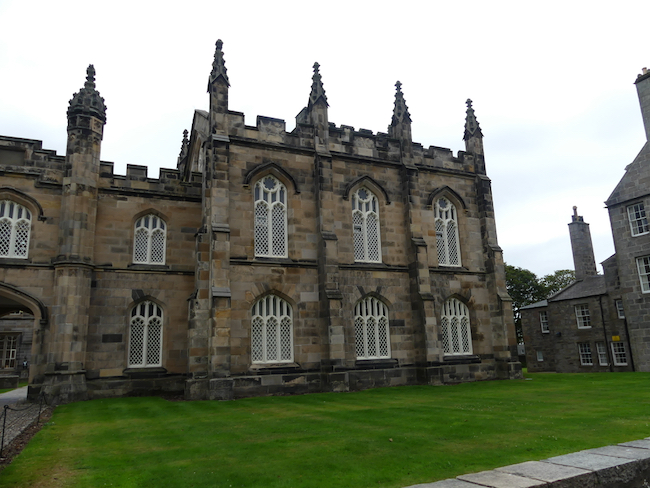

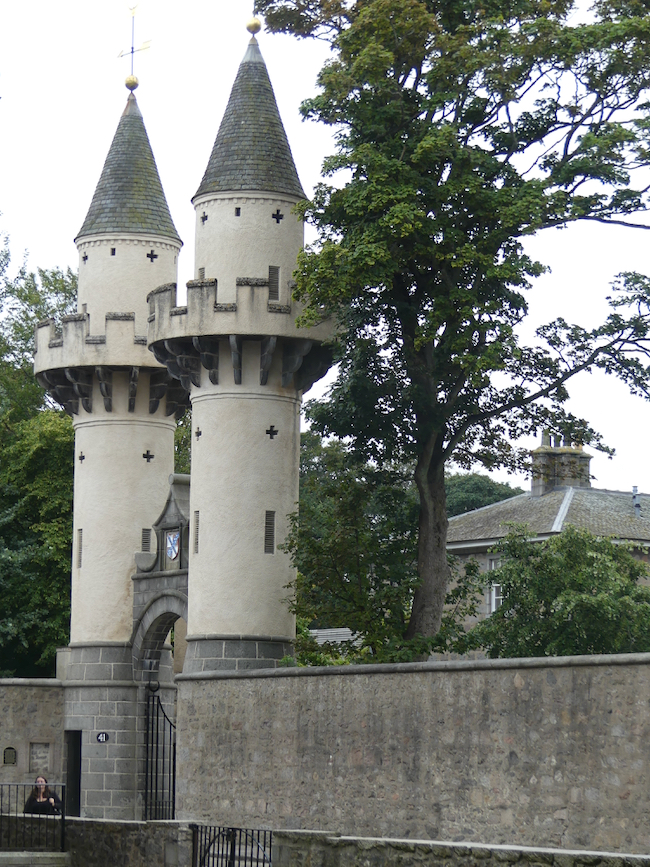
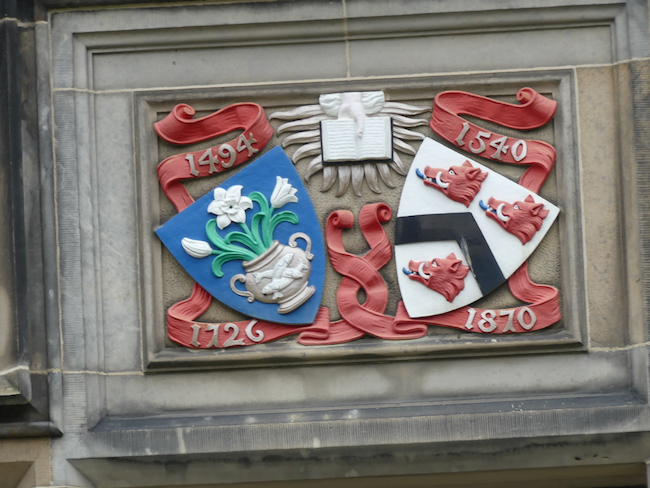
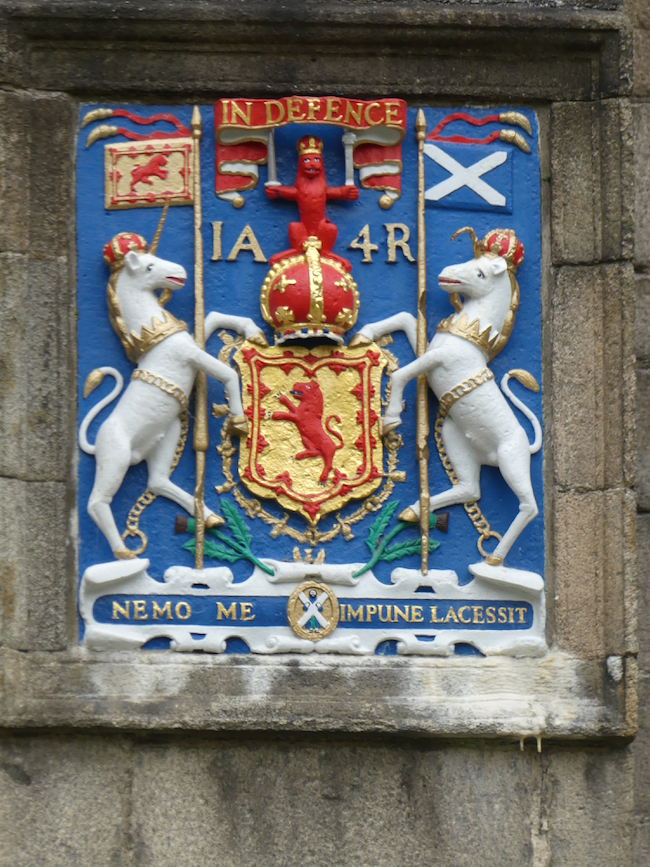


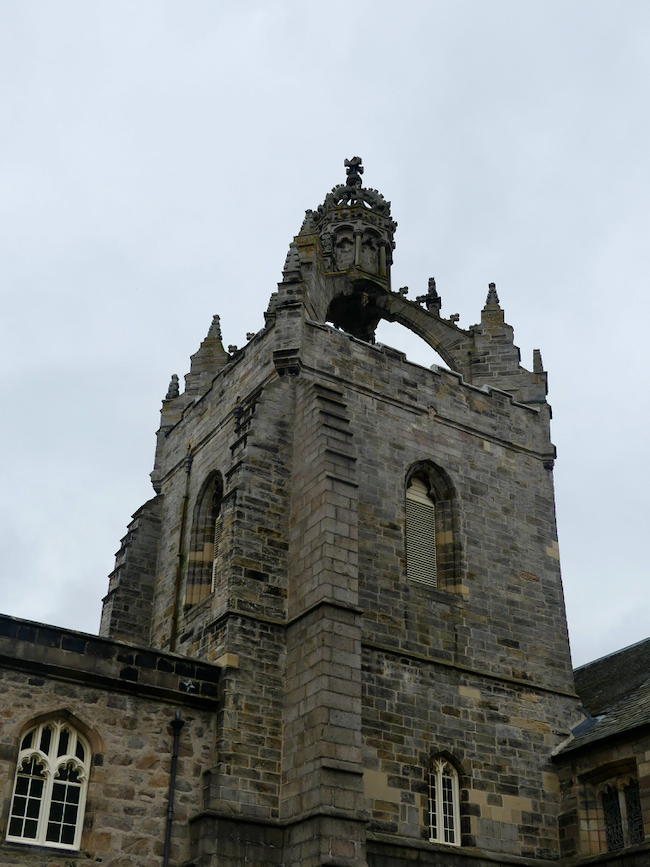
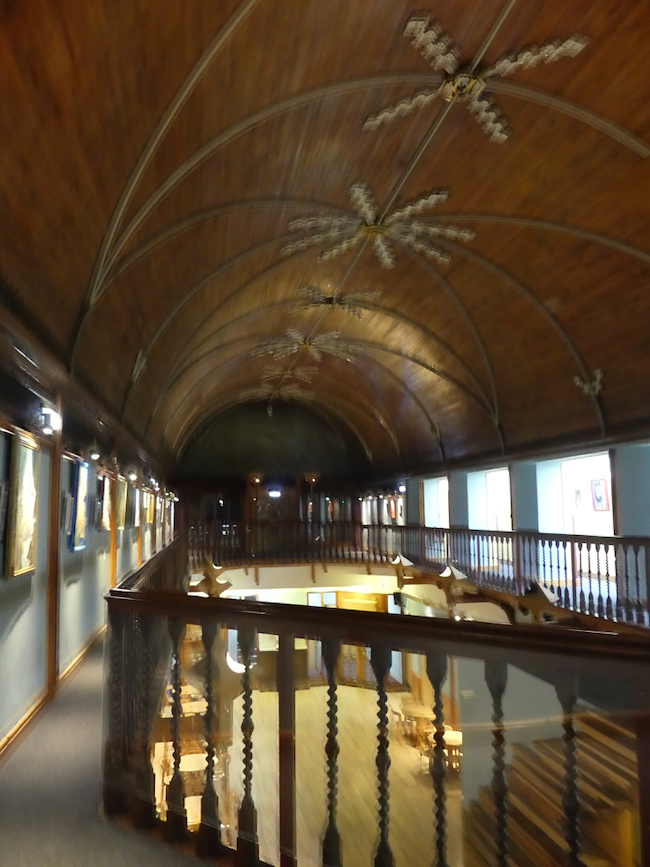
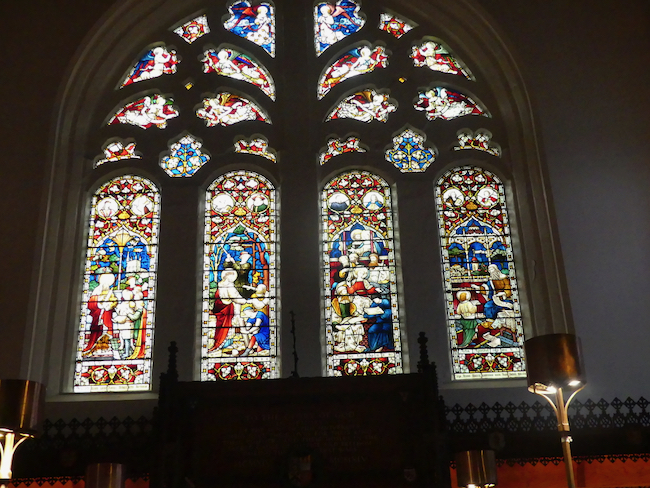
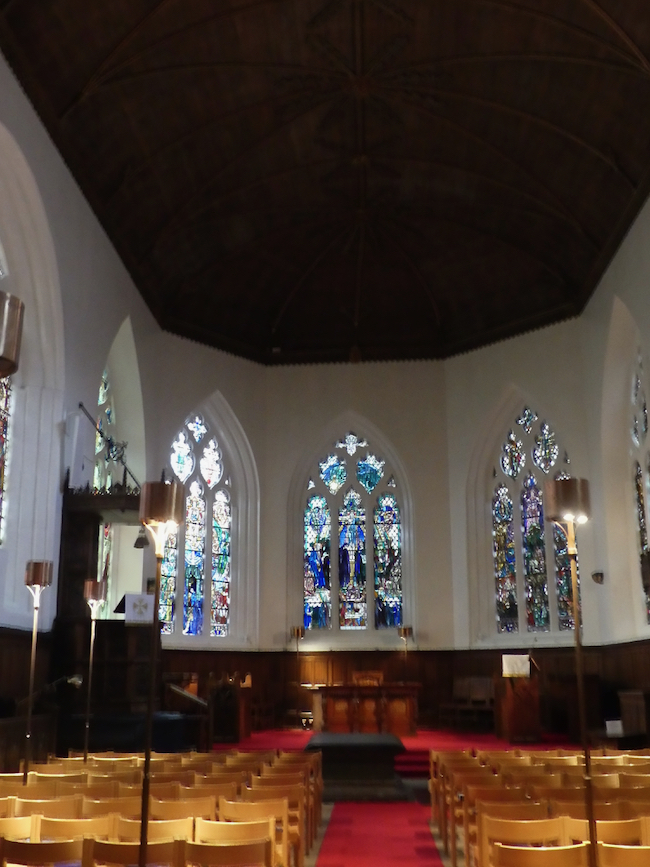
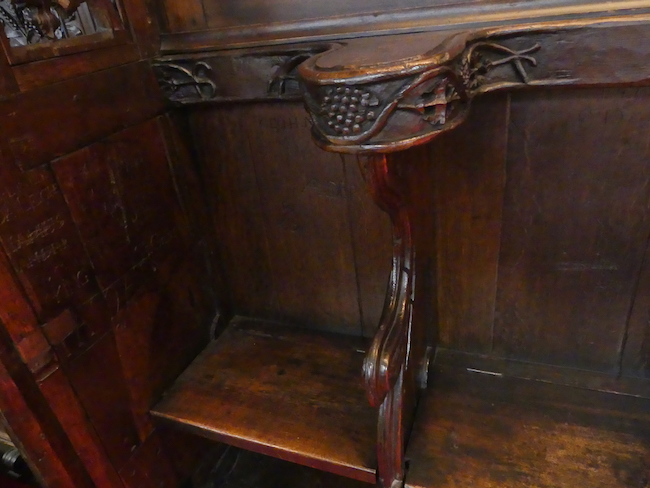
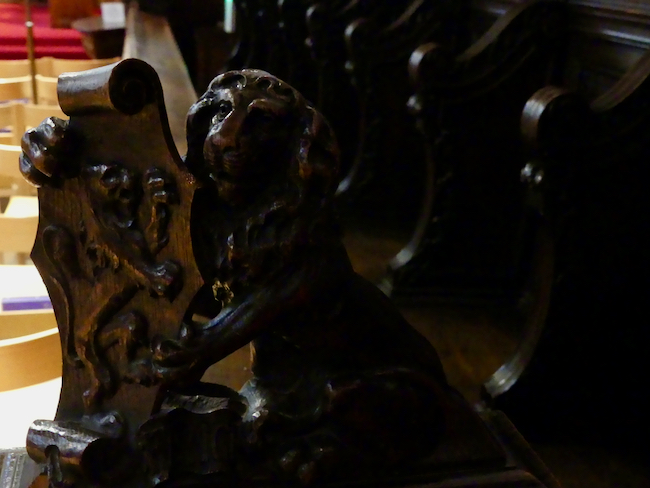
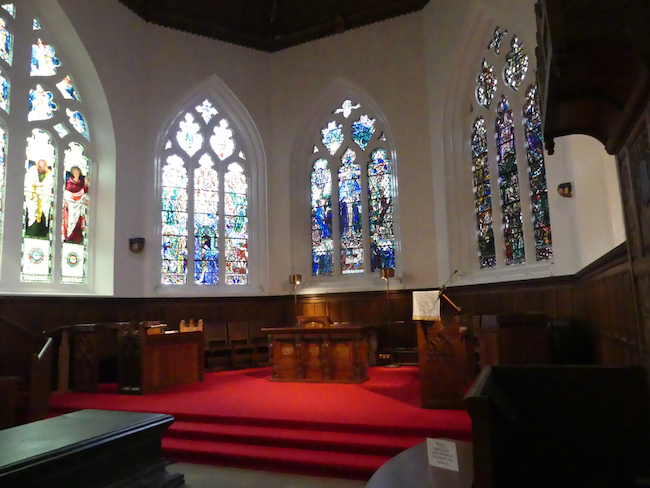
Continuing on, we go to Fitbee/Footee, a picturesque fishing village tired of all the tour buses coming through and taking photos into their windows (!). My great favorite at the beach in Fittee is the mobile sauna booths. Such creative enterprise!

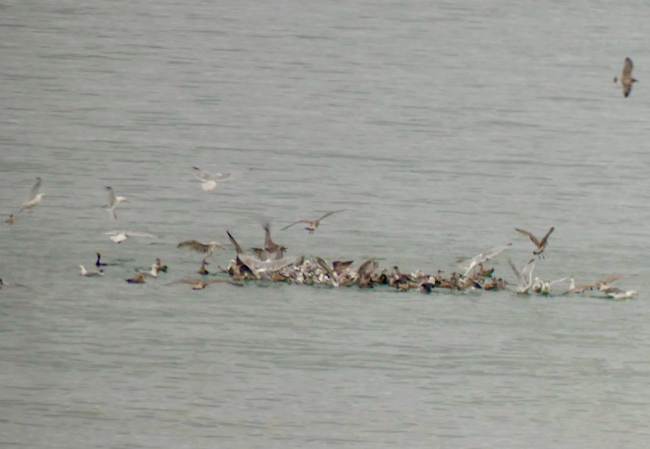
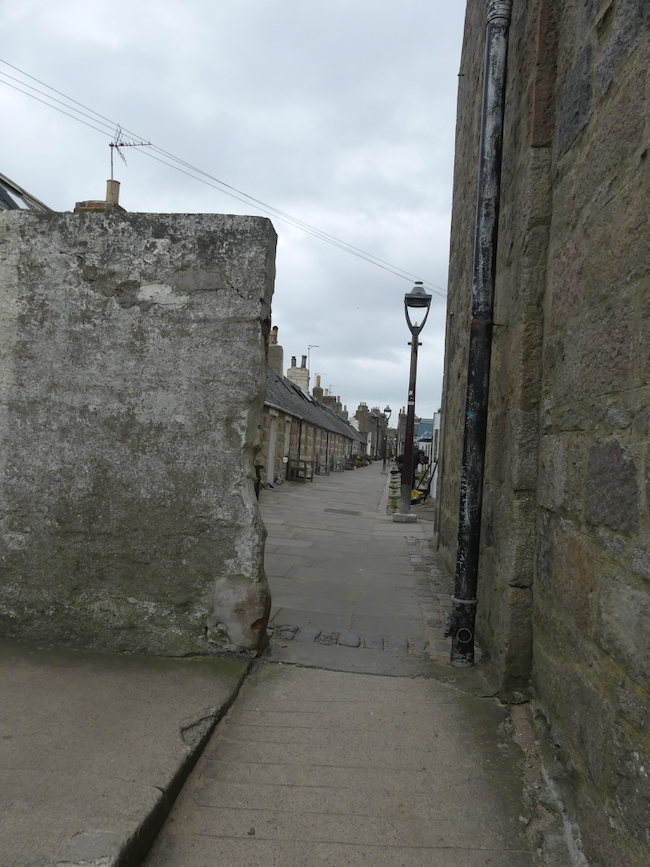
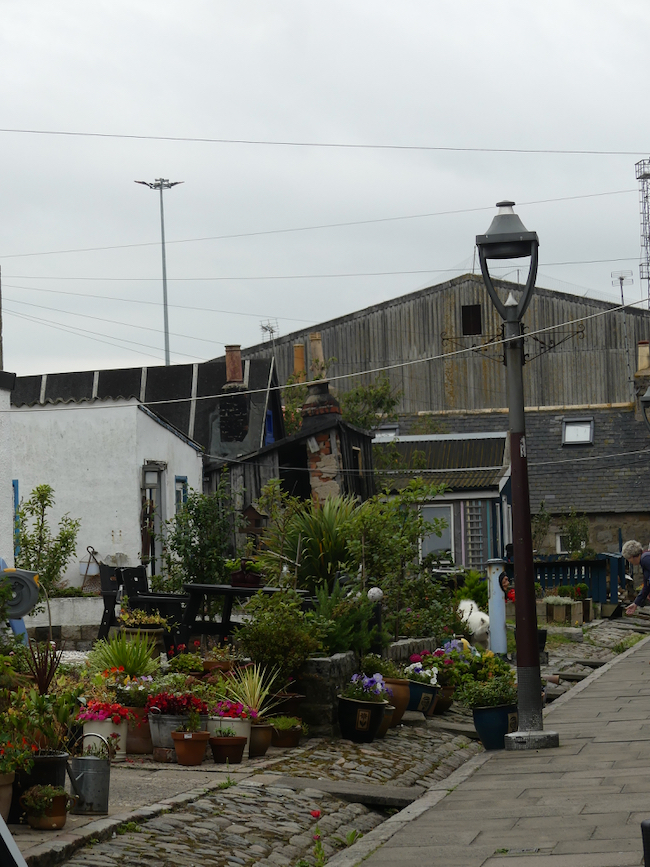
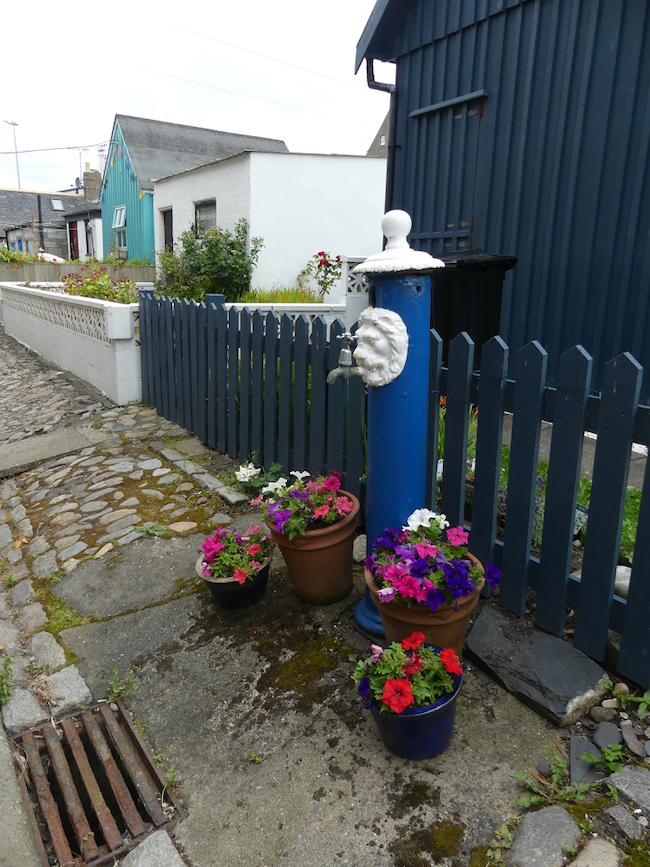

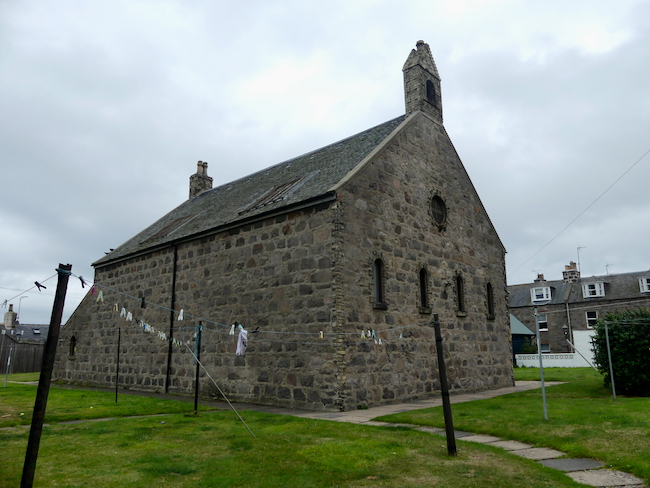
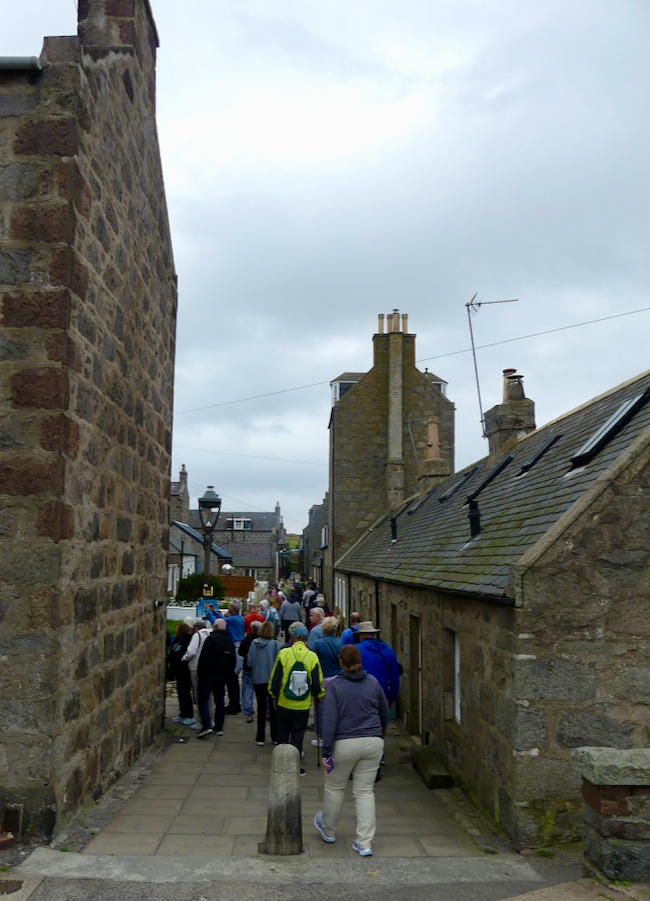
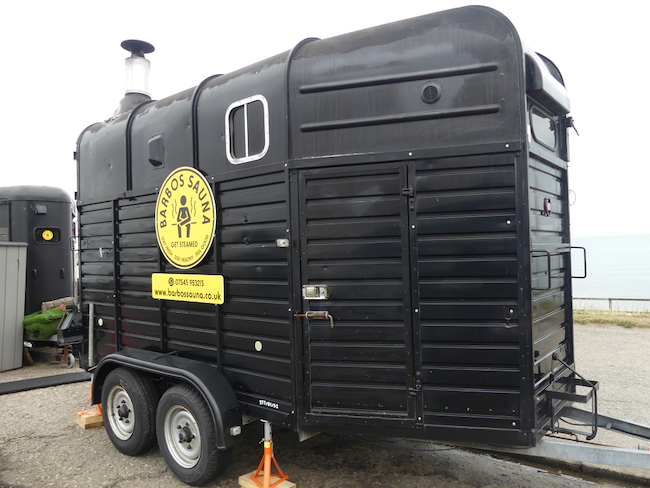
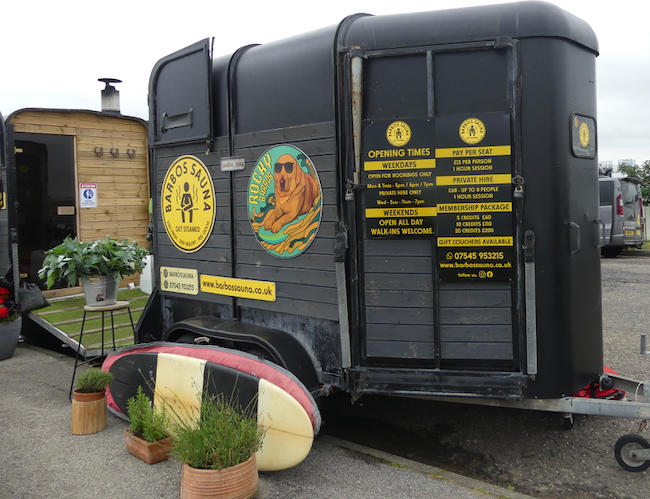
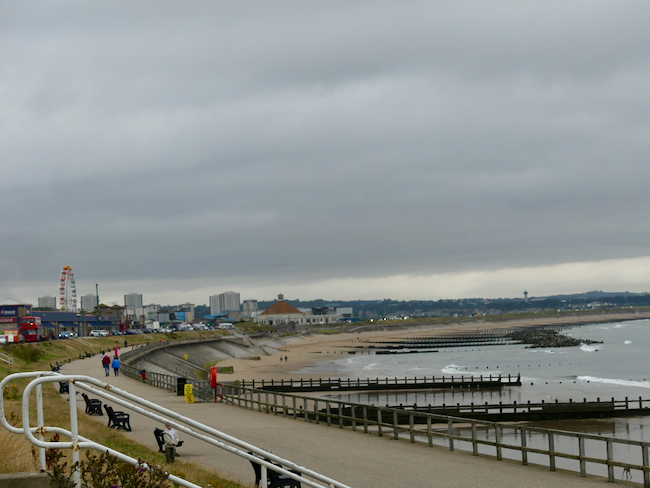
We hit the high points of downtown, the shopping streets, and the architectural highlights.
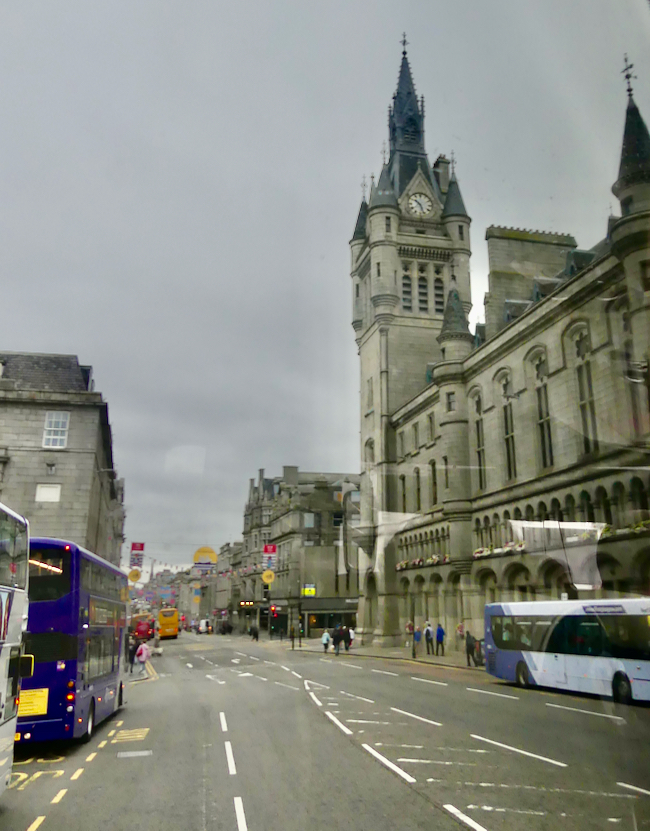
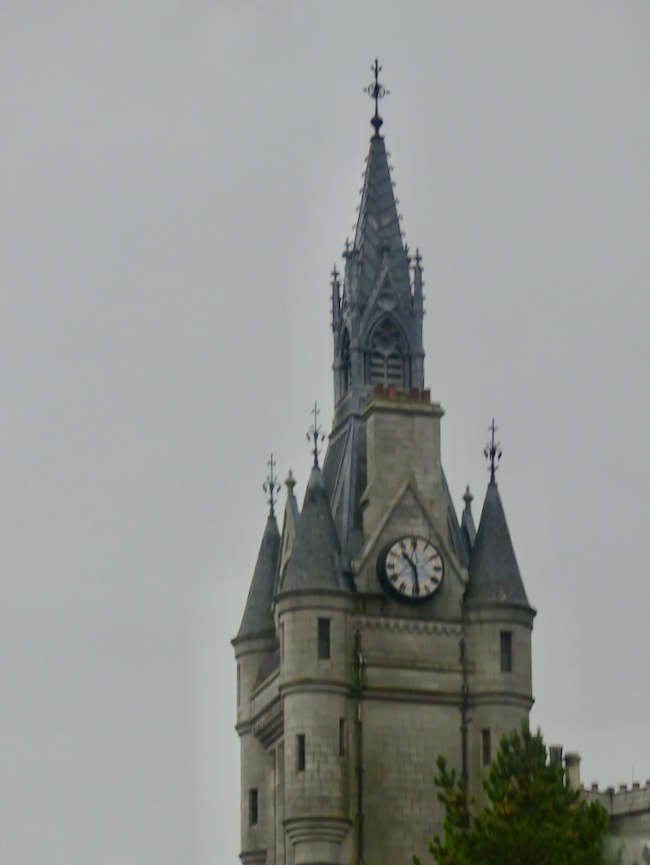
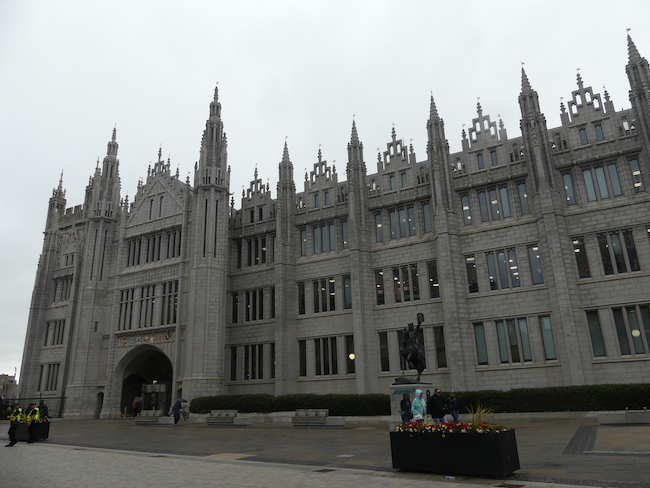
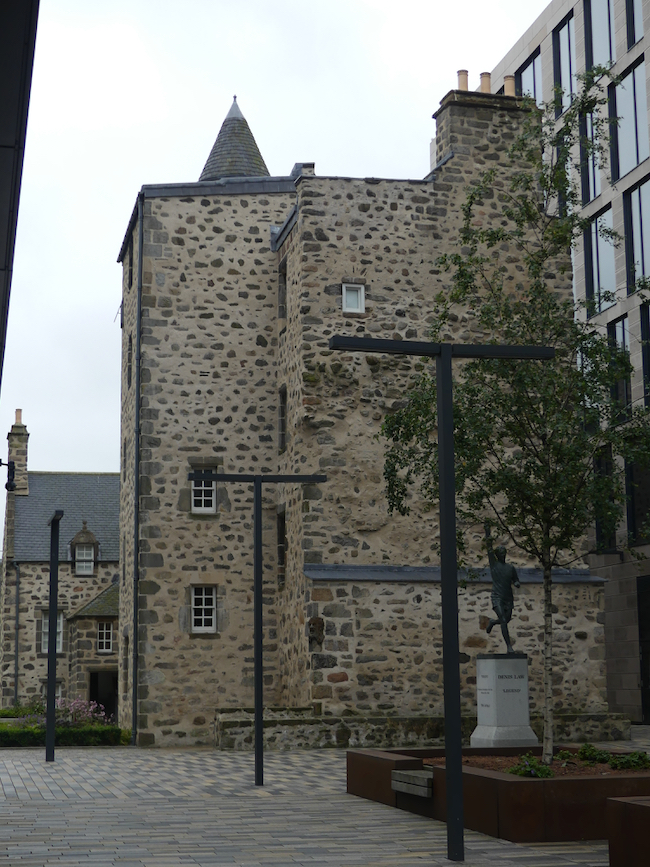
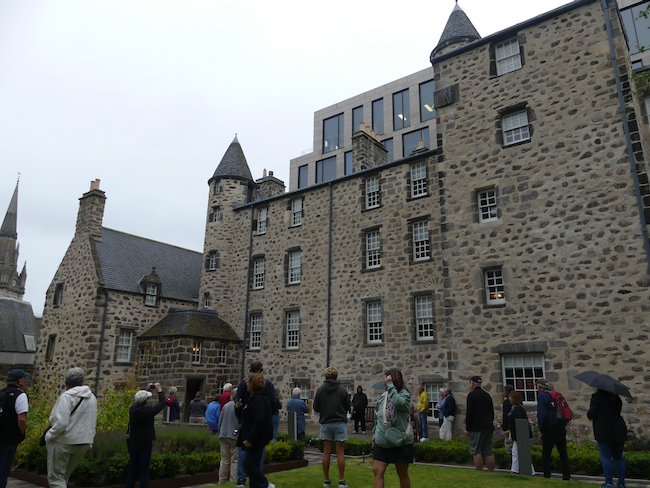
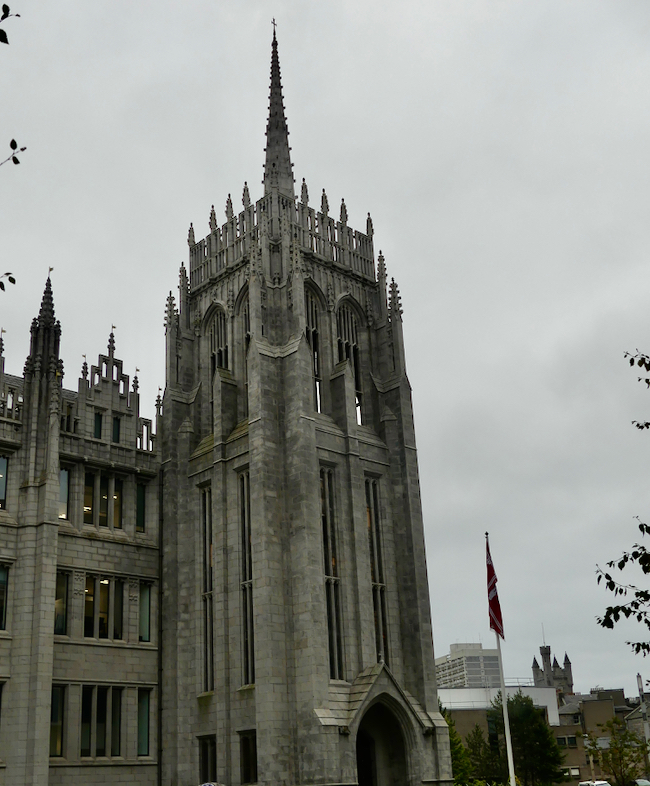
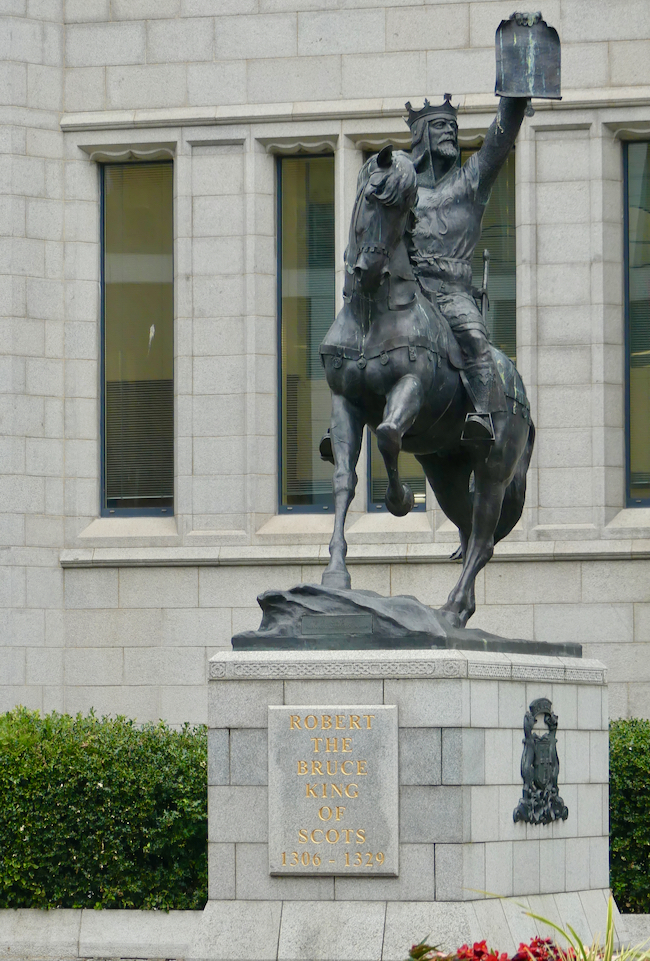
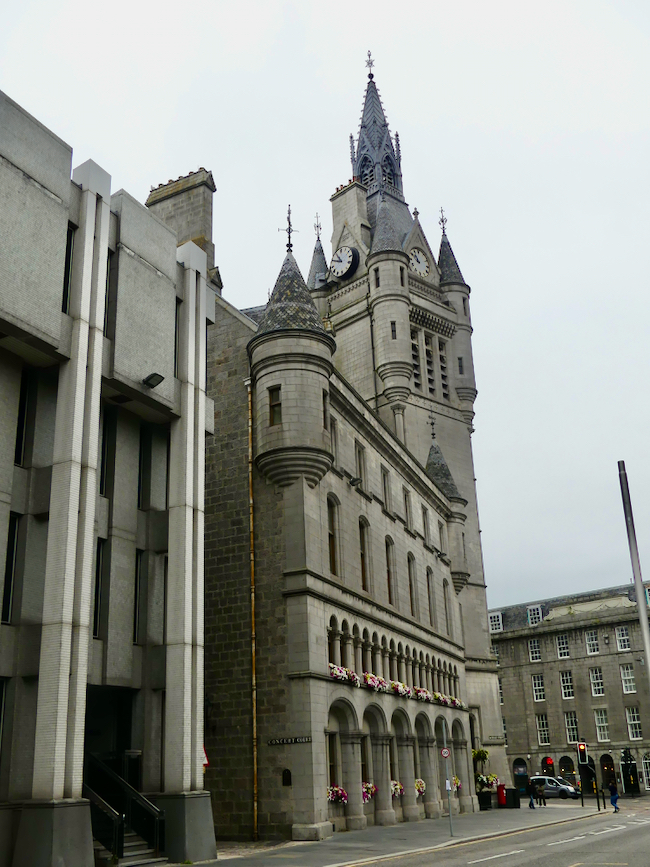
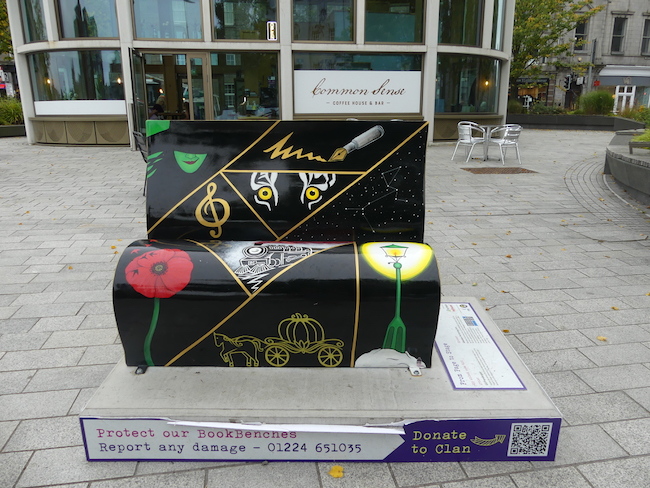
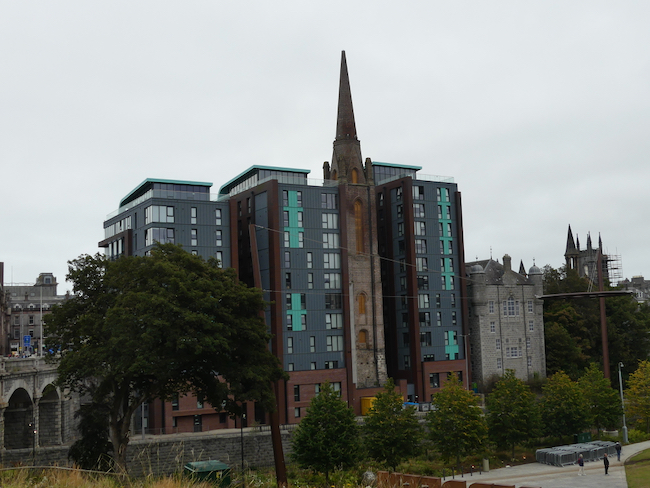
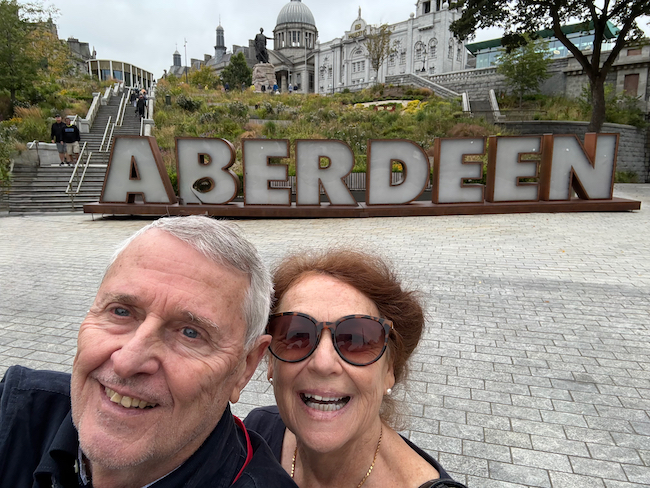
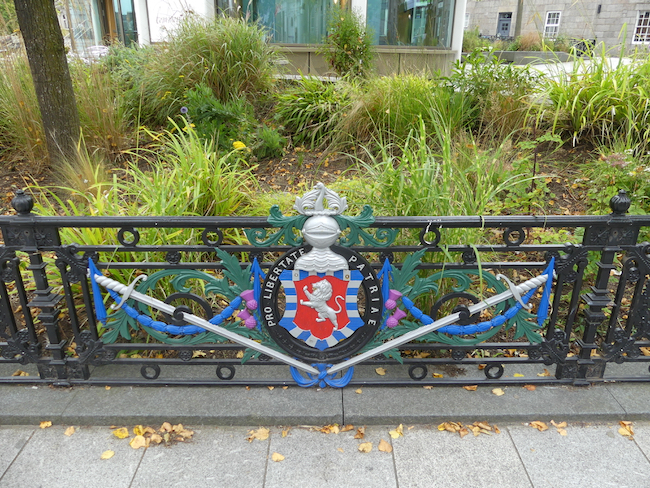
Then we stop at Union Terraces, surrounded by the King’s Theatre, St. Mark’s Cathedral, The Andrew Carnegie Library, and a modern apartment complex built around an old church tower. We visit an impressive statue of William Wallace; Andy tells us to be sure to read the inscription and narrative at the bottom of the statue:
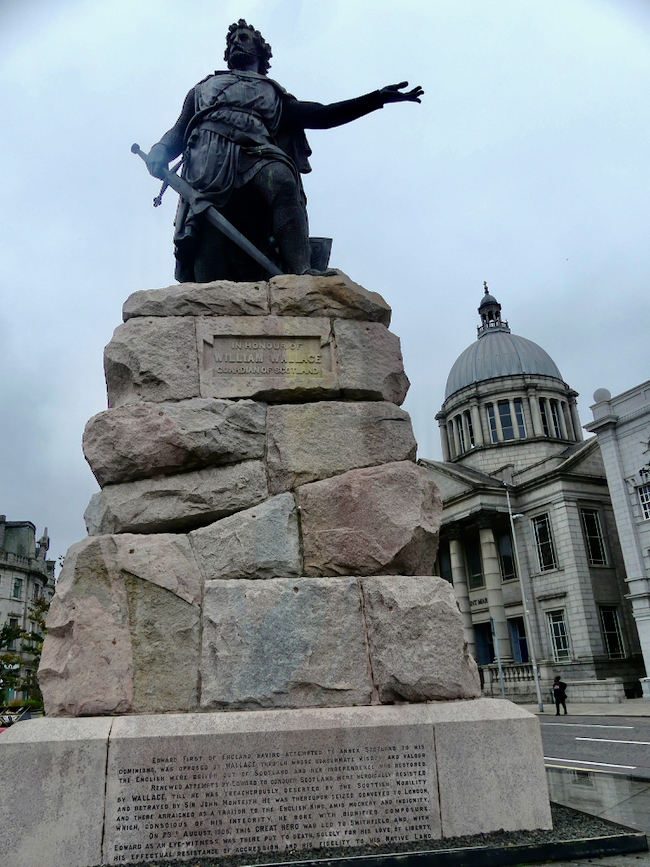
“Go back to your masters, and tell them that we came not to treat, but to fight and set Scotland free.”
(Answer of Wallace to the English Friars sent to negotiate a pacific treaty with him before the battle of Stirling Bridge.)


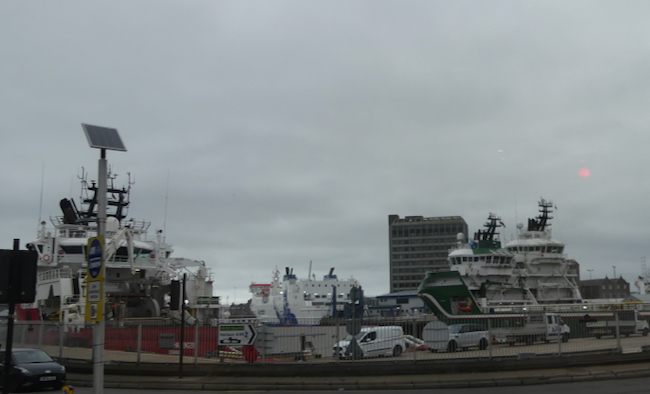
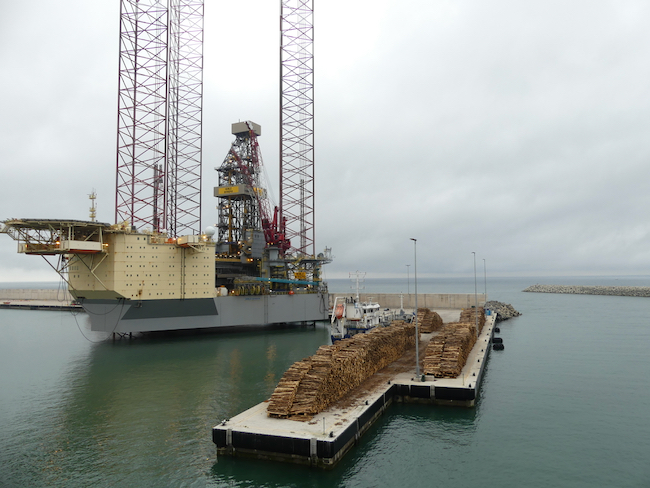
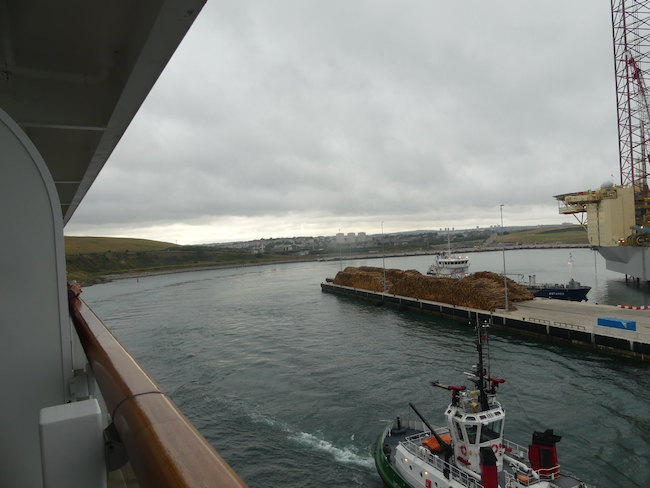
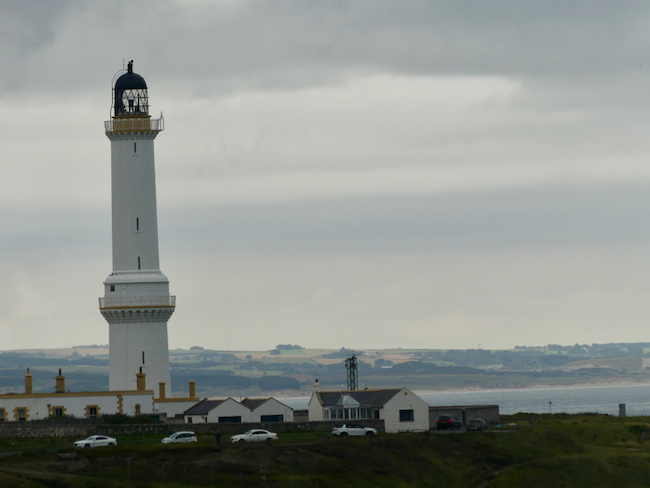
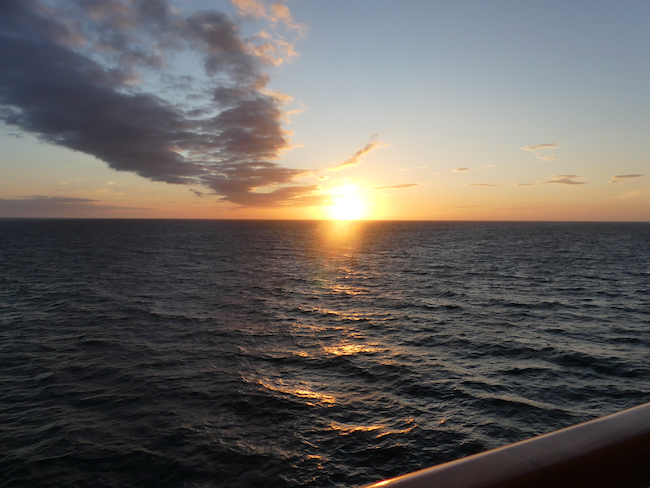
We end the day with our old friends, having dinner in Manfredi’s. AdventureMan and I had the Brodetto, an Italian seafood stew, tasty – some might call it spicy, but it was not hot spicy, just tasty spicy. We shared stories, talked about our time in Saudi Arabia and in Germany, talked about common family issues and advice columns, and we laughed a lot. It was a delightful way to end a wonderful day. Below is our sunset en route to Kirkwall, in the Orkney Islands!
British Isles: Great Fun in Edinburgh
Early rising today as we are in Group 2 and meeting up at 7:45 am in the Star theatre to tender in to port to catch our bus. Whew! We had a quick breakfast – I am back to oatmeal now that the novelty of so much variety has worn off. We pack up our quiet boxes (it looks like hearing aids, but it allows the guide to speak to us as we are walking along without broadcasting to the world), our windbreakers, our phones, cameras and make sure we have everything we need.

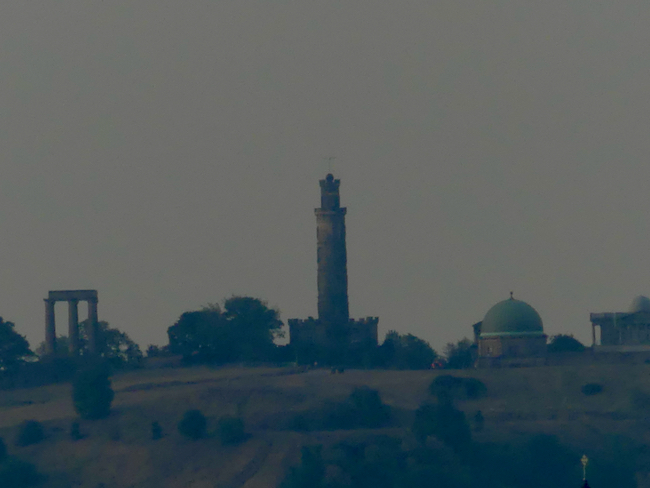
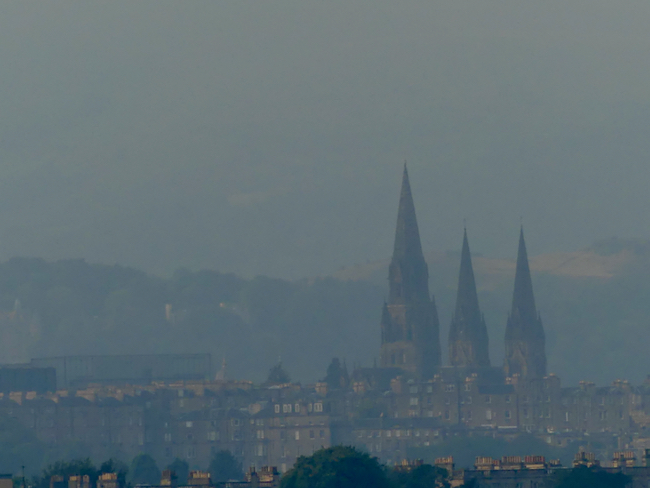
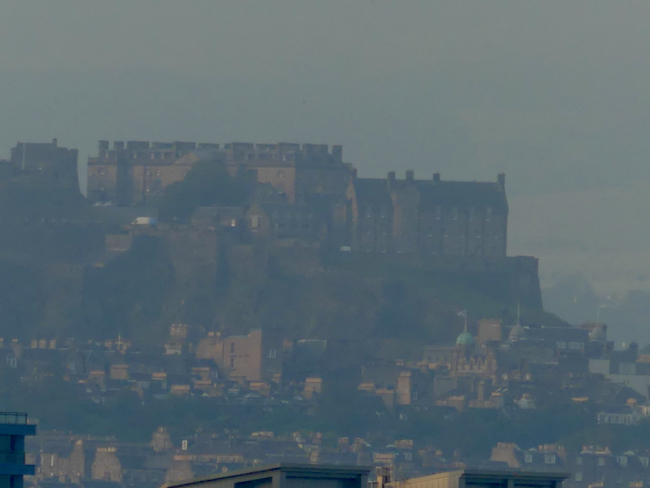
They call our group quickly after group one (Group one is going to play golf at Saint Andrew’s; we are going on the panoramic tour of Edinburgh which is riding around in the bus about one hour looking at important things, then walking up the King’s Mile to the Edinburgh Castle. It is August, the month of the Tattoo, and the Castle has huge grandstands set up for people to come and watch this historical ceremony.
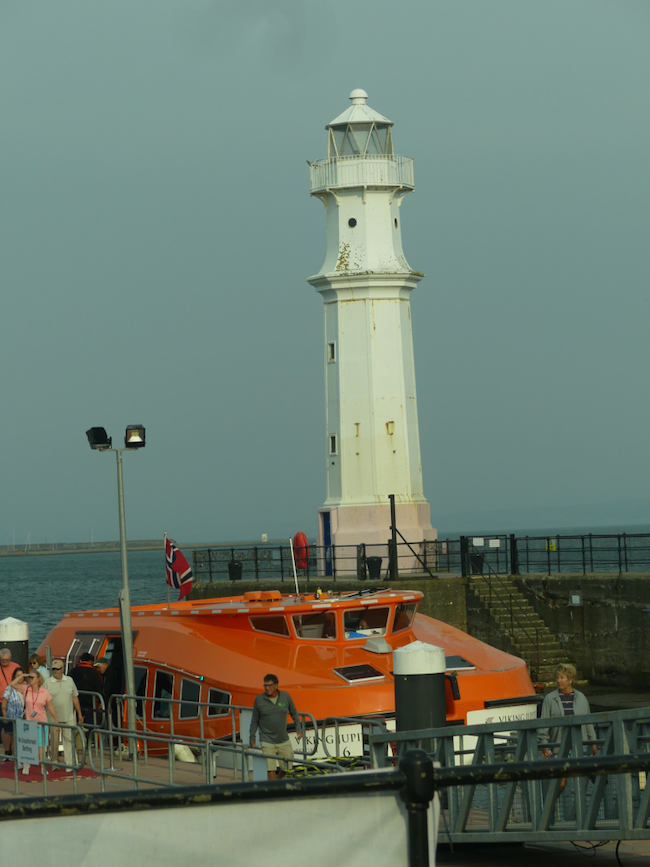
It is also the month of several festivals, so we are glad our bus is first out and full of people who are on time and board quickly. We have the streets to ourselves, shared only with the children and their backpacks headed to school. But look at the skies – so grimy! I try not to think about particulates and to breathe shallowly.
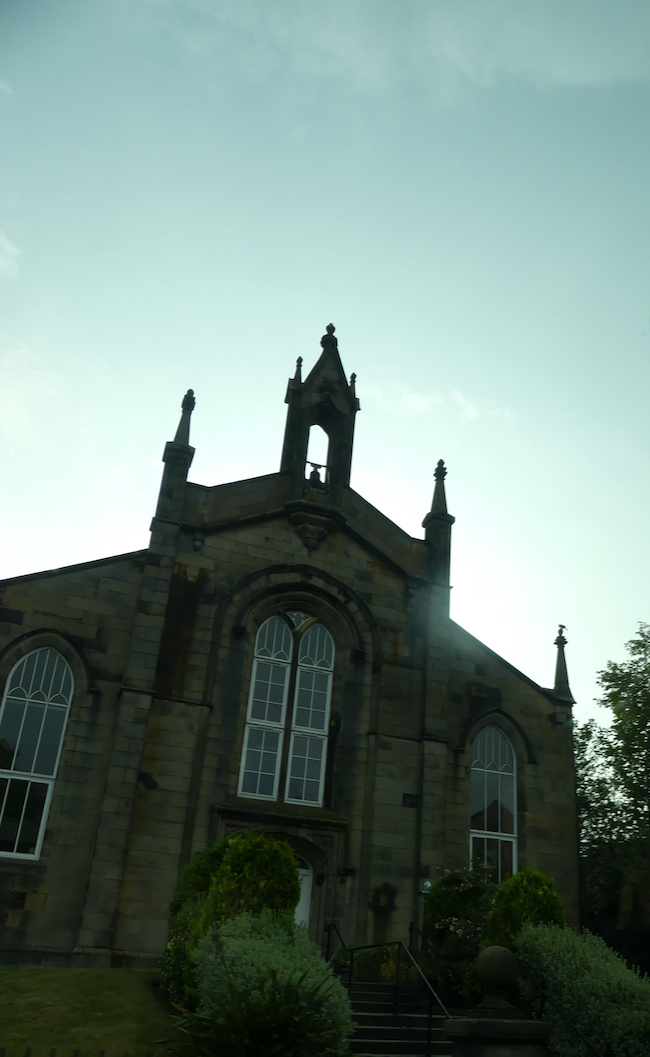
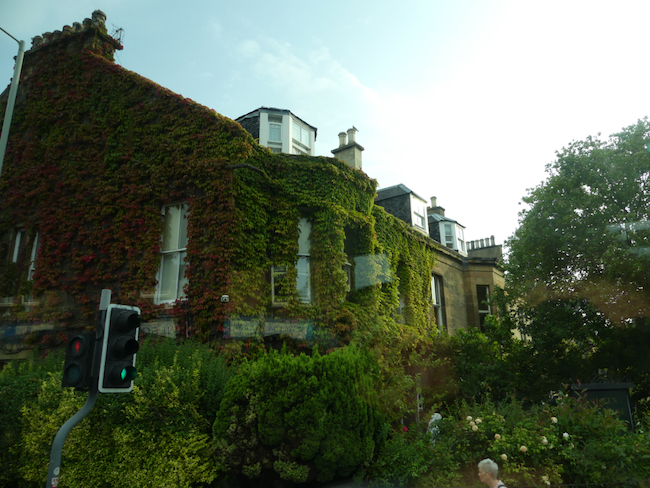
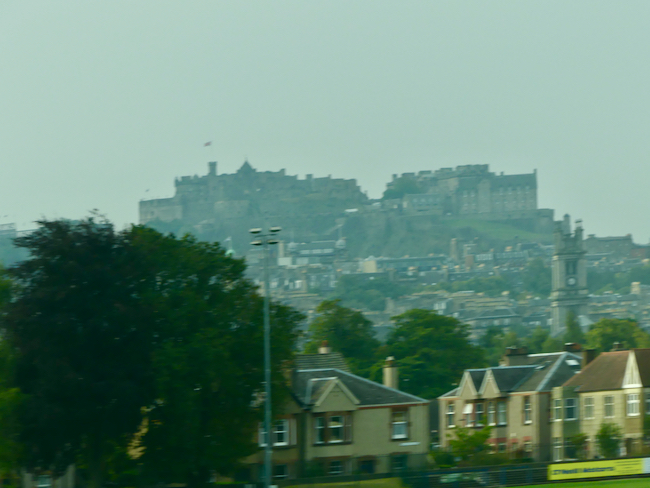
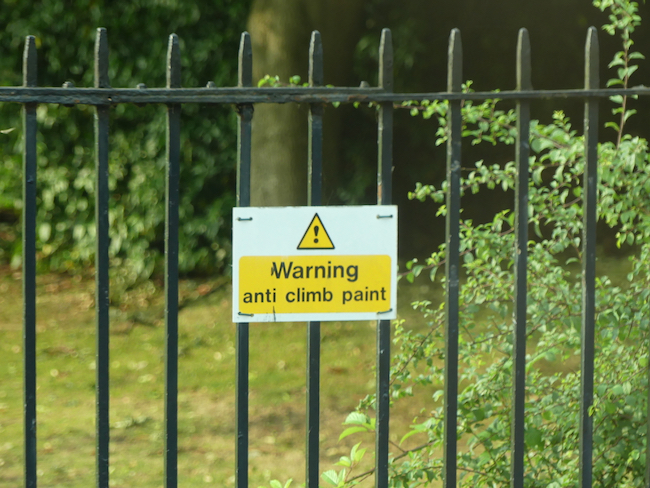
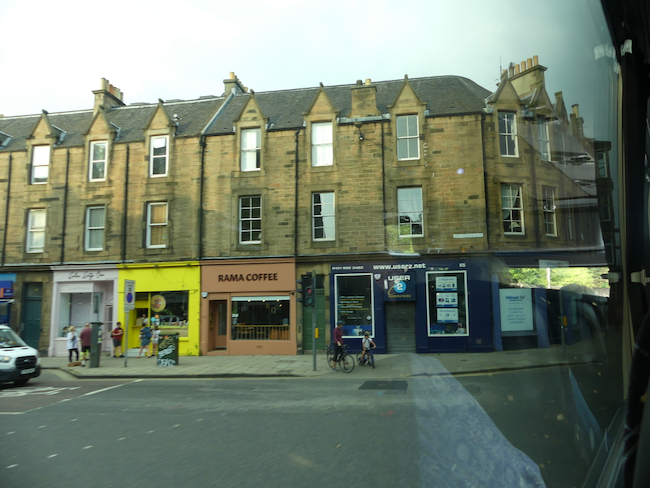
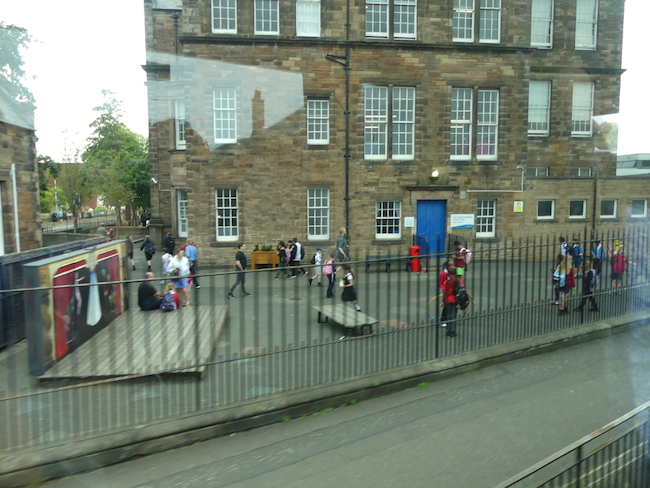
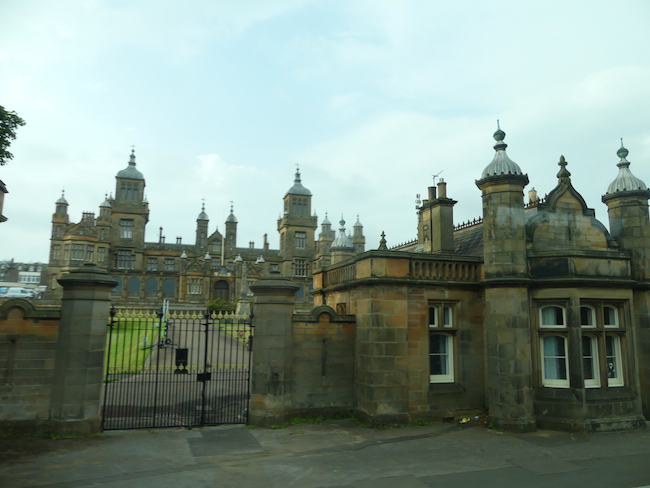

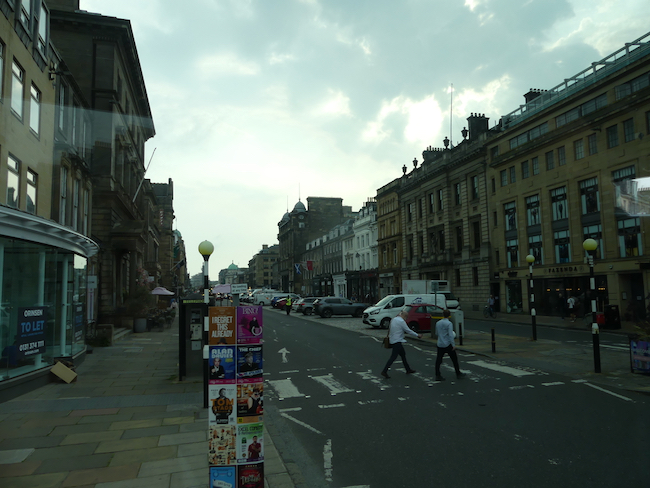
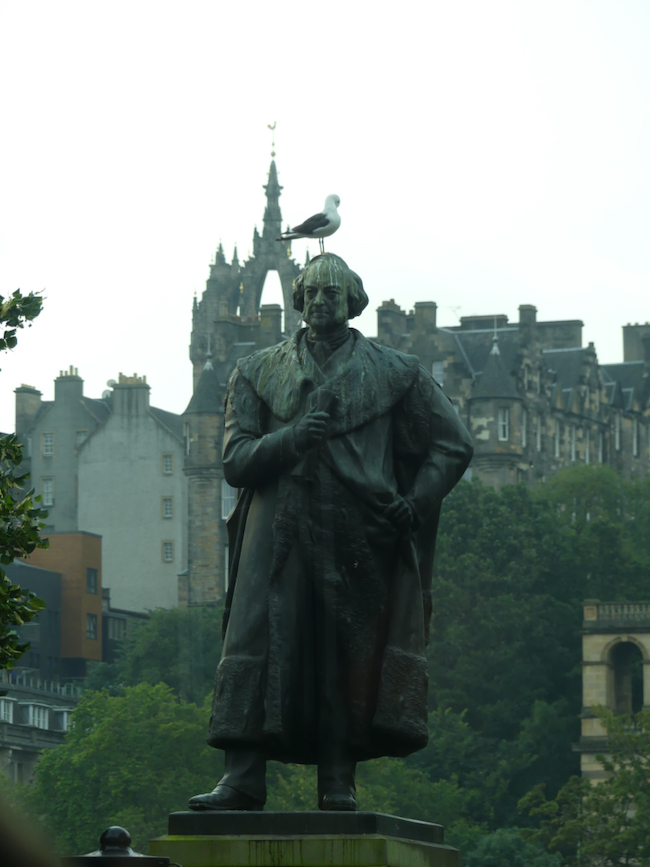
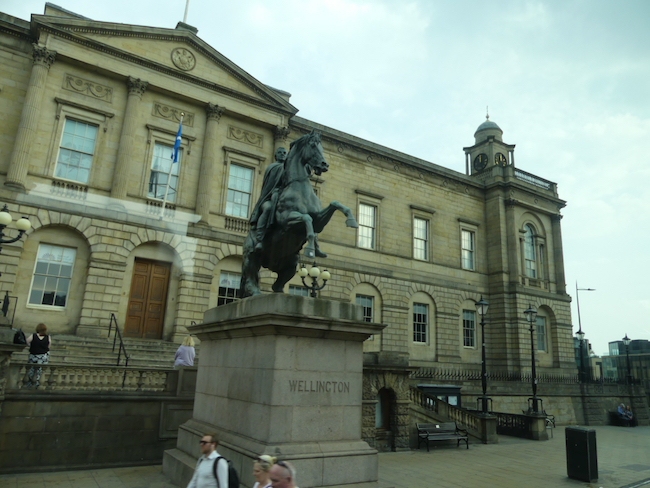
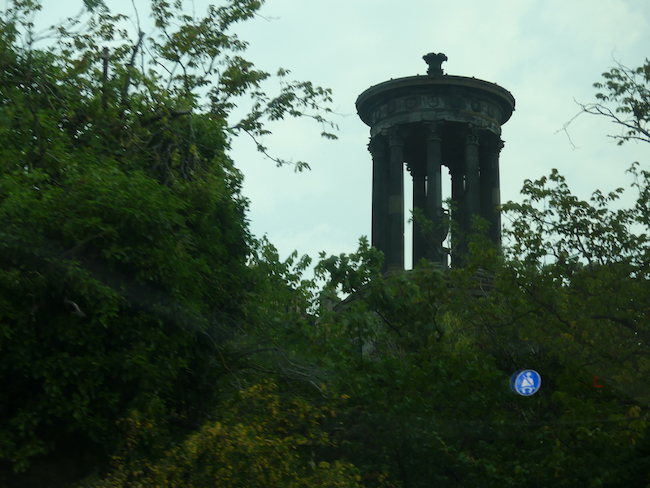
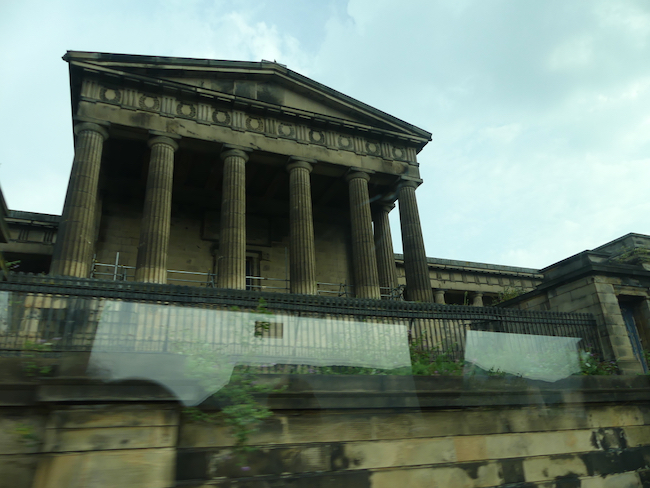
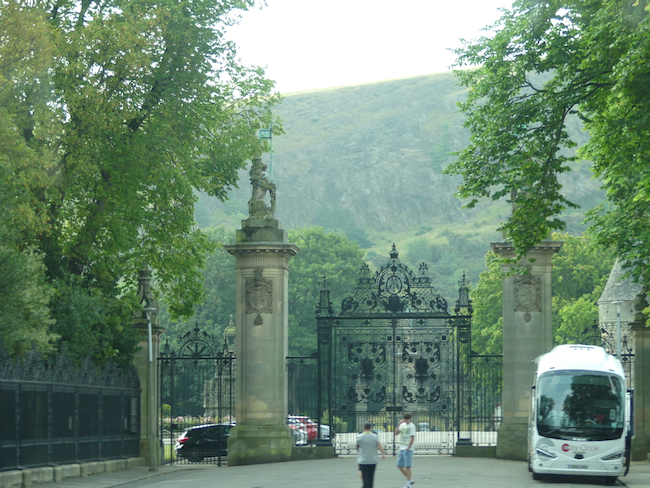
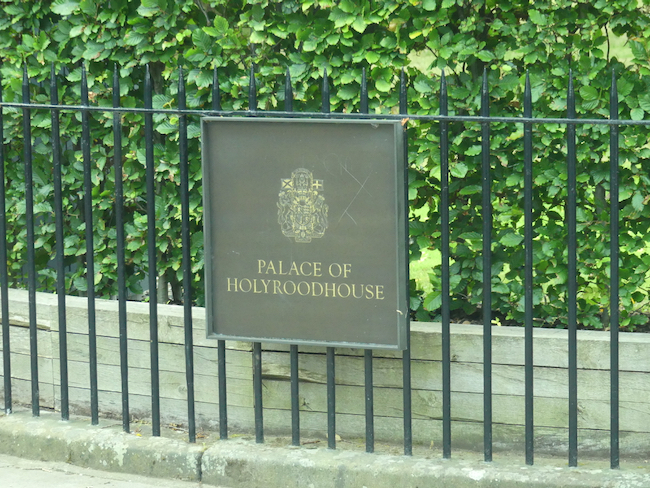

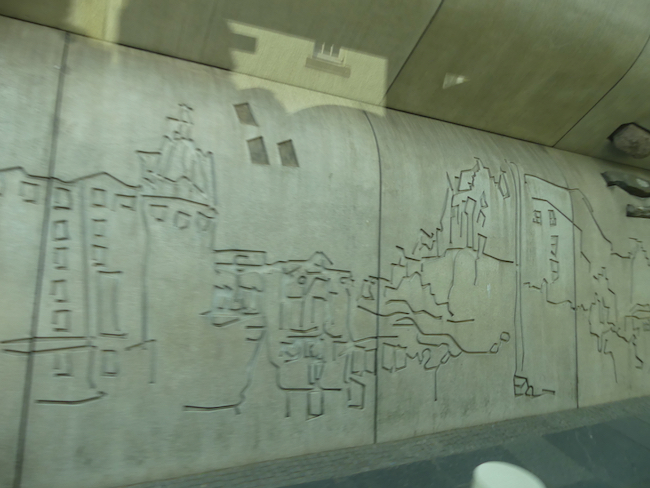

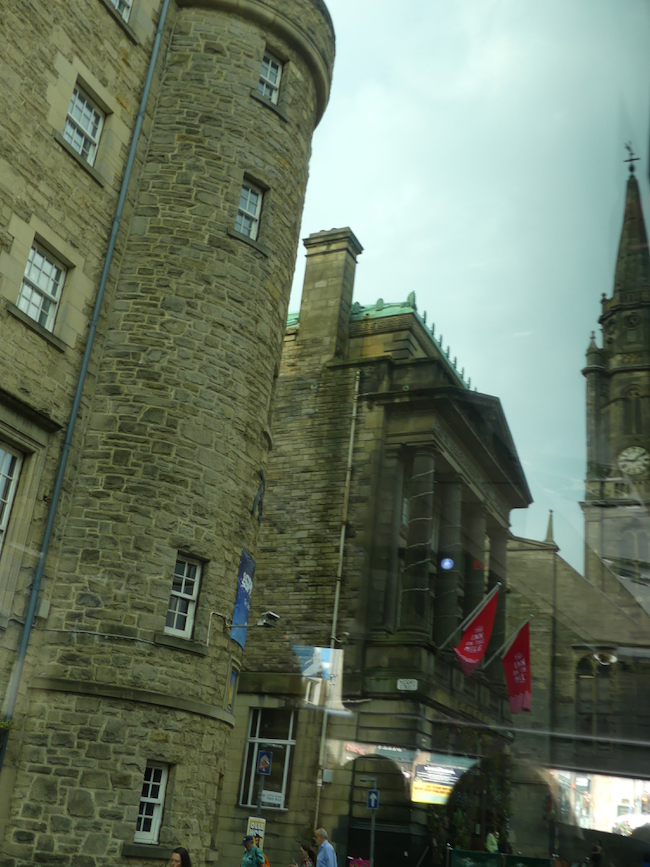
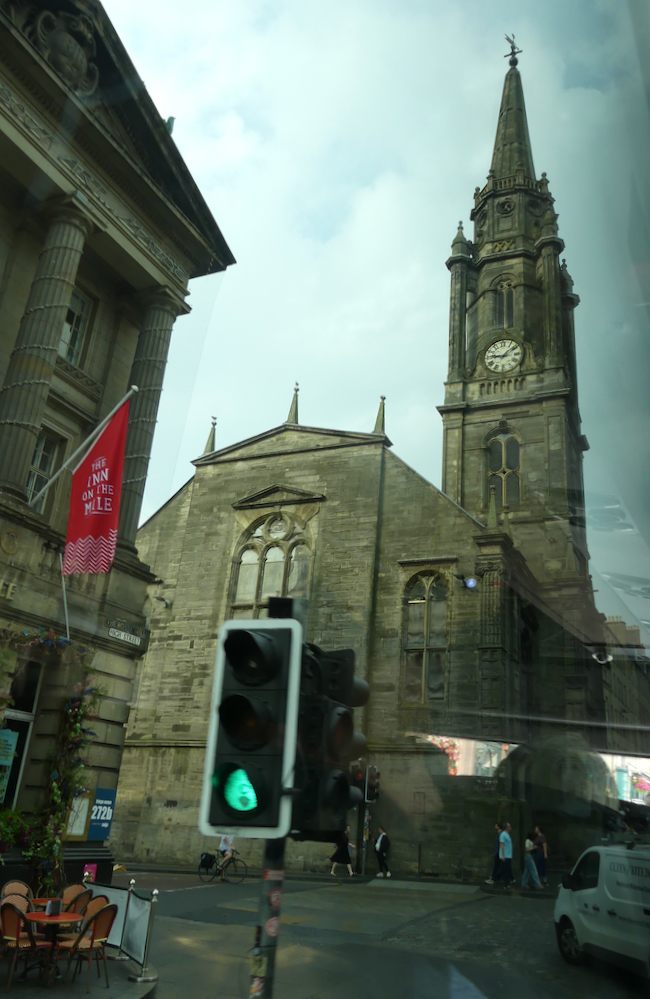
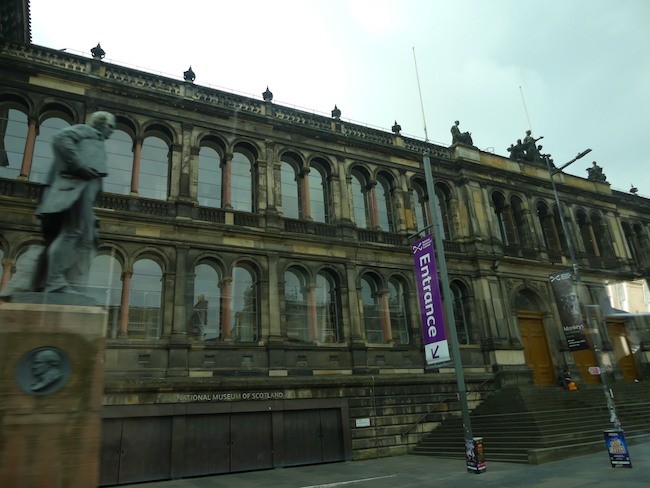

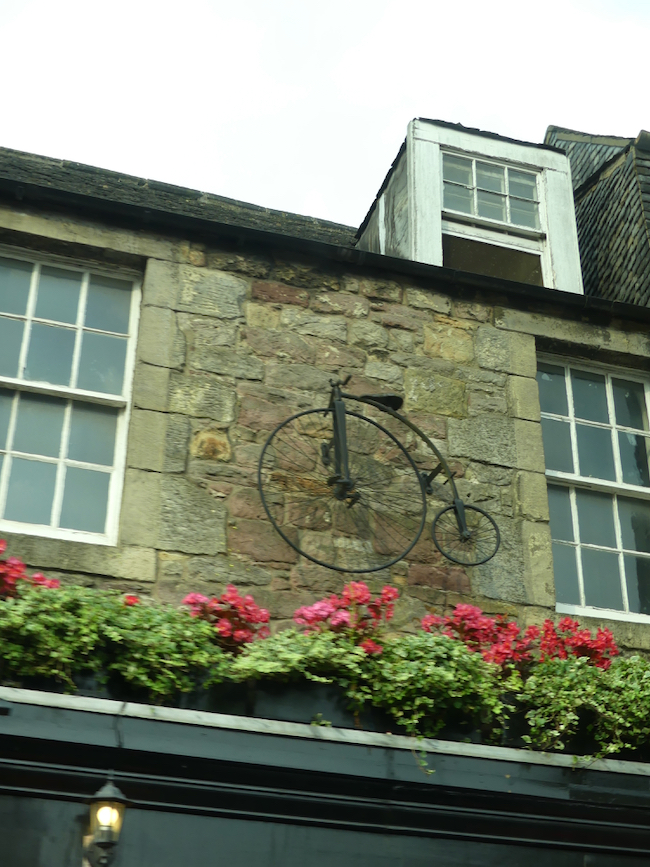
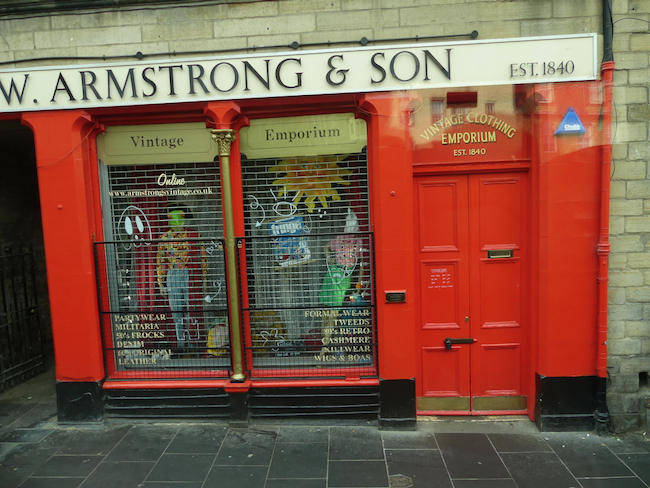
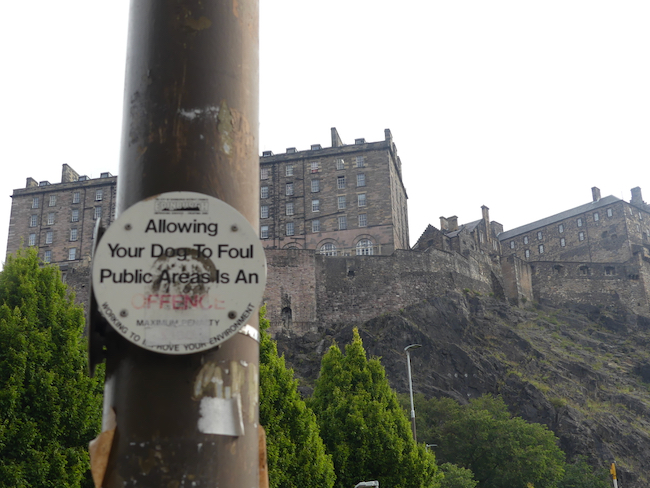

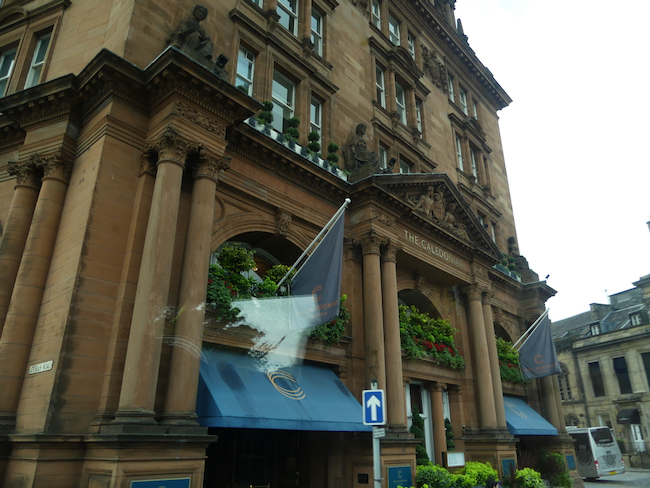
The tour shows us all kinds of buildings – housing for rich and poor, schools, different architectural styles, different kinds of stone and decorations, statues of important men and homes of some of Edinburgh’s famous men. Edinburgh, and Saint Patrick’s Cathedral in Dublin, give of thick Game of Thrones vibes to me. We park and hike up the hill to the castle, and the King’s Mile, where we are on our own for an hour and the crowds begin arriving.
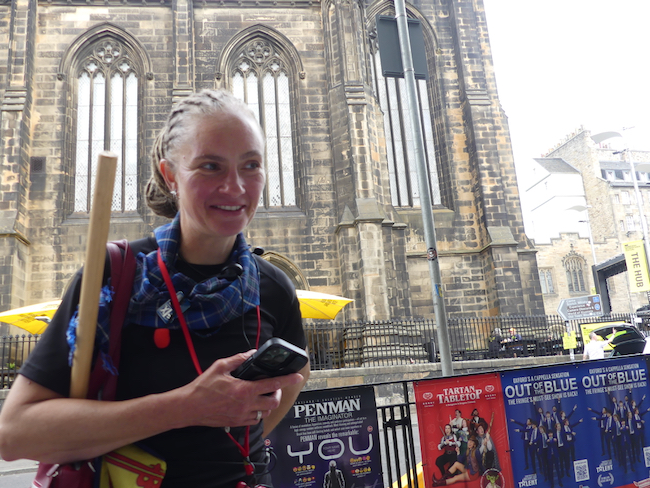
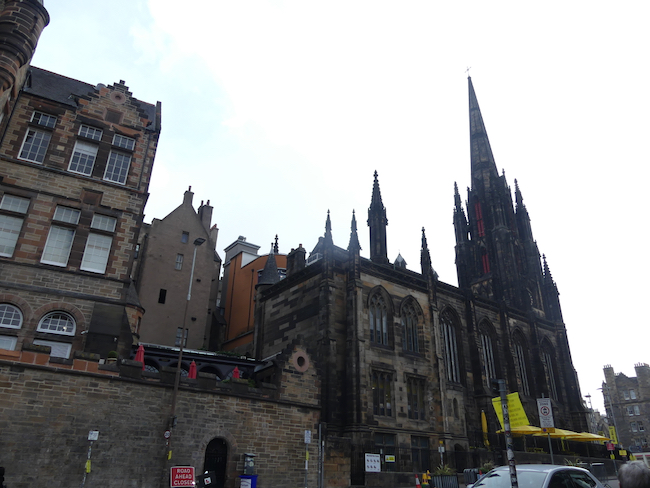
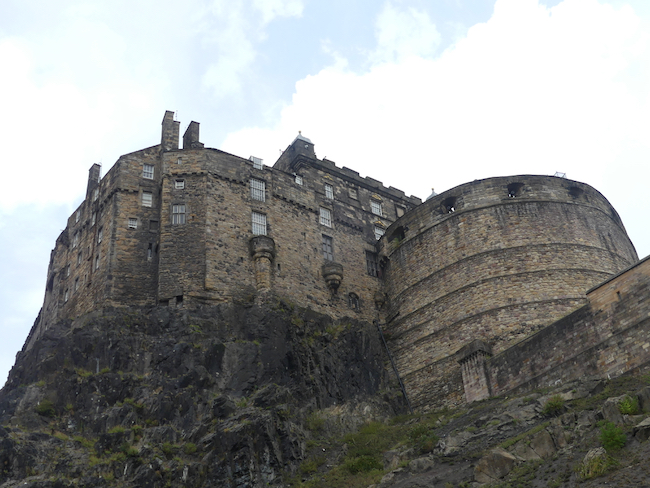
Below are the grandstands built to seat audiences for the Grand Tattoo. It gives me shivers and chills just to imagine sitting there.
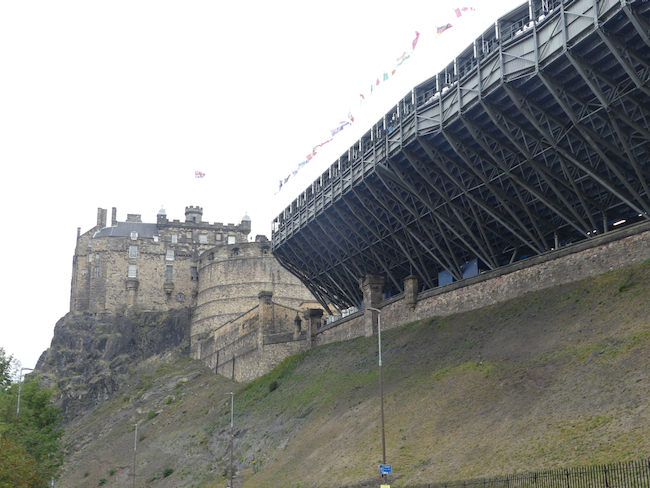
You can see the same grandstands behind us.
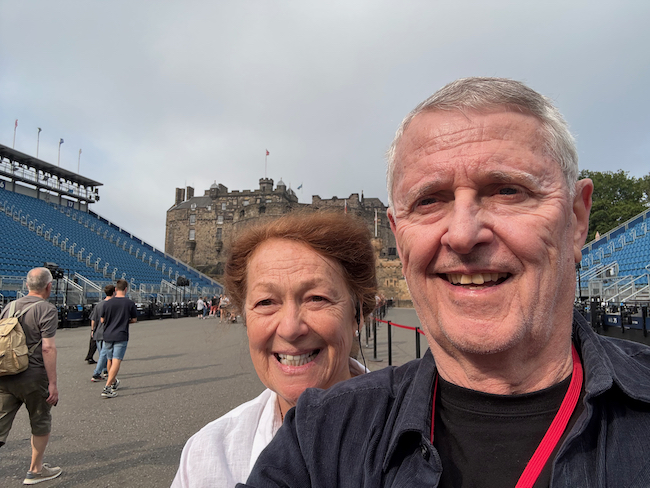

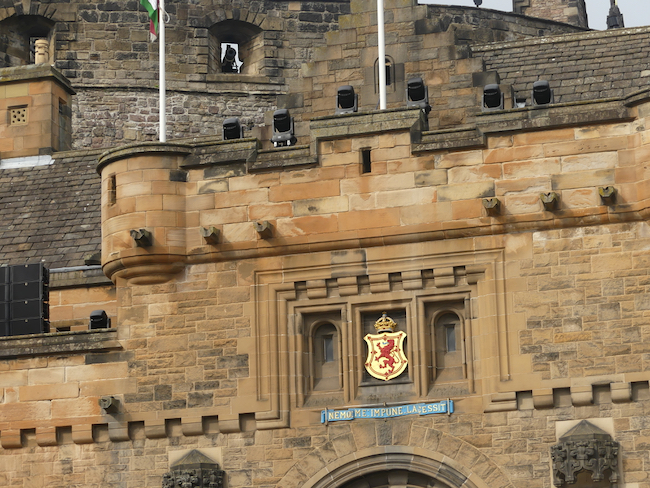
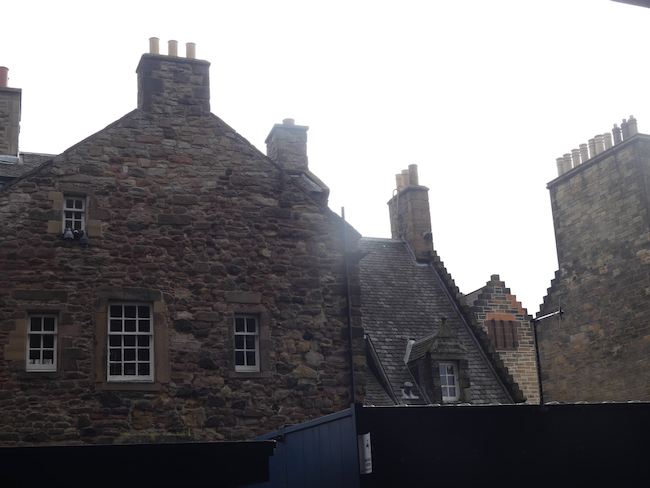
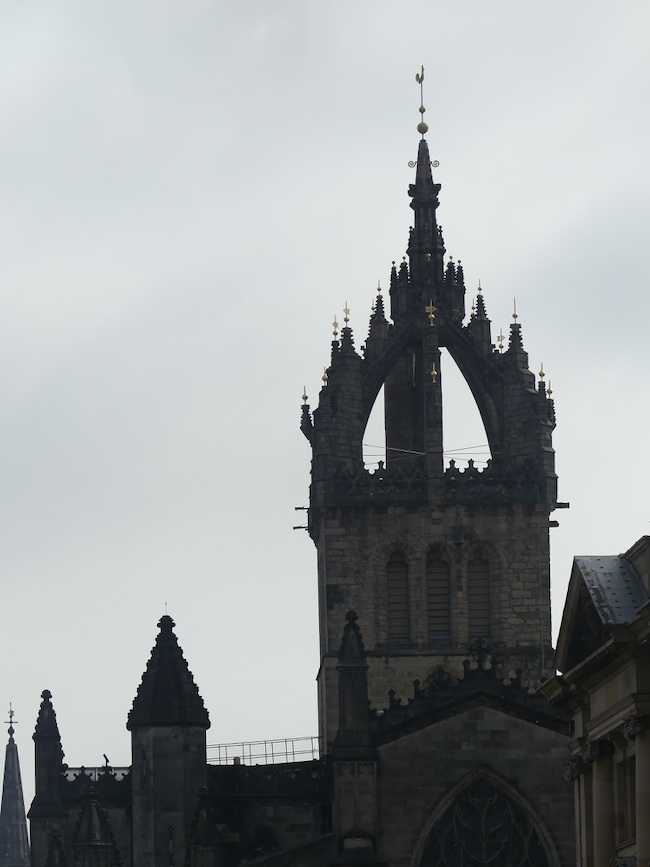

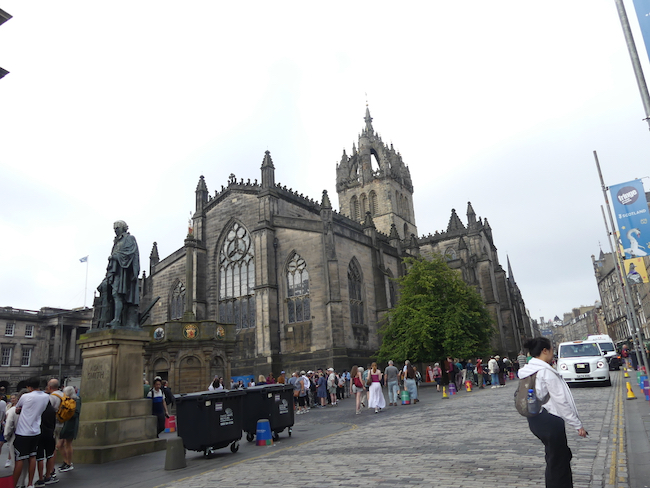


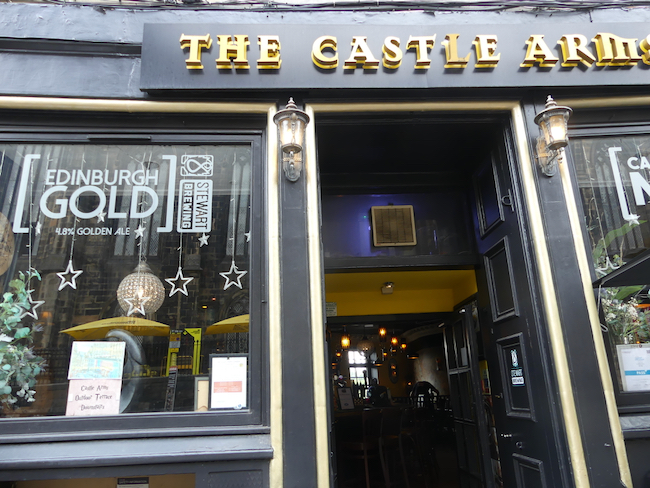
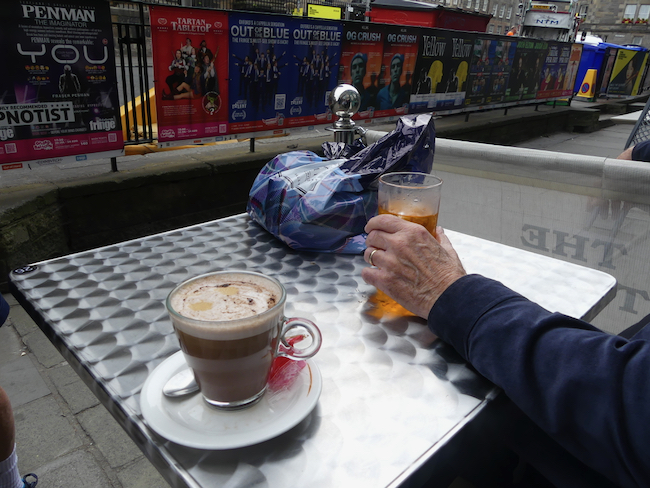
We make a quick stop at the Castle Arms Pub, where they very kindly allow us to use their facilities, then we hike up to the castle, and down the King’s Mile. Then back up the King’s Mile, and we still have 15 minutes to spare so we head back to the Castle Arms Pub to have a coffee and an IRN-BRU (special Scottish soft drink) to thank them for allowing us to stop earlier. Our guide picks us up on the way back down the hill, and everyone going back to the boat is on time, again. We love traveling with Viking people.

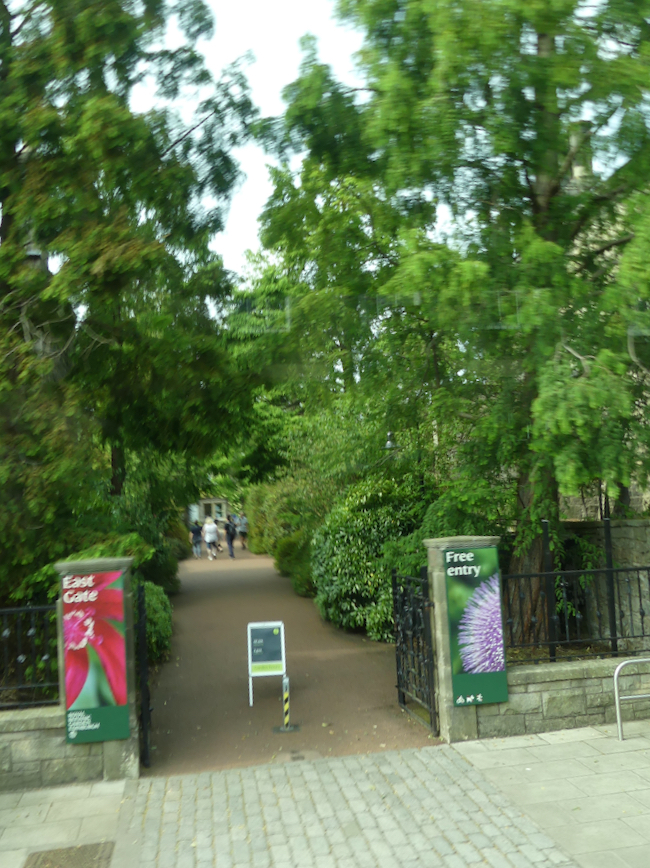
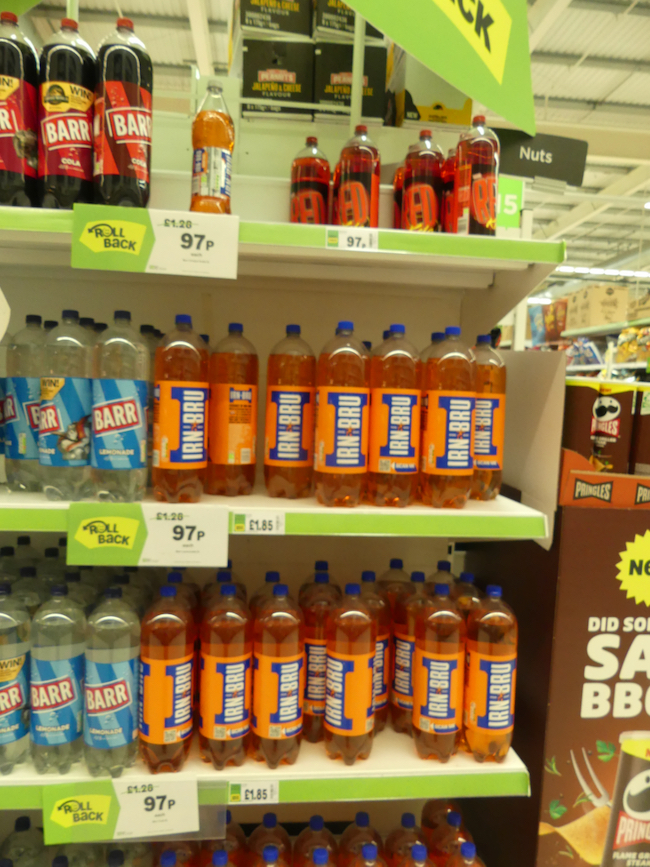
When we get back to the port, we decide to explore a little before heading back to the ship, so we look for the grocery store the guide has told us about to see a little of how the real Scots live, or at least where they shop. It is an Asda grocery, but once inside, it sure has the feel of a Walmart, with signs about price rollbacks and arrows, clothing racks and foods – its a supermarket, not unlike you would find in France or Spain or Pensacola. The goods are goods like we would buy in Pensacola. We just see one thing we know is genuinely Scottish:
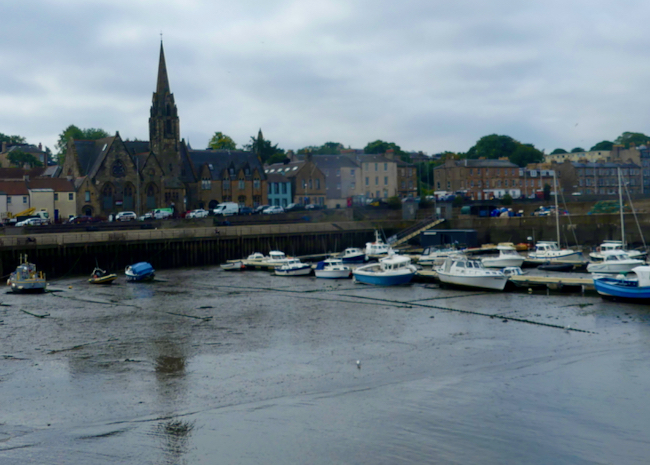
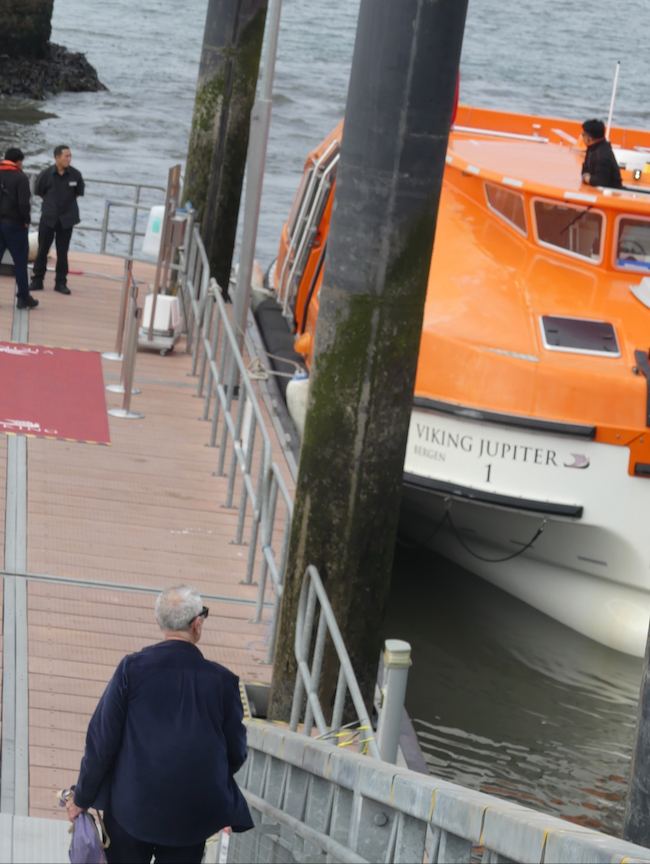
When we get back to port, we board the tender and are back on the ship very shortly. It’s been another great day on this trip, bright sunshine, warm but temperate weather, zero complaints.
We both chose lunch from the noodle shop, broccoli and stir fried shrimp and mushrooms for both. And dessert, of course. Blueberry sorbet, and it is wonderful.
We need a trip to the Nordic Spa, the bubbly hot wave pool down on the first deck, with a snow room, a steam room and lovely serene changing rooms with saunas. Sheer bliss.
We have unruly neighbors. This afternoon we hears thumps and screams amidst the shouting and arguing and finally AdventureMan called security and asked them to make a call to check on their well-being. It stopped for a while. It’s started up again.
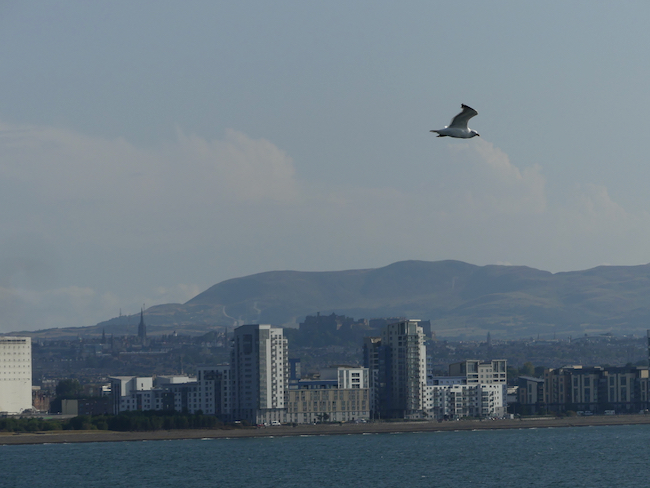
We see the name Lothian on buses and small stores. AdventureMan tells me Lothian is the name of the lowland region that includes Edinburgh, lying between the southern shore of the Firth of Forth and the Lammermuir Hills and the Moorfoot Hills. So you take the high road and I’ll take the low road . . . . Firth is a cognate of fjord, a Norse word meaning a narrow inlet. Thank you, AdventureMan. Now we are leaving Edinburgh.

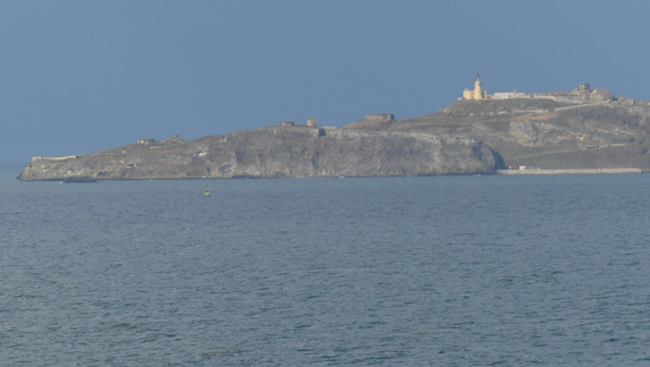

We would come back to Edinburgh again. There is so much history here we just skimmed over. The Romans. Hadrian’s Wall. We need to come back.
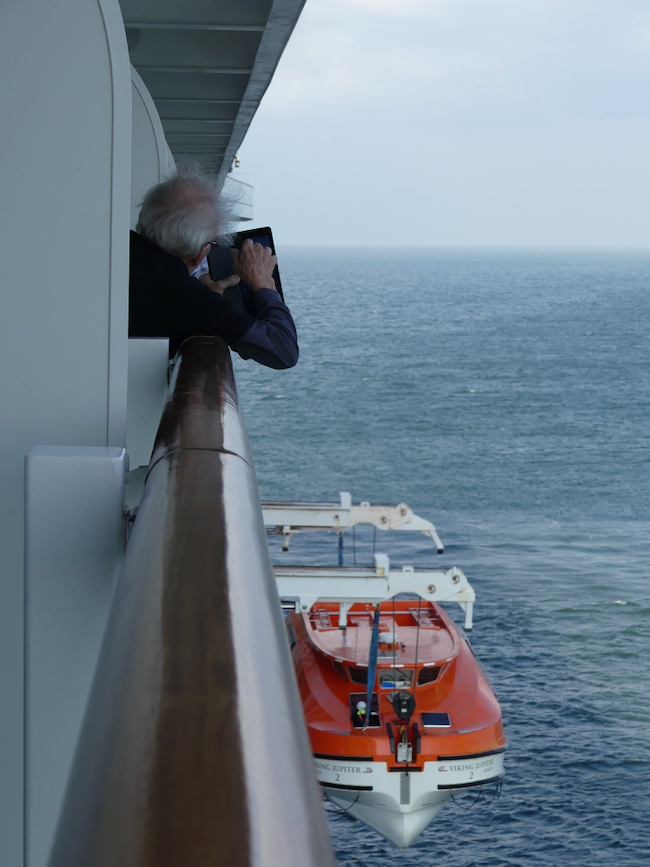
We’ve finished dinner, but we haven’t finished chatting, and there is a big block of something (?) floating off starboard side and people start rushing over to take a picture of the “iceberg.”
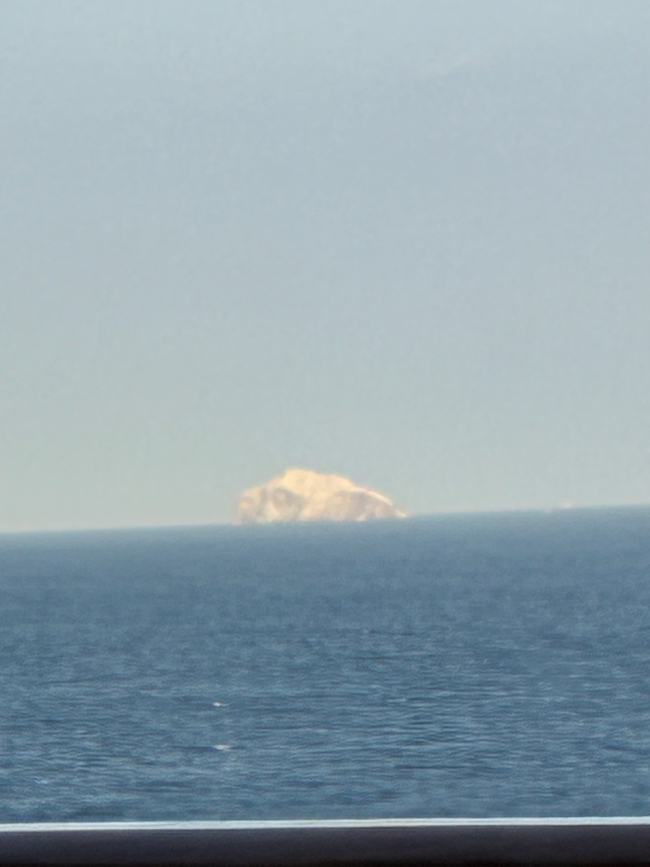
I have no idea what it really was, but I’m pretty sure it wasn’t an iceburg.

Sunset en route to Aberdeen

I haven’t said much about shopping. It’s because I haven’t shopped much. Our great quest on arrival in London was to find good cheese and good wine to have in our cabin. It thrills us to sit out on our balcony with good cheese and a nice glass of wine as we sail away.
Most of the trips we take are busy. These cruises are what you make of them. Some people are really laid back and mostly are on the trip for the cruise experience; they love the shows and on-board games and entertainment (there are better cruise lines for that.) One group on this trip is about golf, and another group is about visiting gardens, and they meet up at night and have great conversations, regaling one another with discoveries and anecdotes. Some love visiting wineries and distilleries at every port. My husband and I are mostly into history, early history for me, military history for my husband. We have lists of what we want to see and scurry to hit our priorities. It can be exhausting – and exhilarating. Shopping, however, gets tucked in where it can.
I found some cool Christmas gifts at the Canturbury Cathedral. I bought chocolate with Irish whiskey and a Celtic coffee mug in Dublin, more chocolate in Wales, and a tin of tea with a dragon on it! That’s about it so far. Some people came back from Edinburgh laden with shopping bags. Most of their shopping was gorgeous woolens, but I have woolens, and I live in Pensacola, Florida, where woolens are mostly irrelevant (and too itchy for me.) So we’re really not spending much. We ARE having a terrific time.
I wish we had another day at sea before Aberdeen; I need time to integrate all these new sights and ideas. No such luck! On one cruise, with several sea days, a friend of the ship’s captain told us that days-at-sea were a hardship for the ship’s crew, that the one thing that can cause big trouble is bored passengers. I can imagine! And I am a woman who needs time to ponder and to integrate!
British Isles: Kirkwall, Scara Brae – The Best Day of Our Trip?
We think this day was the best day of our trip. We think every day of this trip has been stellar, above expectations, because we expected both heat and rain, and have had neither. We have had glorious days and breathtaking experiences, and today was the best of the best.

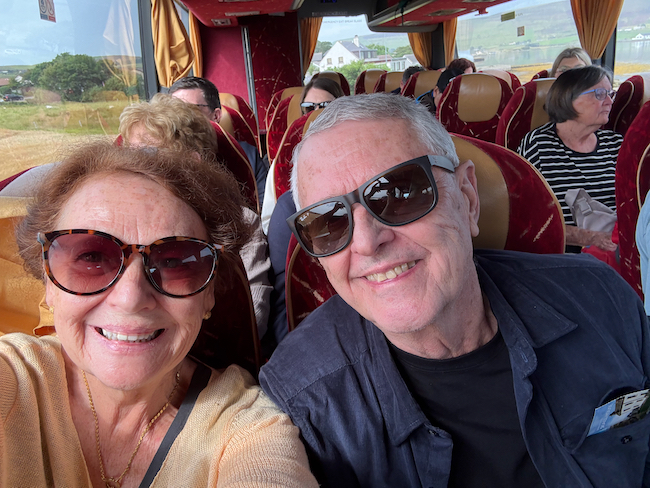
Thank you, AdventureMan, for helping me out with photos. I wish I had more.
We wanted to see two major geographical locations coming to Kirkwall, and we got to see them, and more.
One was Scapa Flow, a huge inland harbor, one of the largest inland harbors in the world. Vikings used it as a natural harbor for centuries. The British kept a fleet there in WWI, and the Germans scuttled their ships there after WWI rather than surrender the ships to the British.
A German U-boat came in after 1939 and sunk the Royal Oak, a British battleship, and over 800 people perished. Among them were 16 year old boys working on the ships with the Navy, causing such outrage in Britain that they no longer recruited 16 year olds.
For the British, the Scapa Flow is a memorial on the level of Pearl Harbor for the Americans. It’s a protected area.
Continuing on, we were able to see the Stone Circles of Brodgar and Stromness, These huge circles of stone pre-date Stonehenge by centuries.
And then we reach our goal, Scara Brae.
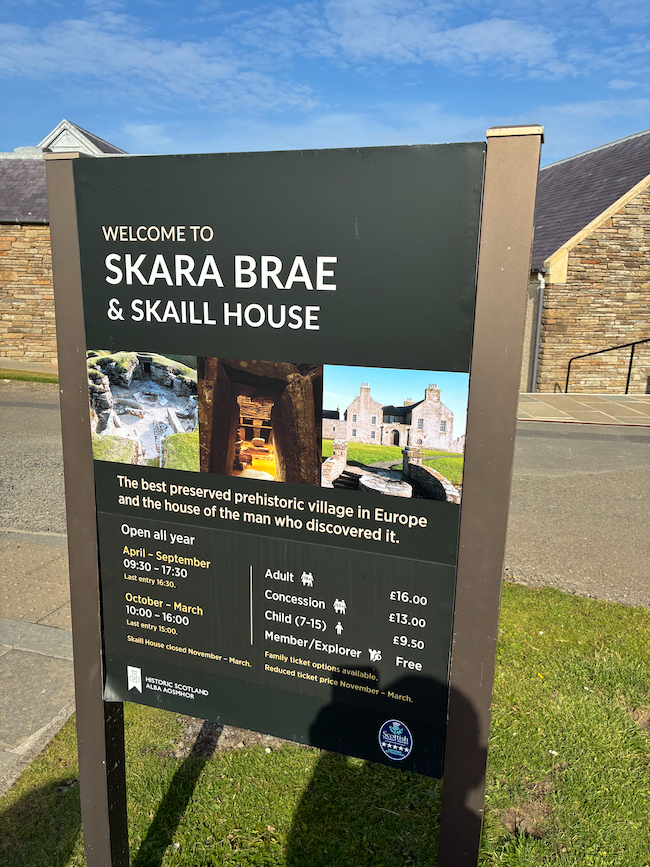
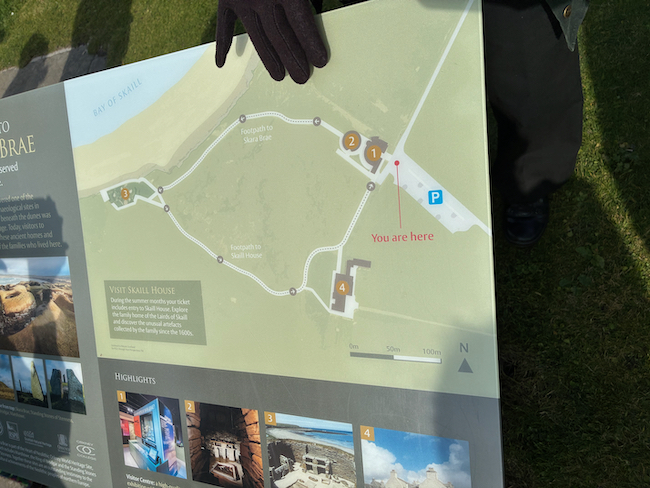
Scara Brae was discovered by accident when a huge storm uncovered stone dwellings buried by sand and soil, which were beginning to erode away. The dwellings are over 5,000 years old, created to shelter from wind and cold, to store goods, and to house families. There are areas created for food preparation, food storage and cooking, areas for sleeping, and a special area for crafting items like pottery and tools to make life easier.
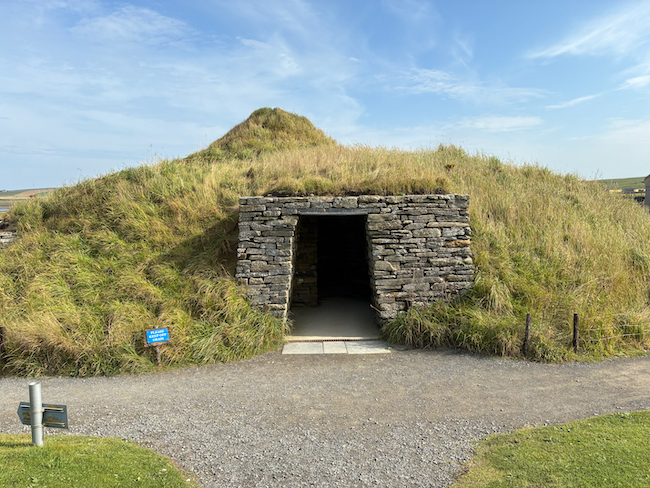
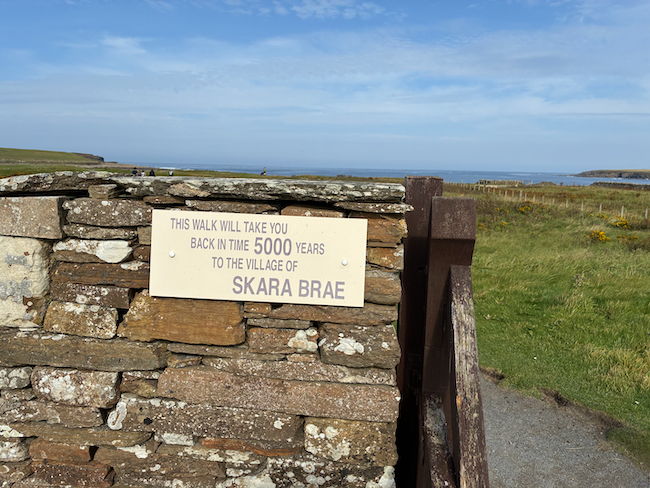
Many people today think we are smarter than earlier man, but when I look at the smart things these people created to make their lives livable, I believe they were every bit as smart as we are, and in some ways, smarter.
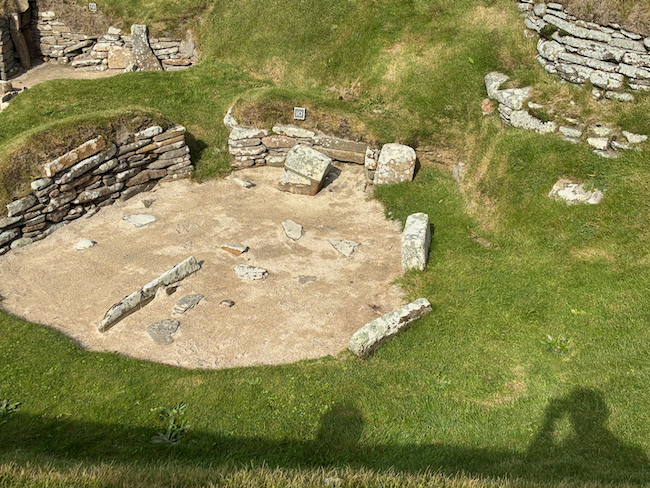
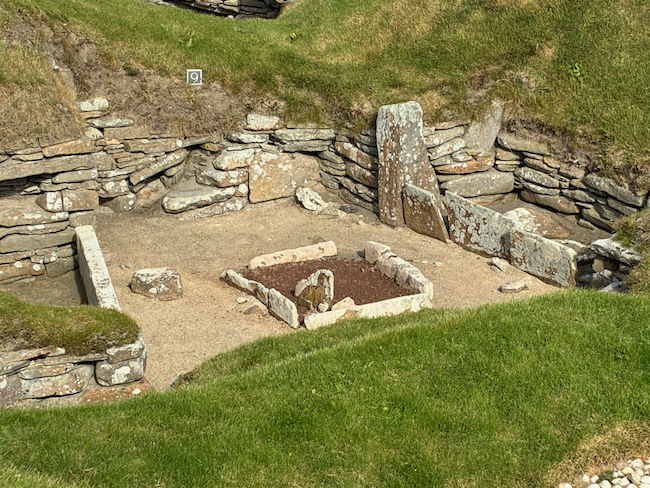
Look how closely these stones fit together to keep the earth out of their houses, fitted without mortar. Our archaeologist guide tells us there is no way to date a stone wall like this, that the inhabitants of the Orkneys build their walls the same way to this day, only now they also use mortar. Traditionally, they will put pointy flat stones on top, vertically, to discourage sheep and cattle from trying to get in (or out). In the museum there are artifacts – combs, needles, tools – which help date the findings.
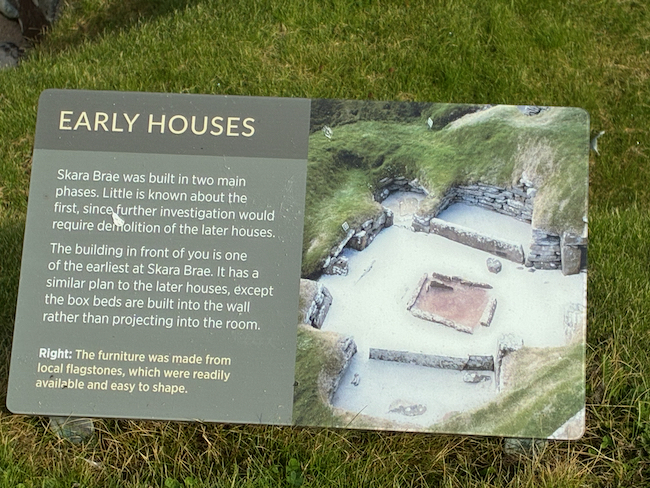
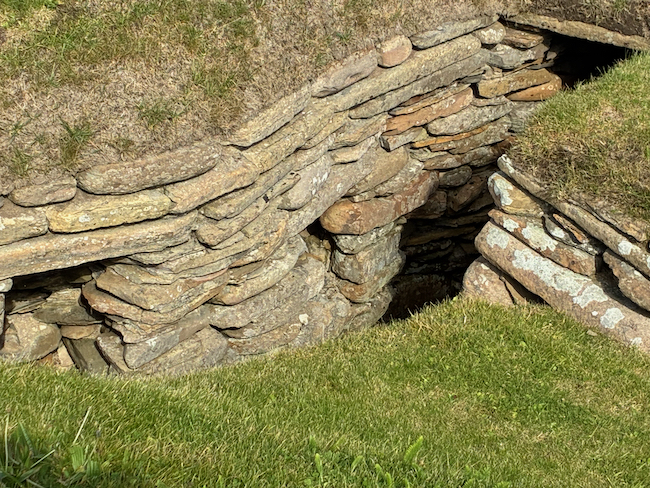
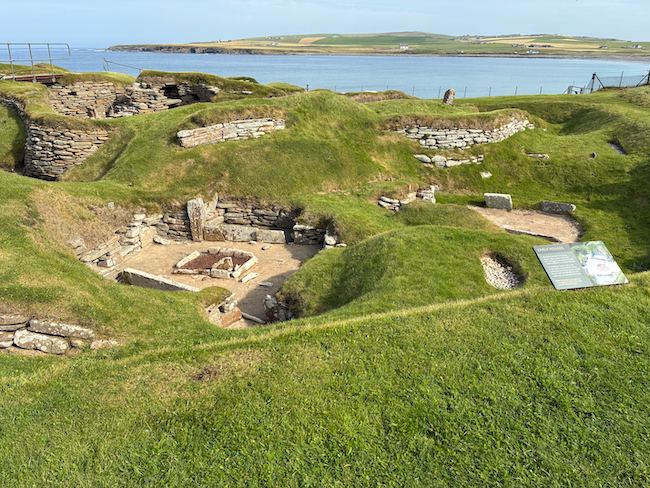
It is a beautiful location, by the sea. It was a thrilling visit.
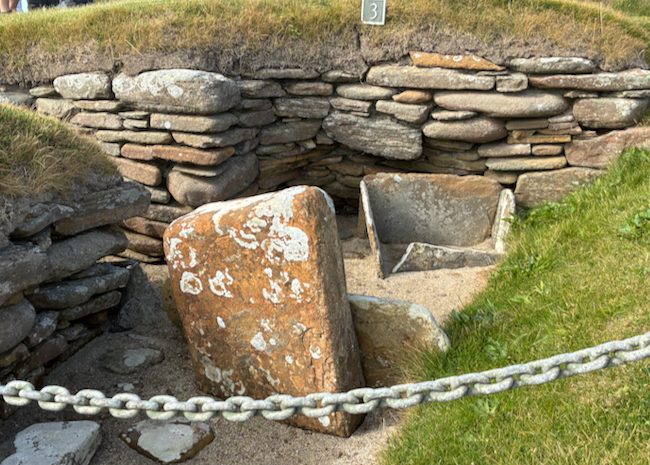

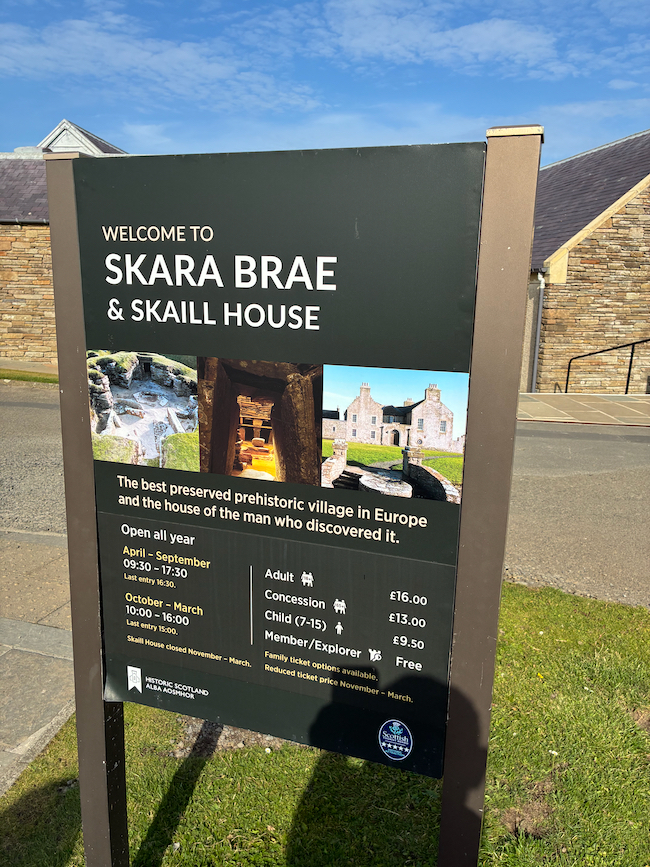
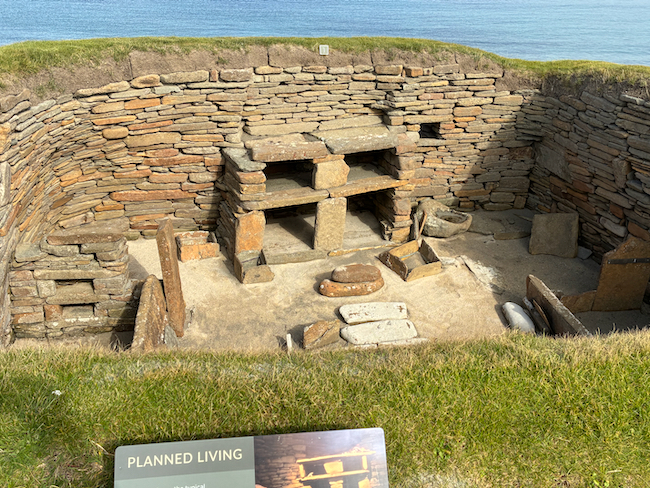
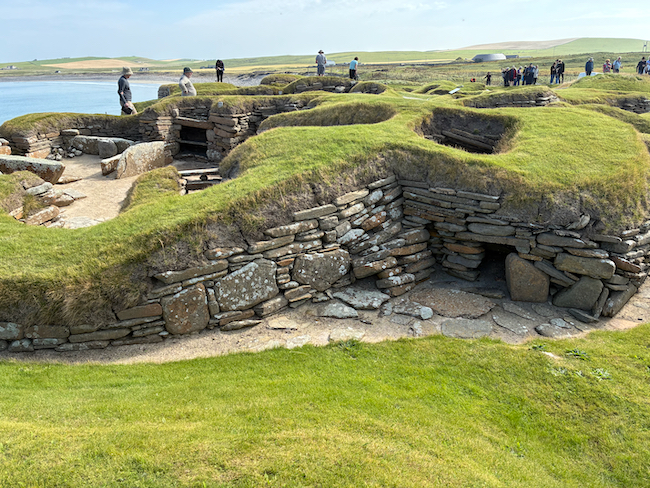
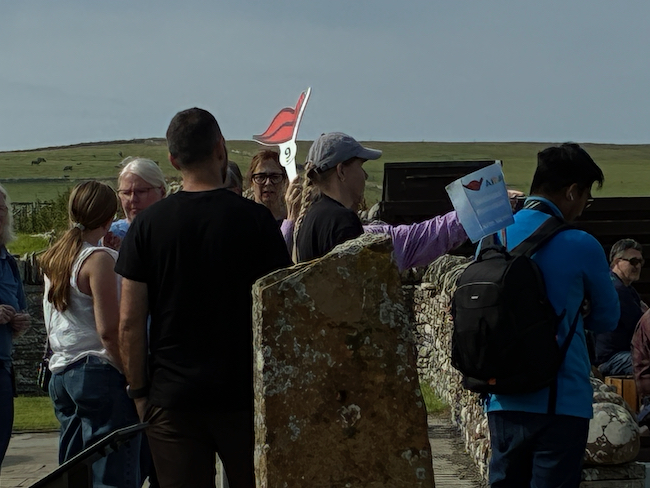
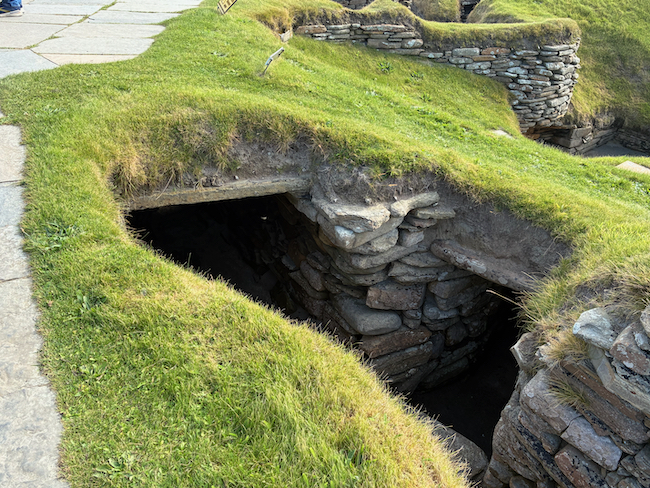
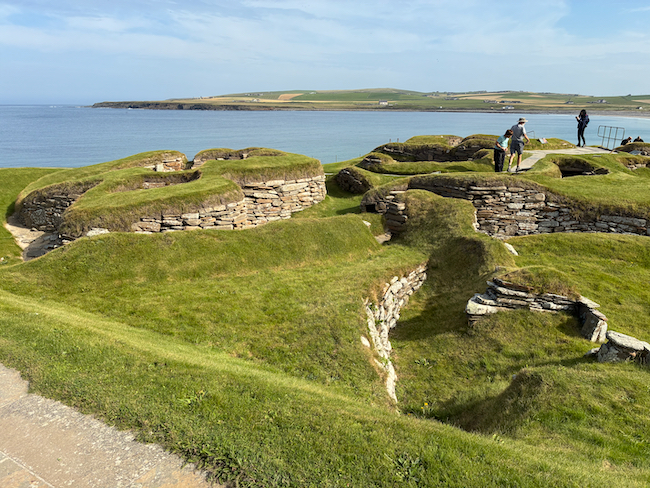
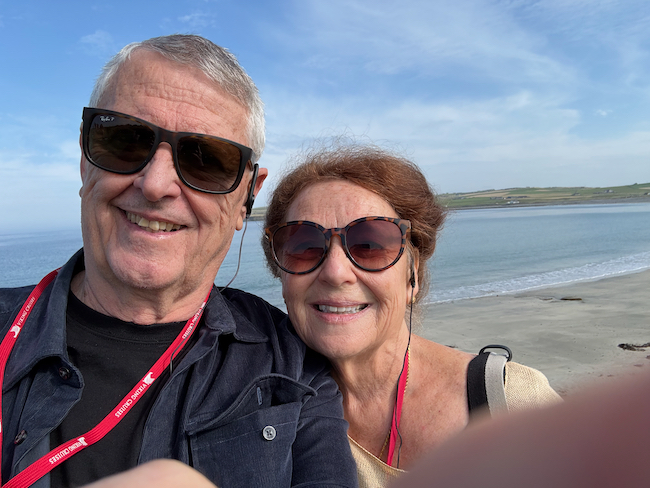

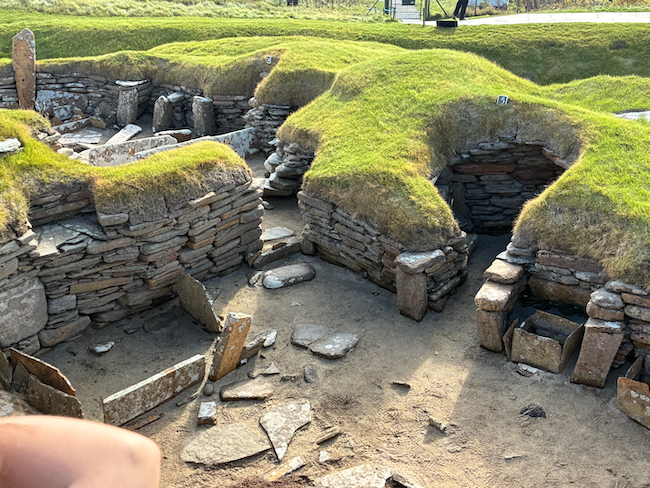
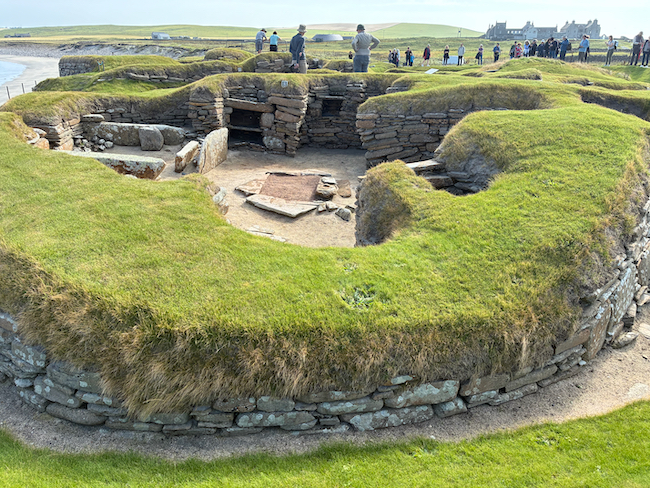
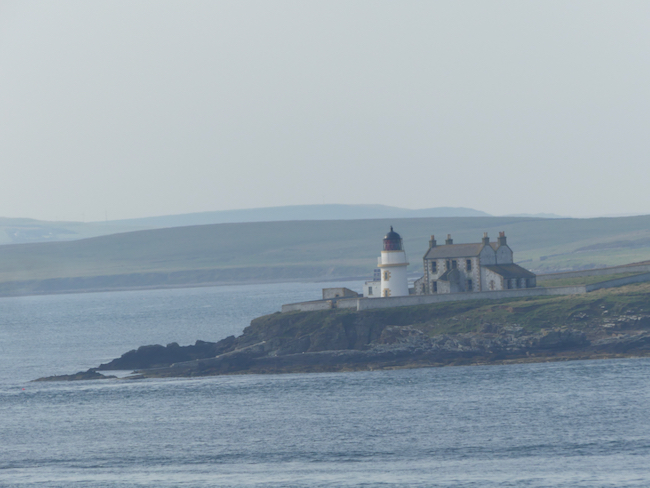

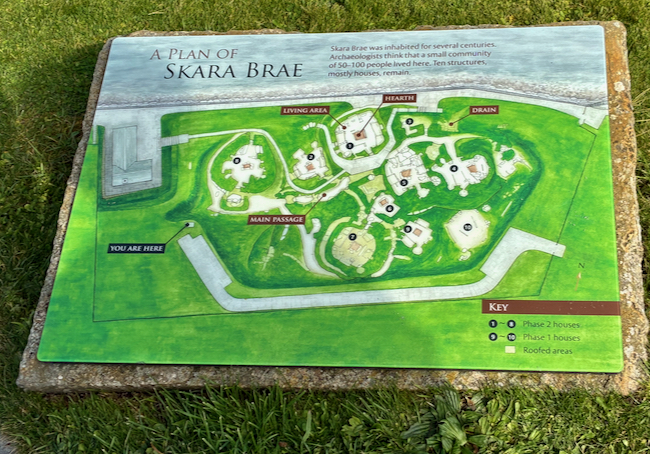
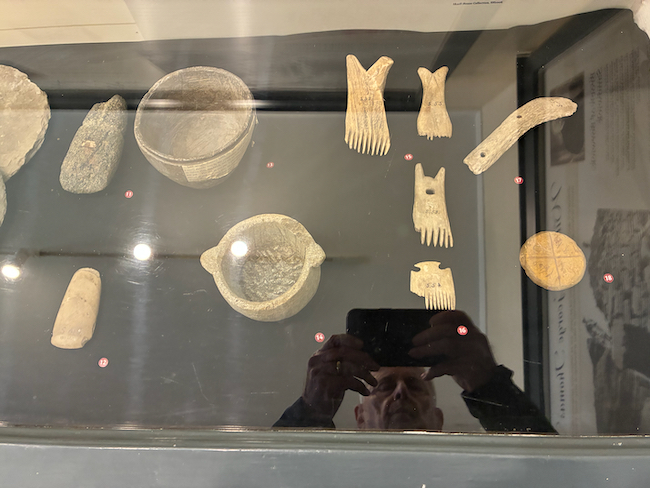
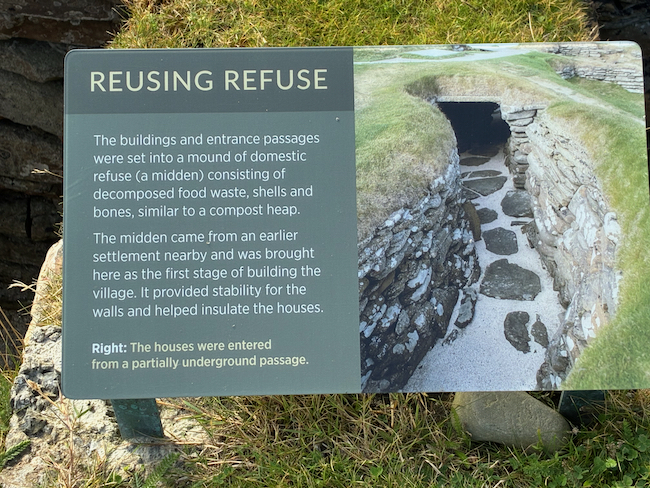
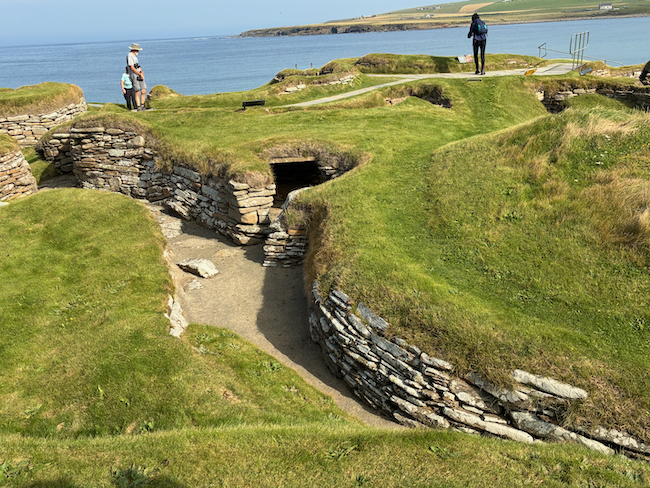
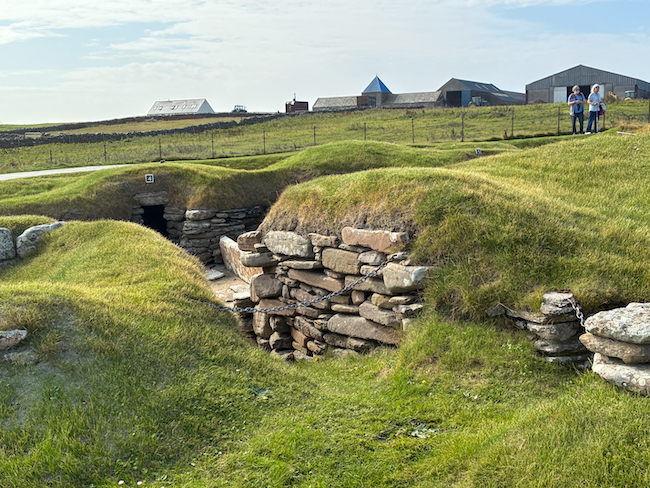
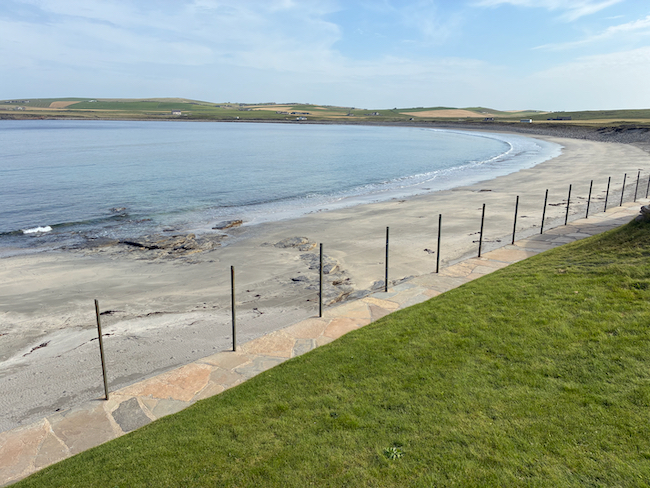

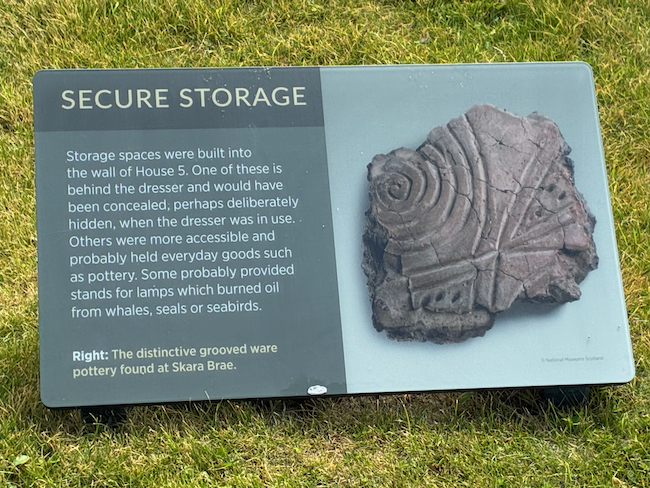


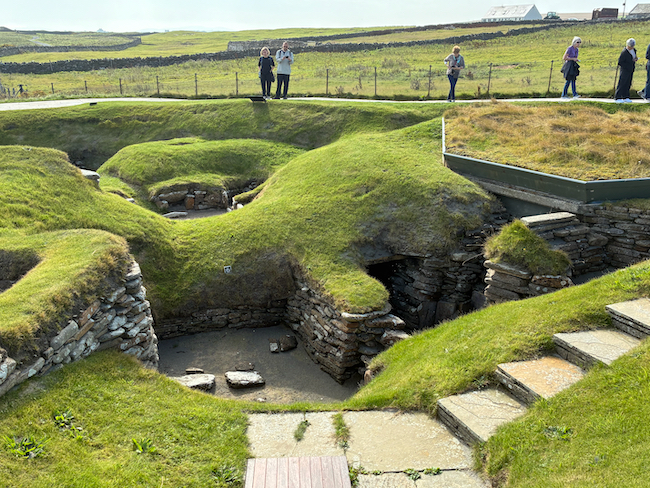
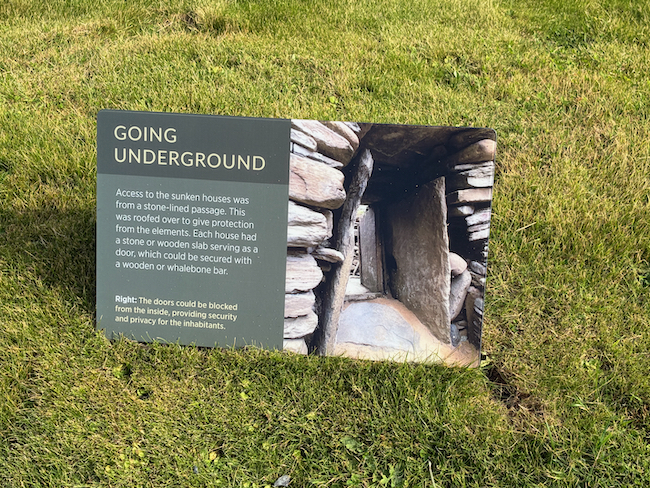
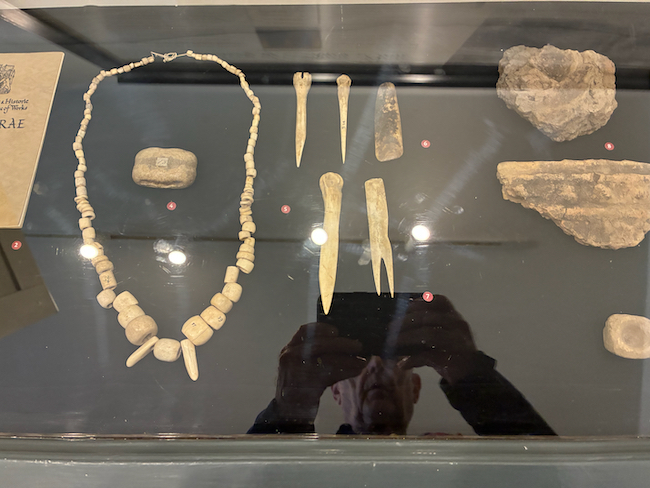


”Graham Watt, the 7th Laird of Breckness, who unearthed the world famous neolithic of Skara Brae in 1850 put in a seawall to forestall further erosion and archaeological experts have excavated several of the houses, although more exist still underground.” (I believe this quote came from a Scara Brae booklet, but I am not sure. 🤔)
On the way back, our bus drives slowly by a series of Neolithic marvels, the Stones of Stenness, the Ring of Brodgar and the tomb at Maeshowe. The bus isn’t allowed to stop because separate bus tours go to those sites (bureaucracy is international!)
(For a lot of fun, read Ann Cleeves newest book in the Shetland/Orkneys Inspector Perez series, The Killing Stones. It is better if you read all the Ann Cleeves Shetland series first, but I read this as a standalone and then started reading the Shetland series, and it worked just fine. )
“The Stones of Stenness are part of one of Europe’s richest archeological landscapes—the legacy of a Neolithic society that flourished between 3800 and 2200 B.C., after the introduction of agriculture but before the advent of metal tools. A mile to the northwest, on higher ground, is another mesmerizing assemblage of megaliths in open space: the Ring of Brodgar, a stone circle some three hundred and forty feet in diameter. To the east is the tomb at Maeshowe, where, beneath a grass-covered mound, Stenness-size slabs anchor a thirteen-foot-high chamber with a corbelled roof. Like Stonehenge and other Late Stone Age sites, Maeshowe has a solar alignment: on the midwinter solstice, the setting sun shines down the entrance passage. Together, these monuments, which are part of a UNESCO World Heritage complex called the Heart of Neolithic Orkney, seem to constitute a minimalist holy land.” (Another regrettably unsourced quote.)
Back in Kirkwall, we decided to have lunch and return to the boat later. We found an Italian restaurant and feasted on Caprese Salad; AdventureMan had a specialty Seafood pasta and I had Spaghetti Aglio Oglio. After lunch, we visited St. Magnus Cathedral, one of the oldest churches in the British Isles. There was a community flower show/competition – the sort of event I love. Groups and individuals created lavish floral displays around the church and won prizes for the best in several categories. It was magnificent and the cathedral was full of people! Then, to celebrate, we had ice cream at the famous Daily Scoop.
Kirkwall is a place to which we would happily return. There is so much more to see and learn.
If you think I am amazing because I remember all these details, you will be happy to know that I have forgotten much, but that I kept a daily journal that reminds me of the details of our daily life on board the ship and at our destinations. Honestly, now we have trouble remembering which day we were in which city.
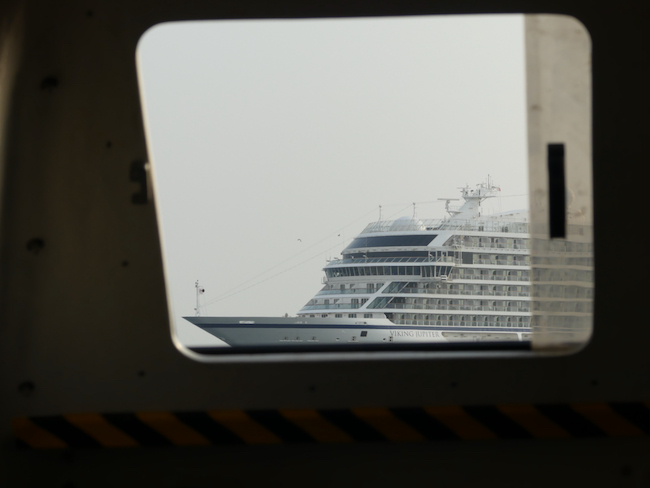
We tendered back to the ship and enjoyed a deeply satisfying nap before meeting up with our friends for dinner.
The food on board Viking Jupiter is fantastic. It’s a great life, being a grown-up, having options. One night we can focus on salads and seafood, another night on soups or Chinese specialties, another night on roasted salmon and sides – we can choose what we want to eat, and we can choose how much. Viking makes little tiny desserts, maybe a quarter cup of chocolate mousse with a meringue star on top, or one small scoop of ice cream – or two very large scoops with toppings, whatever is your pleasure.
When we get back to our room, it is newly cleaned, every night, with fresh towels and clean sheets, all set up for a good night’s sleep.
It’s not like we live like this at home. We cook, we clean, we keep up the yard, we repair the house, we handle our grown-up responsibilities. For just this short time, it is so wonderful to be taken care of.
I have to give full credit to my husband for most of the Scara Brae photos. I also take full responsibility for the fact that there is a jumble of Scara Brae photos in the middle of this post in no order. Somehow they all got grouped and I can’t figure out how to ungroup them. I used to laugh at my elders who struggled with technology, and now karma is biting me in the butt, and once again I am humbled.
Recent Comments
ExpatAlien on What Country am I Living … intlxpatr on Yellowstone: Old Faithful to C… Michelle on Yellowstone: Old Faithful to C… Cathy on No Grown-Ups in Charge intlxpatr on Waiting for Snow Wikipedia Donate Button

Amazina


Early Voting in Florida


 Here There and Everywhere