Where to Start?
A President who won’t take accountability for his own policy follies? A President who fiddles (gilds the White House, demolishes a monument to former President Kennedy, starts a war without Congressional approval, gives contracts to his cronies without going through established processes, fires, and then re-hires critical bureaucrats, lies to the American public about election security, dabbles in trivialities) while Rome burns (gas hits record prices, allies are increasingly imperiled, national parks are starved for funds and broken apart, the education system tumbles and incivility reigns)?
A President who lies to the American people about just about everything AND who is trashing the American economy?
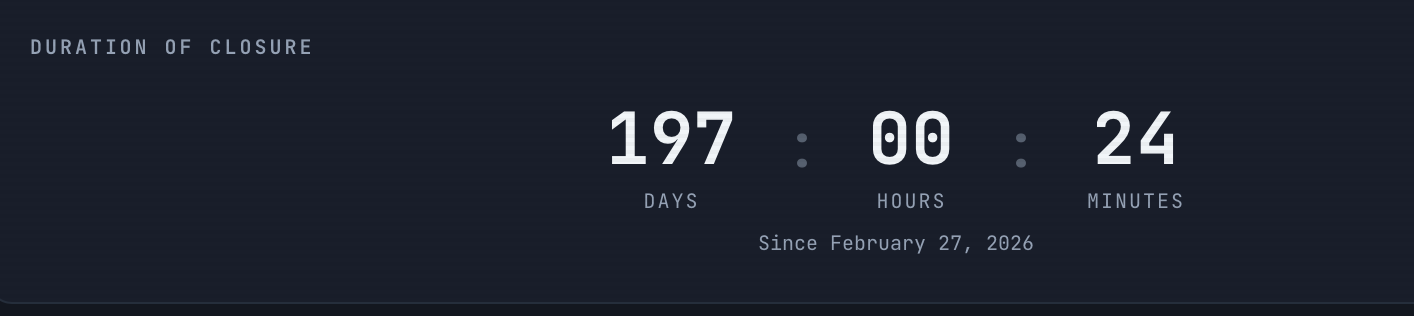
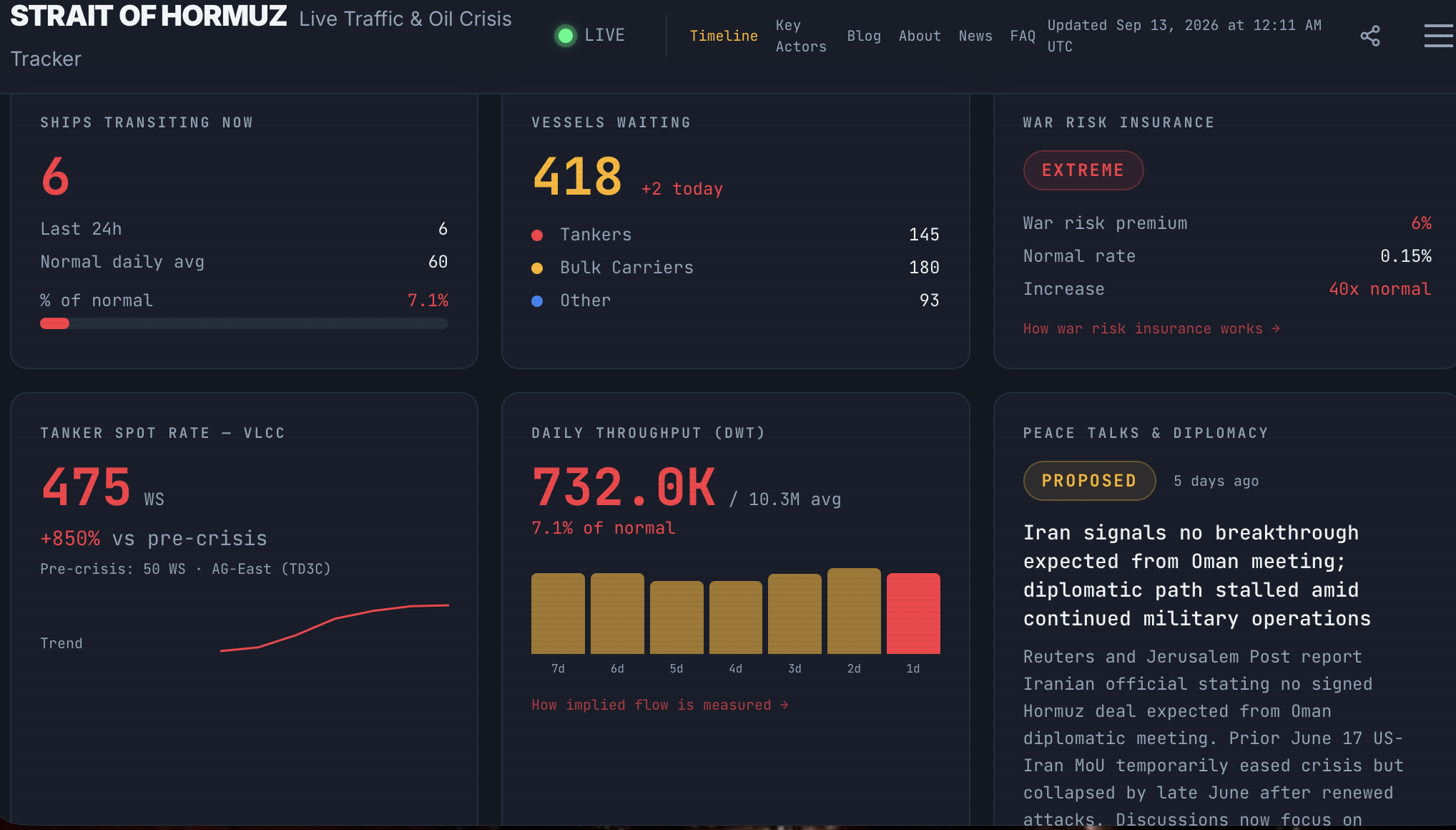
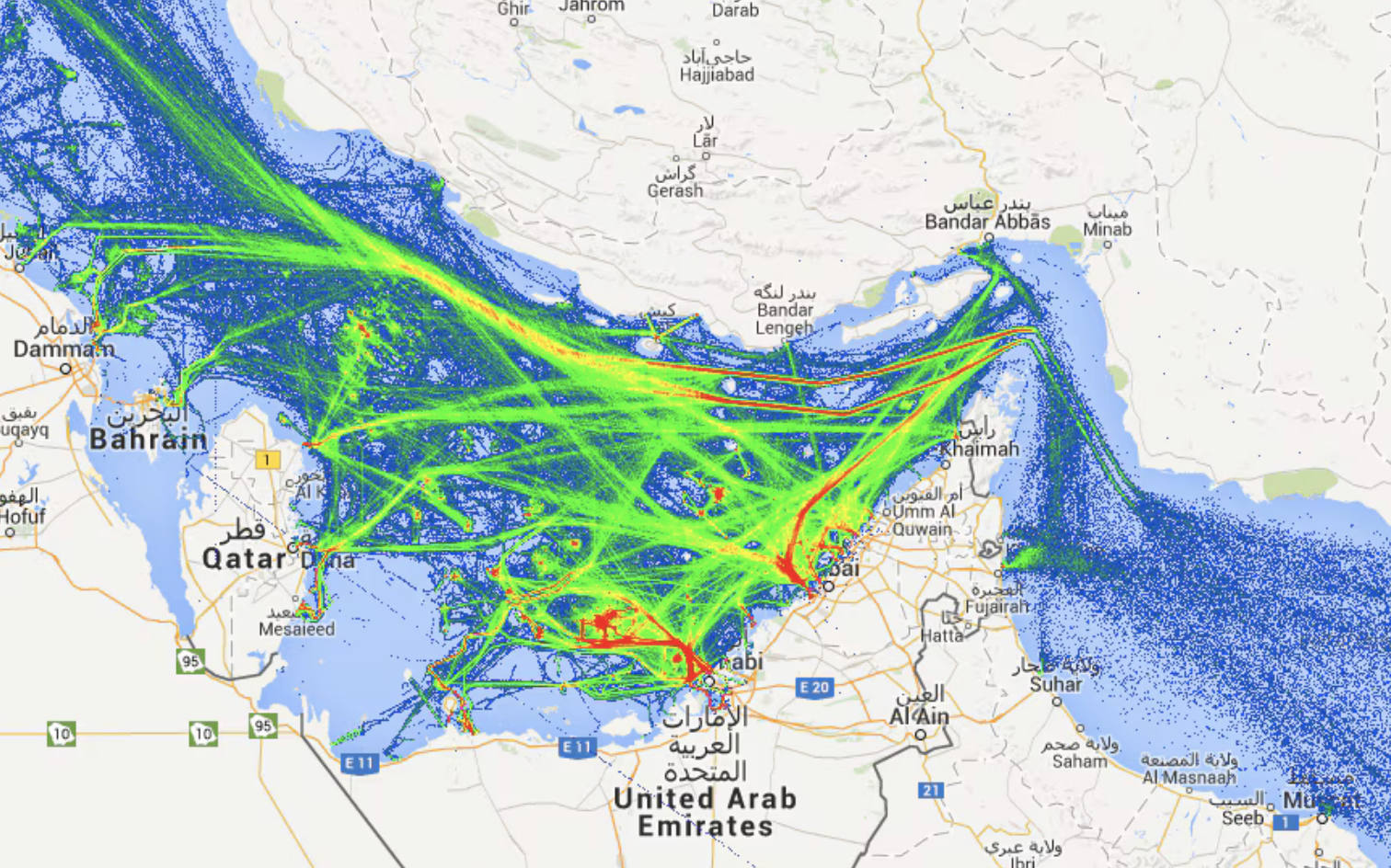
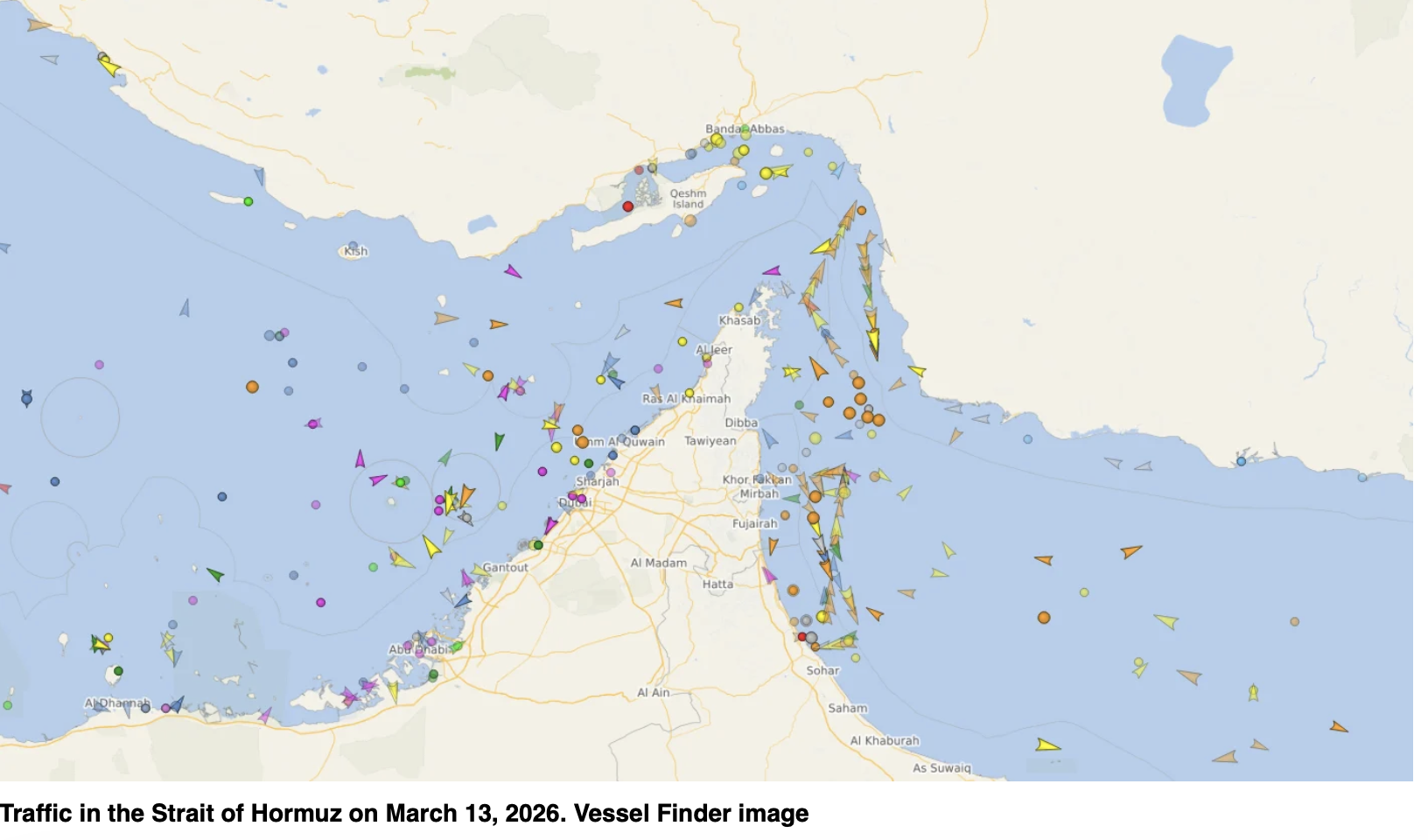
September 12, 2026 Traffic in the Strait of Hormuz
This is what I love about the internet – there are people out there with information, and they are willing to share. I found this information on Strait of Hormuz Live Traffic Tracker, an independently compilation of publicly available information sources.
Below is from MarineTraffic.com:
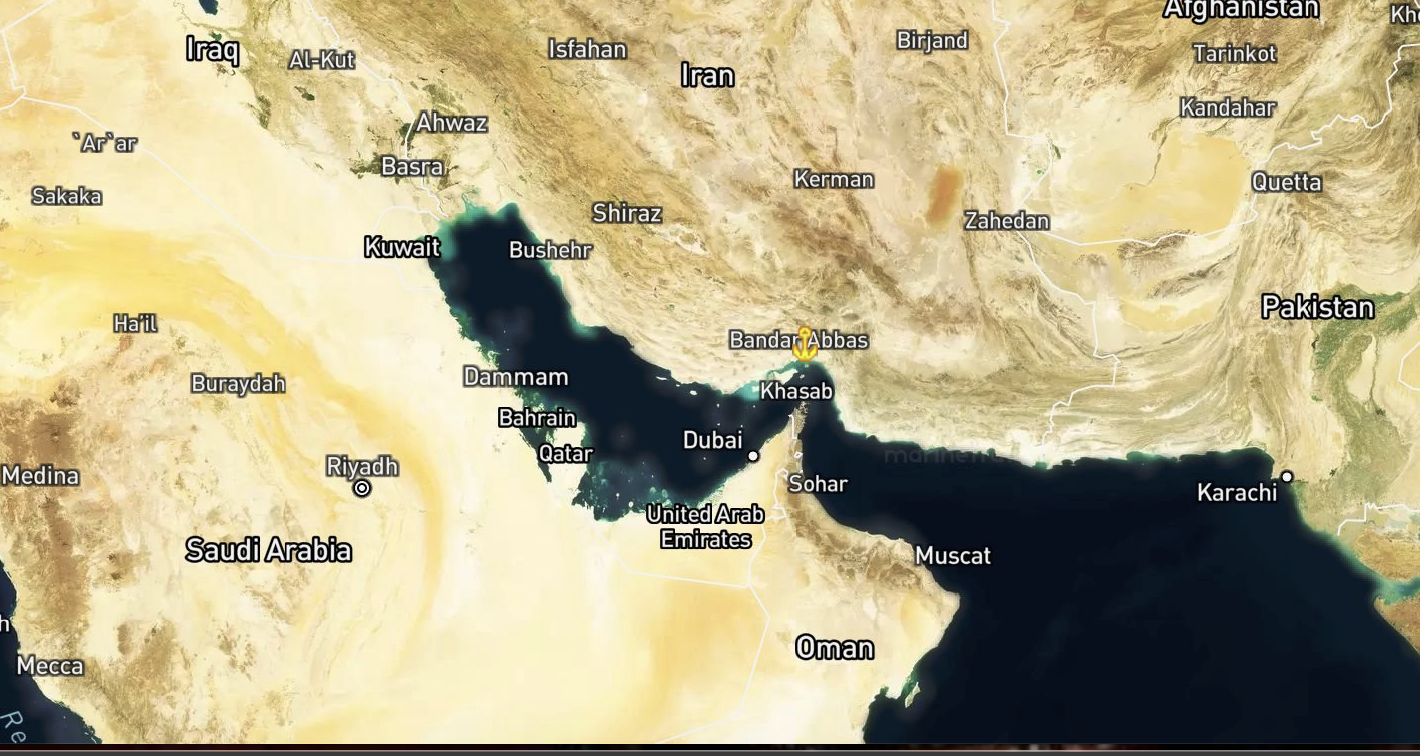
The Strait of Hormuz, 17 August 2026
Traffic through the Strait of Hormuz has effectively ground to a halt as a fragile U.S.-Iran ceasefire expires and recent tanker attacks deter operators. Daily transits have plummeted to just 3 to 4 commercial crossings—down roughly 90% from pre-crisis levels—leaving a massive backlog of thousands of idling vessels waiting offshore.
Current Traffic Status
- Daily Transits: Only 3 to 4 verified ship crossings occurred over the last 24 hours, compared to pre-conflict averages of 60 to 135 daily.
- Vessel Backlog: Approximately 3,200 ships—including roughly 800 oil tankers and cargo carriers—remain backed up and idling west of the waterway.
- Oil Shipments: Commercial crude oil and major petroleum product shipments are virtually non-existent as operators adopt a strict wait-and-see stance.


If it’s August, it Must be . . . Halloween??
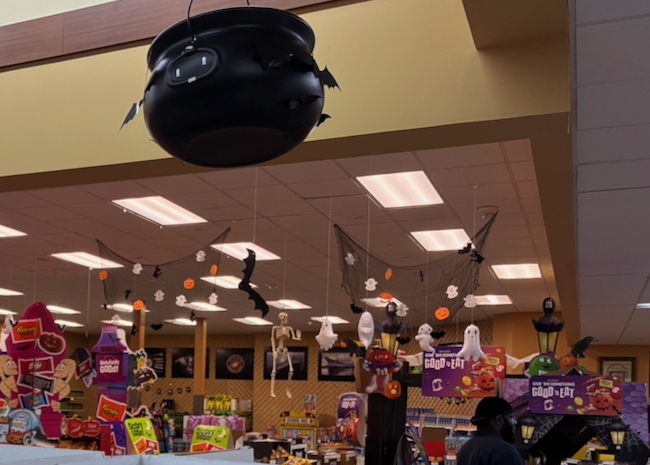
In the olden days, when we were Cold Warriors, guarding European borders from the evils of the Soviet Union, smart military wives started Christmas shopping in August. We knew we were up against deadlines; any gifts going surface mail needed to be mailed by mid-November. “Last minute” would need to be sent by Thanksgiving, or, horrors, the first week in December, but that is cutting it very close if you want your gifts to actually arrive in time.
You get so you start your shopping in January. We didn’t earn buckets of money, and we could do well by dollar-cost-averaging over the ten months leading up to Christmas. The bases all encouraged us to plan ahead, put things on layaway, make wise decisions – all year round. Knowing the barriers, the custom is to help the service people deal with the challenges of a life of – you know – service.
Finding Halloween had come to our Base commissary the second week in August, just as school is starting, was new to me. We are in the United States! We shouldn’t need to be thinking two months ahead for Halloween!
Pensacola is a Navy-centric community. We have Navy bases here, a solid community of Navy families and Navy retirees, and of course, the beloved Blue Angels. So I am wondering, too – where is the outrage? Where is the pushback when the leader of our nation tells the sailors and their families that they haven’t been in the Straits of Hormuz long enough? Where is the outrage when he dismisses complaints about food shortages, supply shortages, and mental health problems from being at sea for such a long time with no respite?
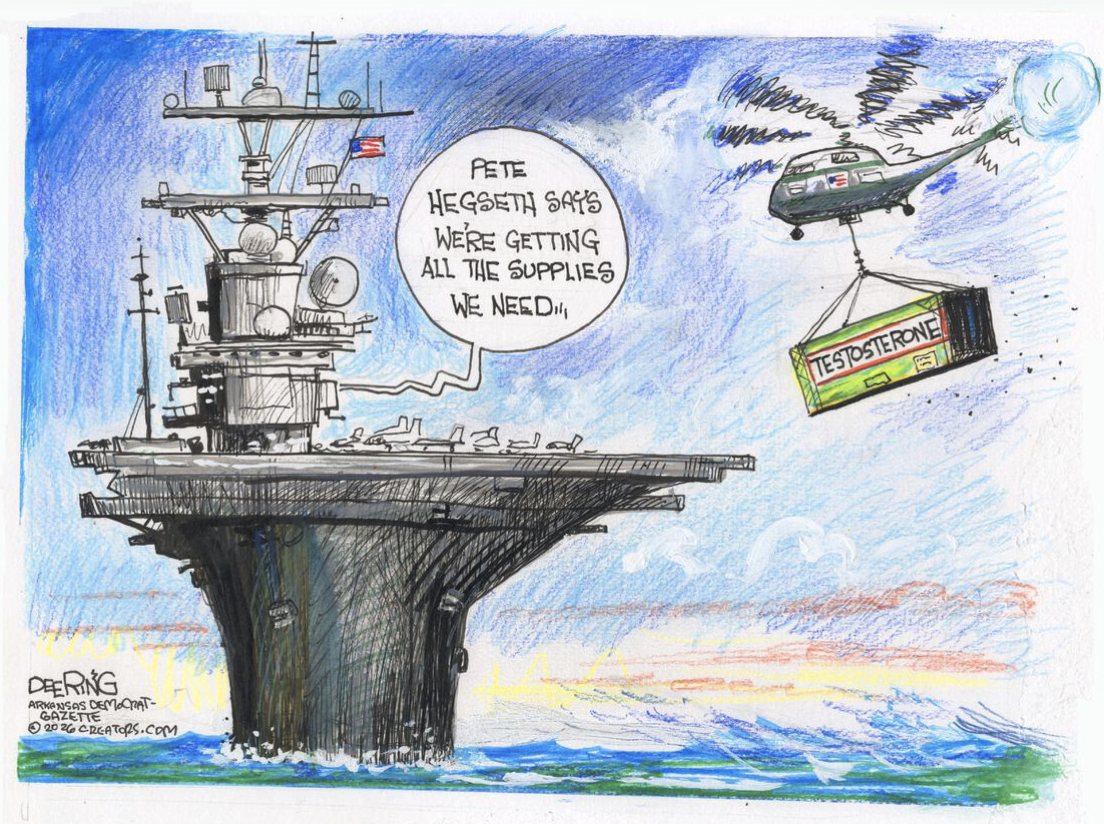
There are traditions against complaining, so if the grumblings are being heard, there is a real problem. Our military is used to self-sacrifice. It’s the nature of the service. If they are complaining, we can’t tell our military people to just suck it up. We have to listen.
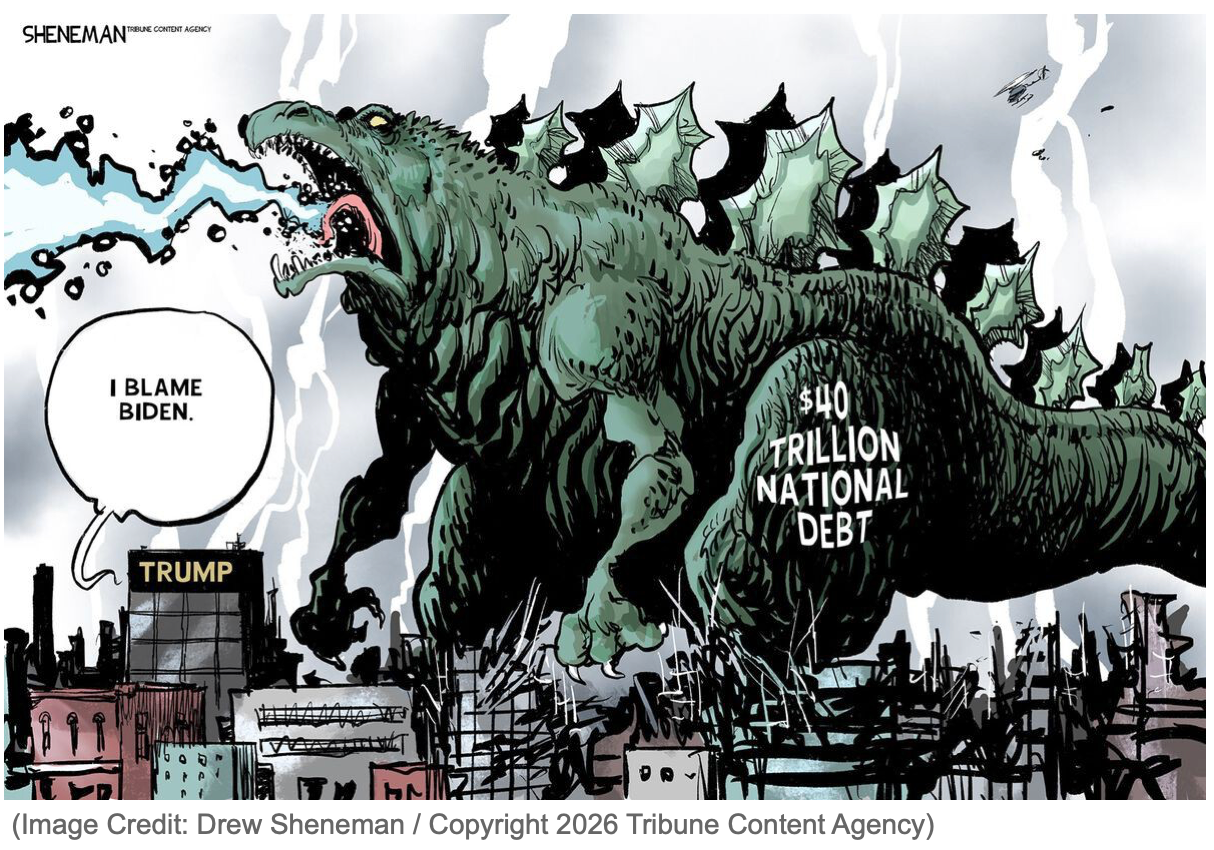
This war has been going on for months, with countless declarations that the war is over and the Strait of Hormuz is open, only to discover, again and again, that it is not true. Over and over, it is another big fat lie.
Wrap it up, guys.
How a Grown Up Ends a War and Wins

It is not my intention here to give our current president a strategy for a gracious exit from the War with Iran. I am writing this only because I believe he is incapable of adopting my solution.
Years ago, my very smart husband, AdventureMan and I played strategic board games. One time, I beat him in only six moves, at which point he stood up and stomped his foot (a very strong statement from a normally restrained man) and yelled “You can’t do that! It’s unorthodox!”
And that’s how wars are won. Yes, you can waste billions on sophisticated weaponry, and have a lot of fun with bombs and destruction. High T at work. You can also waste lives, and I believe that is a crime against your country. Our young people are not expendable.
We’ve all started fights we can’t win. It’s wired into us as human beings. What is the way out?
“I’ve made a big mistake. I take full responsibility. I’m sorry I got us into this mess, and now, I am going to do everything in my power to make it right.”
Those words, and the humility it takes to say them, save relationships, re-establish peace, and a firm foundation for moving forward.
It takes a grown-up to say them. It takes a grown-up to even think them. To continue on a losing path is wasteful and self-destructive.
We are not winning.
It’s time to own up, exit, and begin rebuilding our alliances.

New York’s Participation Trophy for Trump and his Iranian debacle. Everyone invited to contribute; no achievement too paltry to commemorate. The more gilt, the merrier.
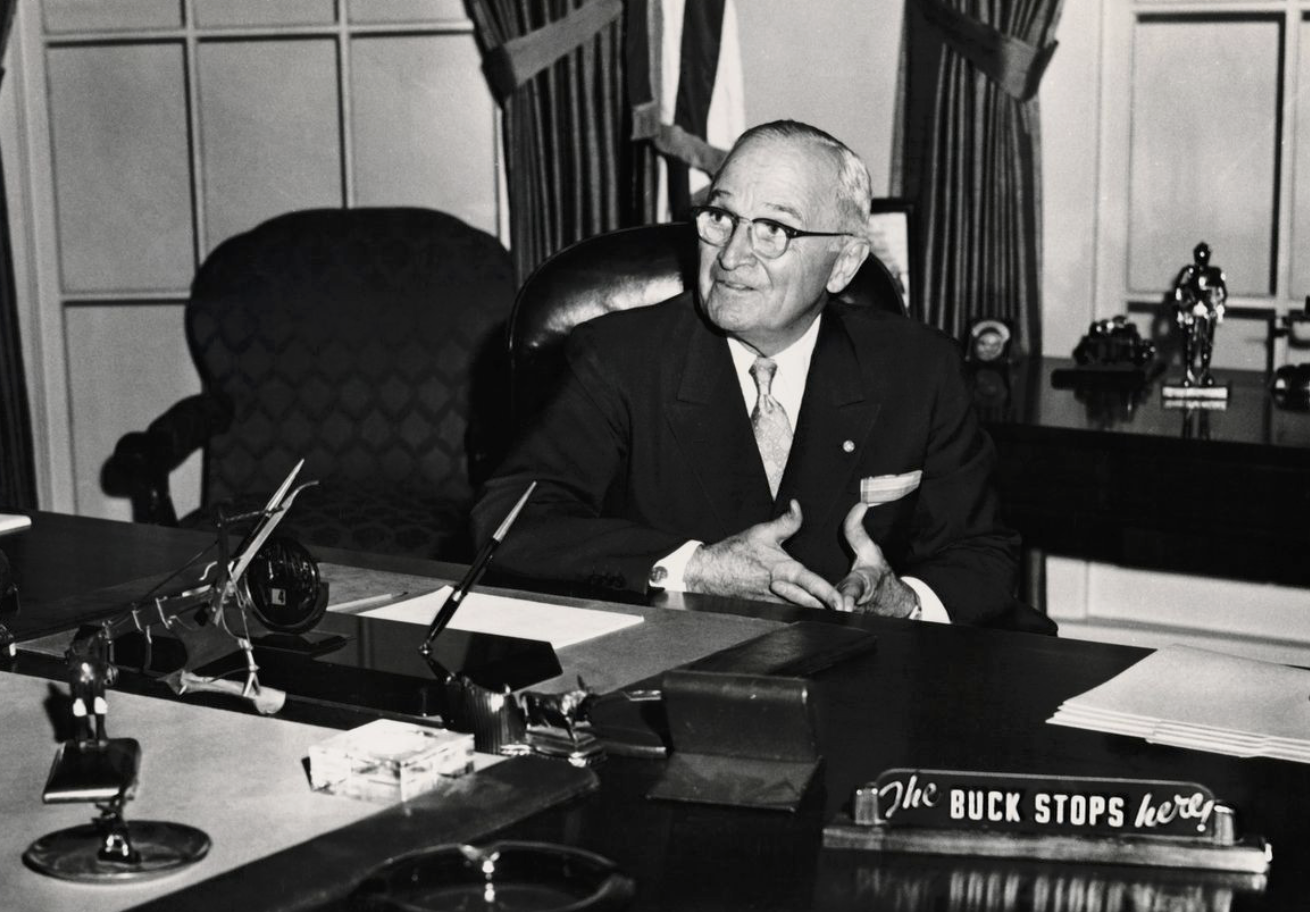
What Happened to “The Buck Stops Here?”
Today, Heather Cox Richardson reports the following:
When a reporter asked Trump today why he didn’t “stick around for the signing ceremony with this Iran peace deal,” the famously camera-courting president answered: “I might, but I’d rather, this is a memorandum of understanding. It’s very important, but it might not be the kind of a document that I should be signing.” The reporter responded: “There is some element to this where you send the vice president. If it works out, great. You look like a genius for sending him. If it doesn’t work out, it’s the vice president’s fault.”
Trump responded: “I like that idea…. This way, if it works out, I’m gonna take the credit; if it doesn’t work out, I’m blaming J.D. You better be careful, J.D. He’s gonna turn his plane around and get the hell outta here. Yeah, I like that idea. I think that’s a good idea.”
If anyone else said that, and then said “just kidding!” we might believe them. When Trump says it, he means it. He doesn’t really know what the memo implies, doesn’t understand how it puts the United States in a worse position than before he started the war (the memo specifically calls it a war), and while he is already taking credit for it, he leaves himself an escape hatch in case the wires and mirrors stop working.
Citizens, more than ever, it is time to protect your vote and to make sure your vote counts.
Make sure you are registered to vote.
Call your Supervisor of Elections and make sure you are still on the rolls, and that your information is accurate.
If you intend to vote by mail, make sure you are listed for a mail-in vote, and when you vote, mail you vote at a post office, or deliver your vote to the office of the Supervisor of Elections in advance of election day.
Vote the scoundrels out.
Trump is in the process of doing everything in his power, legal or illegal (just look at the judges who stop his illegal mandates daily), to eliminate votes against his party. We, the people, must be vigilant!
The Buck Stops Here.
“You Watch, Gas Prices Will Drop Like a Rock!”
I filled my tank this morning with gas about 60 cents cheaper than last week.
I am very puzzled; gas prices fell “like a rock” the day after Trump said that as soon as peace was achieved, prices would drop like a rock. So quickly! I’ve seen prices go up overnight, but I have never seen prices go down so quickly!
We have a Memo of Understanding, not a peace treaty. We have identified areas of discussion (undisclosed) that the US will negociate with Iran over. We are in a poor position for negotiating.
From Wikipedia: Donald Trump announced the withdrawal of the United States from the Iran nuclear deal, formally known as the Joint Comprehensive Plan of Action (JCPOA), on May 8, 2018.
Which Iranians? Are they all on board? Are they the leaders of the country?
How will this treaty be any better than the Obama treaty Trump withdrew from in 2018?
How much will this cost the American taxpayers?
Who has made money off of this war? Who has been hurt?
How much has this war cost the world? How has it damaged our Trump-punched alliances?
I filled my tank because I know our strategic reserves are nearing depletion. I filled my tank because I don’t believe the truce will hold – it hasn’t held so far – and I filled my tank because I believe it is more wires and mirrors, trying to fool us into thinking things are better than they are.
Slight of Hand and Wires and Mirrors; No Accountability
Our leader announced a speech to the nation, which turned out to be nothing but repeats of “Truth” social posts and comments previously made. A boring, disjointed 19 minutes of nothing credible. Credibility is stating a mission and following through. Chaos is changing the mission and its achievements every ten minutes or so. If you don’t believe me, watch the stock market.
Meanwhile, behind the curtain, The Great Oz and his handlers are changing how our democracy operates. The failed military officer, Pete Hegseth is examining and removing African Americans, females, and especially African American Females from promotion lists. He is firing the top general who questions his judgement in toying with a time honored system where the military chooses its leaders based on performance and leadership abilities, not their gender nor their color.
Does Hegseth understand demographics? Does he understand that military recruitment is problematic these days days, that the pool of recruits has shrunk dramatically? Does he understand that brawn no longer wins wars, but fighter planes, drones, new ideas and weapon development are fighting a new kind of war, where every gender and color contributes the the nuances of creative strategies available to a commander in chief who genuinely understands how to function in the fog of war?
Today Heather Cox Richardson alerts us to another slight of hand, the kind of small change the controllers hope will go unnoticed: The challenge of ACCOUNTABILITY and how it impedes a sitting President. She quotes the following, and it quite takes my breath away:
Yesterday Assistant Attorney General T. Elliot Gaiser, of the Office of Legal Counsel, published an opinion for the White House that claims the Presidential Records Act, which requires that presidents keep records of their official business and turn them over at the end of their term, is unconstitutional. Gaiser clerked for Supreme Court Justice Samuel Alito.
“The PRA is not a valid exercise of Congress’s Article I authority and unconstitutionally intrudes on the independence and autonomy of the President guaranteed by Article II. The Act establishes a permanent and burdensome regime of congressional regulation of the Presidency untethered from any valid and identifiable legislative purpose,” the memo reads. “For these reasons, the PRA is unconstitutional, and the President need not further comply with its dictates.”
(taking a moment to catch my breath)
We burden our elected president with the requirement that we know what he does and why he is doing it?
How can anyone believe this lunacy? Any person in a position of responsibility has to answer to his polity! Elected politicians all the more. He answers to us, the voters.
Our leader has a lot to answer for. We can’t trust anything he says, from minute to minute. Our treasury has been declared insolvent. He is sending our children off to war with unclear orders and insufficient leadership.
He has hired a confederacy of ignorant, greedy sycophants. He has gutted our diplomatic service. He has gutted Consumer Oversight. He has gutted the Environmental Protection Agency. He has corrupted the Department of Education.
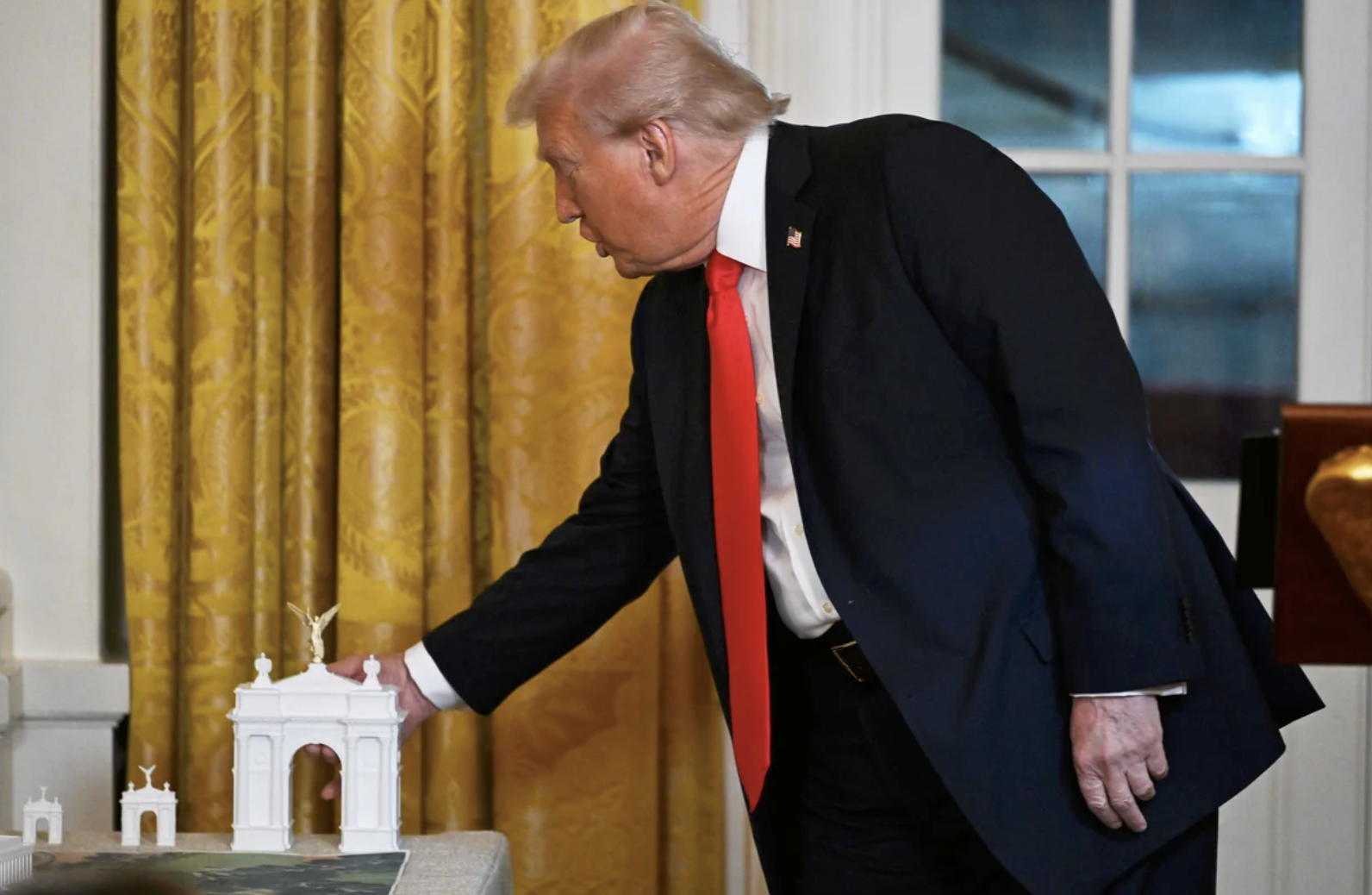
He is terrified he cannot win and is attempting to take over national elections. Meanwhile, he is bankrupting our country with garish monuments and wars we never agreed to fight.
He is subjecting women to outdated standards and taken away their rights to make decisions for their own bodies.
He is corrupting our social system, taking medical care away from those who need it most, and callously neglecting the veterans who have served our country so loyally.
He has made agreements with other countries that we only learn about by accidental comments.
This can’t go on. Give us Accountability. Oversight. Congressional Approval. Fair and Free Elections. Constitutional Restraints!
Today in the Strait of Hormuz
When you treat your friends badly and no one comes to help you when you screw up:
Hope is Not a Strategy
Our leader has said other nations will come to escort ships through the Strait of Hormuz.
Trump last week first raised the idea of naval escorts for tankers in the strait “if necessary,” but on Monday, he hoped they wouldn’t be needed.
“When the time comes the U.S. Navy and its partners will escort tankers through the strait if needed. I hope it’s not going to be needed, but if it’s needed, we’ll escort them right through,” he said.
But even with Naval escorts, an expensive and time-consuming mission, it’s “not necessarily a guaranteed success,” according to Kirby.
“Drones can fly low and slow, they can fly fast and low, and they can do a lot of damage even to one ship with the Navy not being able to knock it out of the sky,” he said. (From TheHill.com)
And then this, from Associated Press:
“Many Countries, especially those who are affected by Iran’s attempted closure of the Hormuz Strait, will be sending War Ships, in conjunction with the United States of America, to keep the Strait open and safe,” Trump wrote on Saturday, later adding, “this should have always been a team effort.”
It was not clear if that multi-nation push was set to begin or if Trump only hoped it might, however. That’s because he also wrote: “Hopefully China, France, Japan, South Korea, the UK, and others, that are affected” will “send Ships to the area so that the Hormuz Strait will no longer” be threatened by Iran.
The normal route for declaring war is to communicate your intentions to your allies before you attack. It is to prepare and coordinate with your own national institutes before you attack. And, when you are going to seek assistance, it is a really good thing if you have not insulted your allies in numerous ways before asking for their help, especially when it involves great risking expensive ships, aircraft and lives.
“Hope” and “Hopefully” are not good substitutes for steady, consistent diplomatic relations and providing reliable, honorable leadership on the international level. This would-be war eagle has soiled his nest.
Recent Comments
intlxpatr on Shampoo Ginger tigerbutterya0c5ff1d… on Shampoo Ginger intlxpatr on British Soldier Kidnapped, Esc… John on British Soldier Kidnapped, Esc… intlxpatr on British Soldier Kidnapped, Esc… Wikipedia Donate Button

Amazina


Early Voting in Florida


