Intlxpatr Turns Twenty Years!

Welcome to our virtual celebration, old friends and new.

Twenty years ago on this very day, newly arrived in Kuwait, I joined a very lively, edgy and welcoming blogging scene. It was frightening to me, but I had my reasons. There were bloggers I loved reading – I started by commenting on their posts. It was like a salon, topics and views and opinions everywhere, and also some facts.
There is an old story about Martin Luther, the priest who nailed his ideas for a better church on the door, and while the church didn’t change, the community in which he lived was willing to entertain his thoughts, and slowly, things DID change. When asked why he would take the risk – being called heritical could end to death – he said (in German), “I cannot other.”
Stepping into the blogworld was stepping outside a comfort zone and expressing thoughts some might think better left unspoken.
C’mon in. Here There and Everywhere has always worked to be a safe place for exploring new ideas, disruptive thoughts and how to make things better. We’ve got great virtual refreshments and a safe place to vent 😊.




There’s a little bit of Soused Apple Cake left over from yesterday’s Fish Fry.
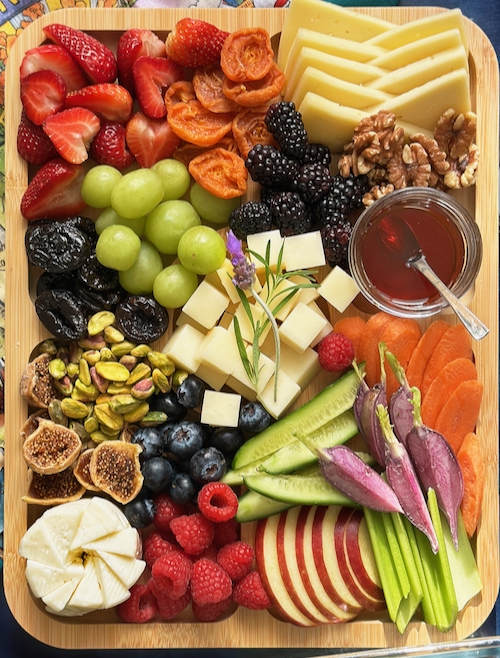
For those who, like me, have to be careful, we also have some relatively healthy finger foods:

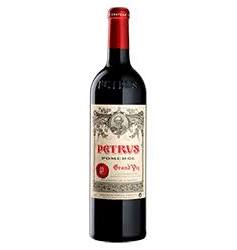
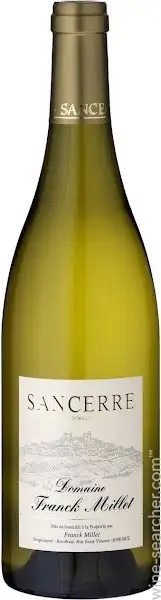
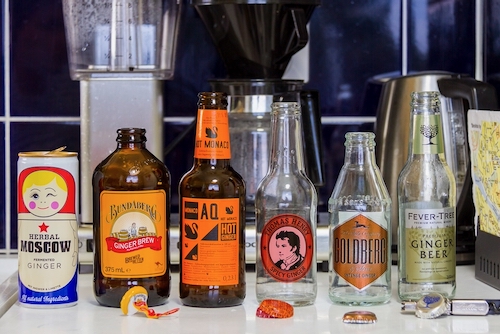
Grab something to drink 😊
I miss our great discussions, and I miss the liveliness of the old blogging scene. I’m not so comfortable with the arguments and name-calling I find in other outlets, nor the need to be wary of those who are monitoring – and who are they, anyway?
Meanwhile, a good friend mentioned recently how political I have gone.
Honestly, in these times, even the apolitical are speaking out. I heard a priest today talk about his anger at the hijacking of the gospel, used for vengence and not for love. I found it very brave, those strong words. If we don’t speak out bravely now, the crushing forces seeking vengence and control create a world most of us won’t want to live in.
I want a government who subsidizes health care for ALL. I want science to recommend vaccines which improve our quality of life and save lives. I want corporations that have standards to meet for air and water and environmental protection. I want our police to protect the weak against the bullying and violence of those who think might makes right. I want to welcome the stranger, creating new textures and patterns in the fabric of our nation. I want every person’s vote to count. I want responsible, accountable, educated leadership, and congressional decisions created by working together to achieve doable compromises.
“Ich kann nicht anders.”
As a post script – this is my 5,900 published post 😊.
How a Grown Up Ends a War and Wins

It is not my intention here to give our current president a strategy for a gracious exit from the War with Iran. I am writing this only because I believe he is incapable of adopting my solution.
Years ago, my very smart husband, AdventureMan and I played strategic board games. One time, I beat him in only six moves, at which point he stood up and stomped his foot (a very strong statement from a normally restrained man) and yelled “You can’t do that! It’s unorthodox!”
And that’s how wars are won. Yes, you can waste billions on sophisticated weaponry, and have a lot of fun with bombs and destruction. High T at work. You can also waste lives, and I believe that is a crime against your country. Our young people are not expendable.
We’ve all started fights we can’t win. It’s wired into us as human beings. What is the way out?
“I’ve made a big mistake. I take full responsibility. I’m sorry I got us into this mess, and now, I am going to do everything in my power to make it right.”
Those words, and the humility it takes to say them, save relationships, re-establish peace, and a firm foundation for moving forward.
It takes a grown-up to say them. It takes a grown-up to even think them. To continue on a losing path is wasteful and self-destructive.
We are not winning.
It’s time to own up, exit, and begin rebuilding our alliances.

New York’s Participation Trophy for Trump and his Iranian debacle. Everyone invited to contribute; no achievement too paltry to commemorate. The more gilt, the merrier.
What Could Possibly Go Wrong?

New York Times reports Trump Administration is said to have reached a broad nuclear deal with Saudi Arabia.
CrisisGroup.Org
Because I follow – or try to follow – piracy in Somalia, I go down rabbit holes. Some rabbit holes lead you to the most amazing places, including a comprehensive update on an upsurge in Somalian piracy and root causes.
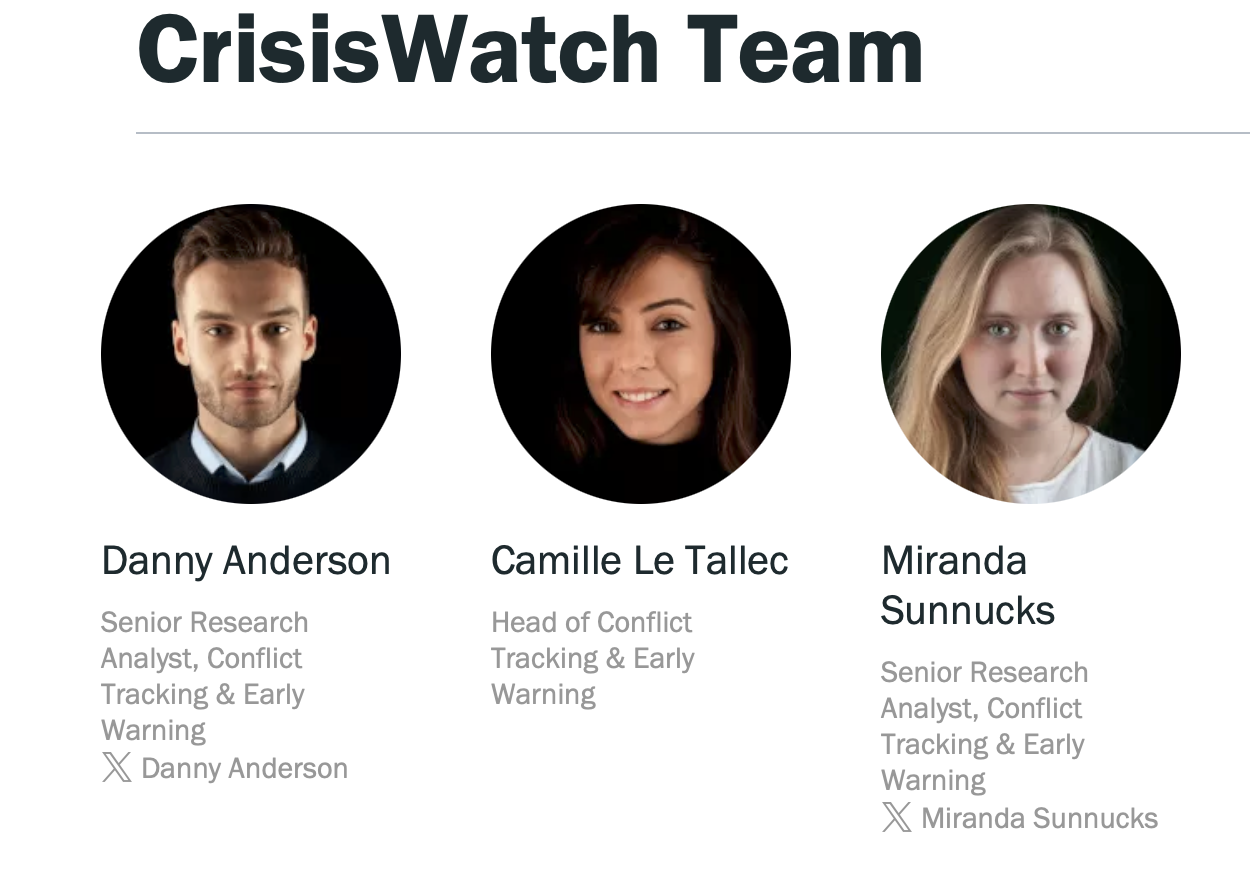
The rabbit holes led me to this fascinating group, Crisisgroup.org. I’m always curious who is behind these organizations – this organization, out of Brussels, seems to keep watch on some far-flung and, to U.S. readers, sometimes obscure potential events, which, when they explode, we wonder why we never heard of these fomenting conflicts.

Biases: Believing Our Delusions
This is from a daily reading by Richard Rohr, a theologian I love reading for his broad outlook on belief and spirituality.
None of us is free from biases that skew our thinking. He lists several of the thinking errors below.
Recognizing Our Biases
CAC (Center for Advanced Contemplation – ed.) faculty member Brian McLaren has done thoughtful and helpful research about what makes us see things so differently from one another. He identified thirteen biases that we outline today. Being a former pastor and an excellent communicator, Brian found a way to make these complex ways of seeing simple and memorable. He writes:
People can’t see what they can’t see. Their biases get in the way, surrounding them like a high wall, trapping them in ignorance, deception, and illusion. No amount of reasoning and argument will get through to them, unless we first learn how to break down the walls of bias. . . .
Confirmation Bias: We judge new ideas based on the ease with which they fit in with and confirm the only standard we have: old ideas, old information, and trusted authorities. As a result, our framing story, belief system, or paradigm excludes whatever doesn’t fit.
Complexity Bias: Our brains prefer a simple falsehood to a complex truth.
Community Bias: It’s almost impossible to see what our community doesn’t, can’t, or won’t see.
Complementarity Bias: If you are hostile to my ideas, I’ll be hostile to yours. If you are curious and respectful toward my ideas, I’ll respond in kind.
Competency Bias: We don’t know how much (or little) we know because we don’t know how much (or little) others know. In other words, incompetent people assume that most other people are about as incompetent as they are. As a result, they underestimate their [own] incompetence, and consider themselves at least of average competence.
Consciousness Bias: Some things simply can’t be seen from where I am right now. But if I keep growing, maturing, and developing, someday I will be able to see what is now inaccessible to me.
Comfort or Complacency Bias: I prefer not to have my comfort disturbed.
Conservative/Liberal Bias: I lean toward nurturing fairness and kindness, or towards strictly enforcing purity, loyalty, liberty, and authority, as an expression of my political identity.
Confidence Bias: I am attracted to confidence, even if it is false. I often prefer the bold lie to the hesitant truth.
Catastrophe or Normalcy Bias: I remember dramatic catastrophes but don’t notice gradual decline (or improvement).
Contact Bias: When I don’t have intense and sustained personal contact with “the other,” my prejudices and false assumptions go unchallenged.
Cash Bias: It’s hard for me to see something when my way of making a living requires me not to see it.
Conspiracy Bias: Under stress or shame, our brains are attracted to stories that relieve us, exonerate us, or portray us as innocent victims of malicious conspirators.
Here There and Insanity
I have a group of buddies who gather early in the morning to swim. Everyone needs a group that can help keep them sane, and this is the group for me. We share news updates. We share reactions. We share our own ups and downs. Some of us are elders; we share our aches and pains. And at all of this – we laugh. Thanks be to God; we help each other keep things in perspective and keep a sense of humor about ourselves.
AdventureMan tells me I have a special smile for when I am in Alaska, or when I am on a boat. Both sing to my soul. It’s hard coming off a great vacation, and even harder when a heat dome covers Pensacola and there is barely a whiff of fresh breeze, even by the shore.
I thank God, too, for the life I was given, my time in Alaska, and my time with my husband living in so many different countries in service to our own country. You know, old fashioned things like building alliances, learning foreign cultures and languages, building relationships.
So forgive me if I rant now and then about the craziness I see in our current situation. Sometimes I feel like the blog name should be Here There and Insanity; as Paul says to the Romans, we are doing the things we ought not to do and not doing the good we ought to be doing.
What to do?
Here is what I wish for you – a strong partner, and a loving family. A group, or two or three, of buddies who can help you laugh when insanity happens in the world, and a belief system that can keep you grounded when moral values are topsy-turvy, shaken and tossed out.
“There are places I’ll remember all my life – though some have changed . . . Some forever, not for better, some have gone, and some remained . . . All these places have their moments with lovers and friends I still can recall, Some are dead and some are living – in my life, I’ve loved them all.”
Alaska 2026: A Bonus Day at the Alaska Native Heritage Center
This was an odd day, as we packed out of the Alaskan Jade B&B. Our flight wasn’t leaving Anchorage until 8 that night, so we had time to visit the Alaskan Native Heritage Museum.
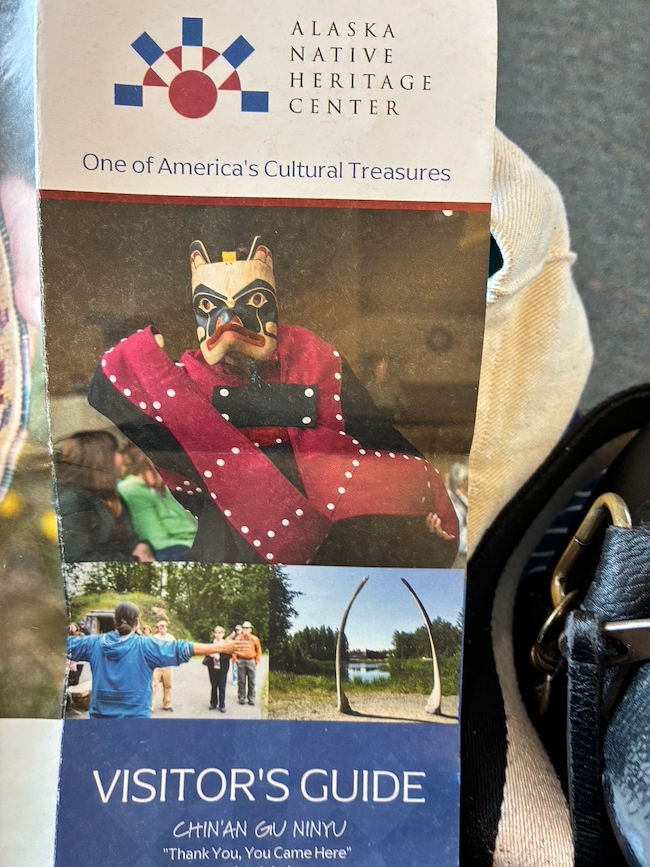
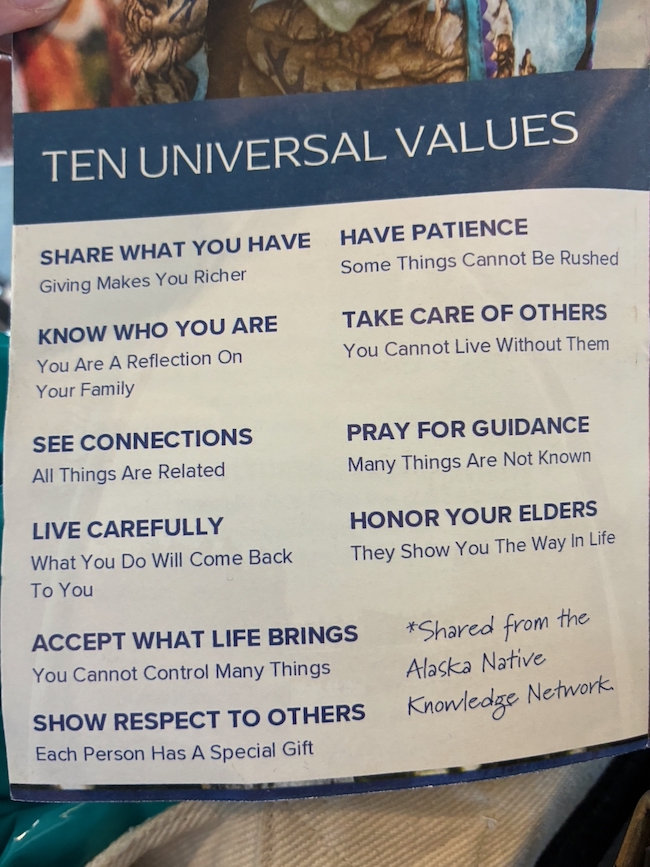
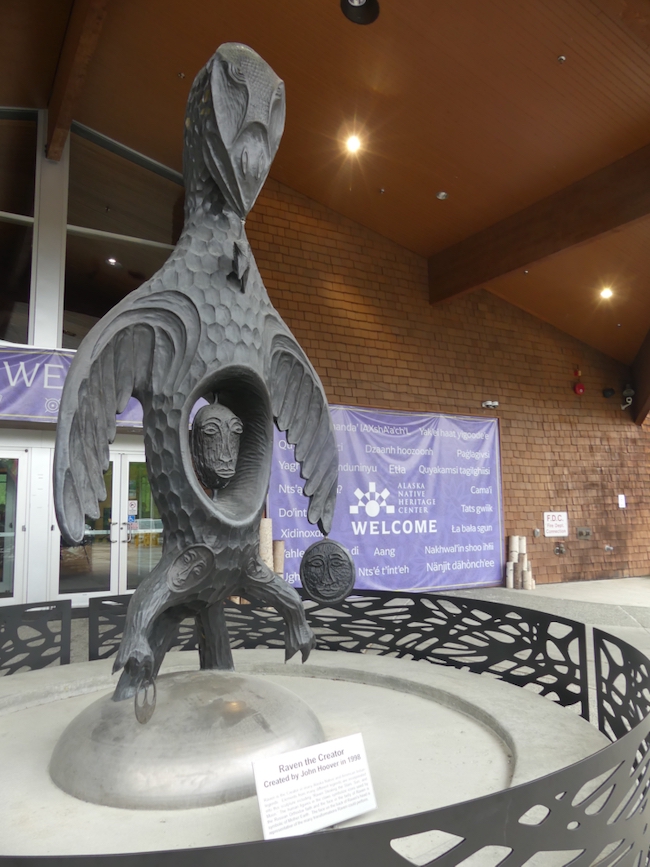
As we arrived, a demonstration of traditional games had just begun, and following that, a dance demonstration, with descriptions of the costumes, how they were made and how they were used.

All this was done by a group of young people who were having great fun as they shared their culture and heritage.
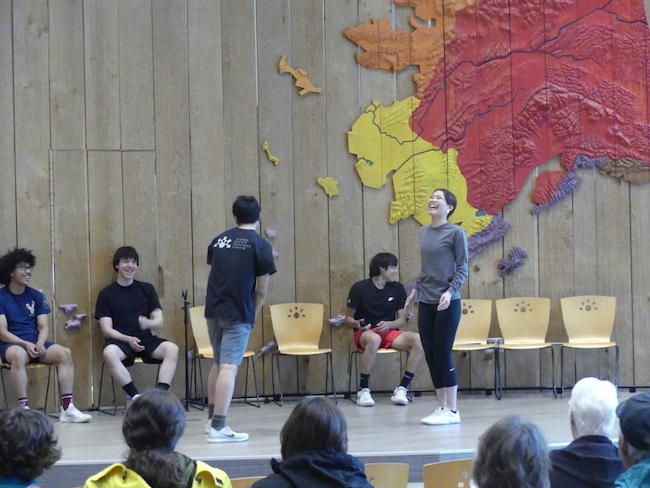
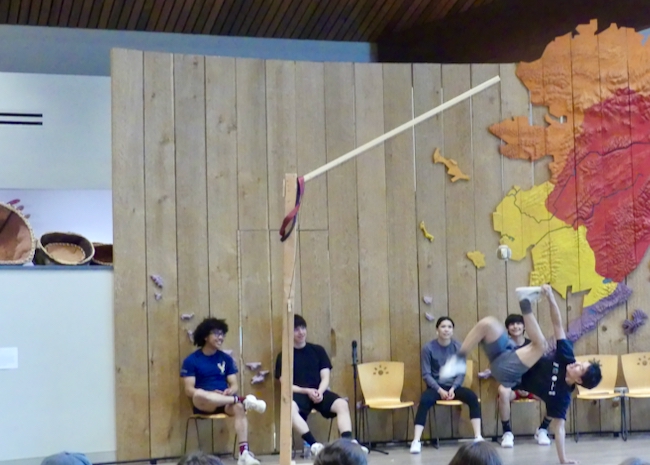
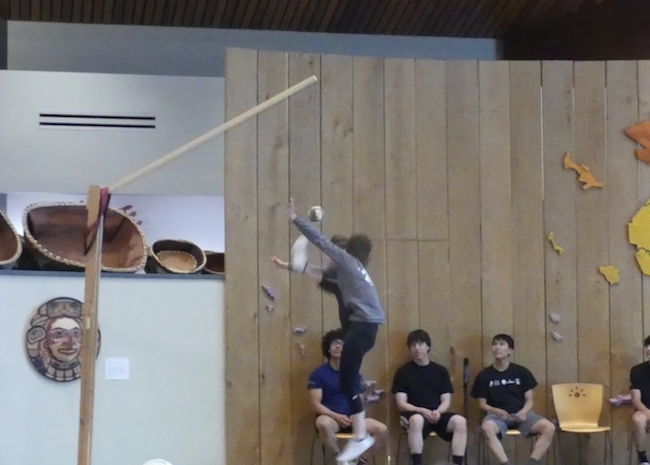
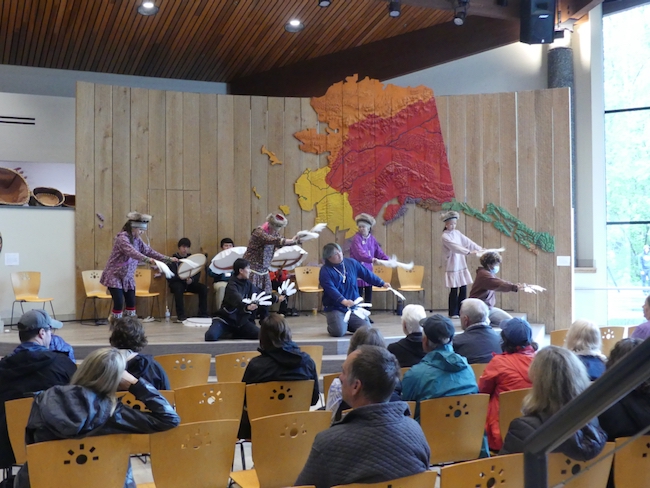

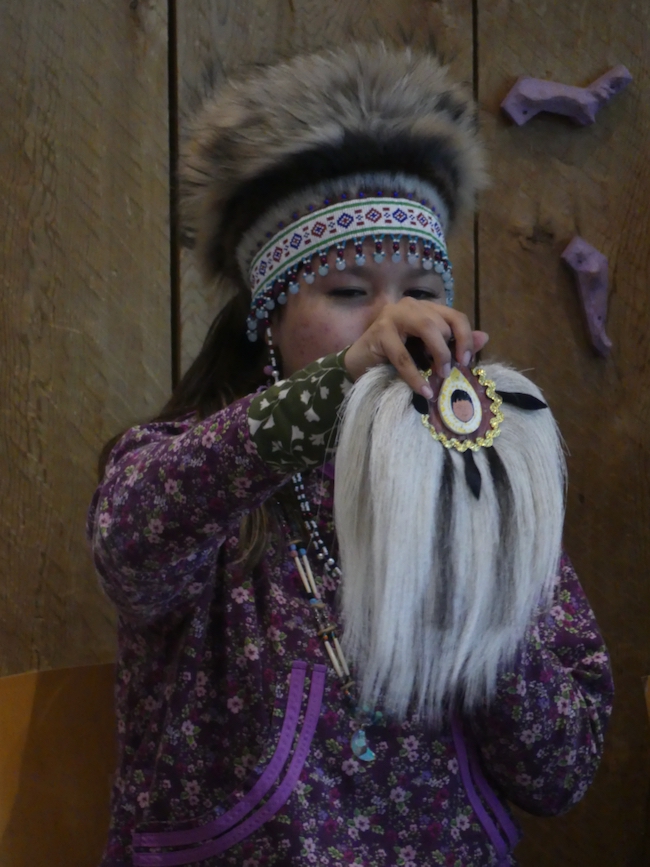
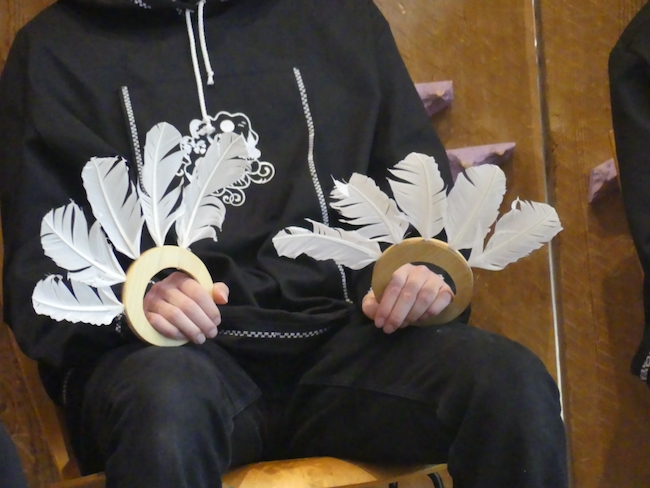

We spent an hour watching the games and dances, then toured the museum, and did the walk among the tribal dwellings. I’d forgotten, it was raining lightly. We don’t remember rain on this trip. The photos remind us.
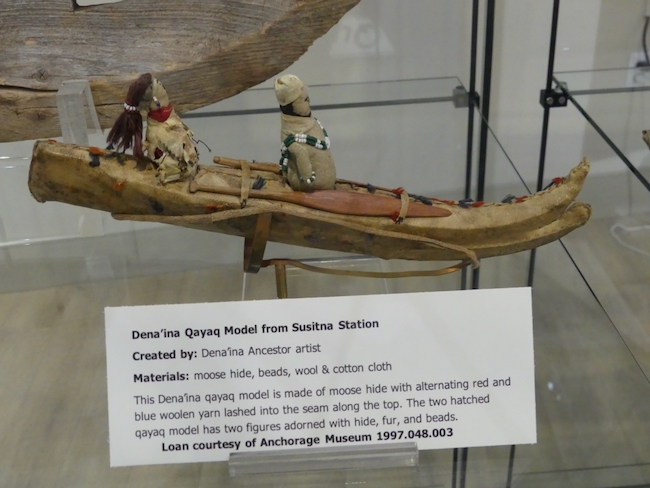
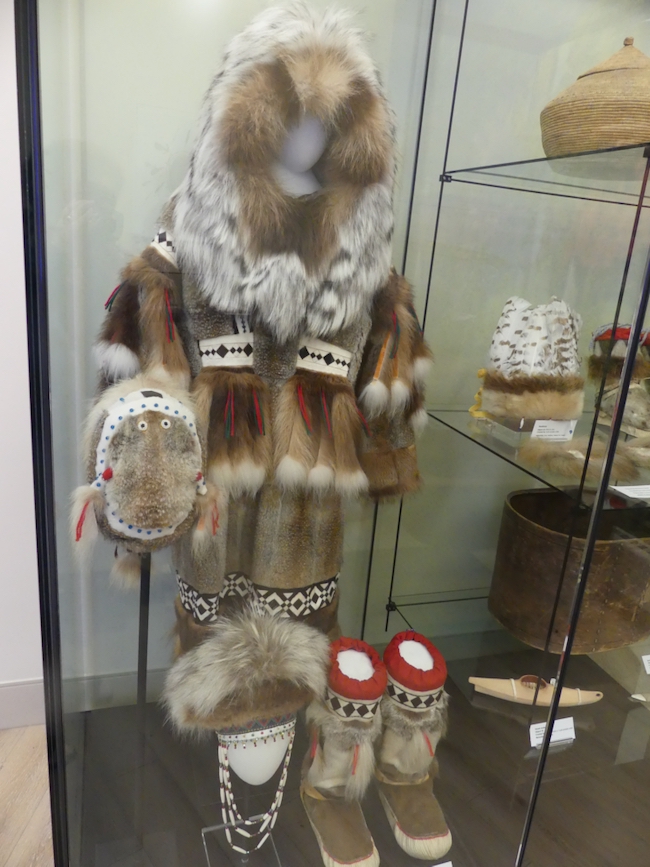
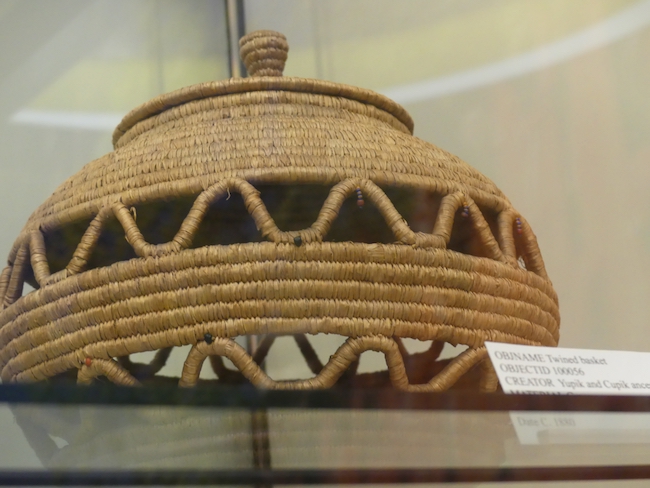
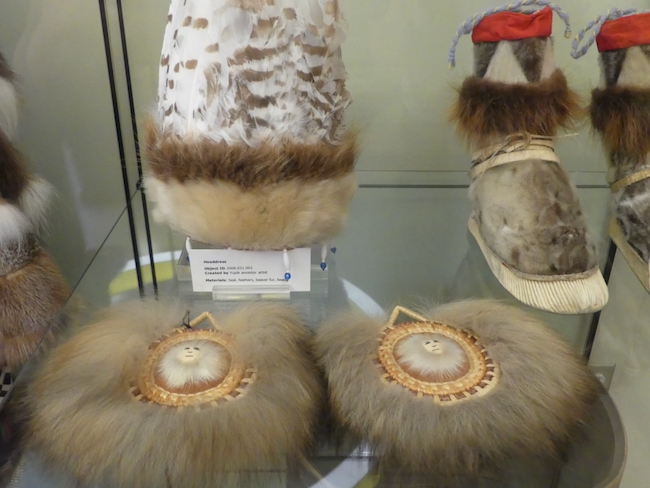
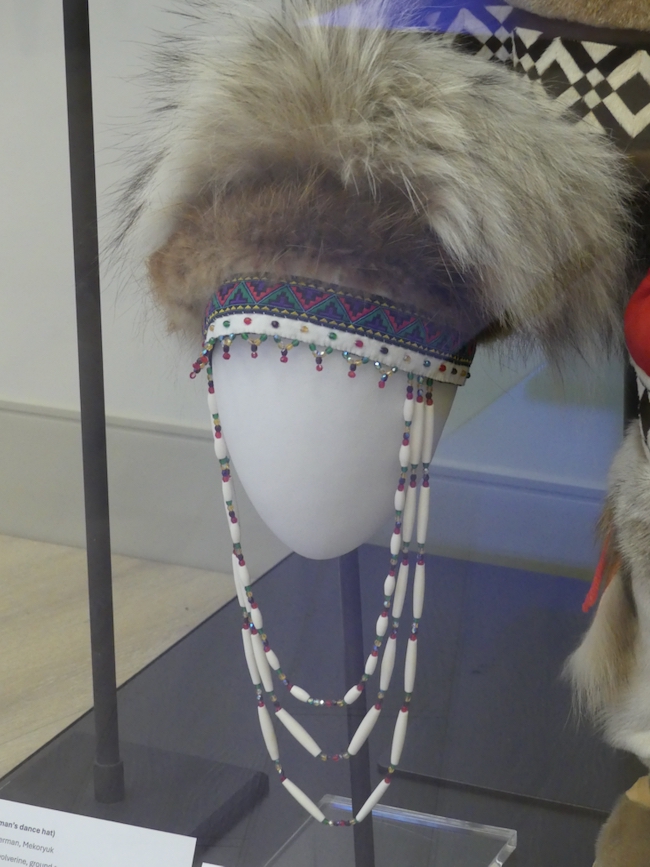
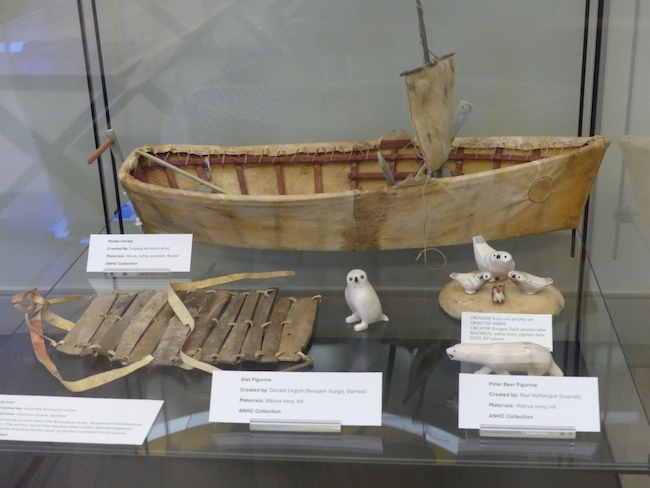
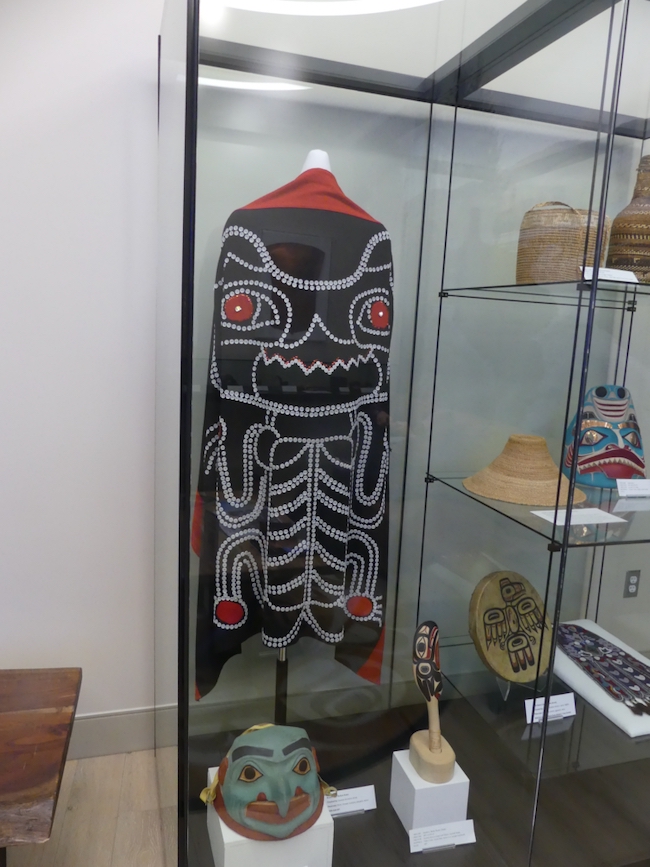
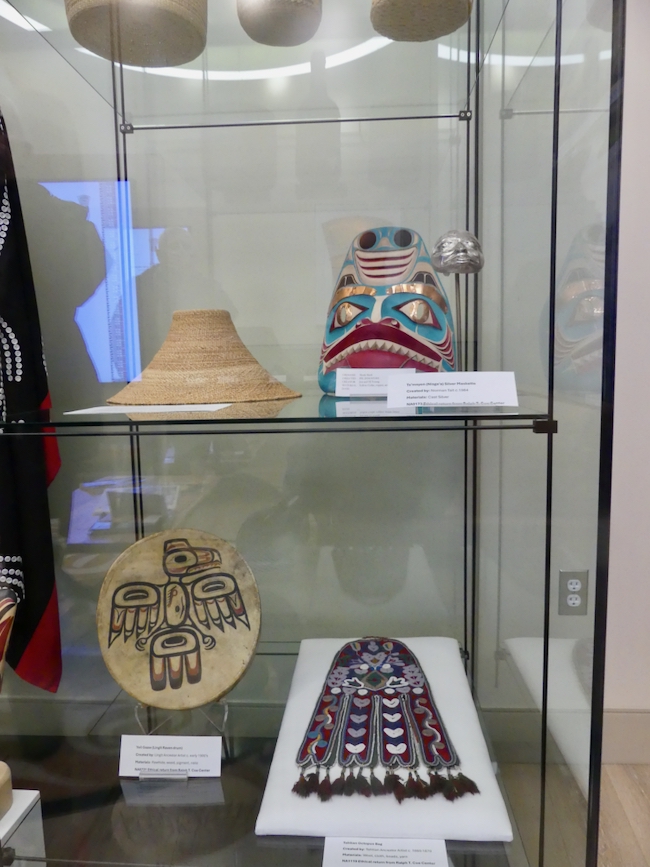
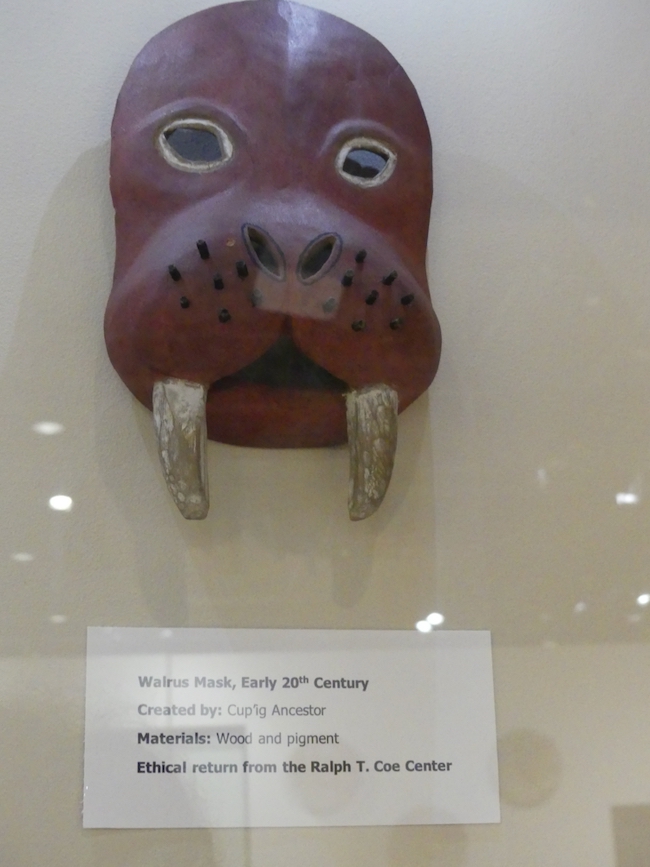
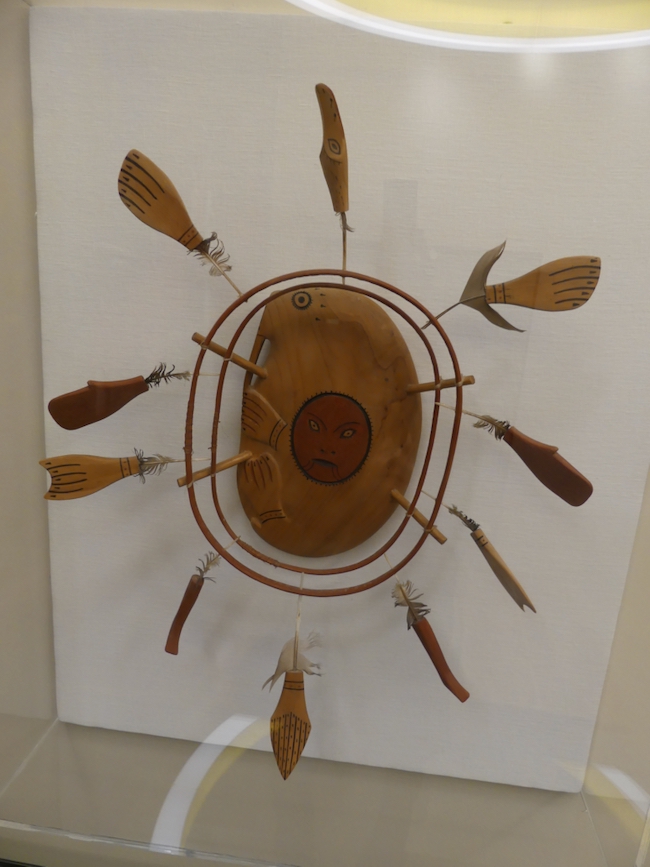

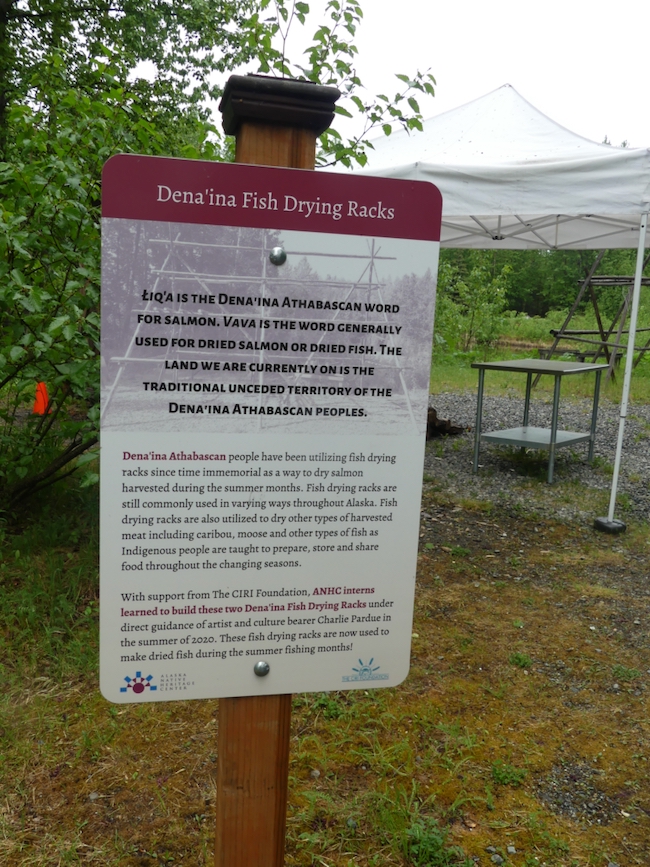
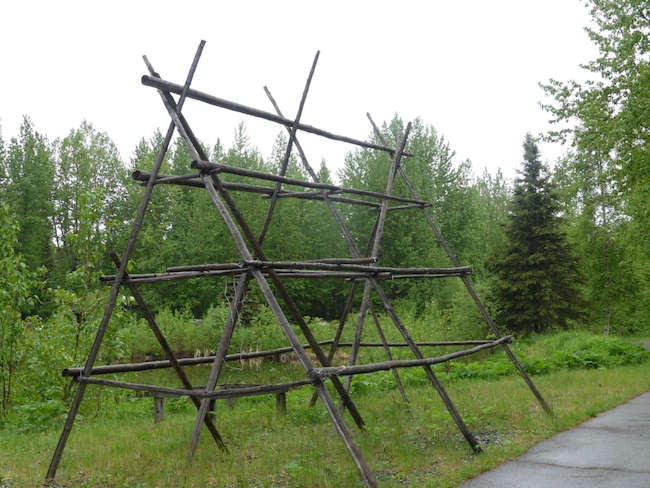
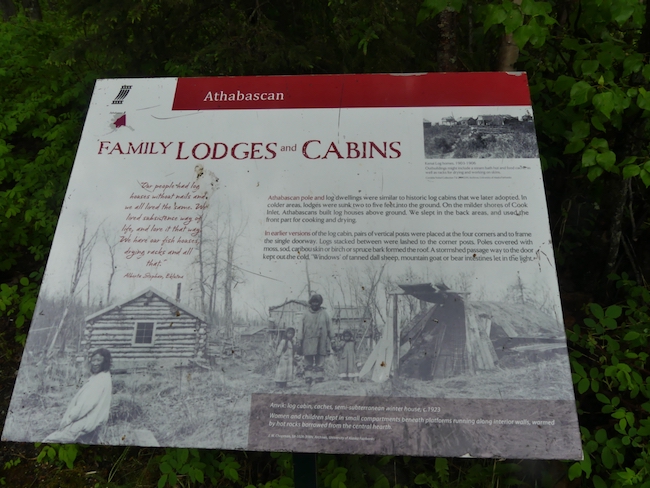
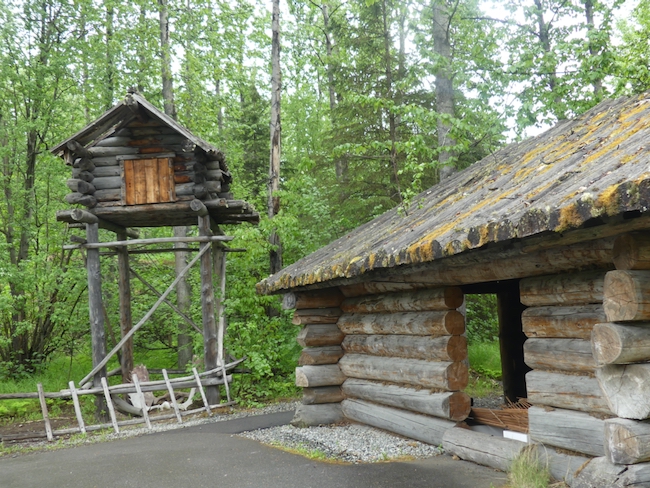
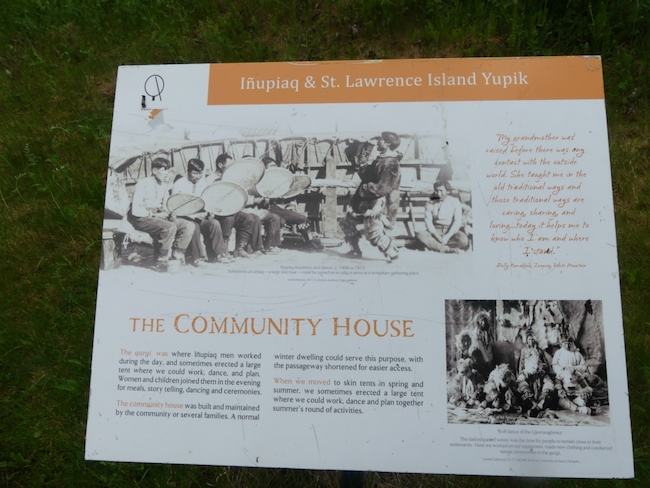
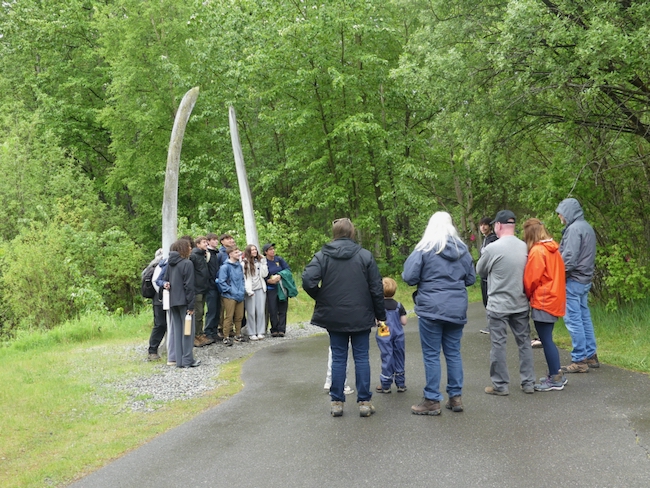
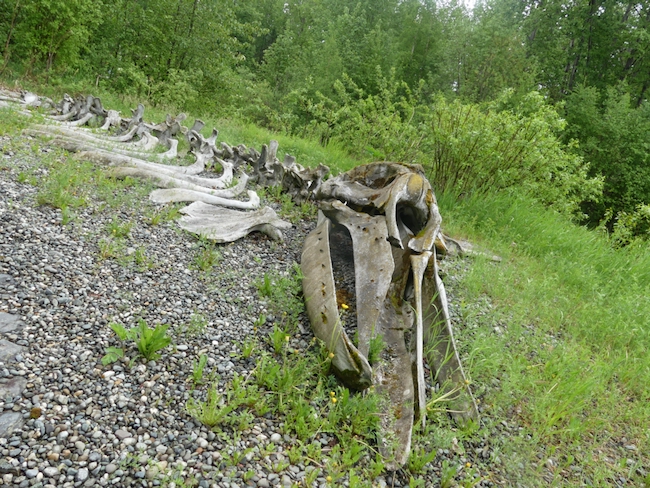
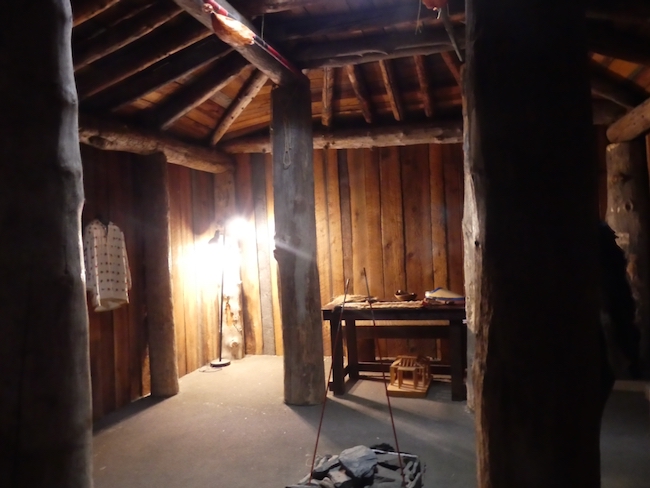
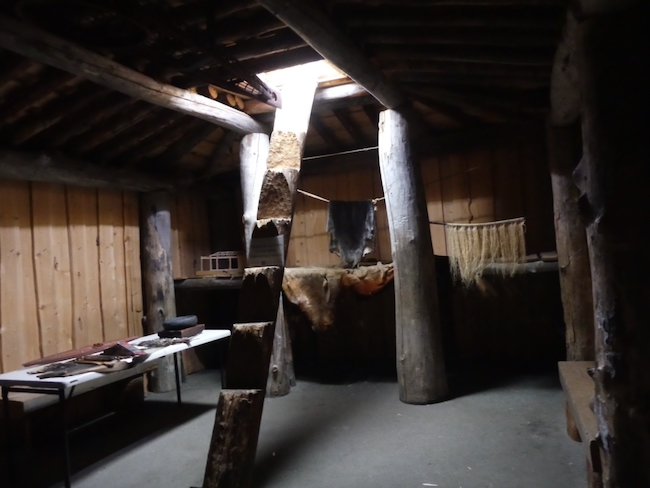
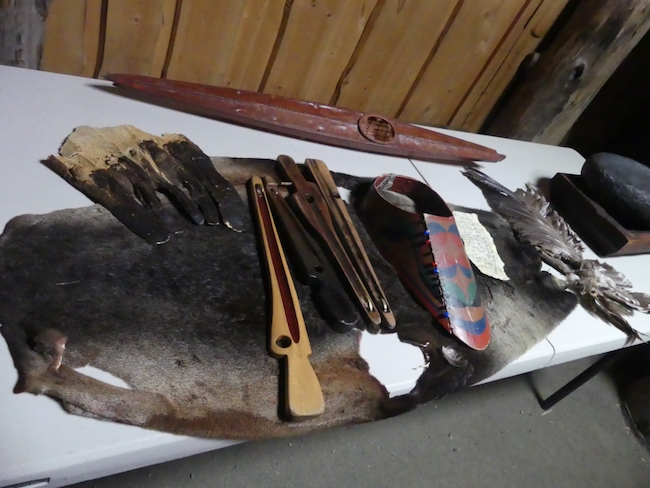
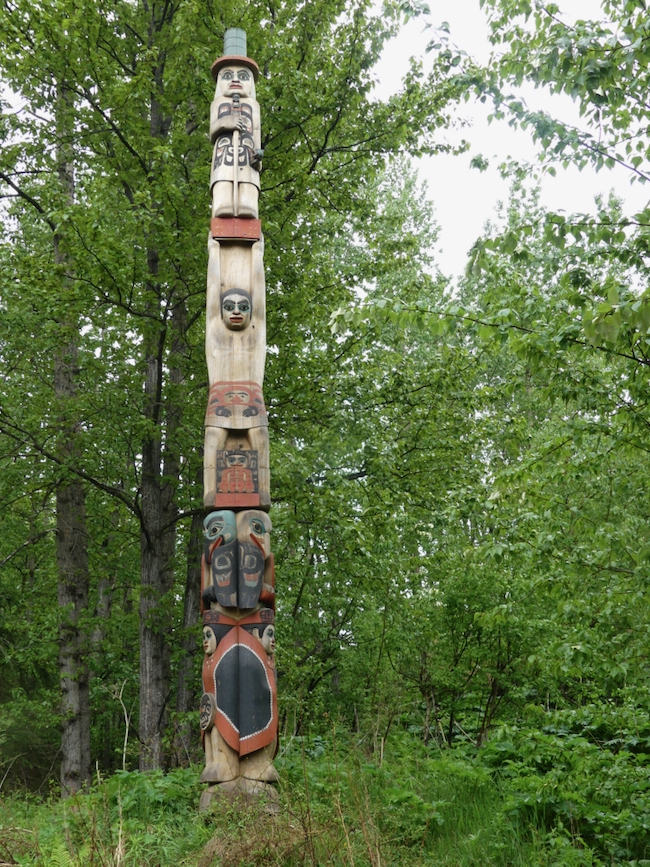
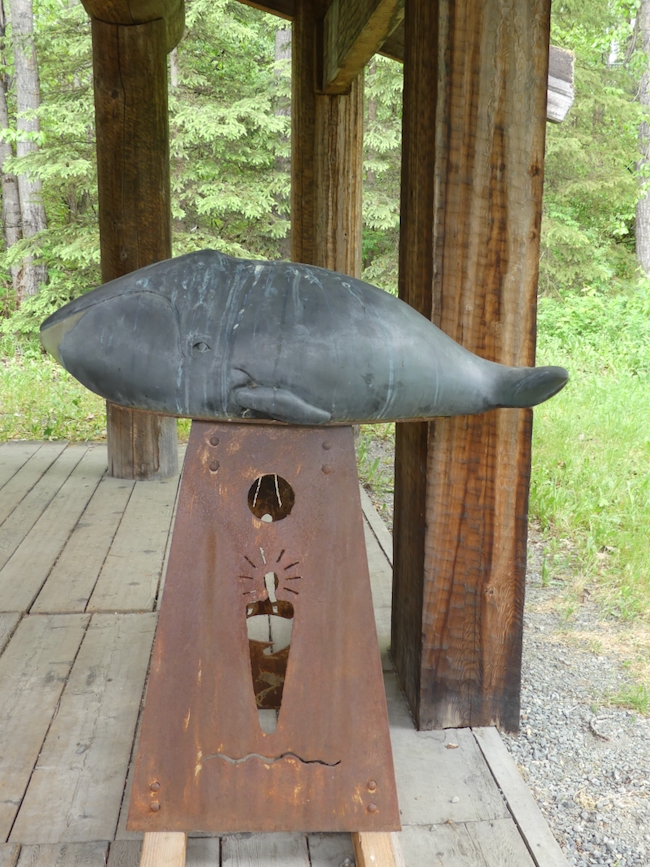
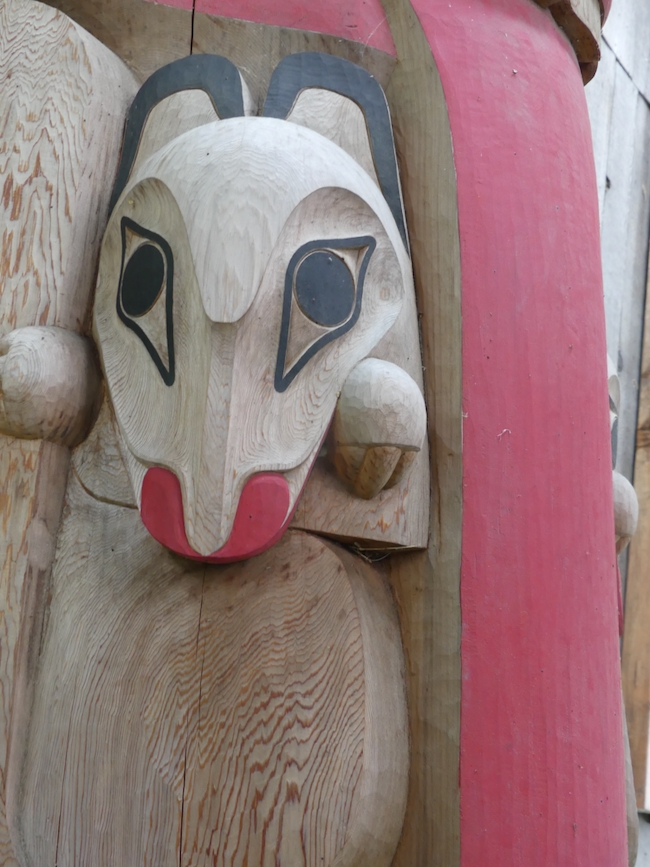
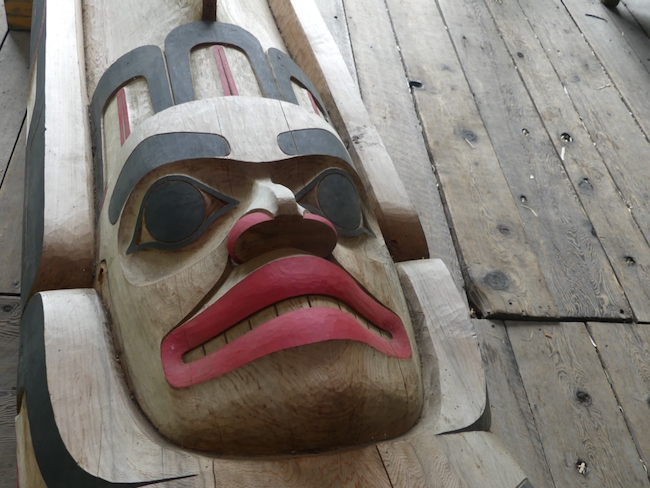
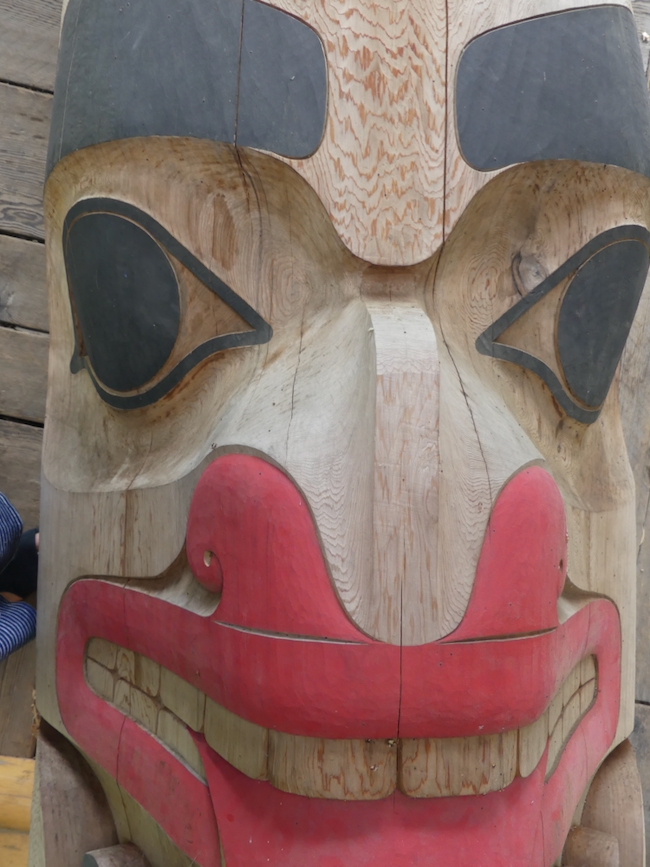
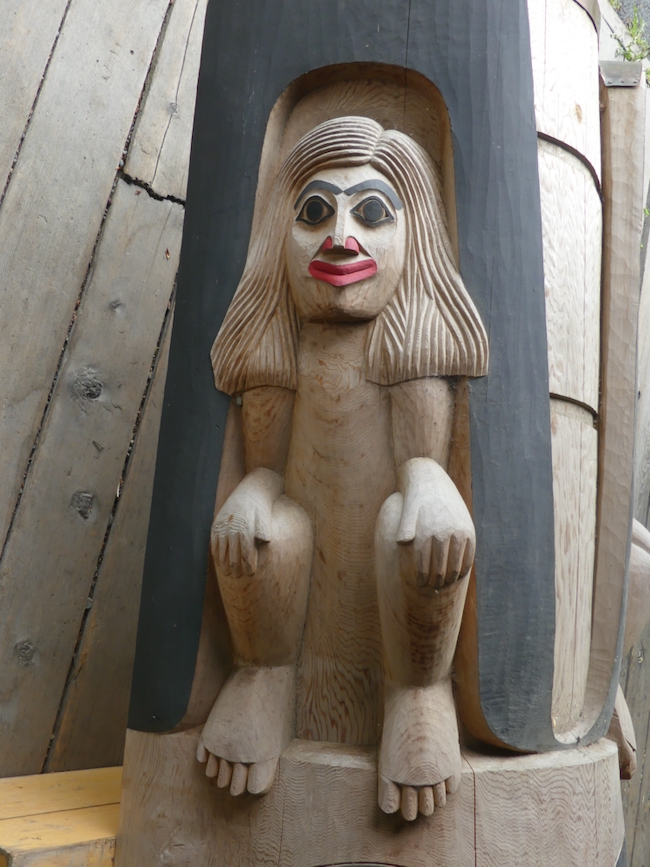
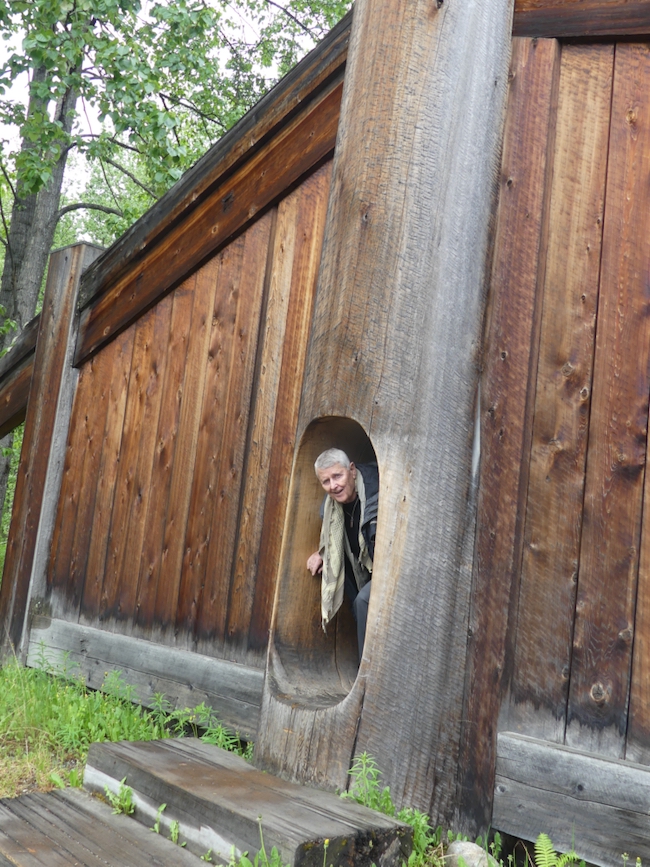
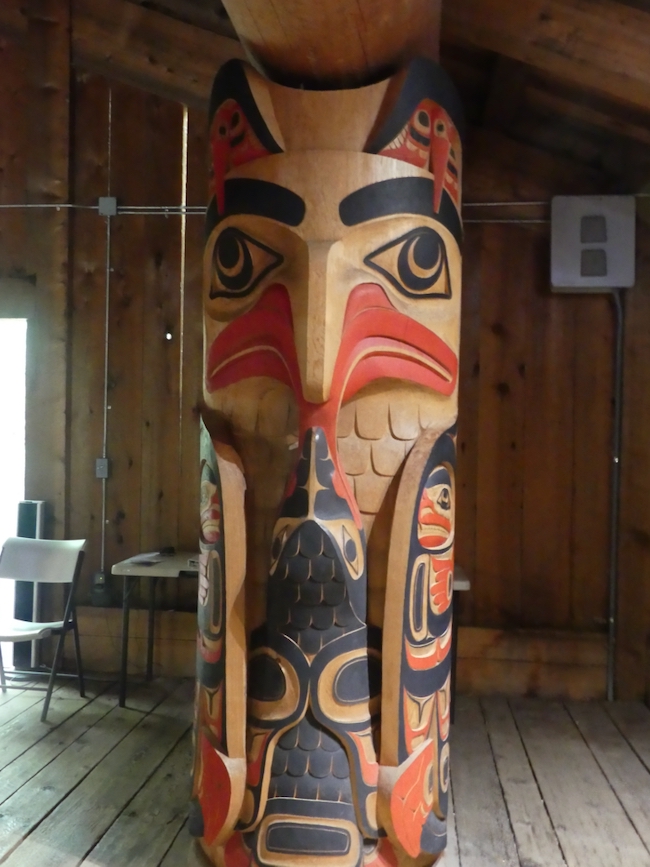
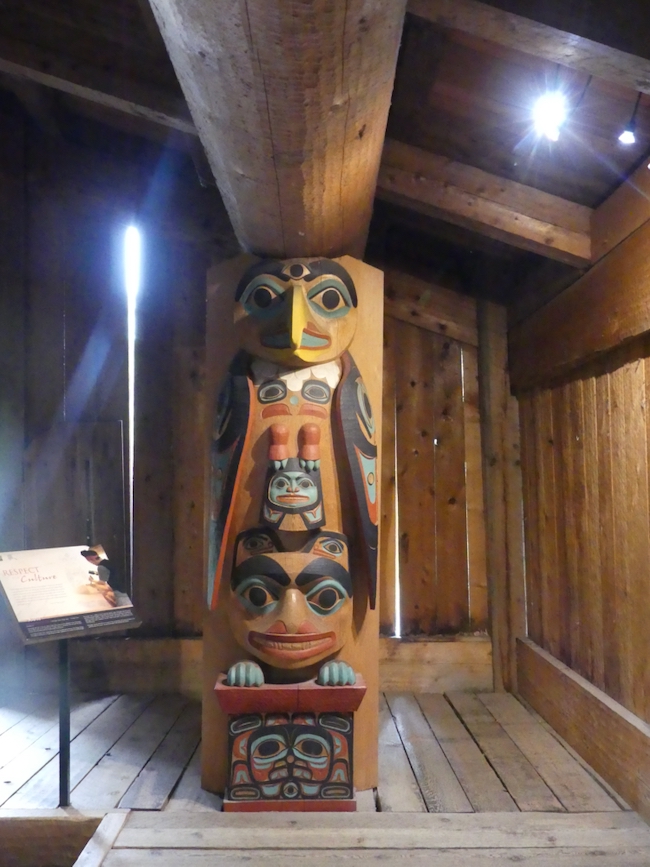
Leaving the Alaskan Native Heritage Museum we headed downtown, looking for the historical museum and for a place to eat lunch.
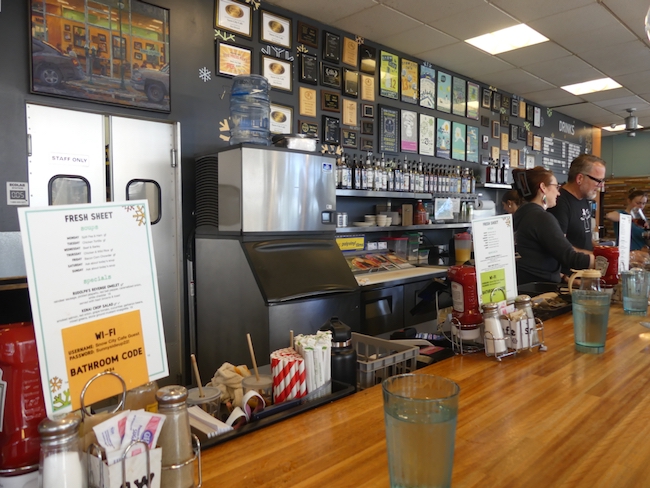
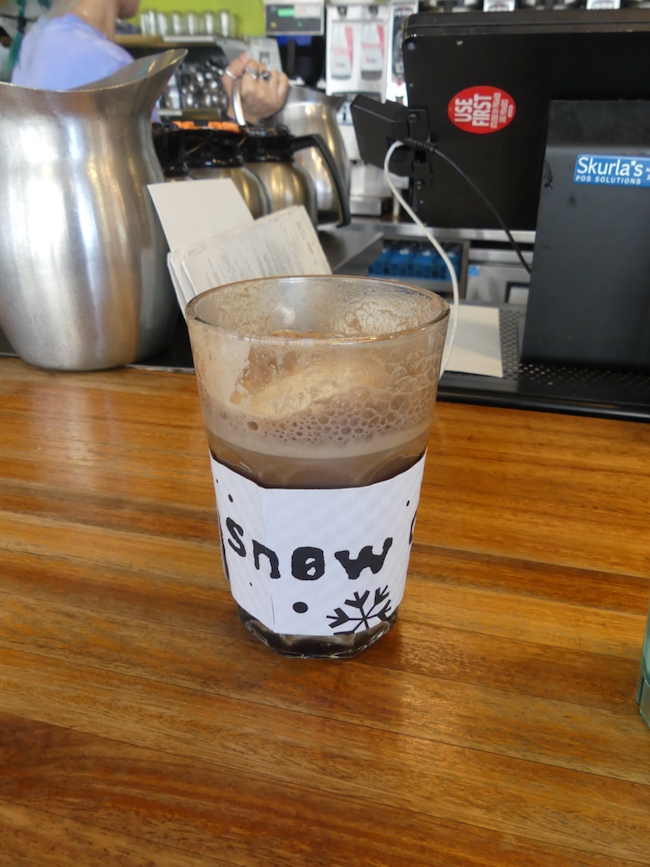
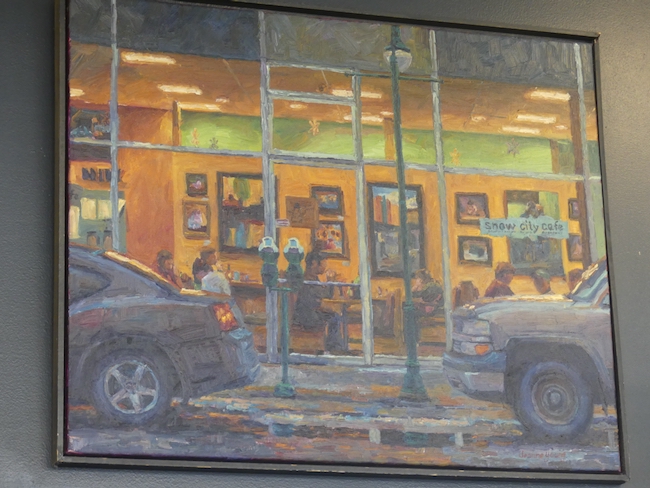
We walked to the Snow City Cafe, which we had spotted earlier, and were in for one last very Alaskan experience. The place was packed, and we sat at the bar.
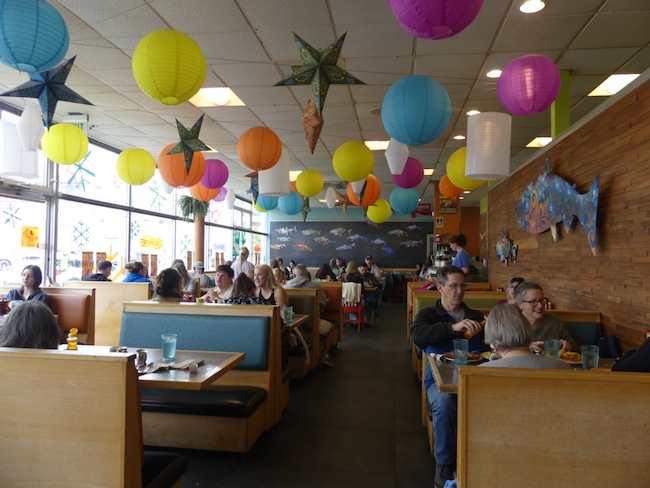
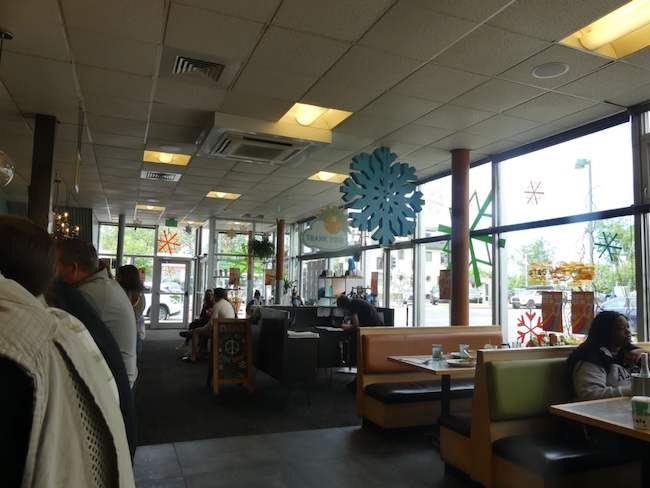
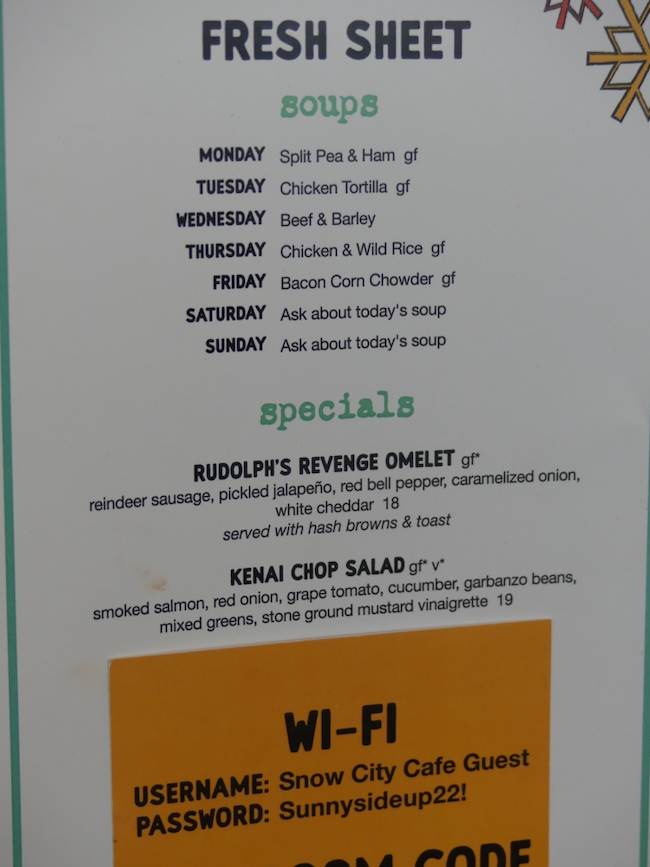
Almost all the customers were young people eating breakfast foods (at noon) so we did, too. There was this great party vibe, great coffee, good food in generous portions, and a lot of energy. We were out in our allotted hour, picked up our car and headed south, to find a filling station and head to the airport.

Alaska 2026: Homer Happy Surprises

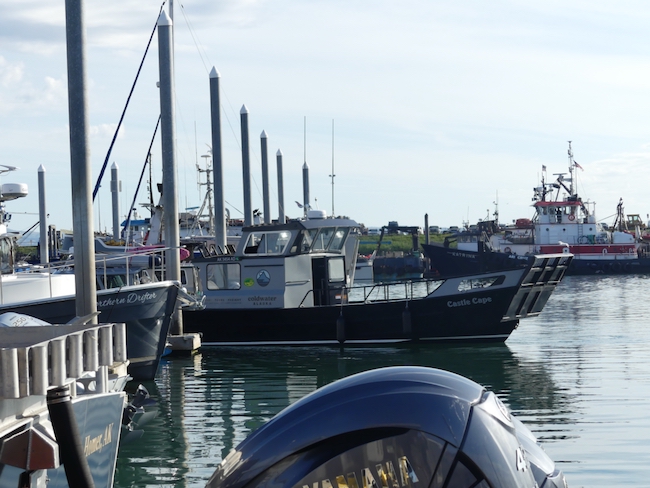
We are up and eager for our boat trip into the Katchemak Bay. We have cereal and banana, pack up some snacks, and put on our sunscreen. It is not so brightly sunny as prior days, but sunny enough to burn. We find the meeting point, and another couple joins us, then the crew and we get on the boat. Once again, we are four customers and a captain and deckhand.
Even better, the man in the other couple introduces himself and adds “You will notice I have an accent. I am Jordanian.” AdventureMan, ever quick, asks him in Jordanian Arabic “From what part of Jordan do you come,” and we all laugh at his utter astonishment. Once we started talking, we never stopped.
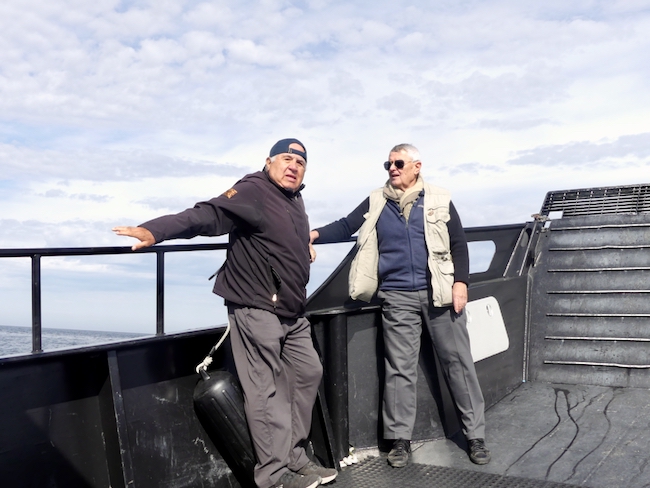
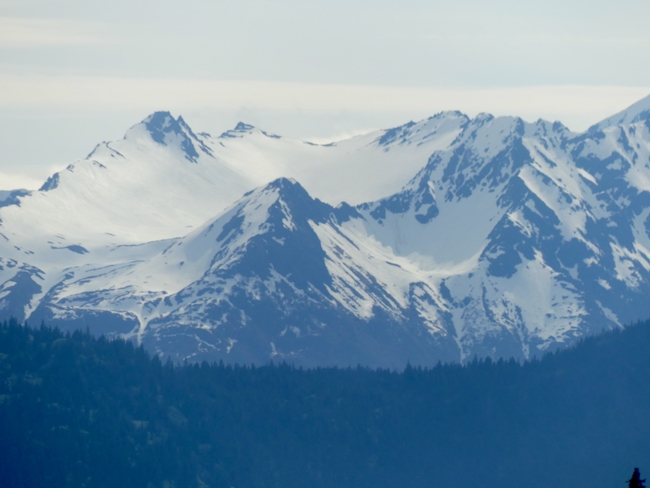
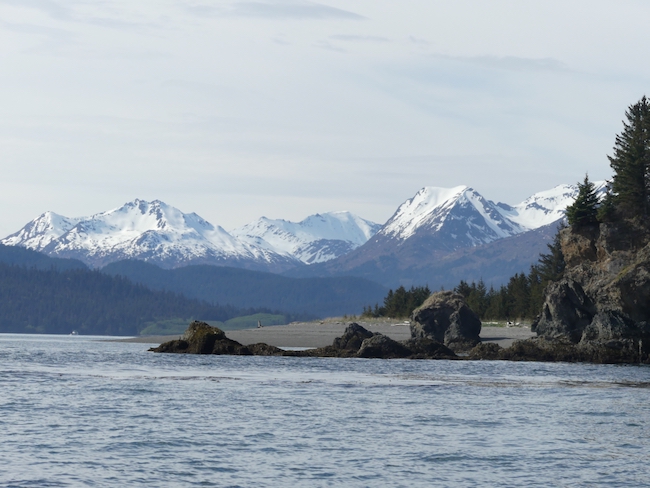
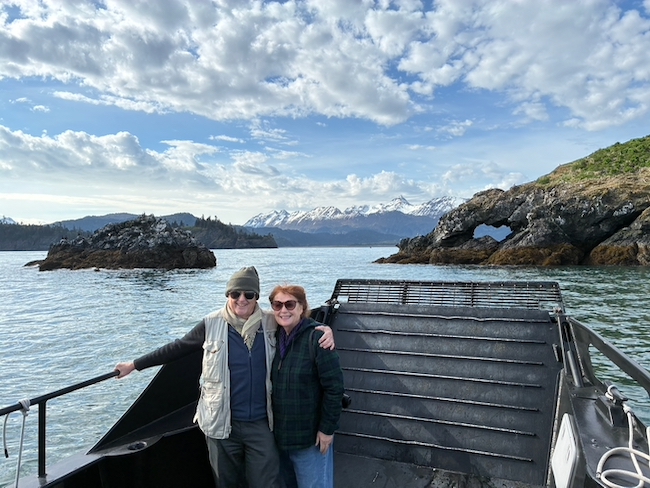
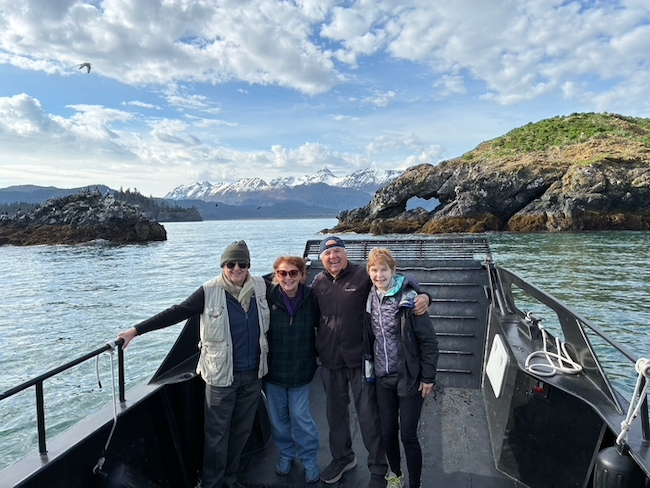

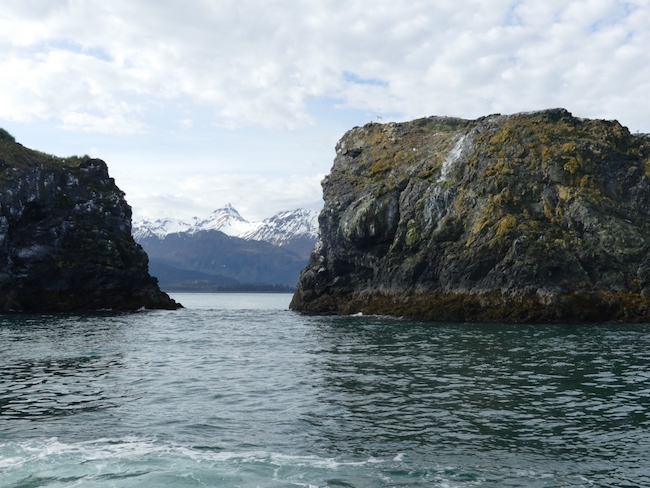
We watched otter, and learned how they attach themselves to the kelp so that they don’t drift too far from their food source.
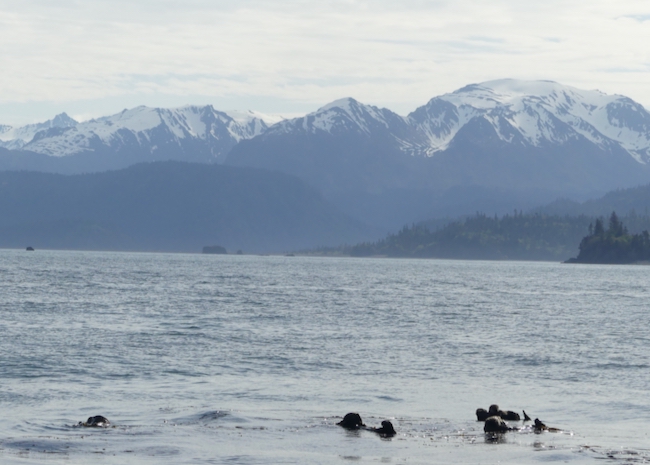
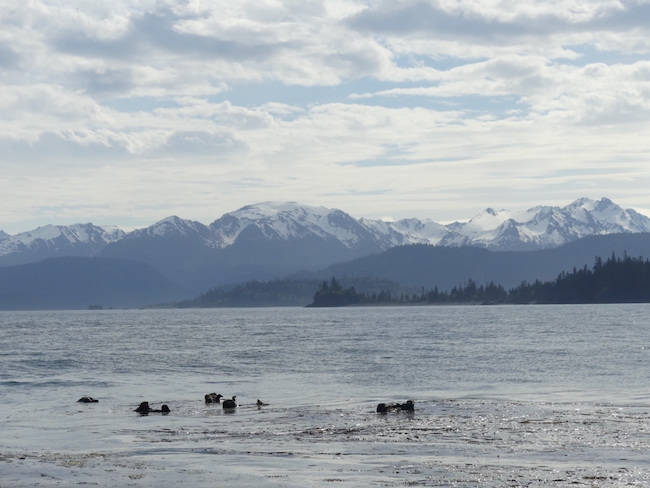
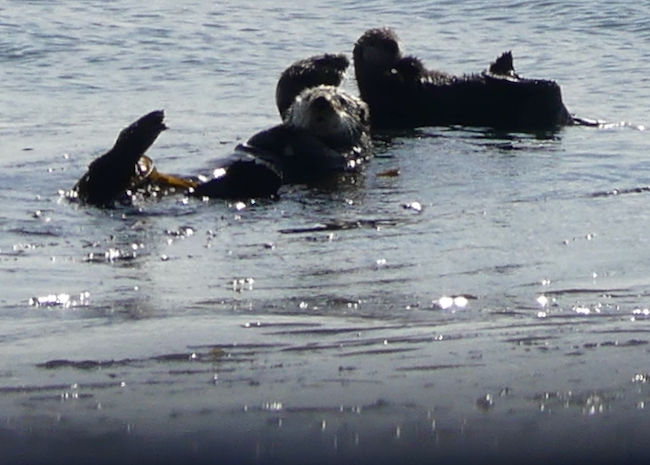
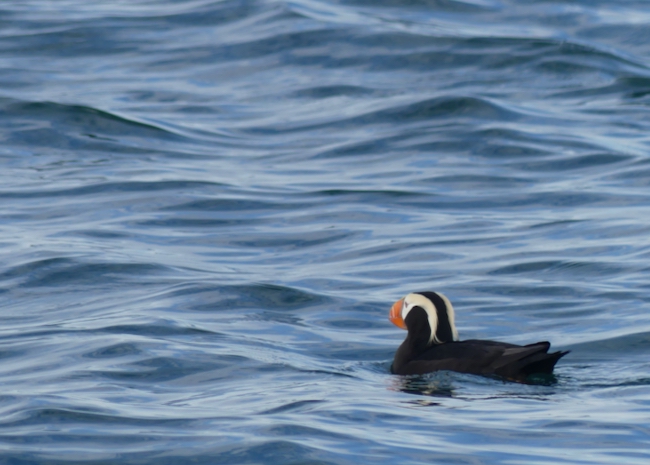
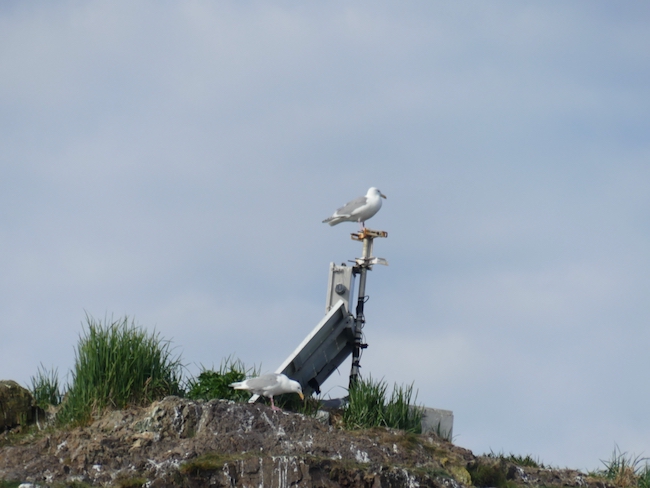
We saw countless birds, and one great-grand eagle. We saw puffins galore. And at the same time, we were having these conversations, figuring out who we knew in common as we are near to the same age.
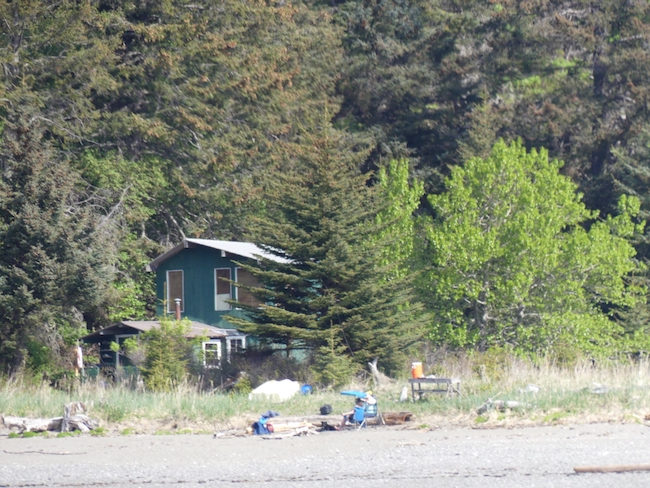



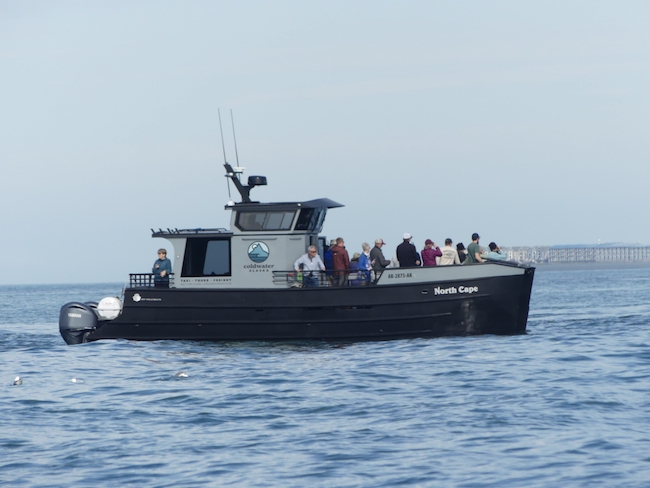
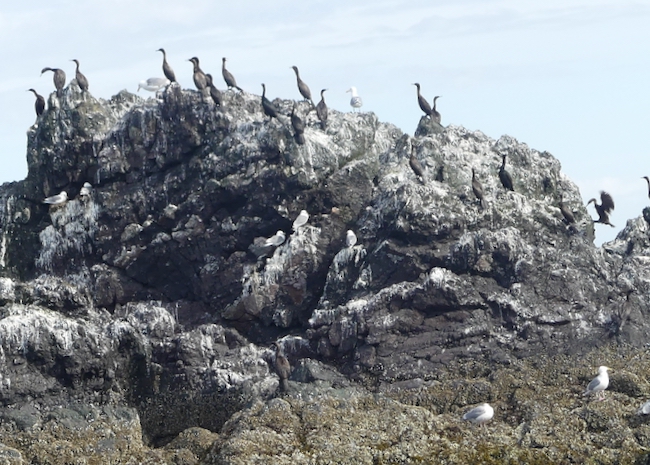

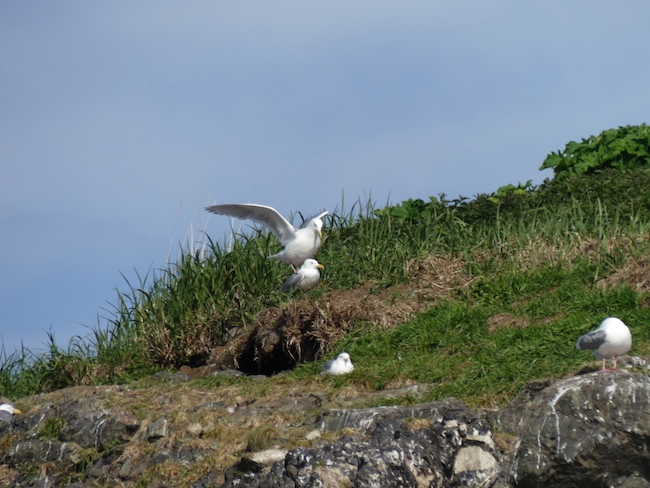
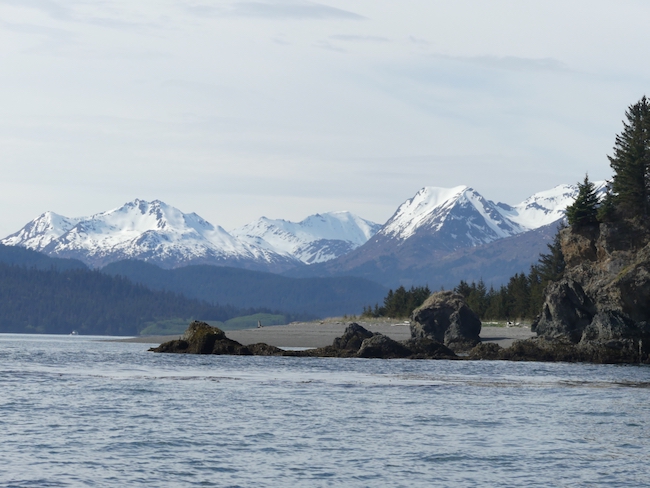
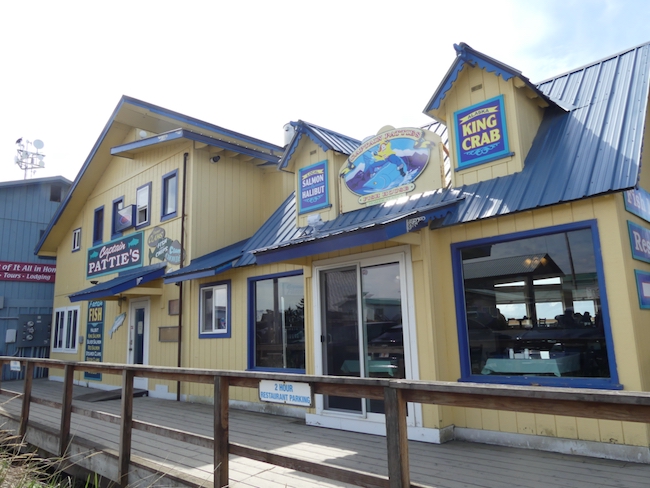
We had so much fun with this couple that when the wildlife tour ended, we decided to eat lunch together at Captain Pattie’s on the Homer Spit, a place AdventureMan and I have eaten at on earlier trips to Homer. The wife and I had the Alaska King Crab Legs, which were hideously expensive, but not so expensive as I have seen them in other places, and these were perfectly prepared. True Love: AdventureMan knows me to be a frugal woman. He did not bat an eye when I ordered the King Crab.
I know exactly when I last had Alaska King Crab. It was my birthday, many years ago, and my son and I were staying with my parents in Seattle while my husband attended a military school. As we sat down to dinner, suddenly my husband appeared! He had flown in to surprise me! And my mother served King Crab legs with melted butter, and she made a Baked Alaska for dessert. I must have been 30 years old.
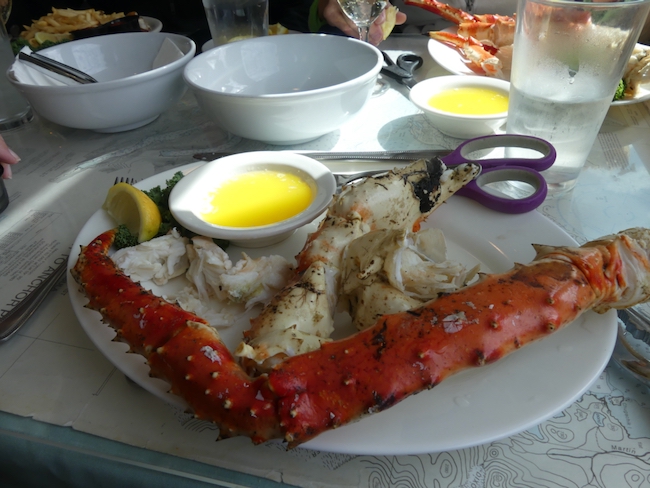

We had such a good meal, and such good conversation. Even the wait staff was part of what felt like a great celebration.
After lunch, we headed out to explore downtown Homer. We ended up at the Homer Farmer’s Market, and oh what fun.
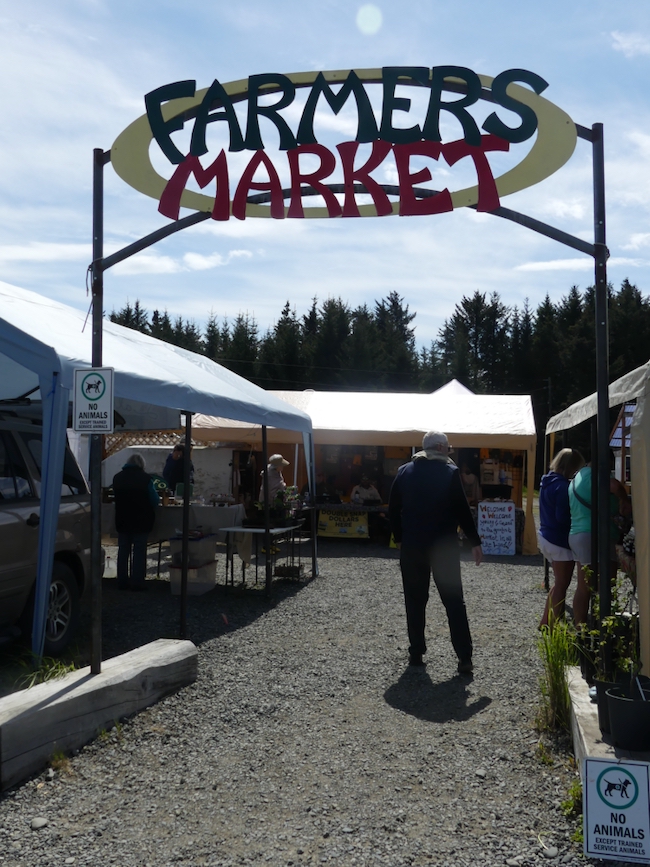
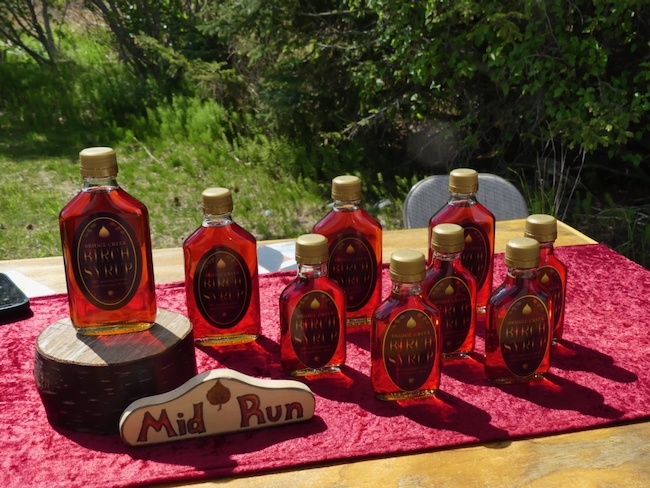
We had thought we wouldn’t buy anything, but I found some Spruce Syrup (like Maple syrup, sort of) and we found some barbecue.
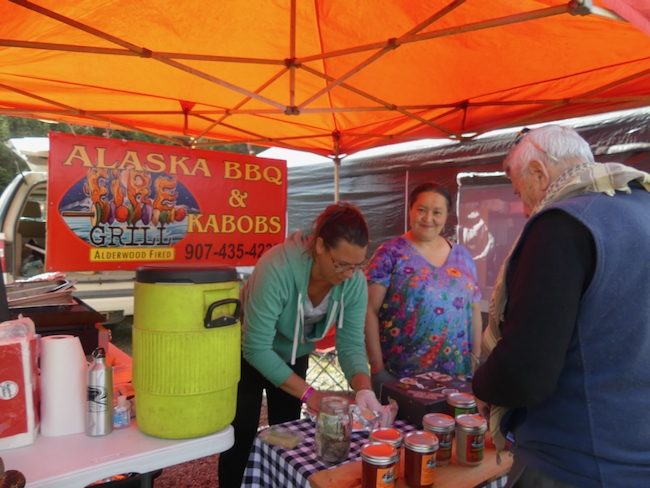

Yes, even though we had just eaten lunch, we knew this BBQ was special, and we ordered up two plates and had them wrapped so we could put them in the little refrigerator and have them for dinner.
They were wonderful! I’d like to say we had them on our deck patio, watching the sun go down, but here’s the problem – the sun doesn’t really go down, or it goes a little bit down but not at dinnertime, more like around two a.m. Even then, as you have seen, it is not DARK dark.
It’s hard to settle down for the evening when it is so light out. We go for a walk in the neighborhood, then come back to catch up – me with my photos and notes on the trip, AdventureMan with his reading.


If His Lips Are Moving – He’s Lying

Our Old Testament reading this morning is from Leviticus, that ancient book of do’s and don’ts tha tpeople cherry pick even today, even after Jesus came to clear up our misconceptions and told us many of these rules were not God-given, but man made, traditional customs.
Leviticus 19:
33 When an alien resides with you in your land, you shall not oppress the alien. 34The alien who resides with you shall be to you as the citizen among you; you shall love the alien as yourself, for you were aliens in the land of Egypt: I am the Lord your God.
35 You shall not cheat in measuring length, weight, or quantity. 36You shall have honest balances, honest weights, an honest ephah, and an honest hin: I am the Lord your God, who brought you out of the land of Egypt. 37You shall keep all my statutes and all my ordinances, and observe them: I am the Lord.
But Welcoming the Stranger is a theme throughout the book. Not cheating. Telling the truth. These rules don’t change.
Often when I don’t write, it’s because I am stunned into silence. I don’t care whether you believe as I do or not – worldwide, people share some basic beliefs because they help us survive. Kindness to one another. Compassion, even to those we might not like much. Humanity in our dealings with one another, dealing with one another straight up, giving an honest measure – often even a little more, a “bakers dozen” of 13, an extra inch of fabric, a good measure.

I knew a woman I privately considered as dishonest, and one night we were discussing the love of money as the root of evil in a group, and she said she never considered money her own, that it is God’s money, flowing through her as a conduit, going where it is meant to be.
I told AdventureMan when I got home, and he liked it, too. We decided to tip generously, to let our excess flow through our fingers, trusting God to put it where it is needed, and we would have no idea. We’ve never regretted that philosophy.
I fear for our world. I fear for the selfishness and greed putting our world at risk. I fear that the pulling back of environmental restrictions will impact on our ability as human beings to continue to live on earth. I picture Octavia Butler’s enclaves of the ultra rich while the rest of us scrabble for scraps in a world where rich and poor are breathing bad air, sweating in tropical heat and where plague and filth become common because we no longer invest in public health.

The “Truth” our leader speaks changes, not even daily, but sometimes within an hour, within 15 minutes. It’s not a War? When missiles are still destroying innocent lives? When ships cannot pass freely through a waterway that has been unguarded and open for years? When we pour the life blood of our country into guarding a war we never chose, and pulling our troops out of countries who for over half a century have been allied in creating widespread wealth, and a better world.
I gasp at his audacity, telling his citizens that a legal election was not a legal election, and that his own attempts to meddle in election results never happened, or was not illegal, or whatever the lie is today, or in his most recent speech. His truth changes according to his imagination, and he goes after those who expose his untruths.
Do you remember the wall that the Mexicans would pay for? Now we have a billion dollar ballroom, a monument to gilded vanity, that was touted as built by wealthy donors, but he is handing taxpayers the bill. The taxpayers who will pay are the same ones who have recently given up health care insurance they can no longer afford, or the dream of home ownership, or the dream of sending their first generation of American citizens to college.
What a tragic twist of fate, that the Trump years would bankrupt an entire country the way he bankrupted his own casinos and businesses. When will this stop?
Mind Your Own Business!
This message from yesterday’s Lectionary Readings made me laugh because different cultures have such differences, even in my own country, the United States of America.
I grew up in the great Pacific Northwest, on an island in Alaska, surrounded by Scandinavian immigrants and Alaskan natives and pioneers from the “lower 48,” as we called the USA, which was then a territory and not yet a state. Neighbors relied on one another, and we were strongly interconnected, helping one another out in daily interactions, and in emergencies. We were close, and yet we were also insular – a curious child’s innocent inquiry (mine!) would be met with “Mind your own business.” It meant don’t ask questions. Give people their privacy. In truth, there were many people who had left the “lower 48” for good reasons, established new lives in the last frontier and did not want to be reminded of what kind of mess they might have left behind.
AdventureMan grew up in the deep South, a town of around 3,000 people where they joked that the population always remains the same – a new baby gets born, and a man leaves town.” When I come back from a meeting or a lunch with a friend, he has endless questions. When he meets my friends, he has questions. I tell him generalities, and he asks specifics, and I say something vague. I hurt his feelings when I don’t share all the details – in his culture, in his small town, everyone knew everything about everybody. No one had any secrets. People knew what you had done 50 years ago, and there was little room for changing anyones opinion of who you are now, how you might have changed. People regularly shared what they knew about one another.
We’ve been married decades, and we still push and pull on this issue – how much do we share? We both know there is not a right or wrong, just what feels right to him and what feels right to me, and we have to agree to disagree, and sometimes we can be very disagreeable!
This is what the Lectionary reading says:
Thessaalonians 4:10
But we urge you, beloved,* to do so more and more, 11to aspire to live quietly, to mind your own affairs, and to work with your hands, as we directed you, 12so that you may behave properly towards outsiders and be dependent on no one.
How does it work for you?
Recent Comments
intlxpatr on Shampoo Ginger tigerbutterya0c5ff1d… on Shampoo Ginger intlxpatr on British Soldier Kidnapped, Esc… John on British Soldier Kidnapped, Esc… intlxpatr on British Soldier Kidnapped, Esc… Wikipedia Donate Button

Amazina


Early Voting in Florida


