The Worst Tease
My son texted first thing this morning.
“We had electricity last night for seven minutes before it went back out. Worst tease ever.”
My daughter-in-law is having a good hot shower in AdventureMans Africa-theme bathroom. Hurricanes are good for stripping down the luxuries and showing us the necessities of life.
Unequal Restoration of Power
We had a celebration breakfast this morning for our restoration of power. Schools are closed today, the Y was closed in the morning, County and State work was limited so we had a free day and AdventureMan did a BIG breakfast, with his famous biscuits, fried potatoes, sausages and eggs-to-order.
In the middle of breakfast, our son and his wife received messages that their power would not be restored until Wednesday, while almost every Florida Power customer in Escambia was told it would be restored no later than 5 today. They were so disappointed, flummoxed. Going without electricity and internet gets old in a hurry.
Florida Power sent out the following notice to customers, and I believe it is a very fine, honest and open piece of communication describing the enormous probles restoring the electrical grid after a hurricane of this size:
| Crews continue working around the clock to restore power following Isaias. Restoration is essentially complete in Bay, Holmes, Jackson, Okaloosa, Washington and Walton counties. Our focus remains on Escambia and Santa Rosa, where tree damage was more severe and widespread than initial assessments showed. By the end of today, we expect to restore power to most affected customers in Escambia and Santa Rosa, including all schools, hospitals and other critical facilities. We expect to essentially complete restoration in the remaining hardest-hit areas by end of day Tuesday, Oct. 13, for customers who can safely receive power. We know every additional hour without power is difficult. For the latest update, view your personalized outage information. You may not see crews nearby because they may be repairing parts of the energy grid miles away that must be restored first. Some homes and businesses may have damaged customer-owned electrical equipment that must be repaired by a licensed electrician before we can safely restore power. After service is restored, some customers may experience outages or flickers as crews identify and repair additional storm damage. Please keep safety your top priority. Stay far away from downed power lines, flooding and debris, and follow guidance from local emergency officials. We appreciate your patience and won’t stop working until power is restored to every customer. Stay safe. |
As disappointing as this news is – the damage in our beautiful, treacherously treed area is extensive. Street after street is blocked by fallen trees, still. Many of these trees brought down power lines. Many of the poles were snapped in half!
It is 6:15 p.m. and our garbage was just picked up. Such is the service oriented attitude of all these employees, working so hard to get Pensacola back to normal as quickly as possible.
We’ve told our family they are welcome to come over, hang out while charging up their phones and computers, and to take hot showers here, even bring their laundry. We expect they’ll take us up on it.
Isiais Coming In
We lost power just as I was making one last entry. It returned today, Sunday, late in the afternoon. I kept notes, and I will share them with you.
We lost power around 5. It happened slowly. We would lose power for a few seconds, then it would come on again. Even the last time, when we heard the transformer outside our house SNAP!, we had hopes it would come back on. It didn’t.
Here is a blessing. The weather is cool. What really makes it hard is the lack of air conditioning, but the air is cool enough: we are comfortable. With the shutters on and locked, it is very dark, and worse, we cannot see what is happening outside except for glimpses out the corners of our shutters and the back door. We have no internet. The phones are working, and we learn the storm is wobbling toward Destin.
Our phones are all charged, but we don’t want to use them because we may need them – urgently – if we are directly hit. No one really knows. We hear the storm has moved east of us, and later it learn that it hit Destin/Navarre more directly, but the preceding bands of lashing winds and rain hit here earlier in the day and got stronger as the day went on. We learned that the bridge over to Gulf Breeze closed at 3:30, in that old abundance of caution (which we learned is a good way to go when the bridge was badly damaged during Hurricane Sally, and we lost its use for months.)
We have lanterns. They are strong and glaring. The winds speed up and then pick up again. It gets very wild outside; the cats are freaking out, and a loud thump and brushing sound hits the north side of the house, and we know a limb is down, and maybe a power line with it. I go to look out the back door – it is covered with a piece of ballistic mesh, a requirement for houses so that occupants have a way to exit quickly if something violent happens – a treefall directly on the house, a gas explosion, a fire – anything requiring a quick exit.
We can see through the mesh, dimly. The winds are crazy: the trees are twisting, writhing, it is painful to watch. There are no lights at all, no streetlights, no human lights. But something looks weird in our far back lot, and I call AdventureMan,
“I think I see a huge tree sort of hanging horizontally, but maybe I’m not seeing what I think I see. Will you take a look?”
He peers; I point to what I think is one end and the line the maybe-tree is taking. He agrees, and we agree that to go outside to check in the midst of wildly chaotic winds might satisfy our curiosity, but might also kill us. Being people who laugh during the worst times, we speculate on the headlines, like Pensacola couple steps into backyard, killed by falling tree.” Using our wiser judgement, we stay inside.
The winds are over by nine. It is very, very quiet. No cars are going by. There are no streetlights. There are no lights in any of our near neighbors’ houses; there is a light farther up the street where someone has started up a generator.
The stress is over, as we are exhausted. There is no electricity, no internet. We can read by lantern light, but we are tired from the stress, from all the preparations, so we turn out the light early and are asleep as our heads hit the pillows. We are thankful this day is over, and more than a little afraid of what we will find tomorrow.
Awaiting Landfall
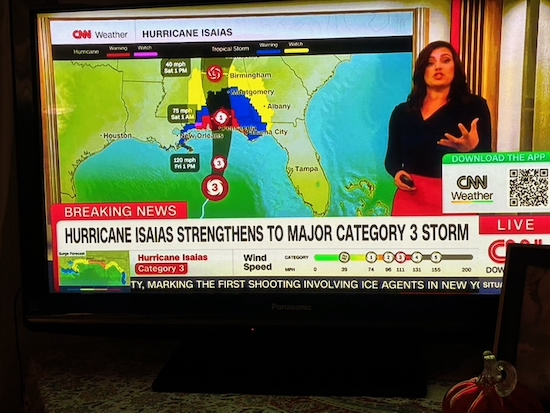
I usually swim on Friday mornings, really early so I can get on with my day. I didn’t set my alarm last night, just figured I would sleep until I couldn’t sleep and get up, so I was about an hour behind my normal, but not bad. It was raining when I stepped outside, enough so that I wanted to have a coat on.
The pool was packed! It was like everyone wanted to swim because we never knew when we might see the pool open again. Hurricane Sally, six years ago, changed a lot of things, and helped us never take anything for granted again. I just did a short swim so I could go home and help AdventureMan finish closing up the shutters. Once the final shutter is closed, it is very dark inside.
While I was at the pool, Hurricane Isaias increased to a level 3 hurricane. AdventureMan was already out fixing the last of the shutters. I had thought maybe the shutters were overkill, but once we learned Isaias was now level 3, we were glad to have them. Our house looks like a fortress now.
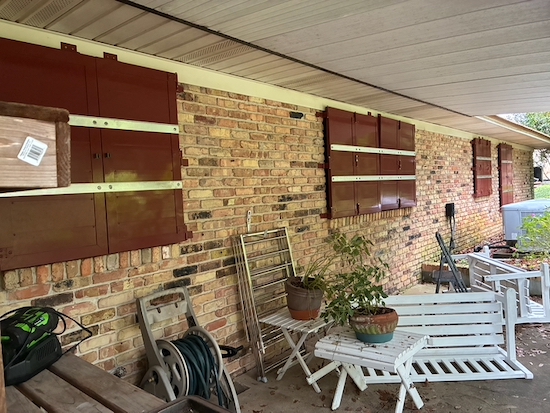
We closed out our checklists and went to lunch. AdventureMan was kidding me about doing one last load of laundry, but . . . you never know what is coming next. It might be a while before I can do laundry again. We were at Mama Tacos, up on Olive, and crew after crew of big electrical vehicals pulled in and they all met up for lunch.
And when we got back, the house was dark, and we had no electricity. The rain had increased, we could hear someone running their generator, and I called Florida Power and told them we had an outage. I don’t know what magic spell they incanted, but we had our electricity back within 15 minutes. I kind of laughed to myself, I thought it would take longer because they were all eating at Mama Tacos. We took Scenic on our way home, and at the intersection of I-10 and Scenic we saw a hotel with at least fifty electric rigs, all present to take care of the damage Isaias is expected to inflict.
I decided to take a bath, not knowing when I might bathe again. AdventureMan came in to visit me as I bathed and looked a little lost. I asked what was up, and he told me he’d completed his list, he knows he shouldn’t be out on the road, it is time to settle in for what is to come, but he is restless and feels like he should be DOING something. I’m hoping he will take a good nap 😊.
Here’s the latest map I can find:
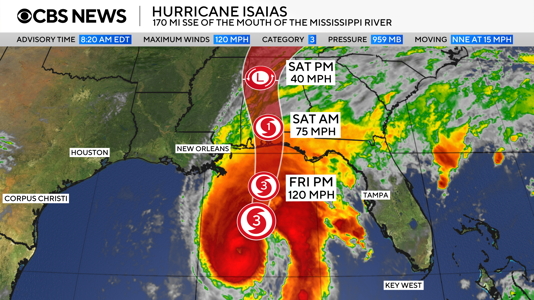
And in twenty four hours, it should be over.
Anxiety and Hurricane Prep
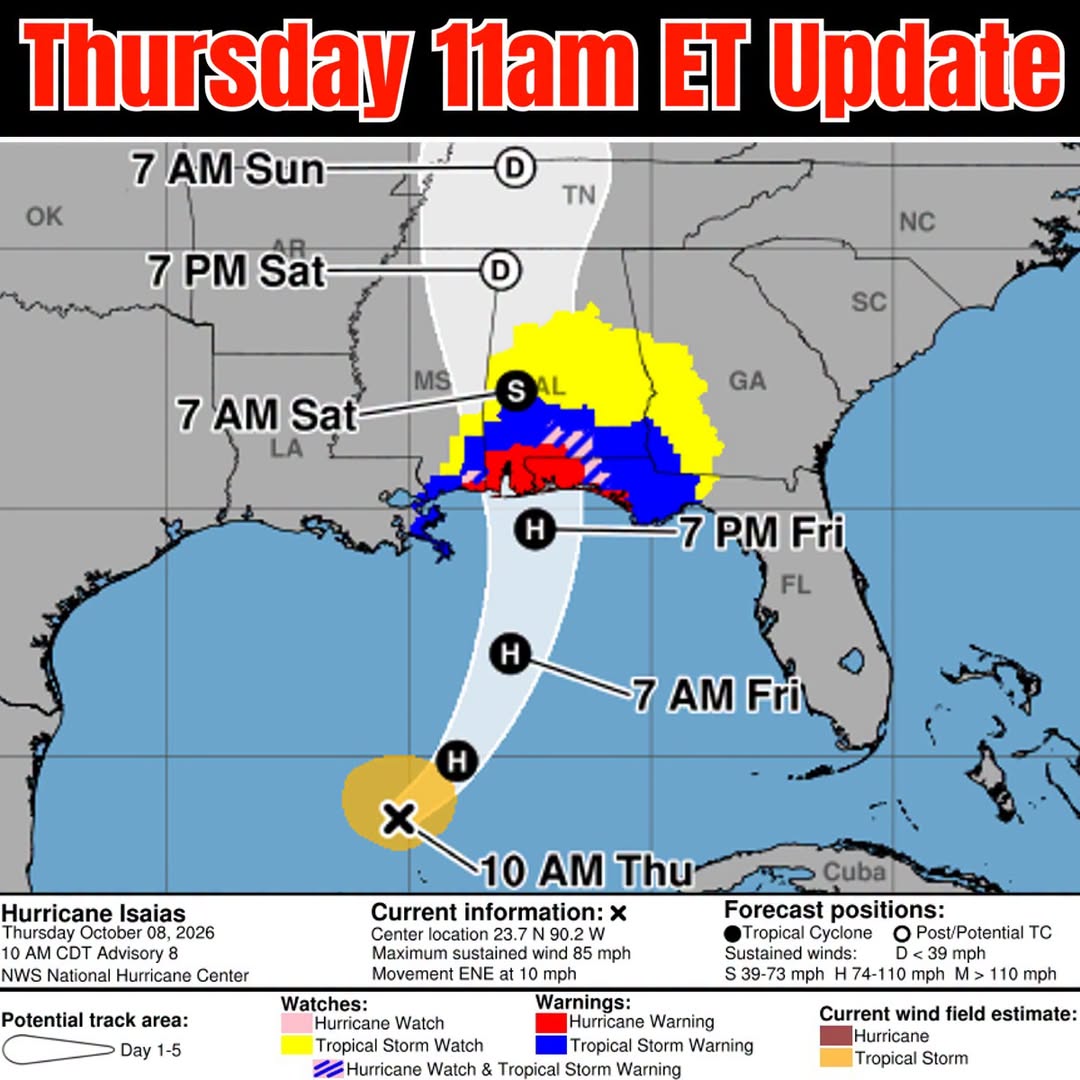
Hurricanes are instructive. They don’t go where they are supposed to go. They wobble. You can prepare like crazy, and they go somewhere else. Today, Pensacola is preparing. Here is today’s forecast. Where the map explodes is Pensacola.
The last time Pensacola was struck by a hurricane was Hurricane Sally. She was supposed to go to Alabama, but at 2 in the morning, big surprise, she hit Pensacola.
Early this morning, they filled their tanks (so did I).
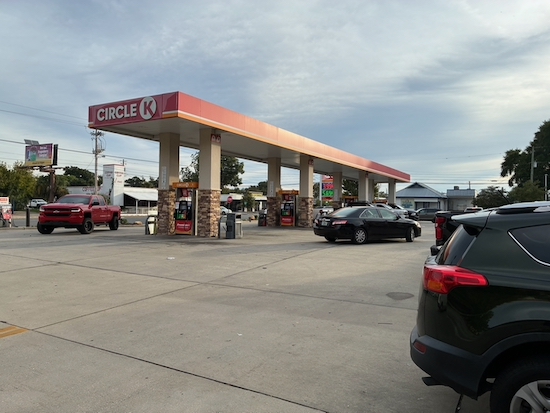
By eight in the morning, the parking lot at the local Publix was full! I had to park in the outside ring
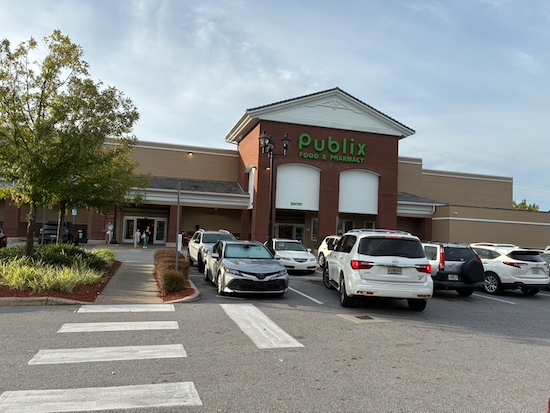
AdventureMan had picked up most of what we needed at the commissary; I just needed a few additional supplies:
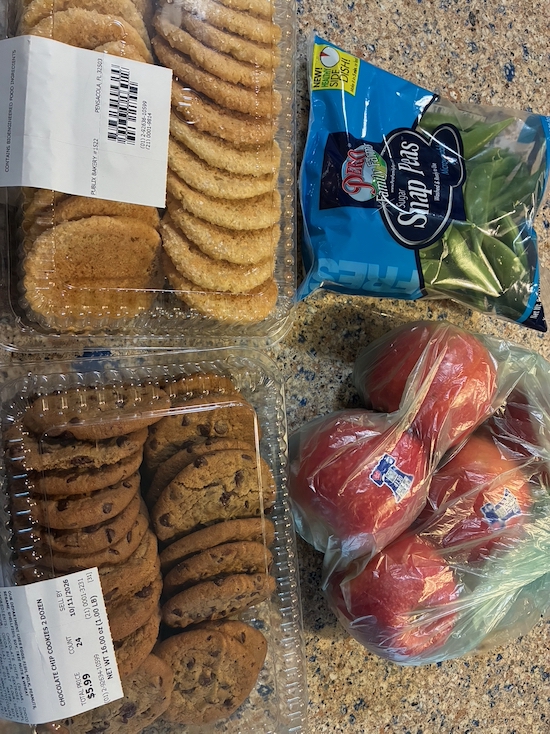
Apples, snow peas, and cookies at Buy one-Get one. I bought enough to share with the neighbors or any family that might drop in,
We spend the rest of the morning closing the steel shutters:
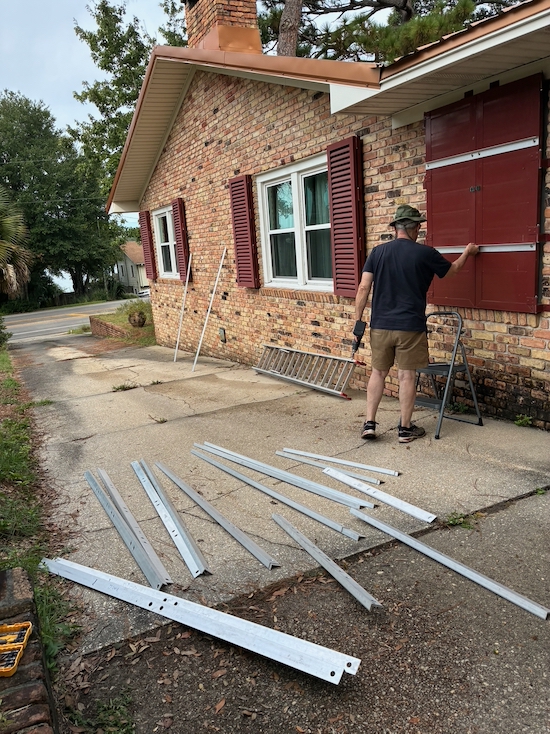
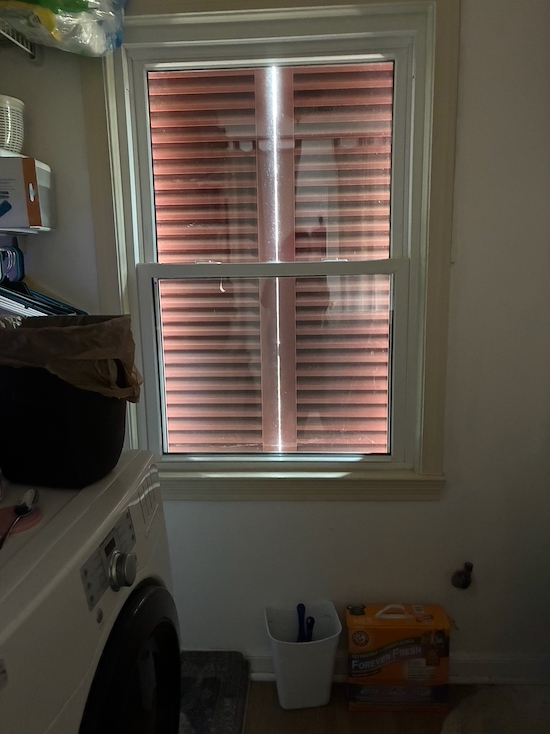
Very sturdy, and they let in some light, but the inside gets really dark when the shutters are on.
“Eau de toilette”, in case we have no water.
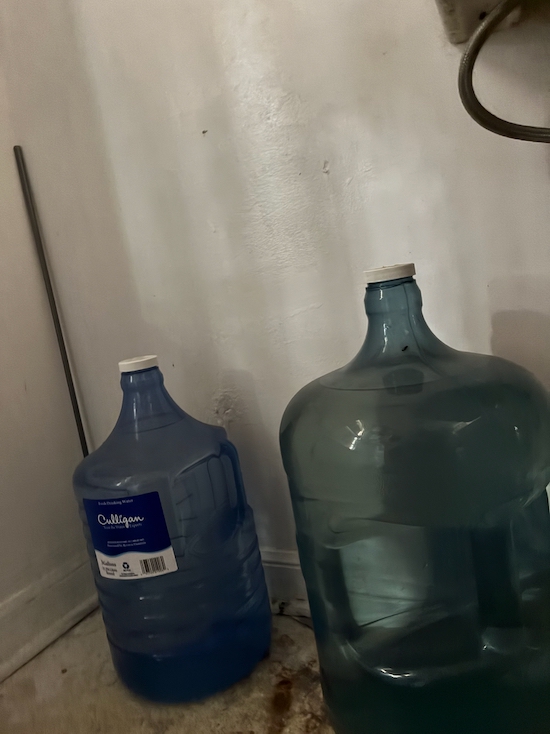
Our granddaughter was out of school early, so we picked her up for lunch and an afternoon together.
Even by noon, rumors are making their rounds that the storm will fade almost as quickly as it hits land, people are looking much more relaxed.
I Spoke Too Soon
I made a big mistake this weekend. We were out at Peg Leg Pete’s for lunch – it was a dark and stormy day, and I thought all the tourists would go home, but I was wrong. All the tourists headed to Peg Leg Pete’s. (That was just a small mistake, and it worked out fine, we had a nice booth before the place maxxed out and the line outside started.)

The lunch, as usual, was great. No, the mistake was not going to Peg Leg Pete’s. The mistake, over a Lafitte Grouper sandwich, was mentioning how thankful I was for rainy weather, and had AdventureMan noticed we haven’t had any hurricanes this year?
I know better.
So Monday there are some vague mentions of a disturbance out in the Gulf of Mexico, down near Mexico. Tuesday night there begin to be warnings about a Tropical Storm headed this way. (We’re used to that; a drenching, some strong winds, maybe a short electrical outage and some extra clean-up afterwards.) But no, the predictions become more and more dire. (We’re actually used to that, too. Everyone gets dramatic at the possibility of WEATHER coming in.)
Today is Wednesday.
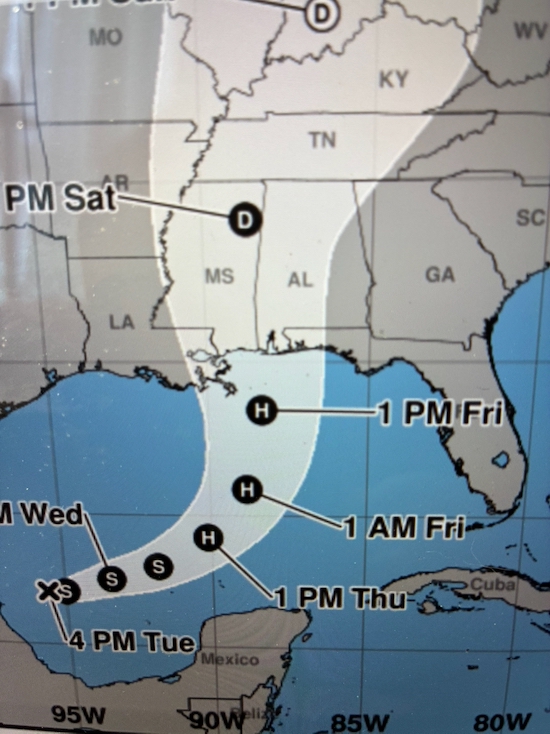
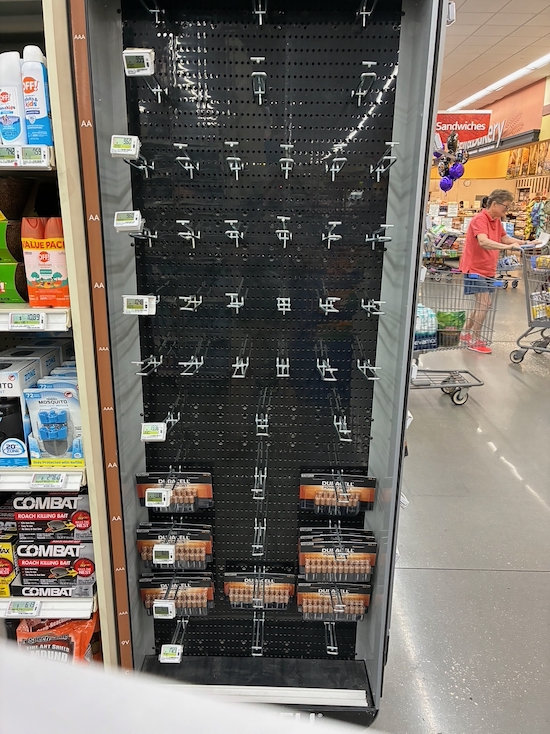
Events are being cancelled. They’re giving instructions on what we need to have on hand for emergency conditions. AdventureMan is on a quest to resupply our aging AA Battery collection for our, yes, hurricane lanterns. When ALL the lights go out, it is surprising how very dark it is.
We’ve learned a couple of things. Most of the time, the drama is all out of proportion, and it doesn’t hit us. Life gets normal really fast, and we laugh at our anxieties.
We’ve also learned that a hurricane that’s headed a couple hundred miles east or west can suddenly make a jog and hit us unexpectedly in the middle of the night. And then, life is a mess. The worst part, for me, is that no electricity means no air conditioning, and it can be very sultry and hot and hard to sleep at night. Our little propane stove is great for heating up coffee and soups, and that gets old in a hurry. And the mosquitoes.
There is only so much you can do. Much of it needs doing on a regular basis, like having your trees trimmed of branches that can fall and crush your roof or fly and break your windows. Put away all your big potted plants in a sheltered area where they will not become flying objects. More immediate is waiting to see if we will need to hurriedly affix our shutters, a real pain in the neck, which takes time, and makes the house dark and airless, but it does protect the windows.
We had a big chainsaw; just about everybody has a chainsaw to cut up big trees that block your driveway or road, but we gave it to our son and asked him to come over and help us if we need help.
I have two meetings this afternoon. Until the storm gets closer, life will go on with an eye to the sky.
AdventureMan just sent me this from the commissary saying “I won’t call it panic buying, but there is definitely some purposeful preparation buying going on.”
Me and IKEA
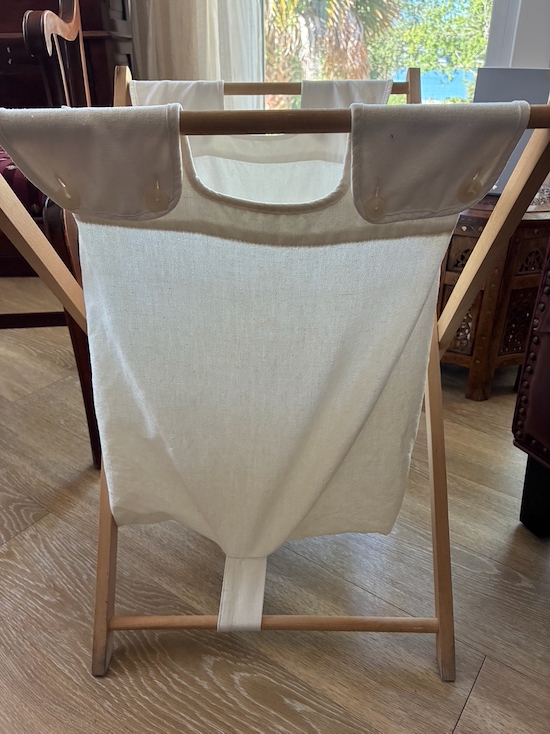
“What am I looking at?” You might ask. It’s my 28 year old laundry basket, good as new. It holds a lot of laundry, it folds up into nothing, and the bag unbuttons and comes off to be washed. 28 years, and good to go for another 28 years. It’s from IKEA.
IKEA is the nomad’s dream. I bought three tables to use in a country where I had no tables. These tables come apart, fold down to 24″ x 39″. and fold out to double that size. The hinged tabletops look like the day I bought them. I can put three together and seat 12 more people. They’ve moved six times, made their homes in four countries.
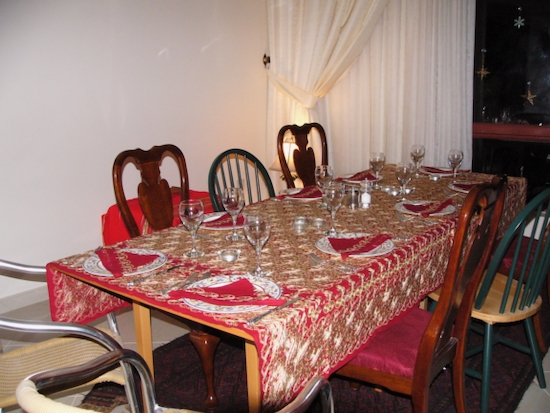
The complex in Kuwait provided the couches and beds, IKEA provided by closets, storage and book cases. I could take them apart and ship them from country to country. I finally had to leave them in Doha, our final post.
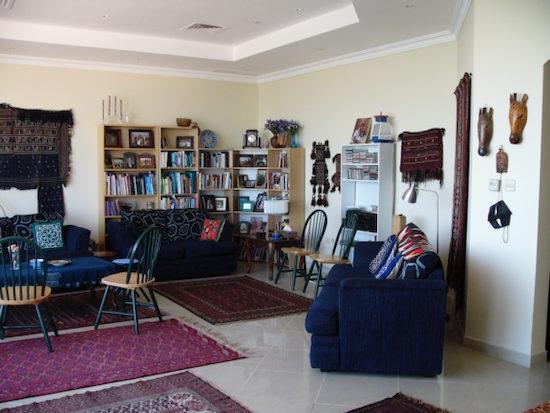
No, it is not fine furniture. And for a nomad, it packs up and travels just fine. One of my Army wife friends once told me (her father dealt in fine furniture and antiques) to save my money and buy the fine furniture when we retire and stay (more or less) in one place. I took her advice, except that I still have my die hard, hard working IKEA tables and my laundry basket. And all the IKEA shelves holding my books and fabrics and quilting supplies in the sewing room.
BRAVO, IKEA!
September 11; A Day of Infamy

I was in Seattle for a wedding, staying with my sister. My nephew and I were up early, and he called to me, “Come see something! This is so weird. A plane just flew into the World Trade Center!”
I didn’t believe him, but I went to his room across the hall to see. As we watched, the second plane flew into the second tower.
“That wasn’t an accident,” I said. “It’s not that easy to fly straight into a building.”
But mostly, I was thinking “Will I ever see my husband again?”
We were living in Germany. The phone lines were blocked. I couldn’t hear his voice.
My sister got a call, and she left for work. My nephew left for work. I had a coffee date with one of my former professors; she never showed up. She called me later to say she was stuck in the ferry line; the ferries weren’t operating, and neither was her phone until now.
So I hit the quilt shop. I knew I would spend the rest of the day rivited to the television screen, trying to learn what had just happened. We had seen it, we kept seeing it, over and over, but none of us could understand what we were seeing.
The New Yorker cover, above, captures it perfectly – we were all in the dark.
I was scared, and I felt angry. I wanted to DO something. I wanted to have something positive to come out of this horror. I designed a quilt. I cut out the pieces. I hand stitched all the pieces. It got me through.

Maybe late that night, AdventureMan was able to call me. We still didn’t know exactly what was going on or if the planes would ever fly again. I held my breath in the coming days, as my flight reservation day approached.
I was on one of the first planes out. I remember the pilot coming on as we were departing, and telling us to introduce ourselves to each other, to be neighbors on our flight, that we would help one another if anything went wrong. It was greatly moving, unexpectedly emotional.
September 11 is one of those days when everyone knows where he or she was when the planes hit. Everyone has a story. On our first safari to Botswana, we met a New Yorker who had been working in downtown New York and who had to walk miles to get home and somehow ended up barefoot. She said the walk was the best part, being alive was the best part, and that the streets, on that day of horror, were filled with people who were kind and helpful to one another.
Intlxpatr Turns Twenty Years!

Welcome to our virtual celebration, old friends and new.

Twenty years ago on this very day, newly arrived in Kuwait, I joined a very lively, edgy and welcoming blogging scene. It was frightening to me, but I had my reasons. There were bloggers I loved reading – I started by commenting on their posts. It was like a salon, topics and views and opinions everywhere, and also some facts.
There is an old story about Martin Luther, the priest who nailed his ideas for a better church on the door, and while the church didn’t change, the community in which he lived was willing to entertain his thoughts, and slowly, things DID change. When asked why he would take the risk – being called heritical could end to death – he said (in German), “I cannot other.”
Stepping into the blogworld was stepping outside a comfort zone and expressing thoughts some might think better left unspoken.
C’mon in. Here There and Everywhere has always worked to be a safe place for exploring new ideas, disruptive thoughts and how to make things better. We’ve got great virtual refreshments and a safe place to vent 😊.



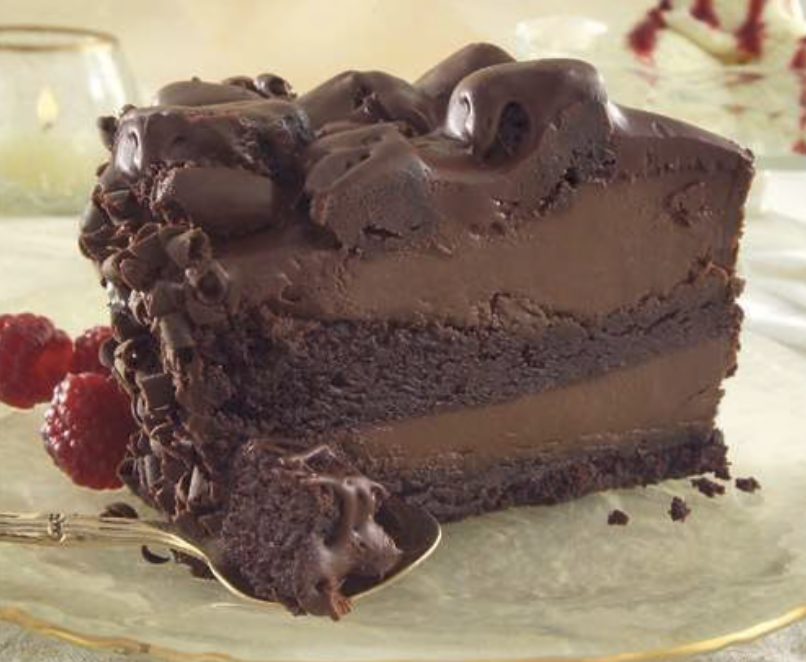
There’s a little bit of Soused Apple Cake left over from yesterday’s Fish Fry.
For those who, like me, have to be careful, we also have some relatively healthy finger foods:


Grab something to drink 😊


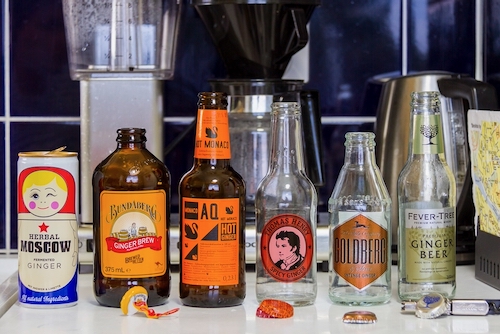
I miss our great discussions, and I miss the liveliness of the old blogging scene. I’m not so comfortable with the arguments and name-calling I find in other outlets, nor the need to be wary of those who are monitoring – and who are they, anyway?
Meanwhile, a good friend mentioned recently how political I have gone.
Honestly, in these times, even the apolitical are speaking out. I heard a priest today talk about his anger at the hijacking of the gospel, used for vengence and not for love. I found it very brave, those strong words. If we don’t speak out bravely now, the crushing forces seeking vengence and control create a world most of us won’t want to live in.
I want a government who subsidizes health care for ALL. I want science to recommend vaccines which improve our quality of life and save lives. I want corporations that have standards to meet for air and water and environmental protection. I want our police to protect the weak against the bullying and violence of those who think might makes right. I want to welcome the stranger, creating new textures and patterns in the fabric of our nation. I want every person’s vote to count. I want responsible, accountable, educated leadership, and congressional decisions created by working together to achieve doable compromises.
“Ich kann nicht anders.”
As a post script – this is my 5,900 published post 😊.
Tightrope, No Safety Net
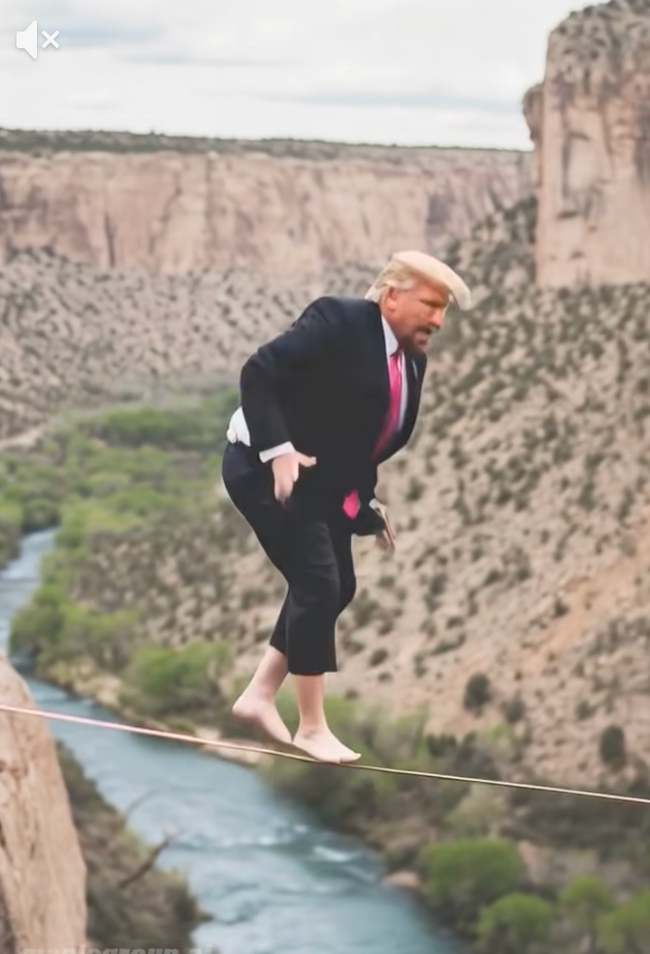
It is astonishing and hiliarious what you can find on the internet these days if you look. I entered “image Trump on a tightrope” and came up with more than I had hoped for.
We are in dangerous times. Our President is reckless, and leaves a trail of wreckage. All the guardrails, so carefully set up to avoid corruption, abuse, waste and degradation have been dismantled. The watchers have been fired. The laws have been weakened, if not destroyed.
The relationships with reliable allies have been demolished with bravado, as if it were a good thing not to have cooperative friends.
A civilized society operates within constraints. It demonstrates self-restraint for the greater good of all. Have you ever heard this President exhibit a single concern for the citizens of the USA? Any note indicating a desire to serve and protect? You know, like the oaths of public service require?
The safety nets are gone. ICE operates with impunity; poorly trained, without accountability, preying on the most vulnerable among us. We are told in the earliest books of our religion to “welcome the stranger.” We are told by the crooks, rapists and bad people in charge that the immigrants are “crooks, rapists and bad people.” They have little protection, and, it seems, no longer have the rights guaranteed by the court system so carefully developed.
Our president and his family skim billions from the economy and deals made on the basis of presidential power. Croneys make billions from an endless war which serves no purpose and has no credible way of ending.
Our trusted institutions teeter on collapse.

I pray for our country, as I watch with horror and anticipate the next outrageous proclamations of the president and his confederacy of dunces.
Recent Comments
intlxpatr on Shampoo Ginger tigerbutterya0c5ff1d… on Shampoo Ginger intlxpatr on British Soldier Kidnapped, Esc… John on British Soldier Kidnapped, Esc… intlxpatr on British Soldier Kidnapped, Esc… Wikipedia Donate Button

Amazina


Early Voting in Florida


