Me and IKEA
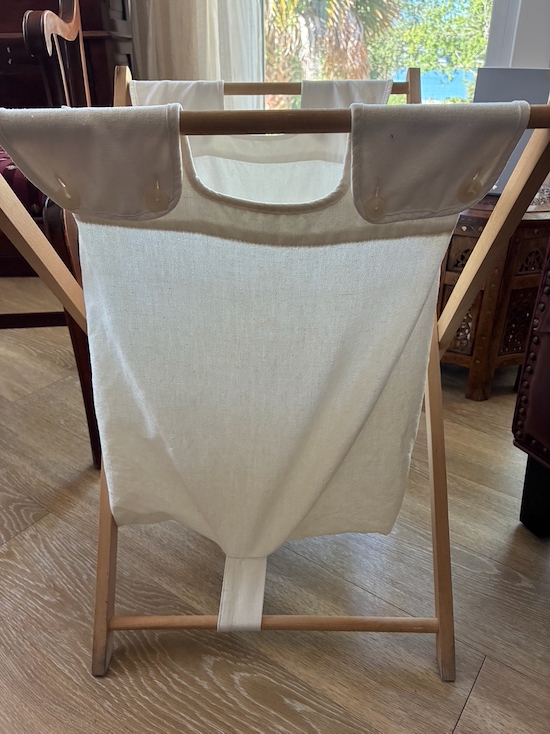
“What am I looking at?” You might ask. It’s my 28 year old laundry basket, good as new. It holds a lot of laundry, it folds up into nothing, and the bag unbuttons and comes off to be washed. 28 years, and good to go for another 28 years. It’s from IKEA.
IKEA is the nomad’s dream. I bought three tables to use in a country where I had no tables. These tables come apart, fold down to 24″ x 39″. and fold out to double that size. The hinged tabletops look like the day I bought them. I can put three together and seat 12 more people. They’ve moved six times, made their homes in four countries.
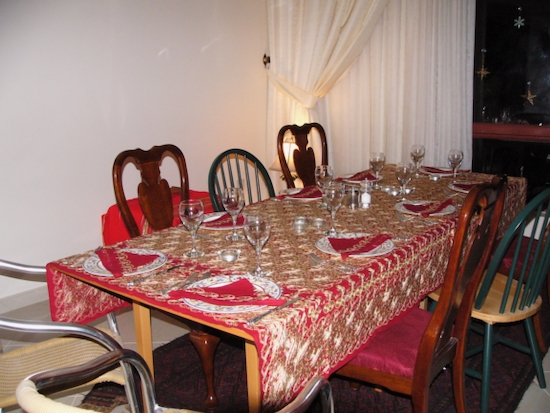
The complex in Kuwait provided the couches and beds, IKEA provided by closets, storage and book cases. I could take them apart and ship them from country to country. I finally had to leave them in Doha, our final post.
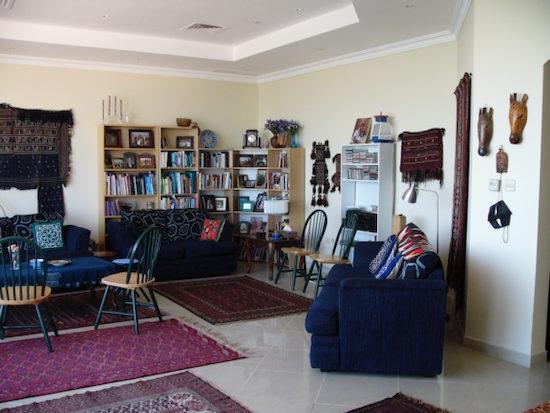
No, it is not fine furniture. And for a nomad, it packs up and travels just fine. One of my Army wife friends once told me (her father dealt in fine furniture and antiques) to save my money and buy the fine furniture when we retire and stay (more or less) in one place. I took her advice, except that I still have my die hard, hard working IKEA tables and my laundry basket. And all the IKEA shelves holding my books and fabrics and quilting supplies in the sewing room.
BRAVO, IKEA!
“But What If I Never See Pomegranate Syrup Again?”
I had a tough weekend. You know, one of those dealing with emotions kind. Exhausting.

I’ve been chasing moths in our pantry for weeks now, and AdventureMan has volunteered to clean out the pantry totally and get to the root of the situation. I am so grateful. He was soon so sorry he volunteered. It’s a mammoth job. I know, I’ve done it before to get rid of our last infestation.
Even that word is a trigger for me. We have a moth infestation translates to I AM A BAD HOUSEKEEPER. I hear my Mother’s judgement. She raised me better. I do the best I can, but . . . I have an INFESTATION. I feel like a failure.
So I listen to my husband huffing and puffing and even cursing now and then, and I don’t feel appreciation as much as I feel guilt.
It gets worse. He wants to have “a talk.” Just the words make my heart pound. But the truth is, he is very kind. He doesn’t blame me for this at all; he just wants to find where these beasties are coming from. We wash every crevice (there are cocoons), inspect every package, put all grains and open-package wares in glass or hard plastic containers, and we crush every sign of the beasties. Yet still they appear.
AnventureMan snuggles up and says “we are buying too much food. We have a pantry full of food, just for the two of us. We eat out often, and cook less. We waste food; we throw out bread that molds, vegetables that shrink, and foods that have expired. We need to buy less food.”
I agree. I know he is right.
“I know it is hard for you to break decades of behavior,” he says, “but we have changed our habits and now we have to change our shopping.”
I agree. I know he is right.
Living on a frugal island in Alaska, then living overseas where we couldn’t get many of the goods Americans take for granted, I lived by two rules:
- If you see it, buy it. You may never see it again. This was true in Alaska, Germany, Tunisia, Jordan, Saudi Arabia, Kuwait, and Qatar. During COVID it was briefly true in the United States, as the supply chain went off the wheel, and toilet paper was absent from the shelves as people bought it up like treasure.
- If you need it, buy a back-up. This explains why I have excessive amounts of peanut butter, mustard, relish, tuna fish, dish detergent and beans. It’s no longer a question of when the boat will come in, it’s also a question of if a hurricane strikes and we are on our own for days, or weeks, or months.
I agree with AdventureMan. I need to buy less; we need to waste less.
Today, with his felafel salad, he started to grab the pomegranate syrup from the pantry and I said “Stop! We have one open in the refrigerator!” I could see it was getting low, and mentally I was thinking “put that on the list, we don’t want to run out of pomegranate syrup.”
And then my rational brain kicked in. How often do I really use pomegranate syrup? For Muhammara, which I make maybe once every three months. For Fesenjan, which I have made once, ever. And today AdventureMan wanted some for his salad. Our bottle in the refrigerator could last a year or more.
And my lizard brain screamed “But what if you never see pomegranate syrup again?”
Full Suitcase a WOW

I’m researching an upcoming trip and wanted an address for the Unter den Linden Museum in Colmar, a city we visited a few times as a young family. I found a rabbit hole. I found a blog called Full Suitcase.com, and I have been there for a couple of hours, learning all the things I need to see (in a few short hours) in Colmar.
The article I looked up is called 15 BEST THINGS TO DO IN COLMAR, FRANCE (+MAP & TIPS FOR YOUR VISIT); you can visit it for yourself by clicking on the link. I skip around a lot, but this article kept me riveted. She takes or uses the most lush, gorgeous photos I have ever seen. It appears she and her family always visit her destinations on the perfect day.
The article on Colmar covers all the things I want to do, and it rings true to me, based on our own prior visits as a family.
But the section that impelled me to write this article was her section on Alsatian foods. Her food photos are also gorgeous. You feel like you could reach right into the photo and eat the food.
This is a photo of a dish I don’t even like! Choucroute Alsacienne, full of fatty meats and sauerkraut, but I swear, I’d give it a try if it really arrived at my table looking this good:

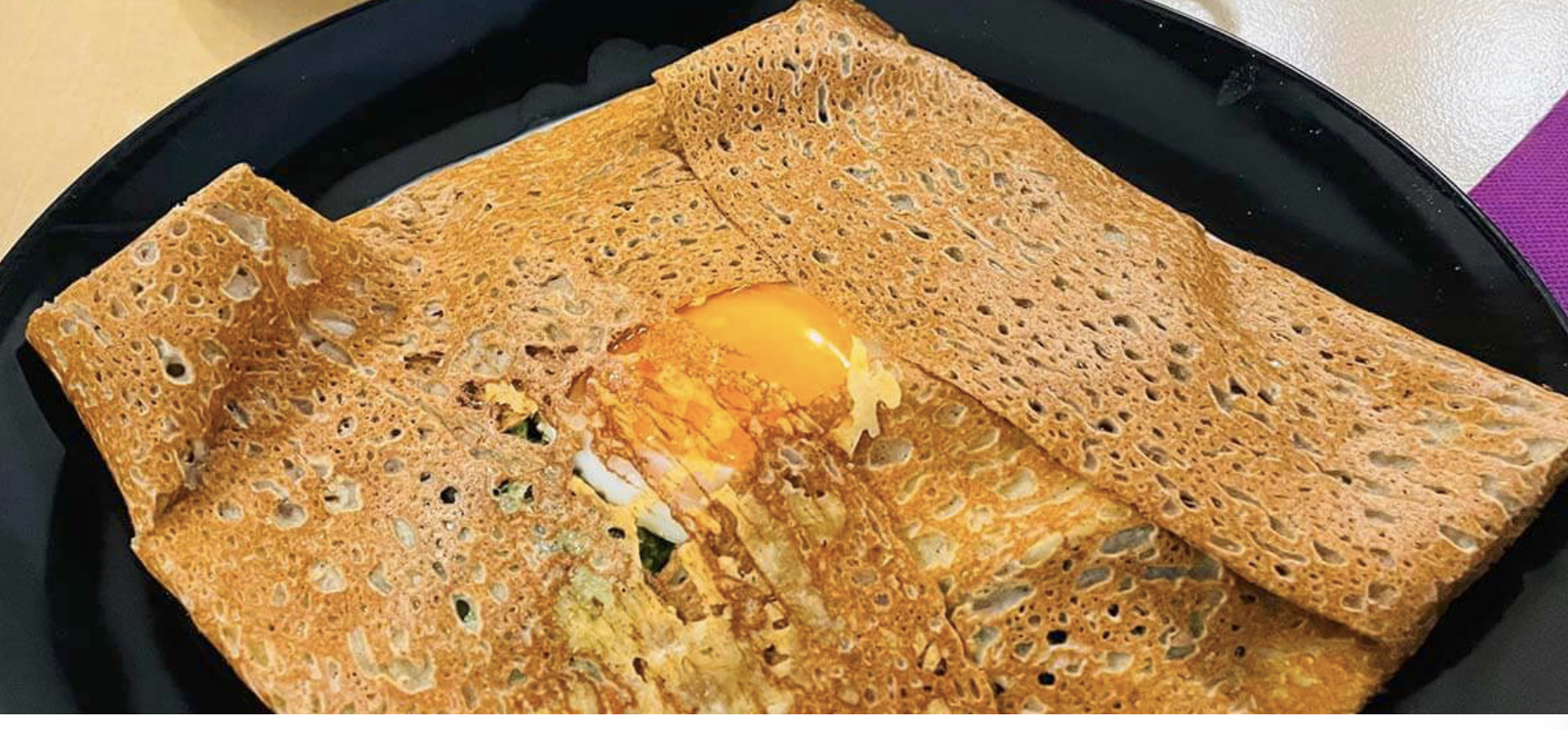
And here is what gave me a smile. Look at this “Alsatian Crepe”. The translation is “Galette Sarasin.” When I look at it, I see something that looks very much like my favorite street food in Tunis, Tunisia, North Africa, called Brik. It is mad with a very thin batter, not poured, but popped from a hand over and over on a skillet shaped like an overturned wok. Each pop leaves a thin, delicate skim of dough, and enough pops create a thin fragile skin in which a mostly cooked egg, or tuna, or egg and tuna are placed and then quickly wrapped.
So this crepe is some kind of hybrid. Crepes are made with a thin batter, but poured and swirled, not popped by hand by a skillful granny. And it makes me wonder how this thin, fragile pancake-like meal travelled; I’ve eaten it from the Middle East through North Africa to France. But look at the texture – it looks very thin, very fragile!
This is from her About section: “Full Suitcase was founded in 2015 by travel writer Jurga Rubinovaite and is independently run. The site publishes original, first-hand travel guides and is regularly referenced by international media. Our travel advice has been featured by CNN, BBC, and BBC News World Service, and published online and in print by Lonely Planet and Lonely Planet Kids. We also collaborate with selected travel brands and destinations worldwide.”
I love her work. She is really good at what she does. Go visit her!
September 11; A Day of Infamy

I was in Seattle for a wedding, staying with my sister. My nephew and I were up early, and he called to me, “Come see something! This is so weird. A plane just flew into the World Trade Center!”
I didn’t believe him, but I went to his room across the hall to see. As we watched, the second plane flew into the second tower.
“That wasn’t an accident,” I said. “It’s not that easy to fly straight into a building.”
But mostly, I was thinking “Will I ever see my husband again?”
We were living in Germany. The phone lines were blocked. I couldn’t hear his voice.
My sister got a call, and she left for work. My nephew left for work. I had a coffee date with one of my former professors; she never showed up. She called me later to say she was stuck in the ferry line; the ferries weren’t operating, and neither was her phone until now.
So I hit the quilt shop. I knew I would spend the rest of the day rivited to the television screen, trying to learn what had just happened. We had seen it, we kept seeing it, over and over, but none of us could understand what we were seeing.
The New Yorker cover, above, captures it perfectly – we were all in the dark.
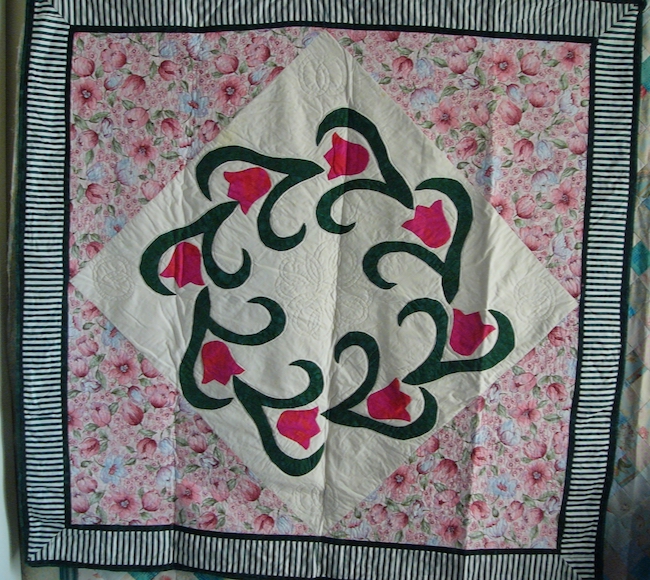
I was scared, and I felt angry. I wanted to DO something. I wanted to have something positive to come out of this horror. I designed a quilt. I cut out the pieces. I hand stitched all the pieces. It got me through.
Maybe late that night, AdventureMan was able to call me. We still didn’t know exactly what was going on or if the planes would ever fly again. I held my breath in the coming days, as my flight reservation day approached.
I was on one of the first planes out. I remember the pilot coming on as we were departing, and telling us to introduce ourselves to each other, to be neighbors on our flight, that we would help one another if anything went wrong. It was greatly moving, unexpectedly emotional.
September 11 is one of those days when everyone knows where he or she was when the planes hit. Everyone has a story. On our first safari to Botswana, we met a New Yorker who had been working in downtown New York and who had to walk miles to get home and somehow ended up barefoot. She said the walk was the best part, being alive was the best part, and that the streets, on that day of horror, were filled with people who were kind and helpful to one another.
Intlxpatr Turns Twenty Years!

Welcome to our virtual celebration, old friends and new.

Twenty years ago on this very day, newly arrived in Kuwait, I joined a very lively, edgy and welcoming blogging scene. It was frightening to me, but I had my reasons. There were bloggers I loved reading – I started by commenting on their posts. It was like a salon, topics and views and opinions everywhere, and also some facts.
There is an old story about Martin Luther, the priest who nailed his ideas for a better church on the door, and while the church didn’t change, the community in which he lived was willing to entertain his thoughts, and slowly, things DID change. When asked why he would take the risk – being called heritical could end to death – he said (in German), “I cannot other.”
Stepping into the blogworld was stepping outside a comfort zone and expressing thoughts some might think better left unspoken.
C’mon in. Here There and Everywhere has always worked to be a safe place for exploring new ideas, disruptive thoughts and how to make things better. We’ve got great virtual refreshments and a safe place to vent 😊.
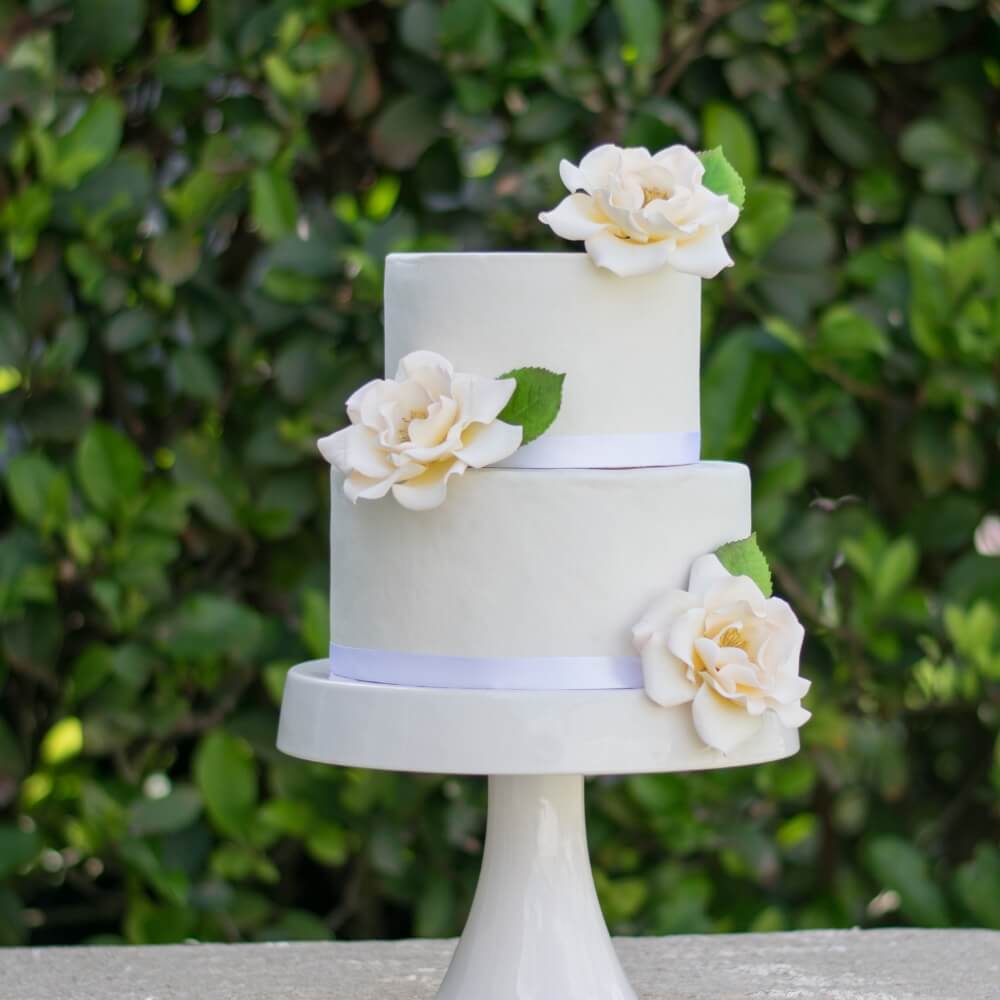
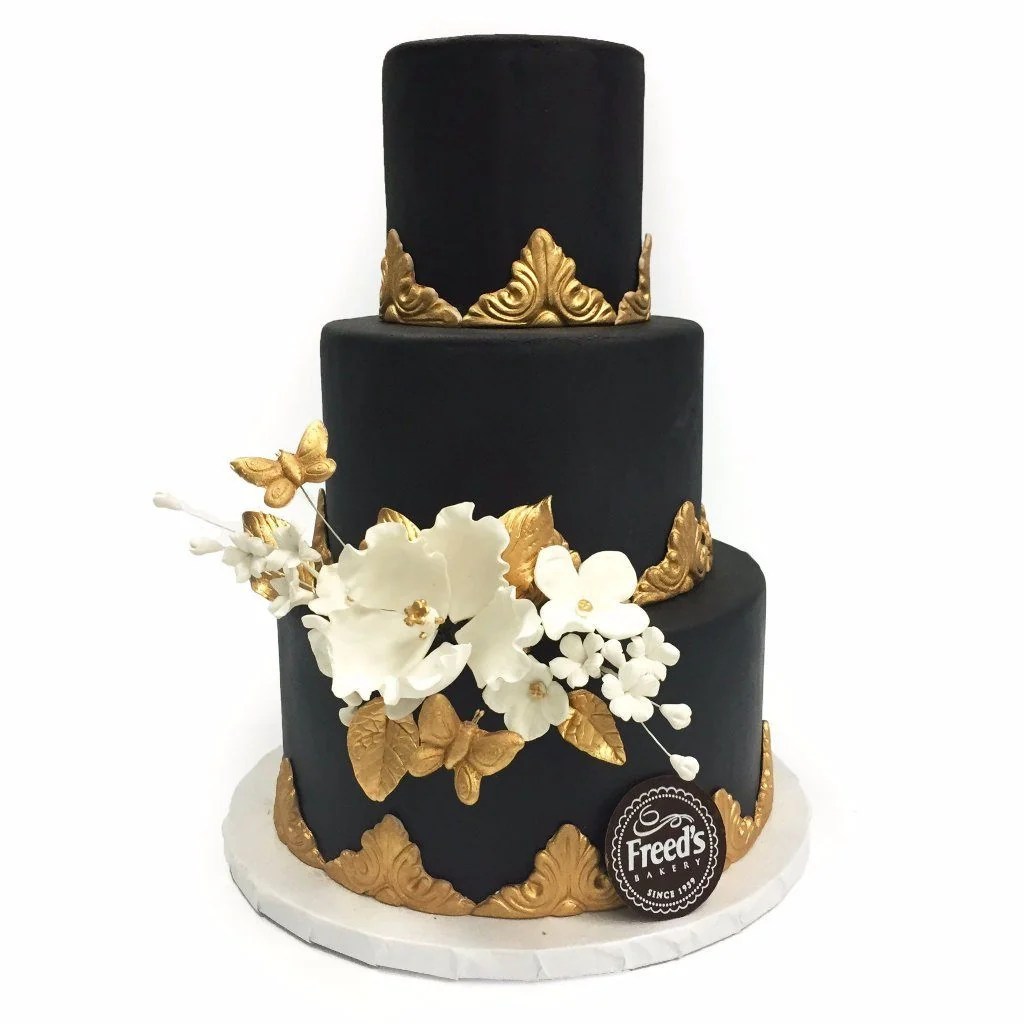
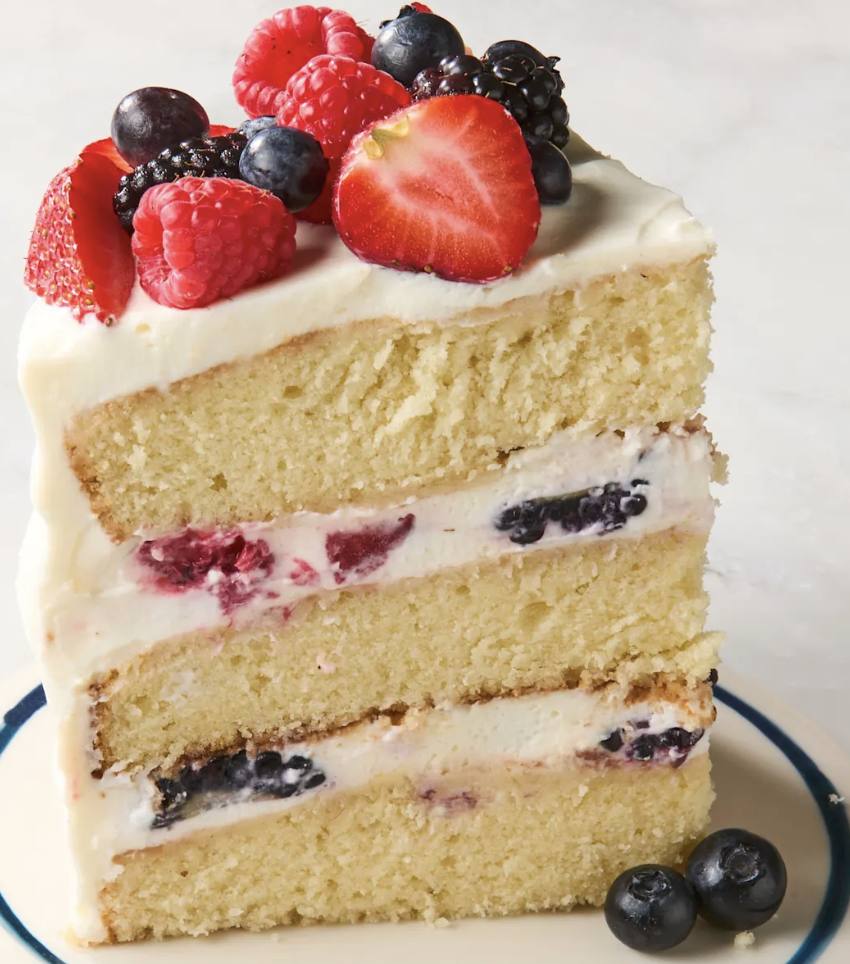
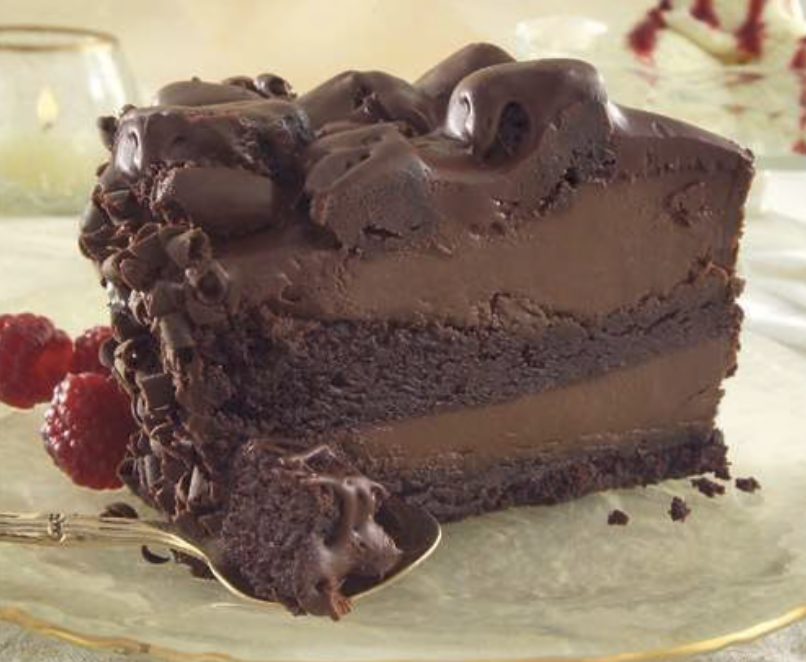
There’s a little bit of Soused Apple Cake left over from yesterday’s Fish Fry.
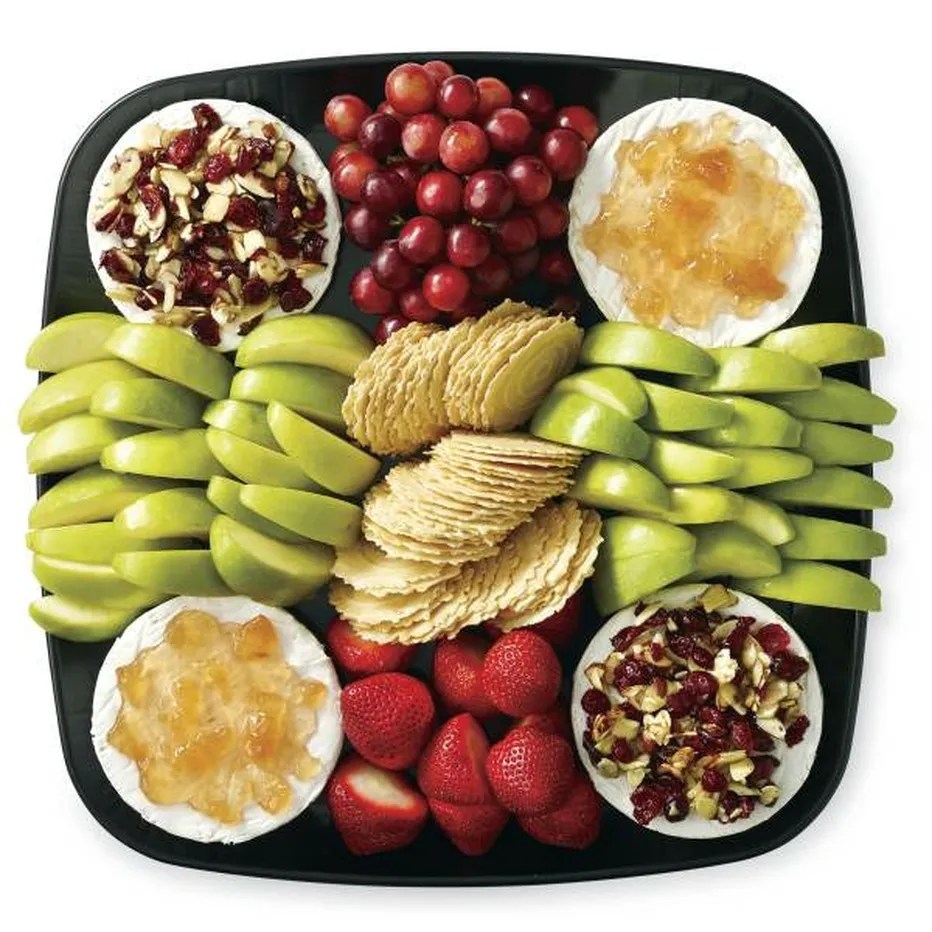
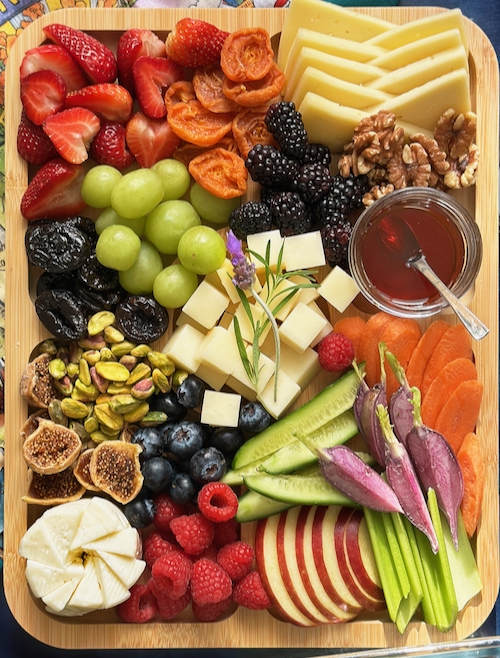
For those who, like me, have to be careful, we also have some relatively healthy finger foods:
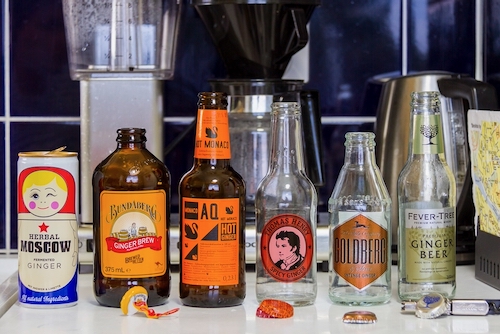
Grab something to drink 😊


I miss our great discussions, and I miss the liveliness of the old blogging scene. I’m not so comfortable with the arguments and name-calling I find in other outlets, nor the need to be wary of those who are monitoring – and who are they, anyway?
Meanwhile, a good friend mentioned recently how political I have gone.
Honestly, in these times, even the apolitical are speaking out. I heard a priest today talk about his anger at the hijacking of the gospel, used for vengence and not for love. I found it very brave, those strong words. If we don’t speak out bravely now, the crushing forces seeking vengence and control create a world most of us won’t want to live in.
I want a government who subsidizes health care for ALL. I want science to recommend vaccines which improve our quality of life and save lives. I want corporations that have standards to meet for air and water and environmental protection. I want our police to protect the weak against the bullying and violence of those who think might makes right. I want to welcome the stranger, creating new textures and patterns in the fabric of our nation. I want every person’s vote to count. I want responsible, accountable, educated leadership, and congressional decisions created by working together to achieve doable compromises.
“Ich kann nicht anders.”
As a post script – this is my 5,900 published post 😊.
Soused Apple Cake for the Fish Fry
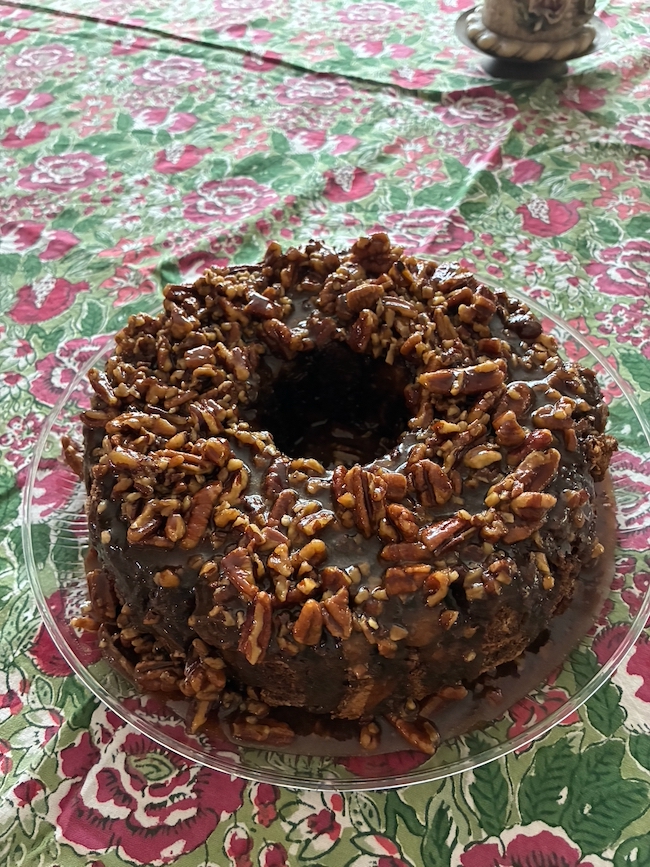
It’s a three-day weekend, but I have things I need to do, so I am up at my normal time to bake while the day is still – well, not cool, but not so hot as later in the day. I need to make a salad; I need to bake a cake. We are invited to a fish fry – one of our favorite invitations. The host and his wife fry up a “mess” of fish, really good fish, and the rest of us are allowed to bring sides.
This cake, Soused Apple Cake, is easy, except for remembering to slice the apples a day before and soak the slices overnight in brandy. I could be like those famous cooks who tell you, “use a very good (olive oil, brandy, etc),” but honestly, here it would be a waste of good brandy because the brandy is a supporting actor and will be competing with cinnamon and nutmeg, so just use something you would use for cooking, not drinking.
It is also a very sweet cake. I have tried over the many years I’ve been making it, to make it healthier. It just isn’t the same. Today, I followed the original “can’t stop eating this cake” recipe.
Soused Apple Cake
4 cups sliced apples
brandy
2 cups sugar
1/2 cup salad oil
2 eggs
2 teaspoons ground cinnamon
2 teaspoons baking soda
2 cups flour
1 teaspoon fresh grated nutmeg
1 teaspoon salt
1 cup chopped pecans
Peel, core, and finely slice apples; put into bowl and cover with brandy. Let sit overnight.
Combine sugar, salad oil and eggs. Set aside. Sift together flour, cinnamon, baking soda, and salt. Add to oil mixture. Drain apples, mix in, adding chopped pecans. Mix well (it will be thick) and pour into a greased and floured 9”x13” baking dish. Cook at 330°F for 1 hour.
Let stand ten minutes while you prepare topping.
Pecan topping
1 stick butter
2 Tablespoons milk
1 cup brown sugar
1 1/4 cups chopped pecans
Combine butter, milk, and sugar in a saucepan; bring to a boil, then boil for one minute. Add pecans, mix well, and spoon over apple cake while it is still hot.
The original recipe invites you to serve with whipped cream, but I find it to be overkill.
The End of an Era
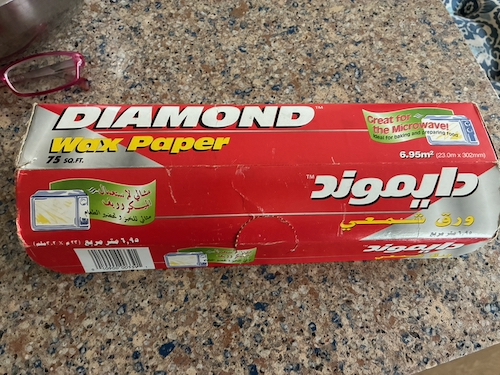
“Mr. Adventureman, the papers you have ordered have come!” the manager of the Sultan Center would say, exultantly, to my clueless husband.
“I ordered papers?” he might croak.
“Sir! It is the coated paper for you to use in the microwave!”
“Aha! ” AdventureMan thinks, “my wife has ordered this.”
“Thank you so much!” he responds brightly to the store manager. “We will pick it up shortly!”
Raised with Alaskan frugality, storing for the future, letting nothing go to waste, never knowing when we will ever see (fill in the blank) again, I store my treasures, using them sparingly. Today, I smile ruefully as I use the last of the last roll of waxed paper from Kuwait.
I think microwave technology has improved. I don’t seem to use waxed paper to defend against food explosions as I once did. Or maybe I’ve just gotten smarter?
I’m not buying waxed paper – or a lot of things – the way I once did. I’ve never lived in one place for this long – a place where, if something runs out, I can get a replacement within an hour, or at worst, a couple days. It’s not like when taco chips completely disappeared from every restaurant in Doha for a month, or cream sold out in Tunis as the big Eid approached. The closest we’ve come to a shortage is during COVID, when people hoarded toilet paper for a short time. The lasting result is that my friends discovered the blessing of bidets.
Last month, I actually came close to running out of dish detergent. I have to laugh at myself; in my own funny way, I’m making progress.
“The Cruelty is the Point”
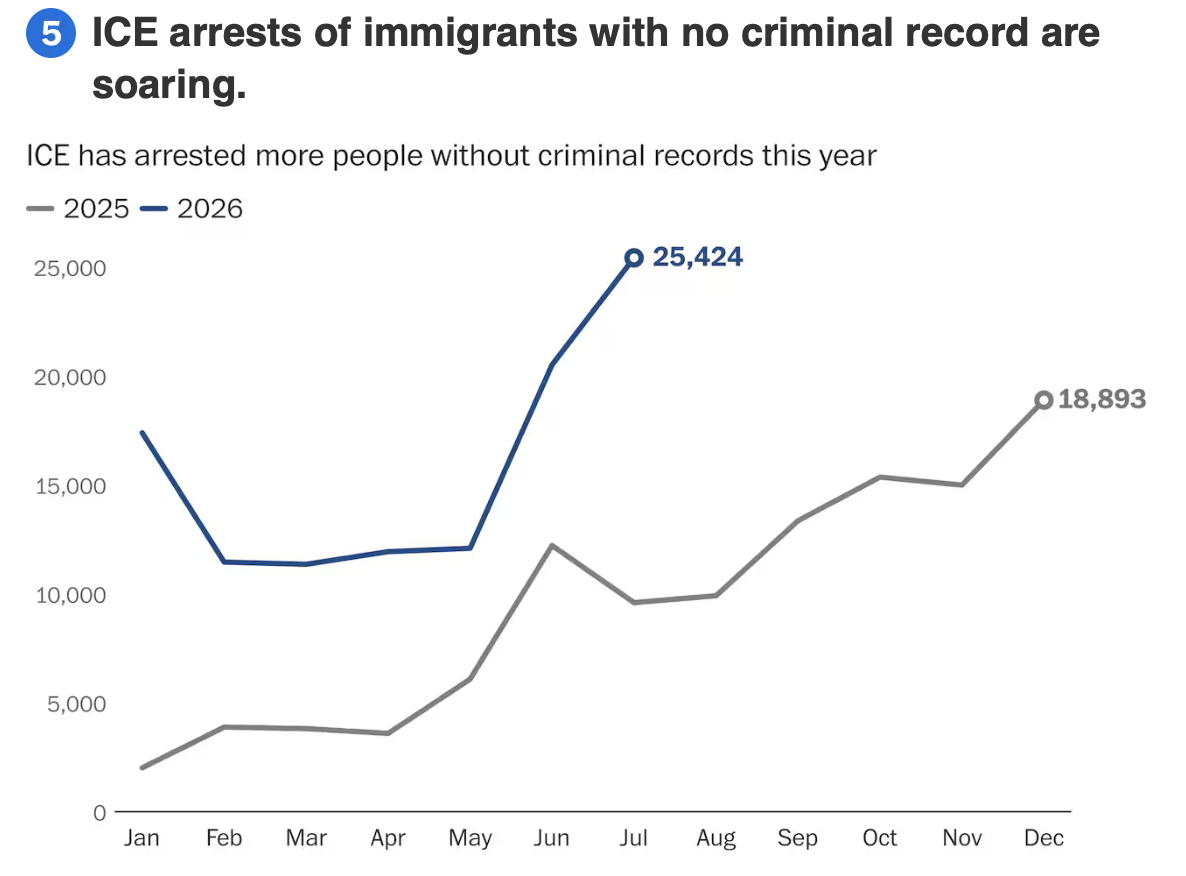
I was singing to the choir, complaining to my old high school friend about the tactics and strategies employed by the Trump administration, against immigrants, against the press, and against any citizen disagreeing with this administration’s viewpoint. “It all seems so intentional, so cruel,” I said.
“The cruelty is the point,” he responded. It was short, pithy, but that was weeks ago and I continue to ponder the phrase. I wondered why it sounds familiar – my friend used quote marks – so this morning, I googled it and got this very thorough AI response:
“The cruelty is the point” is a political phrase coined by The Atlantic staff writer Adam Serwer in a prominent 2018 essay. [1, 2]
Origin and Meaning
- Coinage: Adam Serwer used the phrase in his October 2018 essay, “The Cruelty Is the Point”. [1, 2, 3]
- Core Argument: Serwer argued that the policies and public behavior of the Trump administration and its supporters were not accidentally harsh or crude, but intentionally designed to cause pain to marginalized groups. [1, 2]
- The Bond: He wrote that inflicting this pain creates a powerful sense of unity, pride, and shared identity among political supporters, binding them together through common opposition to outsiders, immigrants, and minority groups. [1]
Book Adaptation

- Publication: Serwer expanded his essays into a book titled The Cruelty Is the Point: The Past, Present, and Future of Trump’s America, published in June 2021. [1, 2]
- Themes: The book examines how modern political conflicts connect to deeper historical currents in the United States, including white supremacy, migration debates, police unions, and the legacy of the Lost Cause. [1, 2]
Usage and Legacy
- Political Lexicon: The phrase became a widely adopted descriptor in political commentary to characterize populist movements, harsh immigration rules (such as family separations), and rhetoric directed at political opponents. [1, 2, 3]
- Broader Application: Analysts and commentators frequently invoke the phrase outside the Trump administration to describe political strategies that rely on outraging rivals and signaling hostility toward specific demographic or social groups. [1, 2]
The original article in The Atlantic states:
“It is not just that the perpetrators of this cruelty enjoy it; it is that they enjoy it with one another. Their shared laughter at the suffering of others is an adhesive that binds them to one another, and to Trump.”
I urge you to read the October 2018 essay, and the book. From the beginning of the second Trump term, from the the very first day with the horrifying Presidential Edicts, the cruelty has been increasingly woven into public policy. The policies are Anti-American, anti-immigrant, anti-women and anti-everything I was taught to believe as I grew up – That we are created and born with equal rights, male and female, black, white, yellow, red and all the glorious colors in between. “Red and yellow, black and white, we are precious in His sight.”
Our priest told us from the pulpit this week that we are “to carry the light.” Each one of us, individually and together, carries the light. We can choose to be kind. We can reflect “the light that shines in the darkness, and the darkness has not overcome it.”
If it’s August, it Must be . . . Halloween??
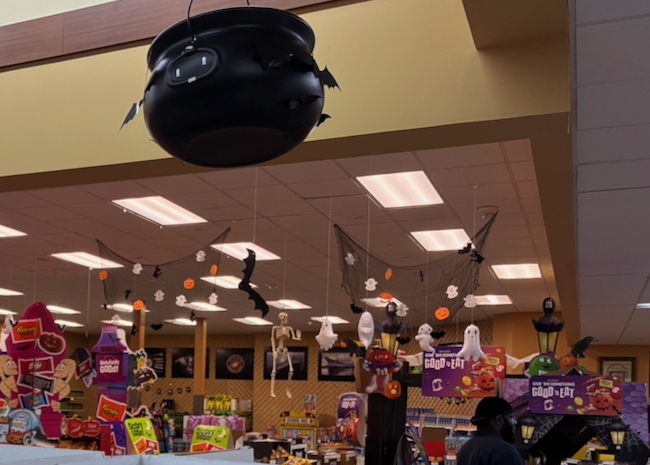
In the olden days, when we were Cold Warriors, guarding European borders from the evils of the Soviet Union, smart military wives started Christmas shopping in August. We knew we were up against deadlines; any gifts going surface mail needed to be mailed by mid-November. “Last minute” would need to be sent by Thanksgiving, or, horrors, the first week in December, but that is cutting it very close if you want your gifts to actually arrive in time.
You get so you start your shopping in January. We didn’t earn buckets of money, and we could do well by dollar-cost-averaging over the ten months leading up to Christmas. The bases all encouraged us to plan ahead, put things on layaway, make wise decisions – all year round. Knowing the barriers, the custom is to help the service people deal with the challenges of a life of – you know – service.
Finding Halloween had come to our Base commissary the second week in August, just as school is starting, was new to me. We are in the United States! We shouldn’t need to be thinking two months ahead for Halloween!
Pensacola is a Navy-centric community. We have Navy bases here, a solid community of Navy families and Navy retirees, and of course, the beloved Blue Angels. So I am wondering, too – where is the outrage? Where is the pushback when the leader of our nation tells the sailors and their families that they haven’t been in the Straits of Hormuz long enough? Where is the outrage when he dismisses complaints about food shortages, supply shortages, and mental health problems from being at sea for such a long time with no respite?

There are traditions against complaining, so if the grumblings are being heard, there is a real problem. Our military is used to self-sacrifice. It’s the nature of the service. If they are complaining, we can’t tell our military people to just suck it up. We have to listen.
This war has been going on for months, with countless declarations that the war is over and the Strait of Hormuz is open, only to discover, again and again, that it is not true. Over and over, it is another big fat lie.
Wrap it up, guys.
Recent Comments
intlxpatr on Shampoo Ginger tigerbutterya0c5ff1d… on Shampoo Ginger intlxpatr on British Soldier Kidnapped, Esc… John on British Soldier Kidnapped, Esc… intlxpatr on British Soldier Kidnapped, Esc… Wikipedia Donate Button

Amazina


Early Voting in Florida


