Touched the Hem of His Garment
Today’s meditation from Forward Day by Day touches on one of my very favorite stories – and its opposite. It’s all about the power of belief. The woman, suffering from bleeding, would have lived a terrible life, considered unclean, untouchable, and trying everything to be cured without success. Just a touch – one touch – and her illness is gone. Jesus is astonished and tells her that her faith has made her well.
In contrast, the people in his own village are skeptical. How can good ole Jesus, son of Mary and that carpenter, how can he be anything special? In the face of such callous disbelief, Jesus can do little.
SATURDAY, July 27
Mark 6:1-13. And he could do no deed of power there, except that he laid his hands on a few sick people and cured them.
What a contrast, in just a few verses. Yesterday the bleeding woman merely touched Jesus’ garment, and Jesus’ power streamed into her. Today he is home, and those who watched him grow up ask, “Just who do you think you are?” and the Son of God is stopped in his tracks, like Superman when he is exposed to kryptonite.
My field education rector preached on this passage a year ago, and I was spellbound by his ending. He asked, “If Jesus came to All Saints, would he be able to do deeds of power?” Then the rector got even more personal, asking, “If Jesus came to you, would he be able to deeds of power?”
Oh, how I hope so. I’m not sure how to have the faith that allows Jesus to perform deeds of power, but I can see what kind of behavior does. It is hopeful, brave actions that seem to open the way for Jesus to work; and it is arrogant, fear-based behavior that seems to block the way.
Lord, teach us not to fear the change you bring. Teach us to reach out to touch your garment.
When my Mother was still living on her own, there was a revolving guest room, and my sister left a CD for me there, as she departed and I arrived, which contained the song above. I want it sung at my funeral. It is a succinct statement of faith; it is the song of the bleeding woman who believes and is cured, and nothing is ever the same.
Yemeni Girl Escapes Child Marriage
This little girl is lucky; she has a sympathetic uncle who protected her when her own mother, twice, tried to sell her into marriage.
She is an amazingly articulate and resourceful little girl. I look forward to seeing the woman she grows into, safe under her uncle’s care. I love it that he convinced one prospective husband that she was not modest enough to be his bride 🙂
In a bone-chilling three minutes, a young girl who evaded child marriage tells the world that she would “rather die,” than be forced to undergo an arranged marriage.
After learning that her parents had plans to marry her off to a wealthy suitor, brave Nada al-Ahdal of Yemen risked her life and fled to the refuge of her uncle. The precocious little girl, who saw how her teenage aunt took her own life after being abused in an arranged marriage, shared in a harrowing translated video the cruelty of the child bride practice.
“I would have had no life, no education. Don’t they have any compassion?,” Nada asks. “I’m better off dead. I’d rather die [than be forced into a marriage].”
According to NOW News, Nada’s uncle, Abdel Salam al-Ahdal, a montage and graphics technician at a TV station, has protected his niece from being married off twice. Nada’s parents first accepted an offer from a wealthy expatriate, but al-Ahdel intervened and told the prospective groom that Nada was not nearly modest enough for him, in order to “scare him off.”
“When I heard about the groom, I panicked,” he told NOW. “Nada was not even 11 years old; she was exactly 10 years and 3 months. I could not allow her to be married off and have her future destroyed.”
When Nada’s mother tried once again to marry off her daughter against her will, Nada — despite threats that she could be killed — fled to her uncle’s once more, and filed a complaint with the police. She’ll now be living with al-Ahdal permanently.
But such forced marriages, like Nada’s, are on the rise across the globe.
According to a World Vision study released in March, more child brides are being led into arranged marriages due to an increase in global poverty and crises. Parents who live in fear of natural disasters, political instability and financial ruin look to arranged marriages as a way to save their struggling families.
Every day, 39,000 girls, younger than 18, will marry, according to the World Health Organization.
“Women have no rights to give an opinion in the family,” Humaiya, a 16-year-old from Bangladesh who managed to escape marriage, told The Huffington Post in March. “My father didn’t listen.”
Nada, whose video on YouTube has already garnered more than 2 million hits, hopes that the world will hear her message loud and clear.
“They have killed our dreams. They have killed everything inside us,” Nada said in the video. “This is no upbringing. This is criminal, simply criminal.”
Dubai’s Weight Loss Challenge: 1 Gram Gold Per Kilo Lost
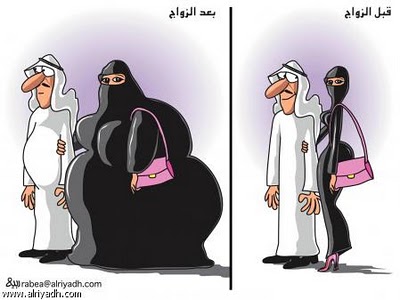
Need some motivation to cut that flab? If you live in Dubai, you can win gold to do just that. A new campaign “You are Worth … Your Weight in Gold” is aimed at promoting a healthy lifestyle and achieving optimal body weight. The contest is open for public.
The winner will be the one who loses maximum weight during the program period of 30 days from its inception on Friday this week. The top three winners will get a gold coin equivalent to AED 20,000. Other participants will get a gram of gold for each kilo reduced from their body weight. However, the minimum weight to lose for the eligibility is two kilograms.
Addressing a press conference on Tuesday, Dubai Municipality officials said the winners will get two grams of gold if they could reduce at least two kilograms within one month.
Hussain Nasser Lootah, director-general of Dubai Municipality, said the initiative comes after the grand success of ‘Yallah Walk’ campaign launched in 2011.
“It is also aimed at introducing walking tracks in different parks in the city of Dubai. Walking is an easy and economic way to stay fit and healthy. The municipality has provided residents with safe and accessible walking tracks in urban and rural areas,’ Lootah said.
“Currently Dubai has a total of 91 places where one can practice sport activities. These include residential parks, public parks, jogging track and beaches. In addition to this, every year the civic body opens new parks in more areas and adds sports equipments and tools for the public to promote a healthy community, he said.
“Ramadan is the most appropriate season to launch such initiatives as it reminds us about many health benefits of reducing weight and encourages us to take strong steps to change our bad lifestyles,’ he added.
The weight of each participant will be measured during registration and at the end of program. Participants can register at the event sites any day during the period. Participants must have excess weight to reduce and stay away from unhealthy methods to lose weight.
The final weight will be measured after the Eid holidays on Aug. 16.
Ahmed bin Sulayem, executive chairman of Dubai Multi Commodities Center (DMCC), said the DMCC is proud to support this health awareness drive to encourage society to change their daily routines in return for a healthier lifestyle.
‘We would highly encourage everyone from all walks of life to take part in this great initiative and hope DMCC’s contribution of AED 100,000 worth of gold coins will help motivate individuals reach the final target of improving and sustaining a healthy lifestyle and consequently a better quality of life,’ he said.
“I am sure Dubai can be the role model and astonish the world by its innovative ideas and initiatives,” said Anil Dhanak, general manager of Dubai Gold & Jewelry Group.”
Korean Air Pilots Mistakenly Identified in TV News Prank: Sum Ting Wong
Someone will lose their job, if it is ever discovered who pranked this totally politically incorrect news broadcast. This from Reuters via Huffington Post on AOL:
NTSB Intern Mistakenly Confirmed To KTVU Wrong Asiana Names, Statement Says
(Please note offensive language in paragraph 6)
July 12 (Reuters) – The National Transportation Safety Board apologized on Friday after an intern mistakenly confirmed to a local television station racially offensive fake names for the pilots of an Asiana flight that crashed in San Francisco.
“The National Transportation Safety Board apologizes for inaccurate and offensive names that were mistakenly confirmed as those of the pilots of Asiana flight 214, which crashed at San Francisco International Airport on July 6,” the NTSB said in a statement.
“Earlier today, in response to an inquiry from a media outlet, a summer intern acted outside the scope of his authority when he erroneously confirmed the names of the flight crew on the aircraft,” the NTSB said.
The crash of the Boeing 777 plane resulted in the deaths of three teenage girls in a group of students from eastern China who were visiting the United States for a summer camp, one of whom died on Friday in the hospital. Over 180 passengers and crew members were injured.
On Friday, an anchor for Oakland, California, station KTVU read a list of the supposed names of the pilots of the South Korean carrier on its noon broadcast after an employee apparently called the NTSB seeking to verify them.
The names appear to mock the events of the crash. The prank names were: Captain Sum Ting Wong, Wi Tu Lo, Ho Lee Fuk and Bang Ding Ow.
Kuwait has Highest BMI in the World
The countries which contain the heaviest and lightest citizens can be revealed today.
This extraordinary graphic shows the average body mass index values for adults around the globe – with some surprising results.
With its wealthy society and love of fast food outlets, many would place the U.S. at the top of the list.
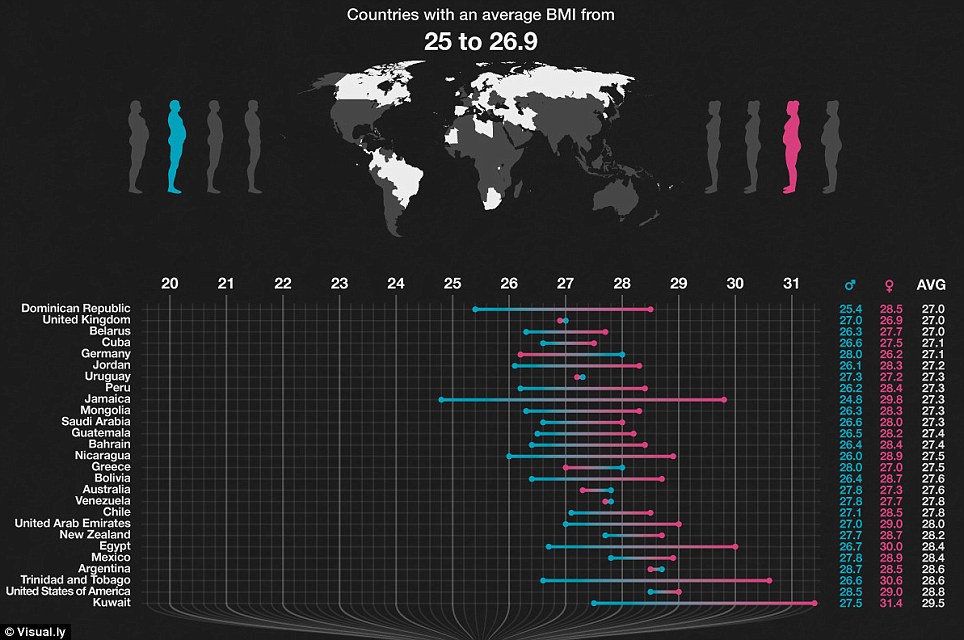
But it is pipped to first place in the body mass index chart by Kuwait. The Arab state has an average body mass index of 27.5 for men and 31.4 for women.
This beats America in second place which averages 26.5 for men and 29 for women.
From UPI:
Mexico is world fattest nation, United States No. 2
UNITED NATIONS, July 10 (UPI) — Officials at the U.N. Food and Agricultural Organization say Mexico with a 32.8 percent adult obesity rate is the most overweight of the industrialized nations.
Previously, the United States with an adult obesity rate of 31.8 percent was the world’s fattest nation. Last year, the percentage of U.S. adults overweight went down slightly.
A report by the FAO said Mexico’s widely available inexpensive junk food and penetration of U.S. fast-food chains combined with a more sedentary lifestyle all contributed to Mexico’s bulging waistline.
About 70 percent of Mexican adults are overweight, while childhood obesity tripled in a decade and about a third of teenagers are overweight as well, the Global Post said.
Weight-related diabetes claims 1-of-6 one of Mexican adults — or 70,000 people a year — suffering from the disease each year, the report said.
Welcome Ramadan 2013!

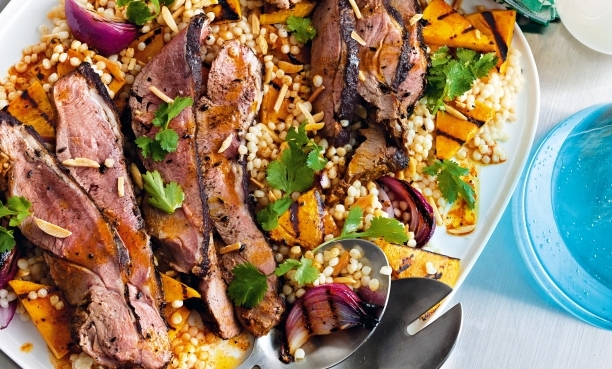
My first Ramadan was in Tunisia. It was summer, it was hot, and the days were long. The days dragged by, and then, in the evenings, our neighbors would send over huge platters of lamb and couscous, hot and spicy, to share with us. Our neighbors had ten children, all around our age, some older, some younger, and cars would arrive endlessly, bringing and taking people. They often included us in the family gatherings, out of the kindness and generosity of their hearts.
I didn’t understand how it all worked, Ramadan and fasting, and they would explain it to me. It’s a lot to take in. It took me a long time, many years, many Muslem countries, many Muslim friends. I still don’t think I understand all of it, but I understand enough of it to know this – it’s like a month of Christmas Eves.
A good Muslim won’t just fast from sunrise to sundown. A good Muslim circumcises his or her heart in this time. A good Muslim will read through the entire Quran at least once during Ramadan. The whole point of the sacrifice is to purify the soul.
I wish for my Muslim friends a joyful Ramadan, full of blessings. May God our Creator and Heavenly Father receive your sacrifice and bless your fasting. May your Mama prepare all your favorite foods for the breaking of the fast. 🙂
“It’s Just Like Living in Alaska, Mom . . . or Kuwait . . . “

My Mom was concerned; the temperatures are approaching 90°F in Seattle, and most of Seattle does not bother with air conditioning. At night, the temperatures go down into the fifties, cooling everything off, but the day time highs can be more than a little uncomfortable.
“How do you manage?” she asks. “I see the temperatures in (nearby) Mobile are in the 90’s almost every day.”
“It’s not that hard; it’s like living in Alaska – or Kuwait,” I tell her. “When it gets cold in Alaska, you dress warmly, you turn on the heat, you stay inside, and when you need to go out, you get into your car in the heated garage, go in your heated car to a heated store, and you come back home. You don’t spend a lot of time outside.”
I do pretty much the same thing I did in Qatar and Kuwait. I get up and do my devotional readings, and on some days I go to my aqua-aerobics class. on other mornings I volunteer. If I need something, I stop at a store on the way home. Sometimes, I clean house, or do laundry. We often go out for lunch, from the air conditioned car to the air conditioned restaurant and back 🙂 In the afternoons, I quilt or I read, or I quilt and I read.
AdventureMan grew up in the South, he is comfortable with the heat and the humidity. He works out in his gardens; once the temperatures go over 80° I rarely even visit the gardens, maybe when October comes and the temperatures drop. Yesterday morning I looked out as the sun was rising over the gardens and all I could see was swarms of insects rising. I don’t think they were mosquitoes, they looked like little no-see-up kind of things, all speeding around in the rising sun. I don’t do insects, the same way I really don’t do heat and humidity.
The Qatari Cat loves the heat. Part of his daily routine is to eat, then to go into the garage and sleep on one of the cars. It’s like an oven in the garage; it must remind him of living on the streets of Qatar when he was just a tiny thing. He is no longer a tiny thing. When we have international guests over for dinner, they always ask to take photos of him; he has grown to be a very long, tall cat, kingly but gracious.
Yesterday morning, as I headed out, there was a hint of – well, it was not coolness, but it was just not blasting me with heat. It was a respite from the relentless heat. I don’t begin to think it was a hint of winter to come; the summer torment has really just begun and is unlikely to end before late October, but I treasure even a hint of “not a blast of heat.”
AdventureMan asks me if I miss Seattle. Not so much, really, traffic has gotten so bad there, but I miss the climate. I feel energized by the cool mornings, even rain doesn’t bother me. I love the sound of the wind whistling around, I love taking a walk along the waterfront after lunch or dinner. I don’t find it at all surprising that diabetes is associated highly with countries with hot climates; heat makes you lethargic, inactive, all the things that encourage sloth.
Torrential rains are forecasted for this 4th of July weekend; in Pensacola there is a possibility they will diminish just in time for the fireworks. Hmmm. Heat. Humidity. Mosquitoes . . . I love fireworks . . . weighing my options 🙂
Arabs wary of expressing their opinions online
Fascinating study results published in Qatar’s Gulf Times:

Northwestern University in Qatar has released new findings from an eight-nation survey indicating many people in the Arab world do not feel safe expressing political opinions online despite sweeping changes in the aftermath of the Arab Spring.
From over 10,000 people surveyed in Lebanon, Tunisia, Egypt, Saudi Arabia, Bahrain, Qatar, Jordan and the UAE, 44% expressed some doubt as to whether people should be free to criticise governments or powerful institutions online.
Over a third of Internet users surveyed said they worry about governments checking what they do online.
According to the report, “The implied concern (of governments checking what they do online) is fairly consistent in almost all countries covered, but more acute in Saudi Arabia, where the majority (53%) of those surveyed expressed this concern.”
The study – titled ‘Media Use in the Middle East – An Eight-Nation Survey’ – was undertaken by researchers at NU-Q to better understand how people in the region use the Internet and other media. It comes as the university moves towards a more formalised research agenda and is the first in what will be a series of reports relating to Internet use.
The survey includes a specific chapter on Qatar, the only country where those surveyed regarded the Internet as a more important source of news than television. “We took an especially close look at media use in the State of Qatar – a country with one of the highest Internet penetration rates in the Arab world—and internationally,” said NU-Q dean and CEO Everette Dennis.
These findings follow a preliminary report NU-Q released last April that showed web users in the Middle East support the freedom to express opinions online, but they also believe the Internet should be more tightly regulated. “While this may seem a puzzling paradox, it has not been uncommon for people the world over to support freedom in the abstract but less so in practice,” Dennis explained.
Among other findings, the research shows: 45% of people think public officials will care more about what they think and 48% believe they can have more influence by using the Internet.
Adults in Lebanon (75%) and Tunisia (63%) are the most pessimistic about the direction of their countries and feel they are on the ‘wrong track.’
Respondents were far more likely to agree (61%) than disagree (14%) that the quality of news reporting in the Arab world has improved in the past two years, however less than half think overall that the news sources in their countries are credible.
Online transactions are rare in the Middle East, with only 35% purchasing items online and only 16% investing online.
The complete set of results from the survey is available online at menamediasurvey.northwestern.edu. The new interactive pages hosting the survey on the website have features that allow users to make comparisons between different countries, as well as between different demographics within each country.
Dennis confirmed that the research report is the first in an annual series of reports produced in collaboration with the World Internet Project; one of the world’s most extensive studies on the Internet, in which NU-Q is a participating institution.
NU-Q and WIP signed an agreement earlier in the year, providing a global platform for the current research.
Recent Comments
ExpatAlien on What Country am I Living … intlxpatr on Yellowstone: Old Faithful to C… Michelle on Yellowstone: Old Faithful to C… Cathy on No Grown-Ups in Charge intlxpatr on Waiting for Snow Wikipedia Donate Button

Amazina


Early Voting in Florida


 Here There and Everywhere