Adventure Man’s Diet
My husband, the great Adventure Man, said that his idea of a diet was being married to a woman who was sometimes so busy with her hobbies that she doesn’t have time to fix dinner and he has to eat peanut butter and crackers. It’s true. Sometimes I lose track of time. Fortunately, he LOVES peanut butter and crackers.
The bottle of peanut butter we were working on – more than half finished – was one of those bottles recalled for contamination. Ugh. Great weight-loss peanut butter. 😦
Ultrametabolism and Kuwait Diet
I used to be thin. Really thin. Actually, I have been really thin several times in my life, but, *sigh* no longer.
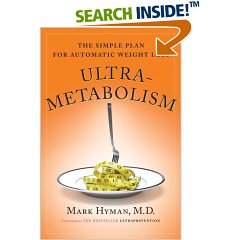
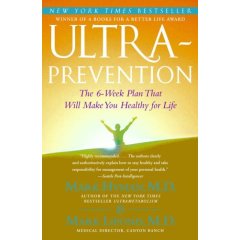
This morning as I was picking up my e-mail, this review on AOL caught my eye. Dr. Mark Hymon is one of the AOL Wellness Coaches, and he has written two books, one called Ultrametabolism, about using your built in genetic strengths to lose weight and maintain the weight loss naturally, and one called Ultraprevention about foods to eat (and not to eat) to contribute to overall wellness and good health.
If you’ve been reading me for a while, you will know that I can be a little cynical.
What I like about Dr. Hymon’s approach is that it makes sense.
Diets that totally eliminate foods you love just aren’t going to work. Give up pasta for the rest of your life? I don’t think so. But what Dr. Hymon asks us to do is to eat mostly non-processed, or minimally processed foods. He says that the processed foods have components that the body doesn’t even recognize as food, and that’s why after eating things like Twinkies, Mars bars, packaged crackers, etc. we still feel hungry – our bodies don’t recognize what we have eaten as food.
Here is what Dr. Hymon suggests (this is from the AOL Health and Fitness section):
How to use what you eat to tell your DNA how to slim you down and live a healthier life.
Day 1. Clean out your cabinets, refrigerator and freezer. Get rid of packaged items filled with processed fats and sugars. Check the lable – if it says “hydrogenated oil” or “high fructose corn syrum” get rid of it.
Day 2. Go shopping for whole foods. Find a farmer’s market in your area for fresh produce and schedule visits in your calendar weekly or biweekly over the next few months. At the grocery, choose items from the “perishable perimeter” of the store, instead of items in the center aisles where processed foods lurk.
Day 3. Change your oil! Throw out old oils, which can become rancid quickly. Replace vegetable oils like safflower and canola with extra-virgin olive oil and make it your primary oil for cooking and salad dressings.
Day 4. Visit a health food sotre. Leave there with 10 new items you’ve never tried before. Bulk-purchase whole grains, legumes and nuts. Look for new whole grain cereals, breads and snacks without processed additives, fats, sugars or preservatives. And remember: just because it’s in a health food store, doesn’t mean it’s good for you. Read the labels of any packaged foods you buy.
Day 5. Choose Eggs! Choose organic eggs farmed with omega-3 fats. Make yourself a spinach omelet for breakfast. Eggs are a good source of protein. You can enjoy as many as eight a week.
Day 6. Become wild about fish. Find a local fishmonger or educate yourself by talking to your local grocer. Or learn more about which fish are best to eat by visiting www. ultrametabolism.com. Print out a primer to bring with you when you shop.
Day 7. Prepare some healthy snacks for when you’re on-the-go. Pack a small zipper bag with a few servings of almonds or walnuts. One handful equals a serving.
Day 8. Don’t go thirsty. By now, you’ve tossed the sodas. Bring out the blender and learn to make high protein, no sugar smoothies. Experiment with crushed ice and fresh fruits. You can even make frozen nut cubes by soaking nuts overnight, blending them and then freezing them with a bit of water or milk in ice cube trays. Your smoothie will be creamy and full of good fats and proteins.
As I did his online mini-seminar, I found myself thinking “everything this Dr. Hymon is recommending is the way Kuwaitis USED TO eat.” And I also found myself thinking what a wealth of opportunity we are living amidst, here in Kuwait, where we can go to any market and buy FRESH fish, really fresh, right off the boats, in the local fish markets. We can buy fresh meats, and fresh vegetables, lots of them grown right here in Kuwait. We can buy fresh eggs. even fresh chicken when not under threat of Avian Flu. Kuwait is a paradise for exactly this kind of diet.
Not only do we have access to fresh, locally grown foods, but the cost is so much less than processed foods on the shelves. He is talking about lentils and grains commonly available here in those big sacks, down in the Souk Mubarakiyya, as well as in the co-ops and the Sultan Centers.
This isn’t anything new, eating low on the food chain, eating fresh, but it does strike me as a diet that particularly works in Kuwait, and a kind of diet that you can live with for the rest of your life, because it doesn’t make changes in your life that you can’t live with. Like he does tell us to give up soda, one of the main contributors to obesity in the world today. As you get older, carbonated beverages aren’t that hard to give up because they also give you heartburn, so just another reason to steer clear of all those unwanted calories the body can’t identify as food.
He didn’t say anything about chocolate . . . but I have ordered both books from Amazon.com hoping that the dark, semi-sweet, barely processed chocolate that I love will also be “just what the doctor ordered.” Meanwhile . . . I hear a spinach omelet calling my name!
Mayonnaise, Aioli and Rouille
Home Made Mayonnaise – The BEST!
You are in Concarneau, a beautiful fishing village in the Breton part of France, and you are waiting for your frites. But it is not the frites that are taking so much time – the frites vendor is out of mayonnaise, and he is whipping up a fresh batch.
He uses a wire whisk, and starts dropping just tiny tiny drops of olive oil into the egg yolks, adding a little more, a little more, until it becomes a thin stream, and then a thicker stream, but the whisk never stops. The end result? Pure magic. Not quite so solid, but nothing like the mayonnaise we know.

We all know that mayonnaise substance that comes out of jars we buy at the grocery store. White to pale yellow, taste varying from fairly tasteless to a little vinegar-y. It’s best for helping wash sandwich meat down, but doesn’t really have a lot to recommend it.
French mayonnaise is totally different. It has TASTE! It’s hard to say which tastes better, the hot fresh French frites (fries) or the homemade mayonnaise, but as a combination – oh man, it is unbeatable. It’s fresh, it’s made with the best ingredients. And because it’s olive oil, well the fat calories aren’t quite so unhealthy. Right.
Here is the best news of all – you can have that same great tasting mayonnaise. With the advent of the blender, you don’t even have to separate the eggs from the yolks – the whipping motion of the blades emulsifies the oil and the eggs and acid (and flavorings)
Basic Mayonnaise
2 eggs
2 Tablespoons lemon juice (or vinegar, or balsamic vinegar)
1 Teaspoon prepared mustard (not powder)
1 Teaspoon salt
1 1/2 cups olive oil
(The very most important ingredient is the olive oil; use a very good olive oil, one with lots of taste. In my heart, I think French mustard {not French’s} is the best, and Sel de mer – French salt. If you’re going to make good mayonnaise, go all the way. Do it right. And have fun.)
Break eggs into blender container, add the acid (lemon juice or vinegar), mustard and salt. Turn blender on low. Let the blender blend about 30 seconds before adding tiny drops of olive oil. Add drops very slowly, letting the blender do its thing.
Take your time. From tiny drops, let the olive oil stream into the blender container in a tiny thin stream, and then a slightly thicker stream. The secret to success here is always taking it slow and easy, letting the eggs and acid emulsify the oil. About 3/4 way through the process, the mixture will suddenly thicken. Keep adding the olive oil slowly, until it is all incorporated.
At this point the mixture may still be pourable. Homemade mayonnaise is a little runnier than the kind you buy in the store. Pour it into clean jars and store it in the refrigerator immediately – it will thicken up as it refrigerates.
Disaster: It happens, even if you’ve been making mayonnaise for years. The solution is SO simple. Pour the mixture – it will look like salad dressing with pieces in it – into another container and wash the blender container thoroughly, with soapy water. Break another egg into the container – that’s all. Nothing else. Start the blender, and this time, go a little slower. The secret to making this work is going very very slowly, especially at the beginning. Trust me, the process itself is so fast that you can afford to pour slowly. And oh! the results! You are going to be addicted to your own mayonnaise.
Advanced Mayonnaise
Before you go any further, I want you to successfully make mayonnaise three times. You can put it in pretty jars and give it away; people will love it.
Aioli
The French in Provence, particularly in Marseilles, have a dish that I think was created just to eat mayonnaise. It is called “Aioli”, the same name as the name of the mayonnaise sauce served with it. The entire meal is cooked salt cod, and a variety of cooked vegetables, all served with liberal dippings into the aioli sauce.
To make Aioli, you pop four or five (peeled!) cloves of garlic in with the eggs and acid before you start adding the oil. It’s that simple. (Some people add breadcrumbs. I don’t.) Aioli is also good – GREAT – with turkey, on sandwiches, as a dip for vegetables, oh any excuse will do . . . it is SOOOO good.
Most sources say aioli can be kept about two weeks, refrigerated. Mine never lasts that long.
Rouille
Rouille is served atop a big bowl of Bouillabaisse (French fish soup with whole fish pieces). It is a fiery spicy hot mayonnaise.
Start as if for aioli, then add two teaspoons cayenne pepper. If your family likes things hot hot hot, you can add some of the ground red pepper pieces like you find in the spice markets, or you put on pizza slices in Italian restaurants – it gives it a little more texture. You can also add a piece or two of roasted red peppers, for more intense color. Add the pepper BEFORE you start adding the oil.
Again, some people add breadcrumbs. I don’t.
Fixing a Mayonnaise Failure
A very humid day can make mayonnaise problematic. The heavy atmosphere of an impending thunderstorm can make good emulsification impossible. Accidentally adding too much oil or having the eggs too cold can make a mayonnaise curdle. It doesn’t happen often, but don’t despair. It’s fixable. Just start over, with one egg, and slowly, slowly adding that curdled mixture. You will be amazed at how easy this is.
Even your first time, when you are nervous, it won’t take an hour, start to finish. By the time you’ve done it a time or two, it won’t take half an hour, from getting out the blender to putting the jars of fresh, delicious homemade mayonnaise into the refrigerator. And you will be ridiculously proud of yourself.
There are no preservatives, no added chemicals. I don’t know how long it will last, kept refrigerated – it just doesn’t last long enough to become an issue. C’mon. I dare you. Give it a try.
(Ooops – I just remembered, there is danger to some people from the use of raw eggs. Making mayonnaise with raw eggs isn’t right for everyone. You could get really sick.)
Recent Comments
ExpatAlien on What Country am I Living … intlxpatr on Yellowstone: Old Faithful to C… Michelle on Yellowstone: Old Faithful to C… Cathy on No Grown-Ups in Charge intlxpatr on Waiting for Snow Wikipedia Donate Button

Amazina


Early Voting in Florida


 Here There and Everywhere