Pregnant? Exercise Helps Baby
I have a sweet niece, pregnant with her second child, and when I see her toddler doing “down-facing-Dog” I know that she is doing yoga through her second pregnancy. 🙂 She has always been fit – and Sporty.
From BBC Health News
Exercise during pregnancy can be good for the developing baby as well as for the mother, research suggests.
A team from the Kansas City University of Medicine and Biosciences suggest it is linked to better foetal heart health and nervous system development.
The findings from their pilot study of 26 women are being presented to the American Physiological Society’s conference in New York.
A UK expert said pregnant women should discuss exercise levels with their GP.
The researchers wanted to see if maternal exercise had cardiovascular benefits for the foetus.
They also wanted to see if foetuses whose mothers exercised had increased breathing movements compared to non-exercise exposed foetuses.
Foetal breathing is a “practice” movement where a baby developing in the womb gets ready to breathe after it is born.
It is also a sign of how well the respiratory system and central nervous system are developing.
Moderate exercise
The scientists used a non-invasive device to measure the magnetic fields produced by the electrical activity of maternal and foetal heart rates.
It was also able to pick up foetal movements including breathing, body movements, hiccups and sucking.
The women studied were aged between 20 and 35 and were checked between the 36th and 38th weeks of pregnancy.
They were classed as exercisers if they did moderate intensity aerobic exercise such as moderate to vigorous walking, stationary bicycling and running for at least 30 minutes, three times per week. Most were doing more.
The researchers then compared them with pregnant women who did not exercise regularly.
Dr Linda May, who led the study, said: “Foetal breathing movement and the nervous system were more mature in babies exposed to exercise.”
She said further research was needed, both to look at more pregnancies and to evaluate the health of babies once they had been born.
But she said understanding more about how to improve the development babies’ nervous system could aid understanding of cot death.
“Some researchers think it has to do with something being wrong in the central nervous system, which affects respiration.
“Babies aren’t able to wake up and breath for themselves if they need to.”
She said this study had shown the babies of women who exercised had a more mature respiratory system, suggesting they would fare better after birth.
You can read the rest of the article HERE
Gardening Leads to a Longer Life
Back when The Fonz was still blogging, he ran this free test from REAL AGE which I took, full of pride because I lead such a healthy life. Man, did I get a bad surprise, the first of many. First the REAL LIFE people told me my body was one year OLDER than my real age because I don’t like to exercise, and then at my annual physical, my doctor looked me in the eye and said I had to make some changes.
I have. I’ve made some changes. One of the changes is I don’t take tests like that any more!
But REAL AGE doesn’t give up on me. They send me helpful newsletters every week, and I have to admit, they really are interesting, and they really do help me stay on track, like eating oatmeal and drinking green tea.
Today they talk about a hobby that lengthens your life – gardening:

The Hobby That Leads to a Longer Life
A hobby is more than a way to pass the time. It may be a way to get more of it.
Know which hobby has probably added years to the longest-lived people in the world? It’s gardening. Okinawans — whose men typically live to age 78, women to age 86 — have a long tradition of working with soil.
Flex Your Green Thumb
The benefits of gardening reach body and soul, according to Dan Buettner and his book The Blue Zones: Lessons for Living Longer from the People Who’ve Lived the Longest. “It’s a source of daily physical activity that exercises the body with a wide range of motion and helps reduce stress,” he writes. So, as the ground thaws and the seed catalogues start arriving, make a pact to plan — and plant — a plot this year.
Grow for Years
It’s not a coincidence: There are lots of other wonderful side benefits to gardening besides the body and mind boost. Here are the other garden goodies Buettner notes in his book:
A veggie-packed life. Okinawan centenarians eat a plant-based diet, often incorporating vegetables that they grow.
A bit of sun. Vitamin D, produced by the body when it’s exposed to sunlight, promotes stronger bones and better health. Vitamin D also helps your body fight cancer.
A dash of spice. Mugwort, ginger, and turmeric are staples of an Okinawan garden, and all have proven medicinal qualities.
Older Okinawans are active gardeners and walkers. Walk your way to a healthier, fitter life.
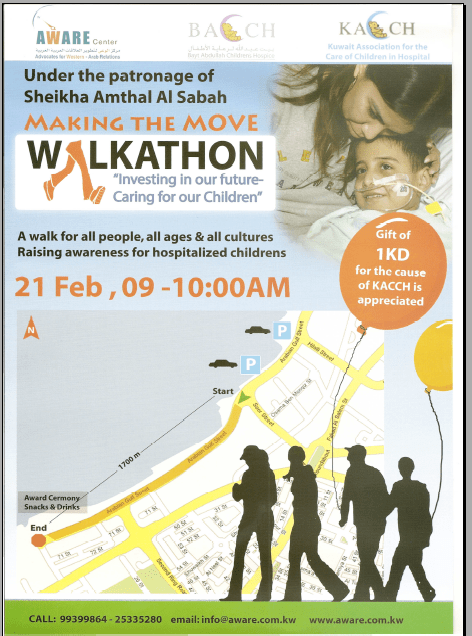
Walk-a-thon Tomorrow (Saturday)
The weather is PERFECT. There is no excuse – honestly – this is a wonderful activity!
Sunrise and Forecast
Good morning, Kuwait, it is another gorgeous day. It didn’t get quite so cold last night (couldn’t see my breath as I breathed out, could you?) and there is not a cloud in a sky. Put on your sweaters, go out and take a walk! This is perfect weather! And it will last this entire week!

The sunrise this morning is almost identical to yesterday’s sunrise. Oh Kuwait, go forth and take advantage of this great weather!

Alternatives to Statin Drugs
I found this article through Google News at US News and World Report.
I know statins work – many of my friends testify to their having lowered cholesterol through use of statins. But doesn’t it make you nervous that most of the tests proving their efficacy are done by the very drug-merchants who are selling them? For me, it is that way with most medications. I watch people lining up their pills, lowering their blood pressure, lowering their cholesterol, and it makes me very nervous.
My father stayed alive using cortisone. He tried to get off cortisone, but his body was so addicted to it that every time he tried, he suffered horrible pain. By the end of his life, you could barely touch him without injuring his skin, thinned by many years of cortisone usage. We pay a price for the drugs we take – I want to know the price – and the alternatives – before I choose a pill I have to take every day for the rest of my life.
6 Ways to Reduce Inflammation—Without a Statin or a Heart Test
By Deborah Kotz
Posted November 11, 2008
There’s been a lot of hoopla this week over research showing that the cholesterol-lowering drug Crestor lowers the risk of heart attacks and strokes in those with normal cholesterol but high levels of inflammation—measured by a marker called C-reactive protein, or CRP. The Jupiter study, which involved nearly 18,000 people and appears in the current issue of the New England Journal of Medicine, found that people taking the statin Crestor for two to five years cut their risk of having a heart attack or stroke by 50 percent during that period. They also had a lower risk of bypass surgeries and angioplasties.
Experts predict that as a result of the study, many millions of seemingly healthy people will be screened for inflammation using a blood test called high-sensitivity C-reactive protein (hs-CRP) and that millions of them will be put on statins to combat inflammation. While statins certainly are lifesaving for those with high cholesterol or established heart disease, their benefits are more modest for those at fairly low risk of heart disease: About 0.72 percent of the statin takers in the trial had a heart attack or stroke compared with 1.5 percent of those taking placebos.
So, some experts say, if you have high CRP but are otherwise healthy, “go slow,” and consider all the benefits and risks of statins before you decide to take them. Where that hs-CRP screening test might come in handy is to spur you to make lifestyle changes that will naturally lower excess inflammation—and your heart disease risk. Try these six measures:
1. Stop smoking. Smoking hardens the arteries and could send CRP levels surging. But research shows you can reverse all the damaging effects to your arteries within 10 years of quitting. (For help quitting, you can click here.)
2. Think olive oil, fish, and nuts. Researchers have shown that overweight folks who stick with a Mediterranean-style diet—based on fruits, vegetables, whole grains, nuts, and olive oil—can lower their levels of inflammation. “An anti-inflammatory diet is about reducing saturated fat and trans fats and eating more foods rich in alpha-linolenic acid—like flaxseed, walnuts, and canola oil—and omega-3 fats, which fight inflammation,” says Evangeline Lausier, a staff physician at Duke Integrative Medicine. On the flip side, scientists have shown that the typical American fast-food diet increases heart attack risk by 30 percent. (Here’s the latest on four healthful diets and on 11 easy ways to load up on omega-3s.)
3. Get active. No one wants to exercise, but it’s a great way to lower inflammation without any side effects associated with medications. An ideal amount? Not too much (which raises inflammation) and not too little. Aim for five days a week of steady exercise (brisk walking, swimming, biking) for 30 to 45 minutes. (You can read up on how to make your workout quick and sweaty.)
4. Shrink your waist size. Take a tape measure and measure your waist, right around the point of your bellybutton. If you’re a woman with a waist measurement of over 35 inches or a man with a waist of over 40 inches, you probably have high inflammation. Whittling a few inches off the waist by reducing your portions and increasing activity can go a long way toward solving that problem. (Here’s a dietary technique that might help you lose weight.)
5. Get enough sleep. A new study out this week shows that elderly people with high blood pressure who sleep less than 7.5 hours a night have dramatically elevated chances of having a stroke or heart attack or suffering sudden cardiac death. Other research has shown that too little sleep (less than six hours) or too much (more than eight hours) results in more inflammation. The American Academy of Sleep Medicine says most adults need between seven and eight hours of shut-eye a night. (Not convinced? Consider these 10 reasons not to skimp on sleep.)
6. Reduce stress. High levels of stress hormones can lead to the release of excess inflammatory chemicals, so try each day to pencil in 15 minutes of relaxation—deep breathing, meditation, or a bubble bath that lets you leave the world behind.
Eat Fast, Get Fat
This is from BBC Health News and it reminds me of all the times our parents told us to chew our food and eat more slowly! I hate to say it – they were right.
Speed of eating ‘key to obesity’
Slow down!
Wolfing down meals may be enough to nearly double a person’s risk of being overweight, Japanese research suggests.
Osaka University scientists looked at the eating habits of 3,000 people and reported their findings in the British Medical Journal.
Problems in signalling systems which tell the body when to stop eating may be partly responsible, said a UK nutrition expert.
He said deliberately slowing down at mealtimes might impact on weight.
The latest study looked at the relationship between eating speed, feelings of “fullness” and being overweight.
Just under half of the 3,000 volunteers told researchers they tended to eat quickly.
Compared with those who did not eat quickly, fast-eating men were 84% more likely to be overweight, and women were just over twice as likely.
Those, who, in addition to wolfing down their meals, tended to eat until they felt full, were more than three times more likely to be overweight.
Stomach signals
Professor Ian McDonald, from the University of Nottingham, said that there were a number of reasons why eating fast could be bad for your weight.
He said it could interfere with a signalling system which tells your brain to stop eating because your stomach is swelling up.
He said: “If you eat quickly you basically fill your stomach before your gastric feedback has a chance to start developing – you can overfill the thing.”
He said that rushing meals was a behaviour that might have been learned in infancy, and could be reversed, although this might not be easy.
“The old wives’ tale about chewing everything 20 times might be true – if you did take a bit more time eating, it could have an impact.”
‘Biological imperative
In an accompanying editorial, Australian researchers Dr Elizabeth Denney-Wilson and Dr Karen Campbell, said that a mechanism that helps make us fat today may, until relatively recently, have been an evolutionary advantage, helping us grab more food when resources were scarce.
They said that, if possible, children should be encouraged to eat slowly, and allowed to stop when they felt full up at mealtimes.
Dr Jason Halford, Director of the Kissileff Human Ingestive Behaviour Laboratory at the University of Liverpool, said that the way we eat was slowly being seen as a key area in obesity research, especially since the publication of studies highlighting a genetic variant linked to “feelings of fullness”.
His own work, recently published in the Journal of Psychopharmacology, found that anti-obesity drug sibutramine worked by slowing down the rate at which obese patients ate.
He said: “What the Japanese research shows is that individual differences in eating behaviour underlie over-consumption of food and are linked to obesity.
“Other research has found evidence of this in childhood, suggesting that it could be inherited or learned at a very early age.”
He said that there was no evidence yet that trying to slow down mealtimes for children would have an impact on future obesity rates.
I am also guessing that when we were out hunting for our food and gathering our food, we got a lot more exercise than we are getting today, and we burned more calories. We drank coffee black, without 1,000 hidden calories from flavorings and whipped cream. We walked, instead of jumping in our cars. . . Spent less time sitting at our computers, and more time moving around.
10,000 Steps Continued
As you know, I began an exercise program a few weeks ago called 10,000 Steps – you can find out more about it here: 10,000 Steps. I don’t have very good luck with gyms . . . it’s just a waste of money for me; I sign up all enthusiastic, and by the second day at the gym I am already trying to find ways to get out of it. I get bored. Exercise is BORING!
But I love walking. Actually I love water aerobics, too, when there aren’t a bunch of googly-eyed guys watching, and when I have a gaggle of girlfriends to laugh and pass the time with while we exercise and I just don’t have that opportunity in Kuwait.
So I got sick and tired of myself NOT exercising and decided to work on 10,000 steps. I’ve been doing pretty well, too, worked up to running 6,000 steps before I left, and it only takes me about 35 minutes.
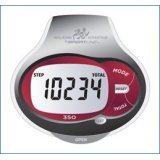
The other day I bought a pedometer. Today I put it on for the first time.
You have to understand, when I come back to Seattle, I have THE LIST with me. The list is all the things that are hard to get or impossible to get in Kuwait, or just annoying to have to track down. Occasionally, like this time, I also have things to get for friends. . . just a little thing here and there, but it all goes on THE LIST.
Around noon I called my Mom and said I would be by in about an hour with lunch. When I got there, I remembered I had my pedometer on, and I checked it – I was already at 9,081 steps! By the time I got back to my hotel, it had started over.
I love it. I am tired at the end of each day from running around, my legs even ache and my feet hurt and I love it. Even the hot days – there were two of them, and now it is cloudy and it is going to rain and they just don’t get it at all that I LOVE the rain – the hot days weren’t that bad.
I am going to be in PAIN when I get back to Kuwait and face days of 115°F again! It is 70°F / 21° C in Seattle today.
Feedback
As I am chatting on the phone with AdventureMan, he brings up the blog.
“I don’t get it,” he says, “You get like fifty-seven comments on any article about the Qatteri Cat, and you get NO comments on a perfectly wonderful article like the Lemba and their DNA link to the lost tribes of Israel!”
I just laugh. I’ve gotten used to it.
“Months from now I will get a letter from some academic who has been looking for that article and can’t find it,” I tell AdventureMan. “And months from now, that article will still be getting hits while the Qatteri Cat entry is long forgotten.”
Chatting with my Mom on the phone, this morning, she mentioned how she was working out in the water these days, trying to build strength in her legs and knees and hips, and how when she gets discouraged she thinks of the entry on The Magic Bullet and how she really does feel better and have more energy when she finishes. I’m so proud of my Mom. She is 84, living on her own, and had one of her old best friends as a houseguest this weekend, and they attended a fashion show in which my sister Sparkle was modeling. They had a great time. I can only hope to be as fit and active as my Mom when I am her age, and, God willing, still living on my own.
This morning I got an e-mail from Kuwaiti Woman / Dirty Dinar letting her regular commenters know she is back in the blog world once again. I am so glad she wrote to us – I had deleted her from my list of favorites when so much time went by without an entry. Her blog is about the great adventure of learning to manage your own money. She is a very courageous woman, lets us in on all her failures as well as her successes, and because she does not spare herself, she is totally addictive. Who hasn’t had to make tough financial decisions from time to time that blow the budget?
These feedbacks – and the wonderful, additive feedback of your comments – are what keep this blogger going.
Yes, I am having fun. How cool is it knowing your own Mom copied out the recipe for Penny Carrot Salad? How cool is it learning that there are Arab wolves in the desert, and that they are in danger of extinction because they are interbreeding with feral dogs ( R’s comment on Total Crack Up) This blog has made me feel connected in Kuwait, and connected to like-minded people around the world.
I still protect my anonymity, and at the same time, I have a realistic fear that I am getting closer and closer to the day when one of my good friends will look at me sharply and say “I think you are blogging. Are you Intlxpatr?” I don’t know what I will do when that happens. I’m not a good liar, and why would I want to lie to a friend? I just don’t know how long I can expect to keep my identity a secret.
The Magic Bullet
What if someone told you there was a magic pill you could take that would help your body fight off attacks of diabetes, heart disease, osteoporosis – almost anything that ails you – wouldn’t you grab that pill?
You can read the entire article HERE, at the New York Times.
You Name It, and Exercise Helps It
By JANE E. BRODY
Published: April 29, 2008
Randi considers the Y.M.C.A. her lifeline, especially the pool. Randi weighs more than 300 pounds and has borderline diabetes, but she controls her blood sugar and keeps her bright outlook on life by swimming every day for about 45 minutes.
Randi overcame any self-consciousness about her weight for the sake of her health, and those who swim with her and share the open locker room are proud of her. If only the millions of others beset with chronic health problems recognized the inestimable value to their physical and emotional well-being of regular physical exercise.
“The single thing that comes close to a magic bullet, in terms of its strong and universal benefits, is exercise,” Frank Hu, epidemiologist at the Harvard School of Public Health, said in the Harvard Magazine.
I have written often about the protective roles of exercise. It can lower the risk of heart attack, stroke, hypertension, diabetes, obesity, depression, dementia, osteoporosis, gallstones, diverticulitis, falls, erectile dysfunction, peripheral vascular disease and 12 kinds of cancer.
But what if you already have one of these conditions? Or an ailment like rheumatoid arthritis, multiple sclerosis, Parkinson’s disease, congestive heart failure or osteoarthritis? How can you exercise if you’re always tired or in pain or have trouble breathing? Can exercise really help?
You bet it can. Marilyn Moffat, a professor of physical therapy at New York University and co-author with Carole B. Lewis of “Age-Defying Fitness” (Peachtree, 2006), conducts workshops for physical therapists around the country and abroad, demonstrating how people with chronic health problems can improve their health and quality of life by learning how to exercise safely.
Up and Moving
“The data show that regular moderate exercise increases your ability to battle the effects of disease,” Dr. Moffat said in an interview. “It has a positive effect on both physical and mental well-being. The goal is to do as much physical activity as your body lets you do, and rest when you need to rest.”
In years past, doctors were afraid to let heart patients exercise. When my father had a heart attack in 1968, he was kept sedentary for six weeks. Now, heart attack patients are in bed barely half a day before they are up and moving, Dr. Moffat said.
The core of cardiac rehab is a progressive exercise program to increase the ability of the heart to pump oxygen- and nutrient-rich blood more effectively throughout the body. The outcome is better endurance, greater ability to enjoy life and decreased mortality.
The same goes for patients with congestive heart failure. “Heart failure patients as old as 91 can increase their oxygen consumption significantly,” Dr. Moffat said.
Aerobic exercise lowers blood pressure in people with hypertension, and it improves peripheral circulation in people who develop cramping leg pains when they walk — a condition called intermittent claudication. The treatment for it, in fact, is to walk a little farther each day.
In people who have had transient ischemic attacks, or ministrokes, “gradually increasing exercise improves blood flow to the brain and may diminish the risk of a full-blown stroke,” Dr. Moffat said. And aerobic and strength exercises have been shown to improve endurance, walking speed and the ability to perform tasks of daily living up to six years after a stroke.
As Randi knows, moderate exercise cuts the risk of developing diabetes. And for those with diabetes, exercise improves glucose tolerance — less medication is needed to control blood sugar — and reduces the risk of life-threatening complications.
Perhaps the most immediate benefits are reaped by people with joint and neuromuscular disorders. Without exercise, those at risk of osteoarthritis become crippled by stiff, deteriorated joints. But exercise that increases strength and aerobic capacity can reduce pain, depression and anxiety and improve function, balance and quality of life.
Likewise for people with rheumatoid arthritis. “The less they do, the worse things get,” Dr. Moffat said. “The more their joints move, the better.”
Exercise that builds gradually and protects inflamed joints can diminish pain, fatigue, morning stiffness, depression and anxiety, she said, and improve strength, walking speed and activity.
Exercise is crucial to improving function of total hip or knee replacements. But “most patients with knee replacements don’t get intensive enough activity,” Dr. Moffat said.
Water exercises are particularly helpful for people with multiple sclerosis, who must avoid overheating. And for those with Parkinson’s, resistance training and aerobic exercise can increase their ability to function independently and improve their balance, stride length, walking speed and mood.
Need Some Encouragement
I just got sick of myself, not exercising, and decided to start exercising again, and so I did. I have a little running trampoline, I can run, watch the news, watch the ships go by out in the Gulf, and, of course, I count.
Why am I counting? I heard about this program, 1000 Steps, that if you walk 10,000 steps a day, you should be on your way to fitness. I figure if I can knock out a good part of that on the trampoline, also getting my heart rate up, it should be all good – right? Wouldn’t you think so?
I’ve done fairly well. Counting helps me get through the exercise – I’m sort of accomplishment driven, and I need to have goals to achieve. I started out at 2200 and I am now up to 3200 – it’s not that hard, and one day I am hoping to be able to knock out 10,000 steps and then all my other steps all day are gravy.
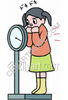
Except for one thing. Since I’ve started, which was only a week ago, I have actually GAINED weight. It is SO discouraging. I am feeling better, I think I can already see positive changes in the mirror, I am feeling more fit. I love the feeling of burning calories I get when I have finished. I don’t believe I have changed my eating habits – so why would the scales move up???
Recent Comments
ExpatAlien on What Country am I Living … intlxpatr on Yellowstone: Old Faithful to C… Michelle on Yellowstone: Old Faithful to C… Cathy on No Grown-Ups in Charge intlxpatr on Waiting for Snow Wikipedia Donate Button

Amazina


Early Voting in Florida


 Here There and Everywhere