AdventureMan’s Quest
Our marriage is cross-cultural. I am of the North, my husband is Southern. I learned to make decent cornbread, thanks to his grandmother who shared the secret of the cast-iron skillet, but I never mastered biscuits.
When he retired, AdventureMan went on a quest to make the perfect Southern Biscuit. He researched recipes. He tried recipes. He found an almost perfect recipe and worked with it, tweaking an ingredient here, an amount there. One day, with great glee, he made the perfect biscuit.

Part of the secret, once again, is a cast-iron frying pan.
The biggest part of the secret is butter. Lots of butter.
He was up early this morning, making biscuits for the family. The biscuits have buttery crusted bottom, and they melt in your mouth. One batch is enough for each of us to have one, and the rest we share with our family, nearby.
He texts our son that he just made biscuits, asks if they want some. Within seconds, the response comes “YES, please!”

It’s not just biscuits! For Valentine’s Day, it was Pasta Carbonara. For Thanksgiving, it was Smoked Salmon Fettuccine. He is skilled with duck, and sauces, and with steak. He has found his Secret Superpower, and he is a happy man.
Morocco Malta and the Med: Algiers!

We are excited. Algiers is one of the reasons we booked this tour, knowing that things can happen, and that for political reasons, or because of weather, it might not really happen. When you travel, you just have to accept that things are not always going to work out.
(On this trip, by the grace of God, every single thing worked out.)
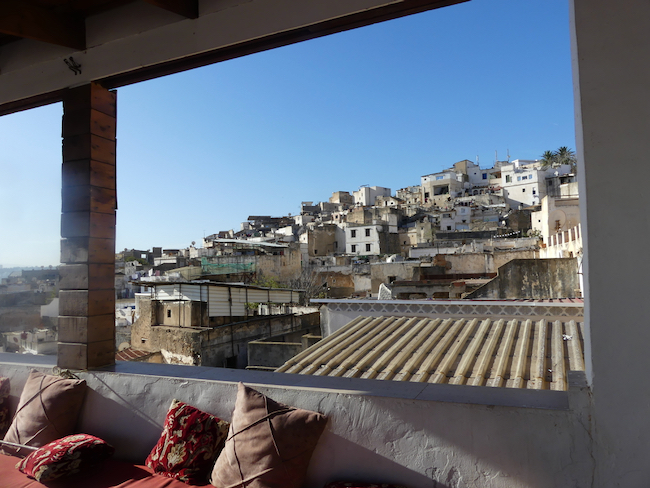
It’s still dark, and we are sailing into the harbor at Algiers. On the hill I see – A Christmas Tree??!! No, as it turns out, this is a memorial to the martys of the war, the Algerian war for freedom from the French.

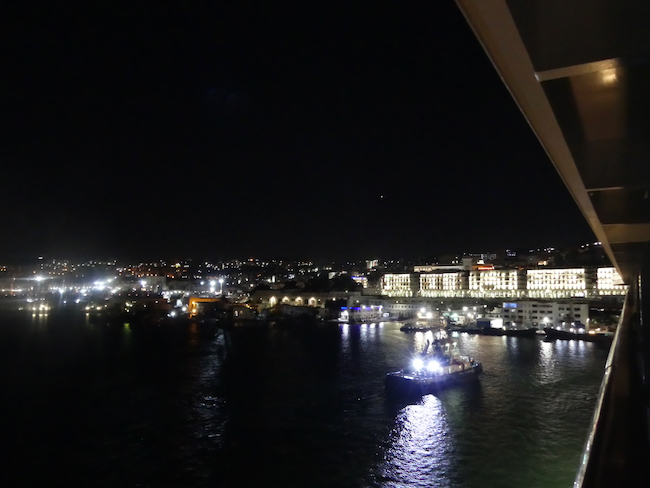

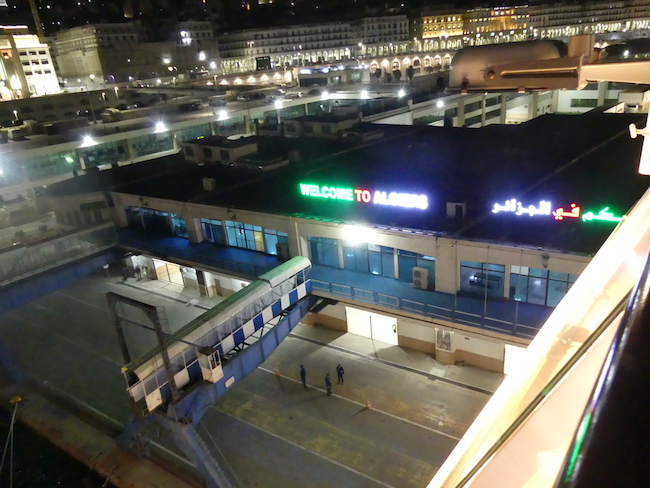
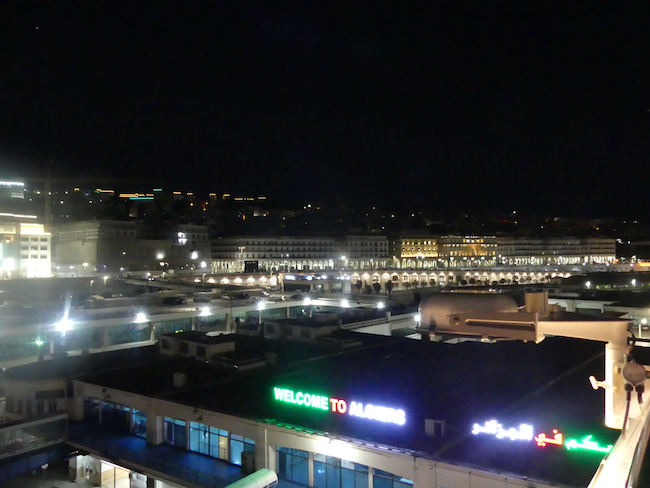

Algiers is the only port in which I heard the call to prayer. It was hauntingly beautiful. The mosques do not all start at the same time, so there is a kind of cacaphonic beauty from a large number of prayers going up at the same time.


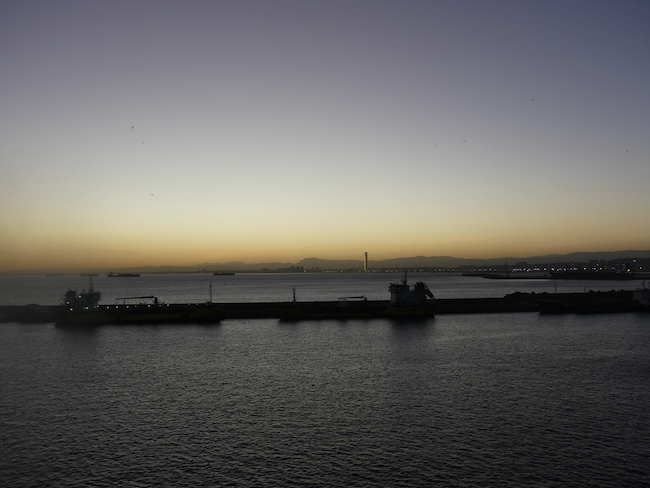

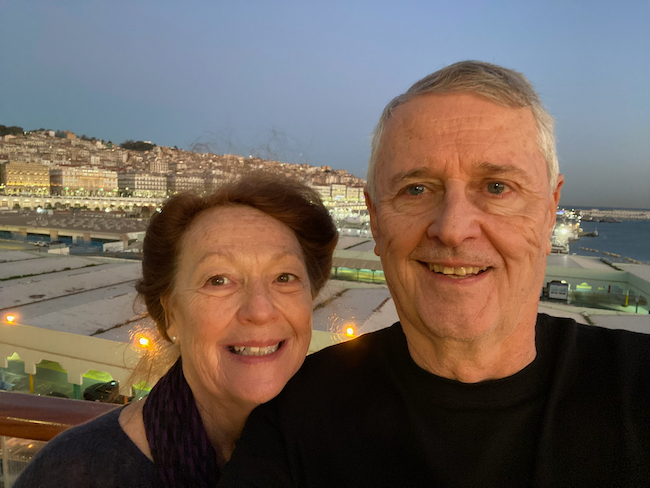
The Hall of Honor is where we process through to get to our buses.


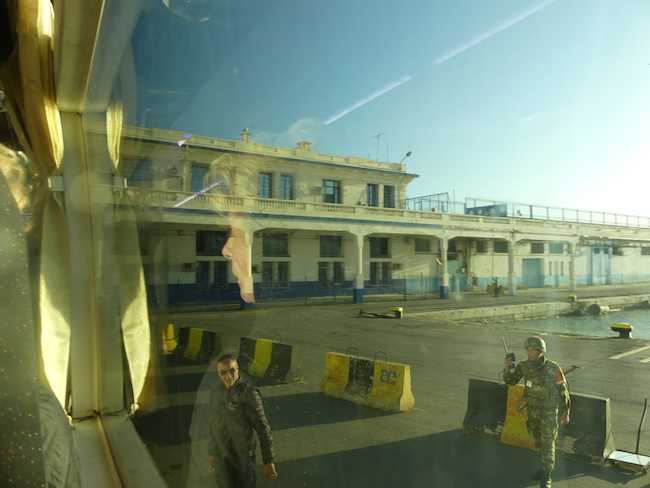


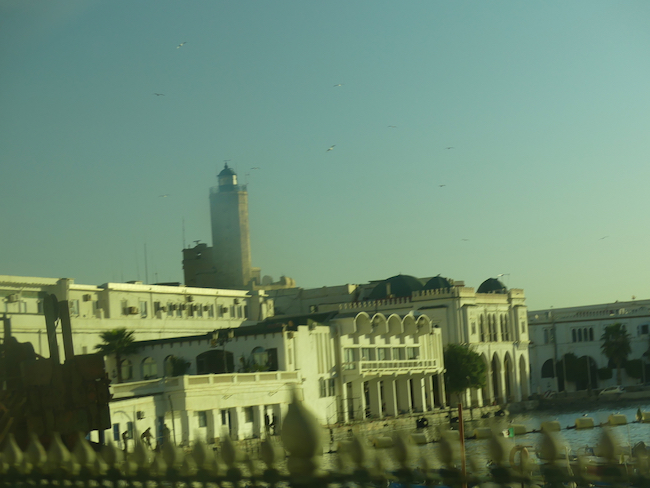
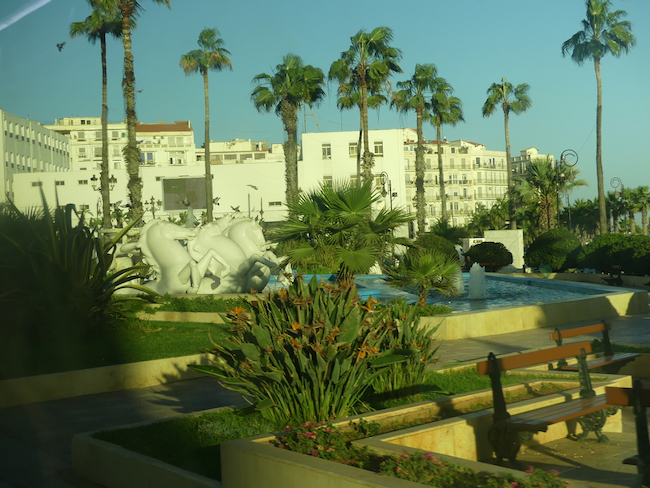
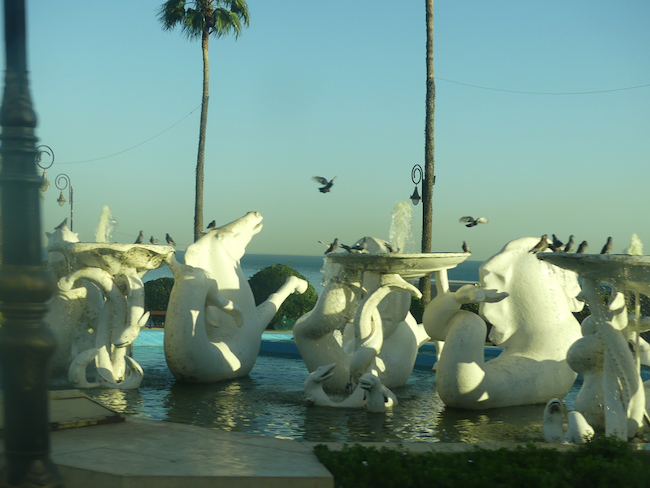
We used to see these “Palm Trees” in Kuwait, really communication towers.

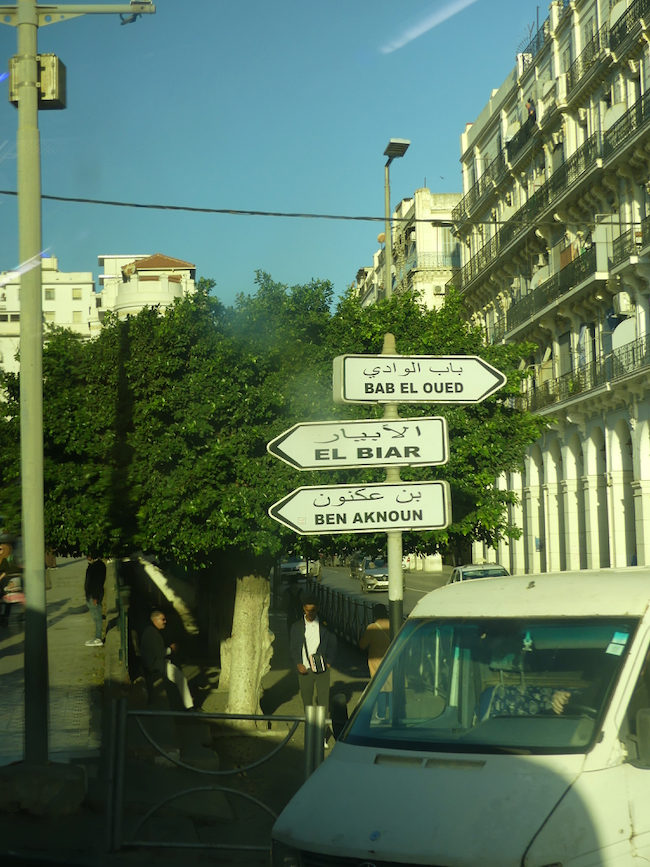
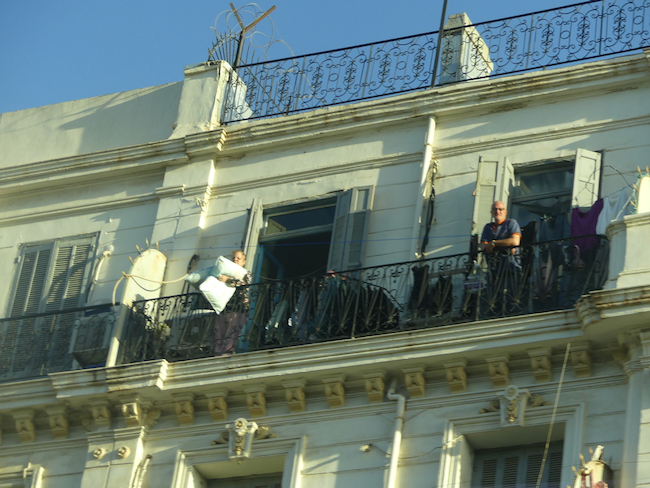


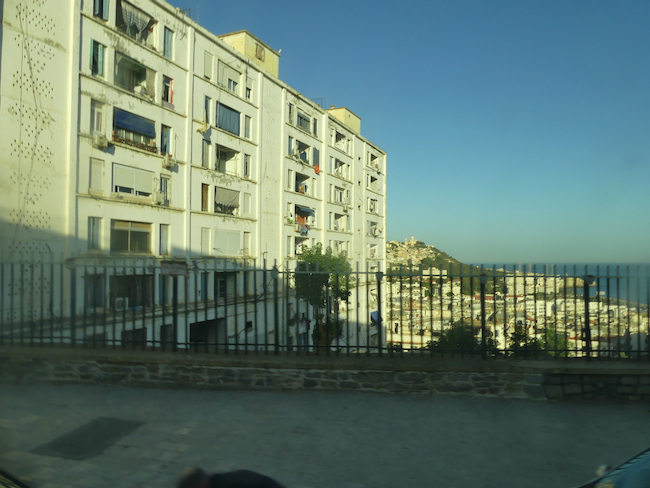
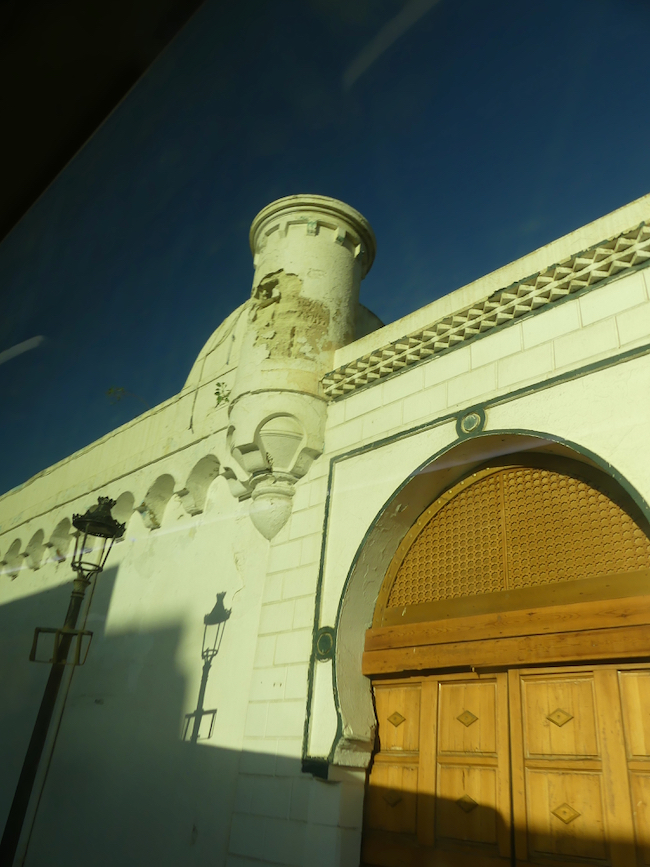


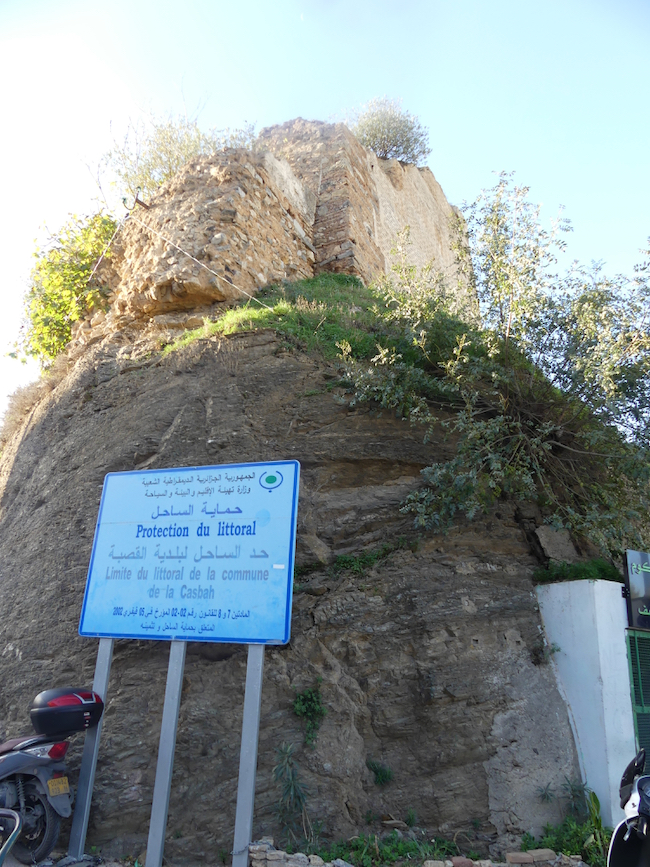


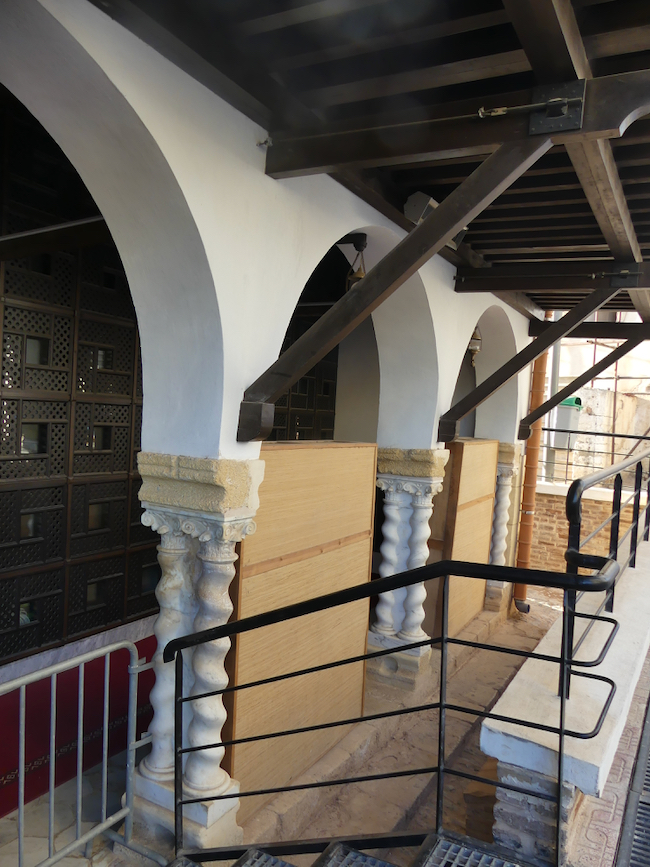
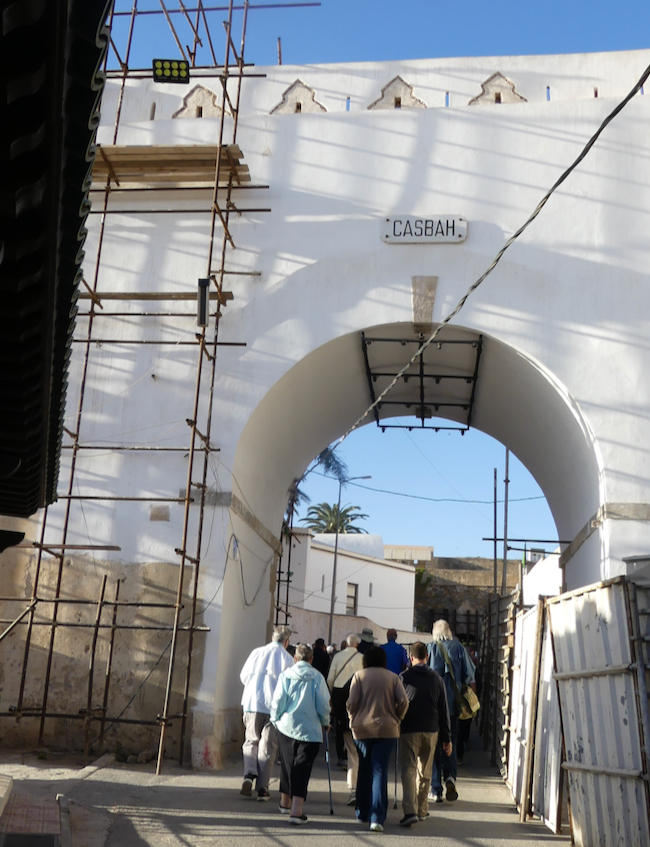




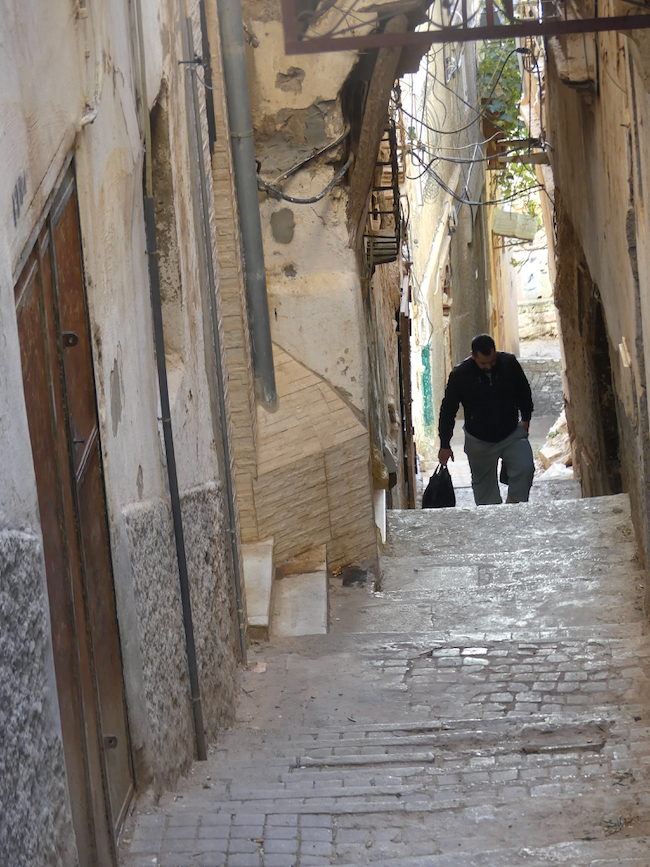
You may be thinking, “Some of the photos here are not the quality we expect!” So, I will explain that I am shooting as fast as I can, surrounded by people I am trying to keep out of my shots, so I can give you an idea of what we are seeing. There is one group after another, all holding up their cameras, getting in one another’s shots. I try to stay ahead or behind, but trust me, the pressure is on. Each group is about twenty-five people, each group with five poorly disguised armed guards, trying to not look like armed guards. They turned out to be really nice guys. Trying to keep American tourists in a line going at a steady pace is a thankless task.




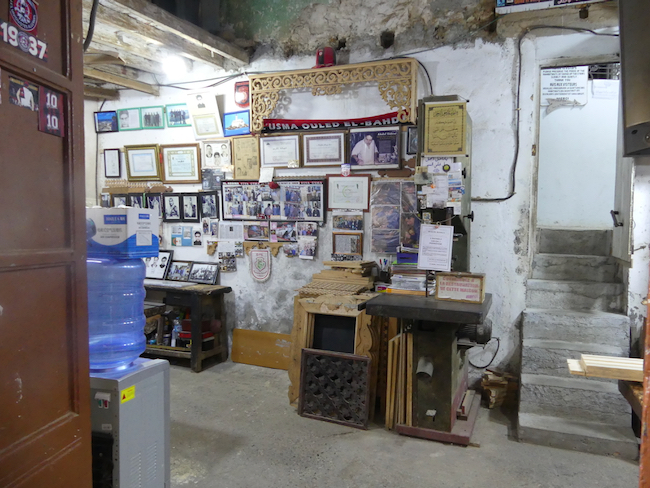

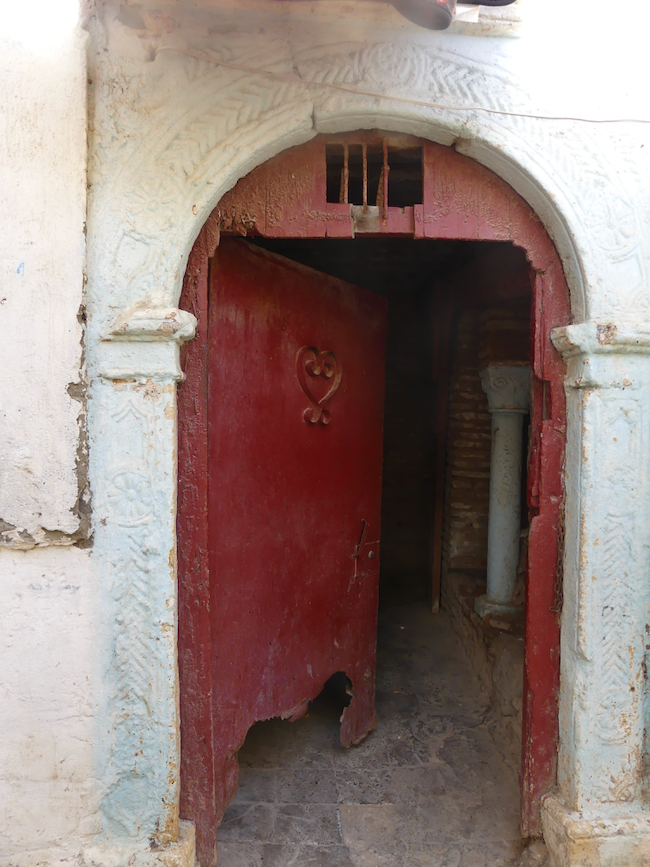


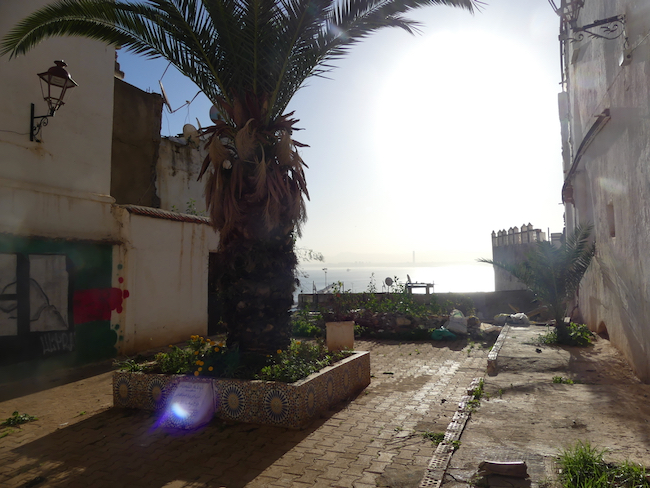
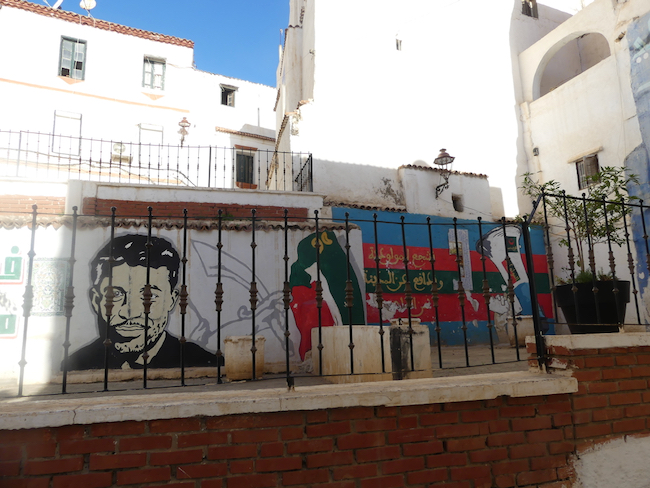

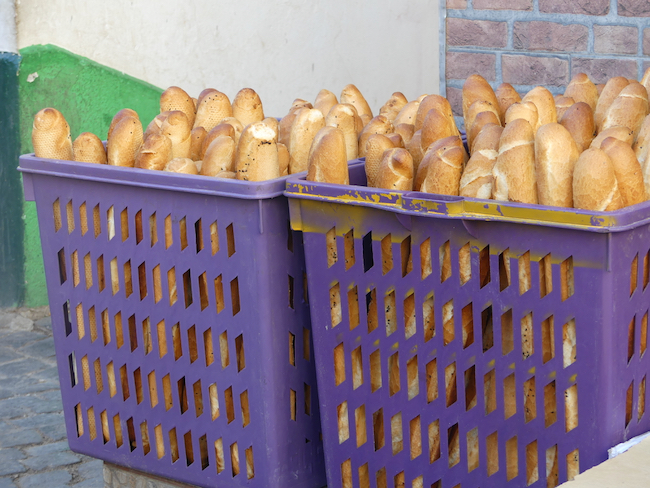
To me it was a little weird that every rectangular plastic basket I saw was purple.
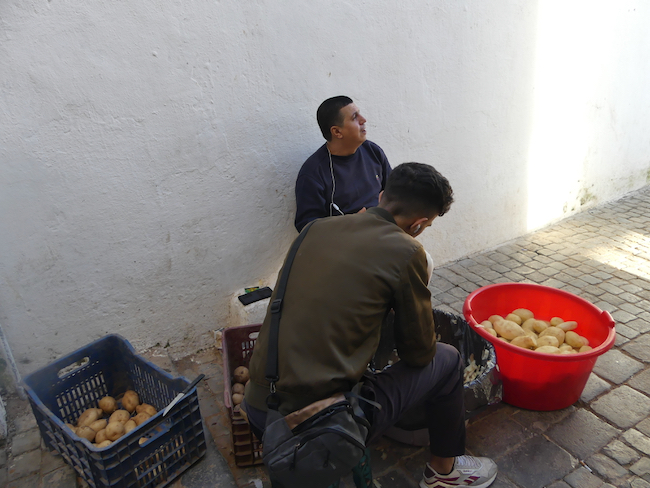
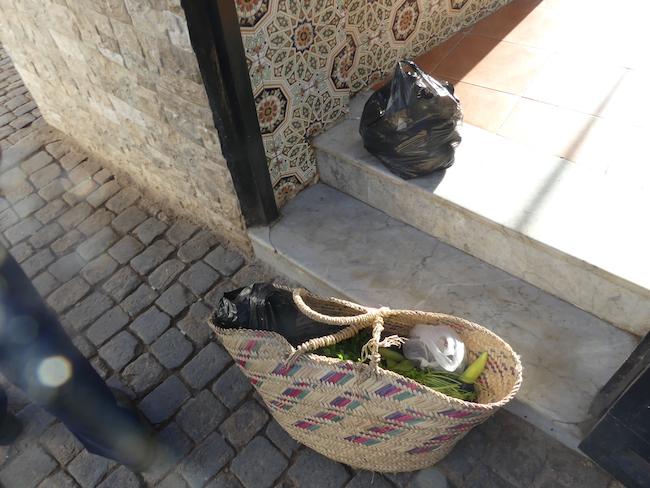
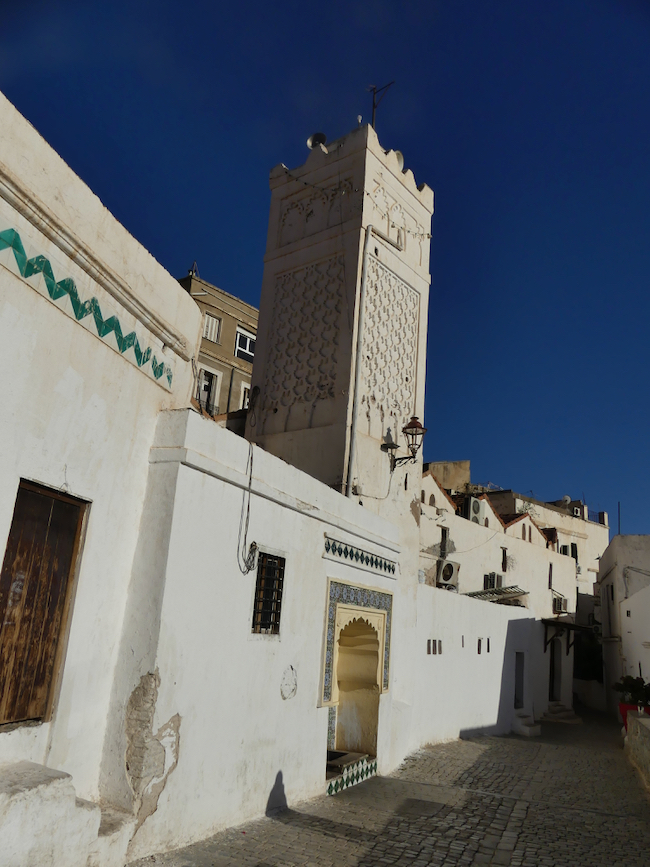

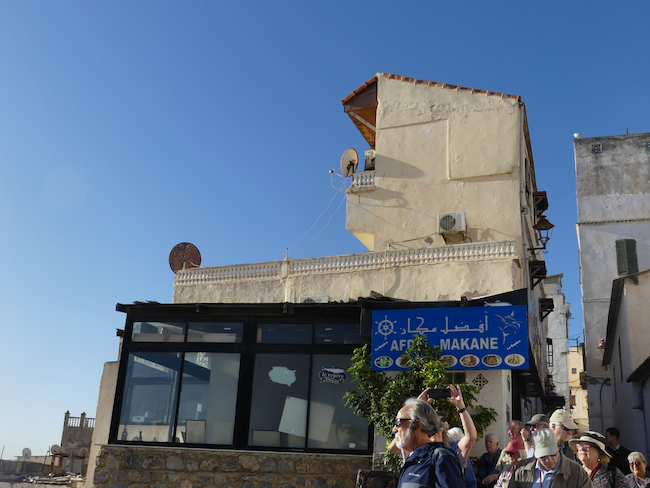
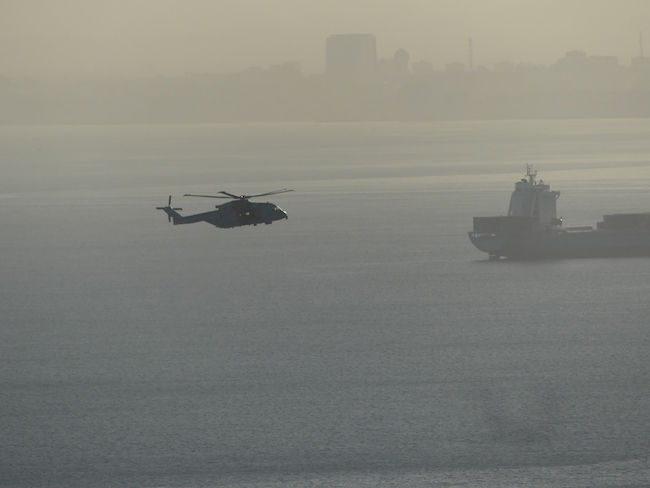
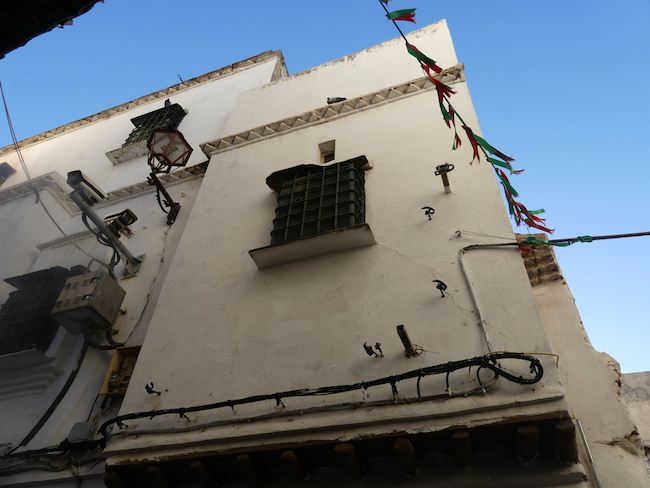
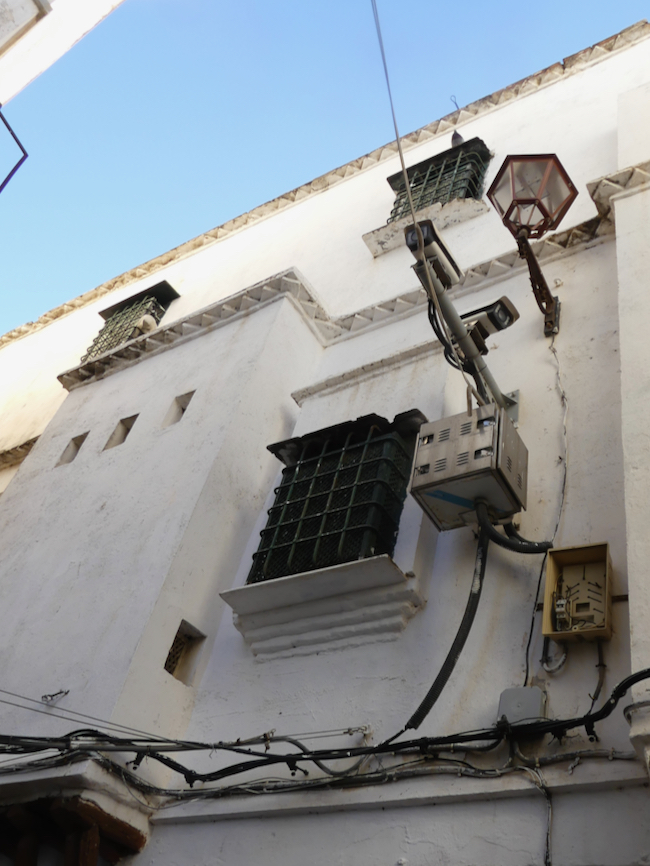
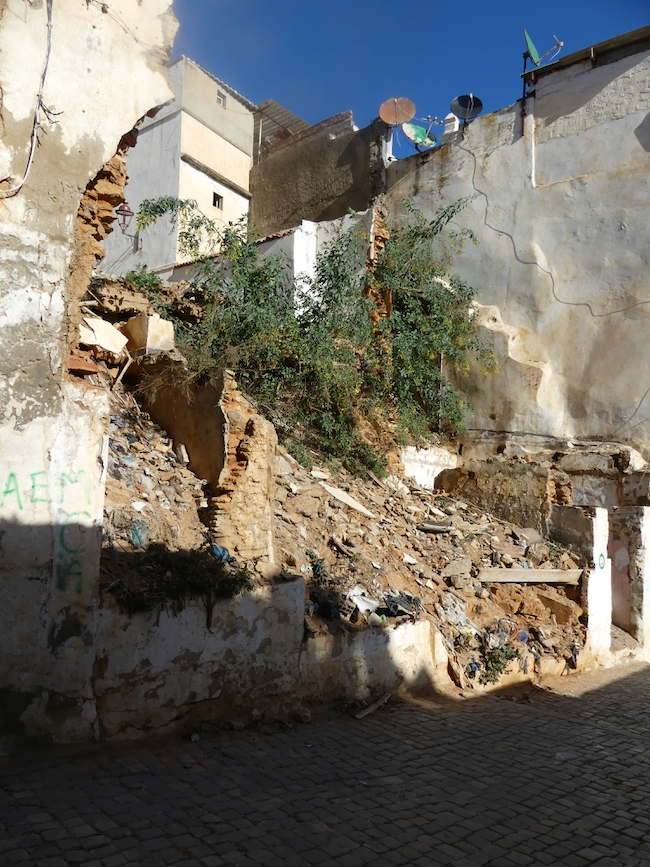
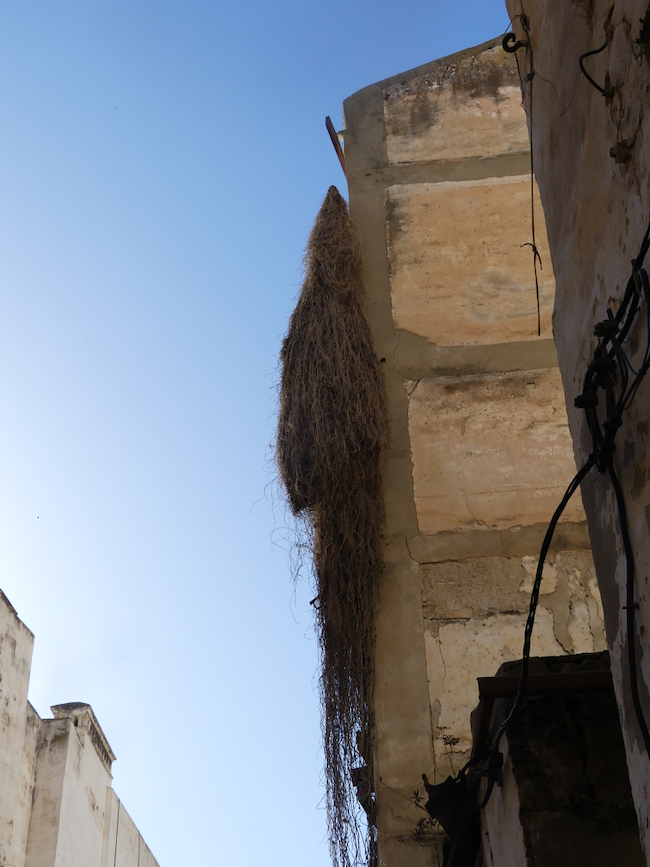
I find some of these construction techniques and electrical wiring workarounds concerning.

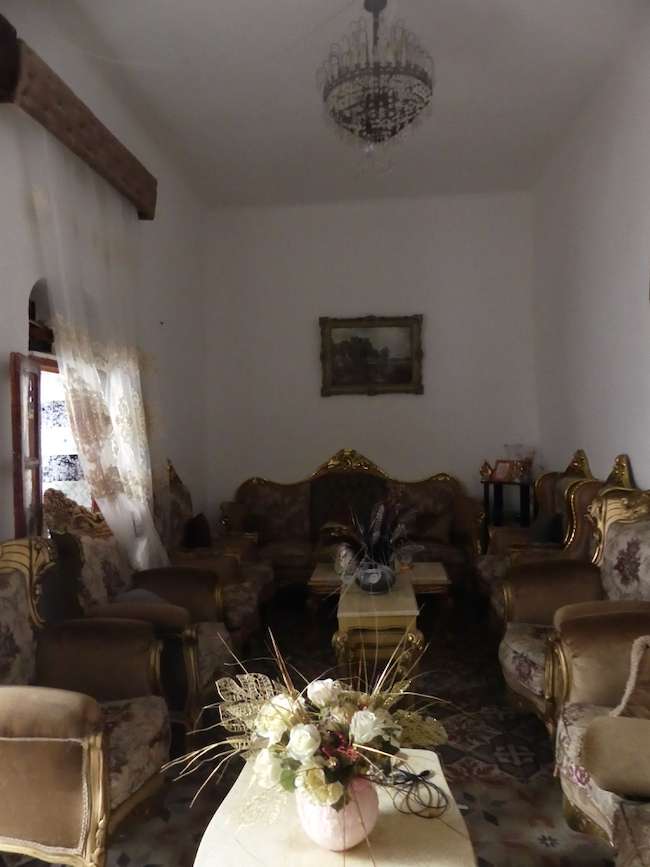
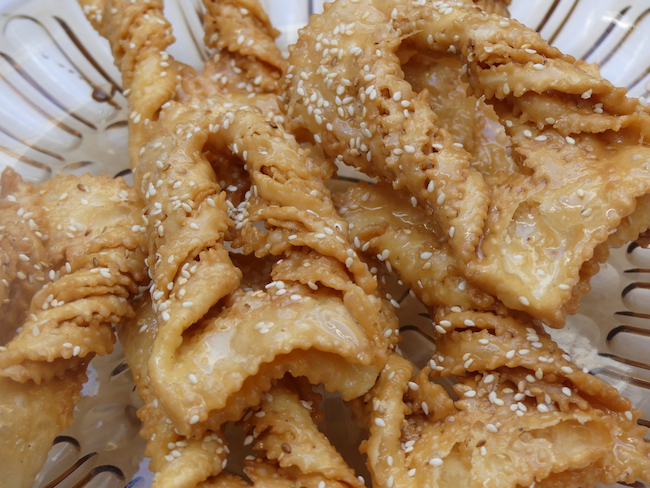
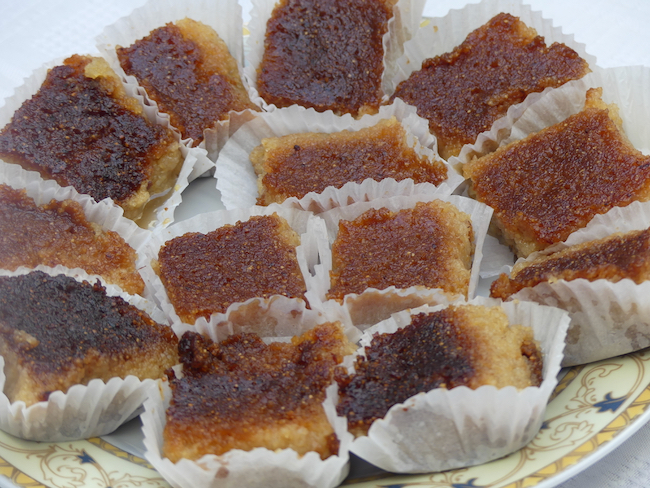
We are taken to a hospitality villa, where they serve fresh dates, mint tea from fresh mint leaves, and fresh baked cookies and pastries.


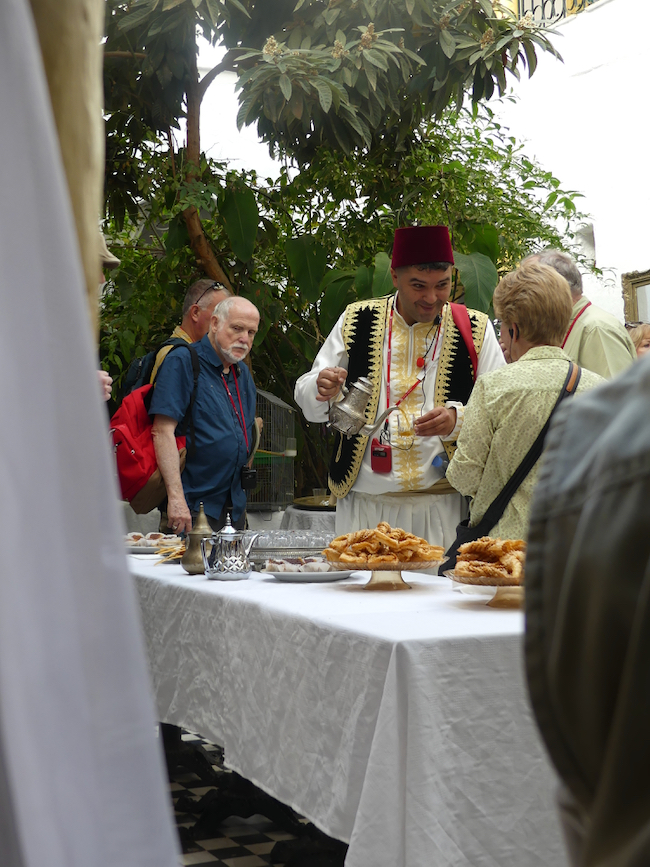
We think our guide is terrific. First, we love that he showed up in old traditional garb (which we learned he had specially made for this very purpose.) He is full of great information, very patient with his flock, and somehow he manages to get us all going in the same direction and is able to keep us somehow together.




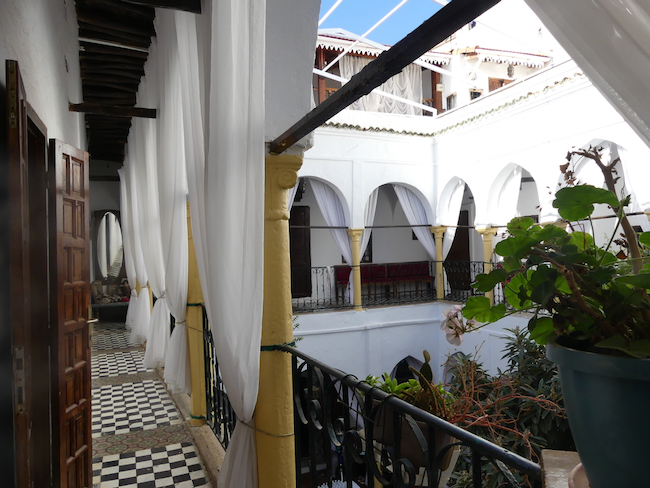

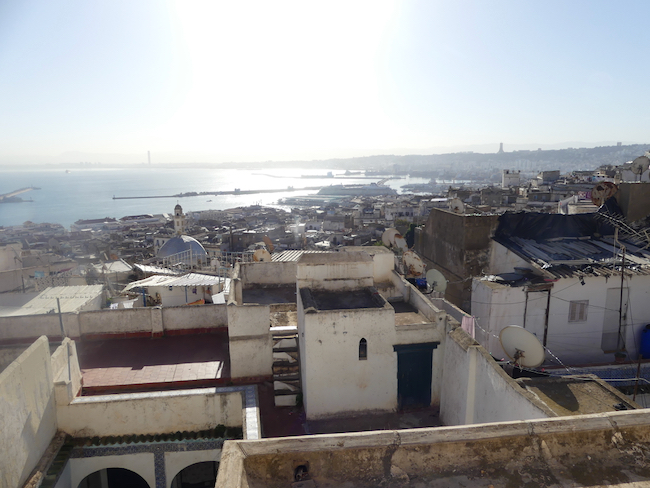
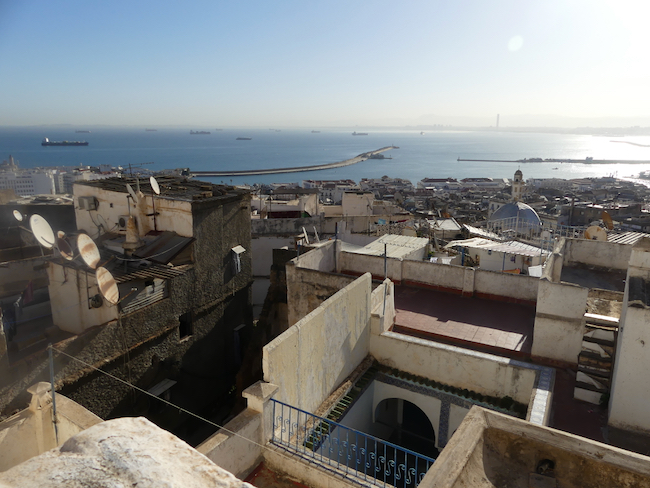



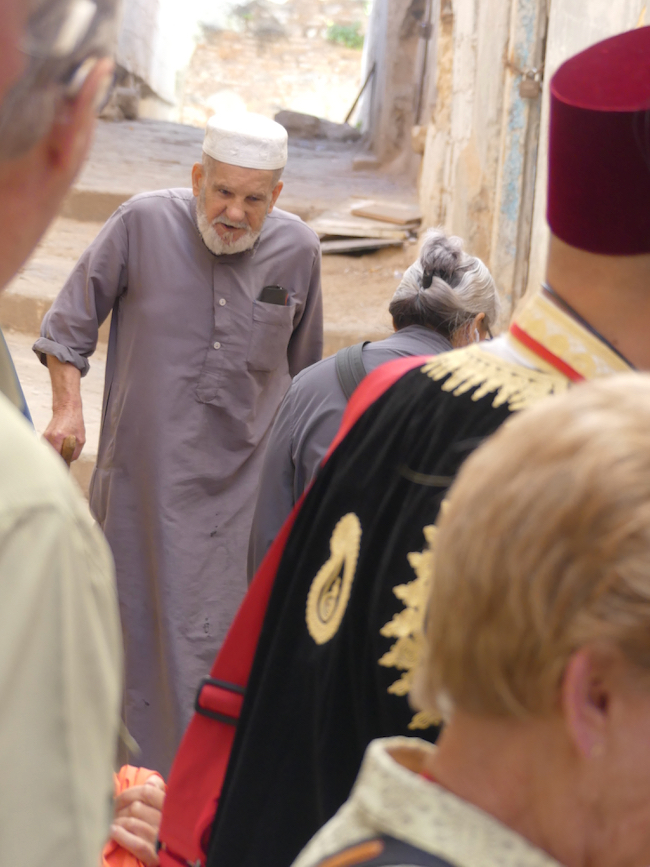
I love this photo. The shopkeeper, trying to keep his street clean and orderly; the donkey, picking up garbage on the street impossible for a garbage truck (and with steps!) and our guide in his traditional garb.




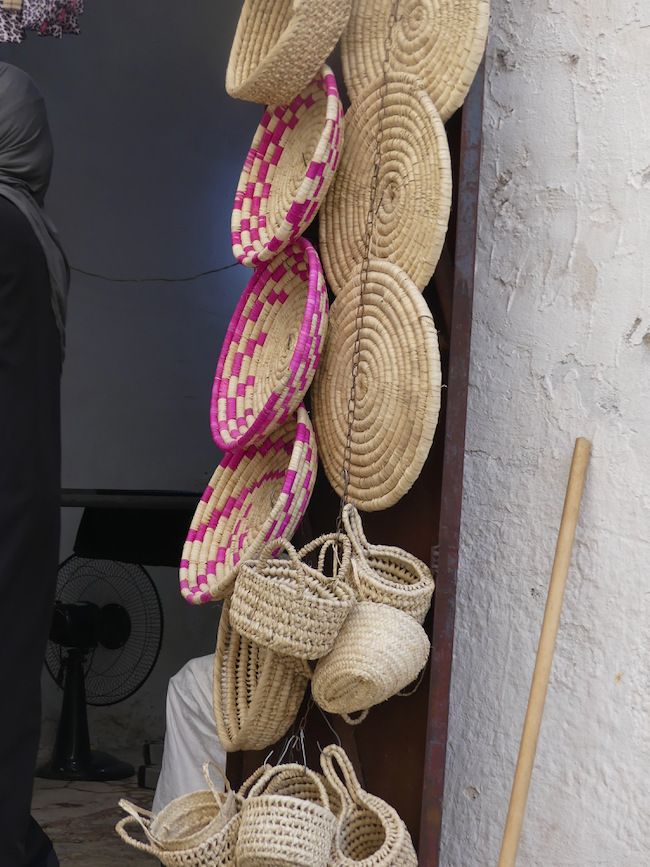


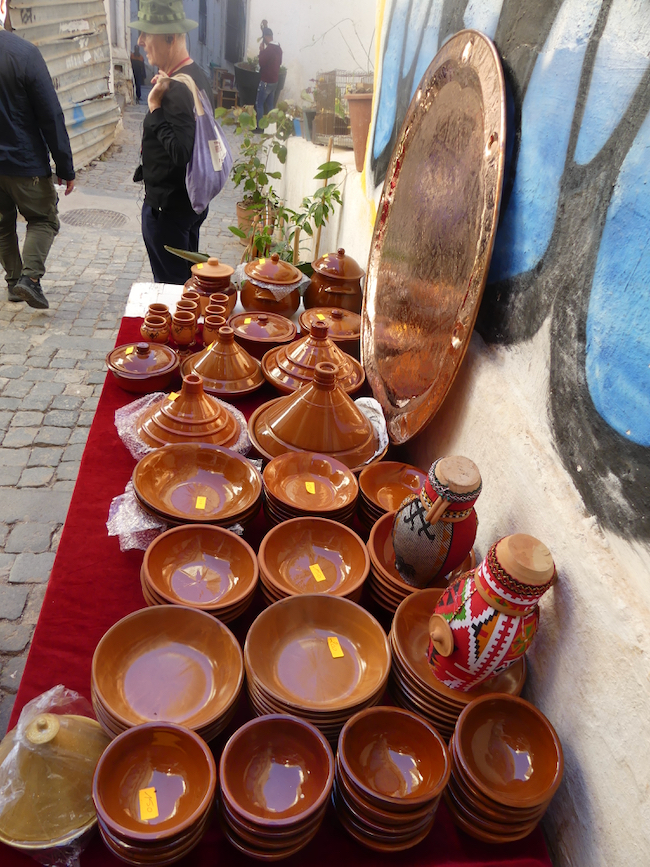
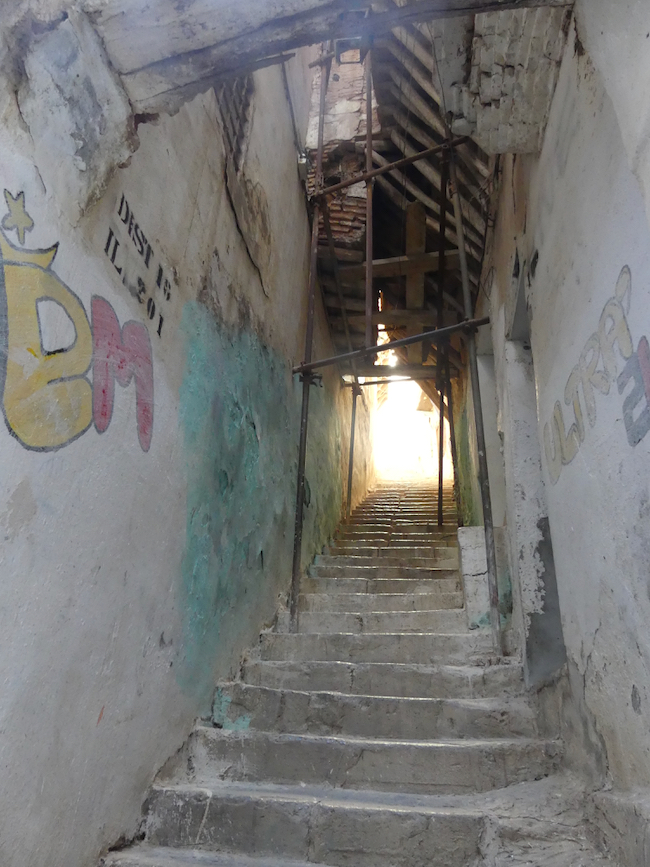




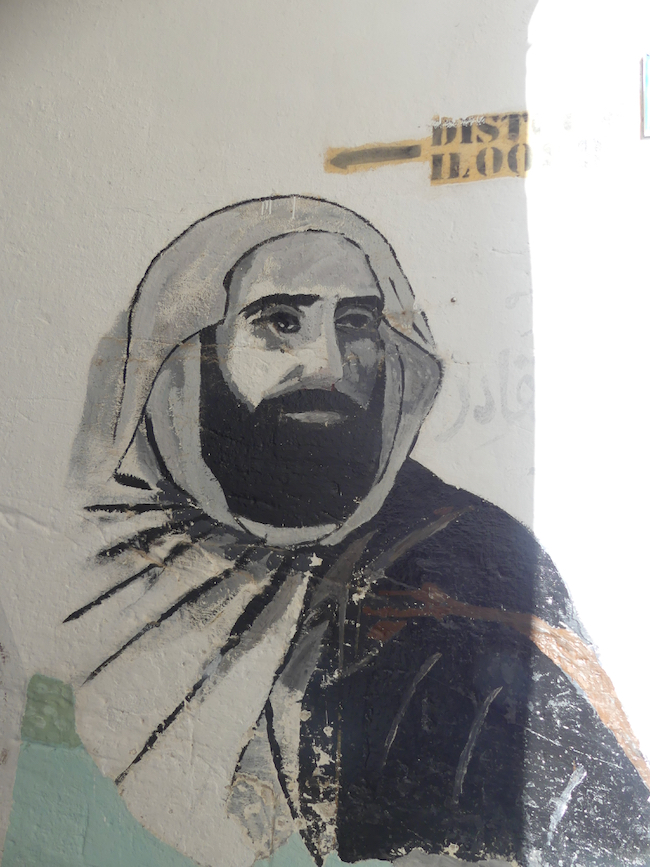
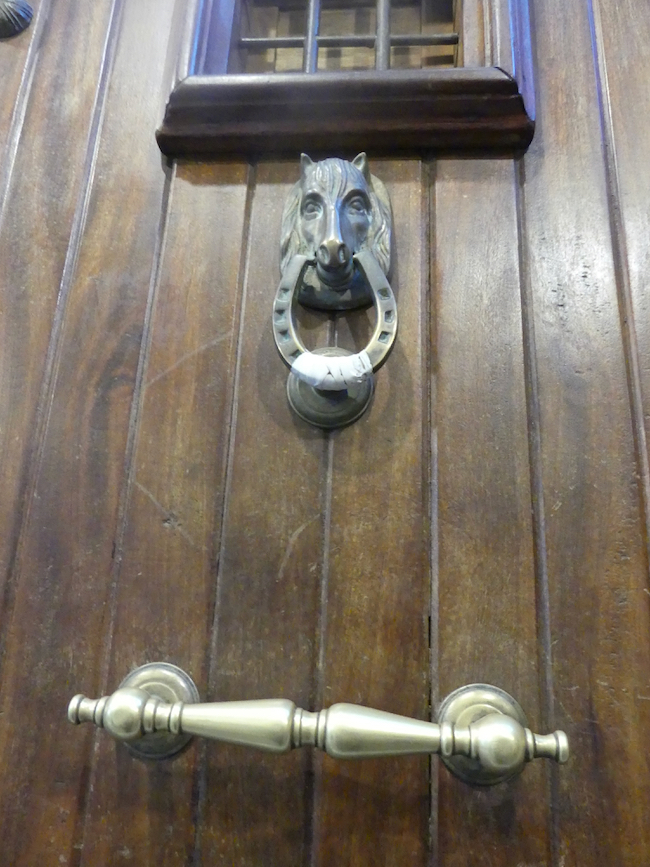

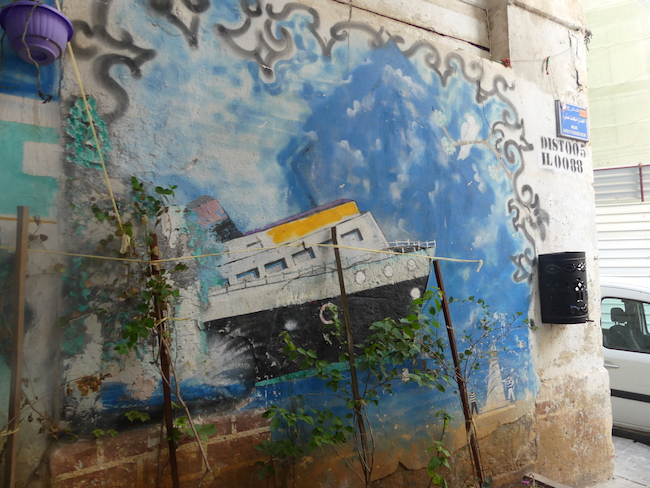
I believe this is the shop that made the traditional outfit for our guide.


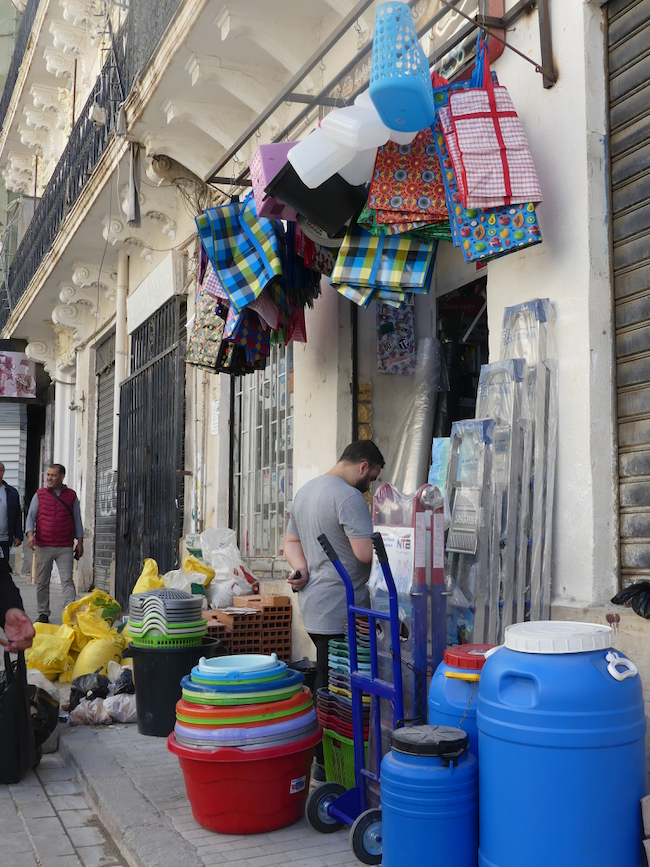


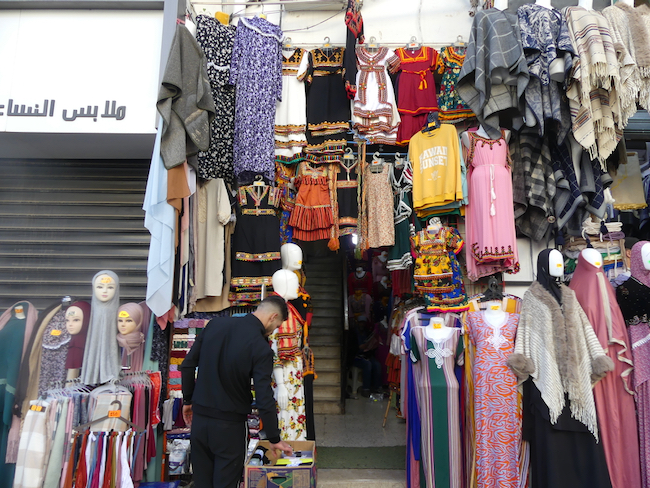
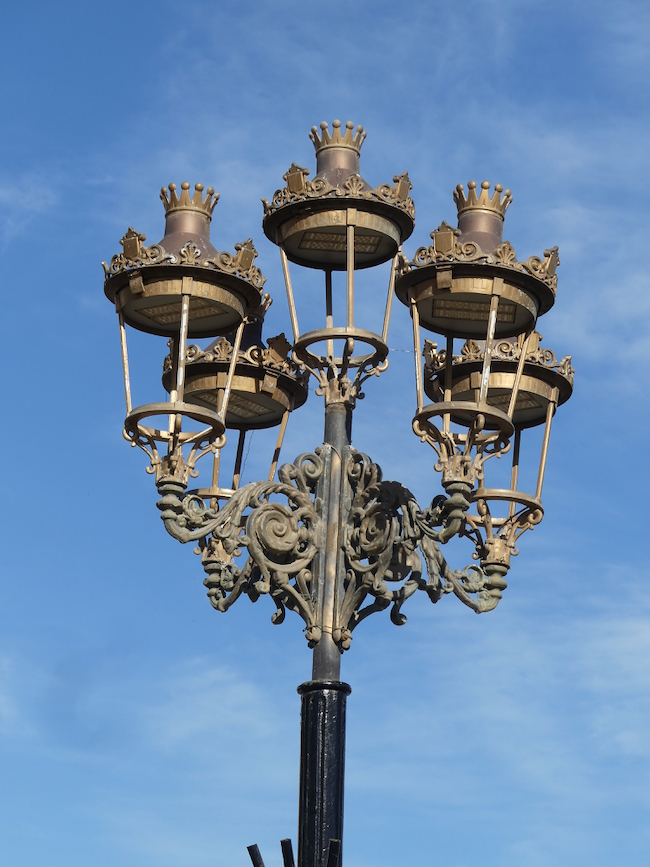
I am betting this is the fish market.
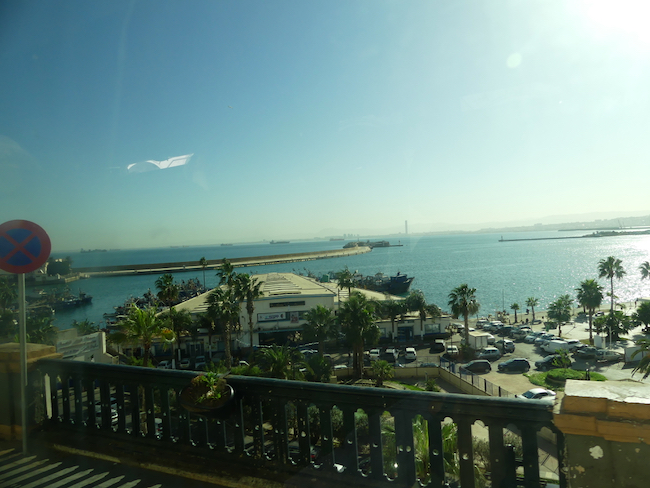
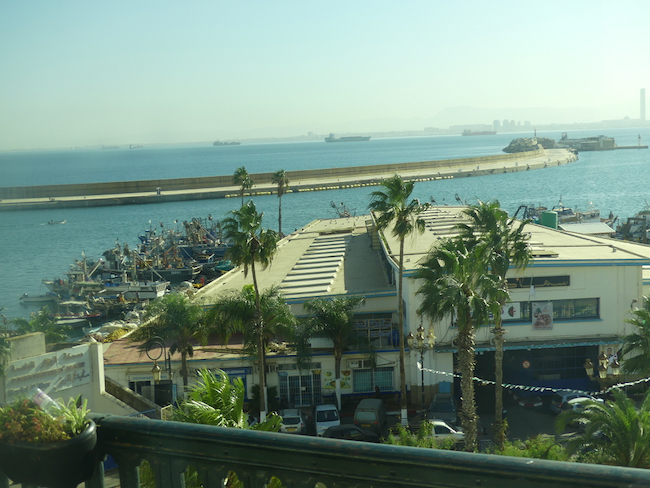
Now I am pretty sure it is the fish market!
We reboard the ship. We can’t get off again. We are really glad we chose the Casbah walking trip, we feel we got a good feel for that part of town. We never felt hostility, only curiosity, even though a huge crowd of Americans in groups of twenty-five on the narrow, normally quiet pedestrian streets must have been disruptive.
For many of the people who chose this trip, the terrain was challenging. It was stone, sometimes slippery due to sand or moisture. The steps were uneven, the stones rough and irregular. For many, the poverty was distressing, and the dirtiness and disorderlyness made them uncomfortable. I think, too, that it would have been good to let them do a little shopping, good for the tourists and good for the Algerian merchants, but the security concerns were so great that tourists were not given any time to interact with the people or the economy. Too bad. We learned that Algiers will not be included in future Morocco Malta and the Mediterranean trips.
I think, too, maybe it felt familiar to us because the slice of Algiers that we saw was very like Tunisia in the late 1970s, and it was at first a challenge to us, but we learned and adjusted.
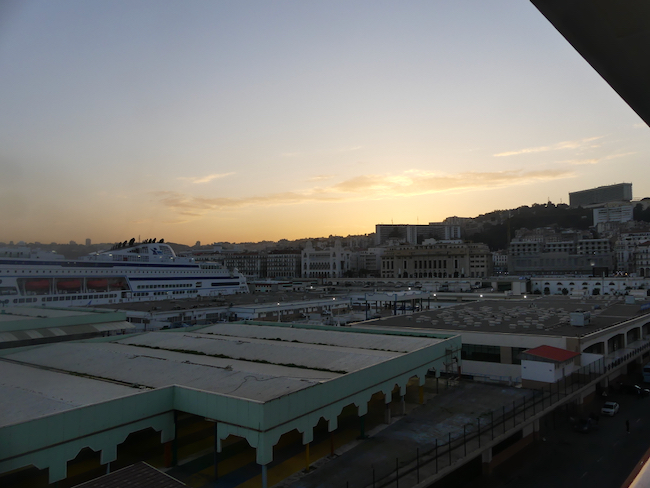


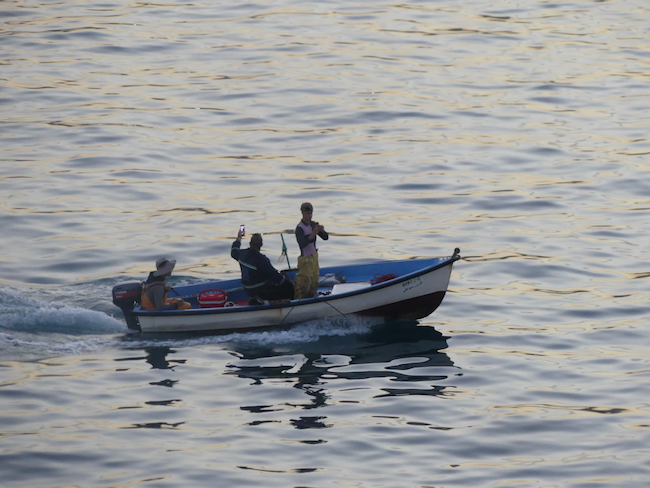

Farewell, Algiers!
The Great Sea Voyage: Barcelona to Abu Dhabi
So, my friends, I promised you a new trip, and I apologize for making you wait. We got back just in time to step back into our normal Pensacola routines and then to whirl into the celebrations of Christmas. I like to plan, I like to execute, and I like to give myself time to process. It’s time to begin.

We chose this trip three years ago. We loved the destinations, and we loved the idea of this journey, especially going through the Suez Canal. We love the idea of visiting new places, and we loved the opportunity to revisit some old favorites, especially Wadi Rum, in Jordan, where we lived in another life.
The trip itself took three weeks. We went early to Barcelona. I had been to Barcelona for an international quilt show years ago and loved it; I’ve been so eager for AdventureMan to experience the aliveness of Barcelona. We chose to go a few days early to enjoy the city.
We were traveling with Oceania, a line we haven’t sailed with before. People handle air reservations differently; we choose to let the cruise line set up the travel so that if there are changes (and in the last three years we saw lots of changes) the cruise line is ultimately responsible for getting us where we need to go.
It’s tough giving up our autonomy. This time, it was a struggle, and we finally paid extra for “custom” reservations when they kept offering us bizarre routes we didn’t want to take. At one point, we had reservations that were direct, and we liked, and then they changed, again, because of an airline time change, and we found the new ones unacceptable. At some point, we gave up. We accepted a bizarre routing and the fact that we were responsible for getting ourselves to Atlanta and back, not such a big deal, except for when things change. Right?
This is how we were routed to Barcelona: (Pensacola) – Atlanta – Detroit – Paris – Barcelona.
And here are the bags I took, except at the last minute I took everything out of the backpack and put it in a duffel, not much bigger but the space was more flexible.

We decided to go minimal and to carry everything with us. It caused a lot of agonizing, but in the end, I had everything I needed. It was enough. I think carry-on is a great idea, except it is such a hassle, I like the luxury of checking a bag and carrying a purse and a book. Having had bags go missing so many times in my life (they always caught up with us – eventually), we opted for this illusion of control.
Our first travel day was, in almost every way, a breeze. Our son picked us up on his way to work and dropped us at the airport, giving us time for a leisurely breakfast after an uneventful check-in. The flight schedule was eccentric, even convoluted, but every flight left on time and came in minutes early. Our last two flights of the day were with Air France and were delightful.
Getting to Barcelona took almost two days. We flew from Pensacola to Atlanta on our dime and picked up our cruise-related reservations in Atlanta. We checked in and had time for lunch at PF Changs. Out of Atlanta, we flew to Detroit – I’d never been to Detroit before. I had never seen a Great Lake in person. I was blown away by the vastness of Lake Erie and Lake Superior – so HUGE. I thought of Detroit and its terrible water problem and crumbling infrastructure, surrounded by water, and it seemed so infinitely sad.
Our flight out of Detroit was an Air France flight – we love Air France. Once we board an Air France, the vacation begins – they take such good of their passengers.
We had a late dinner on board; Air France does a really cool thing. They serve an appetizer course, an entree, a dessert, and drinks. They also have an express meal which is just the appetizer, bread (with French butter, better than butter I have had anywhere else), and desserts, and the dessert course features really tiny tastes. We chose the express, and then curled up and went to sleep.
I usually sleep badly on planes, but on this flight, it was all grown-ups and somehow it was mostly very quiet. I remember vaguely hearing a bell once when the air got a little turbulent, but it only awakened me slightly and I went back to sleep. My quick breakfast was yogurt and fruit and coffee, and boom, we were at Charles de Gaulle.
Big difference from prior times. While we love Air France, we always dreaded the bag drag through CdG. In years past, there were crowds pushing and snaking for hours, people pushing in line, people crying that they were going to miss their flight – it was a kind of purgatory for travelers. This time, however, it was streamlined, a piece of cake. We had a close connection, which we made with time to spare.
On the flight to Barcelona, we had a snack meal, and AdventureMan had wine, I had coffee. I asked for more, and Sophia, our flight attendant said “Oh, you like my coffee?” and I said “yes!” because it was really good. Then AdventureMan said “And I really like this wine” and she brought him a small bottle of white wine to take with him, then turned to me and said “And which wine would you like? White? Red?” and I chose a red Bordeaux, the start of our cabin collection since we don’t buy the ships drink package, but pay as we go.
We found the Oceania representative waiting outside the immigration door, and very shortly, she had us taken to our hotel with Ingrid and Juanita, who had also been on our flight. We heard Ingrid speaking harshly to Juanita, and Ingrid caught our exchanged glance and said “Oh I’m just bossy. Juanita is 92 and I have to keep her organized.”
While Juanita was toting two large bags, she might have a hearing problem and might need Ingrid’s explanations and organizing. I was amazed at how strong Juanita was.
This is a longer trip than we usually take, with a variety of temperatures. I have a small carry-on suitcase and a small duffel. They were not stuffed. Our airports are huge, however, and when you have to tote two bags from gate to gate, even take trains or underground trams and still walk a long way, those bags can get heavy. I told AdventureMan that it is different when we go West and wear jeans and casual clothes all the time and no one cares, a cruise ship is a different situation. If our future is carry-on, we will need to go on shorter cruises.
The upside is you just whiz through customs – no waiting around at the baggage carousel. So I like the carry-on idea, I just don’t like the reality of toting bags.
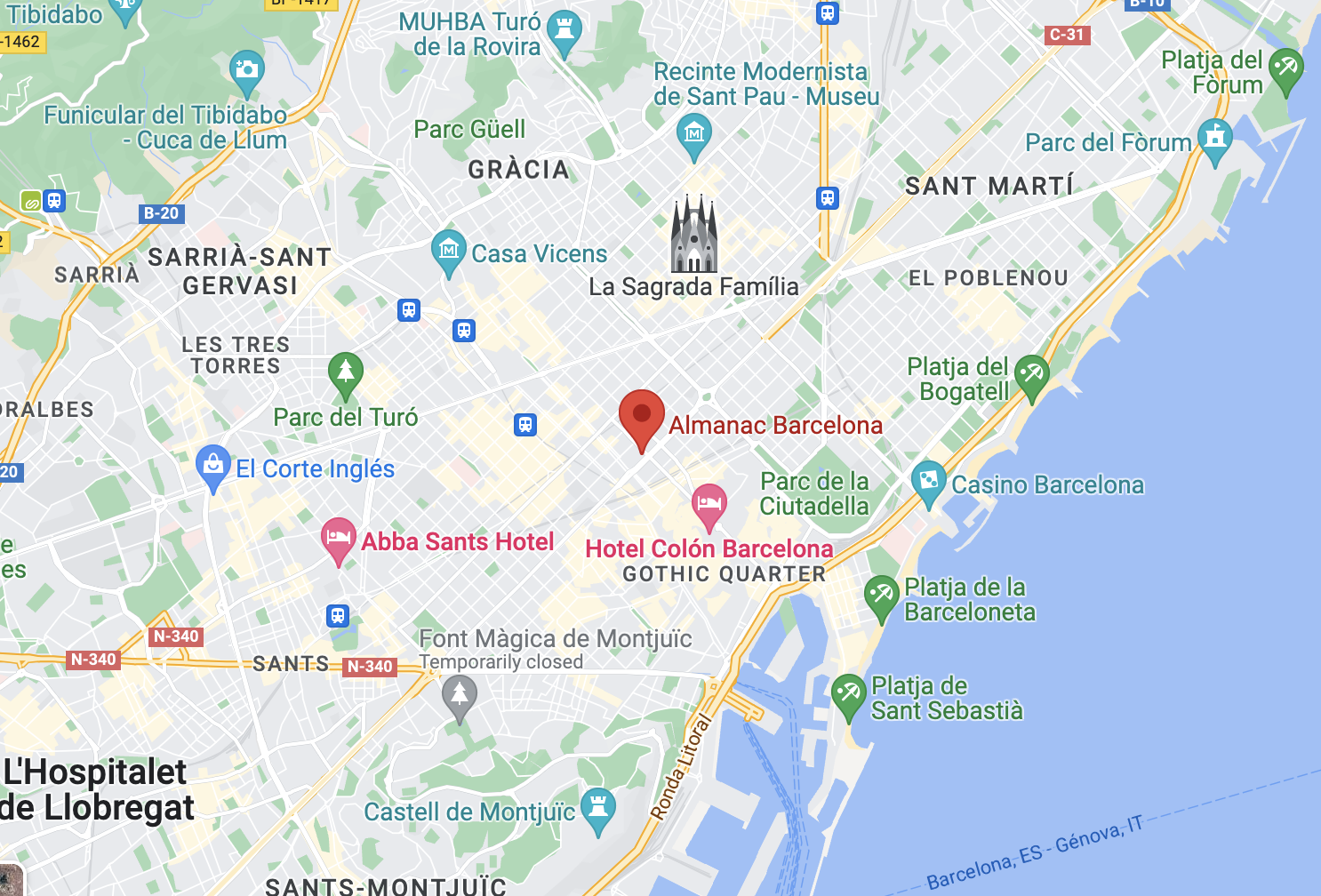
The limousine driver was kind and helpful and gave us lots of good information on the way to our hotel, the Hotel Barcelona Almanac.
“Has Your Wardrobe Changed?”
I was on my hands and knees, sandwiching two new quilts when AdventureMan seated himself near me and asked if he should take his grey-green pants on the upcoming trip. With all the baggage insecurity going around, we’ve made a decision to take a carry-on bag and one personal item, and skip checked luggage altogether.

Being the kind of person who used to over-study for tests, this is causing me some anxiety. I told him that the pants did not coordinate with enough of his wardrobe to make them useful, to stick with the tried-and-true khakis which used to be his staple, and his blue jeans, which will get him through some of the more rugged places.
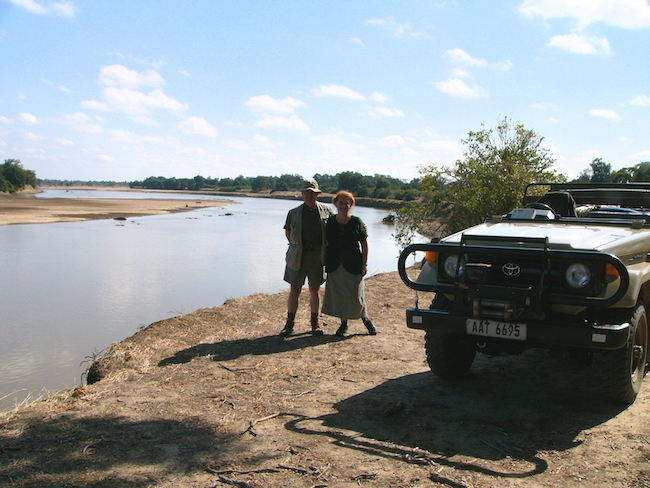
More than once, we’ve had luggage go missing. It always caught up with us, but once – in Lusaka, we were headed out into the bush the next day and had only our traveling clothes and night clothes – and, thank God, some shoes. We grabbed a taxi and found a street mall with a combination grocery and department store, stocked with camo and green clothing from China which was more or less apropos. We couldn’t be choosy, and we were thankful to find something that would get us through until, we hoped, our baggage showed up. I still love the thick green socks I found; they have worn like iron.

But this is different, this is not the bush, it is a lengthy cruise, and I am trying to pack enough cool-weather clothing for cooler places, warm-weather clothing for places that are pretty hot even when they have cooled off, and clothes for dining in specialty restaurants with a dress code. I need clothes which will be modest. I need something for just hanging around. I’ve saved old swimsuits I can wear and leave behind, so that’s one thing solved.

“We’ve never lived in one place this long, ever,” AdventureMan continued, “and I have clothes I never wear anymore, things that have just become irrelevant. I keep thinking I need to get rid of more, like the pleated pants and the dress shirts, but it’s hard, I wonder if I might need them. Does that happen with you?”
I pause in my pinning and laugh. I have one dress in three different colors, another dress in two colors, and two jean skirts. I have a winter hooded dress in five colors. I am not a big shopper, so when I find something that works, I go with multiples.
Meanwhile, yes, AdventureMan, I have that other closet full, like you, with just-in-case clothes. I still have what is left of my evening dresses. I have clothing for in case I have a business meeting, or a funeral, things maybe I’ve worn once or twice since moving here. I have the odd specialty pieces, like Christmas clothing. When will I be ready to part with my cold-weather clothing, so beautiful and once so expensive?
I laugh and tell him all the above, and then tell him that of all the clothes I wear, I still have the clothes which were made for me in Qatar and Kuwait, copies of one particular Coldwater Creek linen dress which I had copied in both linen and cotton. I have three left. I’ve been wearing them for fifteen years, and they still look like new.
“I’ve taken them in,” I tell him because I’m smaller than I was when I was relatively sedentary in Kuwait. “And I’ve taken the hems up at least twice as I’ve gotten more used to being back in America. People tell me I look nice – they used to ask me if I was a missionary wife,” I added, and we both laughed. When you live in a different culture for a while, you become adapted to local ways. I remember how disconcerting it was in summers coming back to the USA and finding all the women shockingly and scantily dressed in their sleeveless dresses and shorts and T-shirts, even respectable women and I knew the change was in me and my perceptions, not in my culture.

I am thinking the backpack will be my Godsend. I am hoping I still have the strength and energy to run through Charles de Gaulle airport with the backpack on my back, lifting the carry-on if we need to run up or down stairs. I am thinking I can strap the backpack onto the carry-on handle in the straight places. I am thinking whatever I take will be enough; I am hoping it might even be a matter of discovering I have overpacked a little less than before.
It’s a curious mentality you develop when you’re nomadic. You become aware of so many possibilities, things that can go wrong, and things you might need, so you are always thinking “just in case.”
We have a backup plan. We know there is a Carrefour (large French supermarket) in walking distance to our hotel, so we can stock up on things we don’t have room to pack, or which we can’t carry on-board an airplane – manicure scissors, needles, sun protection, and some good bottles of dry red wine for our cabin. My list gives me a small illusion of control.
I take a deep breath and remind myself that this is our get-away, our escape, and that anxiety is counter-productive. We will be fine. Enough is enough, it will be a grand adventure.
Florence Nightengale Made a Difference
Today, in addition to the readings from the Old Testament, New Testament and Gospels, the Lectionary celebrates Florence Nightingale. I had no idea how influential this woman-ahead-of-her-times was in making hospitals safer places in which to treat our wounded and sick. She observed, studied and documented sanitary practices and how changing small things – like changing the linens on beds between patients, clean latrines – could make a big difference. She brought order out of chaos, truly a Godly woman.
FLORENCE NIGHTINGALE
NURSE, RENEWER OF SOCIETY (12 AUGUST 1910)
 The commemoration of Florence Nightingale is controversial. On the one hand, she doubted or denied many of the central articles of the Creed. On the other hand, she believed in God and devoted her life to His service as she understood it.
She was born in Florence on 12 May 1820 of upper-class English parents travelling through Italy, and named for her native city. (“Florence” was not an accepted first name at the time. Her sister was born in Naples and named “Parthenope,” the Greek name for that city.) Florence was reared in the Unitarian Church, but later joined the Church of England.
In her diary, an entry shortly before her seventeenth birthday reads: “On February 7th, 1837, God spoke to me and called me to his service.” She did not know what the service would be, and therefore decided that she must remain single, so as to have no encumbrances and be ready for anything. With this in mind, she rejected a proposal of marriage from a young man whom she dearly loved. She suffered from “trances” or “dreaming” spells, in which she would lose consciousness for several minutes or longer, and be unaware when she recovered that time had passed. (Could this be a form of petit mal epilepsy? No biographer of hers that I have read uses the word.) She found the knowledge that she was subject to such spells terrifying, and feared that they meant that she was unworthy of her calling, particularly since she did not hear the voice of God again for many years. In the spring of 1844 she came to believe that her calling was to nurse the sick. In 1850 her family sent her on a tour of Egypt for her health. Some extracts from her diary follow:
March 7. God called me in the morning and asked me would I do good for Him, for Him alone without the reputation.
March 9. During half an hour I had by myself in my cabin, settled the question with God.
April 1. Not able to go out but wished God to have it all His own way. I like Him to do exactly as He likes without even telling me the reason.
May 12. Today I am thirty–the age Christ began his mission.
Now no more childish things. No more love. No more marriage. Now Lord let me think only of Thy Will, what Thou willest me to do. Oh Lord Thy Will, Thy Will.
June 10. The Lord spoke to me; he said, Give five minutes every hour to the thought of Me. Coudst thou but love Me as Lizzie loves her husband, how happy wouldst thou be.” But Lizzie does not give five minutes every hour to the thought of her husband, she thinks of him every minute, spontaneously.
Florence decided that she must train to be a nurse. Her family was horrified. In her day, nursing was done mostly by disabled army veterans or by women with no other means of support. It was common for nurses of either sex to be drunk on the job most of the time, and they had no training at all. It was common practice never to wash or change the sheets on a bed, not even when a patient died and his bed was given to a new patient. Florence was told to go to Kaiserswerth, Germany, to learn and train with the Lutheran order of Deaconesses who were running a hospital there. Back in England again, she used the influence of Sidney Herbert, a family friend and Member of Parliament, to be appointed supervisor of a sanatorium in London. Under her able guidance, it turned from a chamber of horrors into a model hospital. The innovations introduced by Miss Nightingale were, for their day, little short of revolutionary. She demanded, and got, a system of dumb-waiters that enabled food to be sent directly to every floor, so that nurses did not exhaust themselves carrying trays up numerous flights of stairs. She also invented and had installed a system of call bells by which a patient could ring from his bed and the bell would sound in the corridor, with a valve attached to the bell which opened when the bell rang, and remained open so that the nurse could see who had rung. “Without a system of this kind,” she wrote, “a nurse is converted to a pair of legs.”
While working in the poorer districts of London, Miss Nightingale encountered a Roman Catholic priest, Henry Edward Manning (later Cardinal Manning), who was working among the poor of London. She was impressed by the assistance he gave to many who had nowhere else to turn, and they became friends for life. She was greatly attracted by Roman Catholicism, but rejected much of its theology, and so reluctantly decided against joining it.
 Then war broke out in the Crimea (in Russia, on the north edge of the Black Sea), and Sir Sidney Herbert, now Secretary of War, obtained permission for Florence to lead a group of 38 nurses there. Of these, 10 were Roman Catholic nuns, 14 were Anglican nuns, and the remaining 14 were “of no particular religion, unless one counts the worship of Bacchus.” They found conditions appalling. Blankets were rotting in warehouses while the men did without, because no one had issued the proper forms for their distribution. The lavatories in the hospitals had no running water, and the latrines were tubs to be emptied by hand. But no one emptied them, since official regulations did not specify which department was responsible for doing so. The result was that the hospital had a foul stench that could be smelled for some distance outside its walls. Far more men were dying in hospitals of infection than of wounds. The chief concern of many of the Army doctors was that the nurses might usurp some of their authority. Florence gradually managed to win the doctors and other authorities over, and to reform hospital procedures, with spectacular results. Once the medical situation had ceased to be an acute problem, she turned her attention to other aspects of the soldiers’ welfare. For example, most of them squandered all their pay on drink. She noted that there was no trustworthy way for them to send money home to their families, and she set up facilities for them to do so. First, she undertook to send money home herself for any soldier in the hospital that wanted it sent, and the soldiers brought in about 1000 pounds a month. She asked the authorities to set up an official service to do this, and they refused. By appealing to Queen Victoria herself, she overcame opposition to the idea, and the men sent home 71,000 pounds sterling in less than six months. She established with her own money a reading-room with tables for writing letters, and the men used it enthusiastically. She imported four schoolmasters to give lectures, and the halls were filled to overflowing. All this was done despite opposition from officers who said, “The men are hopeless brutes. You cannot expect anything from them.”
At night, she would often patrol the wards, carrying a dim lamp, to make sure that all was well and no one was in need of help. She became famous as “the Lady with the Lamp.”
 In April 1856 the war was over, and by mid-July the hospital was emptied and her work in Crimea over. She returned to England a national hero, with a great welcome prepared for her; but she slipped into the country unnoticed and went to a convent that had supplied some of her nurses. There, she spent the day in prayer before coming out to face the public and beginning to lobby Parliament for suitable legislation. She wrote pamphlet after pamphlet, pointing out by pie charts, for example, that the major cause of deaths in the Army was not wounds caused by enemy action but disease caused by lack of proper sanitation. She is perhaps the first person to use pie charts and similar graphic devices to convey statistical information. She obtained the formation of an Army Medical Staff Corps and a Sanitary Commission to oversee military health conditions.
Throughout these efforts, she relied on the help of Sidney Herbert, insisting that he must work hard and long to get the legislation she needed through Parliament. When he protested that she was asking too much, she would not listen. His health broke, and he died in August 1861. Florence prayed God to raise him from the dead, explaining that she needed him for the job. When God failed to comply, her faith was badly shaken. She wrote a book called, Suggestions for Thought: An Address to the Artisans of England, in which she explained that God was less of a Person and more of a Cosmic Force than is generally supposed by Christians. (But note that she was working on this book before Sir Sidney died, and one cannot call it simply a response to his death.) Advance copies were given to a few friends, such as John Stuart Mill, who praised it highly. However, it was never published (I have not seen it, and neither the Library of Congress nor the National library of Medicine has a copy, nor any other library in the United States that I have been able to learn of), since Florence kept revising it — arguably, because her beliefs on the nature of God were simply not internally consistent. Eventually, it seems, God spoke to her again and said, “You are here to carry out my program. I am not here to carry out yours.” She wrote in her diary, “I must remember that God is not my private secretary.”
Before his death, Sir Sidney had gotten her involved in Indian affairs. She served on the Indian Sanitary Commission. In May 1859, she decided that there were insufficient data available in England on conditions in the Indian Army, and she wrote to 200 military stations there, asking for copies of all regulations and all documents relating to the health and sanitary administration of the army. The reports that came back filled two vans. She read them all and summarized them for the Report of the Commission. Her conclusion was that the death toll from disease in the Indian Army was appallingly high (69 out of 1000 annually), and that this was largely due, not to the climate, but to lack of sanitation, and that preventive measures included sanitation not just for army posts but for neighboring villages and, in the long run, for all of India.
She was a friend of General Charles George Gordon, who captured the British imagination when he and his troops were beseiged at Khartoum in the Sudan, and finally captured and killed. After his death, Florence wrote to a friend that suffering, disappointment, and lack of success are the tribute which it is the soul’s greatest privilege to present to God. In Gordon’s death, she wrote, we see “the triumph of failure, the triumph of the Cross. With him, all is well.”
She met the scholar Benjamin Jowett, who was translating Plato into English. They became fast friends, and she contributed to the translation. She also began an anthology of mystical writings, called “Notes from Devotional Authors of the Middle Ages, Collected, Chosen, and Freely Translated by Florence Nightingale.” It was her contention that mystical prayer is not just for monks and nuns, but should form a part of the every-day life of ordinary persons.
Under the strain of ceaseless overwork, her own health broke, and she was an invalid for the latter half of her life. On Christmas Day when she was sixty-five, she wrote: “Today, O Lord, let me dedicate this crumbling old woman to thee. Behold the handmaid of the Lord. I was thy handmaid as a girl. Since then, I have backslid.” She wrote a manual called Notes for Nurses, and a set of instructions for the matron in charge of training nurses, emphasizing the importance for a nurse of a schedule of daily prayer. A few years before her death, she was the first woman to receive the Order of Merit from the British government. She died at ninety, and, by her directions, her tombstone read simply, “F.N. 1820-1910”.
Florence Nightingale died on 13 August 1910, and is commemorated on this day on the Lutheran Calendar. The Episcopal calendar commemorates Jeremy Taylor on 13 August, and accordingly has shifted the commemoration of Nightingale to 18 May. I am not sure of the significance of this date, but it is the date (or nearly) of the opening of the Nightingale Training School for Nurses in 1860. [Note: the current date in the Episcopal Church for her commemoration is 12 Aug.]
by James Kiefer
AdventureMan Does Yoga
“Move your spine in all directions at least once a day,” AdventureMan’s new yoga-instructor-via-Netflix advises.

AdventureMan has a whole new cadre of bossy women in his life. He has Julia, his Netflix advisor, he has Petrina, his expert masseuse at the YMCA who can tell just by touching him what he has been doing. She can be much more direct, and expects results. AdventureMan, who is a man who will not be bossed, is amazingly docile when it comes to these two women.
He also objects to bossy males, so when our yoga-naturals, Ragnar and Uhtred, join him in his exercises, we just laugh. They can bend in ways he can never aspire to, get their heads between their legs, roll and curl backwards. They love it when he cranks up the computer to do his spinal exercises. Cats have certain advantages doing yoga.
It all started months ago during COVID when I couldn’t swim at the Y and felt the need to DO something. I got out my mat, found a good program and started in. It was Yoga for Beginners, with Adrienne, very relaxed if you are not me. I used to do ballet, form is everything, and you strive for exactness. Trying to do yoga exactly is sort of the opposite of all intents, so instead of feeling relaxed when I finished, I had a migraine from trying too hard.

But AdventureMan watched and was intrigued. He likes privacy. He also has issues I don’t have, aches and pains that gentle yoga can help. He got a beautiful yoga mat for Christmas. We did yoga together a couple times, and then I was back swimming laps and he got into walking and yoga. To my surprise, it is July, and he is still faithful, both to Julia and to Petrina. He has lost weight. He has gained some balance and stability, and his spine is more flexible. I join him occasionally in the spinal tape; it is gentle and doable without pressing my OCD button.
No, these photos are not AdventureMan, just images that give an idea what the gentle art of yoga can help people do to develop strength and balance.
Pork with Roasted Apples and Onions
“Where did you get this recipe? What gave you the idea?” AdventureMan asked as we feasted on a meal I wasn’t even sure we were going to like when I started it.
“Ken Follett,” I said slowly, trying to remember which book. I think it was A Column of Fire. The characters serve a meal of pork and apples, and it’s not anything I have cooked before, that combination, so down the rabbit hole I went. I have my Kindle on my laptop, I can check maps of where books are set, I can look up obscure words, and when something intrigues me, I can take a few minutes and follow that path.
I wasn’t sure how these ingredients would go, I wasn’t sure we would like fennel seeds, I wasn’t sure this was really a good recipe for us, but it sounds so good on a cold winters day and I had a pork tenderloin in the freezer. I pulled it out early in the day, read through the recipe, discovered my tenderloin was larger so I increased the amount of apples and onions by half. Actually, when I made the recipe, I didn’t really measure that closely; you can sort of tell from the instructions that this is another of those very forgiving recipes.
AdventureMan had some tiny potatoes left from his Bourride with Aioli, so he roasted them up with oil and garlic, salt and parsley, we put together a small green salad, and a feast was on the table. One bite and we agreed we have had such things on winter nights in France – and in Germany. These ingredients are so simple and the preparation, while a little fiddly, goes very quickly and easily. The combination is yummy.

Pork Tenderloin with Roasted Apples and Onions
Makes 4 servings
1 large pork tenderloin (about 14 ounces) (ours was 24 oz.)
3 tablespoons olive oil, divided
2 tablespoons whole grain Dijon mustard
2 teaspoons fennel seeds
1 large onion, sliced
2 medium Granny Smith apples, peeled, cored, sliced 1/4 inch thick
1/2 cup dry white wine or apple cider
PREPARATION
Preheat oven to 450°F. Season pork with salt and pepper.
Heat 2 tablespoons oil in large nonstick ovenproof skillet over medium-high heat. Add pork and sear until all sides are brown, turning occasionally, about 5 minutes.
Transfer pork to plate. Cool slightly. Spread mustard over top and sides of pork; press fennel seeds into mustard.
Add remaining 1 tablespoon oil to skillet. Add onion slices and apples; sauté over medium heat until golden, about 5 minutes. Spread evenly in skillet and sprinkle with salt and pepper. Place pork atop apple-onion mixture.
Transfer skillet to oven and roast until apple-onion mixture is soft and brown and meat thermometer inserted into center of pork registers 150°F, about 15 minutes. Transfer pork to platter and tent with foil. Let stand 5 minutes.
Meanwhile, pour white wine over apple-onion mixture in skillet. Stir mixture over high heat until slightly reduced, about 2 minutes. Cut pork on diagonal into 1/2-inch-thick slices. Spoon apple-onion mixture onto plates. Top with pork and serve.
From Epicurious who credits Bon Appetite February 2004
Thank you, Epicurious, and thank you Ken Follett!
Quality of Life: Sparkles

This started when my grandchildren were small, and I had Swarovski crystal stars which over the years and the many moves have lost a bit here or there. I decided to hang them in a window that catches the late afternoon sun, so that they would cast sparkles around my office walls and ceilings. Some tiny disco mirrored ball casts little white sparkles; the crystal stars send shards of rainbow spinning across the ceiling.
I say I hung them to delight my grandchildren. Haha. It is my own delight, late each afternoon, watching the splinters of light track around my room adding sparkle to my quality of life.
Here is what this year’s Swarovski Christmas Star looks like, missing no pieces:

Wrapping up the Year in New Orleans
I bet you think we are going to write about a grand adventure partying in New Orleans, crowded with people eager to watch the Sugar Bowl, parades, grand times. I could – but our visit was a little different.
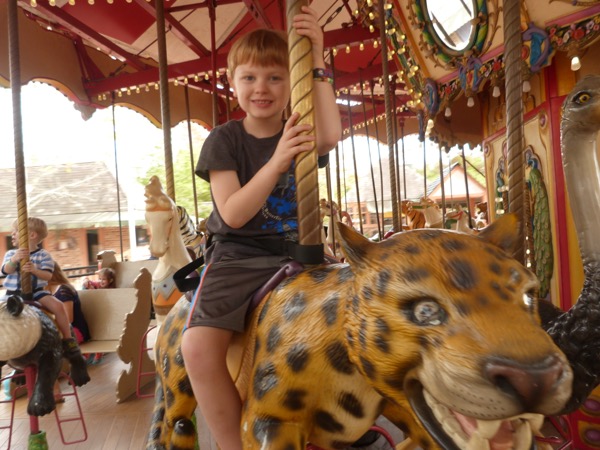
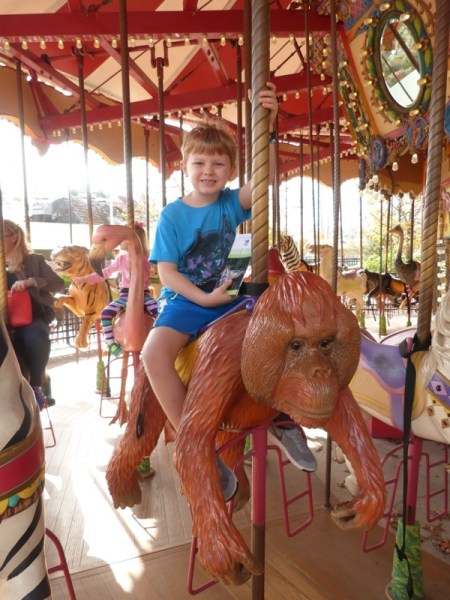
AdventureMan and I DID have a grand adventure – taking the 6 year old and 3 year old grandchildren to New Orleans for three days. We were a little aghast at the enormity of our undertaking, but AdventureMan did a little investigating, and found a wonderful solution – The Audubon Nature Institute has an annual family membership which gets you into the New Orleans zoo, the Aquarium, the Butterfly Garden and the Insectarium, and invited to special events, for a year.
Even better, the cost of the year-long family membership is so reasonable that our first trip to the zoo paid off the entire membership. The next day, the children voted that we visit the zoo again, and the third day we visited the aquarium. We can go back all year, walk in through the membership gate (that is a great feature, beats standing in line for tickets) and get a membership discount in the gift shop. This is a real deal. You can find it at Audubon Nature Institute, you can join online and print out your temporary membership card. What a great value for the money.







“If Not Now, When?”

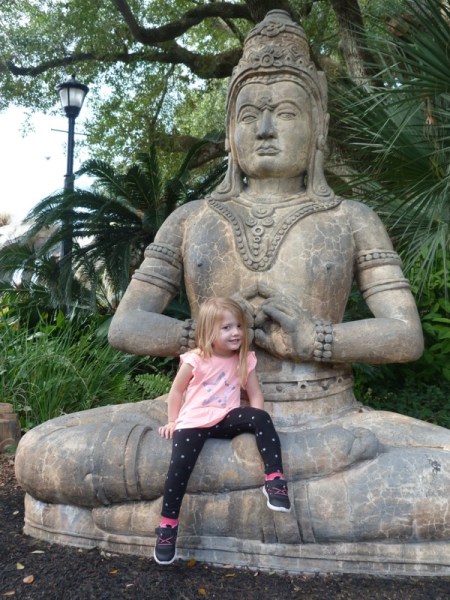
(This is not the actual slide; the YMCA slide is indoors, and has two loops)
Our brand new YMCA has opened in Pensacola, and it has TWO pools – and a water slide.
Yesterday, there was one swimmer and one wallower as I entered the swim area for water aerobics with two of my friends. This was the perfect time. I asked the life guard if he could open the water slide long enough for us to go down.
My friends looked at me like I had grown a second head.
“If not now, when?” I asked them. “We’re not getting any younger. Who knows, tomorrow we might not be able!”
They were game. They followed me up the stairs, then others began to follow. It occurred to me that there was no going back, and that I had put myself in this position, where I couldn’t back out.
The lifeguard turned on the gush of water that lubricates and speeds your ride through the tube. I didn’t wait to let fear claim me, I jumped into the entry and went.
It was dark. It was fast. It was terrifying. You come out twisted and disoriented, not sure which way is up. It’s a lot like being born – there is NO light in the tube, and when light appears, there is a big gush of water as you are thrown out into the pool. I cam up sputtering.
Everyone did. We all looked proudly at one another and agreed that we are glad we did it – once. And never again.
Recent Comments
ExpatAlien on What Country am I Living … intlxpatr on Yellowstone: Old Faithful to C… Michelle on Yellowstone: Old Faithful to C… Cathy on No Grown-Ups in Charge intlxpatr on Waiting for Snow Wikipedia Donate Button

Amazina


Early Voting in Florida


 Here There and Everywhere