Breakfast at Google
The groom, my favorite nephew, Earthling, invited us to tour Google and have breakfast there this morning. What a thrill. We are all such geeks; being in Cupertino is just so much fun. Even Mom raved at the good breakfast available at Google, and . . . at the HEATED toilet seats in the ladies room!


Cypress Hotel, Cupertino
Woooo Hoooooooo! The gang’s all here! When I arrived at the hotel (once again, my license was “declined” at the rental car agency. I showed them my brand new sparkling license and they said that it wasn’t in the system yet. Oh, I love bureaucracy! It just took more time.)
Here are a couple shots from my short two hour flight on Alaska airlines:


But oh, I am in heaven. No more rain, temperatures in the 70’s with a stiff breeze. The freeways aren’t crowded – at least not when I was driving in – I had the windows down, the wind blowing through my hair and I remember how much I LOVE California. Thanks to GoogleEarth, I have the exact directions to the hotel, including fractions of miles travelled, and I get here without any mishap. There is ample parking. The reception is cordial and efficient, and . . . there is a big plate of chocolate chip cookies waiting to greet the guests.
My room is a hoot. The only thing missing is . . . AdventureMan. Oh, AdventureMan, you would love this place.

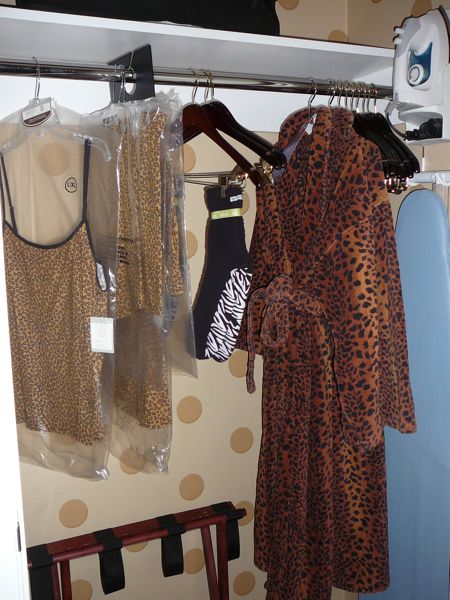


At 5, there is wine in the lobby. This week, ironically, it is wines from Washington State, which are good, but I just came from there! As it turned out, the red wine I had was excellent. The gang gathered, laughing and exchanging family lore, welcoming the bride into our very geeky and kookie family.

Now I have to apologize. We all went out and ate barbeque. I was SO hungry, I forgot to take photos. My bad.
This is the view from my room at sunset:

Today, we are doing a tour of Google! Wooooo HOOOOOOO!
A Day When Kuwait Looks Really Good
This day started off really early, because Mom and Sparkle are leaving on a two day road trip to the BIG EVENT in Silicon Valley. Yep, I noticed my hotel is just down the street from the Apple Headquarters for the entire world. This is going to be fun!
I wanted to get the documentary shots and I also wanted to get some laundry done before I head for the same wedding, but I am flying, so I have an extra day here. Mom and Sparkle needed to drive, they have significant clothes, clothes for every event, important clothes, important shoes, important make up and accessories, and then more clothes for the road trip drifting along the Pacific Coast all the way back, so they needed to have a wagon to haul all their clothes.
Besides – a road trip . . . road trips are always fun! Sparkle loves to drive, and Mom always loves a trip, especially a trip with a wedding in it.
Bye, Mom! Bye, Sparkle!
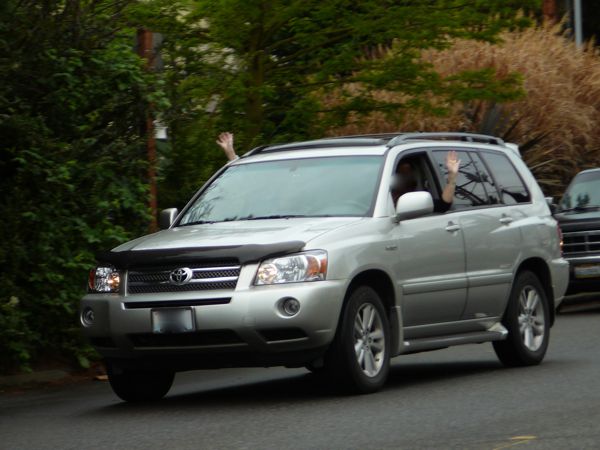
I don’t have a lot of laundry, it takes me maybe a couple hours, and then I leave, deciding to fill the tank today as I will drive straight to the airport tomorrow. This Jeep uses more gas than my normal car, even though it seems to be about the same size. When I get to the tank, however, the pump keeps going and going and going and my eyes get bigger and bigger and bigger.
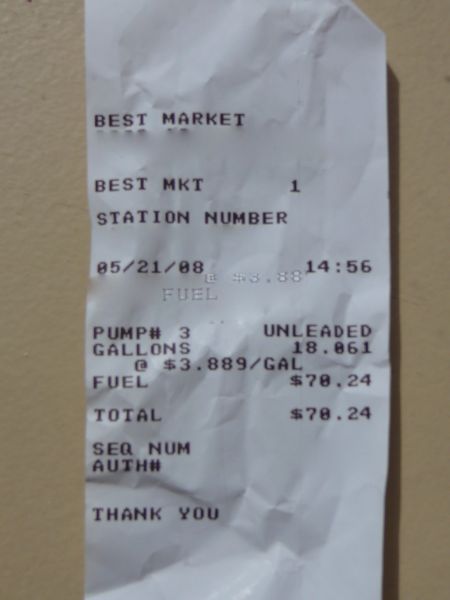
For those of you who do not live in Kuwait, an oil producing country with world class cars, we pay about 80 cents a gallon for our gas. My little SUV, which I fill every now and then, takes about ten gallons when I fill it. So I normally pay around $10.00 max to fill my car, and that is when I drift in on fumes.
This is what I paid today:
And you know how in movies when they open a bank vault, you can hear all kinds of whirrs and levers and things falling into place?
You would have heard that today, as my brain whirred and clicked and chunks of information fell into place:
° The big grin when the car rental guy said he was doing me a big favor and upgrading me to an SUV at no additional cost to me.
° The huge herd of SUV’s waiting in the auto rental pick-up place; not a normal rental car in sight.
° My mother and sister driving to San Jose, overnighting along the way, and God only knows how often they will have to fill the tank – although they ARE driving a hybrid, and that should help a little. Still, it makes my flight a real bargain, especially since I booked and paid back in January before the huge increases hit.
Buying gas in Kuwait is a THRILL! Buying gas in Seattle is heart-stopping!
The second thing I noticed that makes Kuwait look really really good is you know how we have been talking about the beautiful cool weather and the rain?
I took one outfit out of the dryer still very damp; I do it all the time in Kuwait, take them out, shake them, hang them up and they dry beautifully, and I don’t have to iron very much. In Kuwait, things dry really Really REALLY fast. Like a cotton dress, even fresh out of the washer, will be dry in one hour.
Hours later, this little cotton outfit taken from the dryer in Seattle, is still cold and damp around the seams. I’ve even ironed and the seams are still damp. Maybe if I hang the outfit overnight in the warm bathroom it will be dry enough to pack tomorrow. Maybe I should microwave it? Or maybe I can pack it damp and then pull it out of the suitcase as soon as I get to San Jose and hope it will dry before my flight back to Kuwait?
Rain Boughs
I could hear the rain falling heavily when I awoke this morning, and as I looked out, the drops were gleaming heavily on the pine boughs just outside my window. They were so beautiful! Another photo-op:

As I got in the car to head over to my Mom’s, this is what I saw through the windshield:

These photos are for 3baid @ Anything Goes, who wants rain desperately. 3baid, tell your brother we are still waiting for the photo of you sleeping on the floor drooling! 😉
Child’s Play at the Mall
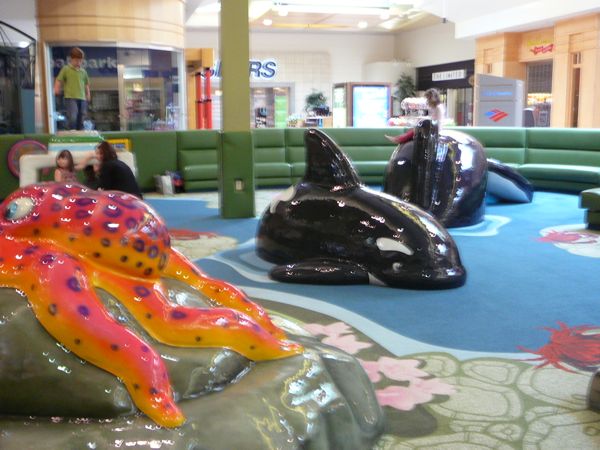
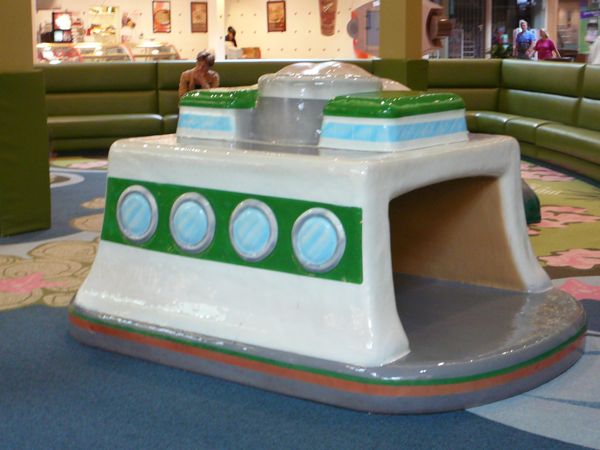
I love these playthings! There was a whole crowd of children in the mall this morning, playing on Mt. Rainier, an octopus, and a couple whales. My very favorite is the big ferry boat:

Upholstery Class
About ten years ago, I was in school and didn’t like what I was studying very much, so I took a class in upholstering furniture. I loved it.
First you take the old furniture and your have to undo all the nails and take all the worn and dirty upholstery off, until you get the furniture down to the bones. Trust me, it is very hard work, and it is dirty. You can work at it all day, and your muscles ache at the end of the day.
If there are exposed wood surfaces, you have to strip them and sand them down and refinish them. That is very painstaking work. Then you have to re-foam and re-pad the seating and back surfaces. Finally, at the very last – you get to put on the new fabric.
Why am I telling you all this? Because that new fabric makes all the difference. I saw some new fabric today, and I have nothing to re-upholster. I love this fabric! I could see it on dining room chairs, I could see it on a sleek couch in my bedroom! It is so bright, so cheerful, so upbeat!

I am not sure AdventureMan would like that fabric at all. It’s probably a good thing I didn’t buy that fabric!
10,000 Steps Continued
As you know, I began an exercise program a few weeks ago called 10,000 Steps – you can find out more about it here: 10,000 Steps. I don’t have very good luck with gyms . . . it’s just a waste of money for me; I sign up all enthusiastic, and by the second day at the gym I am already trying to find ways to get out of it. I get bored. Exercise is BORING!
But I love walking. Actually I love water aerobics, too, when there aren’t a bunch of googly-eyed guys watching, and when I have a gaggle of girlfriends to laugh and pass the time with while we exercise and I just don’t have that opportunity in Kuwait.
So I got sick and tired of myself NOT exercising and decided to work on 10,000 steps. I’ve been doing pretty well, too, worked up to running 6,000 steps before I left, and it only takes me about 35 minutes.
The other day I bought a pedometer. Today I put it on for the first time.
You have to understand, when I come back to Seattle, I have THE LIST with me. The list is all the things that are hard to get or impossible to get in Kuwait, or just annoying to have to track down. Occasionally, like this time, I also have things to get for friends. . . just a little thing here and there, but it all goes on THE LIST.
Around noon I called my Mom and said I would be by in about an hour with lunch. When I got there, I remembered I had my pedometer on, and I checked it – I was already at 9,081 steps! By the time I got back to my hotel, it had started over.
I love it. I am tired at the end of each day from running around, my legs even ache and my feet hurt and I love it. Even the hot days – there were two of them, and now it is cloudy and it is going to rain and they just don’t get it at all that I LOVE the rain – the hot days weren’t that bad.
I am going to be in PAIN when I get back to Kuwait and face days of 115°F again! It is 70°F / 21° C in Seattle today.
Girl’s Night Out
Sorry AdventureMan, I have had my first Mexican meal, and it was wonderful. You could have come! You could have come to wedding with me! You could have had Ivar’s seafood, and you could have had Las Brisas wonderful Mexican food.
My Mom insisted my sister try my new camera and take some photos of me. Of course, we got the giggles and every shot she took of me was worse than the one before. She said the photo gene skipped her, and – Sparkle – I agree. Those were some pretty awful photos. Of course, being hit by that great train jet lag didn’t help me to be a great subject.
Mom had the Camarones al Diablo, her long time favorite, and Sparkle and I had Chicken Mole. It was good, and we are looking forward to some time in California, with non-dumbed-down Mexican food, spicy!
The camarones (shrimp):
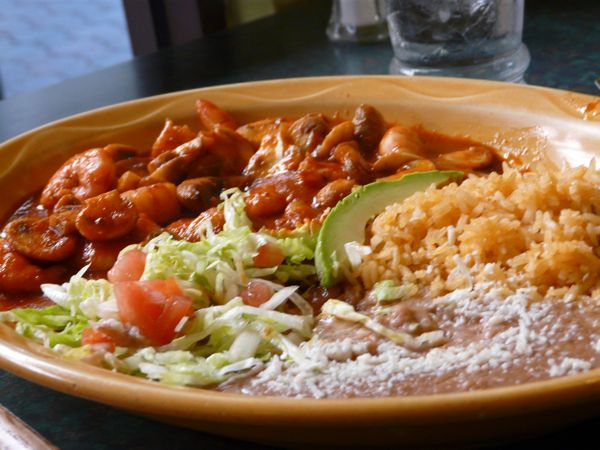
The chicken mole:

Wish I could bring you some, AdventureMan!
Old Time Kuwait
Last night, driving around our area, we saw something new, something I love. In place of the now-departed semi-permanent constructed diwaniyyas with their comforts and air conditioning, we saw a return of the old diwaniyya benches, with cushions, and traditionally dressed men lounging, conversing, solving the problems of Kuwait and the world out in the relative cool of evening in Kuwait.
It looked like the old days. It could have been ten years ago.
I wonder if there isn’t a new feeling, with a change of venue? I wonder if the absence of walls and modernity will bring a new openness in diwaniyya attendance? At one diwaniyya, I even saw coffee being brewed in the old pots, over coals, in a brass brazier.
Poor AdventureMan. He knows I always have my camera with me. He is terrified I will embarass him by stopping and asking if I can take photos. Rest easy, AdventureMan, I don’t have that much courage. 🙂
AdventureMan wants to know: In Qatar, gatherings are called Majlis, the room is called a majlis. How does majlis differ from diwaniyya?
109° F / 43° C
My eyes just popped out of my head. As I was checking the blog, I saw that the current temperature has hit 109° F.
Hello??? This is May, not even mid-May. Holy Smokes, if this is what May looks like, I can hardly wait to see summer (said with tongue in cheek.)
Many many thanks to the hard working volunteers at Safat who got a whole bunch of us back in the aggregate. I don’t know what happened, but I know you guys don’t get paid and that you do this out of the goodness of your hearts, as a public service to the Kuwait community. God bless the work of your hands. Thank you.
AdventureMan said the highways were empty this morning as he headed in to work. What does this mourning period do to the elections in Kuwait, scheduled for this Saturday? Will they be postponed?
Recent Comments
intlxpatr on Shampoo Ginger tigerbutterya0c5ff1d… on Shampoo Ginger intlxpatr on British Soldier Kidnapped, Esc… John on British Soldier Kidnapped, Esc… intlxpatr on British Soldier Kidnapped, Esc… Wikipedia Donate Button

Amazina


Early Voting in Florida


