Merry Christmas, Kuwait!
It is seven in the morning, and AdventureMan is sleeping in a little, giving me a chance to catch up with YOU.

We have always waited until morning to open our gifts. Last night, after our guests left, we said “No children! We could open our presents tonight!” and then . . . we laughed. It was late and we were tired and we needed our sleep. (I never thought I would see the day, so old that I would want to go to bed more than to open presents.)
Christmas Eve was so special, spent with dear friends, reminiscing over times together, past Christmases. There is one great thing about being an older adult, and that is you are no longer involved in the frenzy of school and church and after-school youth activities. At nine at night, I am not busy trying to get my son’s acolyte robe ironed, ready for the midnight service, I am not frantically putting together the last few plates of cookies that I am required to provide for a million events I don’t really even want to attend. Christmas is much more peaceful, more measured, less frantic now, and I love being able to enjoy the holiday at a more measured pace. Isn’t life full of delicious ironies, that I can enjoy Christmas more in a Moslem country?
One Christian friend told me years ago that Satan tries to distract us during the holiest days. (I would have imagined that to be true for my Moslem friends, too, but I think I remember that Satan is jailed during the month of Ramadan, and cannot tempt you; that if temptation comes, it is coming from your own heart and shows you where you need to work on your character.) Yesterday, as I was working on the Christmas Eve dinner, my kitchen faucet broke – simply would not shut off. Anytime I wanted to use water, I had to go under the sink and turn two knobs, or water would just continue to run.
My friend called and asked if she could use my oven, which, fortunately, I had just turned on, but wasn’t planning to use immediately, so she came for about half an hour and we had an unexpected and delightful visit while I worked on vegetables and she baked her Christmas cake.
If that was Satan, well, he inconvenienced us, but he certainly didn’t get in the way of our enjoying Christmas. Ha Ha on you, Satan!
I intended to take a bunch of photos showing you our Christmas Eve dinner, but it’s like you get on this track, and then the track takes over, and I only have a few images to show you, and nothing really from the meal.
This is my oldest cookbook, I think I even had it before I was married. The glue has started to fail, pages are falling out, there are drops and stains throughout the book, but I don’t want to replace it because it has so many memories. This is my go-to book when I need an overview on how things work, and a basic, tried and true recipe.
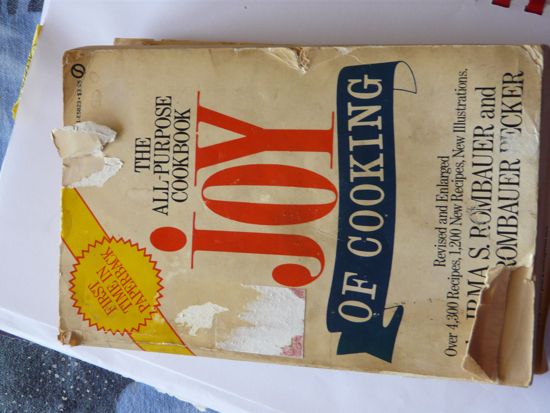
Yesterday was a relatively easy day, pulling things out and putting them together. The harder days were before – creating the menu, figuring out what I needed from the store and getting it (AdventureMan helped) and “prepping”, i.e. getting all the walnuts chopped, the onions, the parsley, the cheese grated, etc. That’s the really hard work, I think.

One thing required a little extra preparation – I wanted to make peppermint candy ice cream, something I have made before. but a long time ago. It requires peppermint candy. Once I saw peppermint candy here, but it was a long time ago, in like February – I guess it hadn’t gotten here in time for Christmas. I brought back some from my recent trip to the US.
The ingredients for peppermint candy ice cream are wonderfully easy:
3 cups cream
2 cups crushed peppermint candy
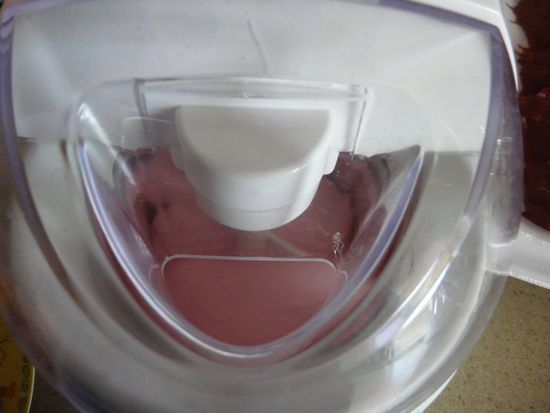
You add one cup to the cream, put it in the refrigerator overnight. The next day, you stir it, and put it in the ice cream making machine to process. When it is nearly finished (it is thickened and the machine starts to labor) you put the remaining one cup of crushed peppermint candy in through the tube where you can make additions, allow it to process maybe 30 seconds, then – it is finished.
No, there was no added sugar, there is enough in the candy to make it sweet enough. Because it is pure cream and no additives, it is very very fattening and very very delicious.
How will we spend Christmas Day? When AdventureMan gets up, I will heat him up a cup of Christmas punch and we will open the presents in our stockings:


Here is what the rule is – laid down in my family many many uncountable years ago – as long as you believe in Santa Claus, Santa Claus will come. To this day, we believe in Santa Claus, so when we wake up on Christmas morning, we have stockings with little gifts. (I think maybe one of mine sparkles 😉 )
We also open gifts from family – and the gifts from our son and his wife arrived just in time, yesterday, and are under the tree!

Then, we will get ready for church, and go and greet all our church friends – Merry Christmas! Merry Christmas!
That is . . . unless the plumber comes to fix the faucet. Yes, for my friends who do not live in Kuwait, for the rest of the world, this is just any old day, and plumbers come on Christmas day. They do NOT come on Fridays, the Moslem world Sunday, so if the plumber comes – and we just never know when that might be – I would have to miss church.
We will gather again tonight with friends for Christmas dinner. Unless the plumber comes.
(No, Satan, I can roll with this. You are NOT going to ruin my Christmas!)
I wish you all a great day, a wonderful, sweet day.
PS. The Qatteri Cat celebrated by eating three Kuwaiti shrimp. For some reason, they are not so good for him, so he only gets them on special occasions. He would live on only shrimp if he had his way.
Benefits of Ginger
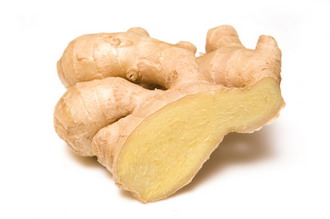
As I bit into a piece of my friend’s freshly baked apple pie, I got a shock – a large slice of ginger. Not a bad shock – just an unexpected shock. When I think of apple pie, mostly I think of cinnamon – and there was cinnamon in this pie. The ginger was unexpected – and thrilling. It was novel, and it complemented the apples, and it was a fresh taste.
I’ve always loved ginger. When I was a little kid, it was ginger ale that would settle a troubled tummy. As I grew older, I learned about ginger beer, ginger tea, ginger pickles, ginger candy and ginger in Chinese foods and Indian foods. It’s always been a welcome taste to me.
My Chinese friend also tells me how healthy it is for me. I used to make my tea with powdered ginger; she taught me to sliver or grate fresh ginger for my tea.
Today, inspired by that slice of ginger in my friend’s apple pie, I decided to see what I could find on the health benefits of ginger. Ginger has a healing reputation in so many cultures – you would think there must be something to it.
There is a LOT of information out there. Most of what I read, I would be afraid to print here, afraid it might lead you to believe ginger can do more than it really can. Finally, I ended up at my old reliable friend Wikipedia, where I found more balance. Here is what I found about ginger, it’s uses, and health benefits – and warnings.
Regional uses
In Western cuisine, ginger is traditionally restricted to sweet foods, such as ginger ale, gingerbread, ginger snaps, ginger cake and ginger biscuits. A ginger-flavored liqueur called Canton is produced in Jarnac, France. Green ginger wine is a ginger flavored wine produced in the United Kingdom, traditionally sold in a green glass bottle. Ginger is also used as a spice added to hot coffee and tea.
In Arabic, ginger is called Zanjabil and in some parts of the Middle East ginger powder is used as a spice for coffee.
In India, ginger is called Aadu in Gujarati, “Shunti” in Kannada language[Karnataka], Allam in Telugu, Inji in Tamil and Malayalam, Alay in Marathi, “Aduwa” in Nepali, and Adrak in Hindi and Urdu. Fresh ginger is one of the main spices used for making pulse and lentil curries and other vegetable preparations.
It is used fresh to spice tea especially in winter. Also, ginger powder is used in certain food preparations that are made particularly for expecting women and feeding mothers, the most popular one being Katlu which is a mixture of gum resin, ghee, nuts and sugar.
In south India, ginger is used in the production of a candy called Inji-murappa (“ginger candy” from Tamil). This candy is mostly sold by vendors to bus passengers in bus stops and in small tea shops as a locally produced item. Candied or crystallized ginger (ginger cured with sugar) is also very famous around these parts. Additionally, in Tamil Nadu, especially in the Tanjore belt, a variety of ginger which is less spicy is used when tender to make fresh pickle with the combination of lemon juice or vinegar, salt and tender green chillies. This kind of pickle was generally made before the invention of refrigeration and stored for a maximum of 4-5 days. The pickle gains a mature flavor when the juices cook the ginger over the first 24 hours. Ginger is also added as a flavoring in tea.
In Japan, ginger is pickled to make beni shoga and gari or grated and used raw on tofu or noodles. It is also made into a candy called shoga no satozuke.
In Burma, ginger is used in a salad dish called gyin-tho, which consists of shredded ginger preserved in oil, and a variety of nuts and seeds.
Indonesia has a famous beverage that called Wedang Jahe, which is made from ginger and palm sugar; Indonesians also use ground ginger root, called jahe or djahe, as a frequent ingredient in local recipes.
In traditional Korean kimchi, ginger is finely minced and added to the ingredients of the spicy paste just before the fermenting process.
In South East Asia, the flower of a the Torch ginger (Etlingera eliator) is used in cooking. The unopened flower is known in the Malay language as Bunga Kantan, and is used in salads and also as garnish for sour-savoury soups, like Assam Laksa.
In the Ivory Coast, ginger is ground and mixed with orange, pineapple and lemon to produce a juice called Nyamanku.
In China, sliced or whole ginger root is often paired with savory dishes, such as fish. However, candied ginger is sometimes a component of Chinese candy boxes, and an herbal tea can also be prepared from ginger.
Medical uses
The medical form of ginger historically was called “Jamaica ginger”; it was classified as a stimulant and carminative, and used frequently for dyspepsia and colic. It was also frequently employed to disguise the taste of medicines.
Ginger is on the FDA’s ‘generally recognized as safe’ list, though it does interact with some medications, including warfarin. Ginger is contraindicated in people suffering from gallstones as the herb promotes the release of bile from the gallbladder.[4] Ginger may also decrease joint pain from arthritis, though studies on this have been inconsistent, and may have blood thinning and cholesterol lowering properties that may make it useful for treating heart disease.[5]
The characteristic odor and flavor of ginger root is caused by a mixture of zingerone, shoagoles and gingerols, volatile oils that compose about one to three percent of the weight of fresh ginger. In laboratory animals, the gingerols increase the motility of the gastrointestinal tract and have analgesic, sedative, antipyretic and antibacterial properties.[6]
Diarrhea
Ginger compounds are active against a form of diarrhea which is the leading cause of infant death in developing countries. Zingerone is likely to be the active constituent against enterotoxigenic Escherichia coli heat-labile enterotoxin-induced diarrhea.[7]
Nausea
Ginger has been found effective by multiple studies for treating nausea caused by seasickness, morning sickness and chemotherapy,[8] though ginger was not found superior over a placebo for post-operative nausea.
Folk medicinal uses
There are a variety of uses suggested for ginger. Tea brewed from ginger is a folk remedy for colds. Three to four leaves of Tulsi taken along with a piece of Ginger on an empty stomach is an effective cure for congestion, cough and cold. Ginger ale and ginger beer have been recommended as “stomach settlers” for generations in countries where the beverages are made, and ginger water was commonly used to avoid heat cramps in the US. Ginger has also been historically used to treat inflammation which several scientific studies support, though one arthritis trial showed ginger to be no better than a placebo or ibuprofen.[5] Research on rats suggests that ginger may be useful for treating diabetes.[9][10]
Local uses
In the West, powdered dried ginger root is made into capsules and sold in pharmacies for medicinal use.
In the United States, ginger is generally recognized as safe by the Food and Drug Administration, though it is not approved for the treatment or cure of any disease and is sold as an unregulated dietary supplement
In India, ginger is applied as a paste to the temples to relieve headache and consumed when suffering from a cold,people use ginger for making tea, in food etc.
In Burma, ginger and a local sweetener made from palm tree juice (Htan nyat) are boiled together and taken to prevent the flu
In China, a drink made with sliced ginger cooked in sweetened water or a cola is used as a folk medicine for common cold* In Indonesia, a type of ginger known as Jahe is used as a herbal preparation to reduce fatigue, reducing “winds” in the blood, prevent and cure rheumatism and controlling poor dietary habits
In Democratic Republic of the Congo, ginger is crushed and mixed with mango-tree sap to make Tangawisi juice, which is considered as a universal panacea
In the Philippines a traditional health drink called “salabat” is made for consumption with breakfast by boiling chopped ginger and adding sugar and is considered good for sore throat.
Reactions
Allergic reactions to ginger generally result in a rash and though generally recognized as safe, ginger can cause heartburn, bloating, gas, belching and nausea, particularly if taken in powdered form. Unchewed fresh ginger may result in intestinal blockage, and individuals who have had ulcers, inflammatory bowel disease or blocked intestines may react badly to large quantities of fresh ginger.[11] Ginger can also adversely affect individuals with gallstones.[5][11] There are also suggestions that ginger may affect blood pressure, clotting, and heart rhythms.[11]
I am still fighting off the Kuwaiti change-of-seasons cold, the sore throat, the cough, feeling tired. I am about to fix myself a cup of ginger tea – a few thin slices of ginger, hot water, sweetened by a little Yemeni honey (my own idea for getting well). Whether it has genuine benefits for my health or not – it tastes good!
“But You Don’t Even Drink Coffee!”
“But you don’t even drink coffee!” I exclaimed to AdventureMan as he utilized the miracle of modern technology to pick up some shares of Starbucks, which had plunged to unbelievable depths.
“No, but they have shown they are quick on their feet,” he responded, clicking away on his online-investing account. “I like the way they cut their losses quickly, and they are always looking for new twists to keep their customer base coming back.”
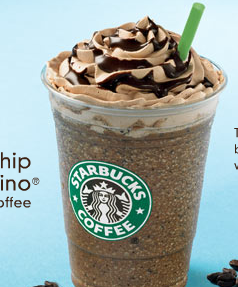

We have very few investments in individual stocks; most of our money is in funds. When we do invest in individual stocks, we choose stocks we have a personal interest in, like, for me, Amazon. I read books. I buy books. It makes sense to me.
If you have ever studied decision making, you learn that people make decisions – on a personal level, on a financial level, on a national level – based on irrational criteria. We can put together a matrix, we can put together a decision-making process, we can get all the pros and cons – and when the decision has to be made, other factors come into play.
The perfect suitor, good family, good character, hard working and handsome might be rejected because you don’t like his cologne.
The perfect candidate for the job, well qualified, having a magnetic personality, a great track record – may be rejected because the manager has an unidentified fear that the candidate could outshine him/her.
Nations go to war for irrational reasons. We understand rational processes – and then we bypass them.
We have a mental list of how we will rationally make a decision – and then we have the primitive brain undermining our rational choices.
Or that is how I see it.
The truth as I see it is that I am happy he bought shares in Starbucks because it is a Seattle company. I love going into Starbucks, seeing people sitting around drinking coffee, tutoring students, old folks passing the time, couples getting to know one another – on a cold, rainy day in Seattle, a cup of Starbucks tastes great. I vote for Starbucks for emotional reasons.
I have my favorites, and you never see them here in Kuwait. At Thanksgiving / Christmas, they have a Gingerbread Latte, and they have a Peppermint Mocha. I adore them.
With Ramadan coming up, they should put together a Ramadan cup of coffee, for after Ifthar, don’t you think? Maybe a little cardomon in it, maybe a little cinnamon?
Daily Caffeine Helps Block Dementia
A big WOO Hoooo for those of us who need our daily coffee fix – BBC Health News tells us it may help block dementia.
Coffee may cut the risk of dementia by blocking the damage cholesterol can inflict on the body, research suggests.
The drink has already been linked to a lower risk of Alzheimer’s Disease, and a study by a US team for the Journal of Neuroinflammation may explain why.
. . . . . .
‘Safe drug’
“Caffeine appears to block several of the disruptive effects of cholesterol that make the blood-brain barrier leaky,” said Dr Jonathan Geiger, who led the study.
“High levels of cholesterol are a risk factor for Alzheimer’s disease, perhaps by compromising the protective nature of the blood brain barrier.
“Caffeine is a safe and readily available drug and its ability to stabilise the blood brain barrier means it could have an important part to play in therapies against neurological disorders.”
A vital barrier between the brain and the main blood supply of rabbits fed a fat-rich diet was protected in those given a caffeine supplement.
UK experts said it was the “best evidence yet” of coffee’s benefits.
Just in time – gotta go get my second cup! While I am gone, you can read the rest of the article HERE.
Lazy Mubarakiyya Friday
For our non-Kuwaiti friends, Friday is the day off in Kuwait if you only have one day off, Friday and Saturday for a few. It’s the perfect time of the year to visit the Mubarakiyya Souks – not too hot, not too cold and always something interesting to see. Grab your friends and family, and have lunch in the square where all the restaurants are.
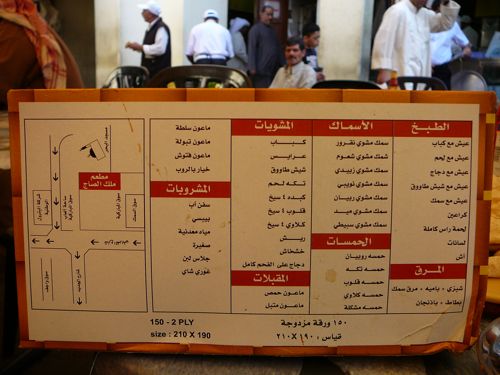
In our two years of visiting the restaurant, we never realized the menu was on the bottom of the kleenex box:
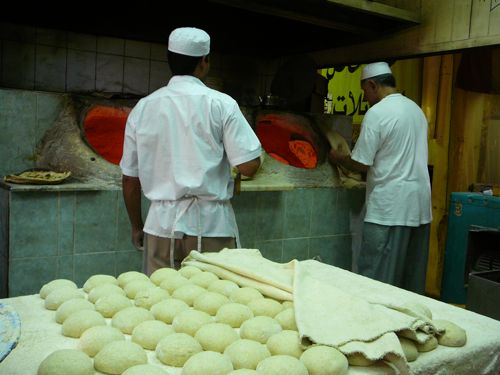
Bread making:
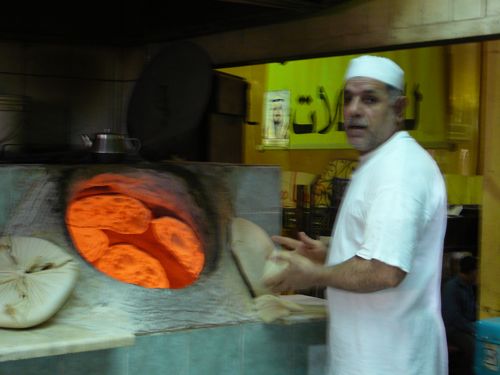
So good!
Kebab making:

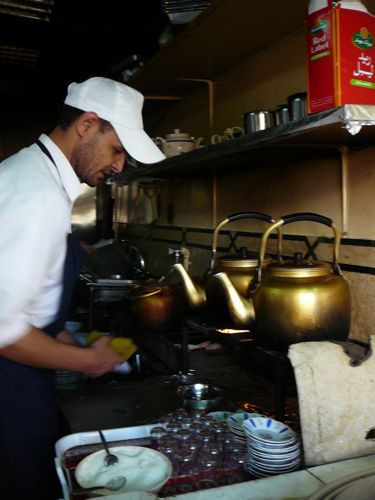
Busy in the tea stall:
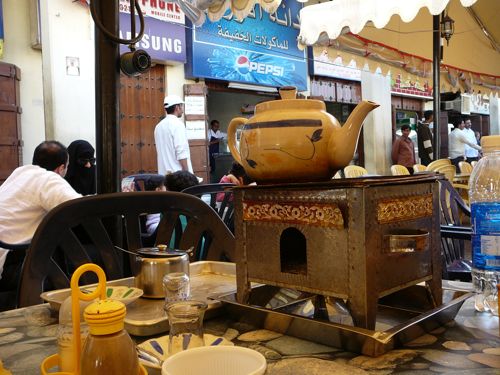
The tea stays HOT on the table tea-grill:
Lapsang Souchong
When I was in college, my aunt sent me a box of Lapsang Souchong tea. Winters were long and cold, rainy and windy, and lapsang souchong has a very smokey taste. Often as I was studying, I would have a cup next to me to warm me from the inside, but also because I was so totally addicted to the smell, which is like that of a wood-burning fire.
I checked lapsang souchong on Wikipedia, and this is what they say:
Lapsang souchong is a black tea originally from the Mount Wuyi area in the Fujian province of China[1], sometimes referred to as Smoke Tea. The tea leaves have been withered over pine or cedar fires, pan-fired, rolled and oxidized before being fully dried in bamboo baskets over burning pine.[2] The result is a smoky, robust tea with an overriding scent and flavour of wood smoke, which dominates the flavour of the black tea itself.
The name in Fukienese means “smokey sub-variety”, and is a variation of the older WuyiBohea tea.[3] In popular legend the tea was created during the Qing dynasty when soldiers camping in a tea processing company delayed the drying of the tea leaves. After the soldiers had left, the workers sped up the drying process by hanging the tea leaves over burning pine wood. [4]
Lapsang souchong from the original source is expensive, as Wuyi is a small area and there is increasing interest in the tea. [5]
the Wikipedia article on lapsang souchong (which you can read for yourself by clicking on the blue type) also says lapsang souchong is “an acquired taste.”
They are right. It is strong, not at all refined. I haven’t seen Lapsang Souchong on the menus anywhere in Kuwait. It is beginning to appear on a menu or two back in Seattle, where tea shops are plentiful and tea is widely appreciated.
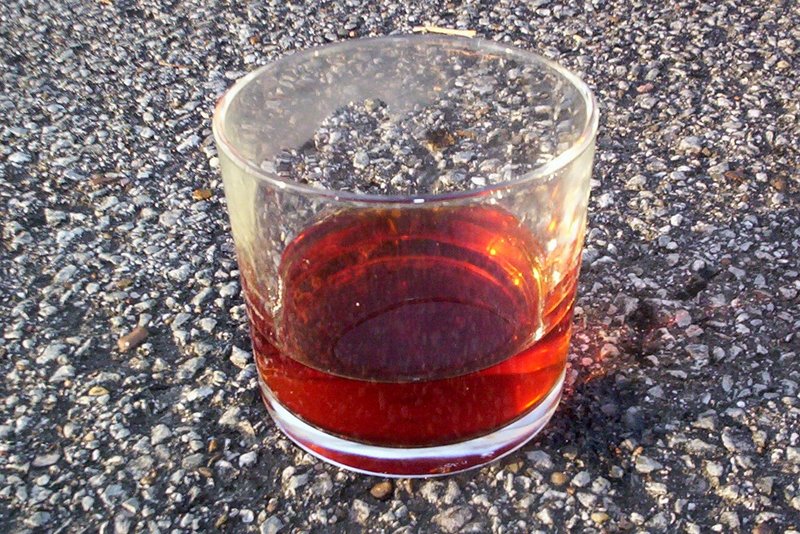
I fixed some for a friend who dropped by the other afternoon, and revelled in the smokey scent that lingers, even this morning, in my clothing from having brewed it up.
I wish I had a fireplace!
(It is 2°C this morning in Kuwait (36°F) at 0800, and tonight is expected to be even colder than last night.)
Recent Comments
ExpatAlien on What Country am I Living … intlxpatr on Yellowstone: Old Faithful to C… Michelle on Yellowstone: Old Faithful to C… Cathy on No Grown-Ups in Charge intlxpatr on Waiting for Snow Wikipedia Donate Button

Amazina


Early Voting in Florida


 Here There and Everywhere