Sad News: Indian tiger park ‘has no tigers’
By Faisal Mohammad Ali
BBC News, Bhopal
(You can read the entire story by clicking on the blue type.)
One of India’s main tiger parks – Panna National Park – has admitted it no longer has any tigers.
The park, in the central state of Madhya Pradesh, was part of the country’s efforts to save the famous Royal Bengal Tiger from extinction.
State Minister of Forests Rajendra Shukla said that the reserve, which three years ago had 24 tigers, no longer had any.
A special census was conducted in the park by a premier wildlife institute, after the forest authorities reported no sightings of the animals for a long time.
This is the second tiger reserve in India, after Sariska in Rajasthan, where numbers have dwindled to zero.
Warning bells
Officials from the wildlife department say there is no “explicable” reason for the falling number of tigers.
But a report prepared by the central forest ministry says Panna cannot be compared with Sariska because “warning bells were sounded regularly for the last eight years”.
The report says wildlife authorities failed to see the impending disaster despite repeated warnings, and lost most of Panna’s big cats to poaching.
While this controversy rages, there have been reports that another national park in Madhya Pradesh, Sanjay National Park, which was included in the tiger project three years ago, also has no tigers left.
The park had a population of 15 tigers until the late 1990s.
Of the more than 1,400 tigers in the country, 300 dwell in the state of Madhya Pradesh, which is also called the “tiger state of India”.
A Night at The Garden
A local well known (here they say “reputed” and I always think it strange, because if we say ‘reputed’ it implies that it may not be true, but here it is meant to say well-known and respected) restaurant, The Garden, is having a month long Indian food festival. It has Indian food year round, but during this month some specialities are introduced, different areas highlighted, etc.
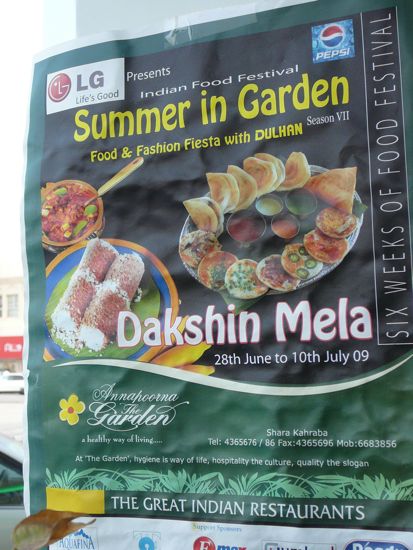
I like this place because my niece, Little Diamond, likes Indian food a lot, and it is a good place to take her. They have a separate restaurant downstairs, purely vegetarian, and another restaurant upstairs that also serves meat.
We went to the purely veg one on Thursday night, and decided to try the buffet. The food was delicious. One curry was so complex that we agreed, adding meat to it would have added NOTHING! It was so tasty without it.
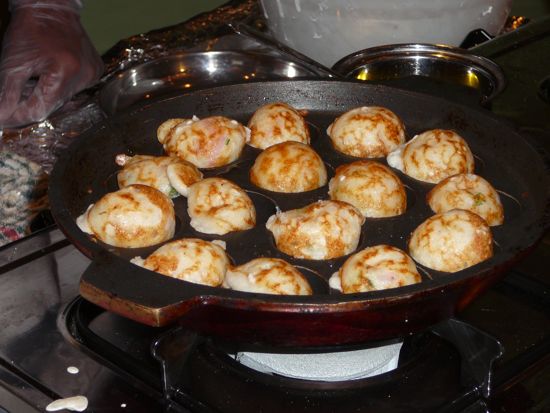
The chef was making little crepe-like pancakes that you can roll food in, and then these little “paniera” made with the same dough, only with chives and savory flavorings in them:

This is what they look like up close:
The Garden is located at the corner of Al Rayyan and Kharabaa (also called Old Electricity Street). If you haven’t been in that area for a while, take your hard hat. A lot of the buildings are being bulldozed. I cannot imagine what the street will be like without Bombay Silk and Qatar Studios, but I see several stores have already disappeared.
Benefits of Ginger
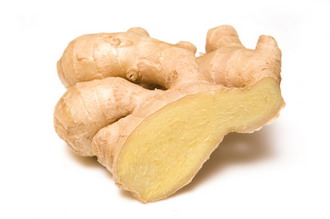
As I bit into a piece of my friend’s freshly baked apple pie, I got a shock – a large slice of ginger. Not a bad shock – just an unexpected shock. When I think of apple pie, mostly I think of cinnamon – and there was cinnamon in this pie. The ginger was unexpected – and thrilling. It was novel, and it complemented the apples, and it was a fresh taste.
I’ve always loved ginger. When I was a little kid, it was ginger ale that would settle a troubled tummy. As I grew older, I learned about ginger beer, ginger tea, ginger pickles, ginger candy and ginger in Chinese foods and Indian foods. It’s always been a welcome taste to me.
My Chinese friend also tells me how healthy it is for me. I used to make my tea with powdered ginger; she taught me to sliver or grate fresh ginger for my tea.
Today, inspired by that slice of ginger in my friend’s apple pie, I decided to see what I could find on the health benefits of ginger. Ginger has a healing reputation in so many cultures – you would think there must be something to it.
There is a LOT of information out there. Most of what I read, I would be afraid to print here, afraid it might lead you to believe ginger can do more than it really can. Finally, I ended up at my old reliable friend Wikipedia, where I found more balance. Here is what I found about ginger, it’s uses, and health benefits – and warnings.
Regional uses
In Western cuisine, ginger is traditionally restricted to sweet foods, such as ginger ale, gingerbread, ginger snaps, ginger cake and ginger biscuits. A ginger-flavored liqueur called Canton is produced in Jarnac, France. Green ginger wine is a ginger flavored wine produced in the United Kingdom, traditionally sold in a green glass bottle. Ginger is also used as a spice added to hot coffee and tea.
In Arabic, ginger is called Zanjabil and in some parts of the Middle East ginger powder is used as a spice for coffee.
In India, ginger is called Aadu in Gujarati, “Shunti” in Kannada language[Karnataka], Allam in Telugu, Inji in Tamil and Malayalam, Alay in Marathi, “Aduwa” in Nepali, and Adrak in Hindi and Urdu. Fresh ginger is one of the main spices used for making pulse and lentil curries and other vegetable preparations.
It is used fresh to spice tea especially in winter. Also, ginger powder is used in certain food preparations that are made particularly for expecting women and feeding mothers, the most popular one being Katlu which is a mixture of gum resin, ghee, nuts and sugar.
In south India, ginger is used in the production of a candy called Inji-murappa (“ginger candy” from Tamil). This candy is mostly sold by vendors to bus passengers in bus stops and in small tea shops as a locally produced item. Candied or crystallized ginger (ginger cured with sugar) is also very famous around these parts. Additionally, in Tamil Nadu, especially in the Tanjore belt, a variety of ginger which is less spicy is used when tender to make fresh pickle with the combination of lemon juice or vinegar, salt and tender green chillies. This kind of pickle was generally made before the invention of refrigeration and stored for a maximum of 4-5 days. The pickle gains a mature flavor when the juices cook the ginger over the first 24 hours. Ginger is also added as a flavoring in tea.
In Japan, ginger is pickled to make beni shoga and gari or grated and used raw on tofu or noodles. It is also made into a candy called shoga no satozuke.
In Burma, ginger is used in a salad dish called gyin-tho, which consists of shredded ginger preserved in oil, and a variety of nuts and seeds.
Indonesia has a famous beverage that called Wedang Jahe, which is made from ginger and palm sugar; Indonesians also use ground ginger root, called jahe or djahe, as a frequent ingredient in local recipes.
In traditional Korean kimchi, ginger is finely minced and added to the ingredients of the spicy paste just before the fermenting process.
In South East Asia, the flower of a the Torch ginger (Etlingera eliator) is used in cooking. The unopened flower is known in the Malay language as Bunga Kantan, and is used in salads and also as garnish for sour-savoury soups, like Assam Laksa.
In the Ivory Coast, ginger is ground and mixed with orange, pineapple and lemon to produce a juice called Nyamanku.
In China, sliced or whole ginger root is often paired with savory dishes, such as fish. However, candied ginger is sometimes a component of Chinese candy boxes, and an herbal tea can also be prepared from ginger.
Medical uses
The medical form of ginger historically was called “Jamaica ginger”; it was classified as a stimulant and carminative, and used frequently for dyspepsia and colic. It was also frequently employed to disguise the taste of medicines.
Ginger is on the FDA’s ‘generally recognized as safe’ list, though it does interact with some medications, including warfarin. Ginger is contraindicated in people suffering from gallstones as the herb promotes the release of bile from the gallbladder.[4] Ginger may also decrease joint pain from arthritis, though studies on this have been inconsistent, and may have blood thinning and cholesterol lowering properties that may make it useful for treating heart disease.[5]
The characteristic odor and flavor of ginger root is caused by a mixture of zingerone, shoagoles and gingerols, volatile oils that compose about one to three percent of the weight of fresh ginger. In laboratory animals, the gingerols increase the motility of the gastrointestinal tract and have analgesic, sedative, antipyretic and antibacterial properties.[6]
Diarrhea
Ginger compounds are active against a form of diarrhea which is the leading cause of infant death in developing countries. Zingerone is likely to be the active constituent against enterotoxigenic Escherichia coli heat-labile enterotoxin-induced diarrhea.[7]
Nausea
Ginger has been found effective by multiple studies for treating nausea caused by seasickness, morning sickness and chemotherapy,[8] though ginger was not found superior over a placebo for post-operative nausea.
Folk medicinal uses
There are a variety of uses suggested for ginger. Tea brewed from ginger is a folk remedy for colds. Three to four leaves of Tulsi taken along with a piece of Ginger on an empty stomach is an effective cure for congestion, cough and cold. Ginger ale and ginger beer have been recommended as “stomach settlers” for generations in countries where the beverages are made, and ginger water was commonly used to avoid heat cramps in the US. Ginger has also been historically used to treat inflammation which several scientific studies support, though one arthritis trial showed ginger to be no better than a placebo or ibuprofen.[5] Research on rats suggests that ginger may be useful for treating diabetes.[9][10]
Local uses
In the West, powdered dried ginger root is made into capsules and sold in pharmacies for medicinal use.
In the United States, ginger is generally recognized as safe by the Food and Drug Administration, though it is not approved for the treatment or cure of any disease and is sold as an unregulated dietary supplement
In India, ginger is applied as a paste to the temples to relieve headache and consumed when suffering from a cold,people use ginger for making tea, in food etc.
In Burma, ginger and a local sweetener made from palm tree juice (Htan nyat) are boiled together and taken to prevent the flu
In China, a drink made with sliced ginger cooked in sweetened water or a cola is used as a folk medicine for common cold* In Indonesia, a type of ginger known as Jahe is used as a herbal preparation to reduce fatigue, reducing “winds” in the blood, prevent and cure rheumatism and controlling poor dietary habits
In Democratic Republic of the Congo, ginger is crushed and mixed with mango-tree sap to make Tangawisi juice, which is considered as a universal panacea
In the Philippines a traditional health drink called “salabat” is made for consumption with breakfast by boiling chopped ginger and adding sugar and is considered good for sore throat.
Reactions
Allergic reactions to ginger generally result in a rash and though generally recognized as safe, ginger can cause heartburn, bloating, gas, belching and nausea, particularly if taken in powdered form. Unchewed fresh ginger may result in intestinal blockage, and individuals who have had ulcers, inflammatory bowel disease or blocked intestines may react badly to large quantities of fresh ginger.[11] Ginger can also adversely affect individuals with gallstones.[5][11] There are also suggestions that ginger may affect blood pressure, clotting, and heart rhythms.[11]
I am still fighting off the Kuwaiti change-of-seasons cold, the sore throat, the cough, feeling tired. I am about to fix myself a cup of ginger tea – a few thin slices of ginger, hot water, sweetened by a little Yemeni honey (my own idea for getting well). Whether it has genuine benefits for my health or not – it tastes good!
It Gives Me Hope
You know who I am, I’m pretty consistent in what I have to say. I believe we all have a lot more in common than we have differences, and I want us to find ways to get along. We, as a species, spend so much time and energy and resources fighting over the pettiest differences. How will we ever call ourselves civilized until we can treat every fellow creature with respect?
I bet Cupertino has problems, too. I know for one thing it is incredibly expensive. Most of what I saw there, I really liked. Whole Foods. High Tech Engineering. A wide variety of people, all working together in peace.
At our hotel, there were five weddings taking place the same day as “our” wedding. I came down in the elevator with one couple and their parents, and I got a photo of them in the hotel garden area before their wedding:

The groom is from India, and the bride is Chinese. The parents, and all the relatives are gathered, and dressed in gorgeous, flowing silks, and the bride and groom are just amazingly in love with each other and it is so beautiful, they are all so happy.
Cupertino takes a lot of pride in being beautiful, and the buildings they build are beautiful and they have “campuses” where lots of related buildings are connected with winding garden paths and ponds full of ducks.
I particularly love this sculpture:

Which looks totally different from the side:

There were flowers and plants everywhere. Many I couldn’t even recognize. I would have to learn a whole new world of gardening in California:

Inheritance of Loss

Most of the time, if I don’t like a book, I won’t even bother telling you about it. This book, The Inheritance of Loss, by Kiran Desai, is an exception for one reason – it IS worth reading.
Inheiritance of Loss showed up on the book club reading list for the year, and I ordered it. I read the cover when the book came, and it didn’t sound that good to me, so I read other books instead. The next time it came to mind was when a friend, reading the book, said she was having trouble with it, and asked me if I had started it. This friend is a READER, and a thinker. It caught my attention that she would have problems reading a book, so I decided to give it a try.
This is a very uncomfortable book. The characters live in the shadow of the Himalayan mountains. The most sympathetic character is a young orphaned girl, sent to live with her grandfather. With each chapter, we learn more about all the characters, how they came to be here, what they think, what their lives have looked like.
The author of this book has a very sour look on life. She has snotty things to say about every character. You can almost feel her peering around the corner, eyes slit with evil intent. She is that vicious neighbor who comes by and never says anything nice about anybody, and when you see her talking with your neighbor, you get the uneasy feeling she could be saying something mean about you, and she probably is.
The book covers a wide range of topics – Indian politics, Ghurka revolts, English colonization, Indian emigration to the US and UK, everyday vanities and pride in petty things, how people destroy their own lives, how people can be cruel to one another, oh it’s a great read (yes, that is sarcasm).
At the same time, this vicious unwelcome neighbor has a sharp eye for detail. You may not like what she is telling you, but you keep listening, because you can learn important tidbits of information from her. In my case, I learned a lot about how life is lived in a small mountain village in India, the struggles of illegals in America and how class lines are drawn, ever so finely, when people live together. I learned a lot about the legacy of colonialism, and the creep of globalization. This unwelcome neighbor has a sharp tongue, always complaining, and yet . . . some of her complaints have merit.
I don’t believe there was a single redeeming episode in the book. There was not a paragraph to feel good about. I am glad to be finished with the book – but, yes, I finished it, I didn’t just set it aside in disgust, or give it away without finishing.
Here is the reason I am telling you about this book – as uncomfortable as this book is to read, I have the feeling, upon finishing, that ideas and images from this book will stick with me for a long time. I have the feeling that it contributes to my greater understanding of how things work, how people think differently from other people, and on what levels we are very much the same.
Here is an excerpt from the book, at a time during which the Judge is a young Indian, studying in England:
The new boarding house boasted several rooms for rent, and here, among the other lodgers, he was to find his only friend in England: Bose.
They had similar inadequate clothes, similar forlornly empty rooms, similar poor native’s trunks. A look of recognition had passed between them at first sight, but also the assurance that they wouldn’t reveal one another’s secrets, not even to each other.
. . . Together they punted clumsily down the glaceed river to Grantchester and had tea among the jam sozzled wasps just as you were supposed to, enjoying themselves (but not really) as the heavy wasps fell from flight into their laps with a low battery buzz.
They had better luck in London, where they watched the changing of the guard at Buckingham Palace, avoided the other Indian students at Veeraswamy’s, ate shepherd’s pie instead, and agreed on the train home that Trafalgar Square was not quite up to British standards of hygiene – all those defecating pigeons, one of which had done a masala-colored doodle on Bose. It was Bose who showed Jemubhai what records to buy for his new gramophone: Caruso and Gigli. He also corrected his pronunciation: Jheelee, not Giggly. . . .
This it was that the judge eventually took revenge on his early confusions, his embarrassments gloved in something called “keeping up standards,” his accent behind a mask of a quiet. He found he began to be mistaken for something he wasn’t – a man of dignity. This accidental poise became more important than any other thing. He envied the English. He loathed Indians. He worked at being English with the passion of hatred and for what he would become, he would be despised by absolutely everyone, English and Indians both.
I consider this a review, and not particularly a recommendation. I read the book, I finished the book and I learned from the book. I didn’t like the book. I recommend it only as a challenge, for people who like to read and stretch their minds in new directions.
Recent Comments
ExpatAlien on What Country am I Living … intlxpatr on Yellowstone: Old Faithful to C… Michelle on Yellowstone: Old Faithful to C… Cathy on No Grown-Ups in Charge intlxpatr on Waiting for Snow Wikipedia Donate Button

Amazina


Early Voting in Florida


 Here There and Everywhere