Dauphin Island: Fort Gaines
Imagine you are a retired military man who likes birds and butterflies and gardens and photography and military history . . .
Now, imagine you can find all of the above on one island. Dauphin Island is a paradise for AdventureMan.
Imagine you are a woman who loves road trips, beautiful beaches, taking pictures, taking walks, beautiful scenery, especially beaches and wading birds . . .
And that is also all on the same island.
We can’t wait to go back to Dauphin Island. Birding season is just kicking up again, after the heat of the summer and the threat of hurricane season. The birds migrating south have their final rest on Dauphin Island, before heading out across the big Gulf of Mexico to warmer climates for the winter.
And there’s an old fort, too!
These forts were built to protect the American southern coast from a variety of enemies, including at one time, our fellow Americans. They are built solidly, with great big cannons.
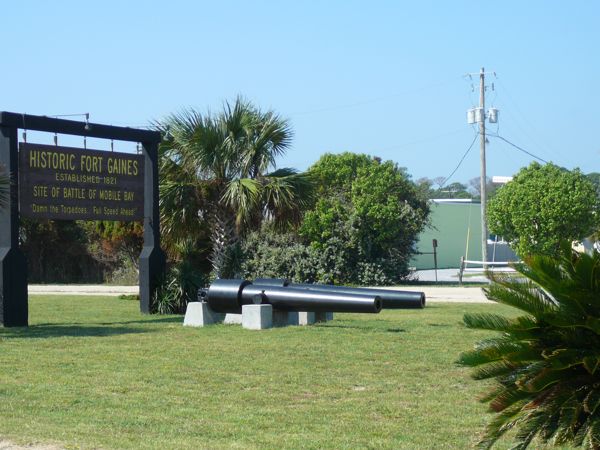


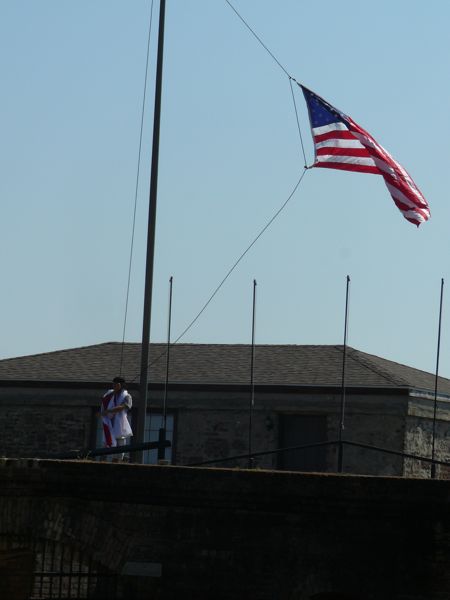


So what is the fort defending against now?


There is another way to get to Dauphin Island from Pensacola, if you get there at the right time and there isn’t much of a line, because this little ferry can’t take a lot of cars. It goes to Fort Morgan, still in Alabama, but across Mobile Bay:
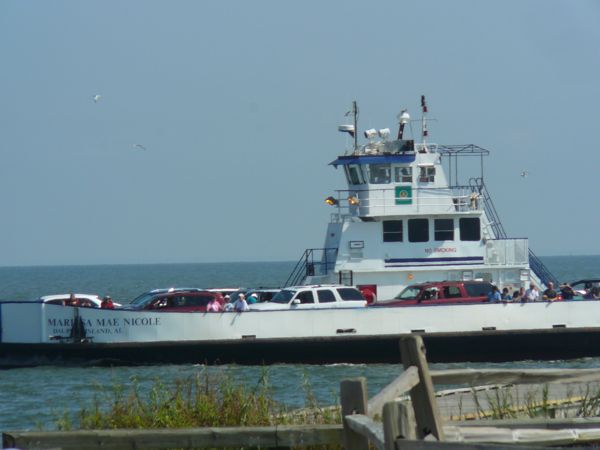
AdventureMan says the forts are built in the style influenced by Marc René, marquis de Montalembert, who is said to want to do for defense what Vauban had done for the attack.
Dauphin Island: Audubon Bird Sanctuary and Shell Mound
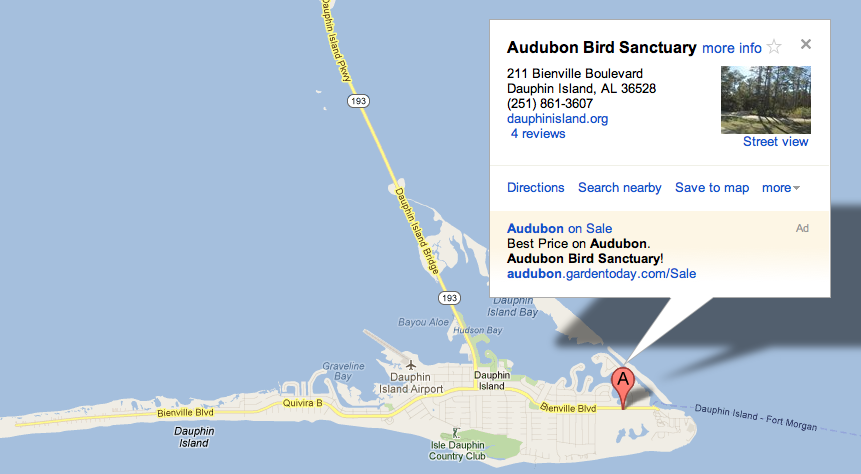
After exploring the west end of Dauphin Island, we explored further, and found what we were really looking for – the Audubon Bird Sanctuary. It was even better than we had imagined. You drive in and park, open your doors, and it smells good, like salty sea fresh air and pine trees together. They have walking trails that are beautifully done; even ramps and areas for people in wheelchairs, special areas for picnics out just a short walk.
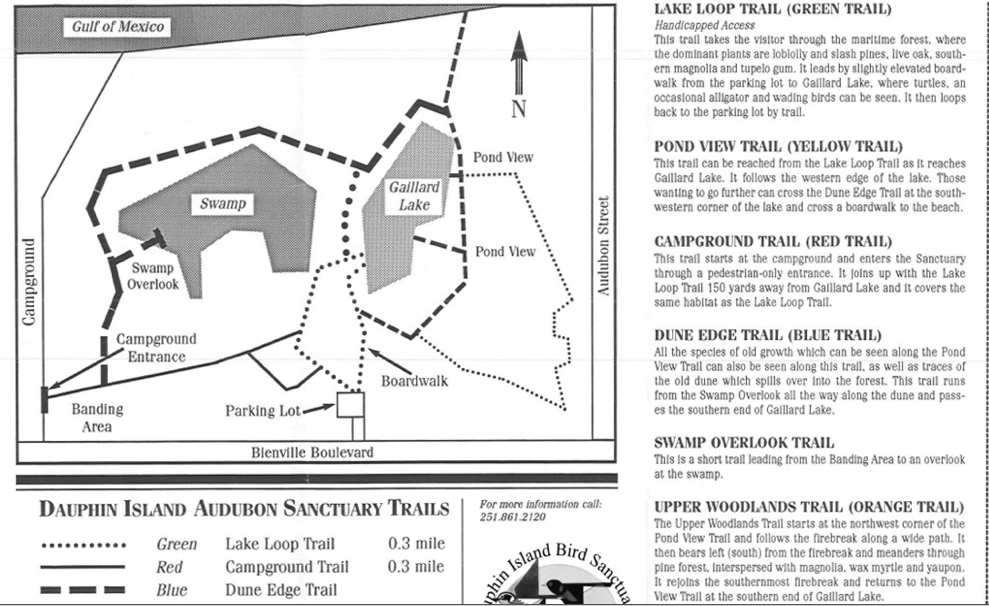
The trails are clearly marked, and have great signage.

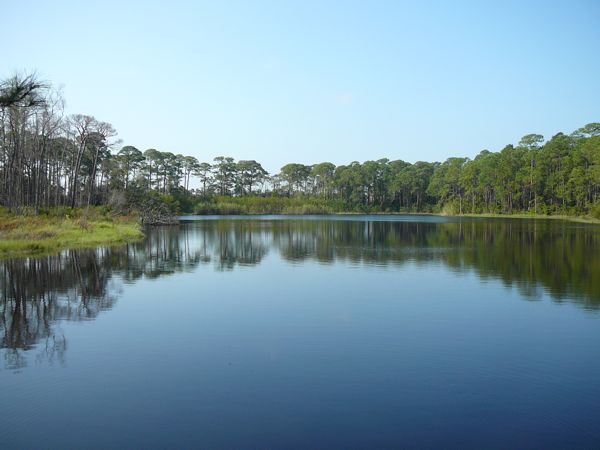
A very short walk takes you to a lake area, with an overlook and lots of soft shell turtles poking their heads out curiously:
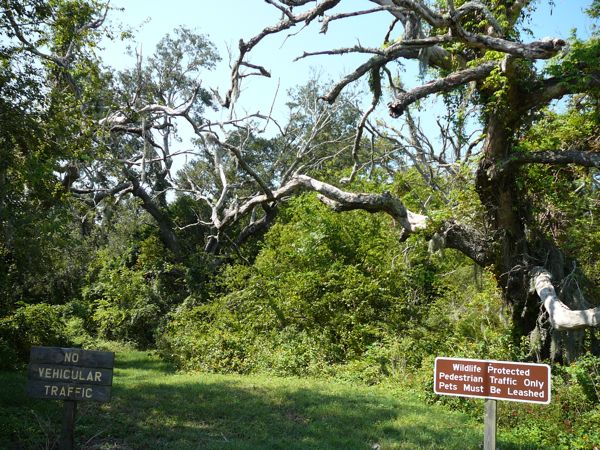
At one point, AdventureMan laughed and said the long needle pine has decorated this smaller tree for Christmas:

We know we will be coming back, so we saved the longer hikes for another, cooler trip. 🙂
Dauphin Islanders have put a high priority on protecting their sea and bird life. They have bought up several parcels where the wildlife is protected and free.

We found the Shell Mound park, and it is magnificent. There is a road lined with trees dripping with Spanish Moss, and there is more wild lantana than I’ve ever seen in one place before. The butterflies are crazy about lantana, especially this orangey kind, and there must have been a thousand butterflies, just in this one small area; it was like butterfly heaven. Most of the butterflies we saw were Gulf Fritillaries or Sulphers, but AdventureMan says he also spotted a BuckEye. It was magical, just watching them flit so happily from blossom to blossom.

We are already thrilled we came to Dauphin Island, but . . . there is more to come!
Hotel Stay? Where to Use Your Sanitizing Wipes
Found this morning in the Bottom Line Newsletter:
As a person who stays in hotels, it never occurred to me to wipe down the main light switch (DUH!) or the bedside light, or that the most bacteria filled objects of all would be the sponges and rags used to clean them. Oh UGH! I think carrying sanitizing wipes sounds like a really good idea!

The Four Dirtiest Surfaces in a Hotel Room
When you enter a hotel room, you already know that it’s probably teeming with germs from the many strangers who stayed there before you.
But, realistically, what are you going to do about it? Spend hours cleaning every corner? Cover yourself in plastic wrap? Not travel?
Well, there’s a new (and much more realistic) strategy that you can try, because a recent study has identified the areas in hotel rooms that have the most bacteria.
And they’re not all spots that you would commonly think to avoid or to wipe clean.
So instead of worrying or just feeling uncomfortable, I’m going to focus on sanitizing these few hot spots—and you can, too. It doesn’t take long (there are only four!).
FOUR GROSSEST AREAS
Researchers collected samples from various surfaces in three freshly cleaned hotel rooms in three different states (a total of nine rooms), and then, back at the lab, detected how many bacteria were on each surface by conducting something called aerobic plate counts. The higher the surface’s “count,” the more bacteria it contained. The top four dirtiest surfaces (outside of housekeepers’ cleaning equipment, the toilet, and the bathroom sink and floor—all of which scored over 117 “counts”) turned out to be:
Main light switch: 113
TV remote control: 68
Bedside lamp switch: 22
Telephone keypad: 20
Most items (including the toilet paper holder, mug, bathroom faucet, room door handle, shower floor and bathroom door handle) had relatively moderate amounts of bacteria, with scores between 4 and 11. The two cleanest surfaces, both of which scored only 0.5, were the bed headboard and the curtain rod.
Yuck! Some of these top hot spots, such as the remote control, don’t surprise me, but I never would have thought about the bedside lamp! This news is definitely going to make me rethink the way I always turn on the bedside lamp (without disinfecting it first) while reading before bed. I’m also stunned that the bathroom faucet, the shower floor and the two doorknobs weren’t higher on the list!
You might be wondering which types of bacteria were identified. Unfortunately, the aerobic plate counts measured only how many bacteria there were on the surfaces, not which kinds.
WILL YOU GET SICK?
When I called study coauthor Jay Neal, PhD, a food microbiologist and assistant professor at the Conrad N. Hilton College of Hotel and Restaurant Management within the University of Houston, he wasn’t overly concerned by the findings, because not all germs will make you sick. But exposure to any pathogens (germs that carry diseases) raises your risk for getting sick, especially if you are immunocompromised. For example, if you’re undergoing chemo…if you’re pregnant…or if you have HIV, you’re more susceptible to infection.
Of course, there’s no way to completely avoid germs, but, in my opinion, it doesn’t hurt to take the following basic precautions—whether you’re immunocompromised or not—to help reduce your risk of getting sick.
A TRAVELER’S BEST FRIEND: SANITIZING WIPES
While Dr. Neal does not believe that sanitizing wipes are necessary, I pack them whenever I travel. You, too, can slip a container of them into your suitcase to disinfect the bacteria-laden surfaces mentioned above the moment that you walk into your hotel room.
Don’t assume that a housekeeper cleaned those areas. Even if a housekeeper did, he or she likely wiped it down with a sponge or mop that was filled with bacteria. Of all the different surfaces that the researchers examined, sponges and mops were the most contaminated items of all!
And, of course, wash your hands when you’re in a hotel room as often as possible with soap and hot water (or use hand sanitizer)—especially before eating or touching your face.
Source(s): Jay Neal, PhD, assistant professor, Conrad N. Hilton College of Hotel and Restaurant Management, University of Houston. Researchers reported these findings at the June 2012 General Meeting of the American Society for Microbiology. Until the results are published in a peer-reviewed journal, they should be viewed as preliminary.
Dust Storms and Diseases
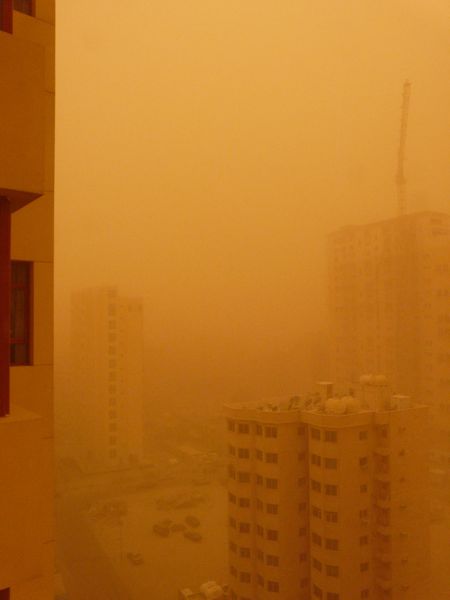
I found this on AOL News/Huffpost this morning, and thought of the awe-inspiring dust storms in Kuwait and Qatar. Living on the tenth floor and watching the enormity of a dust storm rolling into Kuwait City was like being in the middle of a thunder-storm – there is nothing you can do to stop it. It can be terrifying. You realize your true importance in the larger scheme of things (miniscule) and the enormous power of God. You also realize that what you are seeing is just a tiny fraction of his true power.
We also all knew that the dust storms of any size carried contaminants and allergens that could trigger allergic reactions for weeks. This story claims the dust storms in Kuwait and Iraq are the most lethal of all.
Dust Storms’ Health Risks: Asthma Triggers, Chemicals, Bacteria May Be In The Wind
Posted: 08/11/2012 10:44 am
Lynne PeeplesBecome a fan
lynne.peeples@huffingtonpost.com
Scientists are predicting that the frequency of dust storms, on the rise in the last few years, will continue to increase. Some have also suggested that these storms might well be carrying a more hazardous payload than meets the eye. Among the dangers that experts say are blowing in the wind: asthma triggers, toxic chemicals and infectious disease.
“We are experiencing heat waves and drought across the country. And we anticipate more dust being blown into the air,” said William Sprigg, a dust storm expert at Chapman University in Orange, Calif. “Anything that is loose on the soil is going to be picked up by these storms.”
A look back 80 years to the Dust Bowl could offer a hint of what’s to come. According to a scientific study published in October 1935, Kansas experienced its “most severe measles epidemic,” as well as abnormally high rates of strep throat, respiratory problems, eye infections and infant mortality during the intense dust storms that struck from February to May of that year. The researchers highlighted the potential for both short- and long-term health troubles associated with the dust, but stated that they couldn’t find any pathogens in their dust samples.
The same regions that were affected then — from New Mexico to the Dakotas — may be at greatest risk from dust storms in the future, said Dale Griffin, an environmental health microbiologist with the U.S. Geological Survey. Griffin points to the unsustainable strip farming methods of the 1920s and ’30s, and consecutive years of desiccating heat and high winds that combined to devastate a large swath of the country. And he agrees with Sprigg that conditions today could favor more of the same. This July was the hottest month on record, which has worsened an already devastating drought that experts say has been exacerbated by poor farming practices.
“Because of climate change, it looks like we’re possibly shifting into a phase similar to what occurred in the 1930s, or worse,” said Griffin. “We may be seeing an increase in dust storms that could affect human health.”
Texas and Oregon are among the regions already seeing a rise in such events. Haboobs — severe thunderstorms that kick up massive amounts of dust — have blanketed Phoenix more frequently in recent years, including one headline-grabber last July.
The most well-understood health threat from these storms is the dust particles themselves. If small enough, they can slip past a body’s natural defenses — nose hairs, for example — to infiltrate and damage one’s respiratory system. Now scientists are learning about an array of harmful substances that may also hitch a ride: arsenic and other heavy metals, agricultural fertilizers and pesticides, as well as a laundry list of bacteria, fungi and viruses.
In the southwest, one airborne hazard gaining significant attention is valley fever. A debilitating and sometimes fatal infection, it is contracted from fungal spores naturally present in the region’s soil. Could dust storms send these spores into the air and into the lungs of residents? Sprigg is currently investigating a possible connection between last year’s haboobs and subsequent infections. Such links haven’t been well studied, he said, because people had assumed that the sun’s ultraviolet rays would kill any airborne microbes. But it seems that the dust particles themselves provide a shield for their passengers, explained Sprigg, who is collaborating on a system to predict when dust storms will occur in order to alert area residents, schools and traffic cops.
Other parts of the world are even more familiar with dust storms and their dangers.
The region of Africa between Senegal and Ethiopia has long been subject to severe meningitis epidemics, which research now suggests is at least partially linked to dust storms. In Asia, asthma and other children’s respiratory problems have been found to be more common the week after dust storms.
Perhaps most notorious for pestilent dust is the Middle East.
Navy Capt. Mark Lyles, of the Center for Naval Warfare Studies at the Naval War College in Newport, R.I., found high levels of aluminum, heavy metals, as well as bacteria, fungi and viruses in samples of the ultrafine, and therefore lung-penetrable, Kuwaiti and Iraqi dust. He suggested that parts of this cocktail may be responsible for the mysterious Gulf War Syndrome suffered by veterans of the Iraq War, as well as the high rates of health problems among soldiers returning from the dusty theater of war today.
Hemingway and A Movable Feast

After reading The Paris Wife, I had to read Hemingway’s A Movable Feast. I wanted to see how he saw his Paris years, and how his version integrated with the fiction version of Hadley’s. I was prepared to not like the book.
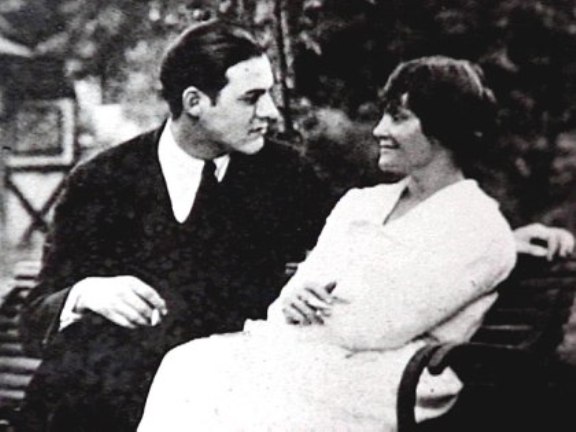
I was not prepared to like it as much as I did. Hemingway writes of the years when he was young, newly married and wildly happy, living a stimulating and lively life with lively friends. They were poor, but he was following his dream. They had a lot of fun.
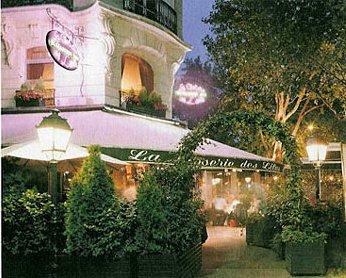
Hemingway wrote this book, full of stories of their Paris life, full of names you know – Ezra Pound, Scott and Zelda Fitzgerald, Picasso, Closerie des Lilas, Les Deux Magots, Brasserie Lipp, the Louvre . . . and as you read it, you are there. He writes in the moment; you are right there experiencing it along with him. He writes of people he likes, and people he doesn’t like. He writes about his own vices – an addiction to horse racing, for example – and he writes with enormous sadness about how he came to be distracted from his marriage and lost the most wonderful relationship that ever happened to him. He blames it on the careless rich. He takes some responsibility.
He also writes very frankly and openly about people he doesn’t like and why. I couldn’t help but think it is a heady thing, being an acclaimed author, where you can take revenge by putting people you dislike in your books. Hemingway uses real names and real people and often portrays them in a distinctly unflattering light. It made me wonder if he was planning to commit suicide all along; that or he just didn’t care what people think, and it seems he might have been the kind just not to care.
Just after finishing this book, and talking one last time with his first wife, Hadly, Hemingway committed suicide. It leaves me wondering if he was driven to suicide by regret, or by fears that his bigger-than-life life of adventure, travel, high life and travel was over, or if he had serious bouts of depression all his life, and this was just another, deeper depression?
It is a great read, especially paired with Paula McLain’s book, The Paris Wife. I thought it might be “he said – she said,” but Hemingway and the fictional Hadley in The Paris Wife both agree that they had a love and marriage that was very special, that Paris was a wonderful stimulating, alive environment, and that it was a great tragedy when the marriage ended. A Movable Feast seems to say that destroying his marriage to Hadley was one of a cocktail of self-destructive behaviors over which he tried to ride herd (gambling on the horse races, drinking, drugs, a coterie of star-struck sex partners outside of marriage, inability to focus on his work, a curmudgeonly nature . . .)

It’s also an easy read. I particularly enjoyed reading it on the iPad because you can do that swirly-finger-thing and find out what words mean or see the street locations as he walks Paris, see whether a cafe or restaurant in Paris still exist. It would be a good airline read – keeps your attention and finishes quickly.
As little as I like Woody Allen, it was fun to see Midnight in Paris, and to have some visuals of this go-go inter-war era.
Two things that stuck out for me: Hemingway loved walking in Paris, as do I. He also talks here and there about the benefits of being hungry. There were times when money was tight; they wore old shabby clothes, and there were times they didn’t have much food. He talks about hunger sharpening your other senses. On the other hand, very quickly when he has money, he has a great meal and a drink – or two – or three.
Bottom line, I’m glad I read this book. It’s given me a lot to think about.
James Lee Burke and the Creole Belle
James Lee Burke is number one on my guilty-pleasures list.

I first met his main character Dave Robicheaux in A Morning For Flamingos, a book I picked up in a military library at Lindsay Air Station, a post that doesn’t even exist any more. In the cold dark endless winter in Wiesbaden, Germany, James Lee Burke lit up my life. I had thought I was picking up just another escapist mystery novel, but when James Lee Burke puts words together to describe the way a storm moves in over the bayou, prose becomes poetry.
There is a downside. Whether it is his character Dave Robicheaux, the former New Orleans cop, now head homicide investigator in New Iberia, Louisiana, or his Hackberry Holland series set in West Texas, James Lee Burke’s books are filled with extreme violence and disturbing images that live in your head for a long time.
I’ve recommended James Lee Burke to friends, some of whom have said “Why do you read this trash??? It is HORRIBLE! It is full of over-the-top violence!”
And then again . . . he is writing about some really really bad people. They are out there. There are people who exist who inflict cruelty. I don’t understand it, I can’t begin to fathom where the urge would come from, but I’ve seen it. It’s out there. James Lee Burke pulls up that rock and exposes the dark happenings underneath.
On one level, as I started reading Creole Belle, I thought “Oh James Lee Burke, stop! Stop! It’s the same old formula! A downtrodden victim (often a beautiful woman) cries for help. You and Clete start looking for information and end up beating people up and then they retaliate by threatening your family! There is a rich, beautiful woman who seems vulnerable and who you kind of like, but she is complicated. There are rich amoral people who keep their hands clean, but who are calling the shots and never go to jail! Stop! Stop!”
Well, I should say that, and maybe I should stop. Then he starts talking about the smoke from the sugar cane fields and the bridge over the Bayou Teche, and the big Evangeline oak in St. Martinsville, and I am a goner. I’m sucked in, I’m hooked.
I detest the violence and the images. I keep coming back because James Lee Burke has some important things to say.
I’d love to have him to dinner. I’d love for him and our son to have a chance to talk about Law Enforcement. Here is what James Lee Burke has to say in Creole Bell:
There are three essential truths about law enforcement: Most crimes are not punished; most crimes are not solved through the use of forensic evidence; and informants product the lion’s share of information that puts the bad guys in a cage.
My son hates shows like CSI, and Law and Order, where the evidence convicts the criminals. He says it raises unreal expectations in juries, and makes it harder to get a conviction.
We watched a Violation of Parole hearing, or actually a series of hearings, where the judge asked each individual whose parole was about to be revoked what had happened when he or she was re-arrested. In each case, the parolee had done something stupid; drove a car with an expired license, drove to another state, was arrested driving drunk, etc. EVERY time. The judge made his point, I believe.
From Creole Belle:
But if Caruso was the pro Clete thought she was, she would avoid the mistakes and geographical settings common to the army of miscreants and dysfunctional individuals who constitute the criminal subculture of the United States. Few perpetrators are arrested during the commission of their crimes. They get pulled over for DWI, an expired license tag, or throwing litter on the street. They get busted in barroom beefs, prostitution stings, or fighting with a minimum-wage employee at a roach motel. Their addictions and compulsions govern their lives and place them in predictable circumstances and situations over and over, because they are incapable of changing who and what they are. Their level of stupidity is a source of humor at every stationhouse in the country. Unfortunately, the pros – high end safecrackers and jewel thieves and mobbed-up button men and second story creeps – are usually intelligent, pathological, skilled in what they do, middle class in their tastes and little different in dress and speech and behavior from the rest of us.
And then there are paragraphs like this that discuss the human experience, and have a far wider application than the book:
No one likes to be afraid. Fear is the enemy of love and faith and robs us of all serenity. It steals both our sleep and our sunrise and makes us treacherous and venal and dishonorble. It fills our glands with toxins and effaces our identity and gives flight to any vestige of self-respect. If you have ever been afraid, truly afraid, in a way that makes your hair soggy with sweat and turns your skin gray and fouls your blood and spiritually eviscerates you to the point where you cannot pray lest your prayers be a concesion to your conviction that you’re about to die, you know what I am talking about. This kind of fear has no remedy except motion, no matter what kind. Every person who has experienced war or natural ctastrophe or man-made calamity knows this. The adrenaline surge is so great that you can pick up an automobile with your bare hands, plunge through glass windows in flaming buildings, or attack an enemy whose numbers and weaponry are far superior to yours. No fear of self-injury is as great as the fear that turns your insides to gelatin and shrivels your soul to the size of an amoeba.
Last, but not least, this is what keeps me coming back to James Lee Burke, so much so that I buy the book almost as soon as it is released. James Lee Burke isn’t afraid to take on the big guys. He “gives voice to those who have no voices.” (Proverbs 31:8) His focus is always on the dignity of the common man, the dignity of hard work, done well, and on the dignity of doing unexpected kindnesses to those who have no expectation of kindness.
. . . All was not right with the world. Giant tentacles of oil that had the color and sheen of feces had spread all the way to Florida, and the argument that biodegradation would take care of the problem would be a hard sell with the locals. The photographs of pelicans and egrets and seagulls encased in sludge, their eyes barely visible, wounded the heart and caused parents to shield their children’s eyes. The testimony before congressional committees by Louisiana fisher-people whose way of life was being destroyed did not help matters, either. The oil company responsible for the blowout had spent an estimated $50 million trying to wipe their fingerprints off Louisiana’s wetlands. They hired black people and whites with hush-puppy accents to be their spokesmen on television. The company’s CEO’s tried their best to look ernest and humanitarian, even though the company’s safety record was the worst of any extractive industry doing business in the United States. They also had a way of chartering their offshore enterprises under the flag of countries like Panama. Their record of geopolitical intrigue went all the way back to the installation of the shah of Iran in the 1950’s. Their even bigger problem was an inability to shut their mouths.
They gave misleading information to the media and the government about the volume of oil escaping from the blown well, and made statements on worldwide television about wanting their lives back and the modest impact that millions of gallons of crude would have on the Gulf Coast. For the media, their tone-deafnessness was a gift from a divine hand. Central casting couild not have provided a more inept bunch of villains.
James Lee Burke has a voice, and he uses it. He could just cash in on his reputation as an Edgar Award winning author, but he uses his voice to speak out against injustice and corruption. He is a champion of the people. I’ve written several book reviews, and taken some trips just because I wanted to see James Lee Burke country; if you are interested in those, you can read them here.
I have a concern about this series, in that this book ended differently than all the others. So differently it made me seriously question whether Burke intends to continue writing about Dave Robicheaux or if Dave is about to hang up his shield and call it a day. He’s a guilty pleasure I am not yet ready to give up.
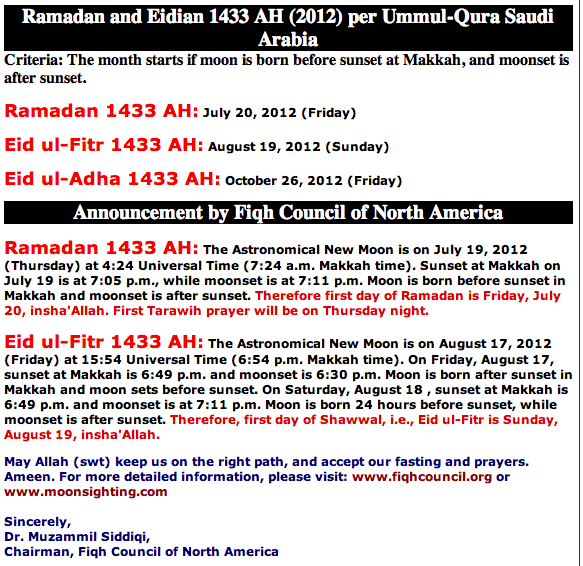
When is Eid 2012?
Now that Ramadan has started, people in the Gulf countries are busy making their travel reservations for the Eid following Ramadan, and the big Eid which follows later. These are the dates for the Eids, according to Moonsighting:
Gold prices are also known to spike during Ramadan, so postpone your purchases to a time with less competition 🙂
Hot Rain For Pensacola Blue Angels

It’s the biggest week for Pensacola and Pensacola Beach, it’s Blue Angels week, and people come from all over the USA to watch our home team do arial acrobatics. It’s always a thrill, driving to an appointment, when suddenly the Blue Angels appear in the sky, flying in close formation. Their practices are a weekly delight to Pensacolians.
It’s a funny week, though, a week when we have had rain almost every day. It makes summer in Pensacola different from summer in Kuwait and Qatar. In Pensacola, rain is a good thing, sometimes we don’t get enough. This year, we have been deluged; one area of our city flooded while we were in Zambia, and even our house suffered from the hurricane-force wind-driven rain.
It’s not a cold rain, it’s a hot rain, the rain falls and the temperatures are in the 90’s, falling to the high 80’s. We are planning to go out to the beach to watch the big practice on Friday (we do not plan to go for the full show on Saturday! Maybe someday when we can book a hotel room for that time) hoping the beach breezes keep the mosquitos at bay. Thundershowers are forecast for the entire week, through Saturday, but, when they come, they don’t last too long, an hour at most, and then the air is clear and clean. Not crisp, but clear and clean and HUMID!

The mosquitos are thriving. It was forecasted when we had such a mild winter that the insect population would rocket, and already, barely midsummer, or at least mid-heat of summer, and dengue fever has hit in New York, Miami, and other mosquito-borne illnesses are showing up throughout Florida. Dengue fever, the article referenced above states, used to be seen only in people returning from overseas country where it was present, but now, mosquitos in the USA are carrying it. Good time to wear repellant. 🙂
Barnes and Nobles: Paradise
We’d had guests, people we really like and admire, and now I was about to take them shopping. This kind of shopping is special. It is people-on-limited-budget shopping by people-who-may-never-visit-the-United-States-again and who have a lot of people hoping they will bring something back for them. We know this feeling – we’ve been those people on a limited budget who want to delight our family and friends with some exotic treasure.
I had a plan. Truthfully, I should know by now how it is going to work out, but I always plan bigger, just in case. This time, we started at TJ Maxx and The Dollar Store.
We park in a highly visible place. I know it sounds rude, but I escort them in, explain a few little things, then I go back to the car. I have a book with me, and Sudoku; they get to shop at their own pace without feeling like they are inconveniencing me. They have my phone number, and they know where the car is parked. Some groups come back and forth, many times, they bring packages, drop them, and head back again. This time, I didn’t see them, so after two hours, I went in and found them and told them this was their “one hour warning.” I had promised to have them back at their hotel by seven.
Almost on the minute one hour later, they came out, entered the car, and were so excited. One said she had finished all her shopping; she had something just right for everyone. The other said “Look! My friend wanted Bicycle cards! They had Bicycle cards!” They had found special gifts for all their friends and family, but the price was high. They had wanted to go to the Barnes and Noble store, but we had run out of time.
Deep sighs.
“It’s totally worth it,” the older one said, “I really really needed to have the peace of knowing my shopping was done. But . . . I’ve never seen the Barnes and Noble, only heard about it. Maybe I’ll have another chance at our next city . . . ”

I couldn’t bear it.
“The Barnes and Noble is only a short distance away,” I gave in, “I will take responsibility for getting you back late IF you promise me to only go in and look, just take a quick look, and come back out to the car.”
“Yes! Yes!” they both promised enthusiastically.
They were gone for twenty minutes. When they came back out, their faces were stunned. They got in the car, so silent I was afraid there was a problem.
The youngest leaned over, buried her head in her hands. She looked like she was going to be sick.
“What’s the matter?” I asked, alarmed.
“I almost feel sick,” she said. “So many books! We walked everywhere, but I stayed most of the time in the Business Management section; they had EVERYTHING. They had Who Moved My Cheese. Oh! They had so many good books, not the blah-blah-blah you get in textbooks, but the way they teach in parables, it’s so easy to understand their point. I can’t carry all the books I wanted to buy. I’m feeling shocked. All those books, right there where anyone can buy them! I want them all and I can’t have them.”
“You could order them, have them sent,” the older girl offered, and then remembered that no, she couldn’t have things sent in her country. She would never get them.
All the way to the hotel we had a great conversation about the flow of ideas, about censorship and the internet and cable television and Twitter, and how ideas flow more freely everywhere in the world, in spite of those who would try to restrict what their citizens might access. We also talked about freedom to travel – or the lack of freedom. We talked about families, caring for the elderly, and family responsibilities. We talked about what we’ve learned from one another, the truths travel teaches you about your prejudices and opinions, about others, and about yourself.
As I dropped them off, we all hugged, sadly realizing that we may never see one another again. Nonetheless, no regrets. Just the time I had with these two impressive young women was a great gift, and seeing the Barnes and Noble through their eyes – I will never again take a book shop for granted.
Emirates Women Seek Law Forcing Tourists to Dress Modestly
Qatari women have the same concerns in Qatar; this article from http://www.huffingtonpost.com/2012/07/06/emiratis-dress-code_n_1653446.html?utm_hp_ref=world:

ABU DHABI, United Arab Emirates — With the number of foreigners dwarfing that of locals in her hometown of Abu Dhabi, Asma al-Muhairi has become increasingly anxious at the prospect of her younger nieces abandoning their full-length black robes in favor of Western attire that seems to be everywhere she goes.
But it wasn’t until the 23-year-old marketing worker came face to face with two scantily-clad female foreigners at one of the many luxury shopping malls in the United Arab Emirates that she decided to take action.
“While going to a mall, I saw two ladies wearing … I can’t say even shorts. It was underwear,” said al-Muhairi, whose black abaya – a long garment worn by conservative Gulf women – is offset by a gold Versace watch and egg-shell blue handbag.
“Really, they were not shorts,” she said. “I was standing and thinking: `Why is this continuing? Why is it in the mall? I see families. I see kids around.'”
Failing to persuade the mall to intervene, al-Muhairi and another Emirati woman, Hanan al-Rayes, took to Twitter to air their concerns in May.
They were inundated with responses that prompted them to launch a Twitter campaign dubbed (at)UAEDressCode that aims to explore ways to combat the growing number of shoppers in low-cut dresses and hot pants.
As the campaign picked up steam, it also has served to symbolize the growing concerns among Emiratis, a tiny minority in their own country.
Emirati citizens account for a little more than 10 percent of the 8 million people living in the Gulf nation. Most of the population is made up of Asian, African and Middle Eastern guest workers, as well as Western expatriates living here temporarily.
The overall population more than doubled over the past decade as the country embarked on a building boom that transformed Dubai, up the coast from Abu Dhabi, into the Arabian Gulf’s financial hub and a popular tourist draw.
“I think in an increasingly tumultuous region and in an era of powerful and often intrusive globalizing forces, citizens of the UAE are increasingly concerned that their traditions and core values are being eroded,” said Christopher Davidson, an expert on Gulf affairs at Britain’s Durham University.
“In some senses, it is a grassroots reaction to authorities and leaders that have for many years done little to check this erosion,” he added. “We’ve seen reactions to alcohol, so now we are seeing a reaction to immodest dress.”
Jalal Bin Thaneya, an Emirati activist who has embraced the dress code campaign, said it is a way for Emiratis to show they are concerned about the loss of traditions.
“If we were the majority and had the same make up, things would be different,” Bin Thaneya said. “You wouldn’t need anything. You would see Emiratis everywhere and you would be afraid of offending them … Now, we’re a minority so you feel the need to reach out to an authority.”
As the number of foreigners has increased, so have the stories of them violating the UAE’s strict indecency code, which limits drinking to bars and nightclubs and bans public displays of affection. A drunken couple was caught having sex on the beach and another allegedly having sex in a taxi. A Pakistani was deported for flipping the middle finger at a motorist, and the courts are filled with cases of foreigners having sex out of wedlock.
Most Emiratis rarely come face-to-face with misbehaving foreigners.
The malls, however, are a different story.
They are one of the few places where everyone comes together to escape the brutal summer heat. The cultural clash is hard to ignore, as families of traditionally dressed Emiratis shop and relax in cafes alongside foreign women wearing tank tops, shorts and even transparent gowns over bikinis.
Most malls have policies in place that require “conservative” dress and encourage shoppers to avoid showing shoulders and knees, but few publicize them or enforce them. Police in Dubai, where the mall that al-Muhairi visited was located, didn’t respond to a request for comment. They told the Gulf News newspaper there is nothing they can do since there are no specific laws against immodest dress.
“People were seeing it for a long time but they didn’t say anything,” Bin Thaneya said. “You can’t go to the police for such stuff. There is no one to go to. You can’t go to the mall management. The mall security guard gets paid less than someone at McDonald’s. He isn’t going to do anything.”
Al-Muhairi’s campaign is just one of several over the years led by Emirati women who have tried in vain to enforce the dress code – handing out brochures, confronting foreigners. But hers has benefited from the growing popularity of social media as well as the Arab Spring popular uprisings, which has given Emiratis a sense they can speak out on some social issues.
The UAEDressCode feed has more than 3,300 followers with a lively discussion that includes plenty of support for a code but also concerns that it would unfairly target foreigners or create divisions between locals and foreigners. Unlike similar campaigns in Kuwait or Saudi Arabia, the impetus for a code has not come from Islamic hard-liners, but from moderate locals like al-Muhairi who love their Starbucks and Western movies but just want foreigners to respect local customs.
“We are not asking others to cover up like us. We are giving them freedom based on their beliefs and religion,” al-Muhairi said. “We are not judging and saying this shows she has other interests. We never want to judge. Do whatever you want and wear what you want but with limits. Just respect the public here.”
The campaign has caught the attention of the Federal National Council, which pledged last month to push for stronger measures to enforce the dress codes. That came after the country’s culture minister, Abdulrahman al-Owais, supported efforts to emphasize the conservative traditions of the UAE.
Members of a half-elected, half-appointed council have suggested a law could include warnings and fines but not jail time for offenders. But the FNC has no law-making powers, so any decision now rests with the UAE government.
“If there is a law, the behavior will be different,” said Hamad al-Rahoomi, an FNC member who compared a UAE dress code to laws in France that bans the niqab, in which a veil has only a slit exposing a woman’s eyes, or the new dress code at Royal Ascot in Britain that aims to limit provocative outfits.
“We don’t want to catch people. We just want people to think of the other parties,” al-Rahoomi said. “What I want is to go with my family in my country and not see something that is harming me.”
The Abu Dhabi police issued this week a booklet on dos and don’ts for tourists that will be available at the Abu Dhabi International Airport and hotels, according to The National newspaper. It advises tourists that public displays of affection including kissing are considered indecent and that they should wear “modest” clothing.
Tourists – some in skimpy summer dresses, others in shorts and T-shirts – defended their right to wear what they want, either because it is fashionable or keeps them cool in the summer heat. None of the 10 people interviewed in Dubai and Abu Dhabi knew about a mall dress code, nor were they advised their outfits violated it. Several said a dress code law would go too far.
“I think it’s ridiculous because most of the people in Dubai are tourists,” said Sarah, a 21-year-old tourist from Kenya wearing a short dress exposing her shoulders and legs. “I want to go somewhere where I would be comfortable in my own skin as a travel destination. I feel comfortable like this and this is how I will dress.”
Recent Comments
ExpatAlien on What Country am I Living … intlxpatr on Yellowstone: Old Faithful to C… Michelle on Yellowstone: Old Faithful to C… Cathy on No Grown-Ups in Charge intlxpatr on Waiting for Snow Wikipedia Donate Button

Amazina


Early Voting in Florida


 Here There and Everywhere