Larger Waist Size Predicts Early Death
This is from today’s BBC Health News
‘Love handles’ raise death risk
A thickening girth can be a sign of type 2 diabetes
Carrying extra fat around your middle dramatically increases your risk of early death, even if your overall weight is normal, say researchers.
A study of almost 360,000 people from nine European countries found waist size a “powerful indicator” of risk.
Each extra 2ins (5cm) raised the chance of early death by between 13% and 17%.
The New England Journal of Medicine study stressed GPs should regulraly measure patients’ waists as a cheap and easy way to assess health.
The link between waist fat and health problems has been established for some time, but the sheer size of the study gives scientists a far more accurate picture.
The researchers, including some from Imperial College London, followed the volunteers, who were an average of 51 years old at the start of the study, for the next 10 years, during which time 14,723 of them died.
The standard measure of obesity, body mass index (BMI) remained a reasonable predictor of health problems, with those with a high reading more likely to die from cardiovascular disease or cancer.
However, the ‘hip/waist ratio’, a number produced by dividing the waist size by the hip measurement, and just the waist measurement on its own, were both good ways of sorting out those at highest risk.
Some people who had a completely normal BMI score, but a larger than average waist, were at significantly higher risk of early death.
At the extremes, men with waists exceeding 47ins (119cm) had a doubled rate of death compared with those with waists under 31.5ins (80cm), and a similar statistic was found when women with waists over 39ins (99cm) were compared to those under 25.5ins (64.7cm).
An increase in risk of death could be plotted every time the belt was let out by another two inches – for two people with the same BMI, every additional 2ins (5cm) on their waistband added up to a 17% increase in risk for men, and 13% for women.
BODY MASS INDEX
Calculated by dividing weight in kilograms by height in metres squared
Normal: 18.5 – 24.9
Overweight: 25 – 29.9
Obese: Above 30
Professor Elio Riboli, from Imperial College London, said: “We were surprised to see the waist size having such a powerful effect on people’s health and premature death.
“There aren’t many simple individual characteristics that can increase a person’s risk of premature death to this extent, independently from smoking and drinking.”
He added: “The good news is that you don’t need to take an expensive test and wait ages for the result to assess this aspect of your health – it costs virtually nothing to measure your hip and waist size.”
Fat message
The reason for the link is not entirely clear, but another researcher, Dr Tobias Pischon, from the German Institute of Human Nutrition at Potsdam-Rehbrucke, said that abdominal fat was not like other fat reserves, but could directly influence the development of chronic disease by releasing “messenger substances”.
A British Heart Foundation spokesman welcomed the findings, saying they supported previous research which found the risk of heart disease to be higher when fat was concentrated around the waist area.
“It is important a variety of measurements are used to assess body weight and shape. – as well as BMI (Body Mass Index), waist circumference and waist-hip ratio can help to provide a better assessment of health risk.
“If you tend to gather weight around your middle, increasing the amount of activity you do and watching what you eat will help to reduce your risk of heart disease and of dying early.”
State Blocks Diwaniyas on State Land
I can understand the state not wanting to allow the people to build on public land, land reserved to preserve right of way, land reserved for parks, land to protect the ability to see around a corner. We watched all the illegal diwaniyas come down in our area, carted away on trucks, to be replaced with outdoor diwaniyas, which are lovely – but what to do when the temperatures start going up again?
Many of our friends have diwaniyyas – one – or more (!) built into their homes. An outdoor diwaniya is a luxury if you have the space for it. It looks to me like more homes are being built with a permanent diwayiya designed to match the house.
My real question is – How does this differ from the chalets? Are the chalets not also built on state property? Is there a bureau from which you get a permit? Is there any contractual understanding, like the land is deeded to you for 99 years before you put up an expensive chalet? Or do you build, knowing the government can reclaim that land at any time?
State succeeds in blocking diwaniyas bill
Al Watan staff
KUWAIT: The Parliament rejected a controversial draft law on Wednesday that called for regulating the construction of private diwaniyas on State property.
After a discussion, the proposal was overruled by a vote of 34 against and 26 in favor.
A number of MPs had presented the proposal, which was aimed at allowing the construction of private diwaniyas on State property adjacent to owners” homes provided that a license is obtained from the Ministry of Finance in exchange of an annual fee of no more than 0.250 Kuwaiti dinars per square meter.
Moreover, the Parliament also rejected a proposal to form a committee to investigate violations committed by the team tasked with removing all structures that have been illegally built on State property.
This proposal was voted down by 35 of the 61 legislators who were present at the session.
Earlier, the Parliament”s Finance and Economic Affairs Committee had rejected the draft law regulating the construction of private diwaniyas on State land, saying that it will have a negative impact regardless of the traditions related to these forms of gathering places.
It said the construction of these structures on State property will increase security, administrative and financial burdens on the State.
This issue was first discussed during Tuesday”s Parliament session, but a lack of order in the Abdullah AlـSalem Hall led to an adjournment of the session.
The Kuwaiti government had opposed the bill since the beginning, saying it bears many implementation difficulties and encourages encroachments on State property in a disorganized fashion.
Last updated on Thursday 13/11/2008
Post Sunrise November 13, 2008
It’s a little chilly this morning and the Qatteri Cat is cuddled up next to me, right on my left typing arm, so I am pecking away as best I can. It’s another beautiful day – and, as forecasted, there are small, light, fluffy clouds gathering – and a 20% chance of rain tomorrow. Here is what this morning looks like in Kuwait:

Have a great day, Kuwait!
Thank You Every Day Heroes
You know how I feel – the firefighters and the police risk their lives every day to keep us safe. And you know I love I Can Has Cheezburger.com – so this is the best of both those worlds:

more animals
Alternatives to Statin Drugs
I found this article through Google News at US News and World Report.
I know statins work – many of my friends testify to their having lowered cholesterol through use of statins. But doesn’t it make you nervous that most of the tests proving their efficacy are done by the very drug-merchants who are selling them? For me, it is that way with most medications. I watch people lining up their pills, lowering their blood pressure, lowering their cholesterol, and it makes me very nervous.
My father stayed alive using cortisone. He tried to get off cortisone, but his body was so addicted to it that every time he tried, he suffered horrible pain. By the end of his life, you could barely touch him without injuring his skin, thinned by many years of cortisone usage. We pay a price for the drugs we take – I want to know the price – and the alternatives – before I choose a pill I have to take every day for the rest of my life.
6 Ways to Reduce Inflammation—Without a Statin or a Heart Test
By Deborah Kotz
Posted November 11, 2008
There’s been a lot of hoopla this week over research showing that the cholesterol-lowering drug Crestor lowers the risk of heart attacks and strokes in those with normal cholesterol but high levels of inflammation—measured by a marker called C-reactive protein, or CRP. The Jupiter study, which involved nearly 18,000 people and appears in the current issue of the New England Journal of Medicine, found that people taking the statin Crestor for two to five years cut their risk of having a heart attack or stroke by 50 percent during that period. They also had a lower risk of bypass surgeries and angioplasties.
Experts predict that as a result of the study, many millions of seemingly healthy people will be screened for inflammation using a blood test called high-sensitivity C-reactive protein (hs-CRP) and that millions of them will be put on statins to combat inflammation. While statins certainly are lifesaving for those with high cholesterol or established heart disease, their benefits are more modest for those at fairly low risk of heart disease: About 0.72 percent of the statin takers in the trial had a heart attack or stroke compared with 1.5 percent of those taking placebos.
So, some experts say, if you have high CRP but are otherwise healthy, “go slow,” and consider all the benefits and risks of statins before you decide to take them. Where that hs-CRP screening test might come in handy is to spur you to make lifestyle changes that will naturally lower excess inflammation—and your heart disease risk. Try these six measures:
1. Stop smoking. Smoking hardens the arteries and could send CRP levels surging. But research shows you can reverse all the damaging effects to your arteries within 10 years of quitting. (For help quitting, you can click here.)
2. Think olive oil, fish, and nuts. Researchers have shown that overweight folks who stick with a Mediterranean-style diet—based on fruits, vegetables, whole grains, nuts, and olive oil—can lower their levels of inflammation. “An anti-inflammatory diet is about reducing saturated fat and trans fats and eating more foods rich in alpha-linolenic acid—like flaxseed, walnuts, and canola oil—and omega-3 fats, which fight inflammation,” says Evangeline Lausier, a staff physician at Duke Integrative Medicine. On the flip side, scientists have shown that the typical American fast-food diet increases heart attack risk by 30 percent. (Here’s the latest on four healthful diets and on 11 easy ways to load up on omega-3s.)
3. Get active. No one wants to exercise, but it’s a great way to lower inflammation without any side effects associated with medications. An ideal amount? Not too much (which raises inflammation) and not too little. Aim for five days a week of steady exercise (brisk walking, swimming, biking) for 30 to 45 minutes. (You can read up on how to make your workout quick and sweaty.)
4. Shrink your waist size. Take a tape measure and measure your waist, right around the point of your bellybutton. If you’re a woman with a waist measurement of over 35 inches or a man with a waist of over 40 inches, you probably have high inflammation. Whittling a few inches off the waist by reducing your portions and increasing activity can go a long way toward solving that problem. (Here’s a dietary technique that might help you lose weight.)
5. Get enough sleep. A new study out this week shows that elderly people with high blood pressure who sleep less than 7.5 hours a night have dramatically elevated chances of having a stroke or heart attack or suffering sudden cardiac death. Other research has shown that too little sleep (less than six hours) or too much (more than eight hours) results in more inflammation. The American Academy of Sleep Medicine says most adults need between seven and eight hours of shut-eye a night. (Not convinced? Consider these 10 reasons not to skimp on sleep.)
6. Reduce stress. High levels of stress hormones can lead to the release of excess inflammatory chemicals, so try each day to pencil in 15 minutes of relaxation—deep breathing, meditation, or a bubble bath that lets you leave the world behind.
Premarital Testing Made Compulsory in Kuwait
From today’s Al Watan
MPs make premarital tests compulsory
KUWAIT: The National Assembly passed a new law on Tuesday that makes preـmarital medical checks compulsory.
The first article of the law stipulates that wouldـbe couples have to undergo medical tests to verify they are free from contagious or hereditary diseases.
In they are free of the diseases outlined in a decree by the minister of health they will get a medical certificate that proves their marriage is safe.
The document is valid for six months only, according to the provisions of the new law.
The second article bans the endorsement of a marriage by any concerned authorities without a valid medical certificate.
If the medical report shows that the possible marriage is unsafe and the wouldـbe couple still insists on getting married, the marriage officer must get a written notice from the couple stating that they are aware of the risks and want to pursue the affair.
The third article of the law stipulates that the minister of health should issue executive statutes for the new legislation which includes the type of medical tests required and the relevant procedures within three months of the new law”s publication in the official gazette.
The fourth article pertains to the privacy of all the information contained in the medical report and stipulates a punishment of up to one year in prison and up to 1,000 Kuwaiti dinars as a fine on anyone who might violate the privacy of such information.
The fifth article stipulates either or both punishments of up to oneـyear in prison and up to KD 1,000 fine on the marriage officer should he violate the provisions of the second article. ـKUNA
Last updated on Wednesday 12/11/2008
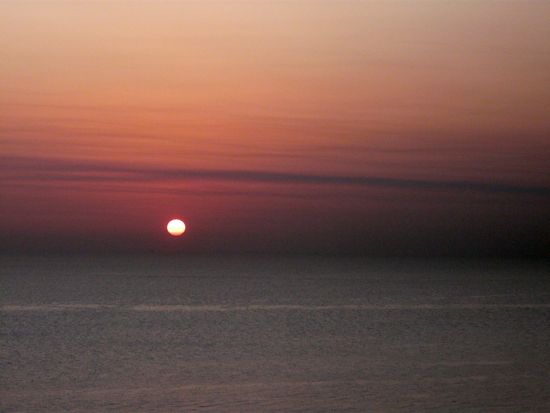
Kuwait Sunrise November 12 2008
Yesterday had to be one of the loveliest days I have spent in Kuwait – driving down the highway, car full of friends, wind blowing in our hair – what a great day. It looks to me like we have another beautiful day coming:
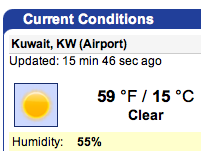
At 0630 it was only 59° F / 15°C, which I also see is close to the high temperature expected in Seattle. Whoa! Get out the sweaters!
Goooood Monring, Q8!
Don’t Worry, Be Happy – Keeping Things in Perspective
This was sent to me today by a mentor from long ago. If you have any reason to feel sorry for yourself, you must see this. I dare you to watch it. It really puts things into perspective:
The Feast of St. Martin, and St. Martin’s Goose
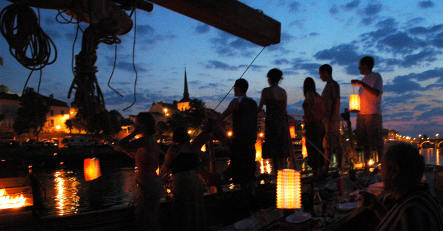
I’ve always loved St. Martin’s Day because the children of the villages in Germany gather with laterns and walk the cobbled streets singing a song “Laterne! Laterne! . . . .” There is usually someone dressed in a large red cloak who rides a horse, as St. Martin.
Something else happens on St. Martin’s Day – it is the beginning of goose season! There is only about one month, in Germany, when you can eat this speciality, St. Martin’s Goose. It is baked, served with a very fatty gravy (sounds horrible, but it is delicious), red cabbage and potatoes. You can get a quarter goose, a half goose or you can go as a group and have an entire goose feast. The smell of roasting goose is yummy, and the goose itself, when well prepared, is succulent and tasty.
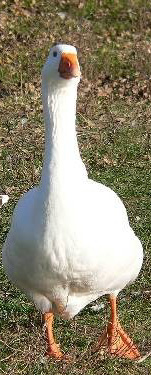
Here is how to roast a St. Martin’s goose:
Preparation: 1 hour
Cooking: 1/2 a hour by kg
Ingredients (for 6 persons):
– 1 goose of 6kg approximately
– 500 g of chopped pork – 1 egg – 4 shallots
– 1 small stalk of thym
– 200 g of crumb of bread (or gingerbread!)
– salt, pepper, nutmeg, parsley
– 100g of walnuts and chopped hazelnuts
Mix the various ingredients of the practical stuffing. Stuff, and let it gild on all the surface in its fat of goose, in the owen. Put then the goose in the oven and cook in its own juice (half an hour by kg). It came from This Website on European Cultures.
The stuffed goose uses surrounded with purée of chestnuts or with whole chestnuts cooked in a little broth then in the juice of the goose and accompanied with a Riesling of Moselle region.
Here is the story of St. Martin by James Kiefer from the Lectionary.
(I’ve always wondered why St. Martin tore his cloak in half, and didn’t give the whole cloak to the begger, since he probably had on warm clothing underneath.)
MARTIN OF TOURS
BISHOP AND THEOLOGIAN (11 NOV 397)
Martin was born around 330 of pagan parents. His father was a soldier, who enlisted Martin in the army at the age of fifteen. One winter day he saw an ill-clad beggar at the gate of the city of Amiens. Martin had no money to give, but he cut his cloak in half and gave half to the beggar. (Paintings of the scene, such as that by El Greco, show Martin, even without the cloak, more warmly clad than the beggar, which rather misses the point.) In a dream that night, Martin saw Christ wearing the half-cloak. He had for some time considered becoming a Christian, and this ended his wavering. He was promptly baptized. At the end of his next military campaign, he asked to be released from the army, saying: “Hitherto I have faithfully served Caesar. Let me now serve Christ.” He was accused of cowardice, and offered to stand unarmed between the contending armies. He was imprisoned, but released when peace was signed.
He became a disciple of Hilary of Poitiers, a chief opponent in the West of the Arians, who denied the full deity of Christ, and who had the favor of the emperor Constantius. Returning to his parents’ home in Illyricum (Yugoslavia, approximately), he opposed the Arians with such effectiveness that he was publicly scourged and exiled. He was subsequently driven from Milan, and eventually returned to Gaul. There he founded the first monastary in Gaul, which lasted until the French Revolution.
In 371 he was elected bishop of Tours. His was a mainly pagan diocese, but his instruction and personal manner of life prevailed. In one instance, the pagan priests agreed to fell their idol, a large fir tree, if Martin would stand directly in the path of its fall. He did so, and it missed him very narrowly. When an officer of the Imperial Guard arrived with a batch of prisoners who were to be tortured and executed the next day, Martin intervened and secured their release.
In the year 384, the heretic (Gnostic) Priscillian and six companions had been condemned to death by the emperor Maximus. The bishops who had found them guilty in the ecclesiastical court pressed for their execution. Martin contended that the secular power had no authority to punish heresy, and that the excommunication by the bishops was an adequate sentence. In this he was upheld by Ambrose, Bishop of Milan. He refused to leave Treves until the emperor promised to reprieve them. No sooner was his back turned than the bishops persuaded the emperor to break his promise; Priscillian and his followers were executed. This was the first time that heresy was punished by death.
Martin was furious, and excommunicated the bishops responsible. But afterwards, he took them back into communion in exchange for a pardon from Maximus for certain men condemned to death, and for the emperor’s promise to end the persecution of the remaining Priscillianists. He never felt easy in his mind about this concession, and thereafter avoided assmblies of bishops where he might encounter some of those concerned in this affair. He died on or about 11 November 397 (my sources differ) and his shrine at Tours became a sanctuary for those seeking justice.
The Feast of Martin, a soldier who fought bravely and faithfully in the service of an earthly sovereign, and then elisted in the service of Christ, is also the day of the Armistice which marked the end of the First World War. On it we remember those who have risked or lost their lives in what they perceived as the pursuit of justice and peace.
Veteran’s Day Sunrise

This is for you, AdventureMan, your own Veteran’s Day sunrise.
To anyone who has ever served in a nation’s armed forces. We salute you. Today and every day, we honor the service you gave to your country.
If you talk to any Kuwaiti veteran of the Gulf War and Liberation in Kuwait, you will learn that even a very short time in service can be a transformational experience. Those memories are vivid, and last the rest of your life.
Have a great day, Kuwait.
Recent Comments
intlxpatr on Shampoo Ginger tigerbutterya0c5ff1d… on Shampoo Ginger intlxpatr on British Soldier Kidnapped, Esc… John on British Soldier Kidnapped, Esc… intlxpatr on British Soldier Kidnapped, Esc… Wikipedia Donate Button

Amazina


Early Voting in Florida


