Morocco Malta and the Med: Casablanca and El Jadida
I can’t be staying in bed when we are coming into port in a new city.

This was seriously disturbing.

That mist looks sulfuric!

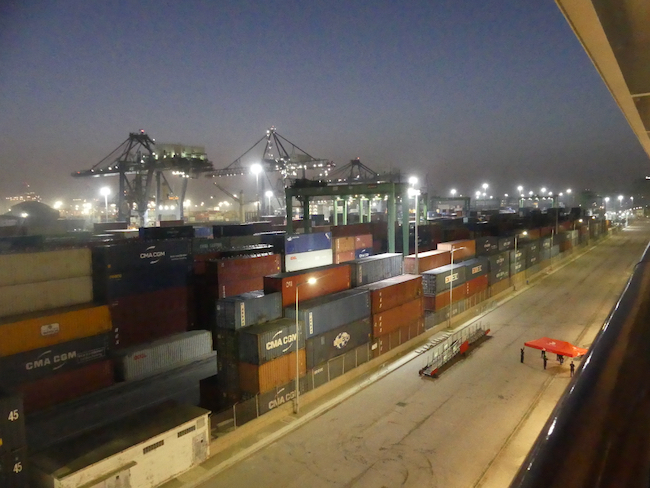
We are warned that Casablanca is an industrial port. No kidding!

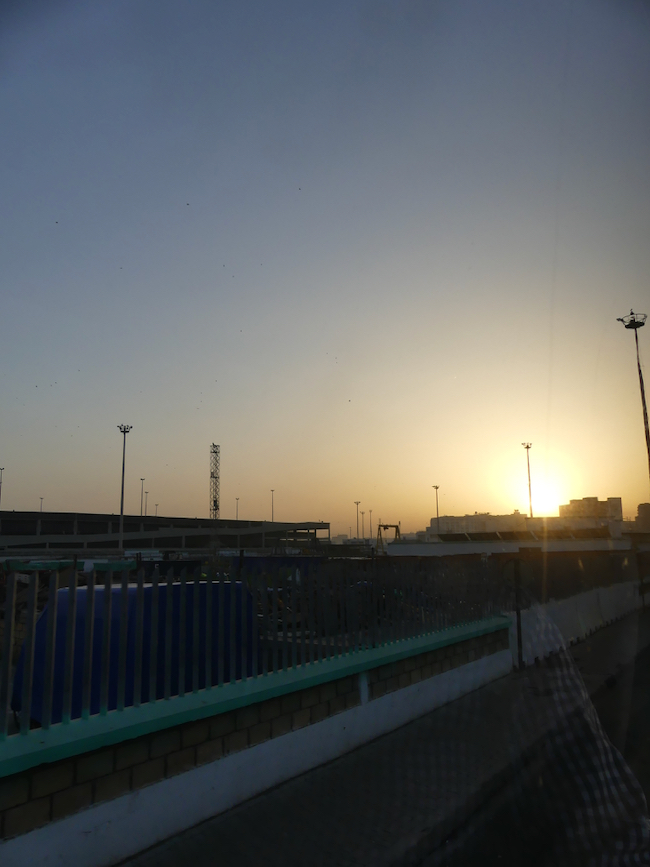
Quick breakfast and we are off to El Jadida, an old Portuguese fortress city. We were actually here ten years ago on our very first cruise, The Moors in Spain and Morocco. We really love Morocco. One year we came here at Christmas, which was also Ramadan, rented a car and drove all around Morocco with our son. We had such a great time.


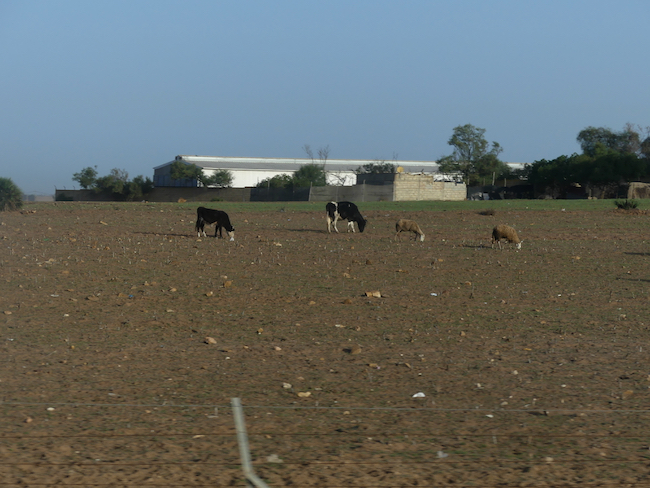
Our guide tells us this area near El Jadida is famous for raising horses for racing and showing.


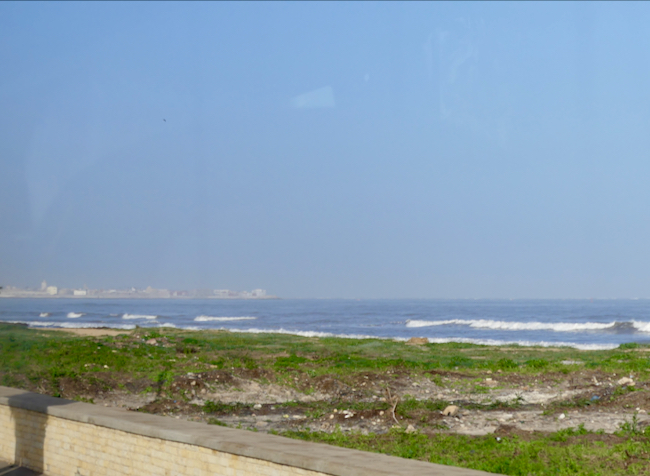
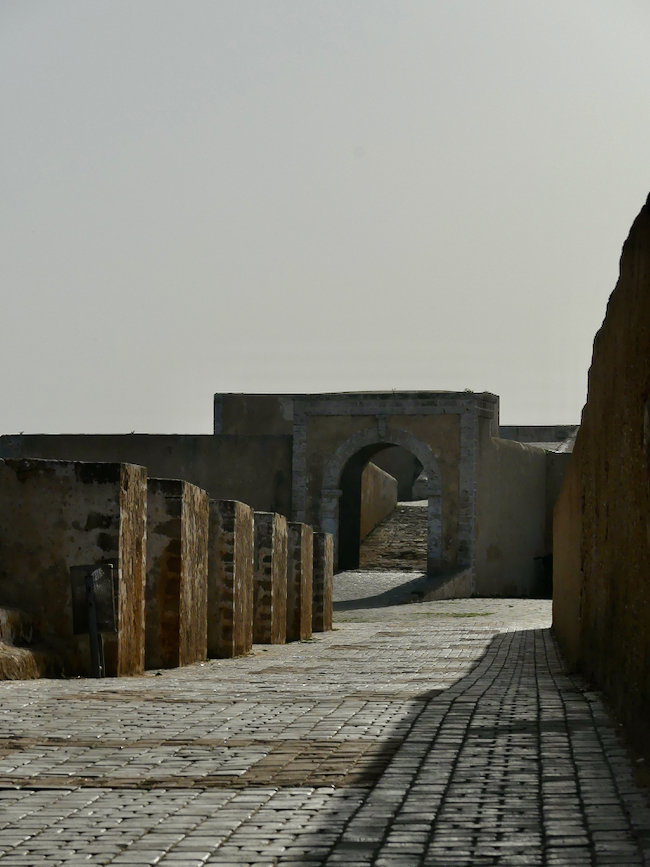
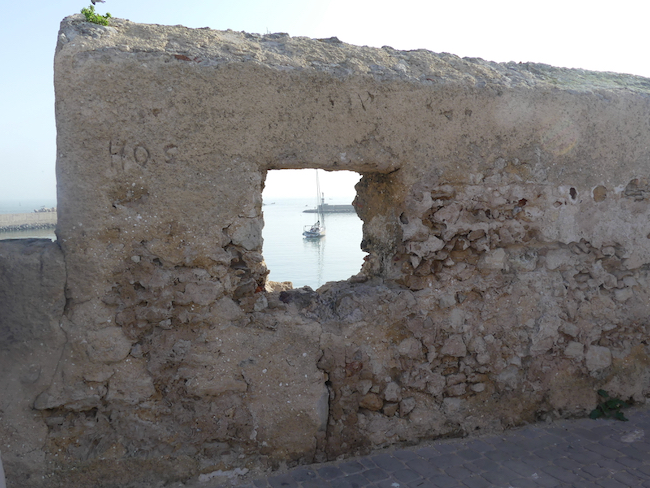
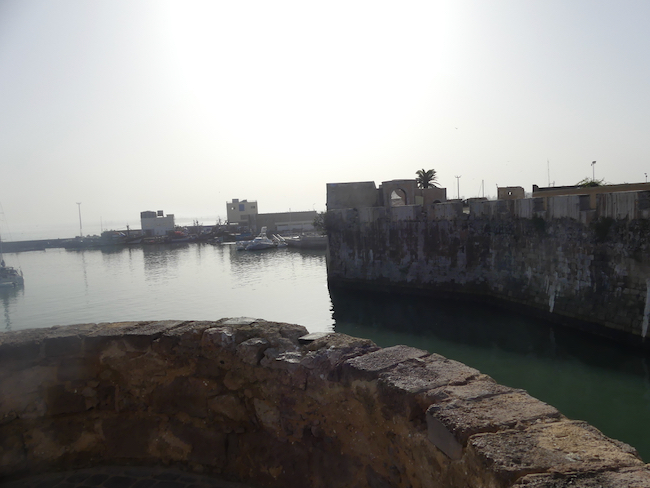
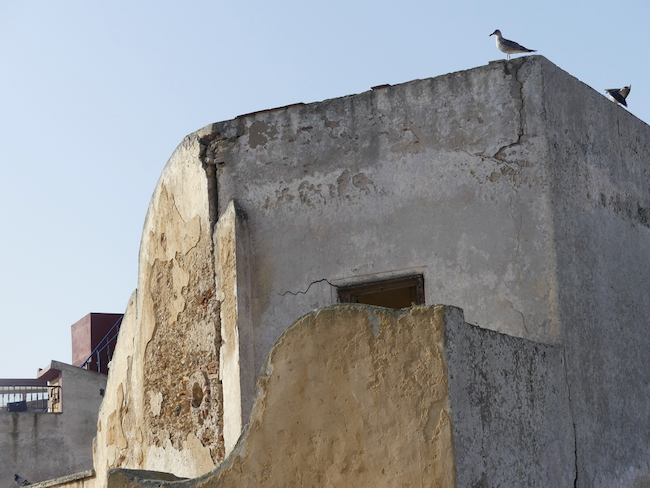
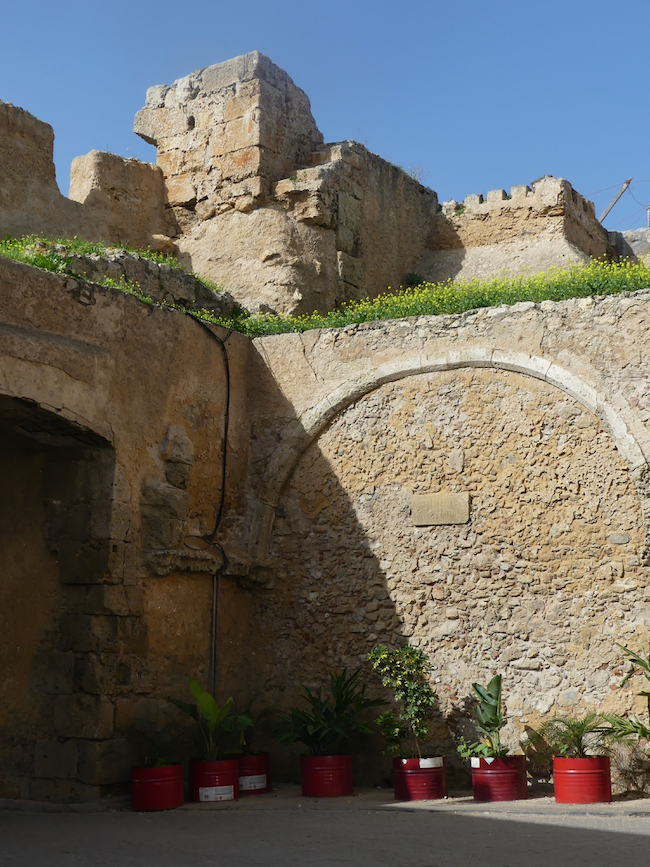
Me and my stone walls!


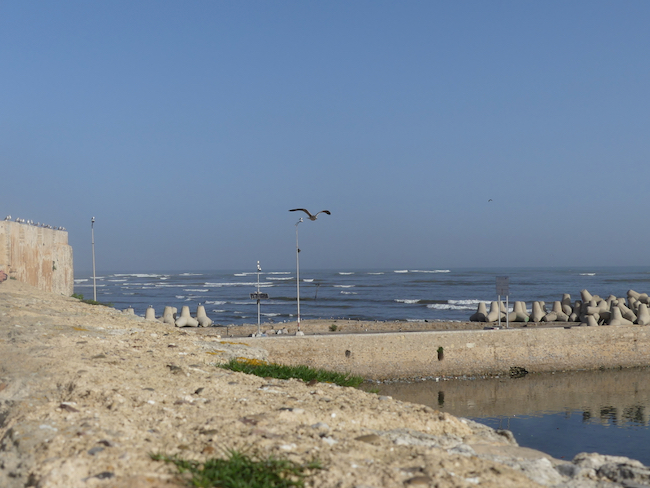
Getting close to El Jadida:
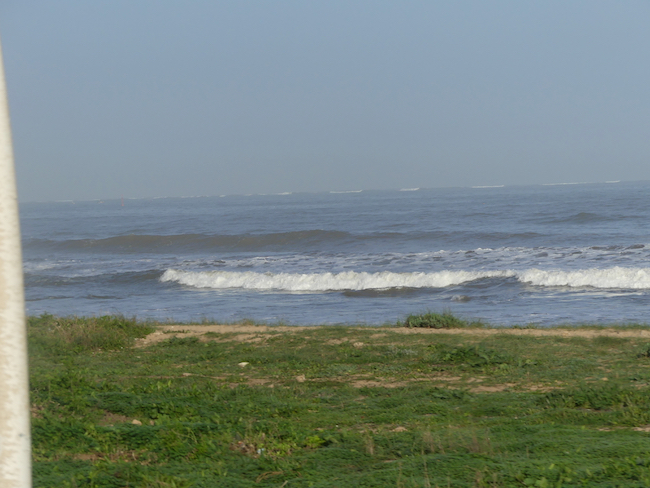

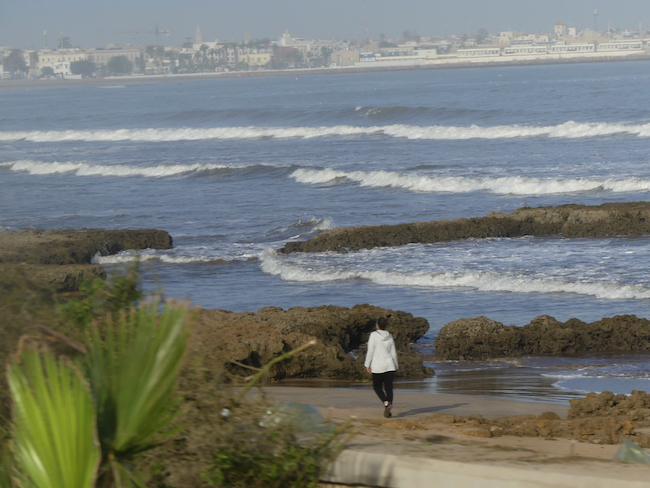

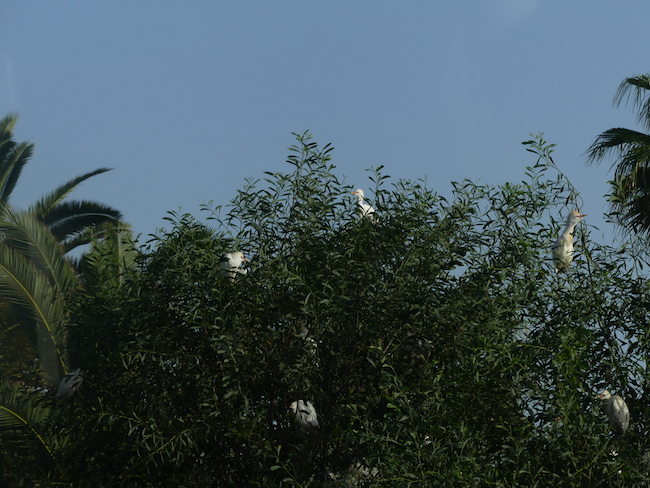


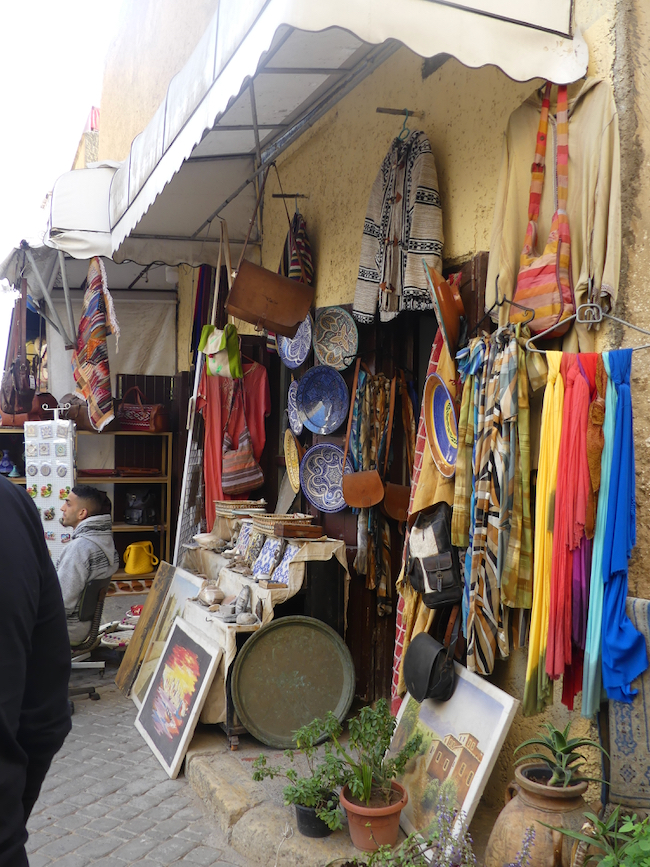
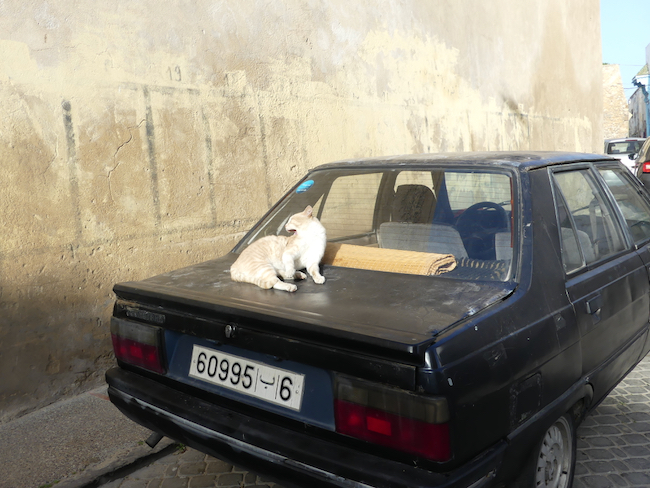

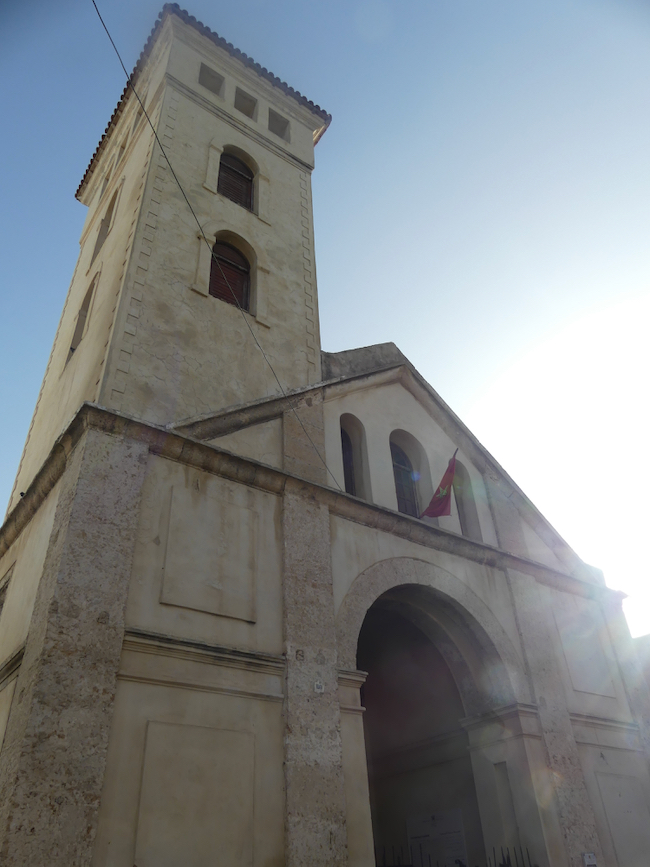
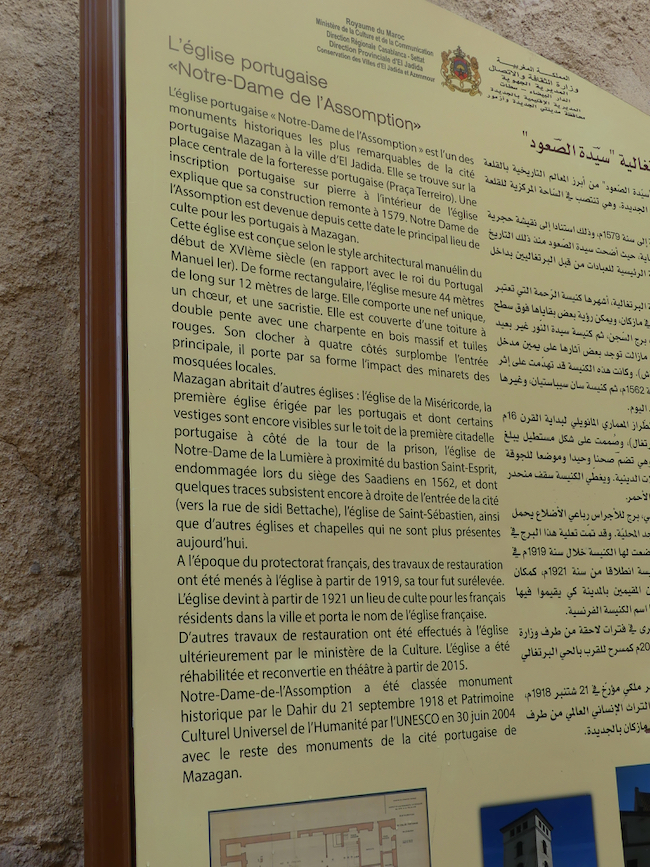
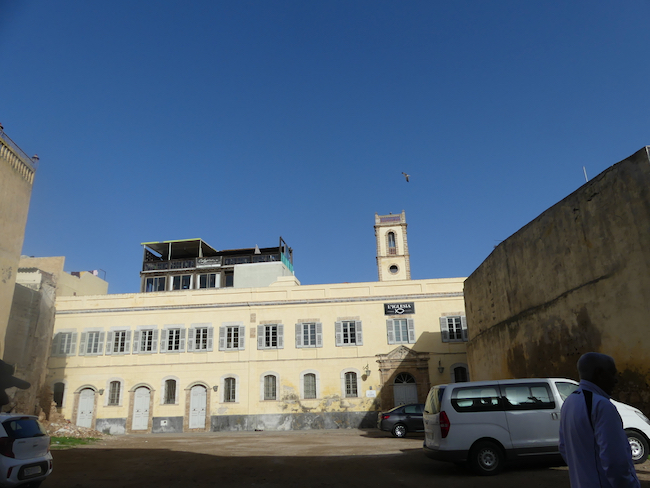
An old Portuguese Catholic Church in El Jadida. The people around Casablanca make it a point to discuss frequently how tolerant the area is, with Jewish and Christian populations as well as Muslim and Berber. Our guide was proudly Berber.
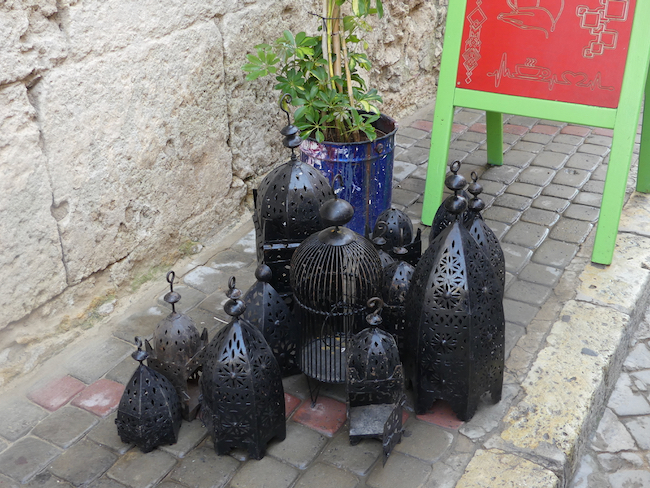
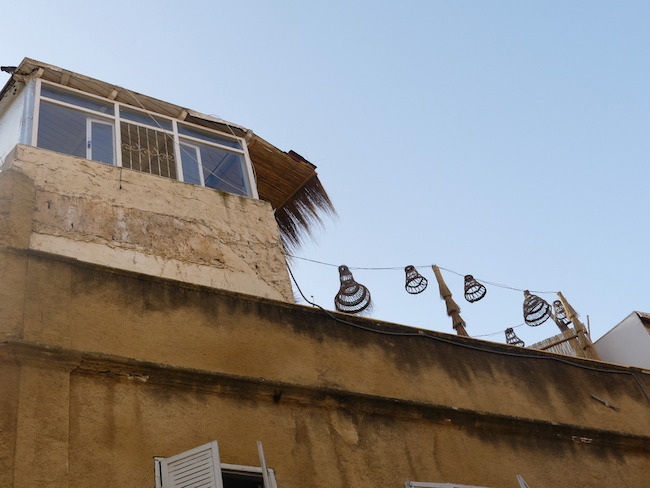


We had been warned that the beautiful old Portuguese Cisterns were closed for restoration, so the photo below is the exterior only, but I have a treat for you. Below the shot of the exterior is a photo of the interior I took ten years ago. I still love to look at it. The cisterns are so beautiful as well as functional.

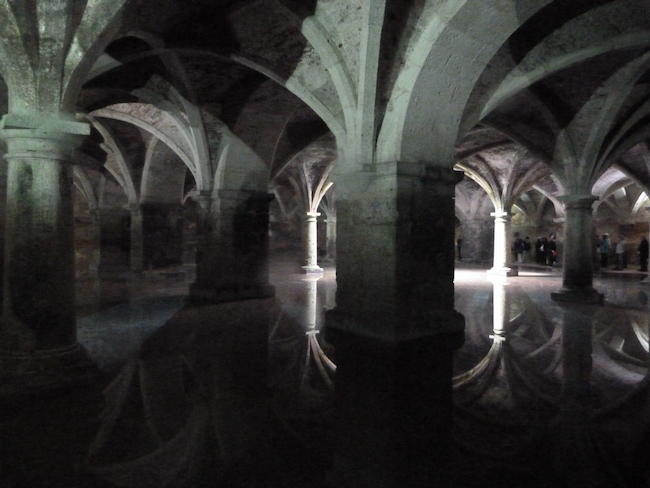
I don’t consider this cheating; I consider it . . . um . . . illustrating. . . or embellishing to show you what you might see when you go to El Jadida.
Below are Moroccan silk weavings.


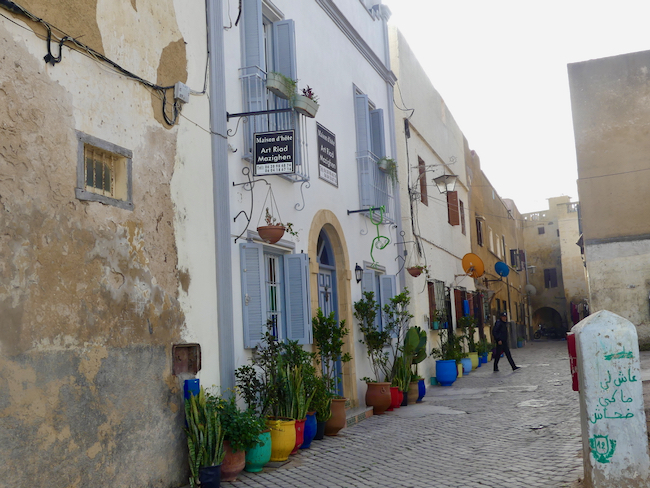
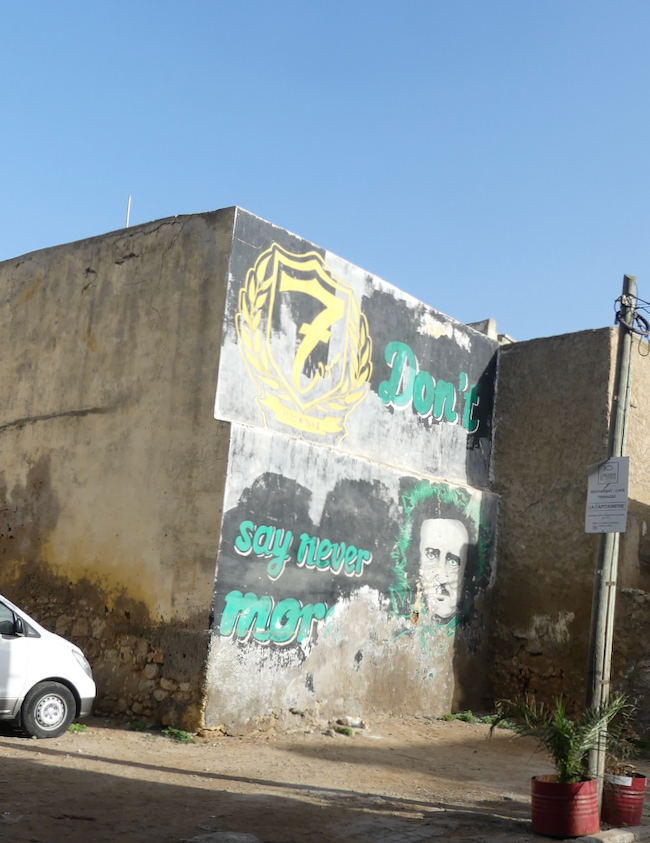



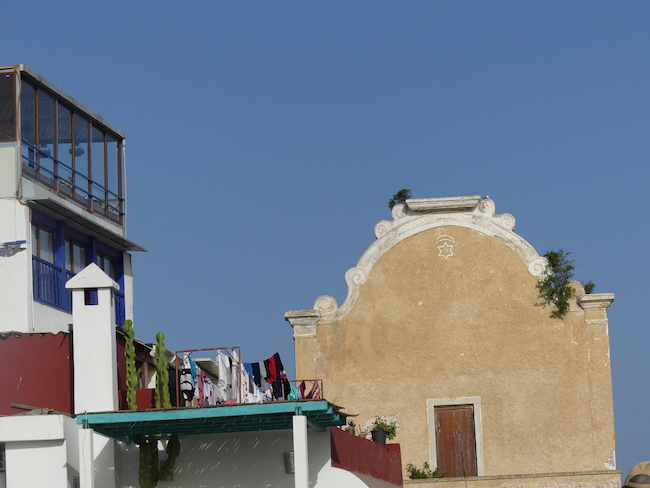
I believe this is the old Jewish bakery.

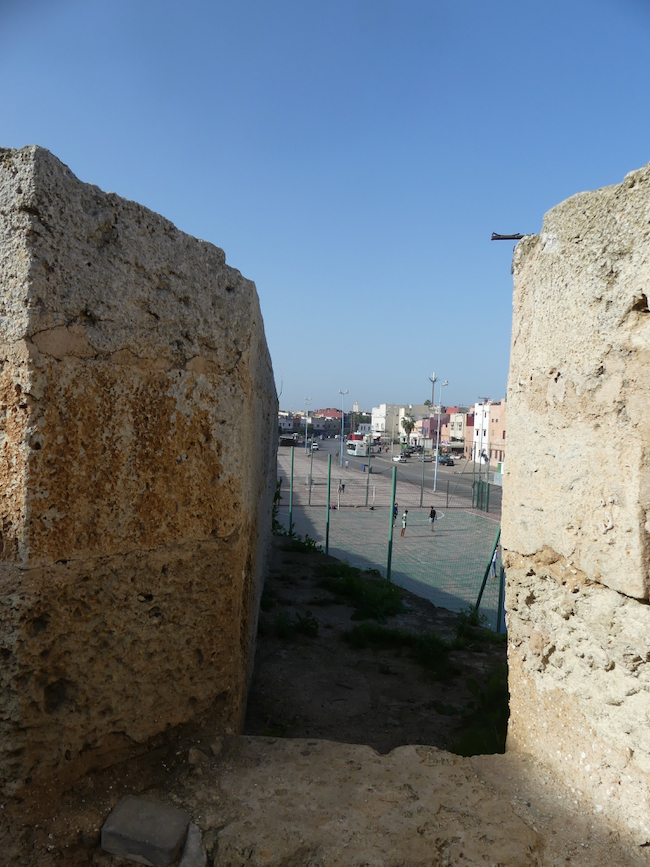
When you read old histories or bible stories about prisoners being cast into a well, it could look a lot like this:




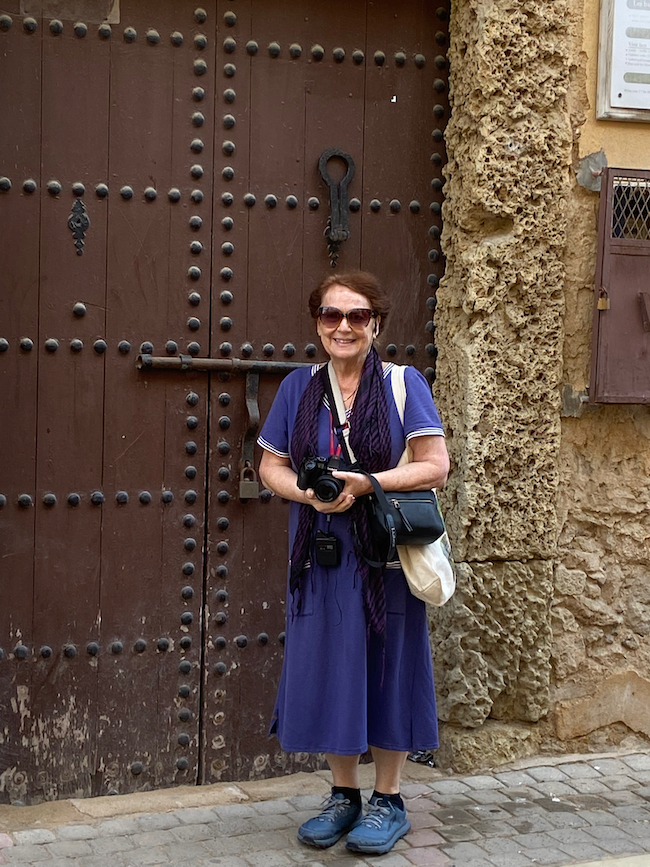
This picture below is hilarious because I am wearing an expensive pair of shoes that I find clunky. The trip description said it was challenging, with uneven hikes, rocks, and hills. It was a very mild hike; I could have worn my sandals.

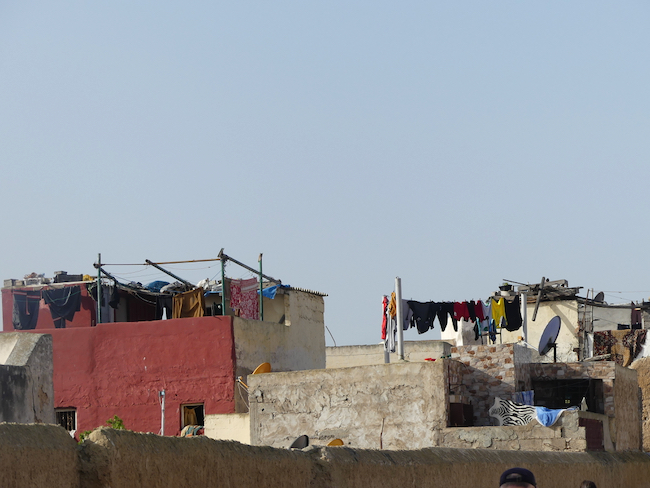
My husband took this photo below; he loved the contrast of the drawing of the cisterns and the laundry hung to dry over the cisterns.


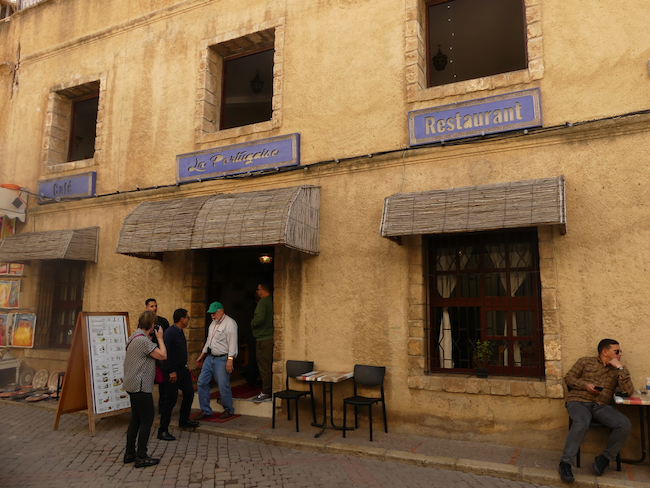
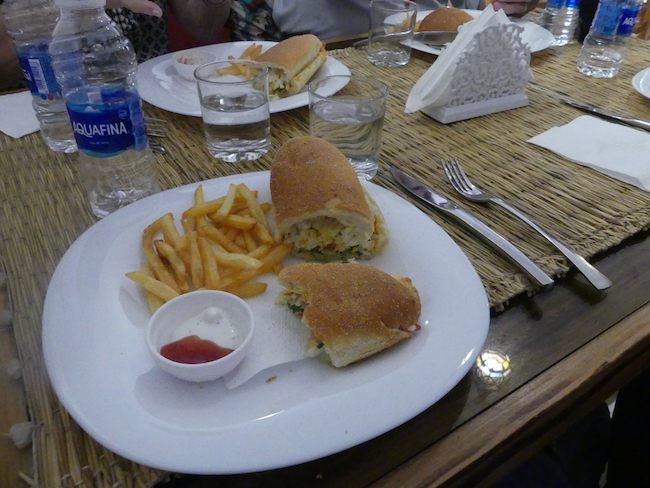
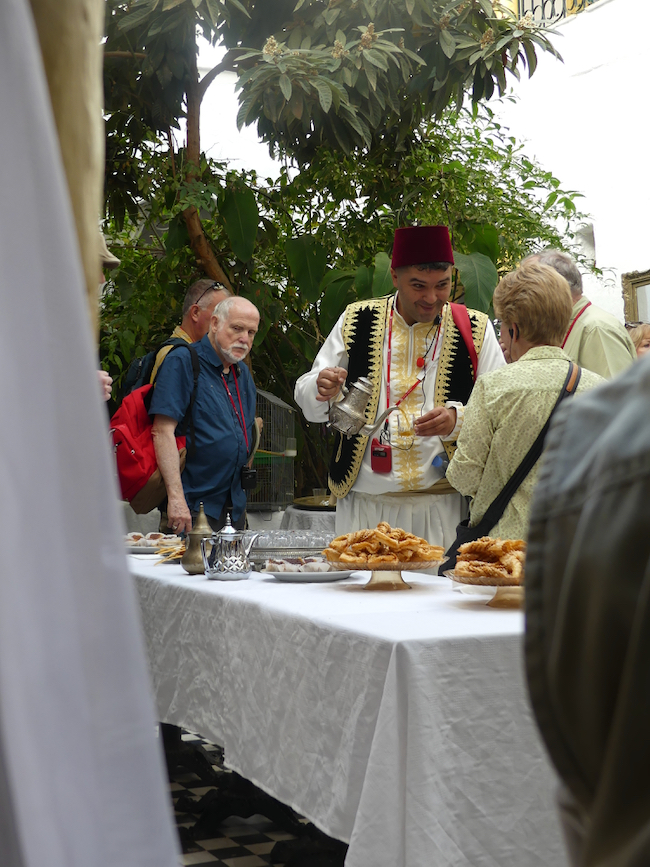
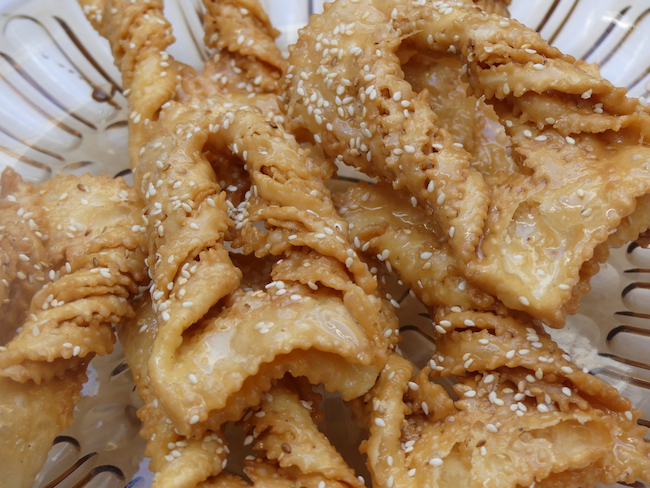
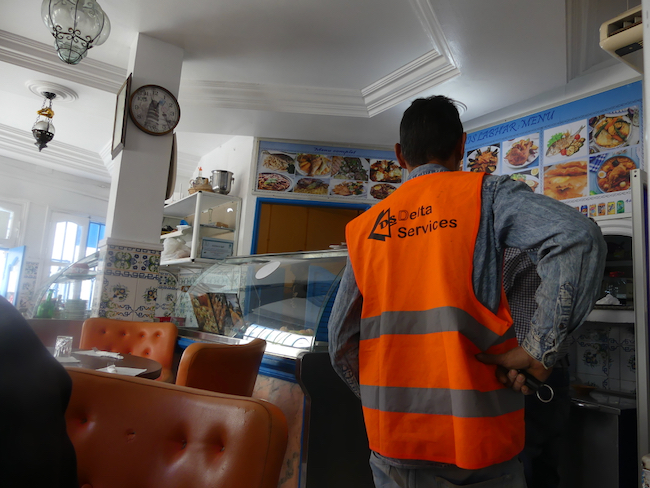
It’s going to be a couple hours ride back to the ship, but the guide has a treat for us – “Snacks” at a local restaurant, part of the tour, no extra charge. The small restaurant was just big enough to hold all of us, had a nice clean restroom and place to wash up, and served these delicious sandwiches, followed by a selection of house baked Moroccan cookies, and Turkish coffee or Mint Tea. The owner and his wife were so hospitable. They made us feel like very special guests. It really was a treat!




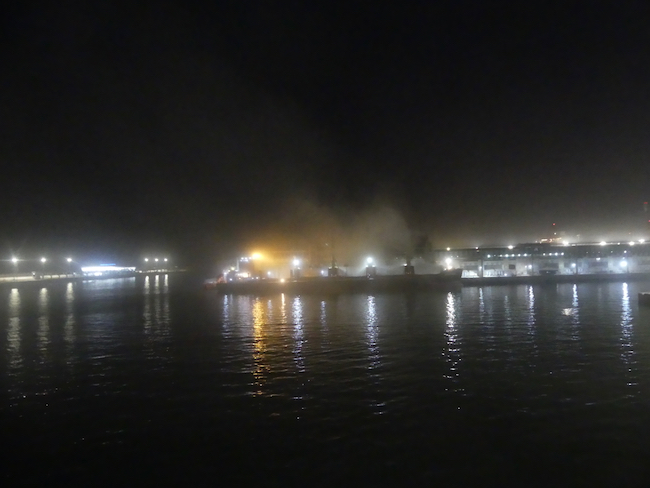
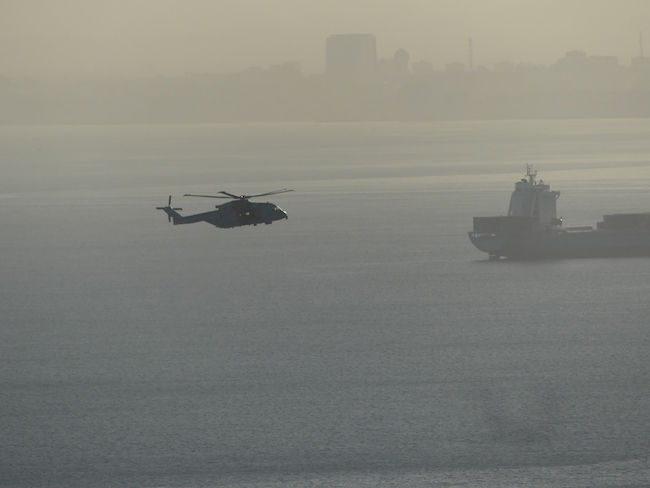
As we sail away from Casablanca, that same ship continues to be surrounded with that yellow steamy cloud.
For us, we have seen everything we wanted to see. We think Cadiz and Malaga will be pretty tame after the excitement of Ajaccio, Malta, Tunis and Algiers. (We were wrong!)
Morocco Malta and the Med: Algiers!

We are excited. Algiers is one of the reasons we booked this tour, knowing that things can happen, and that for political reasons, or because of weather, it might not really happen. When you travel, you just have to accept that things are not always going to work out.
(On this trip, by the grace of God, every single thing worked out.)
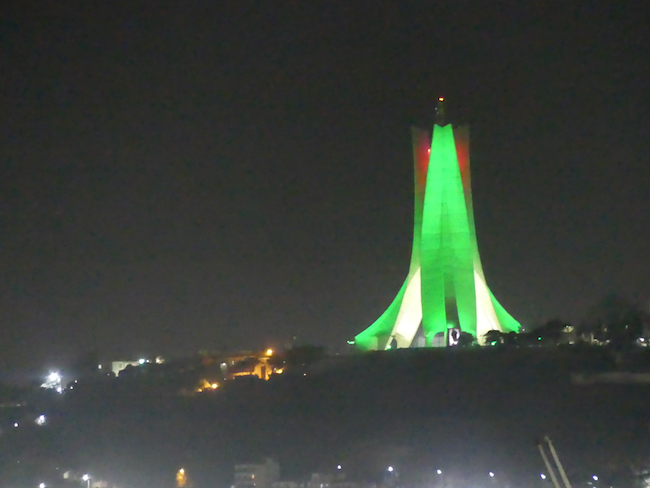
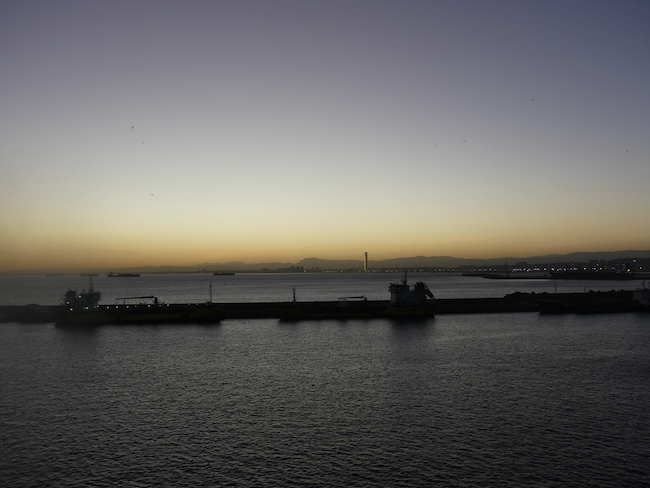
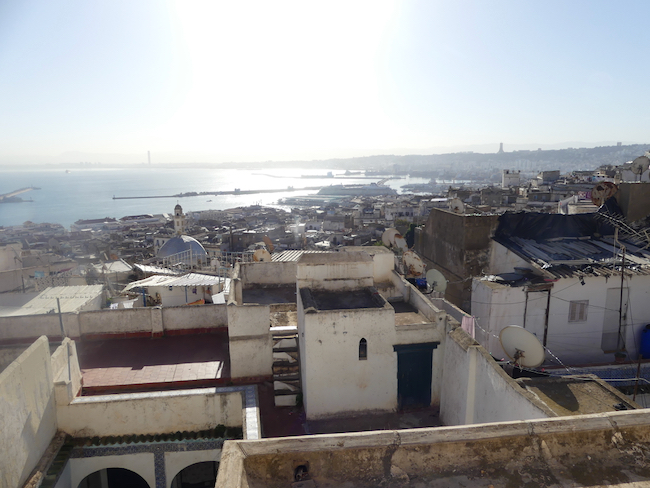
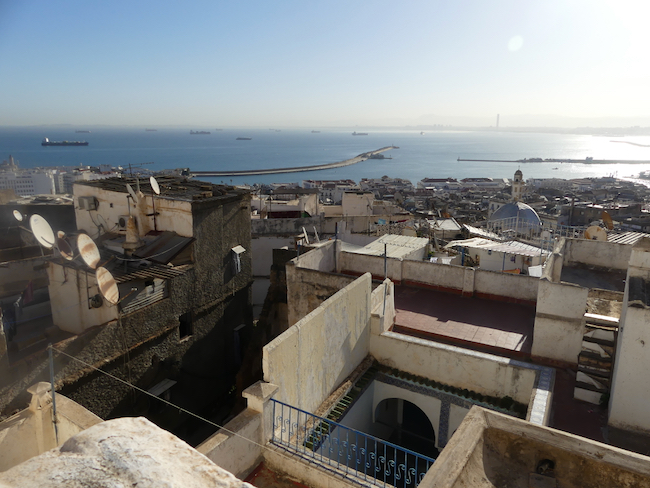
It’s still dark, and we are sailing into the harbor at Algiers. On the hill I see – A Christmas Tree??!! No, as it turns out, this is a memorial to the martys of the war, the Algerian war for freedom from the French.
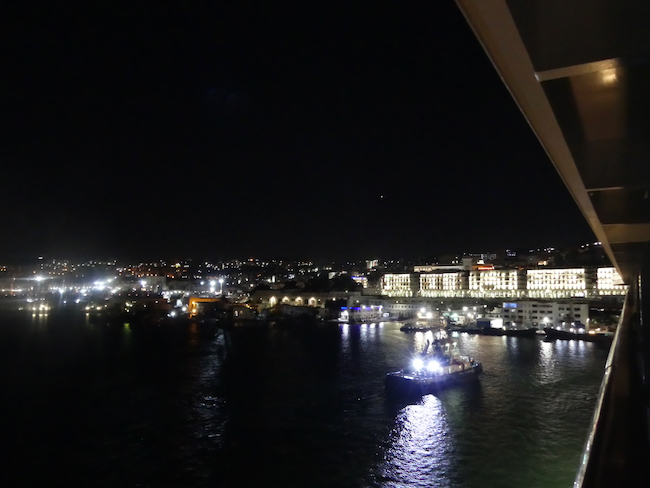

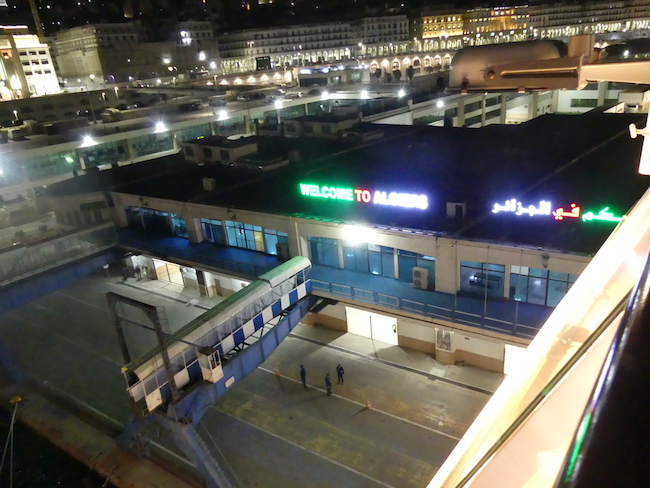
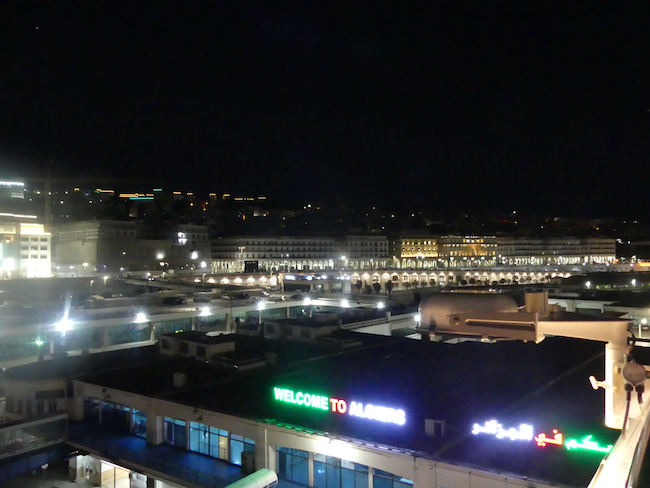
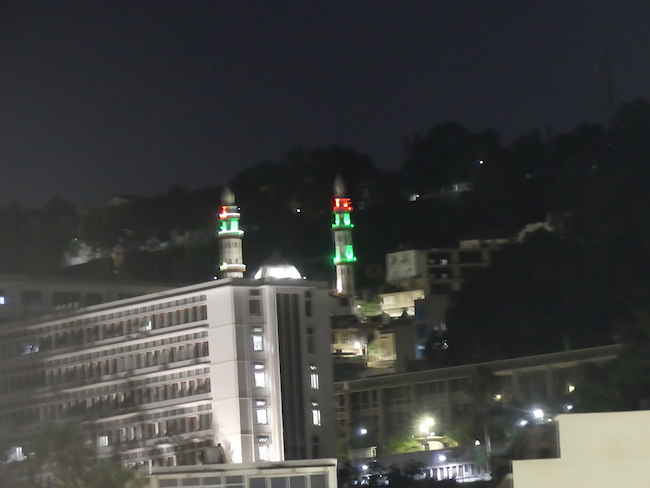
Algiers is the only port in which I heard the call to prayer. It was hauntingly beautiful. The mosques do not all start at the same time, so there is a kind of cacaphonic beauty from a large number of prayers going up at the same time.



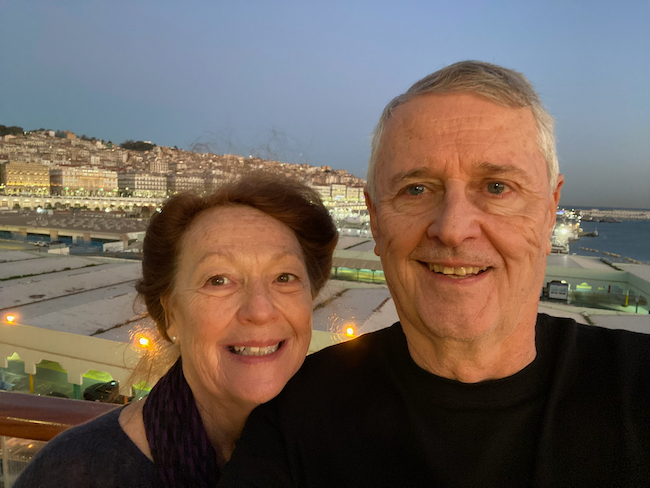
The Hall of Honor is where we process through to get to our buses.

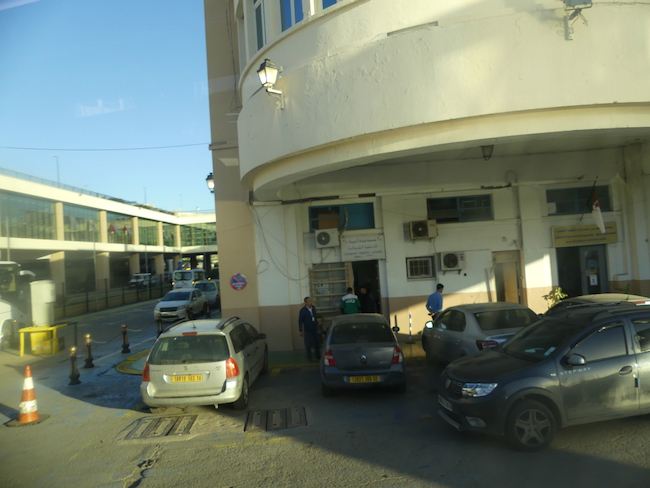
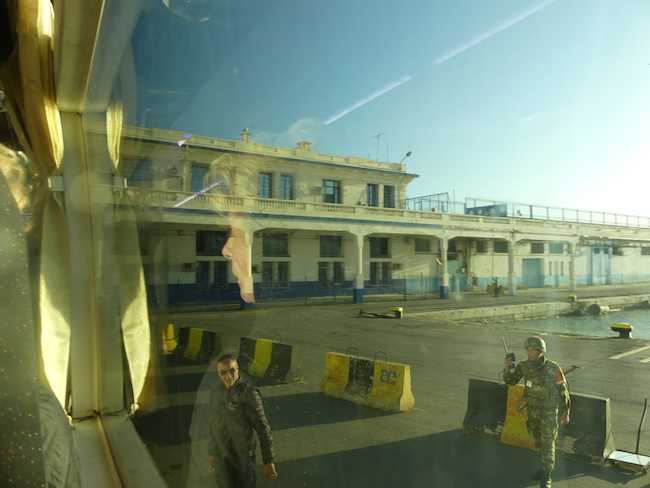


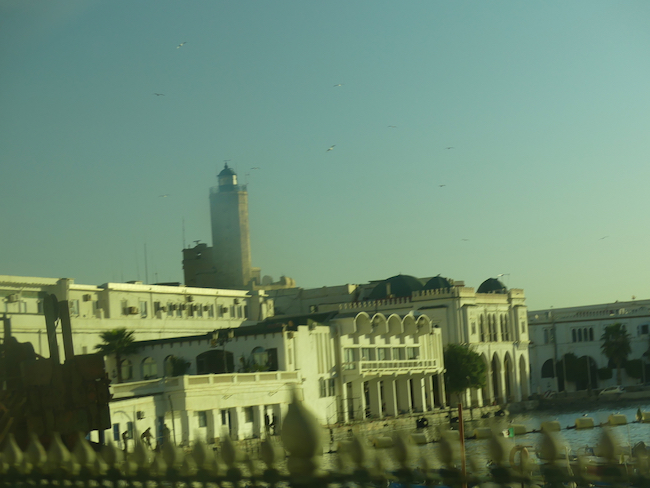
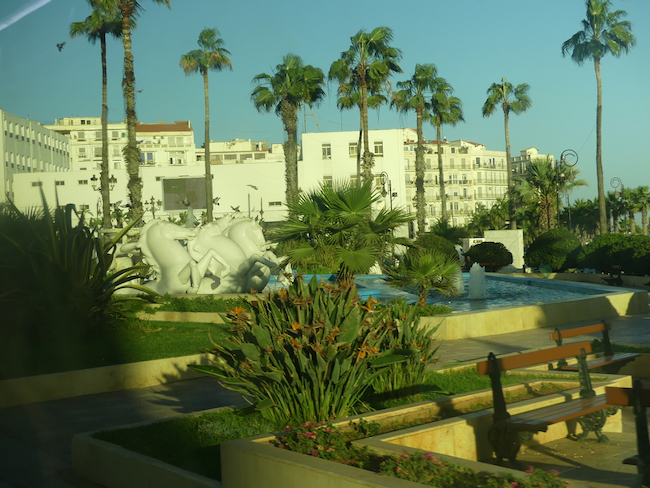
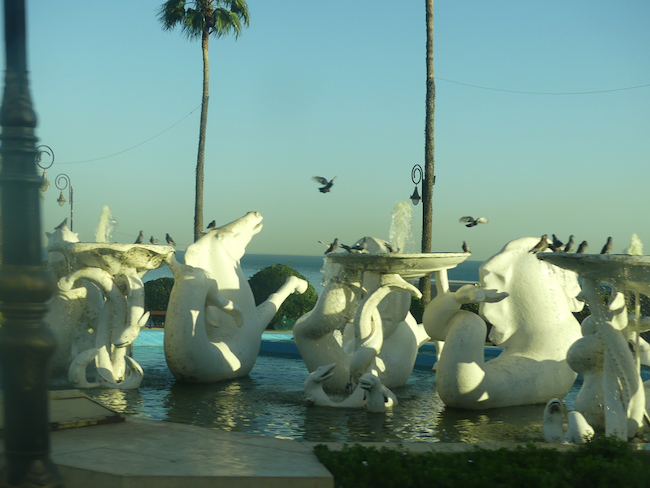
We used to see these “Palm Trees” in Kuwait, really communication towers.
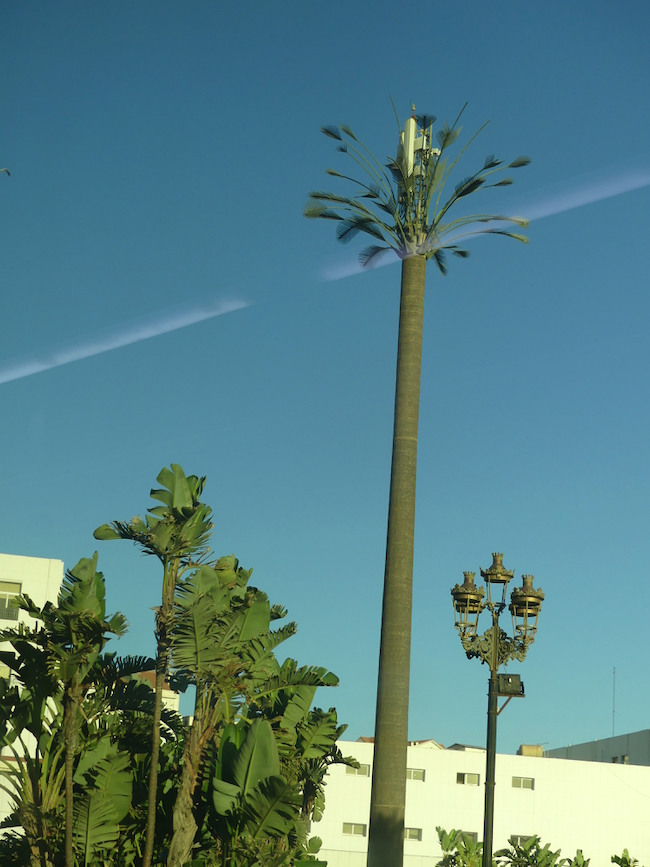
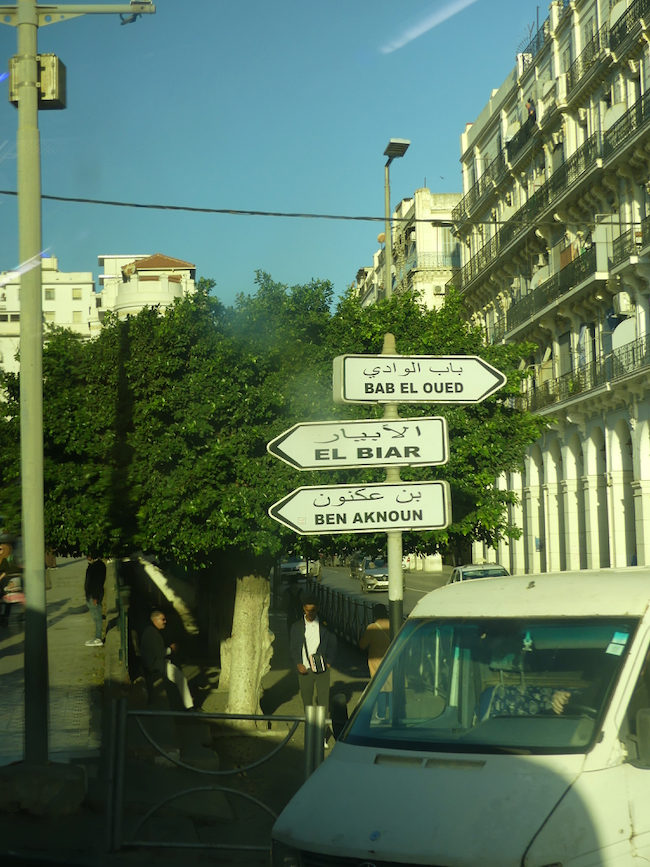
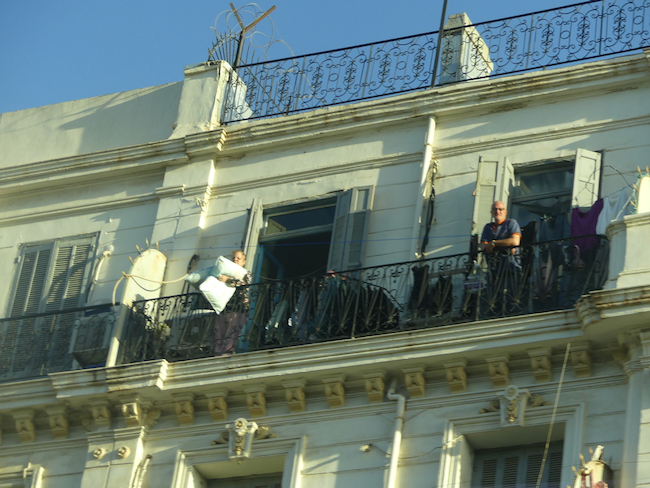


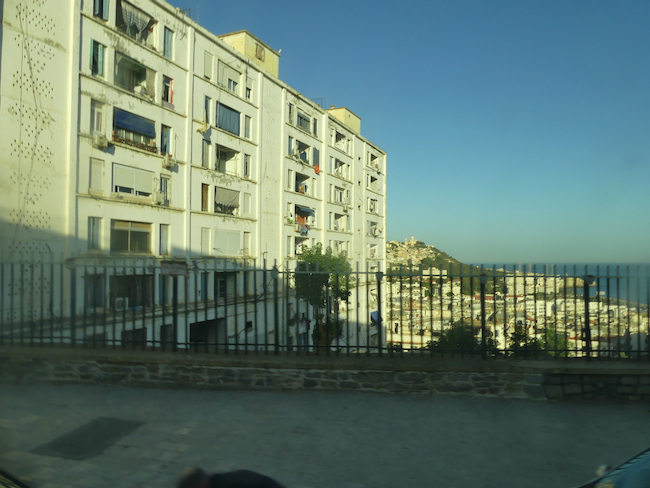
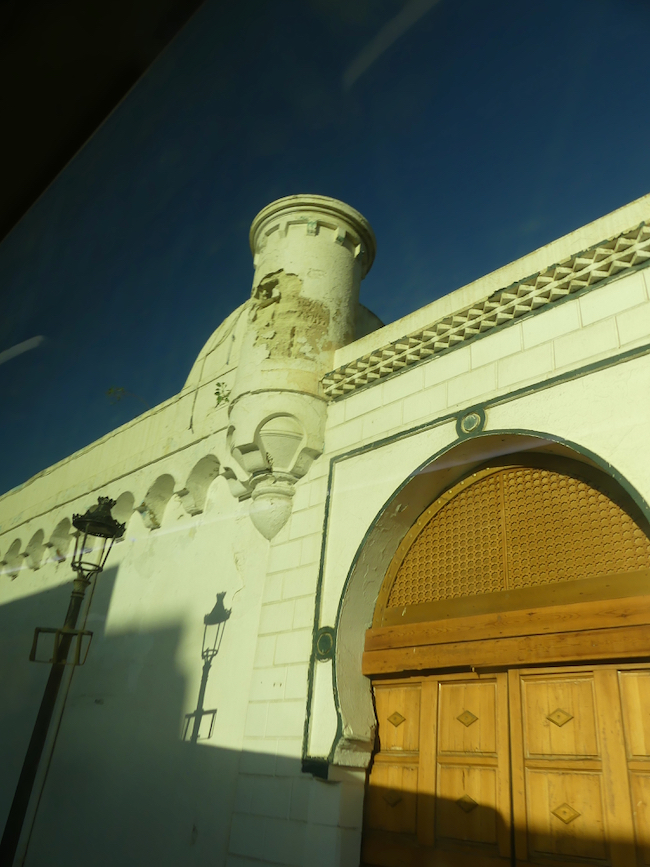


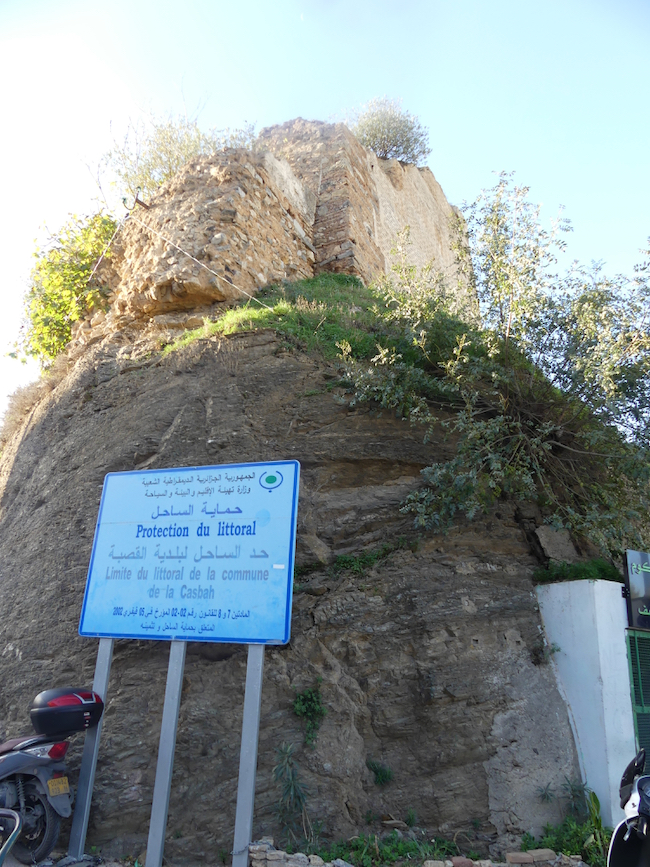


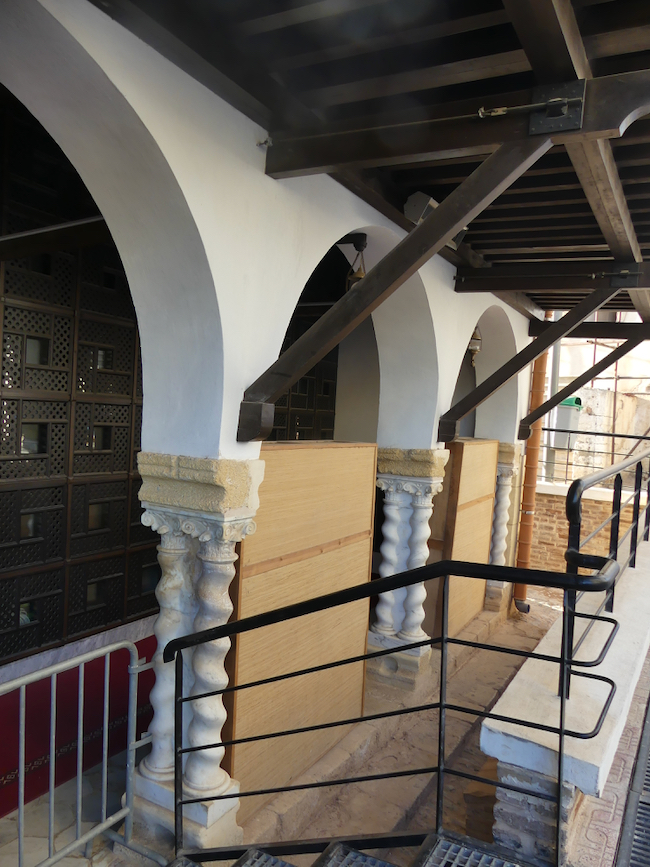
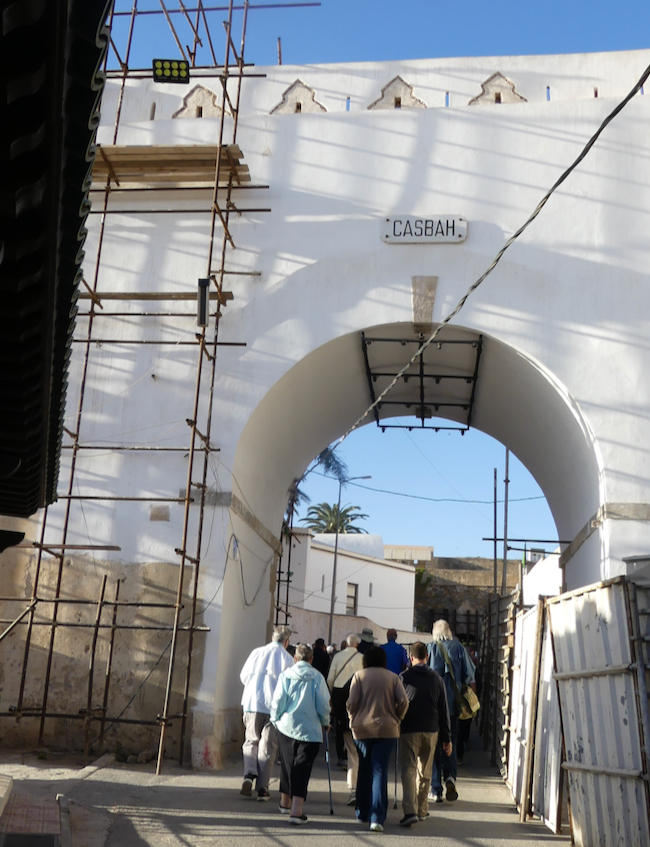
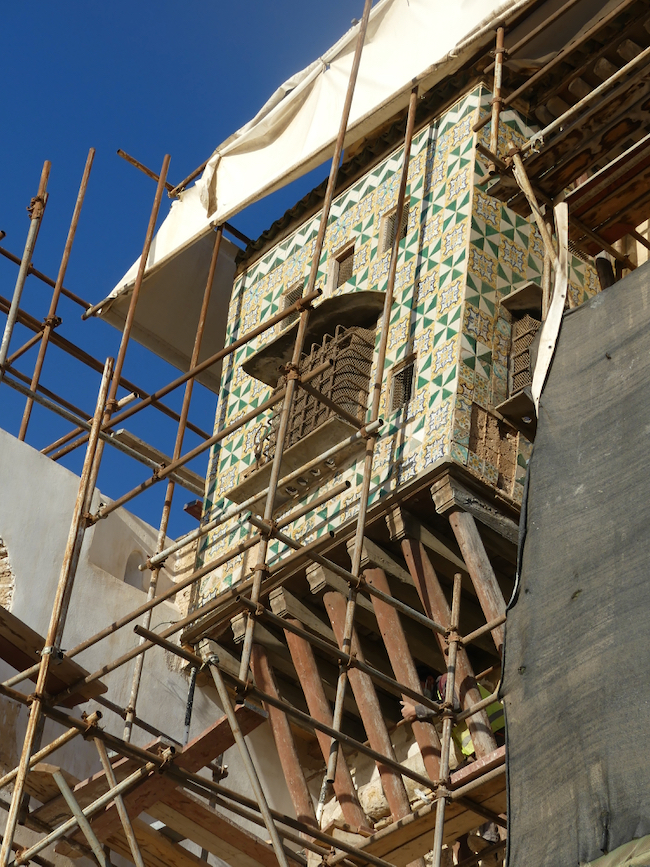



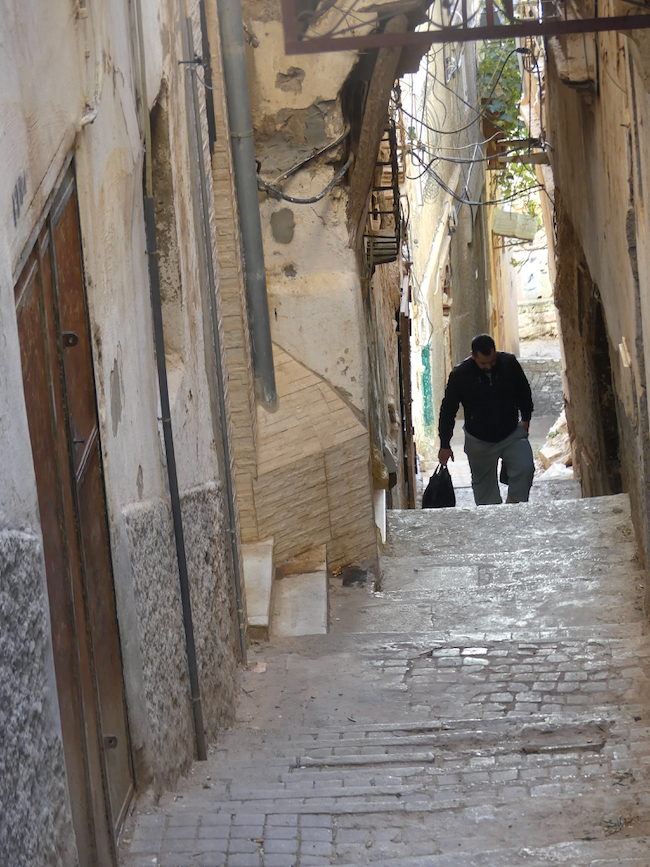
You may be thinking, “Some of the photos here are not the quality we expect!” So, I will explain that I am shooting as fast as I can, surrounded by people I am trying to keep out of my shots, so I can give you an idea of what we are seeing. There is one group after another, all holding up their cameras, getting in one another’s shots. I try to stay ahead or behind, but trust me, the pressure is on. Each group is about twenty-five people, each group with five poorly disguised armed guards, trying to not look like armed guards. They turned out to be really nice guys. Trying to keep American tourists in a line going at a steady pace is a thankless task.




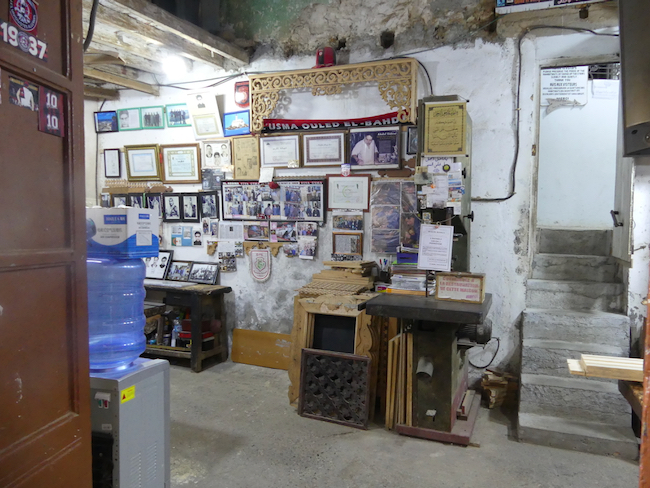

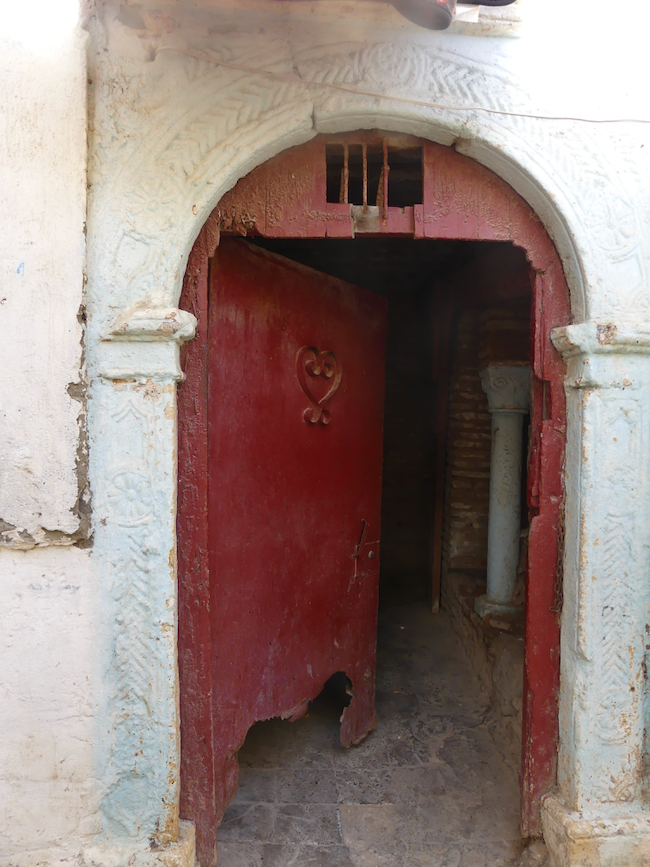


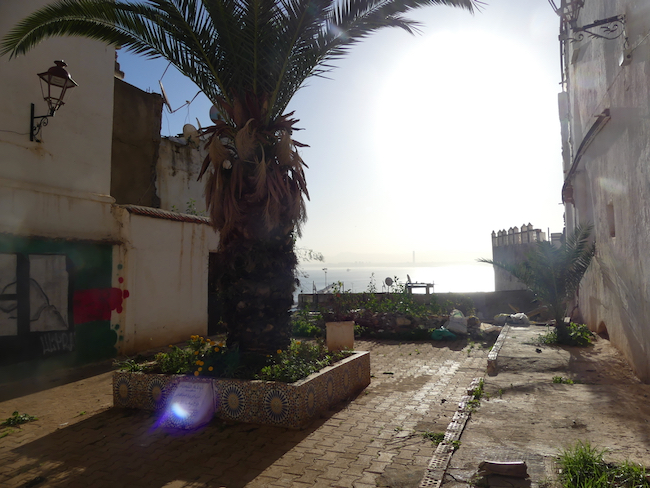
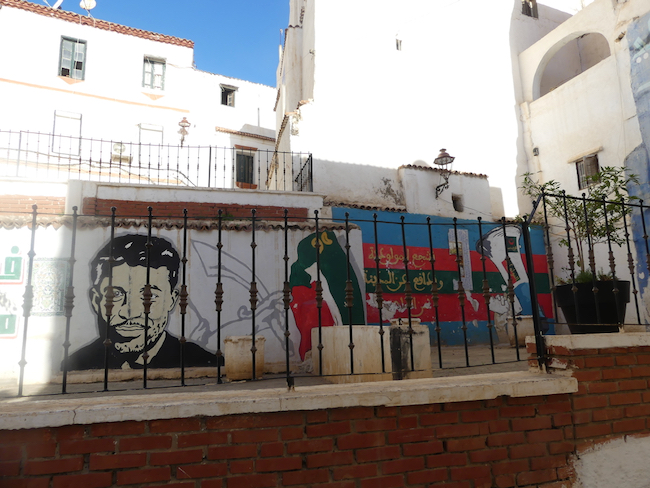

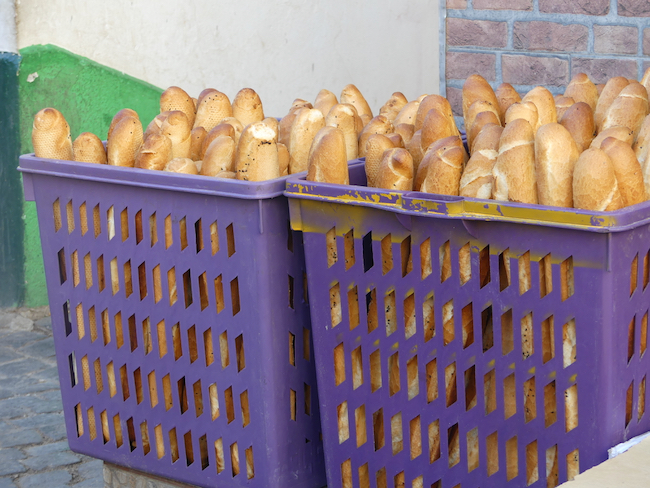
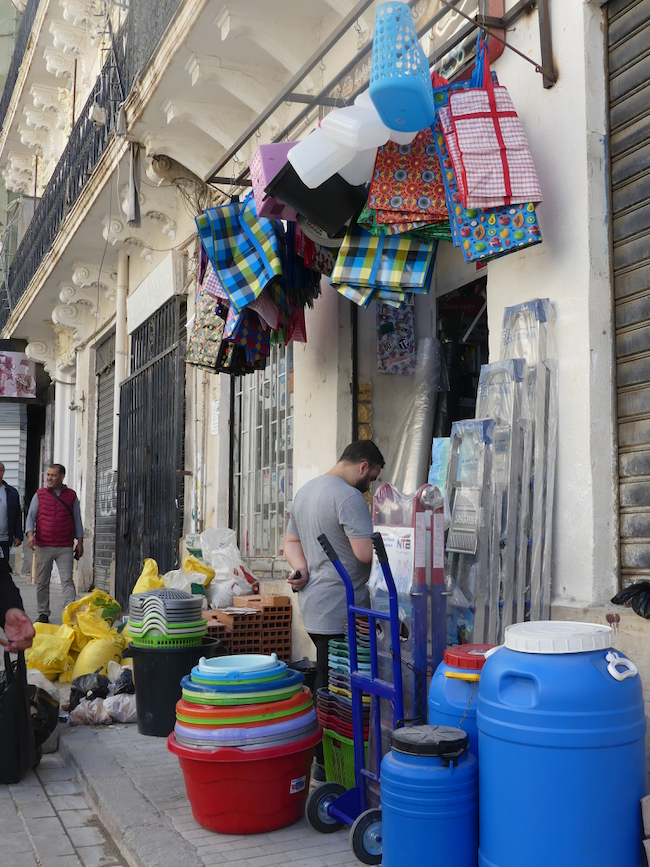
To me it was a little weird that every rectangular plastic basket I saw was purple.
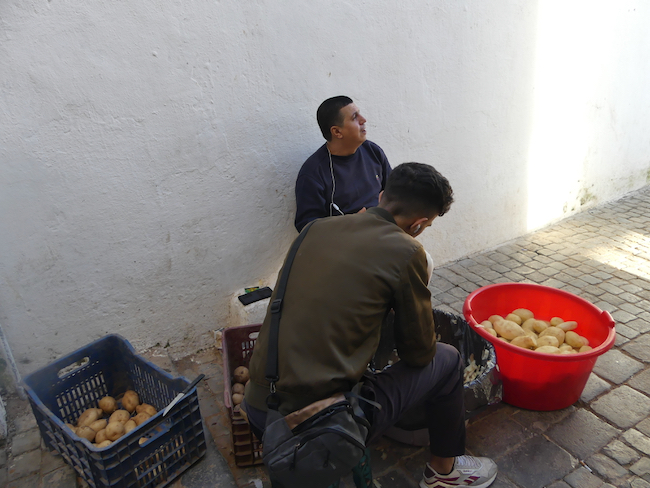
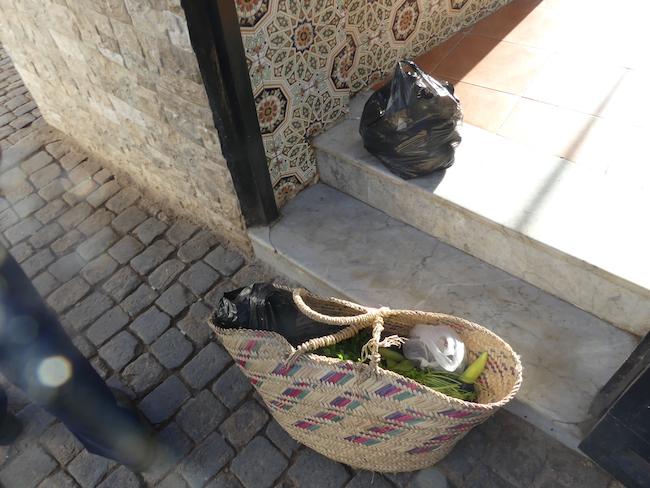
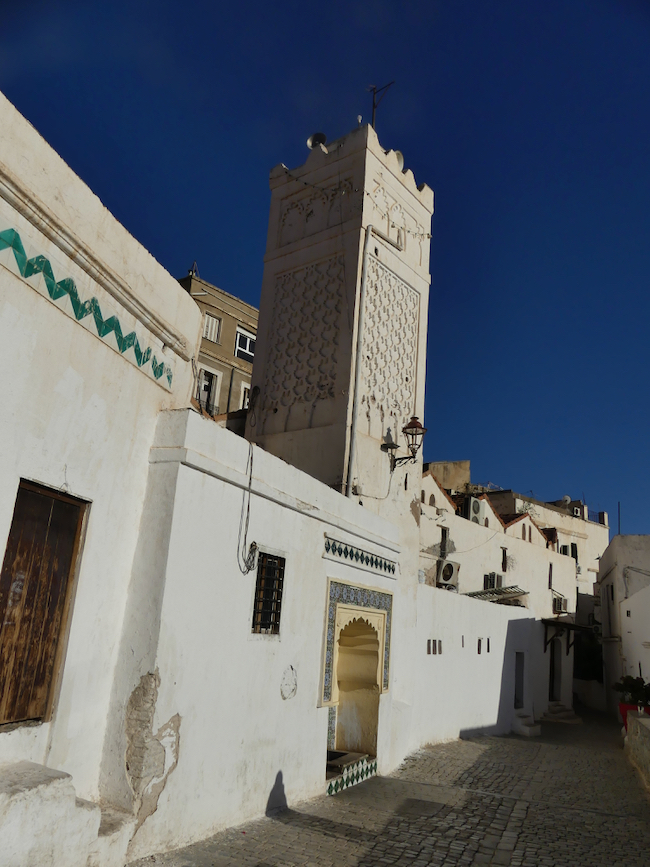

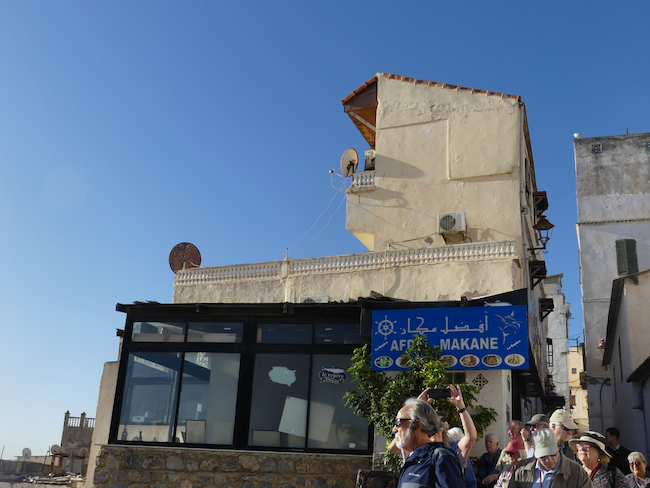
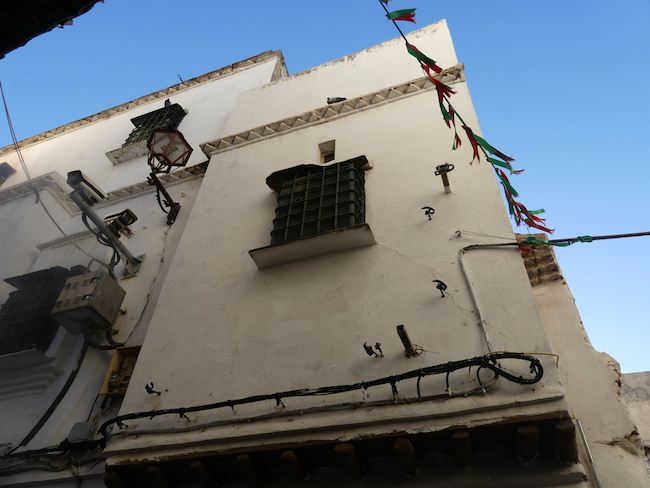
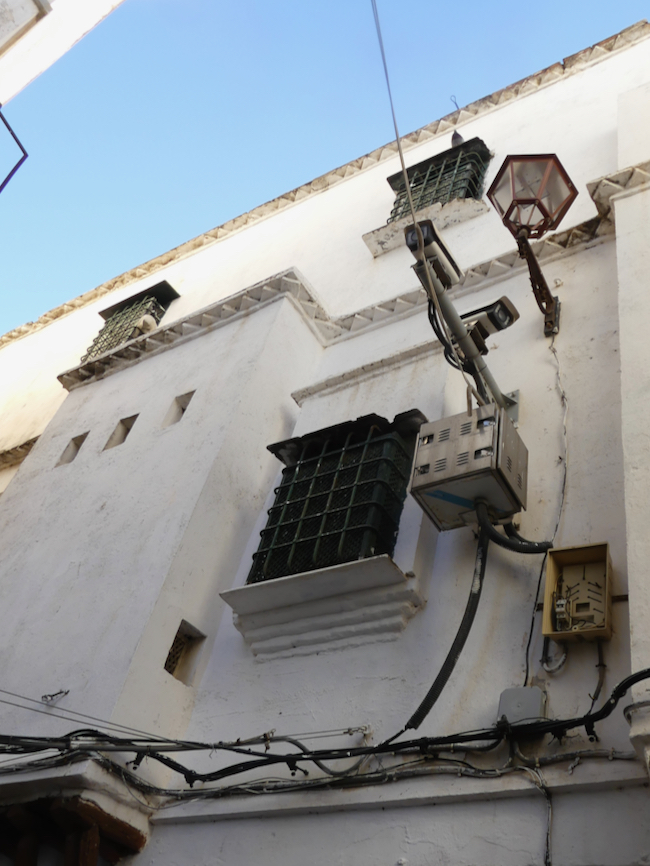
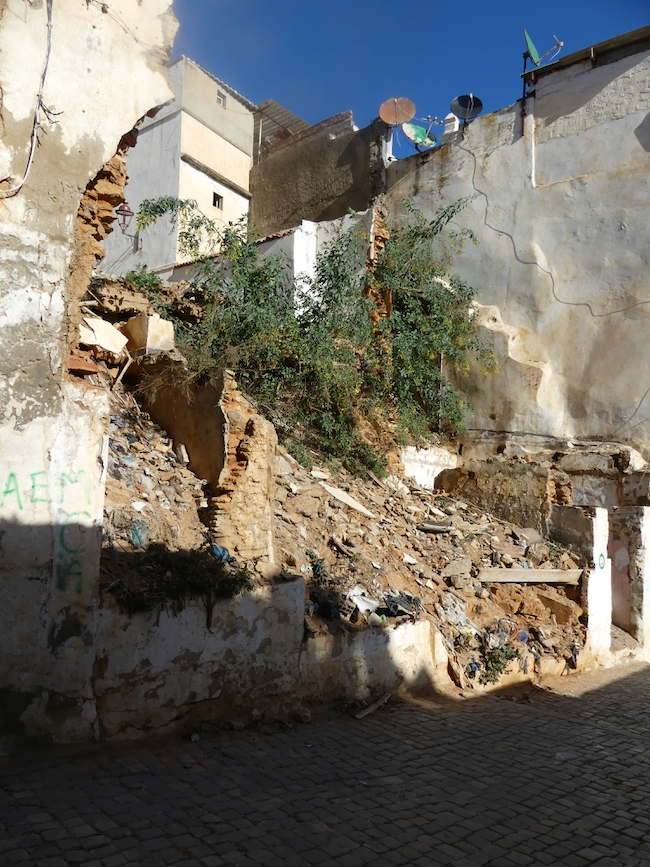
I find some of these construction techniques and electrical wiring workarounds concerning.

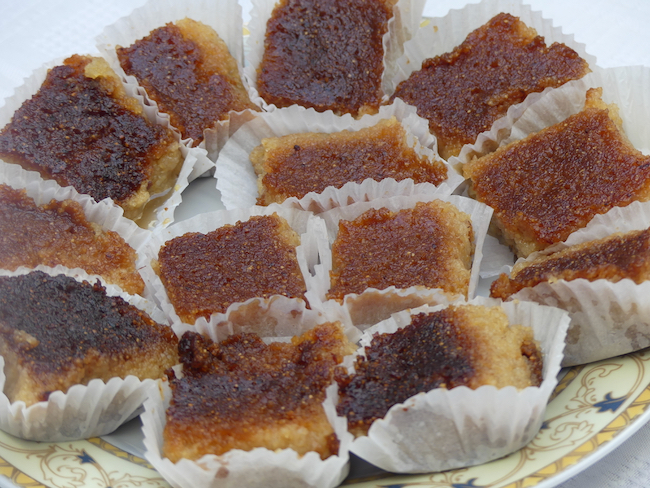
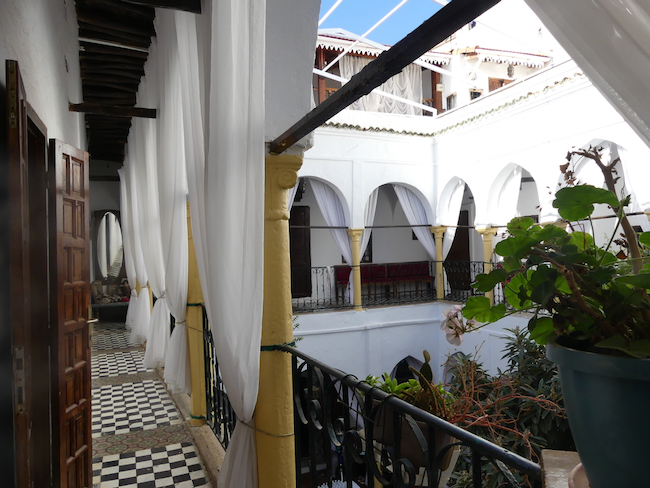
We are taken to a hospitality villa, where they serve fresh dates, mint tea from fresh mint leaves, and fresh baked cookies and pastries.


We think our guide is terrific. First, we love that he showed up in old traditional garb (which we learned he had specially made for this very purpose.) He is full of great information, very patient with his flock, and somehow he manages to get us all going in the same direction and is able to keep us somehow together.






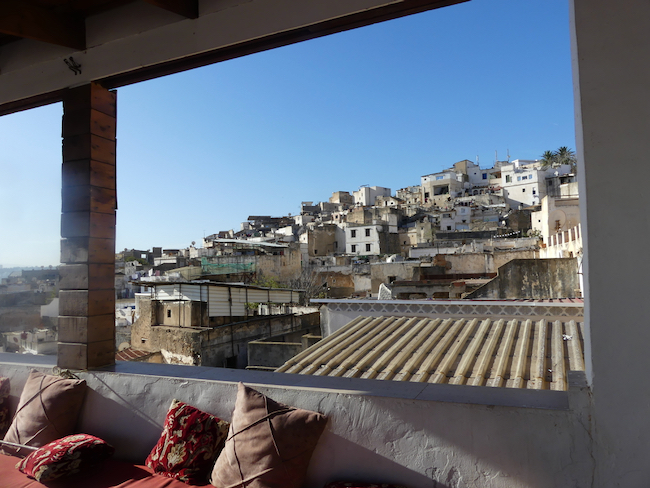


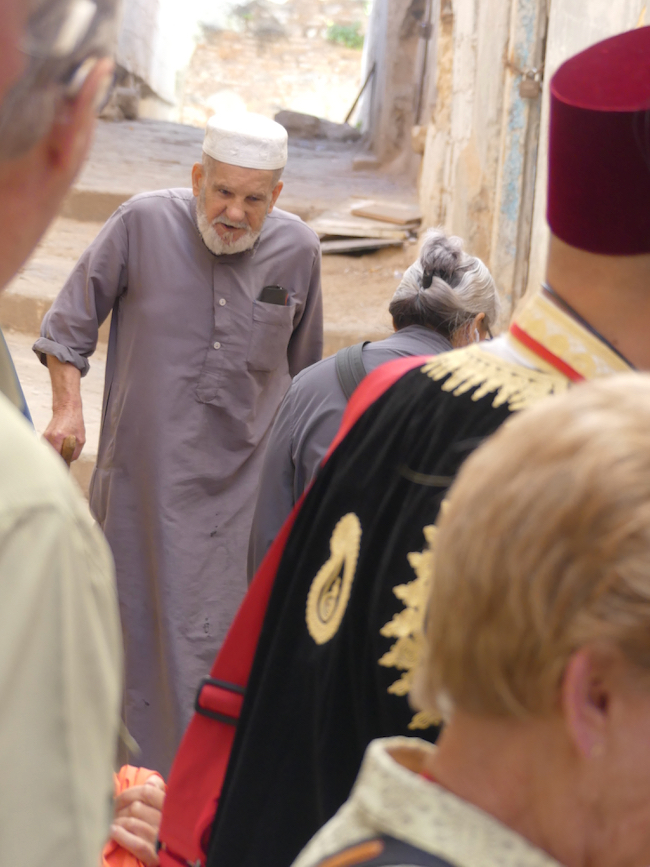
I love this photo. The shopkeeper, trying to keep his street clean and orderly; the donkey, picking up garbage on the street impossible for a garbage truck (and with steps!) and our guide in his traditional garb.


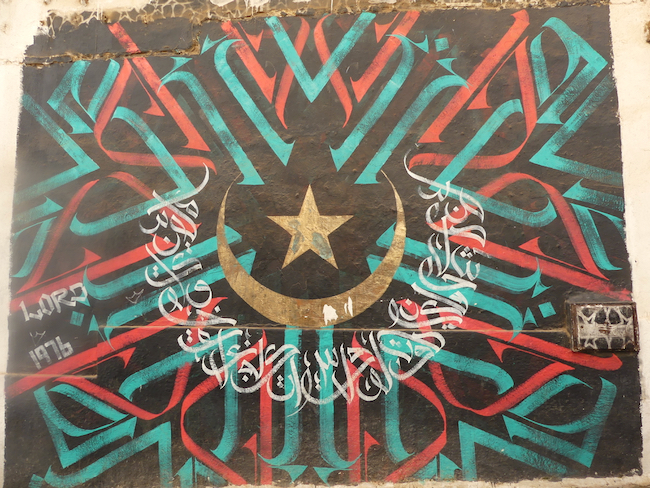

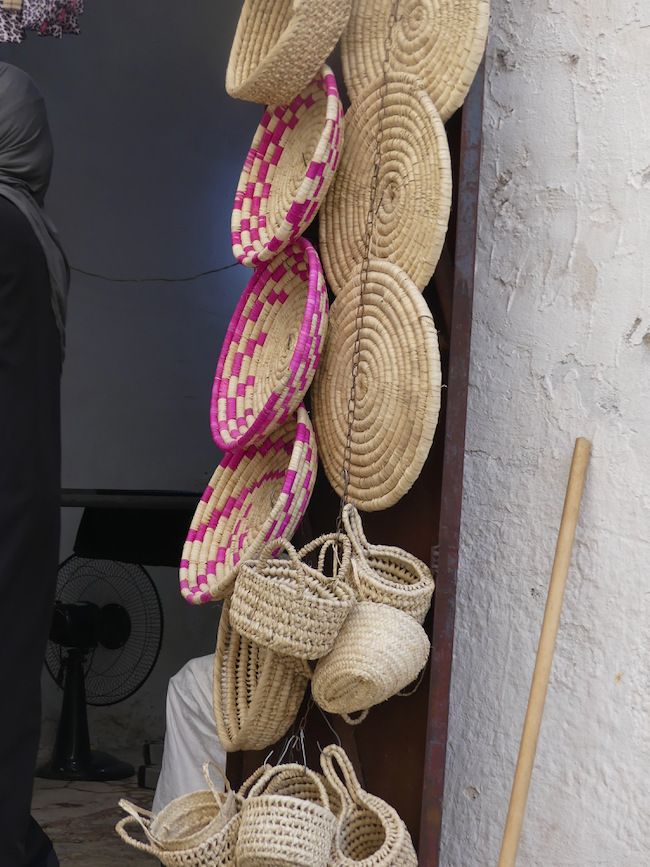


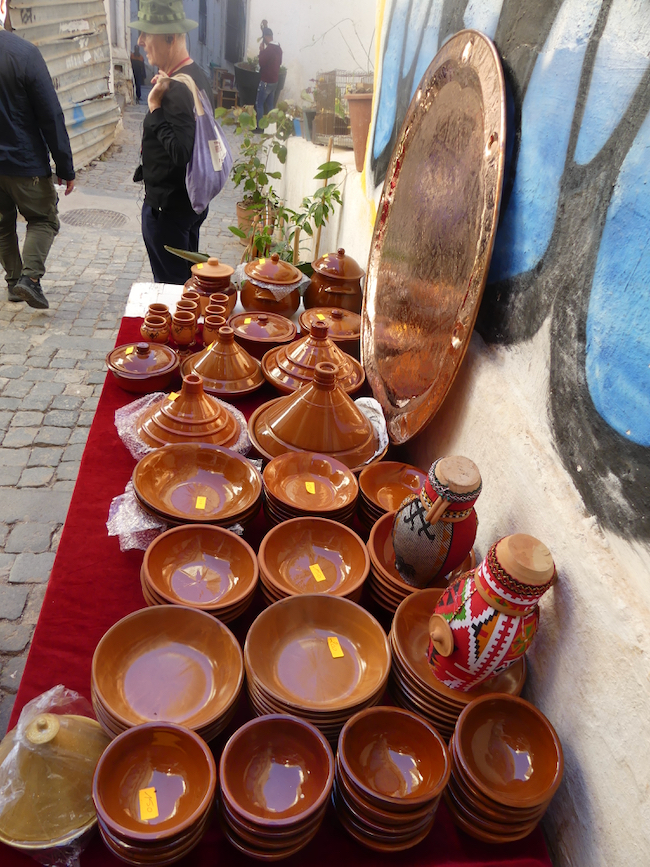
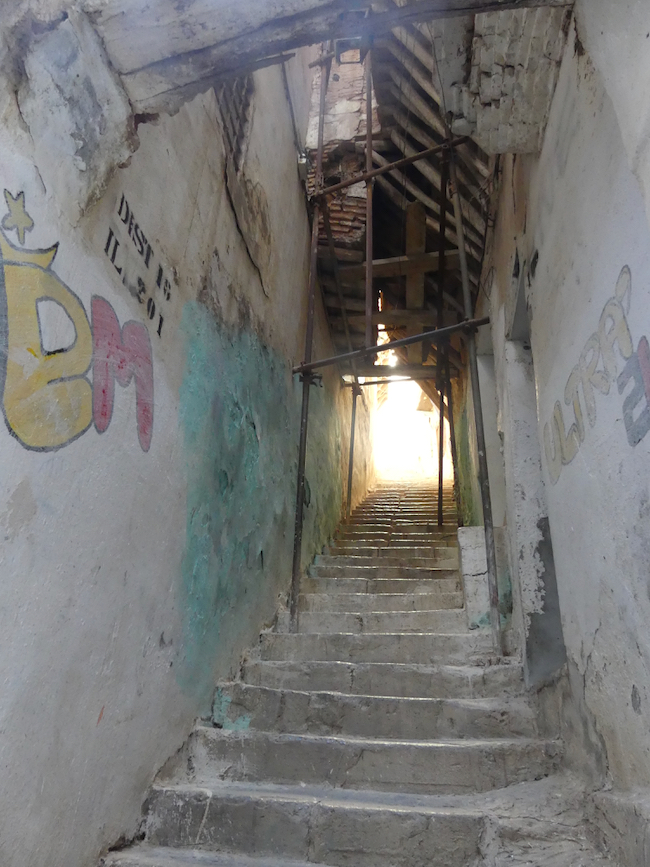
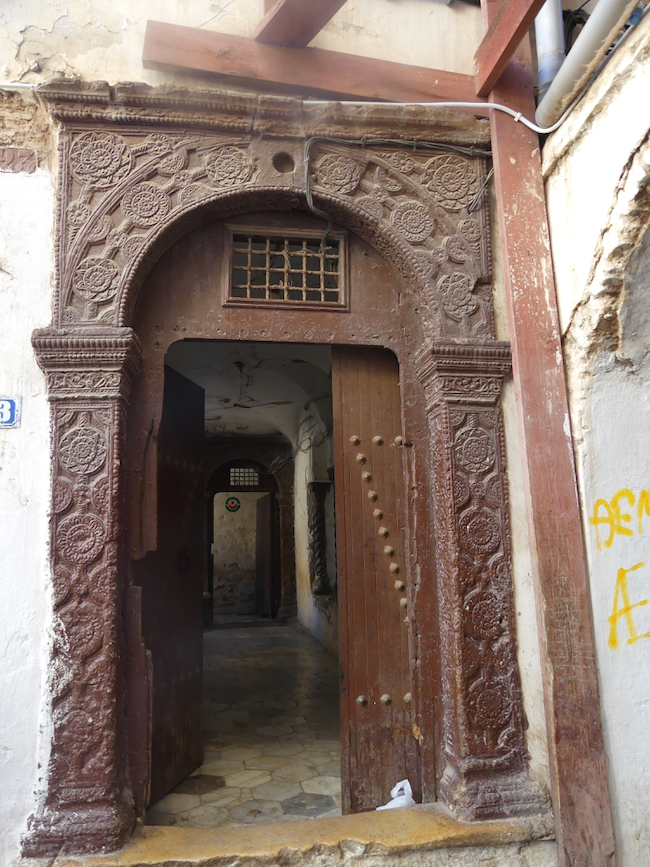

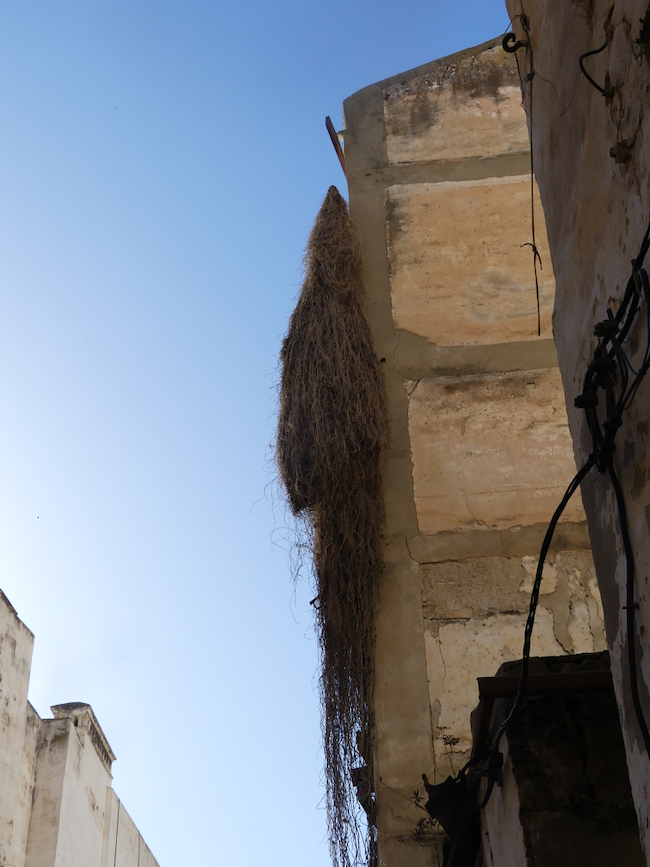


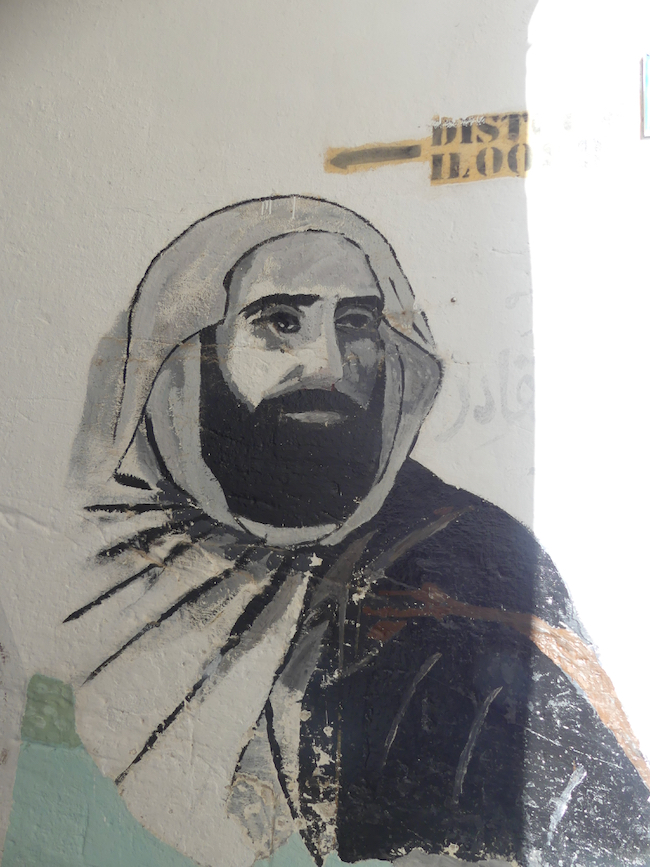
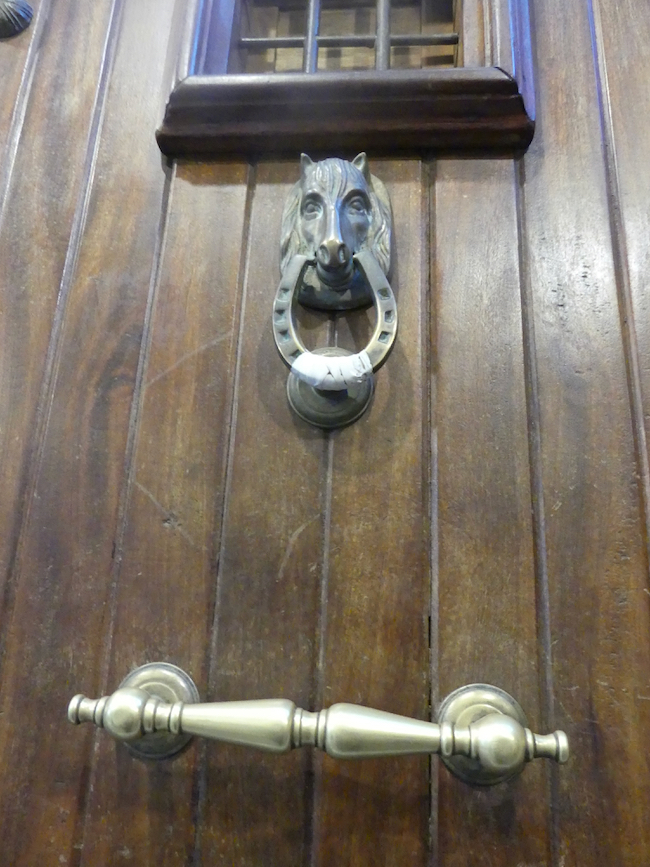

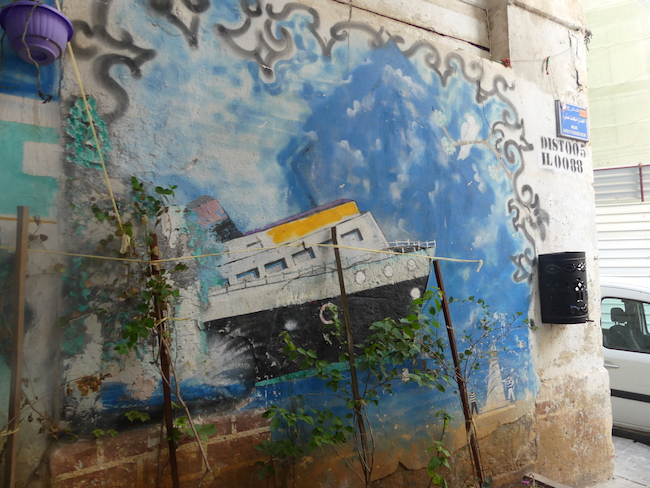
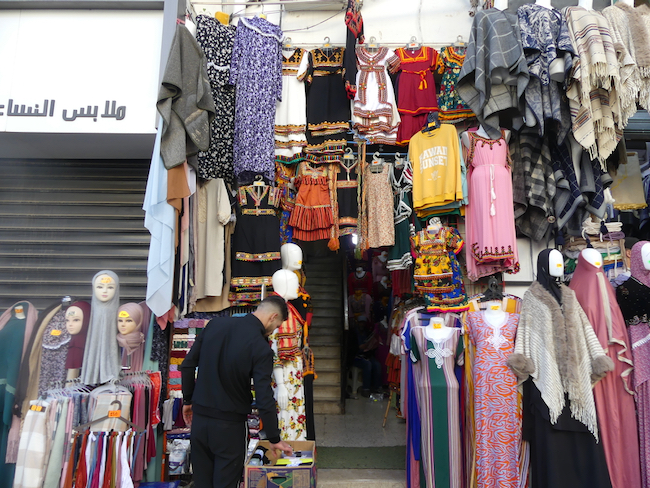
I believe this is the shop that made the traditional outfit for our guide.




I am betting this is the fish market.
Now I am pretty sure it is the fish market!
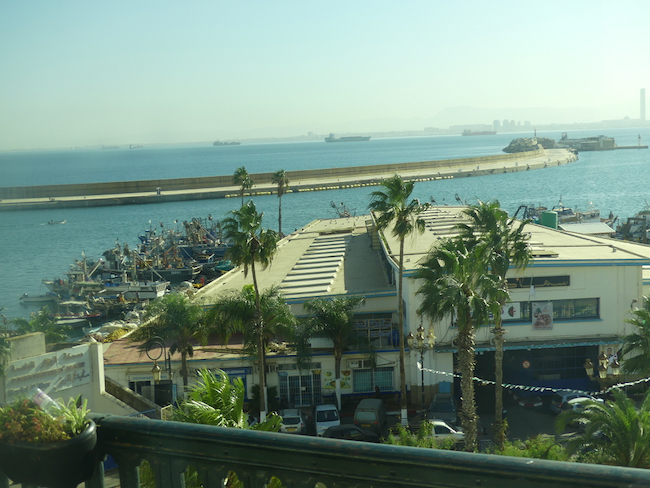
We reboard the ship. We can’t get off again. We are really glad we chose the Casbah walking trip, we feel we got a good feel for that part of town. We never felt hostility, only curiosity, even though a huge crowd of Americans in groups of twenty-five on the narrow, normally quiet pedestrian streets must have been disruptive.
For many of the people who chose this trip, the terrain was challenging. It was stone, sometimes slippery due to sand or moisture. The steps were uneven, the stones rough and irregular. For many, the poverty was distressing, and the dirtiness and disorderlyness made them uncomfortable. I think, too, that it would have been good to let them do a little shopping, good for the tourists and good for the Algerian merchants, but the security concerns were so great that tourists were not given any time to interact with the people or the economy. Too bad. We learned that Algiers will not be included in future Morocco Malta and the Mediterranean trips.
I think, too, maybe it felt familiar to us because the slice of Algiers that we saw was very like Tunisia in the late 1970s, and it was at first a challenge to us, but we learned and adjusted.
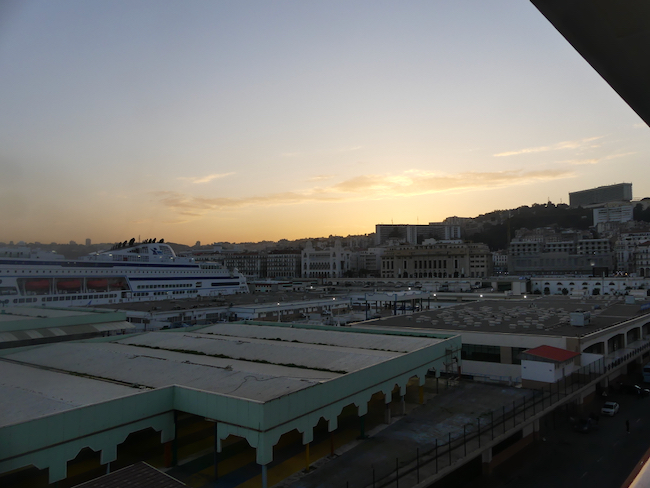


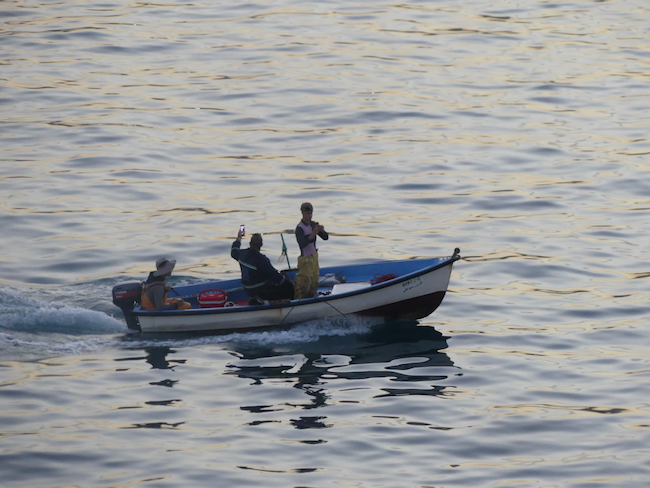

Farewell, Algiers!
Morocco Malta and the Med: Revisiting Life in Tunis

Sunrise getting close to Tunis.
You may be a little hazy on where Tunisia is:
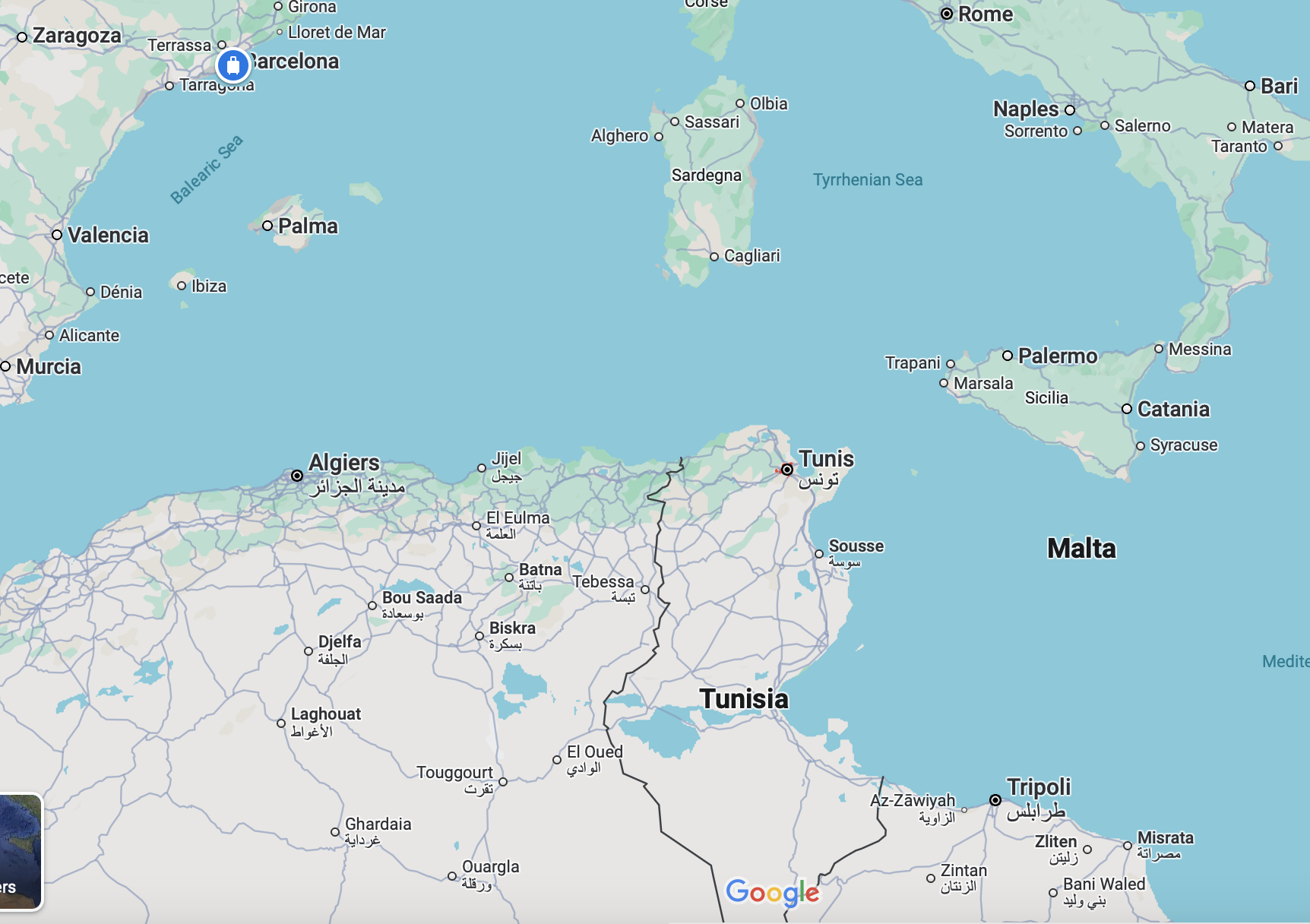
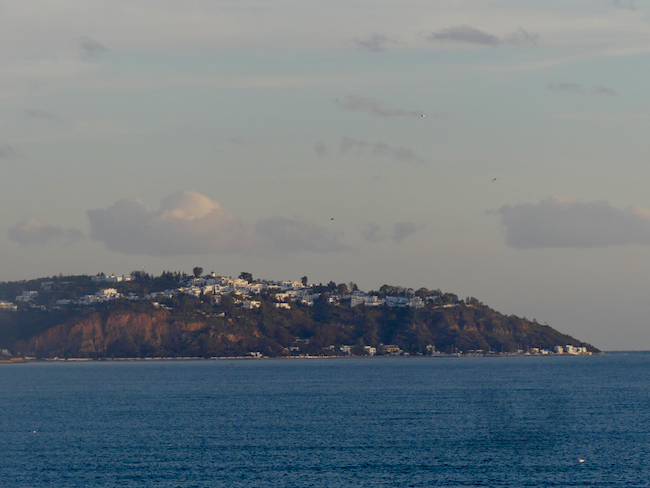
We recognize Carthage and Sidi Bou Said, but everything is so much more built up.

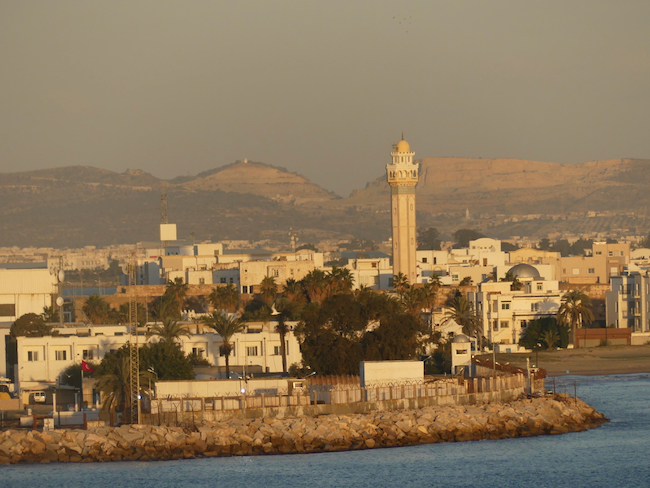


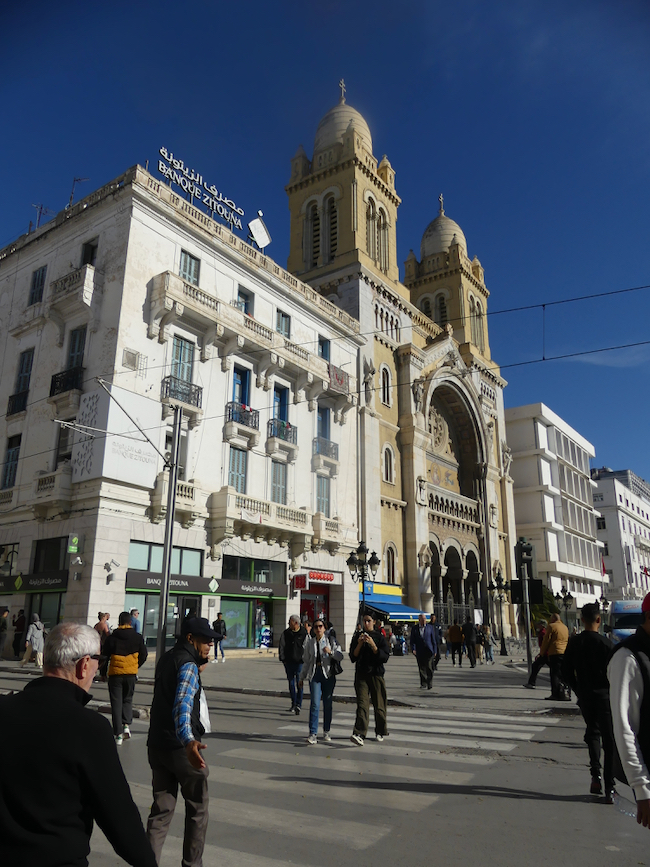
Saint Louis Cathedral up on the hill, we remember. Oh wow, Wikipedia tells me it is no longer a cathedral: Since 1993, the cathedral has been known as the “Acropolium”. It is no longer used for worship, but instead hosts public events or concerts of Tunisian music and classical music. Currently, the only Roman Catholic cathedral operating in Tunisia is the Cathedral of St. Vincent de Paul in Tunis.[1] Hunh. Acropolium.


We had exactly the day we needed in Tunis, thanks to this fine man, Noureddine Boukari. We found him through Tours by Locals, and he corresponded with us to determine exactly what we wanted to see and experience in our precious few hours in Tunis.

He was there to pick us up as we exited the boat. He took us directly downtown, along Habib Bourgiba to the Central Market and the souks as they were opening. It was a great beginning; the Central Market hasn’t changed much in forty years; people can still find the freshest fish and local vegetables as they do their daily shopping.
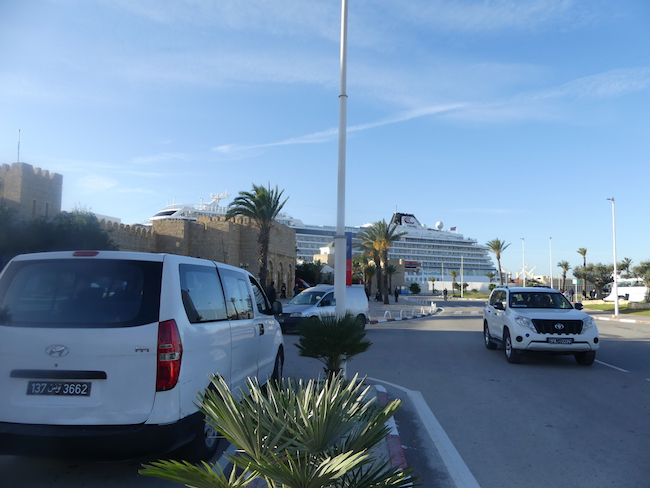
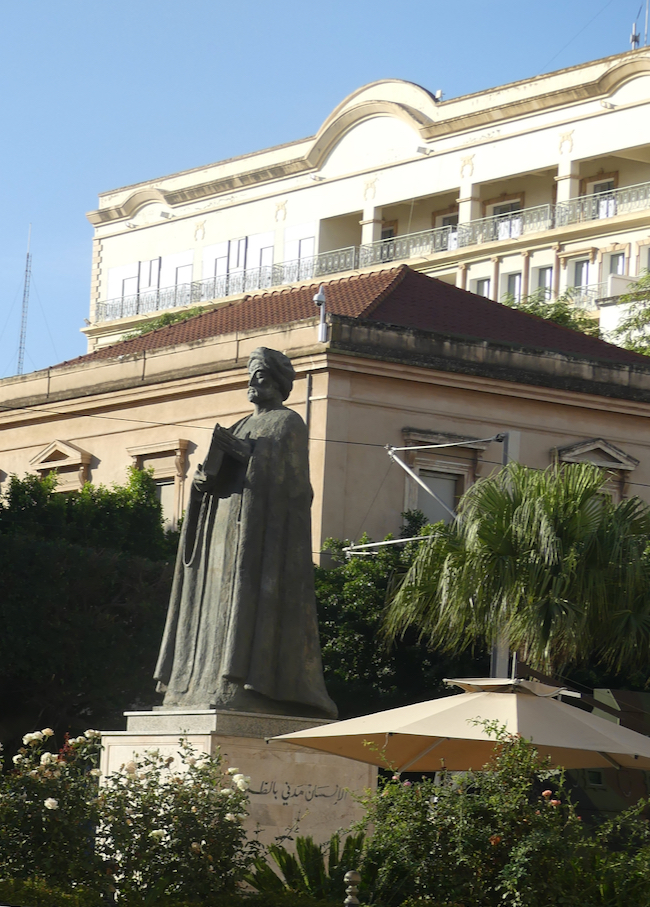

LOL this thrilled my heart!


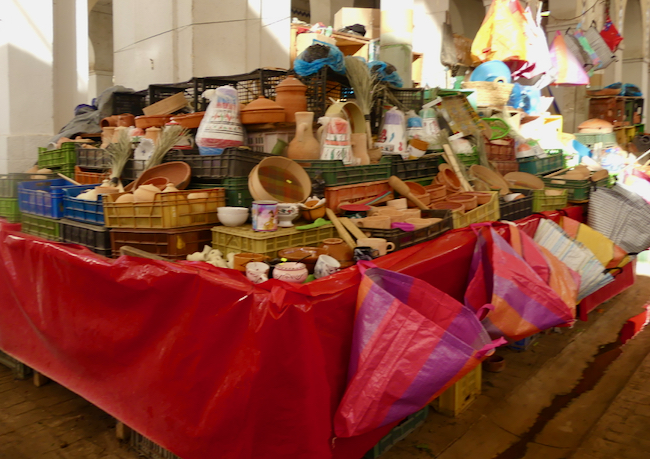
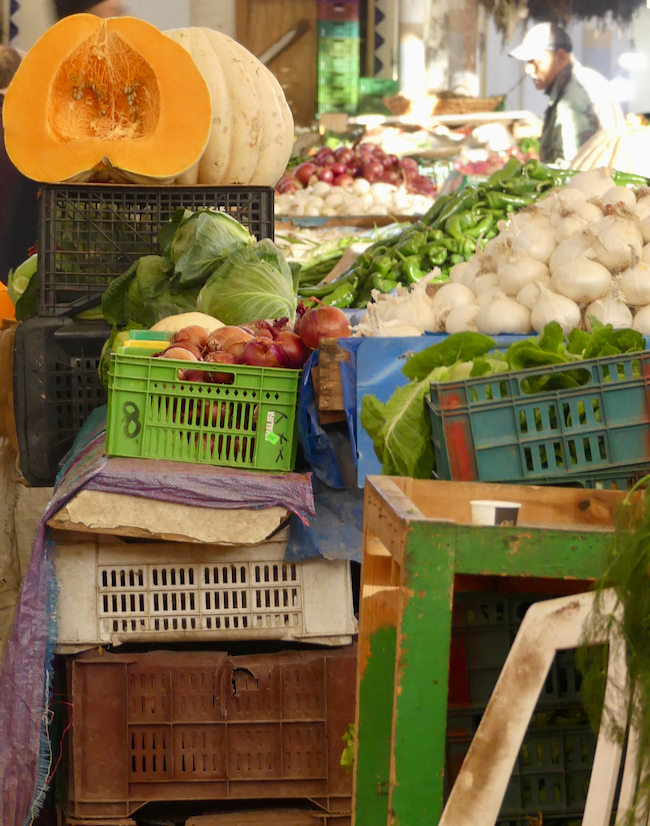
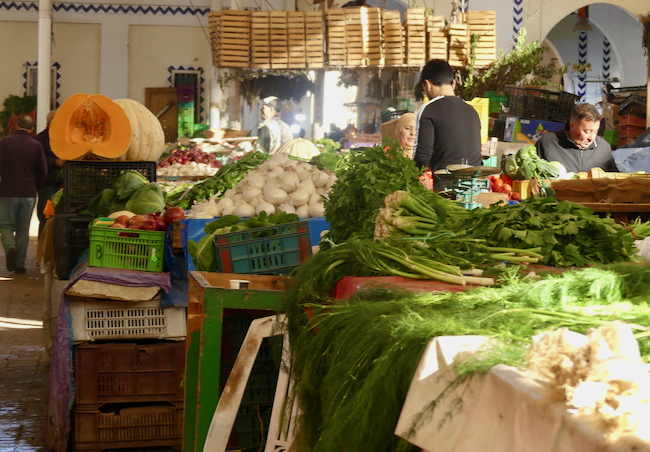


This was so much fun for me – probably because as a young wife, shopping for food was challenging at first – buying by weight in the markets, always carrying our own bags to put our vegetables in. I have so many hilarious stories, mostly because I was so ignorant, and had to learn new ways.

Noureddine introduced us to friends who were shopkeepers, and they had a great time talking with AdventureMan.


As I type this up, I hear the words in French and Arabic for eggs, parsley, pumpkins – it comes roaring back, words I haven’t used in a while.

And we head for the souks, which are just opening. The whole medina area is SO clean now!
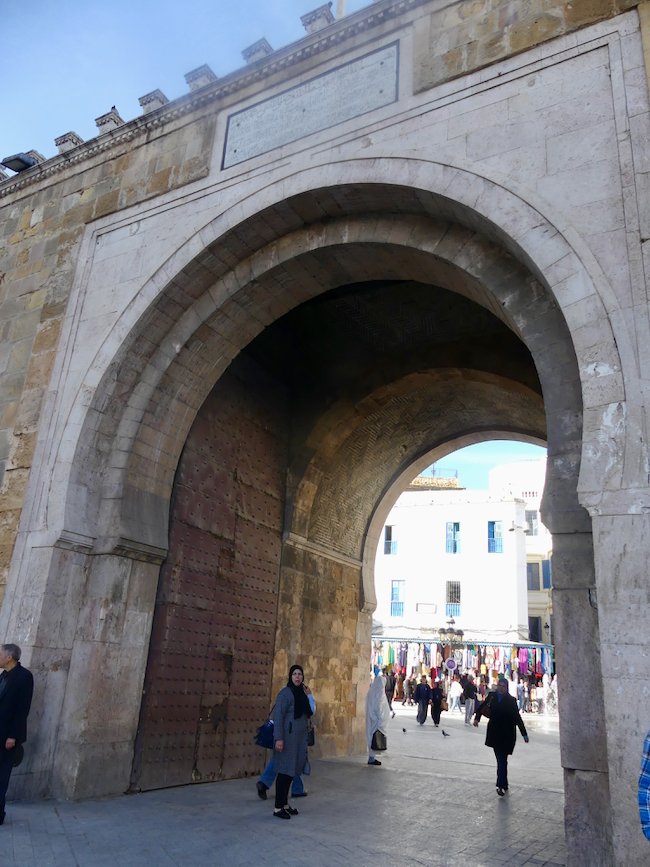
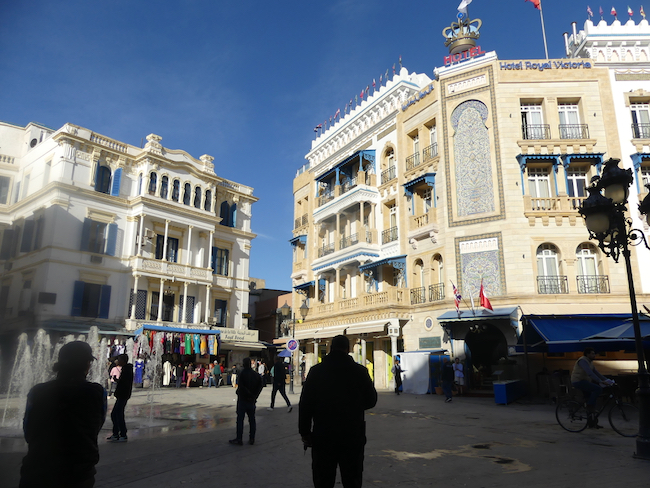
The Hotel Royal Victoria on the right used to be the British Embassy a long time ago, right at the main entry to the souks.

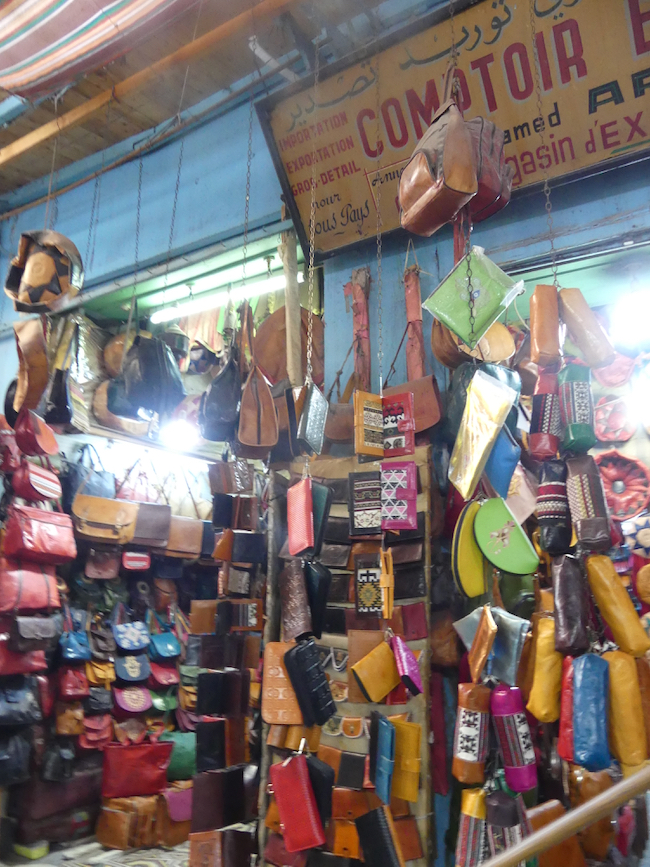
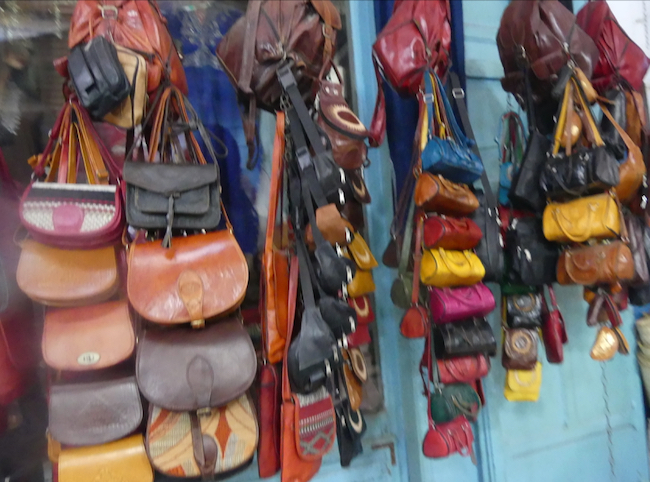
I didn’t do a lot of shopping on this trip, but I found in these souks a beautiful silk scarf hand woven in Mahdia for my daughter-in-law and a huge red sefsari in the old pattern for the woman who stays in our house and cares for the cats while we are gone, and who, like me, loves textiles.


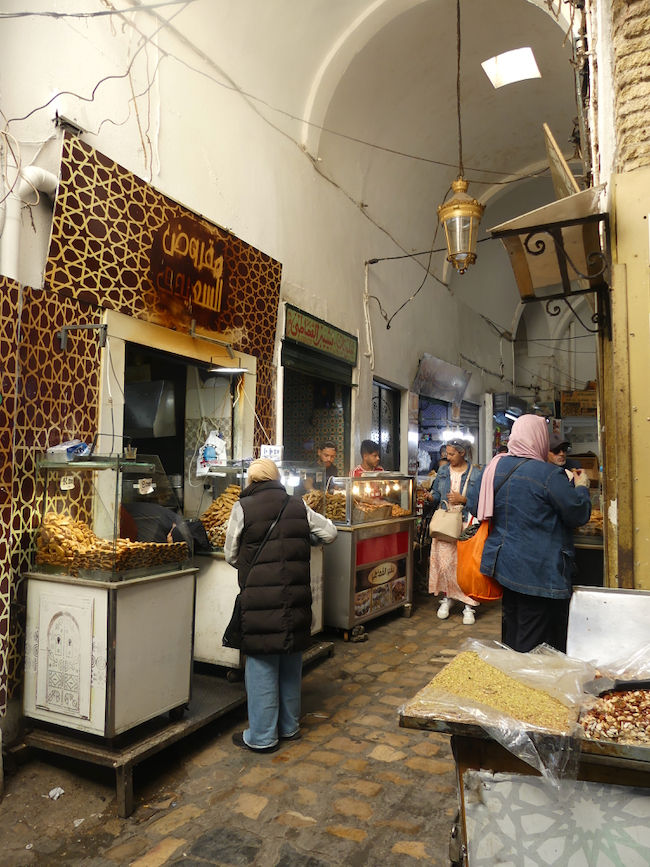
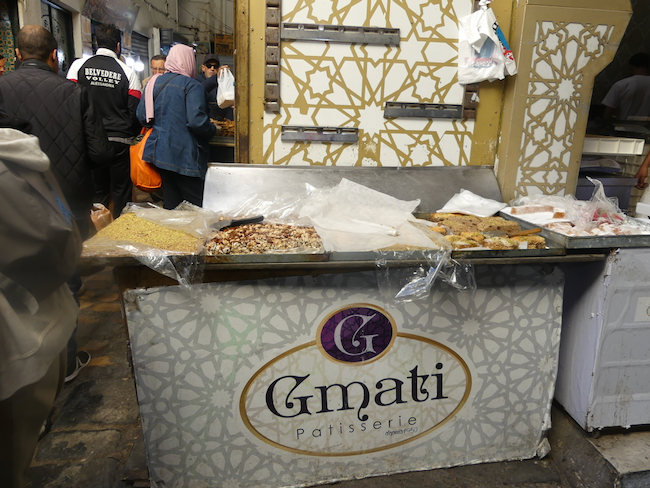

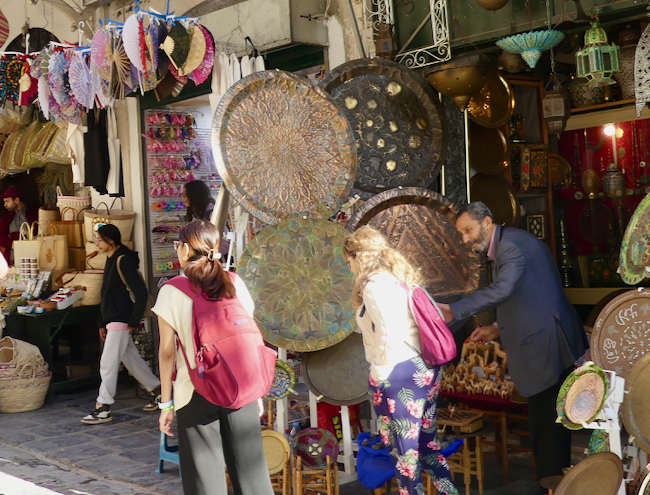

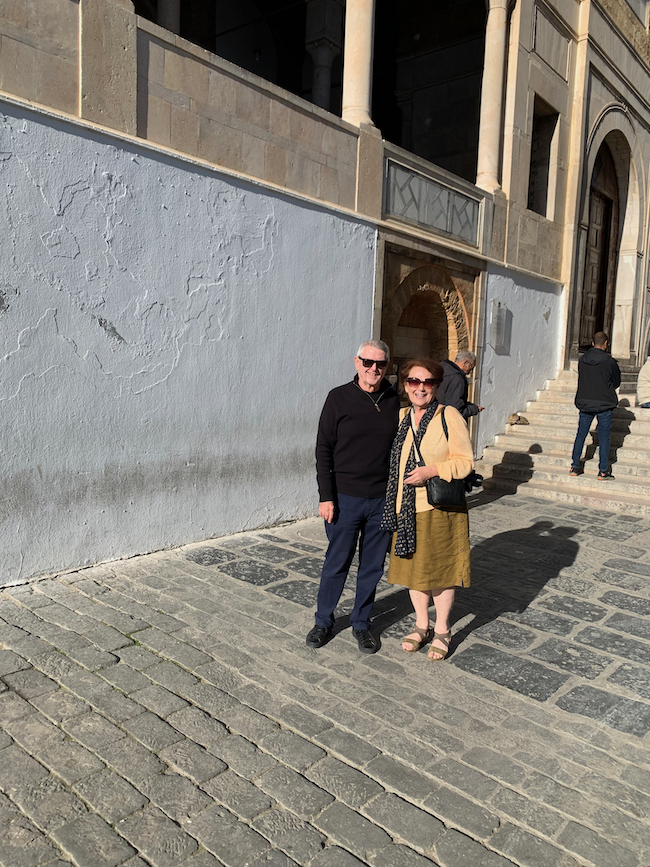

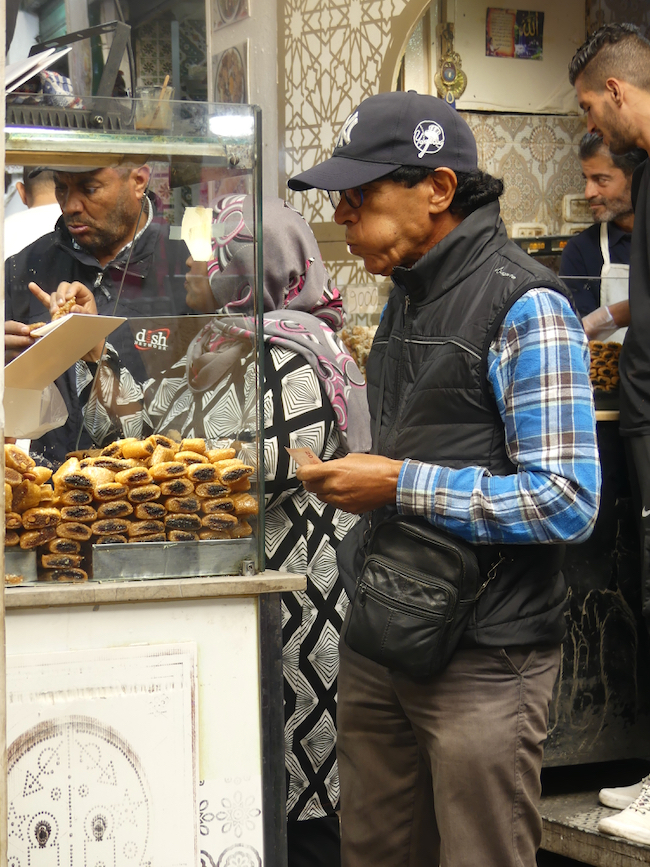
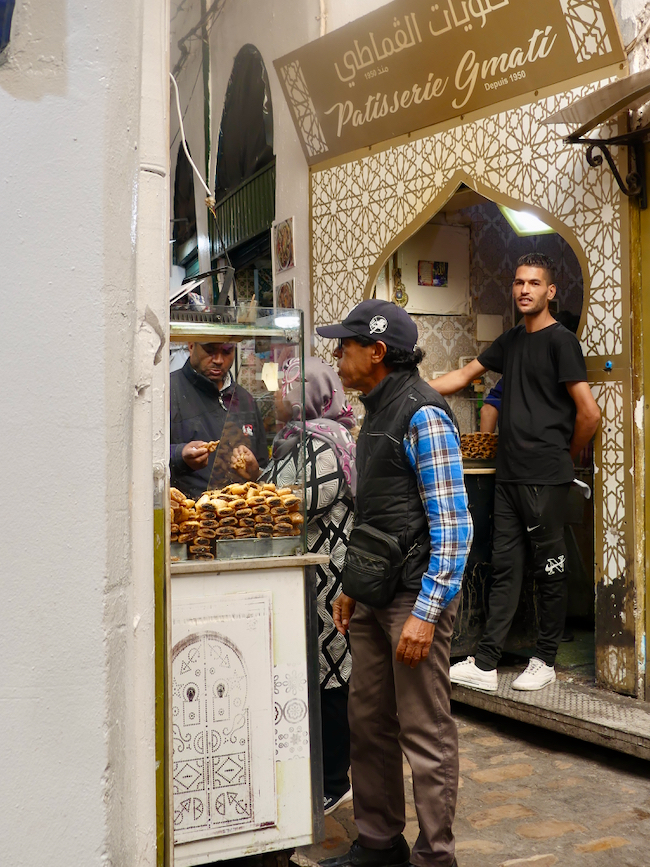
These date pastries/cookies are so delicious. Noureddine is taking a box to his family.
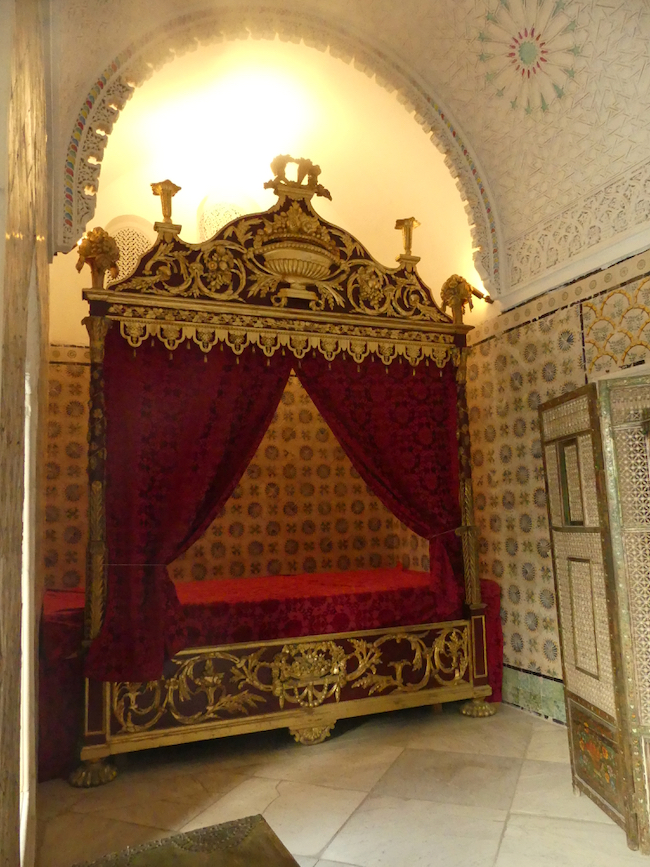
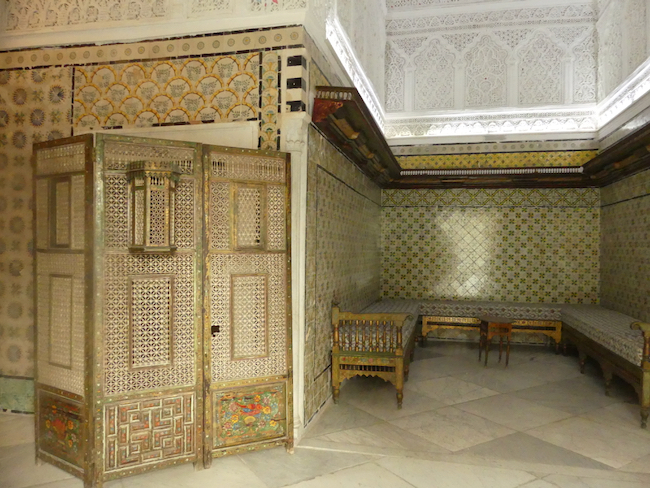
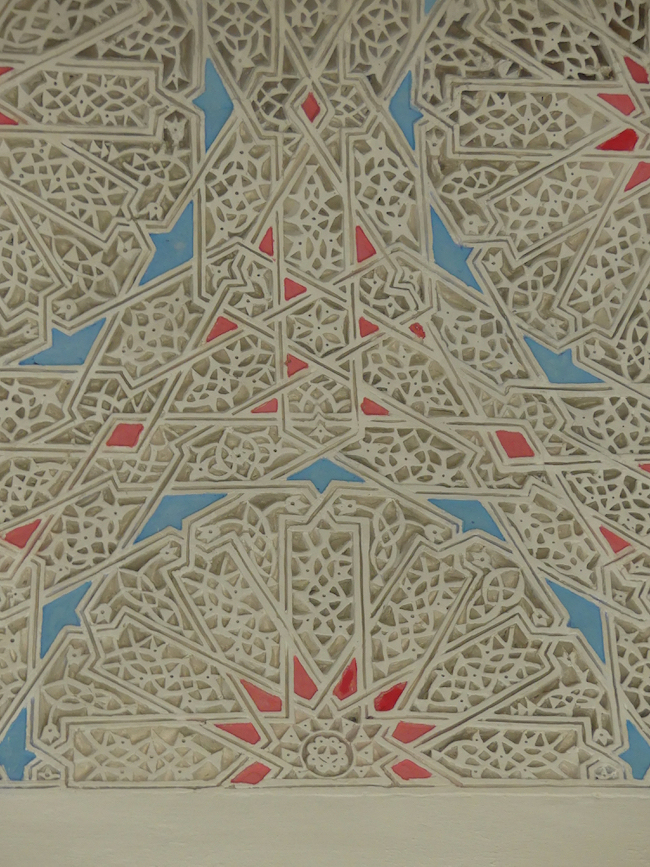
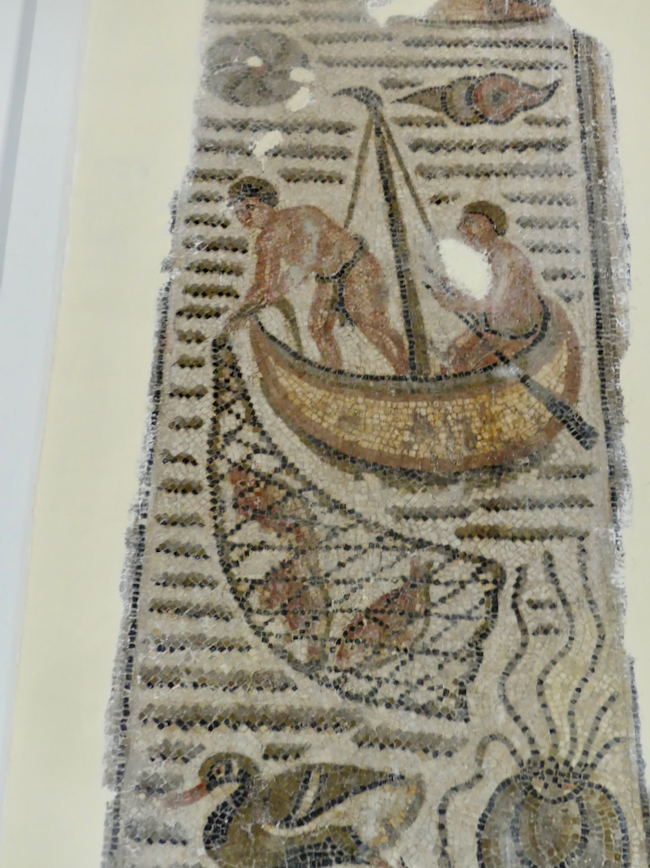
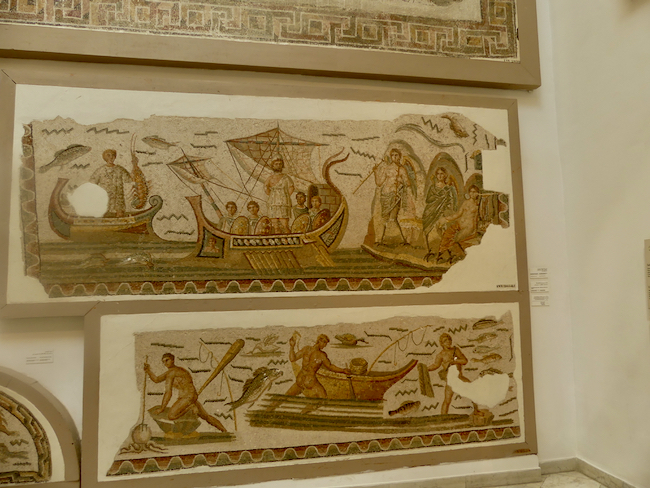
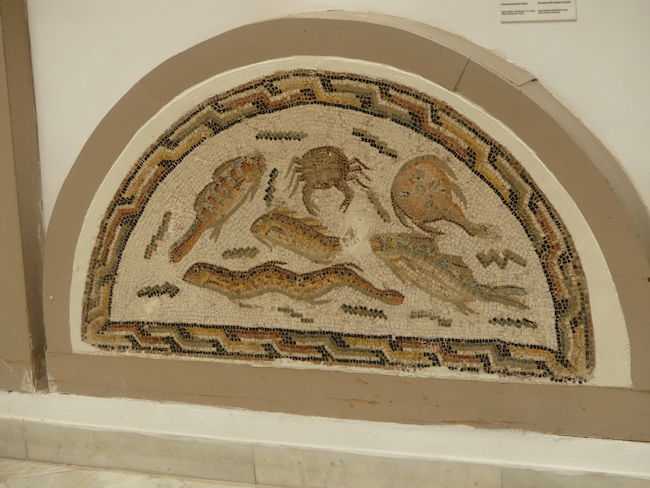
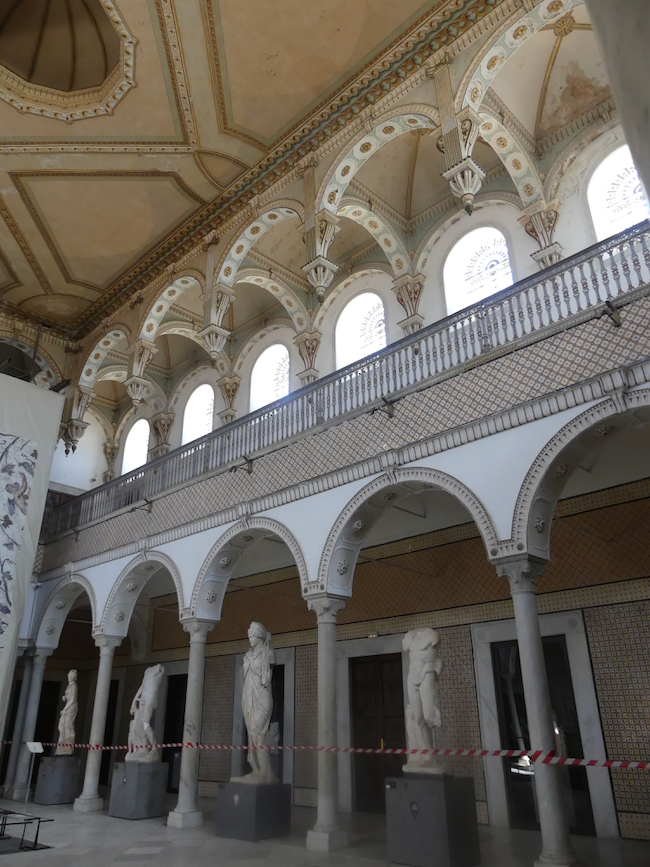
Our chariot awaits. We drive around Tunis and arrive at the Bardo just as all the tour groups are leaving. Noureddine leads us through the centuries of mosaics. The Bardo is more beautiful and more organized than it was all those years ago.
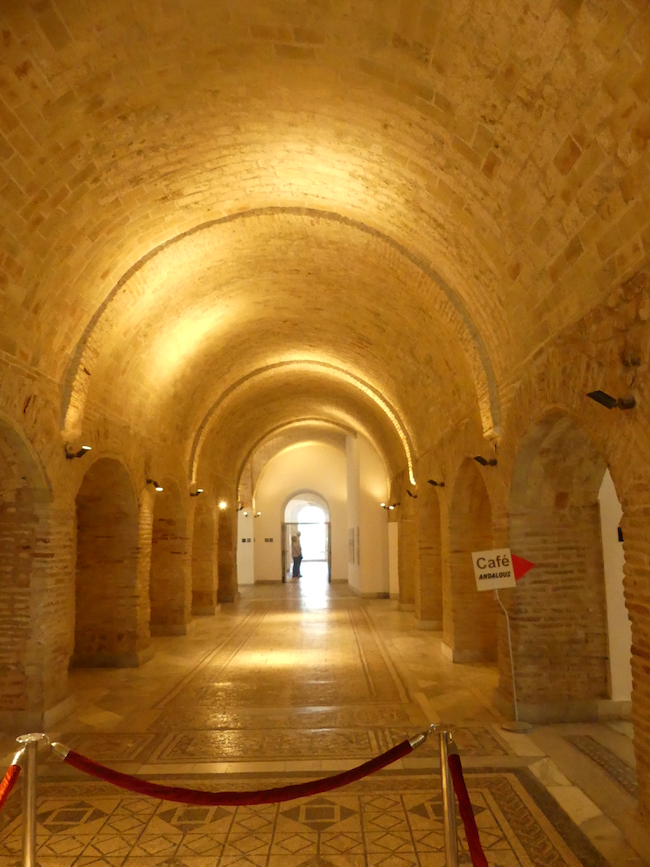
The Bardo itself is a former palace. Now it holds priceless mosaics taken from ruins of houses built throughout Tunisian history (Tunis, Carthage, Dougga, Kairoan, Djerba – it is impressive.)
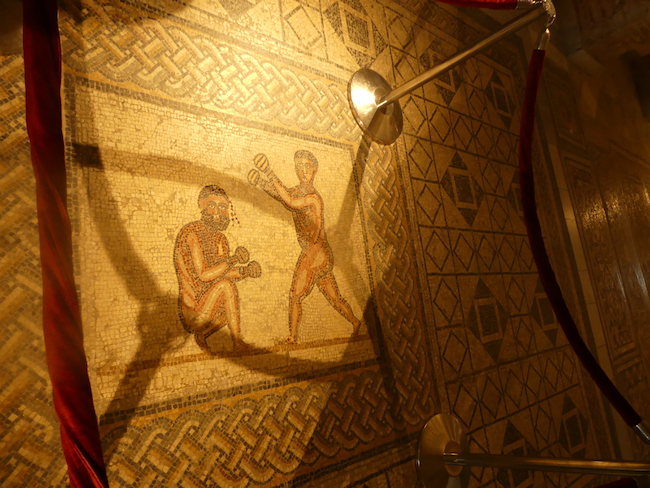

The imagination and the execution of the work is exquisite.


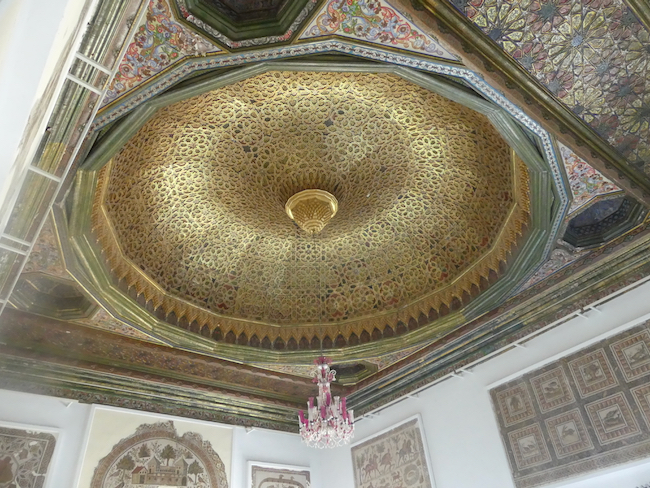
Below is an intricate ceiling.

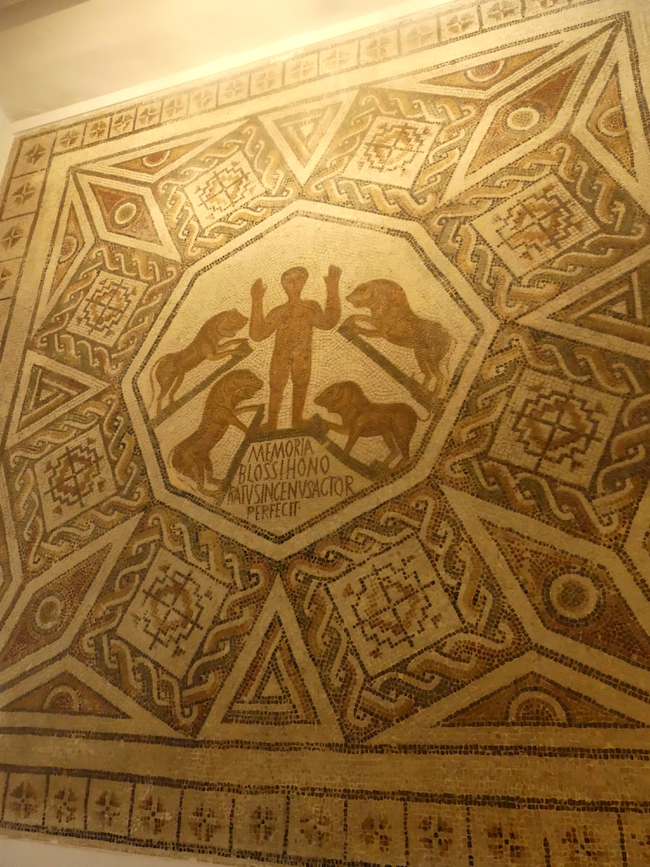


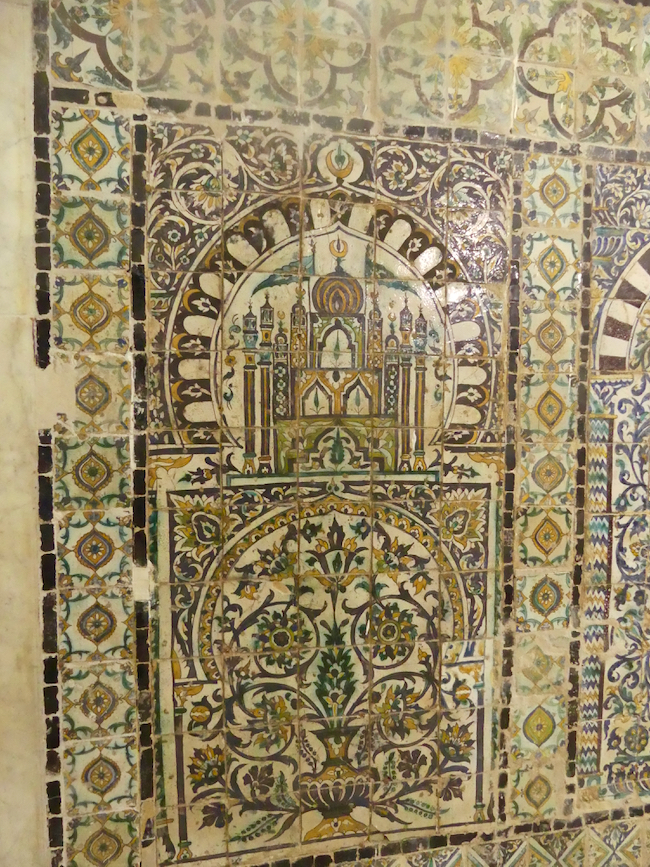
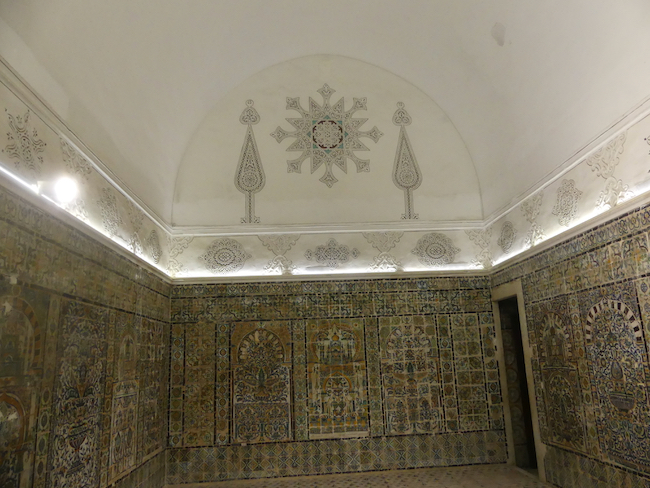



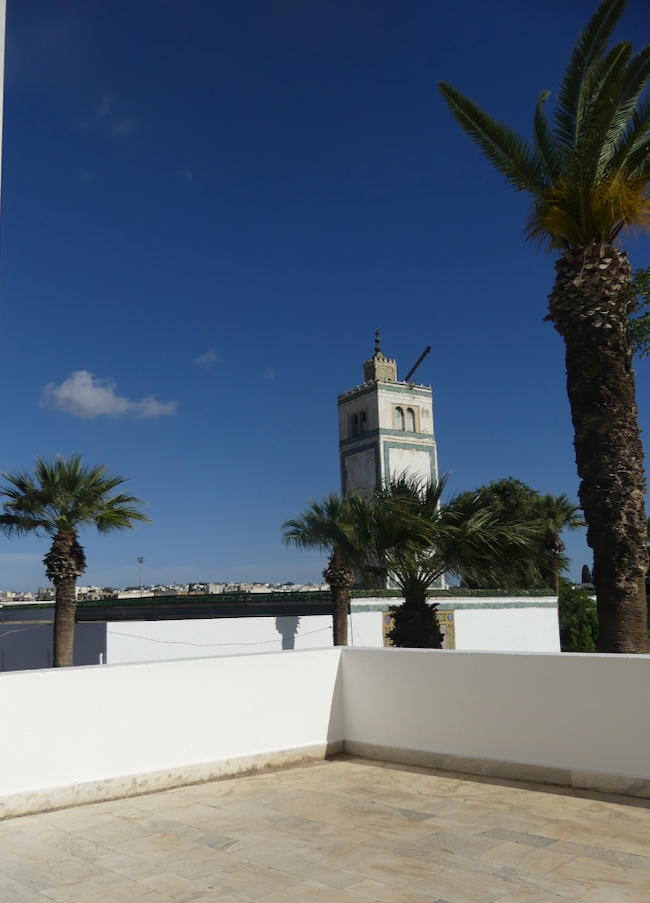
View of Tunis from the Bardo Palace.




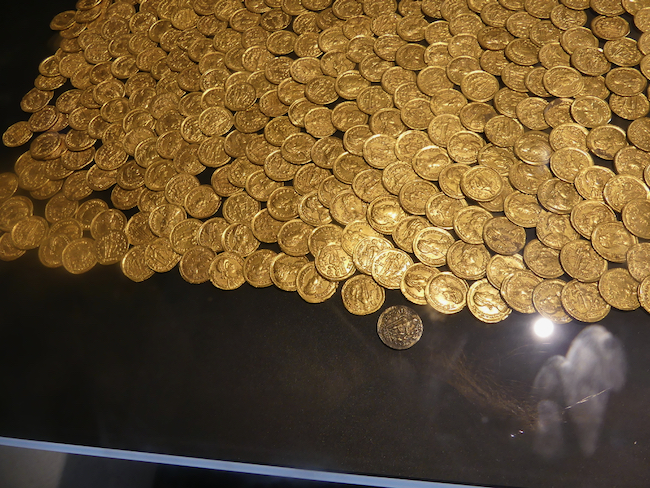
A treasure discovered with hundreds of gold coins and one silver coin (at the bottom).


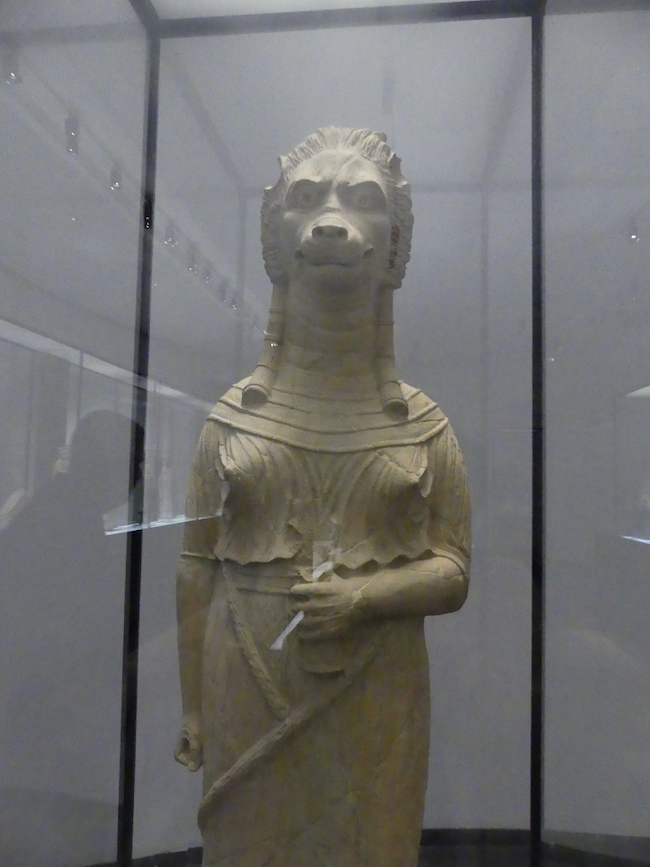
Ancient Punic Gods. Some are really hideous.

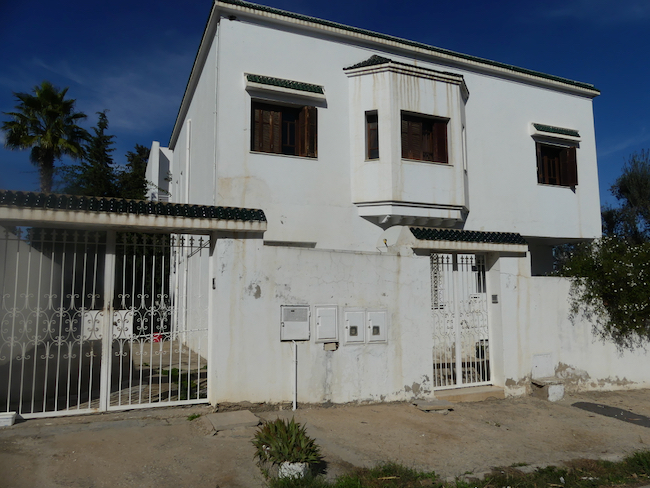
This is the house where once we lived, but not in this house, in the house that used to be there. I am glad Noureddine found the address, but it is not the house where we lived. But it IS on the way to Carthage and Sidi Bou Said, and to a delightful lunch of bric, and couscous.
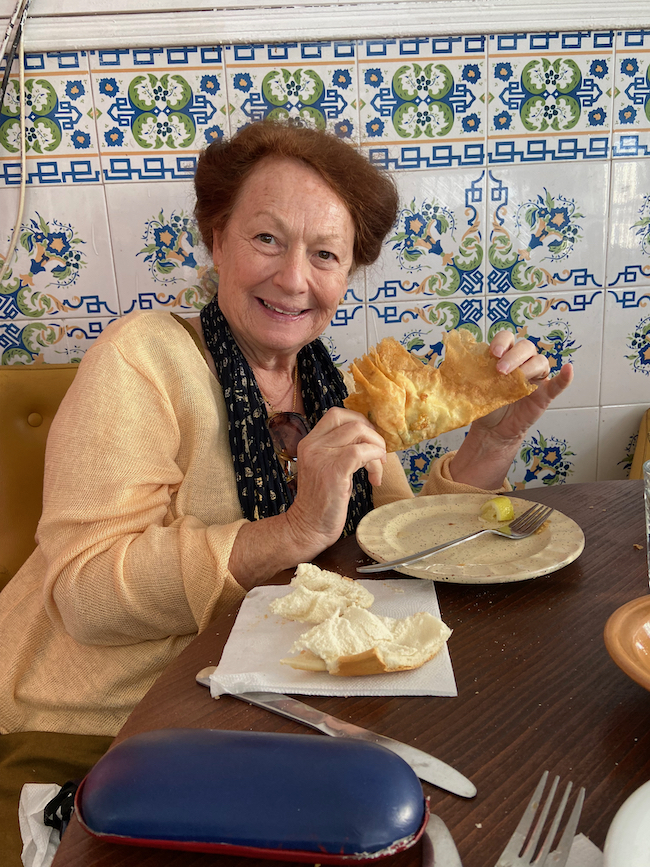
Brik!

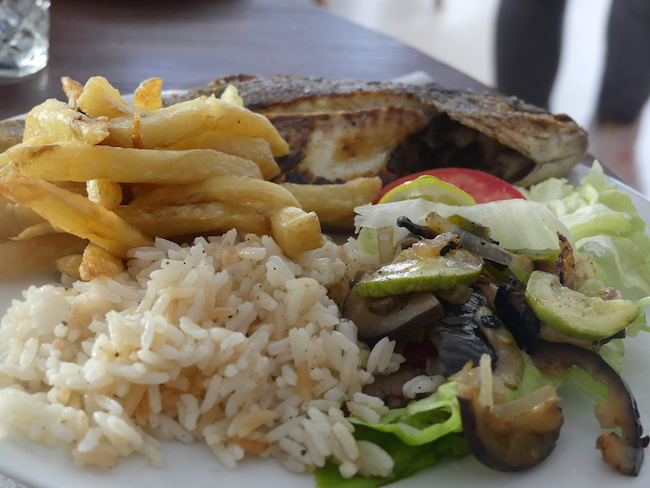
Fresh fish, which Noureddine skilfully deboned for us.
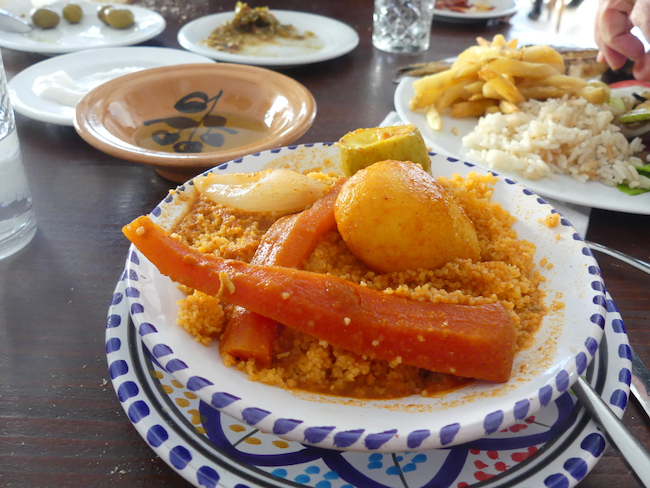
Vegetable couscous. I’ve never tasted carrots as delicious as those grown in Tunisia.
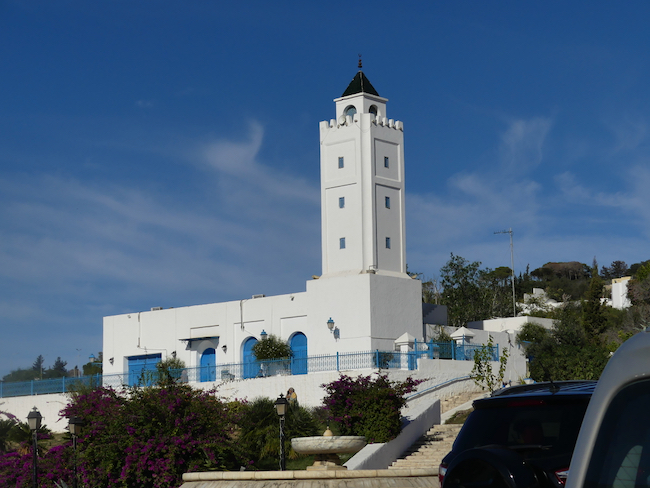
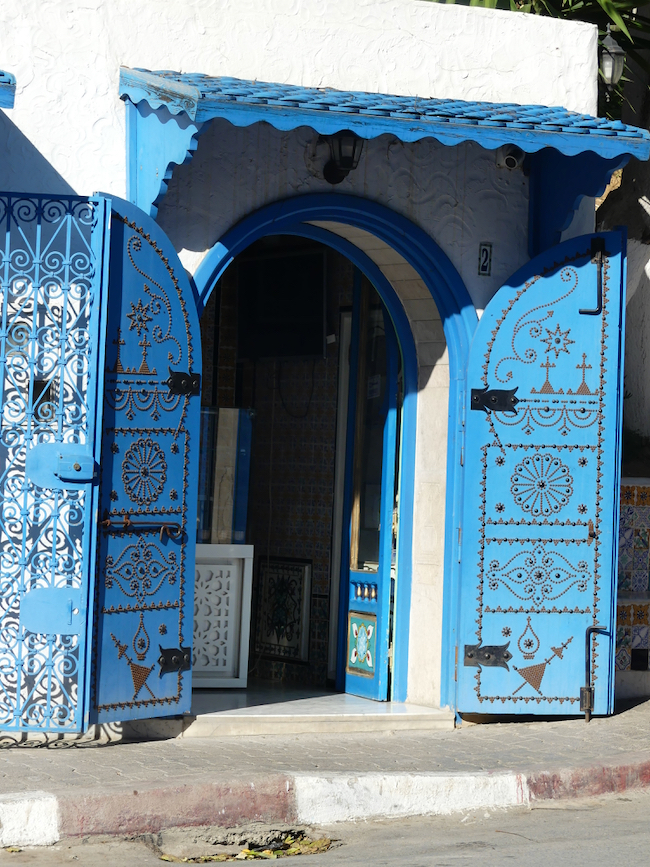
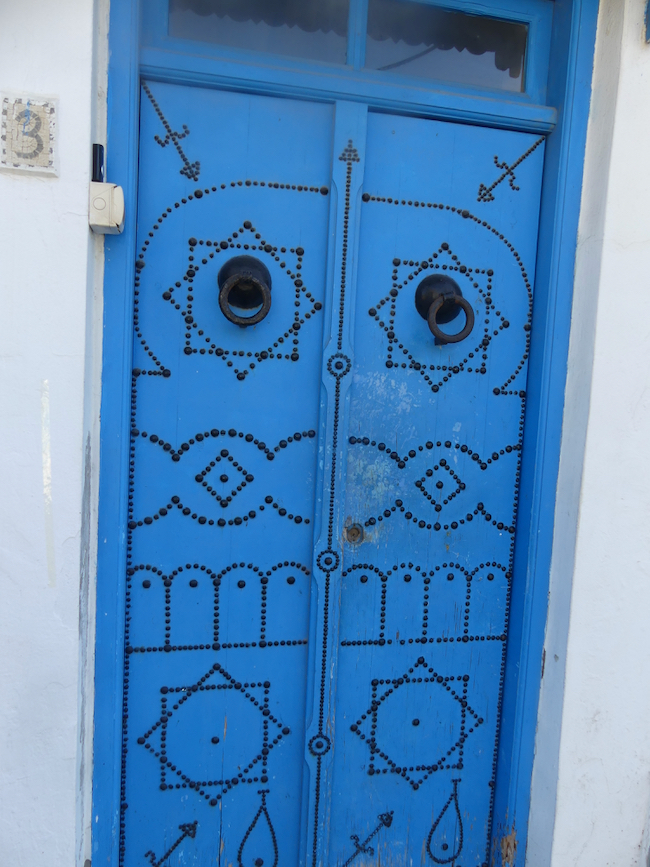
We have a lovely walk around Sidi Bou Said before heading back to the ship.


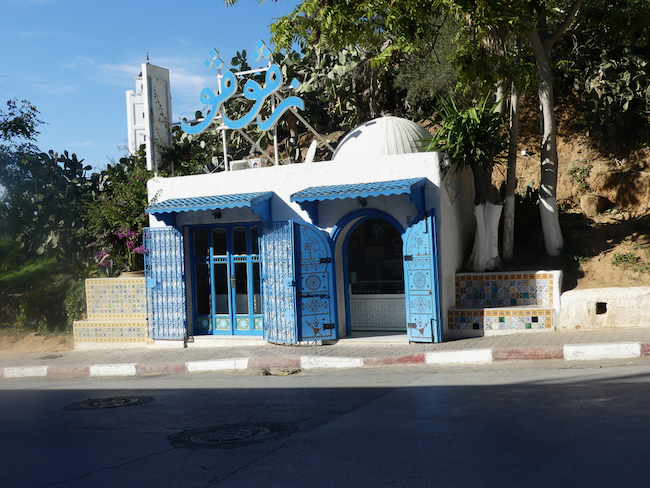

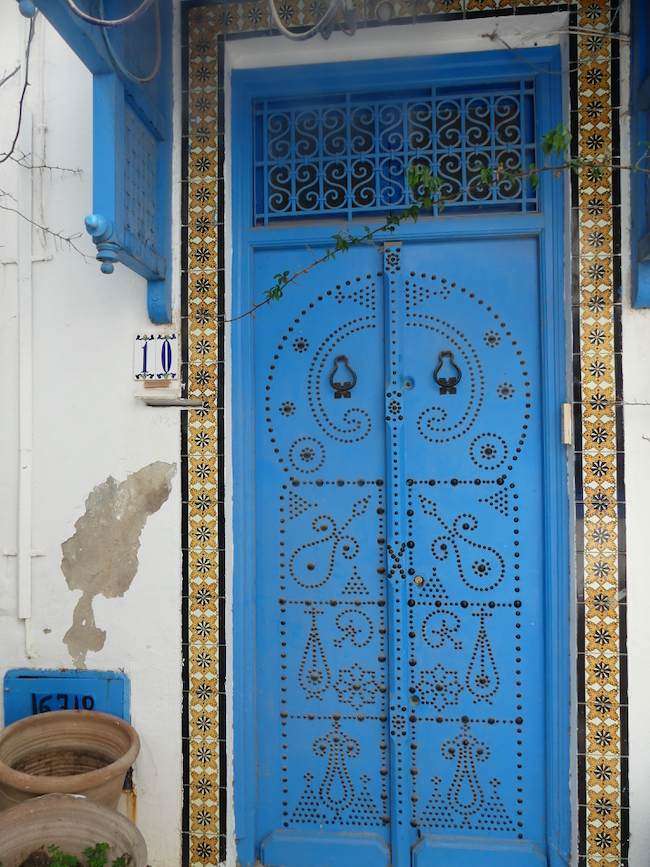

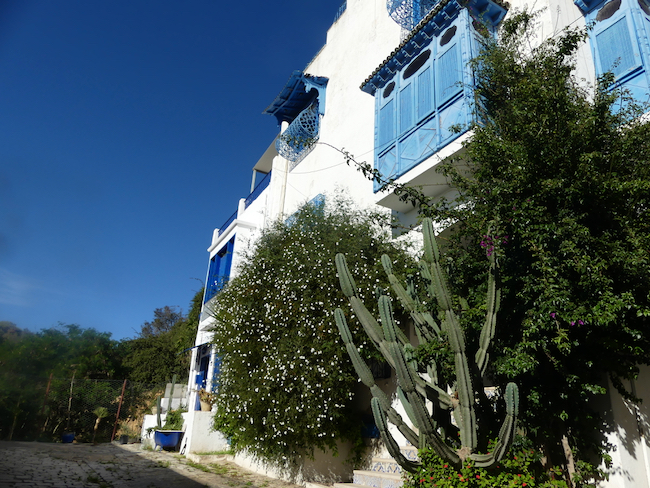

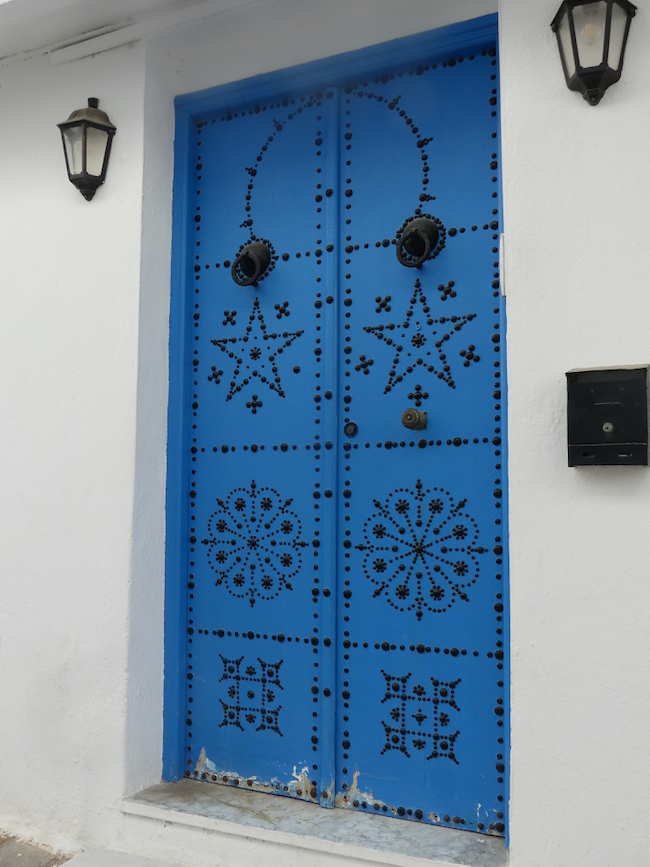

On return to the Viking Saturn, as instructed, we had our shore passes out and ready to give to the official collecting them. But there was no official collecting them! No one was collecting them! We still have them! Just in case.
The sun is setting over Tunis.


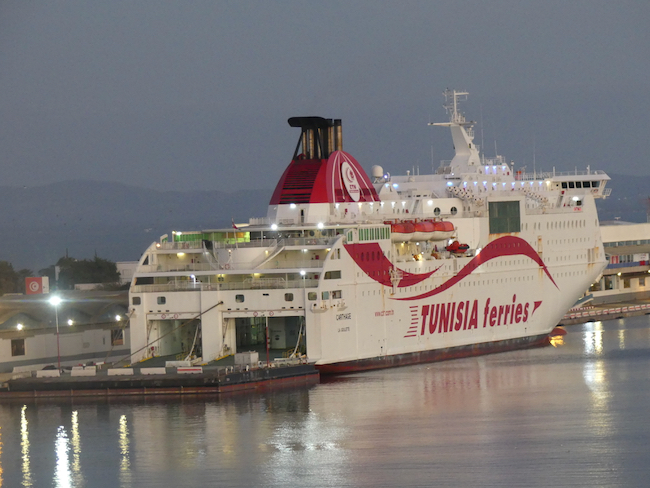

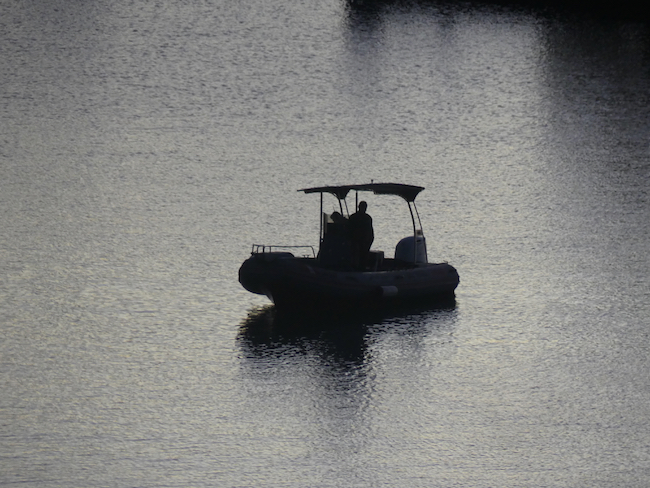
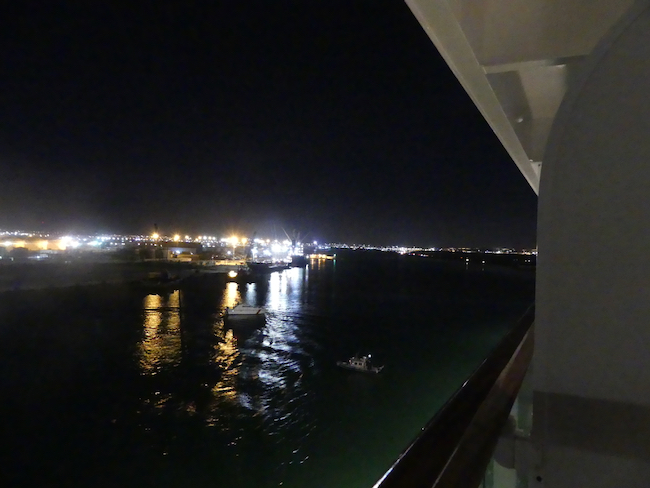

As we sail away, a flock of gulls trail us, hoping for a hand out!

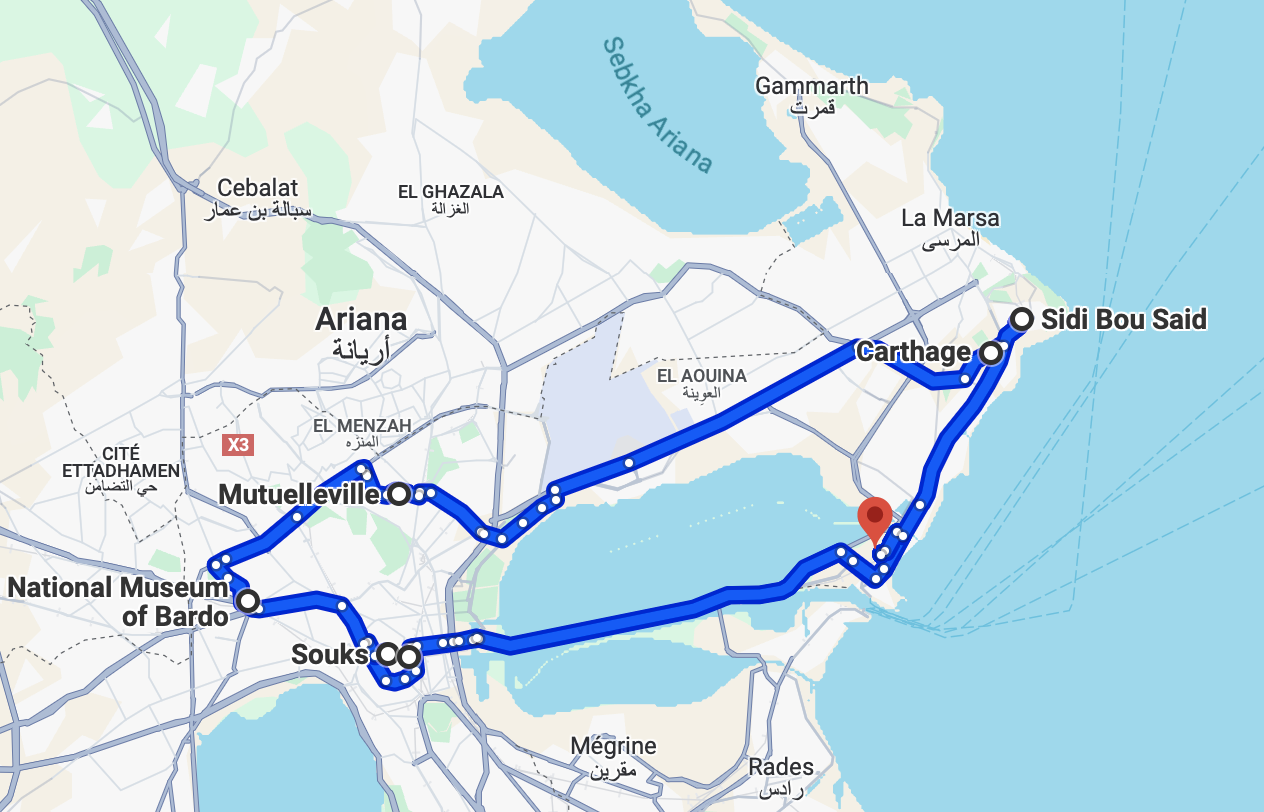
Just in case you are, like me a map person, this is a general idea of the route we took today:
Recent Comments
ExpatAlien on What Country am I Living … intlxpatr on Yellowstone: Old Faithful to C… Michelle on Yellowstone: Old Faithful to C… Cathy on No Grown-Ups in Charge intlxpatr on Waiting for Snow Wikipedia Donate Button

Amazina


Early Voting in Florida


 Here There and Everywhere