Most people know that the United States has a childhood obesity problem. Less well known is that according to the latest data from the OECD is that we are not actually the world leaders in experiencing this issue. It’s Greece and Italy who have the most overweight kids:

This may not jibe with a lot of hype about the benefits of the Mediterranean diet but it turns out that said diet may no longer be especially popular in Greece and Italy. In 2008, Josef Schmidhuber of the UN Food and Agricultural Organization said traditional eating patterns in southern Europe had “decayed into a moribund state” and drastically increased their overall calorie intake and especially consumption of animal fat, salt, and sweeteners.
May 29, 2014
Posted by intlxpatr |
Circle of Life and Death, Diet / Weight Loss, Exercise | Greece, Italy, Obesity |
Leave a comment
From AOL News/ Huffpost:
By MARIA CHENG
LONDON (AP) — Almost a third of the world is now fat, and no country has been able to curb obesity rates in the last three decades, according to a new global analysis.
Researchers found more than 2 billion people worldwide are now overweight or obese. The highest rates were in the Middle East and North Africa, where nearly 60 percent of men and 65 percent of women are heavy. The U.S. has about 13 percent of the world’s fat population, a greater percentage than any other country. China and India combined have about 15 percent.
“It’s pretty grim,” said Christopher Murray of the Institute for Health Metrics and Evaluation at the University of Washington, who led the study. He and colleagues reviewed more than 1,700 studies covering 188 countries from 1980 to 2013. “When we realized that not a single country has had a significant decline in obesity, that tells you how hard a challenge this is.”
Murray said there was a strong link between income and obesity; as people get richer, their waistlines also tend to start bulging. He said scientists have noticed accompanying spikes in diabetes and that rates of cancers linked to weight, like pancreatic cancer, are also rising.
The new report was paid for by the Bill & Melinda Gates Foundation and published online Thursday in the journal, Lancet.
Last week, the World Health Organization established a high-level commission tasked with ending childhood obesity.
“Our children are getting fatter,” Dr. Margaret Chan, WHO’s director-general, said bluntly during a speech at the agency’s annual meeting in Geneva. “Parts of the world are quite literally eating themselves to death.” Earlier this year, WHO said that no more than 5 percent of your daily calories should come from sugar.
“Modernization has not been good for health,” said Syed Shah, an obesity expert at United Arab Emirates University, who found obesity rates have jumped five times in the last 20 years even in a handful of remote Himalayan villages in Pakistan. His research was presented this week at a conference in Bulgaria. “Years ago, people had to walk for hours if they wanted to make a phone call,” he said. “Now everyone has a cellphone.”
Shah also said the villagers no longer have to rely on their own farms for food.
“There are roads for (companies) to bring in their processed foods and the people don’t have to slaughter their own animals for meat and oil,” he said. “No one knew about Coke and Pepsi 20 years ago. Now it’s everywhere.”
In Britain, the independent health watchdog issued new advice Wednesday recommending that heavy people be sent to free weight-loss classes to drop about 3 percent of their weight. It reasoned that losing just a few pounds improves health and is more realistic. About two in three adults in the U.K. are overweight, making it the fattest country in Western Europe.
“This is not something where you can just wake up one morning and say, ‘I am going to lose 10 pounds,'” said Mike Kelly, the agency’s public health director, in a statement. “It takes resolve and it takes encouragement.”
May 29, 2014
Posted by intlxpatr |
Circle of Life and Death, Diet / Weight Loss, Eating Out, Family Issues, Financial Issues, Food, Living Conditions, Restaurant |
Leave a comment
This was fascinating to me because most of the research on aging has been done on males. Most medicinal dosages are based on male tests, and males respond differently to medications than females. Here are some results from a study done on only females. From AOL EveryDay Health:

For most of medical history, scientific research had largely been conducted on white men, which makes it pretty difficult to know how to treat conditions that affect other populations, particularly women. Take menopause: For years, doctors prescribed long-term use of hormones estrogen and progestin to help women manage symptoms during and after menopause because it helped women feel better. But in 1991, researchers wanted a definitive answer as to whether hormones used to ease menopause’s symptoms were helping women more than they were hurting them. So, the National Institutes of Health launched the largest study ever focused exclusively on women to answer that question.
Dubbed the Women’s Health Initiative (WHI), the research project recruited 68,132 postmenopausal women to participate. They were divided into groups, some taking just estrogen, some taking estrogen and progestin, and some taking placebos. After over a decade of observation, the researchers stopped the trials early, in 2002 and 2004, because it was so clear that hormones posed serious health risks to the women. However, researchers have continued to follow up with these women in the years since, and have also tested other health interventions on the group, including low-fat diets and taking vitamin D and calcium. In 1998, an observational component of the WHI launched, with another 93,676 participants, to study even more aspects of women’s health. Much of the data collected over the years is now accessible to other researchers, too.
This has created a glut of women-specific health information that has paid off in big ways. In fact, the findings from the WHI have prompted a net economic return of $37.1 billion dollars, or $140 for each dollar that was spent on the trial itself, according to a new paper published in the Annals of Internal Medicine. That’s because the results have led to better treatment and care for millions of women, decreasing healthcare spending and increasing quality of life.
Here are some of the most important WHI findings:
1. You probably shouldn’t take hormones for longer than you have to. Long-term use of estrogen and progestin increases the risk of breast cancer, heart attack, stroke, and blood clots, though it decreased the risk of hip fractures and colon cancer in the main WHI trial. While these results have caused doctors to largely stop prescribing long-term hormone replacement, individuals are encouraged to make a personal decision based on their own risk factors. For example, if a woman has a very low family history of breast cancer and cardiovascular disease, but a high risk of colon cancer and osteoporosis, she may choose to take the hormones, which are thought to be safe when prescribed for just a short time around menopause, to manage symptoms. They may also extend the life expectancy for women who have had hysterectomies, the data revealed, so be sure to talk to your doctor about your specific needs.
2. Low-fat diets are good, but not enough to reduce your risk of some cancers or cardiovascular disease. The researchers asked some of the participants to eat a low-fat diet, and then compared how this affected their risk of various diseases. They found that a low-fat diet alone was not enough to significantly impact women’s risk of cardiovascular disease, breast cancer, orcolorectal cancer, according to the results published in JAMA. The researchers concluded that more dramatic lifestyle changes, including increased exercise, might be necessary to affect risk of developing these diseases.
3. Taking vitamin D and calcium may not be worth it. Some of the women in the study were given calcium and vitamin D supplements, while others were not. The results showed that the supplements did increase the bone density in the hip, but they didn’t significantly decrease the number of hip fractures the women experienced. Nor did taking the supplements lower the risk of colorectal cancer, according to the paper published in the New England Journal of Medicine. They did, however, increase the risk of kidney stones.
4. Ditch diet soda. Post-menopausal women who reported drinking two or more diet sodas per day had a higher risk of heart attack, stroke, and other heart problems, research from the WHI showed. While the researchers couldn’t show a direct connection, there are plenty of other reasons to avoid fake sugar.
5. If you’re at high risk for melanoma, aspirin might help. Researchers analyzed the data from the WHI observational study, and found that women who took aspirin regularly had a 20 percent lower risk of melanoma than women who did not. The correlation was strong — the longer the women took the drug, the lower their risk. Aspirin comes with its own benefits (preventing subsequent heart problems) and harms (increased risk of bleeding), so talk to your doctor before adding it to your routine.
May 26, 2014
Posted by intlxpatr |
Aging, Circle of Life and Death, Health Issues, Quality of Life Issues, Women's Issues | aspirin, Calcium, Diet soda, hormone replacement treatment, HRT, Vitamin D, Women's Health Initiative |
Leave a comment
She is also charged with adultery, for marrying a Christian man and (gasp) having sex with him. Now pregnant with her second child, Mariam claims she has never been a Muslim, was raised Christian, but the judge is applying new and strict Sharia laws.

As you might guess, I do not usually use Fox News as a news source, but this is an update on a story I am following:
International outrage grows for Sudanese woman sentenced to death for apostasy
Published May 16, 2014FoxNews.com
Meriam Ibrahim and Daniel Wani married in a formal church ceremony in 2011. The couple has an 18-month-old son, Martin, who is with Meriam in jail.
International outrage is mounting over the death sentence a Sudanese judge ordered for the pregnant wife of an American citizen — all because she refuses to renounce her Christian faith.
Meriam Ibrahim, 26, was sentenced Thursday after being convicted of apostasy. The court in Khartoum ruled that Ibrahim must give birth and nurse her baby before being executed, but must receive 100 lashes immediately after having her baby for adultery — for having relations with her Christian husband. Ibrahim, a physician and the daughter of a Christian mother and a Muslim father who abandoned the family as a child, could have spared herself death by hanging simply by renouncing her faith.
“We gave you three days to recant but you insist on not returning to Islam,” Judge Abbas Khalifa told Ibrahim, according to AFP. “I sentence you to be hanged to death.”
But Ibrahim held firm to her beliefs.
“I was never a Muslim,” she answered. “I was raised a Christian from the start.”
Ibrahim was raised in the Christian faith by her mother, an Orthodox Christian from Ethiopia. She is married to Daniel Wani, a Christian from southern Sudan who has U.S. citizenship, according to sources who spoke on condition of anonymity.
“I was never a Muslim. I was raised a Christian from the start.”
– Meriam Ibrahim
The cruel sentence drew condemnation from Amnesty International, the U.S. State Department and U.S. lawmakers.
“The refusal of the government of Sudan to allow religious freedom was one of the reasons for Sudan’s long civil war,” Rep. Chris Smith, R-N.J., chairman of the House congressional panel that oversees U.S. policy in Africa, said in a statement. “The U.S. and the rest of the international community must demand Sudan reverse this sentence immediately.”
Amnesty International called the sentence a “flagrant breach” of international human rights law and the U.S. State Department said it was “deeply disturbed” by the ruling, which will be appealed.
Khalifa refused to hear key testimony and ignored Sudan’s constitutional provisions on freedom of worship and equality among citizens, according to Ibrahim’s attorney Al-Shareef Ali al-Shareef Mohammed.
“The judge has exceeded his mandate when he ruled that Meriam’s marriage was void because her husband was out of her faith,” Mohammed told The Associated Press. “He was thinking more of Islamic Shariah laws than of the country’s laws and its constitution.”
Ibrahim and Wani married in a formal ceremony in 2011 and have an 18-month-old son, Martin, who is with her in jail. The couple operate several businesses, including a farm, south of Khartoum, the country’s capital. Wani fled to the United States as a child to escape the civil war in southern Sudan, but later returned. He is not permitted to have custody of the little boy, because the boy is considered Muslim and cannot be raised by a Christian man.
Sudan’s penal code criminalizes the conversion of Muslims into other religions, which is punishable by death. Muslim women in Sudan are further prohibited from marrying non-Muslims, although Muslim men are permitted to marry outside their faith. Children, by law, must follow their father’s religion.
Islamic Shariah laws were introduced in Sudan in the early 1980s under the rule of autocrat Jaafar Nimeiri, whose decision led to the resumption of an insurgency in the mostly animist and Christian south of Sudan. An earlier round of civil war lasted 17 years, ending in 1972. In 2011, the south seceded to become the world’s newest nation, South Sudan.
Sudanese President Omar Bashir, an Islamist who seized power during a 1989 military coup, said his county will implement Islam more strictly now that the non-Muslim south is gone. A number of Sudanese have been convicted of apostasy in recent years, but they have all escaped execution by recanting their faith. Religious thinker and politican Mahmoud Mohammed Taha — a vocal critic of Nimeiri — was sentenced to death after his conviction of apostasy and was executed at the age of 76 in 1985.
Ibrahim’s case first came to the attention of authorities in August, when members of her father’s family complained that she was born a Muslim but married a Christian man. They claimed her birth name was “Afdal” before she changed it to Meriam. The document produced by relatives to indicate she was given a Muslim name at birth was a fake, Mohammed said.
Ibrahim refused to answer the judge when he referred to her as “Afdal” during Thursday’s hearing.
Ibrahim was initially charged with having illegitimate sex last year, but she remained free pending trial. She was later charged with apostasy and jailed in February after she declared in court that Christianity was the only religion she knew.
The US-based Center for Inquiry is demanding that all charges against Ibrahim be dropped, saying the death sentence is a clear violation of the International Covenant on Civil and Political Rights, which forbids persecution or coercion of religious beliefs and the right to marry.
“Religious belief must never be coerced and free expression must never be punished, through threat of imprisonment, violence, or any other means,” the group wrote in a letter to Sudan’s UN ambassador, H.E. Hassan Hamid Hassan. “This cannot go unanswered, and the world will not stand for it.”
Fox News’ Joshua Rhett Miller and The Associated Press contributed to this report.
May 16, 2014
Posted by intlxpatr |
Character, Circle of Life and Death, Community, Crime, Cultural, ExPat Life, Faith, Family Issues, Health Issues, Law and Order, Living Conditions, Political Issues, Relationships, Social Issues, South Sudan, Sudan, Values, Women's Issues | Freedom of Religion |
4 Comments
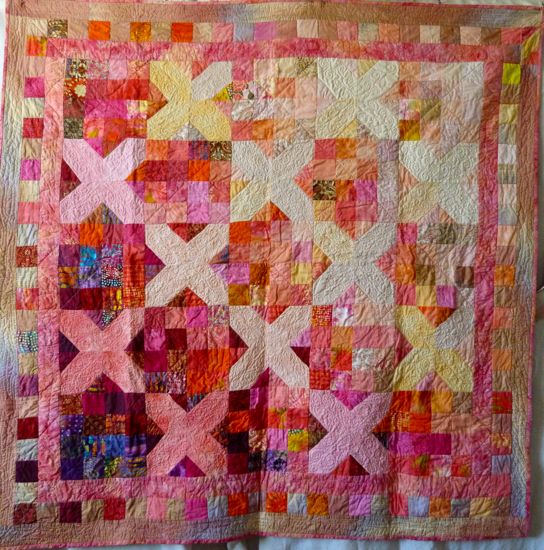
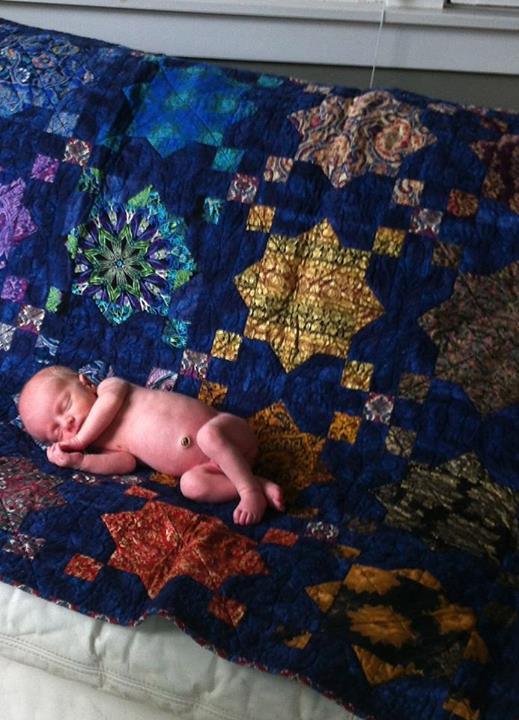
My sweet niece, Little Diamond (Professor Little Diamond 🙂 ) has given birth to two of the most perfectly beautiful little babies, ever. These are the quilts I made for them, and lastly is one of the sweet babies on his quilt. Congratulations, Umm Al Tawaman, God is good and full of mercy and compassion.
 This one is called Interconnected.
 This one is called Desert Rose.
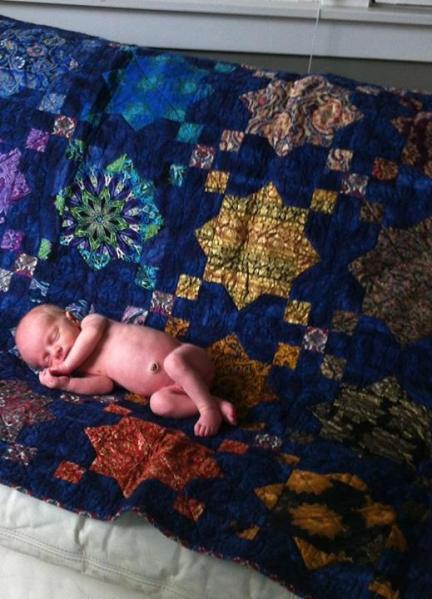
Isn’t that a beautiful little baby? 🙂
May 15, 2014
Posted by intlxpatr |
Arts & Handicrafts, Circle of Life and Death, Family Issues, Generational, Interconnected, Mating Behavior, Parenting |
2 Comments
CDC confirms first case of MERS virus in American
May 2nd 2014 3:51PM
 |
|
This file photo provided by the National Institute for Allergy and Infectious Diseases shows a colorized transmission of the MERS coronavirus that emerged in 2012. Health officials on Friday, May 2, 2014 said the deadly virus from the Middle East has turned up for the first time in the U.S. (AP Photo/National Institute for Allergy and Infectious Diseases via The Canadian Press, File)
|
By MIKE STOBBENEW YORK (AP) — Health officials on Friday confirmed the first case of an American infected with a mysterious Middle East virus. The man fell ill after arriving in the U.S. about a week ago from Saudi Arabia where he is a health care worker.
The man is hospitalized in Indiana with Middle East respiratory syndrome, or MERS, according to the Centers for Disease Control and Prevention, which is investigating the case along with Indiana health officials.
Saudi Arabia has been the center of an outbreak of MERS that began about two years ago. At least 400 people have had the respiratory illness, and more than 100 people have died. All had ties to the Middle East or to people who traveled there. Infections have been previously reported among health care workers.
MERS belongs to the coronavirus family that includes the common cold and SARS, or severe acute respiratory syndrome, which caused some 800 deaths globally in 2003.
The MERS virus has been found in camels, but officials don’t know how it is spreading to humans. It can spread from person to person, but officials believe that happens only after close contact. Not all those exposed to the virus become ill.
But it appears to be unusually lethal – by some estimates, it has killed nearly a third of the people it sickened. That’s a far higher percentage than seasonal flu or other routine infections. But it is not as contagious as flu, measles or other diseases. There is no vaccine or cure for MERS.
The CDC on Friday released only limited information about the U.S. case: The man flew to the United States about a week ago, with a stop in London. He landed in Chicago and took a bus to the neighboring state of Indiana. He didn’t become sick until arriving in Indiana, the CDC said. Symptoms include fever, cough, breathing problems, which can lead to pneumonia and kidney failure.
CDC officials say they are sending a team to investigate the man’s illness, his travel history and to track down people he may have been in close contact with.
Saudi Arabia health officials have recently reported a surge in MERS illnesses; cases have tended to increase in the spring. Experts think the uptick may party be due to more and better surveillance. Researchers at Columbia University have an additional theory – there may be more virus circulating in the spring, when camels are born.
U.S. health officials have been bracing for the arrival of one or more cases, likely among travelers. Isolated cases of MERS have been carried outside the Middle East. Previously, 163 suspected cases were tested in the U.S. but none confirmed.
May 2, 2014
Posted by intlxpatr |
Circle of Life and Death, ExPat Life, Health Issues, Interconnected, Living Conditions, Saudi Arabia, Travel | MERS virus |
Leave a comment
All the years we lived in the Middle East with prohibitions against alcohol, it never occurred to me that there may be a connection between alcohol and skin cancer. This is from a Bottom Line newsletter.

Alcohol: The Drink That’s Linked to Deadly Melanoma Skin Cancer
You know that cavorting in the sun without adequate protection from clothing and sunscreen is a big mistake when it comes to preventing melanoma…and you know that this kind of skin cancer can kill. But did you know that what you drinkaffects your melanoma risk, too? When it comes to alcohol, it’s true—in fact, your skin cancer risk rises with as little as one serving of alcohol a day, according to new research. Here’s the startling connection…
IMBIBERS BEWARE
It’s well-established that the leading cause of melanoma is intermittent, intense, sunburn-causing exposure to the sun’s ultraviolet rays. Even sunburns from childhood can come back to haunt you decades later, increasing your skin cancer risk. But other factors (a fair complexion, the presence of moles, advancing age, etc.) enter into the risk equation, too…and researchers decided to see whether alcohol also played a role. To that end, they conducted a meta-analysis, pulling together 16 previous studies that investigated a possible relationship between alcohol consumption and melanoma. The data they examined represented a total of 6,251 cases of this type of skin cancer.
Because the various studies used different measures to describe levels of alcohol consumption, the researchers looked at the grams of ethanol consumed each day, designating one drink as 12.5 grams of ethanol. (For comparison’s sake, in the US, one drink is generally defined as 14 grams of ethanol—the equivalent of a 12-ounce beer, a five-ounce glass of wine or a 1.5-ounce shot of 80-proof liquor.) For the new study, light drinking was defined as no more than 12.5 grams of ethanol per day…moderate-to-heavy consumption was defined as anything in excess of 12.5 grams per day. Although there was limited data on heavy drinking, this level of consumption was defined as more than 50 grams of ethanol (four drinks) per day.
What the researchers discovered: Compared with people who never or seldom drank, people who did drink were 20% more likely to get melanoma. As alcohol intake went up, so did the danger—light drinking was associated with a 10% increase in melanoma risk…moderate-to-heavy drinking was associated with an 18% increase in risk…and heavy drinking was associated with a 55% increase in risk.
What explains the link? You may assume that people who are imbibing at the beach, barbecue or ballgame don’t want to interrupt their fun, so they don’t bother to refresh their sunscreen…or else they’re so buzzed that they’re oblivious to how sunburned they’re getting. And no doubt that plays a part—in fact, other research suggests that nearly one-fifth of sunburns in American adults are attributable to alcohol consumption.
But drunk-induced sunburns don’t tell the whole story, the new study’s authors suggested. Their theory: Alcohol intake may reduce the strength of the immune system, allowing the sun’s UV rays to do greater harm to cells. That’s because soon after ethanol is consumed, it’s converted to a substance that makes skin even more sun-sensitive and vulnerable to oxidative stress, which in turn damages DNA and increases cancer risk.
Self-defense for your skin: If you plan to drink alcohol when you’re outdoors, you’d be wise to slather on the sunscreen beforehand and wear plenty of protective clothing…set a timer on your watch or phone to remind you to refresh your sunscreen every few hours…and limit alcohol consumption to no more than one drink per day. Need even more motivation? Remember that alcohol is linked to numerous other malignancies, including cancers of the mouth, esophagus, stomach, colon, liver, breast and prostate—so in that regard, what’s good for your skin is good for the rest of your body, too.
Source: Study titled “Alcohol drinking and cutaneous melanoma risk—A systematic review and dose-risk meta-analysis,” to be published in British Journal of Dermatology.
May 1, 2014
Posted by intlxpatr |
Circle of Life and Death, Cold Drinks, Cultural, Health Issues | alcohol |
Leave a comment
“What will you be doing today?” asks AdventureMan as he heads out the door to the Extension Office gardens to work, helping get everything ready for the Great Spring Sale coming up the first weekend in May.
“Not much!” I grin in return.
I have always loved Thursdays, even when I was young. Thursday was always the day before Friday, a day to anticipate without feeling rushed. I am a planner. Planning takes time. You can’t plan well when you are rushed, you need quiet, uninterrupted TIME. (Have you noticed how precious time is, and we spend it like nothing?)
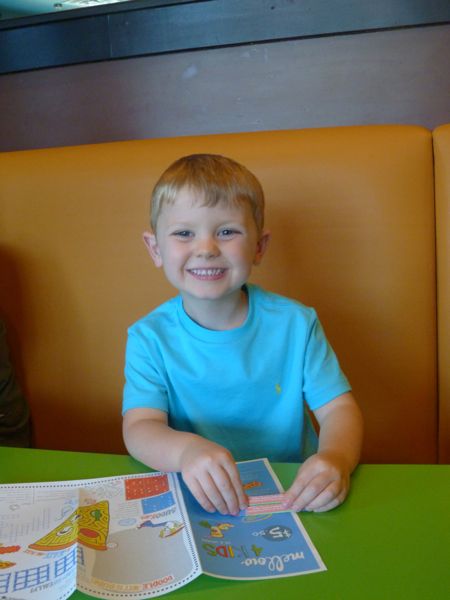
This week was a normal week – full. Monday we kept the grandkids because their school was closed;

Tuesday I volunteer, Wednesday I have a bible study . . . Fridays I have water aerobics and a trip to the commissary or whatever I need to do to prepare for the weekend, which tomorrow means commissary because we have guests again on Sunday. Dinners require planning, more so now that I don’t have people who help me get it all on the table, off the table, coffee and dessert served, leftovers into the refrigerator and dishes into the dishwasher or washed up. It used to be so easy. (sigh)
But today is my day. I can catch up, I can upload those photos, I can print them off for my upcoming visit to see my Mom for Mother’s Day, I can plan the menu for Sunday, check the pantry and freezer to see what I will need to pick up. I can catalog some photos, I can finish quilting one of the charity quilts. Today is sheer luxury, time!
I can even catch up with the blog a little 🙂
April 24, 2014
Posted by intlxpatr |
Aging, Circle of Life and Death, Community, Cultural, Family Issues, Interconnected, Living Conditions, Pensacola |
2 Comments
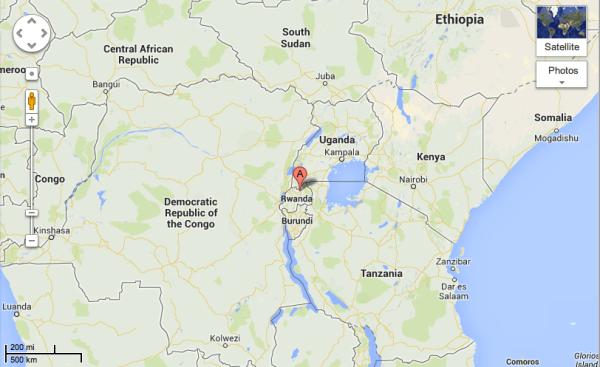
Today the church prays for the diocese of Byumba, in Rwanda. There is Rwanda, below, right in the heart of Africa, nestled between the Democratic Republic of the Congo, Uganda, Kenya, Tanzania and Burundi.
 Rwanda was in the news this last week for something very special. Most of our western news stations gave it zero coverage, but you could catch a glimpse online. This, from the Christian Science Monitor: on an amazing event just twenty years after one of the worst genocides in my memory. To me, it is wonderful and inspiring that they forgive one another and love one another to live in peace with one another. It gives me hope for our world.
What to celebrate in Rwanda’s genocide anniversary
The 20th anniversary of the Rwanda genocide should focus as much on how the African nation worked toward reconciliation through forgiveness as on the mass slaughter itself.
This month, Rwanda marks the 20th anniversary of an event that its name is most associated with – the 1994 mass slaughter of the Tutsi minority and many in the majority Hutu. Over 100 days starting April 7, more than 800,000 people were killed, many by neighbors incited to ethnic hatred by a political elite. It is a genocide often cited since then to justify military intervention in similar ongoing atrocities.
But another lesson from Rwanda’s experience deserves to be remembered – an amazing reconciliation of killers and survivors through individual confession and forgiveness in nonjudicial village courts.
This type of reparative justice in an intimate setting could prove useful in countries that will need post-conflict healing, such as Syria, Colombia, andMyanmar (Burma). It might also help prevent a cycle of revenge and retribution in those countries, as it has in Rwanda.
Most of Rwanda’s main perpetrators in the genocide have been tried in regular courts, either in Rwanda, Europe,, or the International Criminal Tribunal for Rwanda, set up by the United Nations. But for hundreds of thousands of others who were charged with killing, the Rwandan criminal-justice system was too weak and its jails too full. Legal trials would have taken decades. The country had to fall back on a form of community-based traditional justice known asgacaca.
Other post-conflict countries in transition, notably South Africa, have relied on a similar process with their truth-and-reconciliation commissions. But the bodies have usually been more formal and national in scope. Rwanda’s gacaca are far more personal, designed to achieve the end result of allowing people who knew each other to resume living in the same community. They also bring together an entire village to witness a confession, attest to its sincerity, encourage forgiveness by the victim, and agree on some reparation, such as helping till a victim’s fields for a time.
It hasn’t worked in every case. Many Tutsis who killed Hutus have not been tried. Many victims could not bear the trauma of hearing how their loved ones had died. And many Hutus disappeared or were able to hide from the truth.
The government under President Paul Kagame, despite its drift toward authoritarian rule, has encouraged the process by outlawing formal use of ethnic identities. “The divisionism of before is gone. All of us now have equal access to opportunities,” a young Rwandan told The Christian Science Monitor.
The gacaca rely on the guilty to listen to the stories of their victims with empathy, admit their acts with repentance, and rethink their self-identity within the community. For the victims who forgive, the process can lift feelings of rage and bitterness. Much of the justice lies in the restoration of relationships as much as in material reparations.
Rwanda is not yet a “post-ethnic” African nation. But the possibility of a future political class inciting Hutus and Tutsis to take up violence now seems slim. More Rwandans have a higher sense of identity.
As the world helps Rwanda mark the 1994 genocide, it should also spread the lessons of this post-genocide reconciliation. Dispute resolution is a common technique in every society, whether in families or courts. But when almost every village in an entire nation goes through it, the lesson is worth repeating elsewhere.
April 11, 2014
Posted by intlxpatr |
Africa, Charity, Circle of Life and Death, Civility, Cultural, Events, Faith, Leadership, Living Conditions, Political Issues, Relationships, Social Issues, Values | Genocide, Rwanda |
Leave a comment
“What are manners?”
“What is ‘nice’, what does it mean?”
“What is ‘kind’?” the most adorable little boy in Pensacola asked me. It was bath time, a time when we have some of our best conversations, and you never know where the conversation will go.
I love these conversations because I have to think, too, but most of all, because I love to watch this little boy’s mind grow in grasping concepts and perceptions. He is four; his class in school is on the letter “U” this coming week, and already he can sound out words in the books we read together. He knows what a globe is, and how it differs from a map. He knows his address, and he can point to Pensacola on the globe.
He knows things because we talk to him, and because he goes to school and his teachers talk to him. His mind is wide open and he is eager to learn, and he asks the most wonderful questions.

Donna Leon’s Commissario Guido Brunetti has a new case that troubles him. He knows the dead man, not well, but he would see him in his quarter, and he often saw him helping out at the local laundry. He assumed the man was deaf and retarded, everyone knew that. When the dead man has no papers, in bureaucratic Italy, no birth certificate, no medical records, no finance records, no record of social aid (he is poor as well as disabled) Brunetti is troubled. How could such a familiar figure be so undocumented?
His mother is no help; her stories are transparent lies about travel to France and her son having grown up in the country with people whose name she cannot remember.
It is a troubling book. If you read Donna Leon, you will understand how close and wonderful and articulate Brunetti’s family is, how loved and cherished their children. We eat meals with them, we understand how the Venetian vernacular distinguishes those to whom one speaks more frankly and those to whom one lies. Brunetti’s a detective; the things he sees often trouble him, but this case troubles him more than most.
I can’t tell you more without spoiling the ending. All I can tell you is that it will encourage you to love your children, hold them closely, and give them all the benefits in their life-toolbox of attention, instruction and loving discipline that a parent (and grandparent!) can give.
March 16, 2014
Posted by intlxpatr |
Books, Bureaucracy, Character, Circle of Life and Death, Civility, Communication, Community, Crime, Cultural, Detective/Mystery, Family Issues, Fiction, Interconnected, Italy, Law and Order, Living Conditions, Mating Behavior, Parenting, Relationships, Values, Venice, Words |
Leave a comment





 Here There and Everywhere