Japanese Breakfast
This is for my husband. I know he reads my blog now and then, and I wonder how long it will be before he sees this?
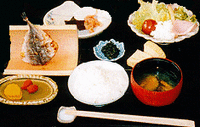
The other night, we were out for our favorite “fast” food, which is Japanese food. Not just sushi, we love miso soup. When I am sick, miso soup makes my throat feel better. I feel like I am eating good health, with all those little tofu squares and that seaweed, I feel like the miso soup will make me better. I also love salmon teriyaki, and chawan moushi, and a variety of lesser known Japanese foods.
And my husband said “isn’t miso soup what Japanese people have for breakfast?” and I didn’t know. He though miso soup and rice, so today I looked it up on Google, “Japanese breakfast”, and here is what I found:
Japanese breakfast consists of steamed rice, miso (soy bean paste) soup, and side dishes. Common side dishes are grilled fish, rolled omelet, pickles, dried seaweed, natto, salad, and more. Actually, you can make any dishes to go with rice and miso soup in Japanese breakfast. As you see in the photo, it’s an etiquette to place a bowl of rice on your left and to place a bowl of miso soup on your right side at the table.
It was on Japanese Breakfast About.com, along with ads for Japanese condoms (they are different from others?), a sushi making robot, a Samurai hotel and recipes for steamed rice, miso soup, natto (fermented soy beans), Nori (dried seaweed), Tamagoyaki (rolled omelet), grilled fish and pickles.
It seems to me that Japanese food is going through an internationalization process – sushi used to be all about rice and fish, and main dishes were simple, often stir fried, but all in all, very healthy. Now, I am seeing sushis with fried stuff in them, mayonnaise (?????), and we were offered a green tea ice-cream for dessert . . . that just doesn’t strike me as Japanese. Is it?
But this is for my husband – in case you really read all the way down – YOU WERE RIGHT. (I am obligated by family law to say that.)
Kitchen Souk?
A reader wrote asking about where to find a cast iron skillet in Kuwait. I brought mine with me (if you use a cast iron skillet, you’ll understand*) so I haven’t been paying any attention to cast iron skillet availability here. I’m pretty sure I haven’t seen any in the local co-ops, and I can’t remember seeing any cast iron pans in the Sultan Center. City Center?
Is there a Kitchen souk in Kuwait, a place with lots and lots of pots and pans?
(A cast iron skillet is heavy metal, and a shiny grey when you buy it. You season it by rubbing it with oil and putting it in an oven on low heat for hours, even overnight. You never wash the skillet with soap, only with water and scouring pads, so you don’t lose the seasoned coating. When you have a well-seasoned pan, you carry it with you so you don’t have to start the process over! You can see a photo of my skillet at Cornbread and Chili)
In the Headlights: Added to the Blogroll
I don’t remember how I came across this blog, at some time in December, but I remember laughing my head off. After two months, I find that she still delights me every time I visit. Today at In the Headlights (a reference to a common English phrase “deer in the headlights” meaning that wild-eyed-I -don’t-know-what-to-do-next-so-I’ll-just-stand-here-frozen look) Riannan shares an e-mail from a friend with curmudgeonly rules for 2007, and earlier on the page, shares a site where you can have mittens, etc. knit out of your pet’s lost hair! Dying laughing.
(And no, she is not a relative of mine. I don’t know her! I just like her blog!)
This woman comes across some of the most amazing things. She, like me, is all over the map – salsa dancing, books, great recipes (the latest was Oven Baked Sesame Scallops, oh yum!), stories about friends, some of the funniest signs I have ever seen, and screwball ideas. She can give your day a lift.
Mayonnaise, Aioli and Rouille
Home Made Mayonnaise – The BEST!
You are in Concarneau, a beautiful fishing village in the Breton part of France, and you are waiting for your frites. But it is not the frites that are taking so much time – the frites vendor is out of mayonnaise, and he is whipping up a fresh batch.
He uses a wire whisk, and starts dropping just tiny tiny drops of olive oil into the egg yolks, adding a little more, a little more, until it becomes a thin stream, and then a thicker stream, but the whisk never stops. The end result? Pure magic. Not quite so solid, but nothing like the mayonnaise we know.

We all know that mayonnaise substance that comes out of jars we buy at the grocery store. White to pale yellow, taste varying from fairly tasteless to a little vinegar-y. It’s best for helping wash sandwich meat down, but doesn’t really have a lot to recommend it.
French mayonnaise is totally different. It has TASTE! It’s hard to say which tastes better, the hot fresh French frites (fries) or the homemade mayonnaise, but as a combination – oh man, it is unbeatable. It’s fresh, it’s made with the best ingredients. And because it’s olive oil, well the fat calories aren’t quite so unhealthy. Right.
Here is the best news of all – you can have that same great tasting mayonnaise. With the advent of the blender, you don’t even have to separate the eggs from the yolks – the whipping motion of the blades emulsifies the oil and the eggs and acid (and flavorings)
Basic Mayonnaise
2 eggs
2 Tablespoons lemon juice (or vinegar, or balsamic vinegar)
1 Teaspoon prepared mustard (not powder)
1 Teaspoon salt
1 1/2 cups olive oil
(The very most important ingredient is the olive oil; use a very good olive oil, one with lots of taste. In my heart, I think French mustard {not French’s} is the best, and Sel de mer – French salt. If you’re going to make good mayonnaise, go all the way. Do it right. And have fun.)
Break eggs into blender container, add the acid (lemon juice or vinegar), mustard and salt. Turn blender on low. Let the blender blend about 30 seconds before adding tiny drops of olive oil. Add drops very slowly, letting the blender do its thing.
Take your time. From tiny drops, let the olive oil stream into the blender container in a tiny thin stream, and then a slightly thicker stream. The secret to success here is always taking it slow and easy, letting the eggs and acid emulsify the oil. About 3/4 way through the process, the mixture will suddenly thicken. Keep adding the olive oil slowly, until it is all incorporated.
At this point the mixture may still be pourable. Homemade mayonnaise is a little runnier than the kind you buy in the store. Pour it into clean jars and store it in the refrigerator immediately – it will thicken up as it refrigerates.
Disaster: It happens, even if you’ve been making mayonnaise for years. The solution is SO simple. Pour the mixture – it will look like salad dressing with pieces in it – into another container and wash the blender container thoroughly, with soapy water. Break another egg into the container – that’s all. Nothing else. Start the blender, and this time, go a little slower. The secret to making this work is going very very slowly, especially at the beginning. Trust me, the process itself is so fast that you can afford to pour slowly. And oh! the results! You are going to be addicted to your own mayonnaise.
Advanced Mayonnaise
Before you go any further, I want you to successfully make mayonnaise three times. You can put it in pretty jars and give it away; people will love it.
Aioli
The French in Provence, particularly in Marseilles, have a dish that I think was created just to eat mayonnaise. It is called “Aioli”, the same name as the name of the mayonnaise sauce served with it. The entire meal is cooked salt cod, and a variety of cooked vegetables, all served with liberal dippings into the aioli sauce.
To make Aioli, you pop four or five (peeled!) cloves of garlic in with the eggs and acid before you start adding the oil. It’s that simple. (Some people add breadcrumbs. I don’t.) Aioli is also good – GREAT – with turkey, on sandwiches, as a dip for vegetables, oh any excuse will do . . . it is SOOOO good.
Most sources say aioli can be kept about two weeks, refrigerated. Mine never lasts that long.
Rouille
Rouille is served atop a big bowl of Bouillabaisse (French fish soup with whole fish pieces). It is a fiery spicy hot mayonnaise.
Start as if for aioli, then add two teaspoons cayenne pepper. If your family likes things hot hot hot, you can add some of the ground red pepper pieces like you find in the spice markets, or you put on pizza slices in Italian restaurants – it gives it a little more texture. You can also add a piece or two of roasted red peppers, for more intense color. Add the pepper BEFORE you start adding the oil.
Again, some people add breadcrumbs. I don’t.
Fixing a Mayonnaise Failure
A very humid day can make mayonnaise problematic. The heavy atmosphere of an impending thunderstorm can make good emulsification impossible. Accidentally adding too much oil or having the eggs too cold can make a mayonnaise curdle. It doesn’t happen often, but don’t despair. It’s fixable. Just start over, with one egg, and slowly, slowly adding that curdled mixture. You will be amazed at how easy this is.
Even your first time, when you are nervous, it won’t take an hour, start to finish. By the time you’ve done it a time or two, it won’t take half an hour, from getting out the blender to putting the jars of fresh, delicious homemade mayonnaise into the refrigerator. And you will be ridiculously proud of yourself.
There are no preservatives, no added chemicals. I don’t know how long it will last, kept refrigerated – it just doesn’t last long enough to become an issue. C’mon. I dare you. Give it a try.
(Ooops – I just remembered, there is danger to some people from the use of raw eggs. Making mayonnaise with raw eggs isn’t right for everyone. You could get really sick.)
Winter Comfort Food: Cornbread and Chili
The recipe for cornbread is right on the cornmeal bag. I bring back medium grind cornmeal (I like Bob’s Red Mill 100% Stone Ground Whole Grain cornmeal, found in the Health Food section of the stores that tend to carry it) when I travel, but I have also found cornmeal in a variety of grinds in Kuwait from time to time. You want to buy cornmeal in a store with high turnover, because it gets bugs if it has sat too long in a warm environment. I store mine in the freezer, and pull it out when I need it.
The secret to truly excellent cornbread is using a cast iron skillet. As the oven is heating, you stick the skillet in. When the oven has reached 425 F/220 C, you pull the skillet out and pop 2 Tbs butter in. Let it melt, and pour in the batter.

As my Southern husband reminds me “it isn’t Southern unless you start with a stick of butter.” You can try it with a stick of butter (1/2 cup) if you want, but I want to live a long HEALTHY life, so the 2 TBS are enough for me.
Cornbread
2 TBS butter (melted in skillet)
1 Cup Cornmeal
1 Cup Flour
1/2 tsp. Salt
4 tsp. baking powder
1 egg
1 cup milk
Measure the cornmeal and flour, salt and baking powder into a bowl, add egg and milk and mix until smooth, but don’t mix too much. Bake in a buttered skillet at 425 F / 220 C for 20 – 25 minutes, until golden brown on top.
I also put some butter on top when it comes out of the oven, and spread it as it melts.
Chili
500 grams / 1 lb ground beef
1 chopped onion
2 cans red kidney beans, drained
2 small containers tomato paste
1 tsp salt
1 tsp cumin
1 tsp masa harina (this makes it real, but I don’t know if you can find it in Kuwait)
2 – 5 TBSP chili powder
4 cups water
Brown ground beef in medium large pot, drain beef in colandar. While draining beef, brown the onions. Add beef back into pot, add tomato paste, salt, cumin, masa harina, chili powder to taste, and water. Stir well, bring to a boil and then turn to lowest heat and let simmer 2 – 4 hours. Add more water if it gets too think or it starts burning on the bottom. The long slow cooking makes everything tender, and blends all the flavors.
Cornbread and chili
Break cornbread into small pieces in bowl.

Cover with hot chili. Beans and corn are a complementary protein, so you can feel very virtuous eating this – besides, it just smells SOOOO good after those hours of simmering. To add even more healthiness, add some grated cheddar cheese over the top of the hot chili. YuMMMMMMM.

In the South, people break up their cornbread into a glass, and fill the glass with milk. My husband assures me it is delicious. I believe him, but because I didn’t grow up that way, it looks gross and I can’t even watch him eat it that way. But comfort food is comfort food, and if it works for him, I don’t have to watch!
Pacific Northwest Bouillabaisse
For two days now, it has been rainy, oh! sheets of rain coming down. If you have an umbrella, it doesn’t help. You are soaked before you can even get your umbrella up, and the wind keeps blowing in gusts from different directions so the umbrella goes inside out.
The perfect day for Pacific Northwest Bouillabaisse, a recipe from a cookbook my aunt gave me, published in 1946 – no longer even in print. But the recipe is a winner – easy, satisfying, and with a salad and French Bread, a complete stormy day meal, warming and satisfying from the inside out.
A bouillabaisse is flexible, and relies on slow simmering and some reduction to obtain its deep, rich, complex flavor. Fishermen use what they catch – the more, the merrier, in a bouillabaisse. For extra credit, serve with a rouille, a red, peppery mayonnaise. (Yes, blenders make any mayonnaise do-able.)
Pacific Northwest Bouillabaisse
From Mary Cullen’s Northwest Cook Book, 1946 (with alterations)
This is one of the all-star recipes if you like seafood and if your friends do, too.
1 1/2 lbs. cod, halibut or red snapper, or good solid white meat fish like grouper, cut into bite sized chunks
1 large hard shell crab, cook, take meat out (or two or three small Kuwaiti crab)
2 lbs. small clams in the shell, or if you are stuck, you can use canned clams
1/2 lb. mussels, if available
10 – 12 medium large shrimp
1/3 cup olive oil
2 onions, chopped
3 cloves garlic, finely chopped
1 bay leaf
3 cups fish stock (I use the water from cooking the crab, and cook the fish heads etc. until you have a good, tasty stock)
1/2 cup dry white wine (optional)
1 green and 1 red sweet pepper, chopped
2 teaspoons salt
2 teaspoons Worcestershire sauce
1/4 teaspoon paprika
1/2 teaspoon saffron
2 Tablespoons lemon juice
2 Tablespoons minced parsley
Prepare fish, removing bones and cutting into bite sized pieces. Several kinds of fish can be used, if preferred. Clean meat out of crab legs and crab body, put aside.
In large pan, sautee onion, peppers and garlic in olive oil, add bay leaf and cut up fish and fish stock, cook very slowly, without boiling, for about 20 minutes or until fish is tender.
Add crab, clams, shrimp, mussels, seasonings, and lemon juice. Let cook 3 minutes. Sprinkle with parsley and serve. It is tradition that on cold winter’s days, the bread can be dunked in the broth!
This is a photo from Wikipedia, showing genuine French Bouillabaisse. The Pacific Northwest version doesn’t have a tomato-y broth, but more clear broth.

I’d Be Lost Without It: Misto Sprayer
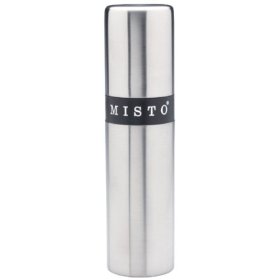
Seven years ago, my nephew, Global Man, gave this little tool to my sister for Christmas. I had never heard of it, and so he showed me how it worked. WOW.
We are firm believers in olive oil. And firm believers in food with less processing and chemical additives, rather than more.
He showed me you you put the oil in, maybe half a cup, and screw the top back on. How you pump the brushed aluminum cap up and down five or six times to achieve pressure inside, then just press the button and out comes a VAPOR of olive oil. The vapor is so fine, that I use it now for almost everything.
It took me a while. I was afraid the taste of olive oil would detract in some recipes, but the vapory film of oil laid down is so fine that it goes undetected in every but the very most refined recipes.
Instead of the spray cans you buy in the stores, full of chemical aerosols to make the oil spray, it uses air – imagine! And it allows you to use your very favorite olive oil all the time, so your cooking gets all the added benefits of olive oil, but so finely sprayed as to spare the calories.
I love this tool. It is available in better (walk-in) cooking stores, also from Amazon, and other mail order cooking supply stores. William Sonoma has one called QuickMist; looks like the same tool. I’d be lost without it.
Divinity Origins
Someone asked about the origin of divinity candy, and as I looked it up, the first words I came across were these:
“Candy. A term derived from the Arabic qandi, meaning a sugar confection.” That’s in the Oxford Companion to Food. Much much more on candy at Food Timeline.
I have never heard that word used for sweets – is it still used?
Christmas Dinner: Festive Alternatives 1
We have had many Christmases in countries where a traditional ham will not do, and is often not available. While turkey is always possible, we find we are not so eager for another turkey so close to Thanksgiving. We’ve tried all kinds of alternatives – duck (once, and everyone said “yuk” because it is so greasy), roast beef (nobody thought it was that special,) shrimp (always a winner in our house) – but one of the all time favorites is rouladen.
It is only intimidating the first time you try it, and then you laugh at how easy it is. When rolling, tuck the sides in before the final roll, and place tucked side down in the baking pan.
Rouladen
Rouladen is a German word that means rolls. The shutters that roll down over the window are rouladen. Little packets of meat roled around a savory stuffing are rouladen. This recipe are not authentic German rouladen, but an evolution over the year to what we like. This is also an approximation, but these work! They are delicious as a meal – and even more delicious as leftovers, but there usually isn’t much left over.
The Sultan center cuts round steak in long thin strips. (about 3-4 inches wide and 10 – 12 inches long) Those work fine.
Not in Kuwait? Find a butcher that will make rouladen cuts of meat! Usually the more expensive supermarkets will have someone who knows how to do rouladen cuts.
Buy a wooden or metal mallet. Pound the rouladen cutlets very thin. This will make them cook up very tender. The goal is that you can cut and eat them with a fork – that tender.
Crisply fried bacon, crumbled
Dill pickles, chopped small, but not as small as relish
Grated carrot
Green onions, chopped
Sharp mustard
Coarse pepper
Salt
Spray your baking pan with oil to protect it from the heavy baked on tomato sauce.
Spread a thin coat of sharp mustard on each slice of meat, then sprinkle with carrot, pickle, bacon, salt and pepper. Roll up, tucking large side flaps inside, and place in a baking pan with the end of the roll down.
Sauce: 2 Cans tomato sauce, 1 cup red wine (does not have to be good stuff) 1 Tablespoon thyme, 1 tablespoon mild paprika – sauce will be thin and should cover the rouladen (make more sauce if it doesn’t). Tuck in a bay leaf or two. In Kuwait, no red wine, use some red vinegar or balsamic vinegar to liven the sauce.
Bake: Heat oven to 325, pour sauce over meat rolls, and bake slowly two hours or so. It will start to smell yummy, and the sauce will thicken. When you serve the rolls, they will be so tender (thanks to the combination of wine and tomato) you can cut them just with a fork.
Serve with noodles, or with rice, or with potatoes to soak up the gravy.
Rotkohl (Red Cabbage)
Heads of red cabbage are available in Kuwait, even in the co-ops. This dish makes a great accompaniement to the rouladen, and has a lovely color, too. It is so so easy.
1 small red cabbage, sliced thinly
1 small apple, sliced thinly
1 cup grape jelly
1 teaspoon cinnamon
1/4 teaspoon clove
1/2 cup brown sugar
2 Tablespoons cider vinegar
1 cup grape or cranberry juice
Bring juice,vinegar, jelly, cinnamon, clove and sugar to a boil, add cabbage and apple, stir thoroughly and turn down fire to very low. Simmer for 45 minutes – the house will smell wonderful and the cabbage will shrink to a small amount. Serve with ham or turkey or rouladen.
Walnut Mamoul
Earlier in the blog, I gave you the recipe for Russian Tea Cakes. They go by many names, including Swedish Tea Cakes, Mexican Wedding Cakes, Sandies . . . the list is endless.
Yesterday at the Sultan Center, I saw a cookie called Walnut Mamoul. I have made Date Stuffed Mamoul with my friend before – is “mamoul” sort of a generic word for cookie? (biscuit?) The walnut mamoul look almost identical to the Russian Tea Cakes. In the tea cakes, you flatten the top somewhat, and the walnut mamoul had more of a dome shape, but everything else LOOKED identical, and we often make the Russian Tea Cakes with walnuts. I wonder if it is the same cookie?
Recent Comments
Kitchen on Isiais: Winding Down intlxpatr on Shampoo Ginger tigerbutterya0c5ff1d… on Shampoo Ginger intlxpatr on British Soldier Kidnapped, Esc… John on British Soldier Kidnapped, Esc… Wikipedia Donate Button

Amazina


Early Voting in Florida


