British Isles: Ullapool and What Day is This?
Our day started slowly, thank goodness. We are still sailing from Belfast to Ullapool, and we don’t expect to land until 1:00. Later we figure it out – at this time of year, there can be huge morning fogs. Most of the time it starts burning off around late morning. You can’t see much through the thick fog.


Some people are sleeping in, some are doing laundry. We have breakfast with our friends, then we hit the spa. We are ready to kick back. We are having a lot of fun, enjoying all the activity, and the truth is also – we are aging. We need to rest. I need time to process and integrate all the new sights I am seeing and cultural differences I am experiencing.

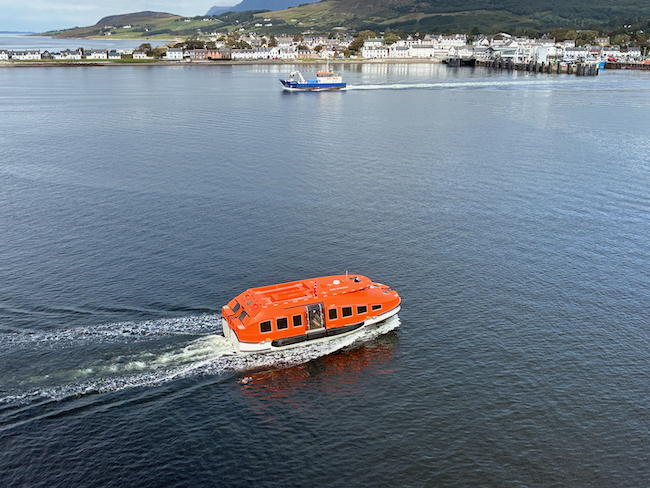
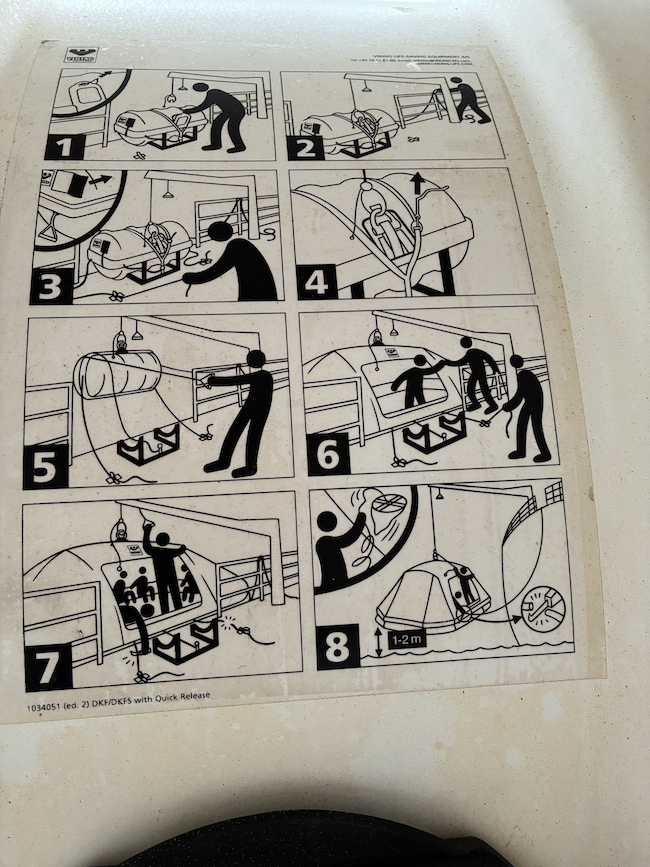
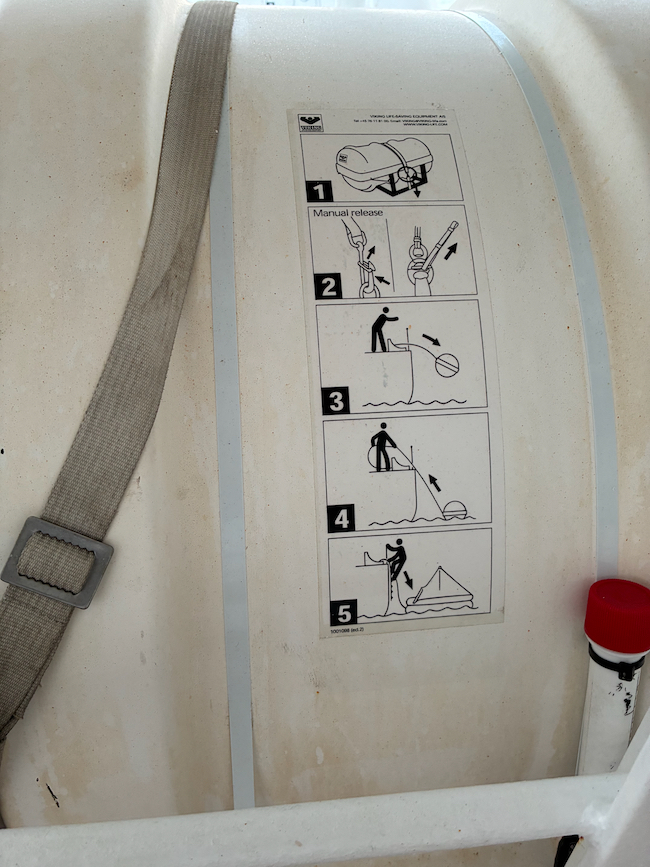
We are excited about our tour today, The Scenic Assynt. We tendered in, and boarded our bus. It got off to a surprising start. We were all aboard and the bus started. Two minutes into the trip, the air conditioning went off and the bus became stuffy very quickly. Formerly civil Viking tourists became rude, and shouted that we needed AC, but I think the driver needed the extra power to attack the hill heading out of the port. The bus rumbled and shuddered, and the guide was doing her best to soothe the savage beasts but was also on her phone to headquarters trying to get a back up bus and there wasn’t any.
It got better. The AC came back on, and we stopped at a geological reserve.
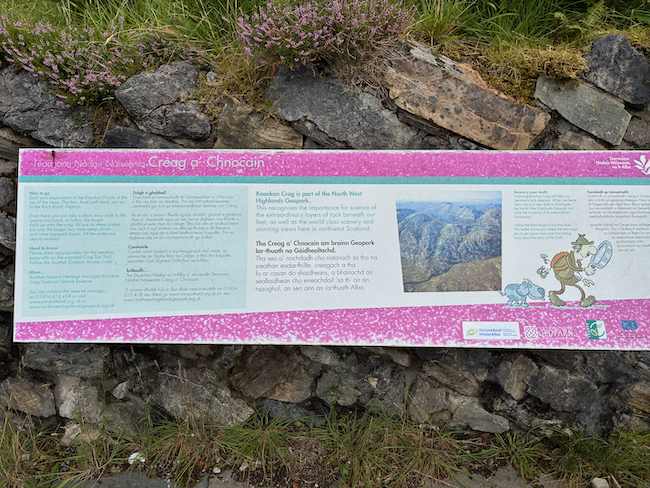
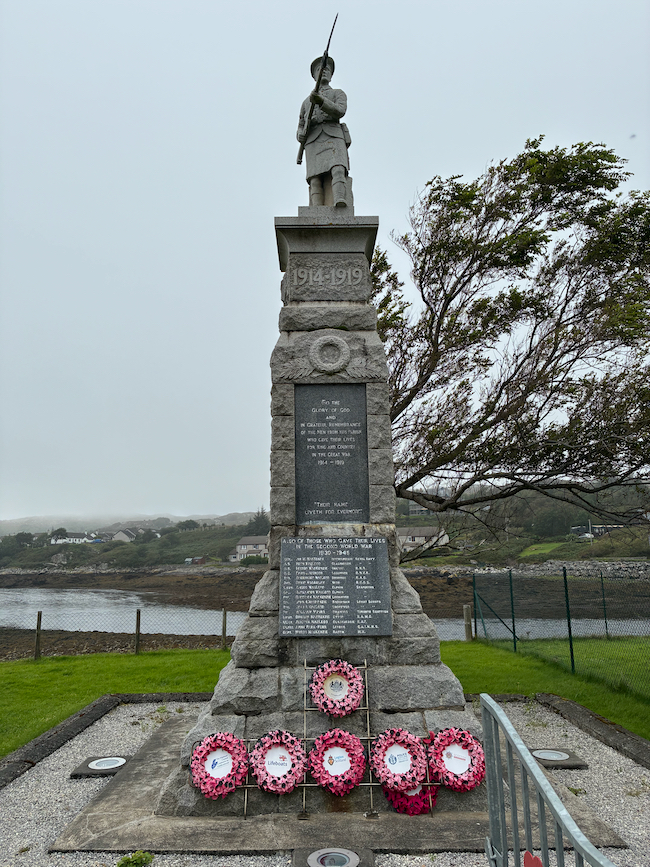
Here is where I have to make a sad confession. This reserve was wonderful. It had special stations to demonstrate how very old rock had extruded and somehow become above the much younger rock.
When I uploaded my photos, of this trip into the Assynt, and the next trip, in the Orkneys, I somehow didn’t save them to the desktop, and carefully deleted them from my camera and card.
Fortunately AdventureMan took some photos, and I had some on my phone, but sadly, the trips were both wonderful and I can’t show you how greatly wonderful they were. I am so sorry.
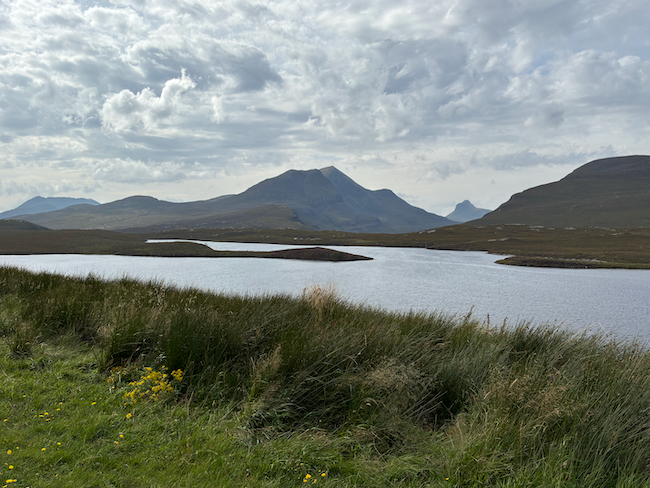
We also stopped by the ruins of an old castle en route to the small fishing village of Lochinver, very beautiful, very small, and I took a walk in the opposite direction of the others, and it was so QUIET.

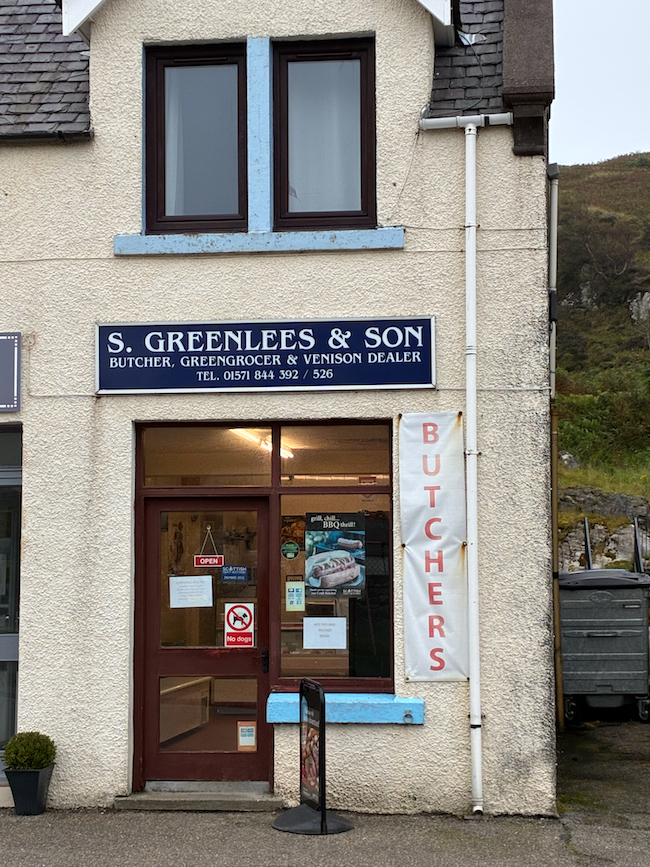
One thing you don’t get on a cruise ship is a lot of quiet. Viking ships are quieter than most, but you get 900 people together, there’s going to be some noise. For the first time ever, we have a loudly quarreling, quarrelsome couple on one side of us. Fortunately, it is sporadic, not all the time.
With the fog rolling in to this small fishing village of Lochinver, it was so silent. It wasn’t even muffled, it was silent. My ears were ringing with the silence! I loved it!
I rely on my photos to tell the story, and without them, I can’t remember all that I saw. What I do remember is the warmth with which we were greeted at Ullapool, in the Scottish Highlands, that they truly made us feel appreciated. I remember thinking I would love to come back to Ullapool, so small, so isolated, with so few tourists. There were families, and hikers and people from many nations, but not the thousands that come in on the ships. We were the only ship in port this day.

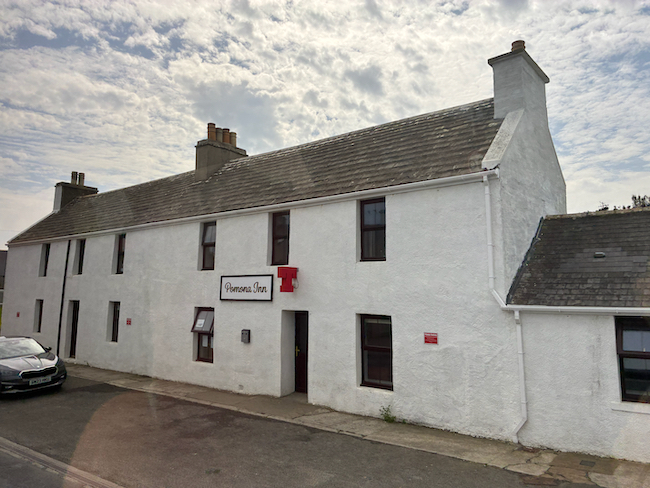
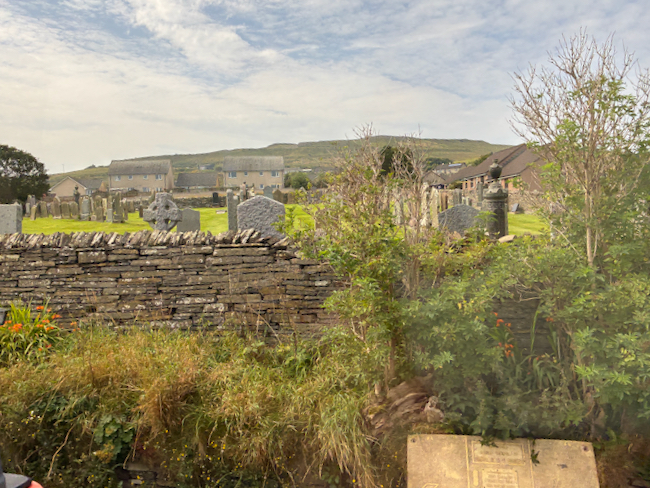
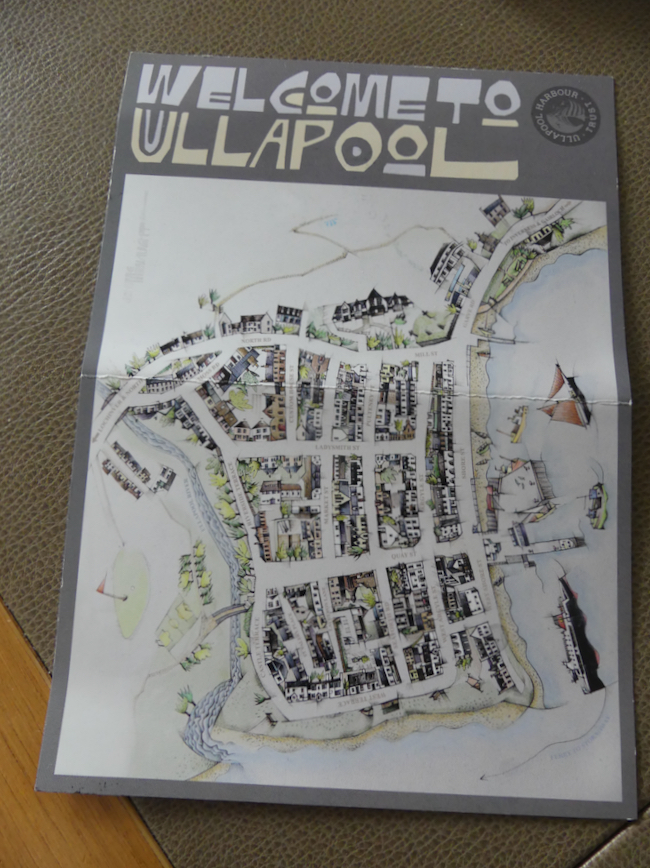
Much of the time is foggy in Ullapool, in August, and then there are times when the fog burns off. Then the fog comes back again, and then, just as the sun is setting, it might break through.

We have reservations this night at Manfredi’s, the ship’s Italian specialty restaurant, and are shown to a quiet table by the window in the back of the restaurant. We love it. Our waiters are kind and funny, and help us make great choices for dinner.
Morocco Malta and the Med: Revisiting Life in Tunis

Sunrise getting close to Tunis.
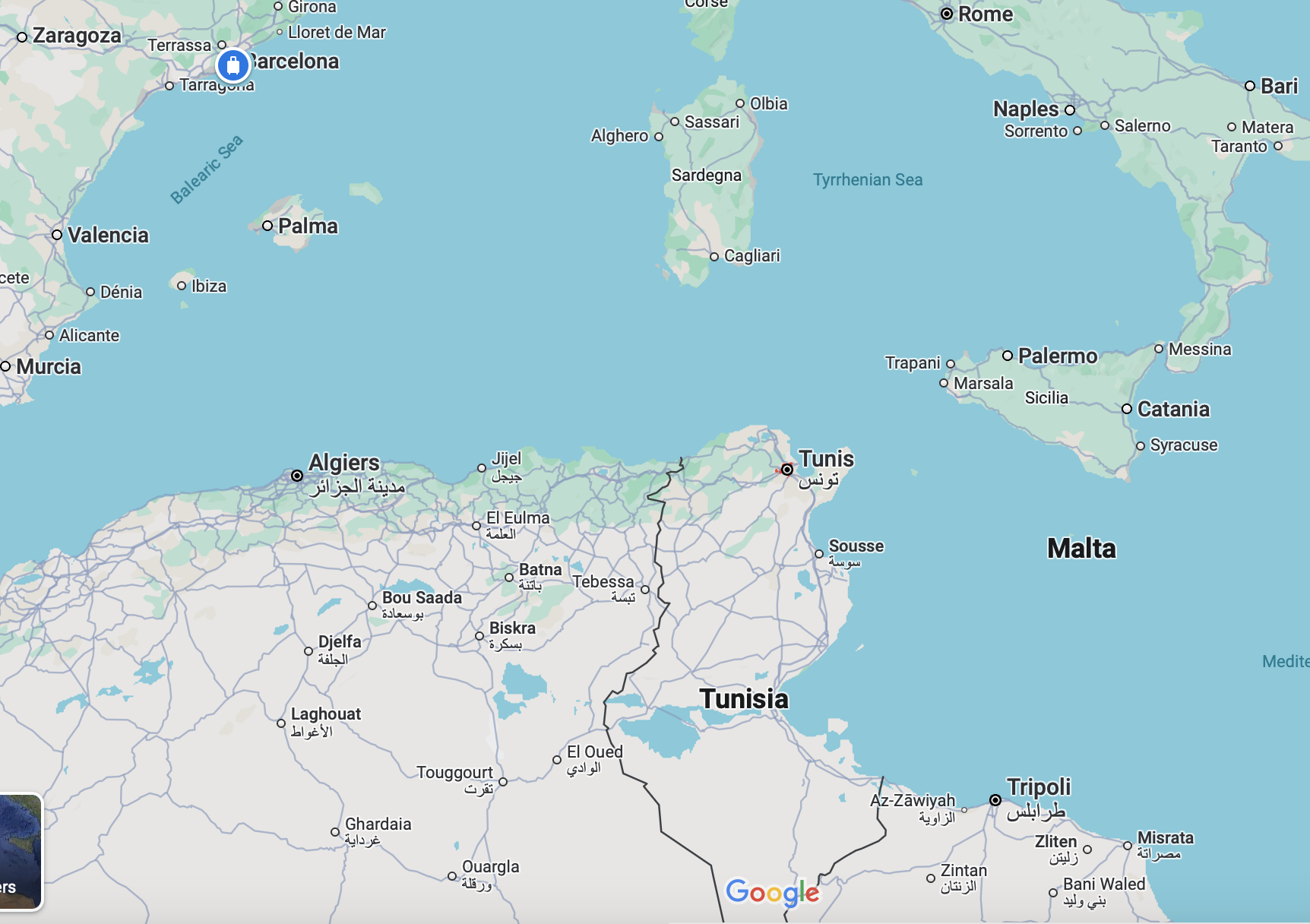
You may be a little hazy on where Tunisia is:
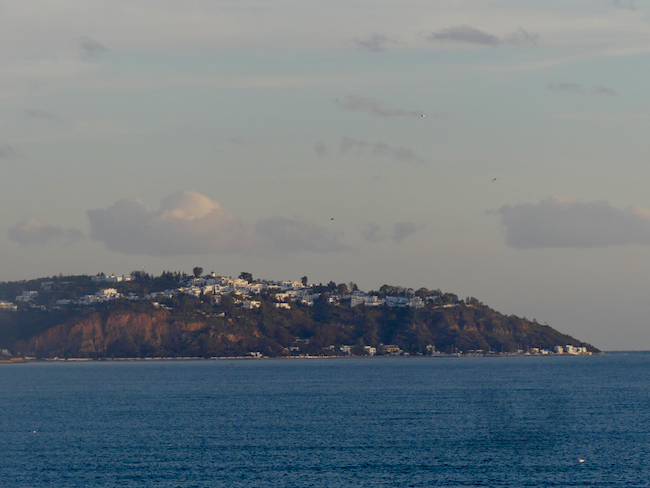
We recognize Carthage and Sidi Bou Said, but everything is so much more built up.

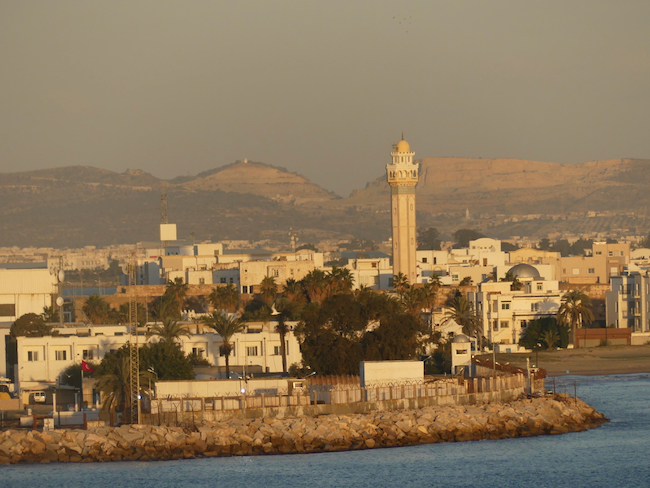


Saint Louis Cathedral up on the hill, we remember. Oh wow, Wikipedia tells me it is no longer a cathedral: Since 1993, the cathedral has been known as the “Acropolium”. It is no longer used for worship, but instead hosts public events or concerts of Tunisian music and classical music. Currently, the only Roman Catholic cathedral operating in Tunisia is the Cathedral of St. Vincent de Paul in Tunis.[1] Hunh. Acropolium.


We had exactly the day we needed in Tunis, thanks to this fine man, Noureddine Boukari. We found him through Tours by Locals, and he corresponded with us to determine exactly what we wanted to see and experience in our precious few hours in Tunis.

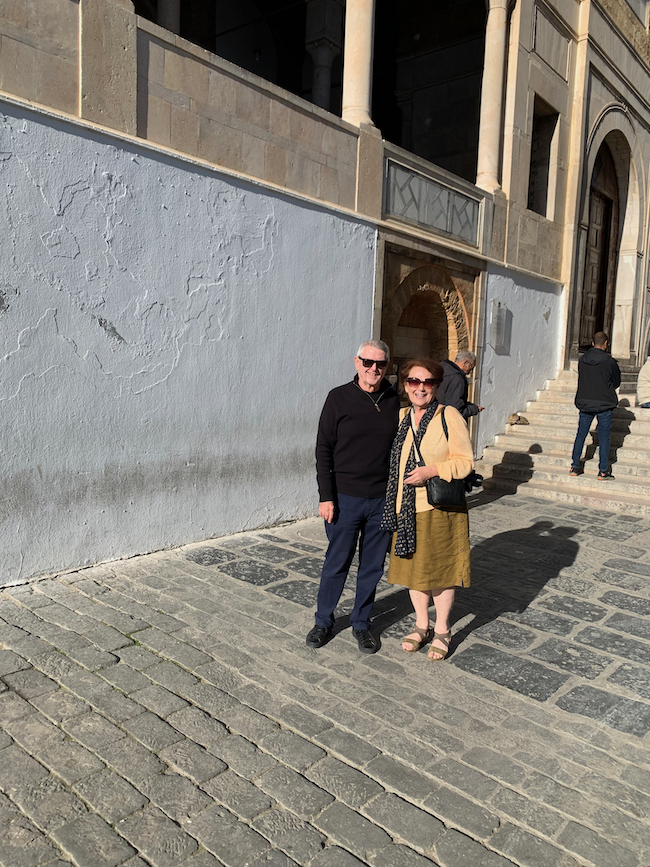
He was there to pick us up as we exited the boat. He took us directly downtown, along Habib Bourgiba to the Central Market and the souks as they were opening. It was a great beginning; the Central Market hasn’t changed much in forty years; people can still find the freshest fish and local vegetables as they do their daily shopping.
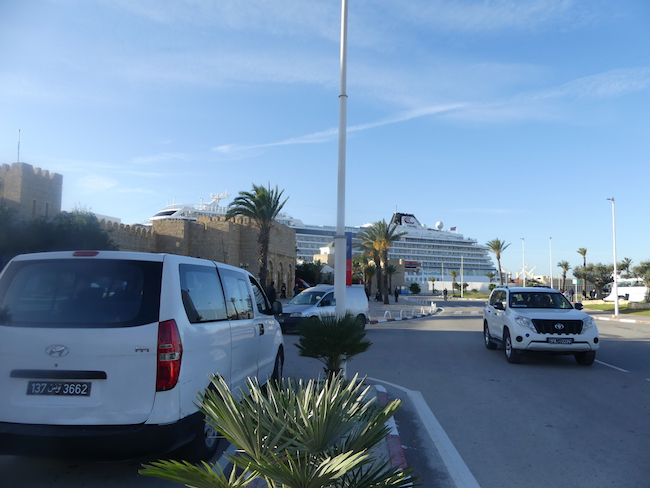
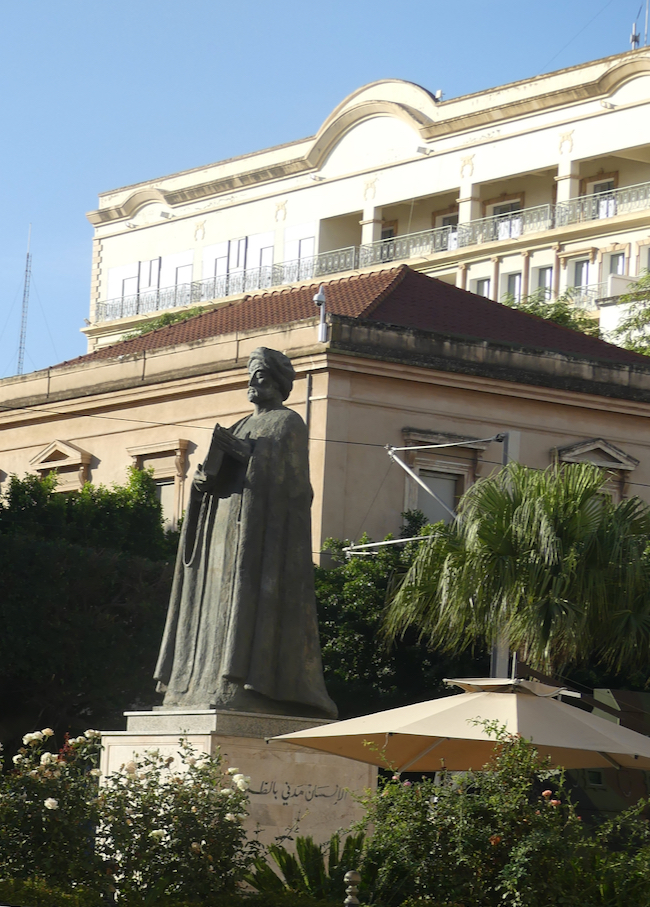

LOL this thrilled my heart!


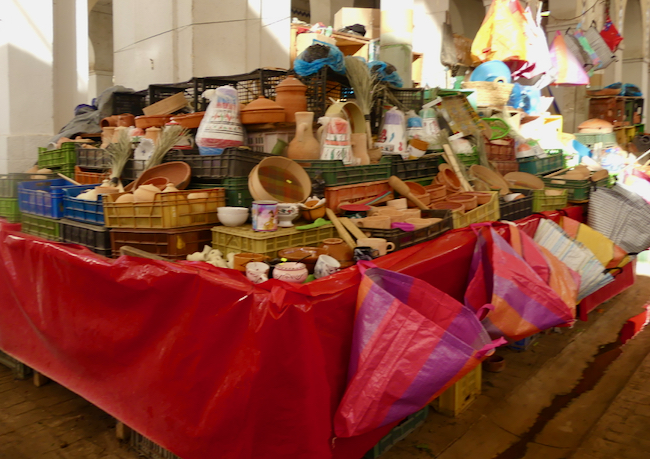
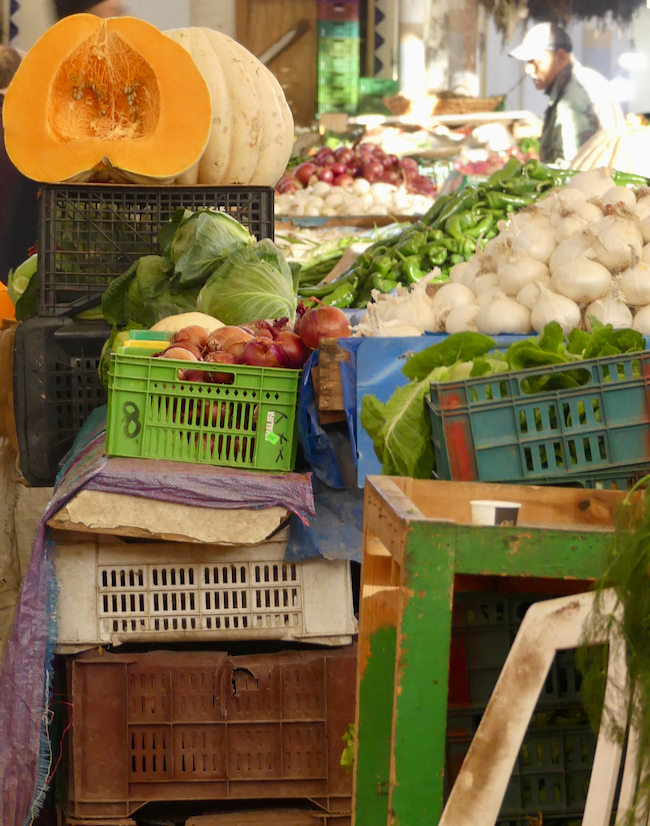
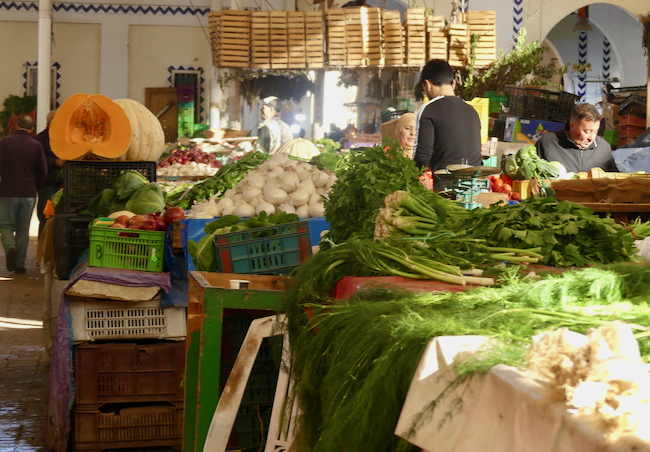


This was so much fun for me – probably because as a young wife, shopping for food was challenging at first – buying by weight in the markets, always carrying our own bags to put our vegetables in. I have so many hilarious stories, mostly because I was so ignorant, and had to learn new ways.

Noureddine introduced us to friends who were shopkeepers, and they had a great time talking with AdventureMan.


As I type this up, I hear the words in French and Arabic for eggs, parsley, pumpkins – it comes roaring back, words I haven’t used in a while.

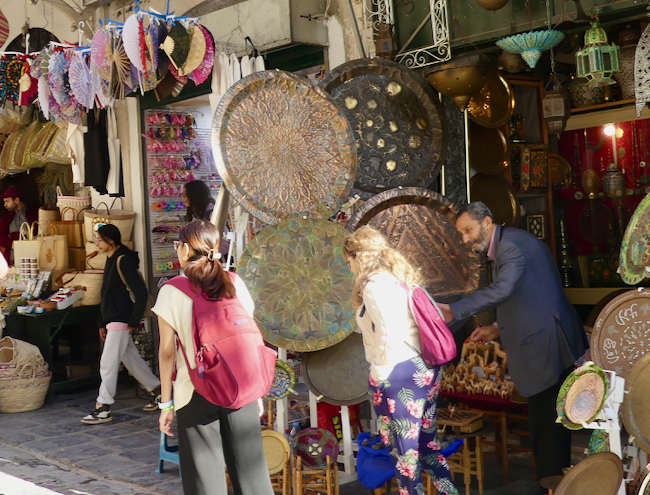
And we head for the souks, which are just opening. The whole medina area is SO clean now!
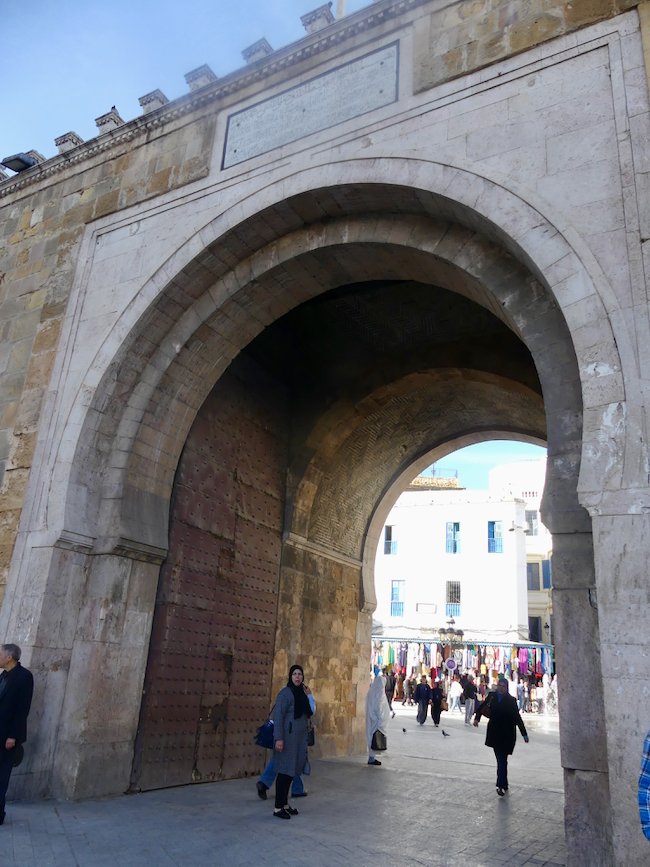
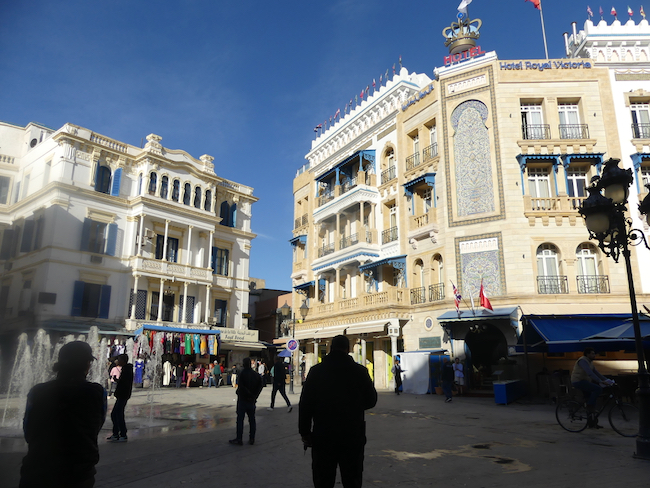
The Hotel Royal Victoria on the right used to be the British Embassy a long time ago, right at the main entry to the souks.

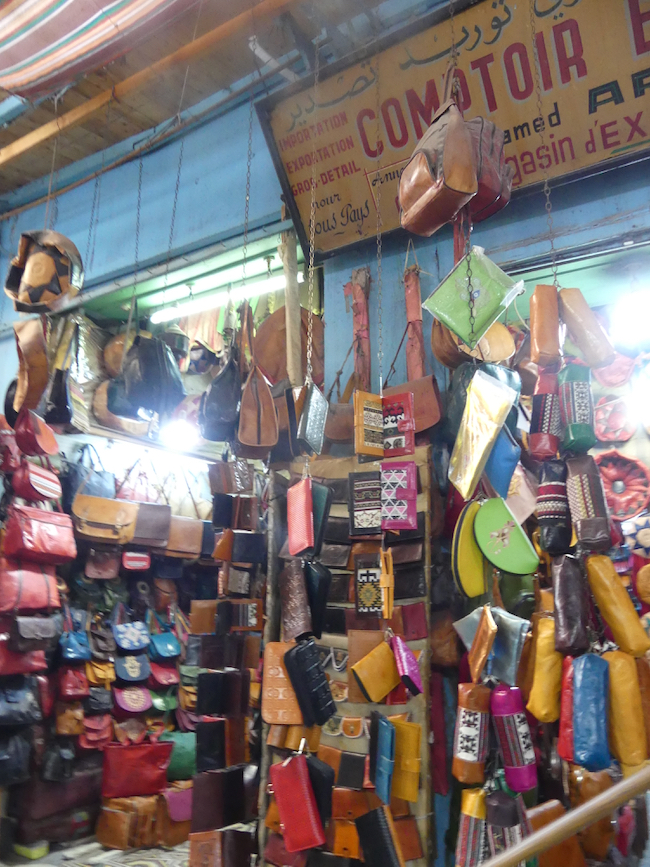
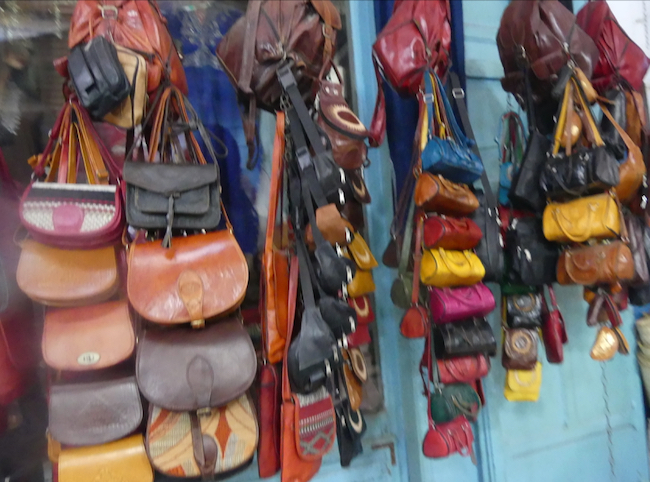
I didn’t do a lot of shopping on this trip, but I found in these souks a beautiful silk scarf hand woven in Mahdia for my daughter-in-law and a huge red sefsari in the old pattern for the woman who stays in our house and cares for the cats while we are gone, and who, like me, loves textiles.


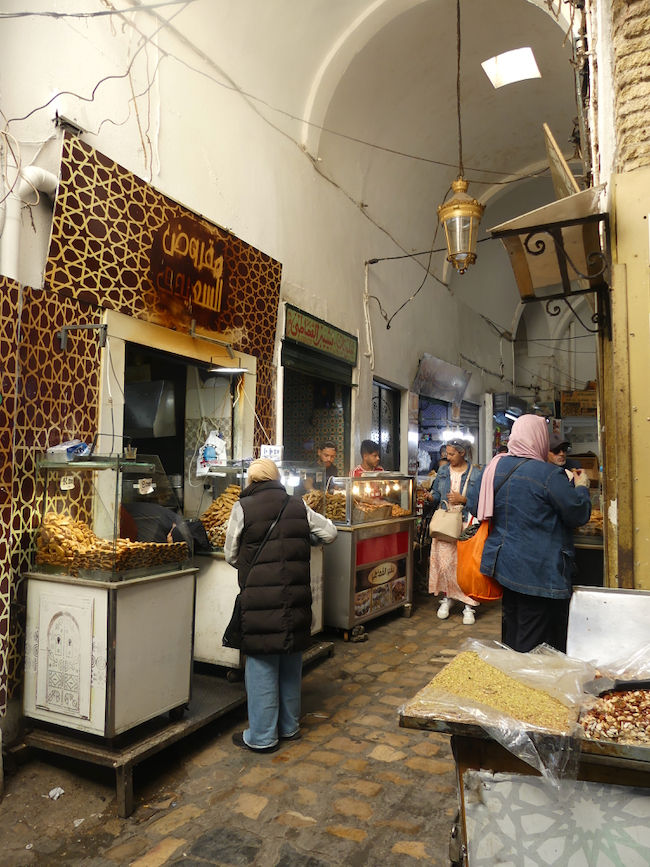
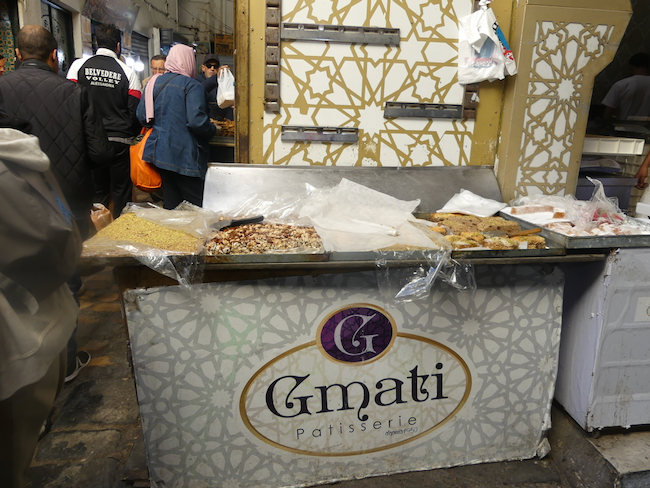



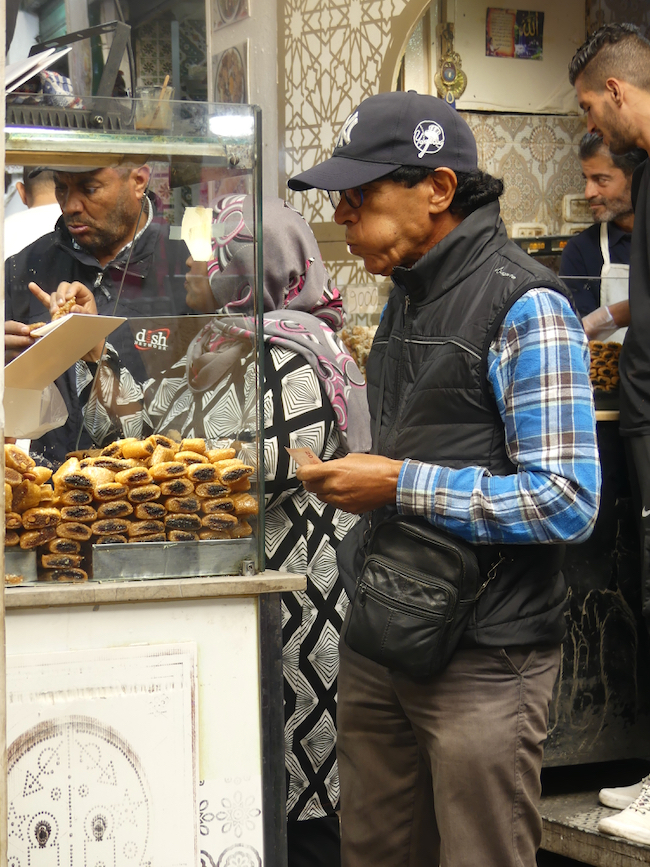
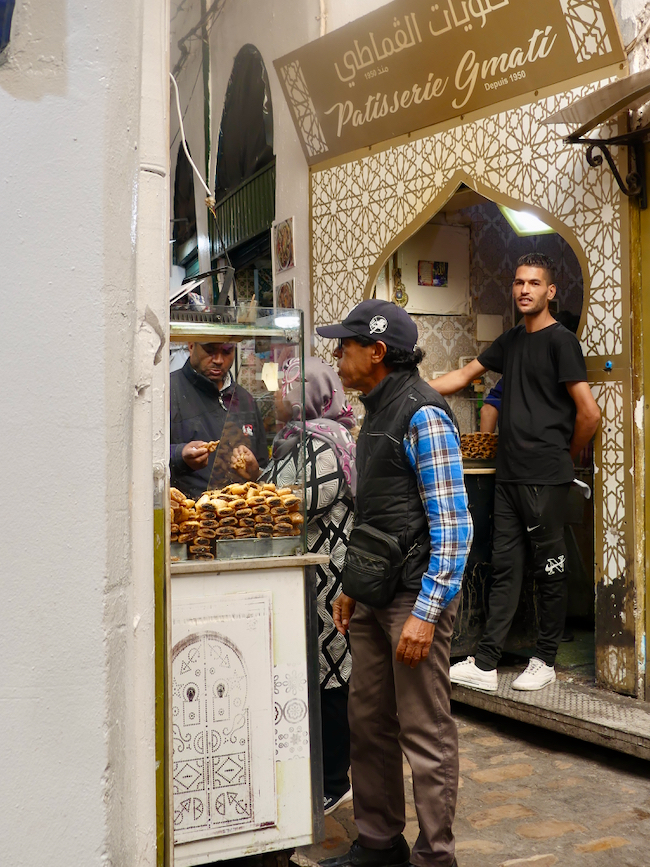
These date pastries/cookies are so delicious. Noureddine is taking a box to his family.
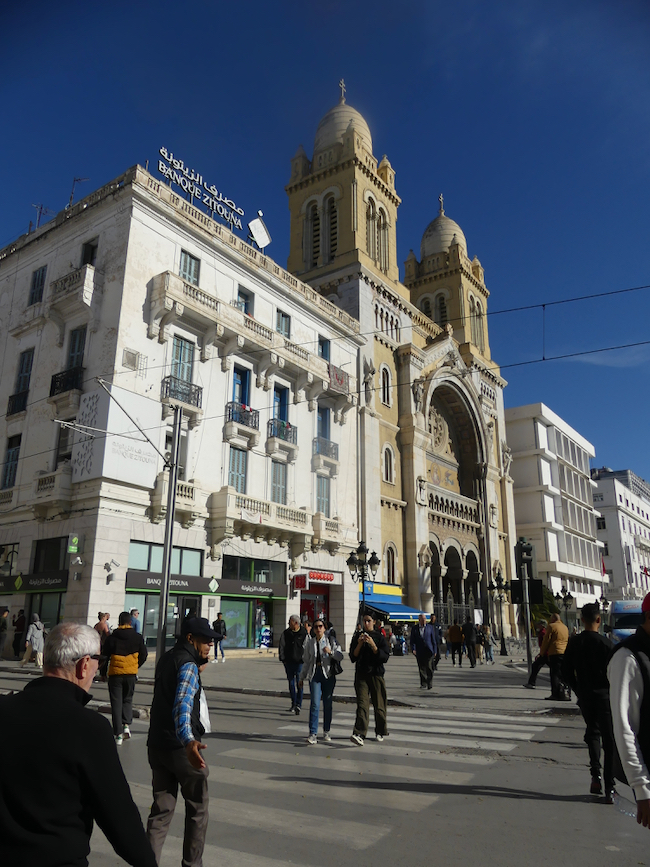
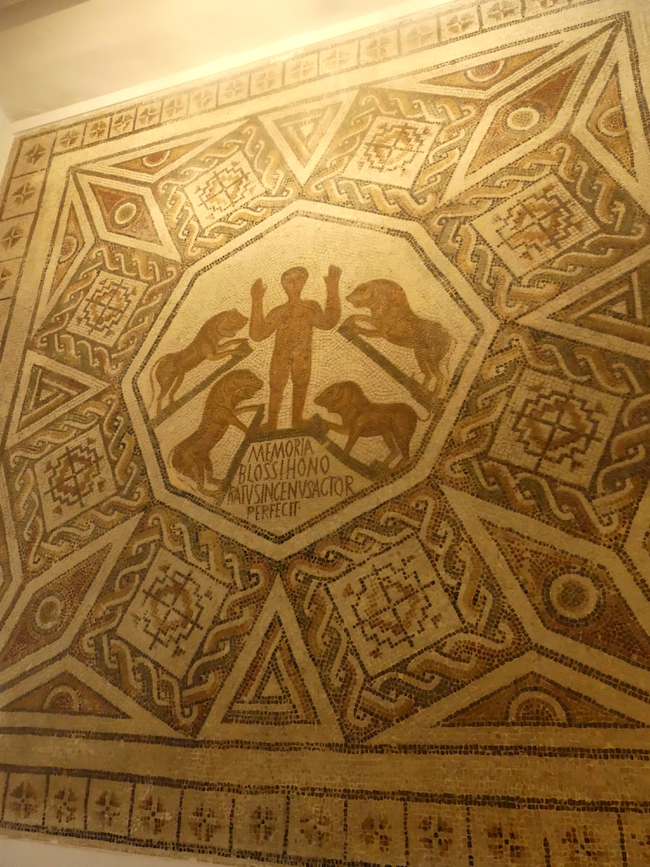
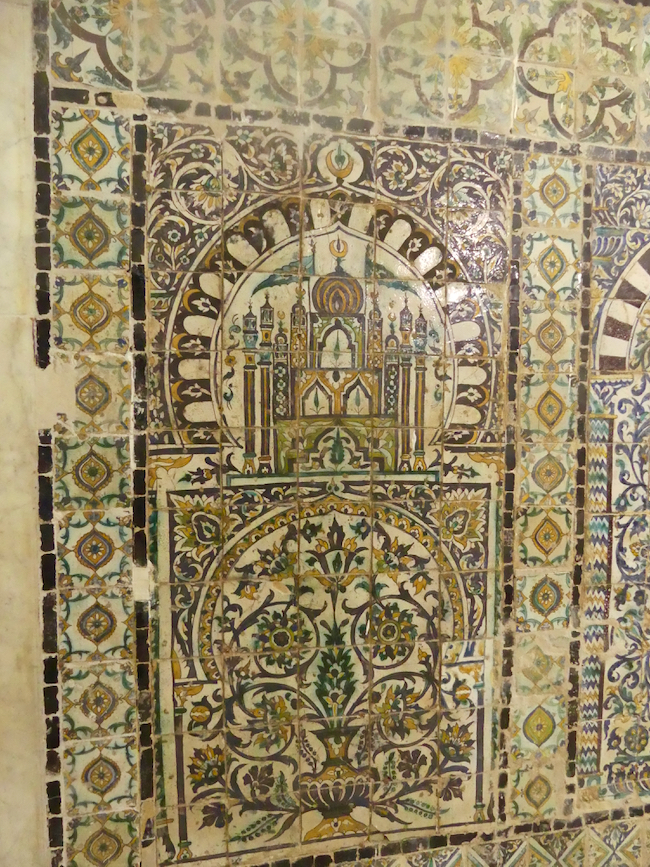
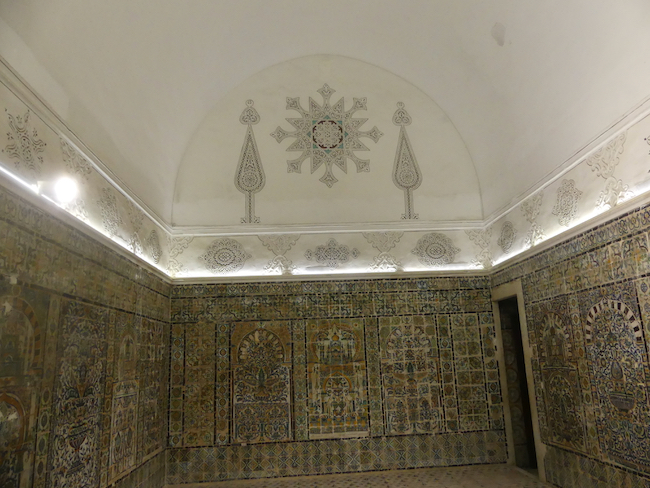
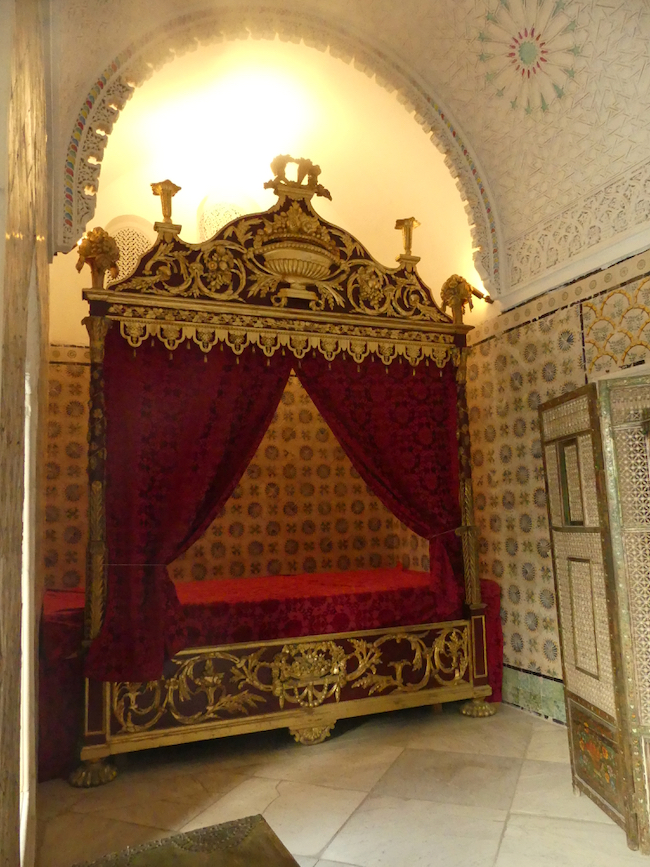
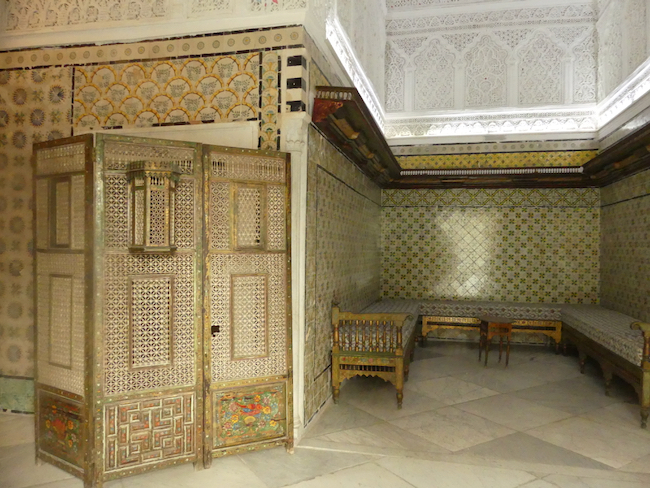
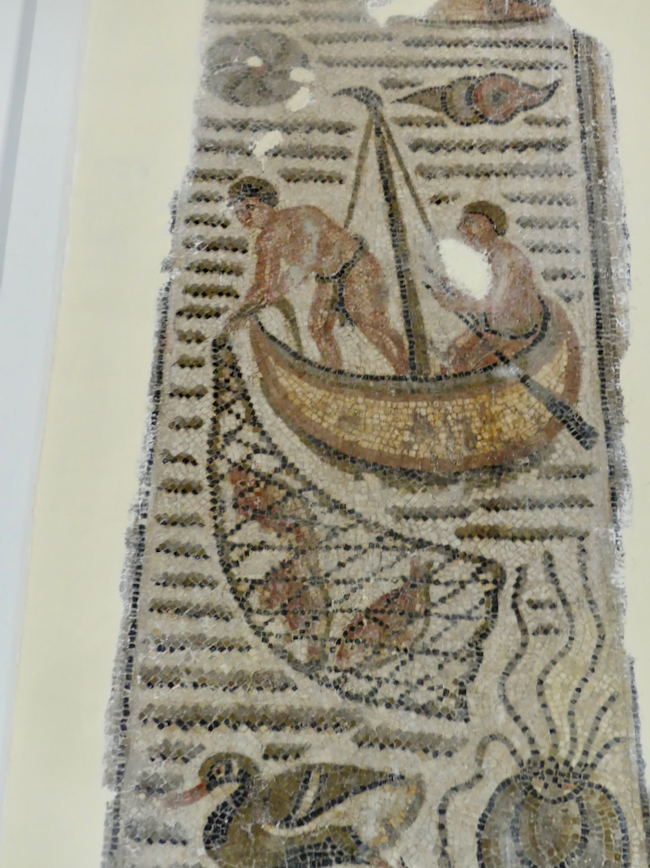
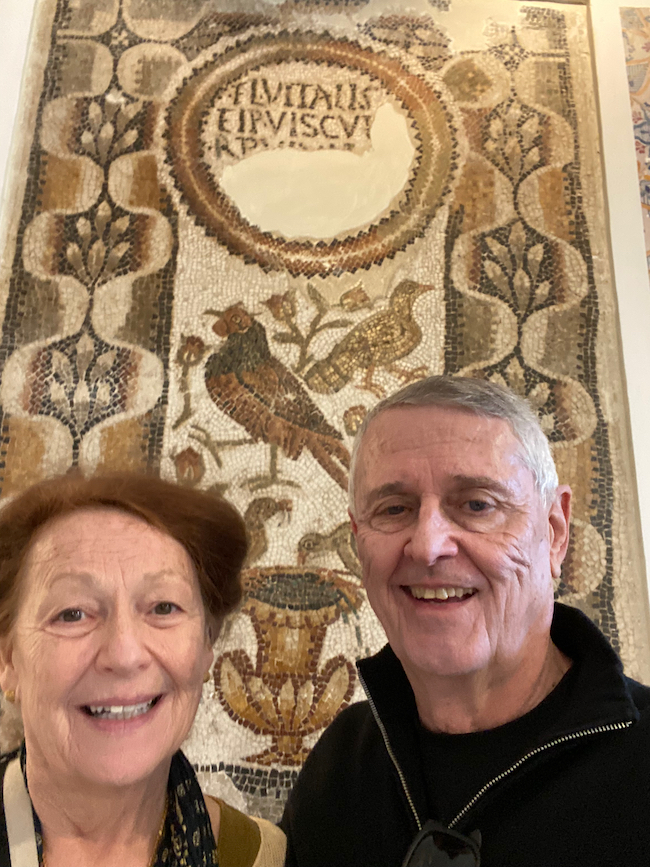
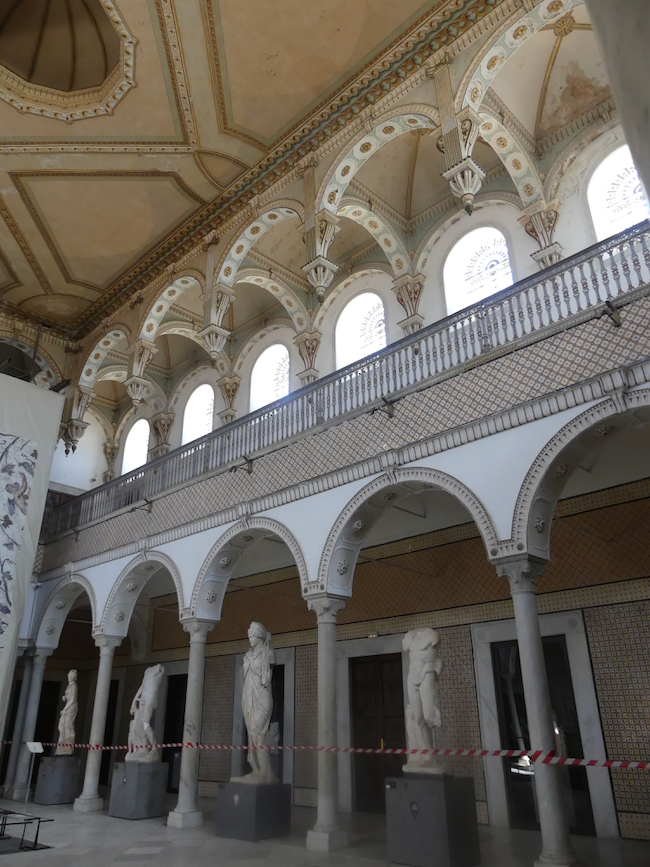
Our chariot awaits. We drive around Tunis and arrive at the Bardo just as all the tour groups are leaving. Noureddine leads us through the centuries of mosaics. The Bardo is more beautiful and more organized than it was all those years ago.
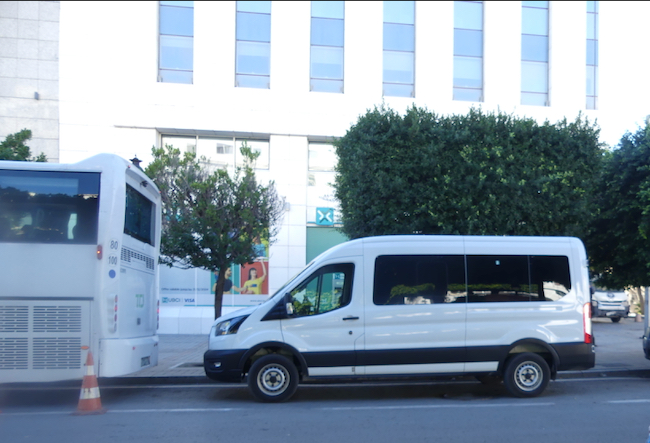
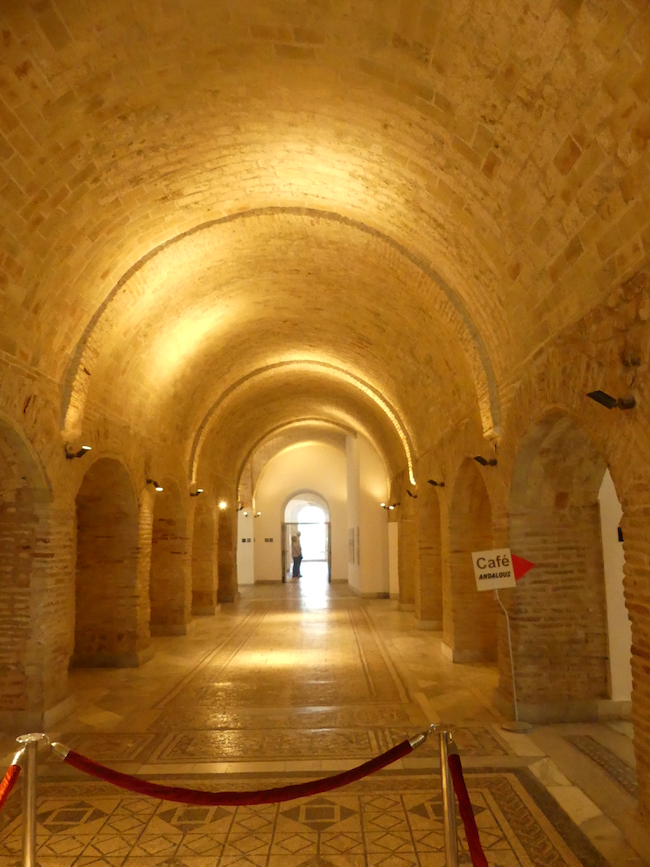
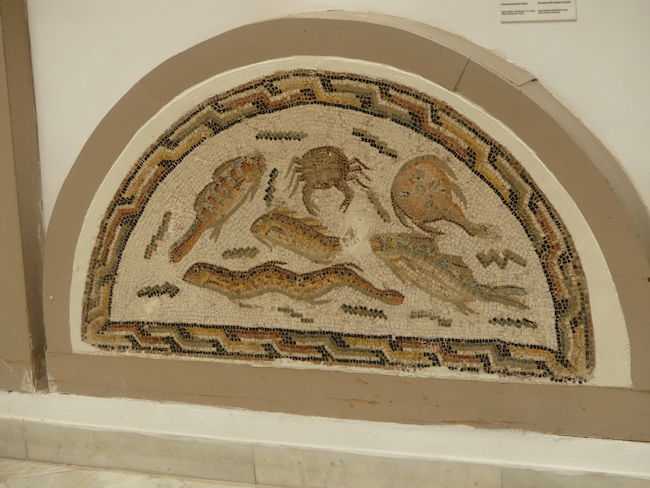
The Bardo itself is a former palace. Now it holds priceless mosaics taken from ruins of houses built throughout Tunisian history (Tunis, Carthage, Dougga, Kairoan, Djerba – it is impressive.)
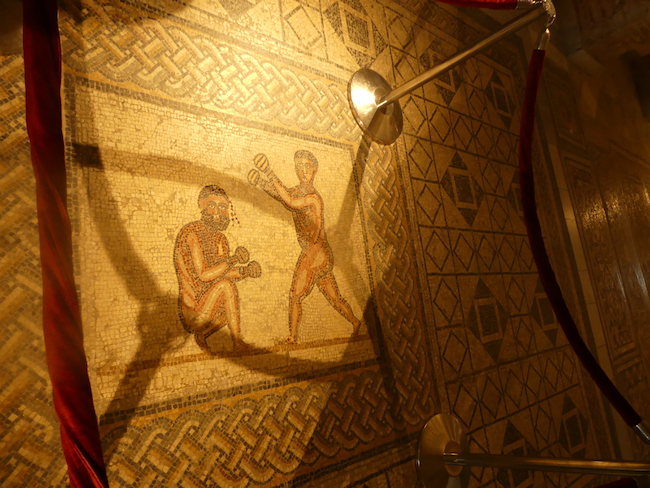

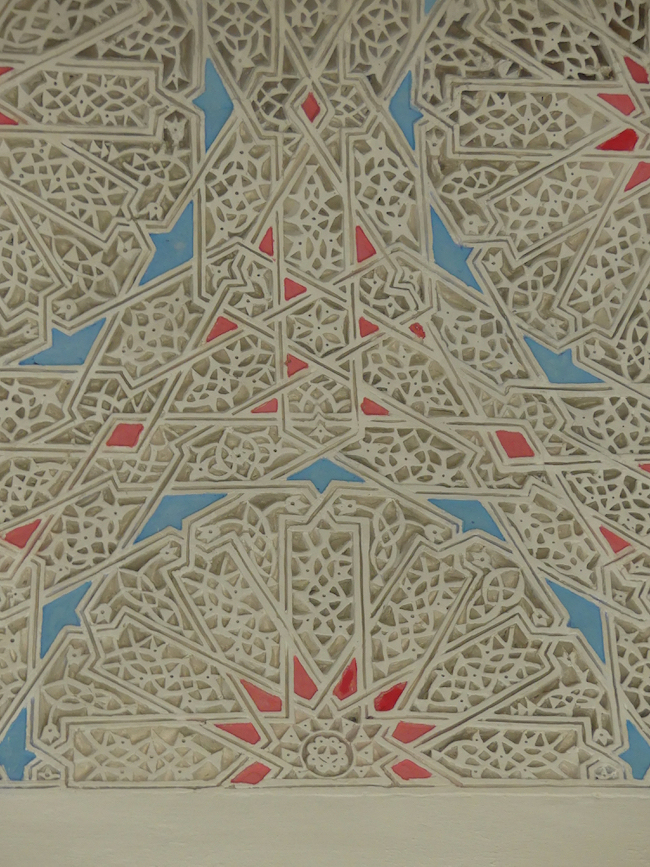
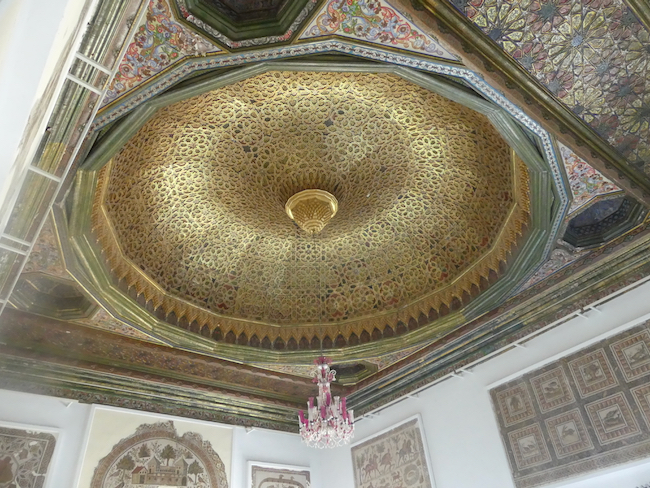
The imagination and the execution of the work is exquisite.


Below is an intricate ceiling.






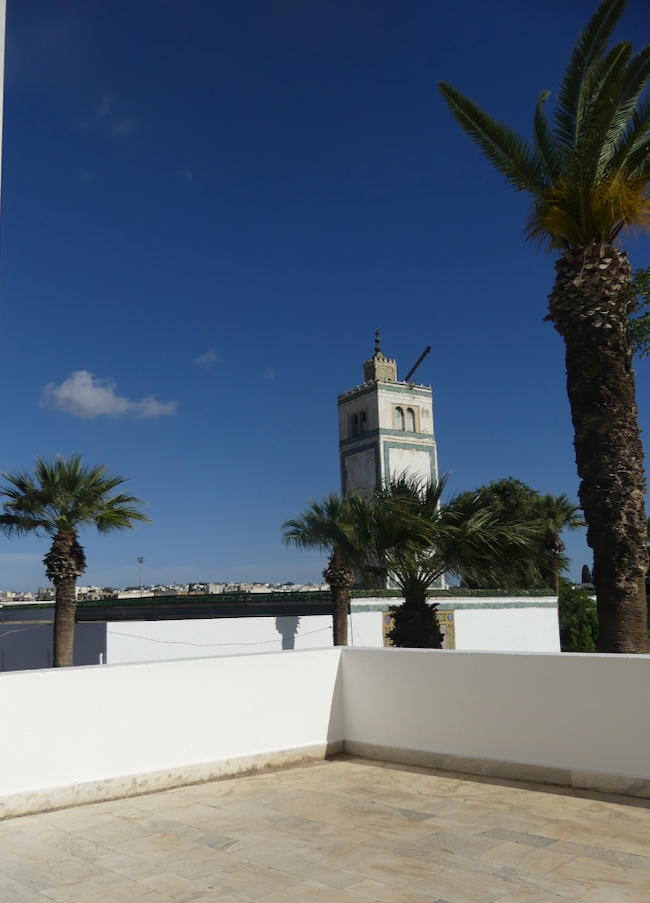
View of Tunis from the Bardo Palace.

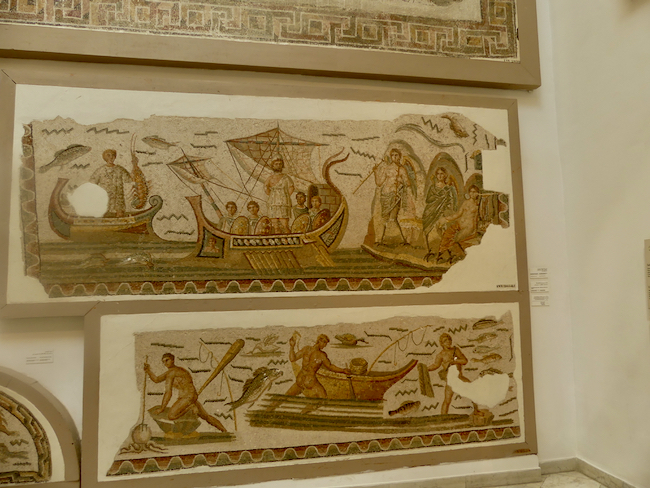



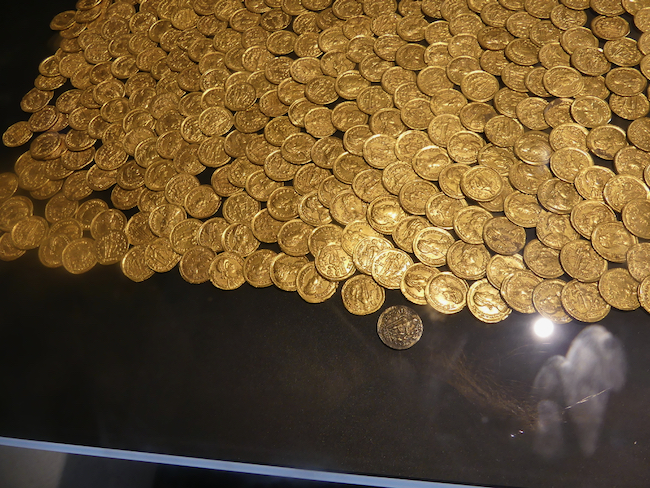
A treasure discovered with hundreds of gold coins and one silver coin (at the bottom).


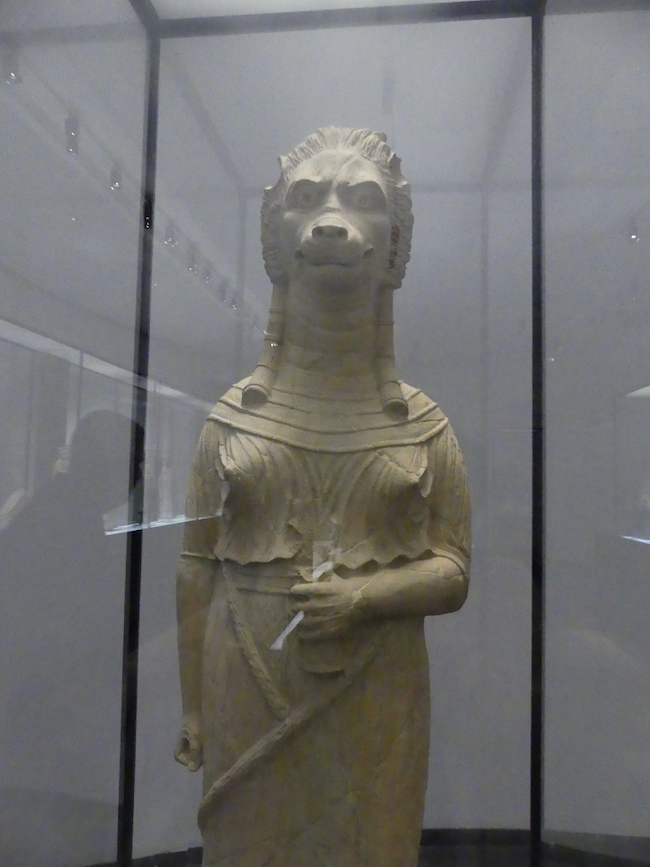
Ancient Punic Gods. Some are really hideous.

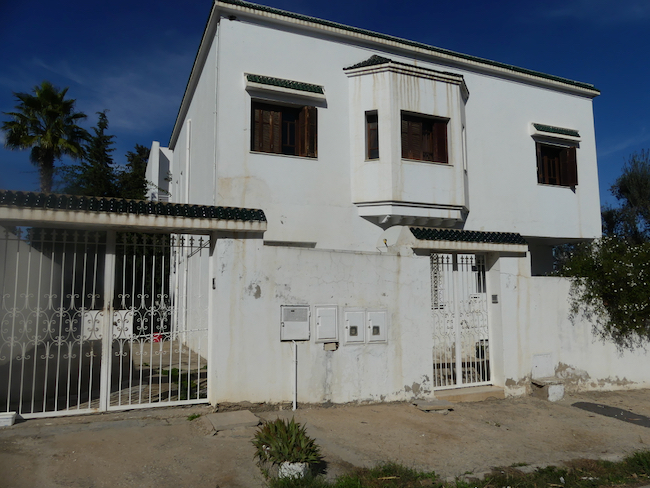
This is the house where once we lived, but not in this house, in the house that used to be there. I am glad Noureddine found the address, but it is not the house where we lived. But it IS on the way to Carthage and Sidi Bou Said, and to a delightful lunch of bric, and couscous.
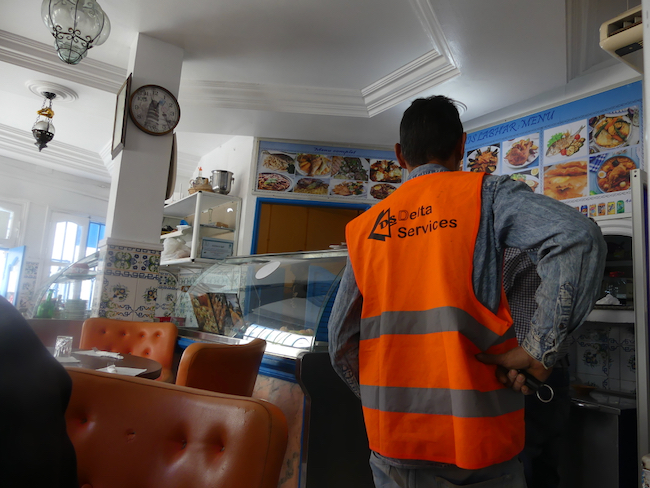
Brik!
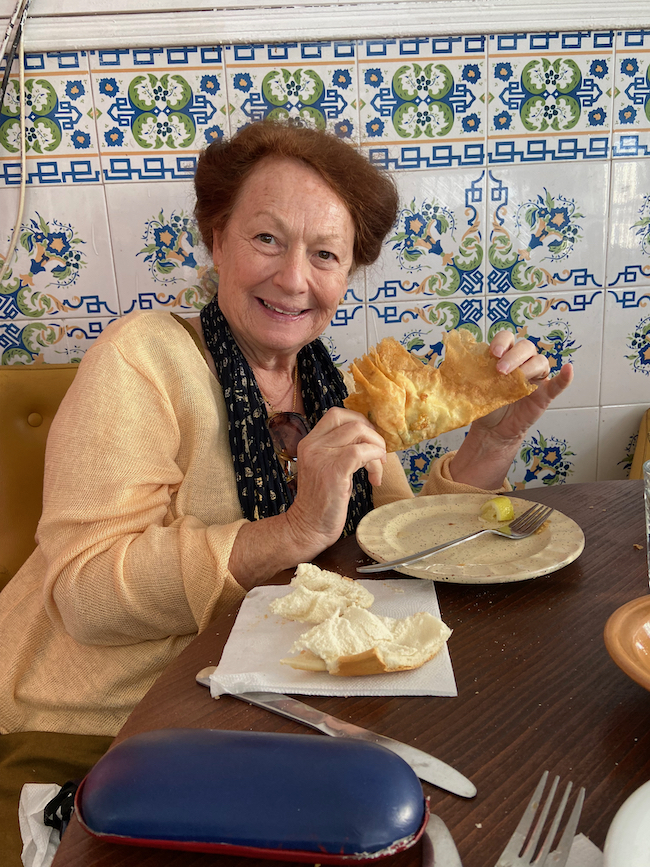

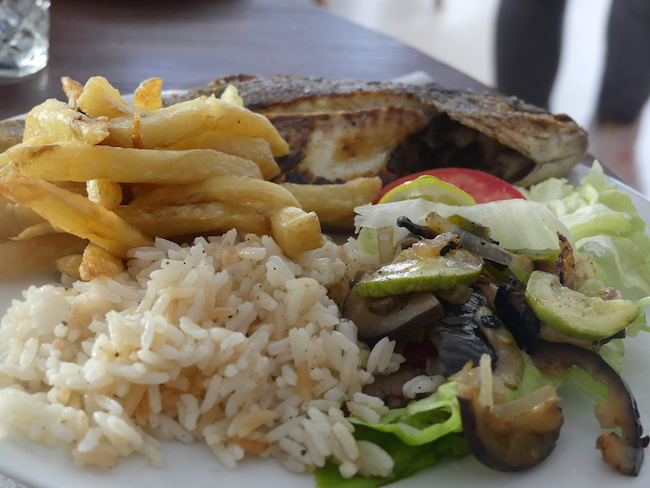
Fresh fish, which Noureddine skilfully deboned for us.
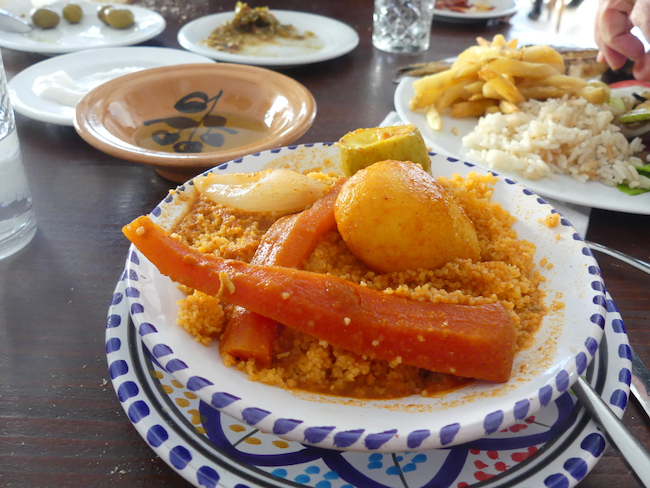
Vegetable couscous. I’ve never tasted carrots as delicious as those grown in Tunisia.
We have a lovely walk around Sidi Bou Said before heading back to the ship.

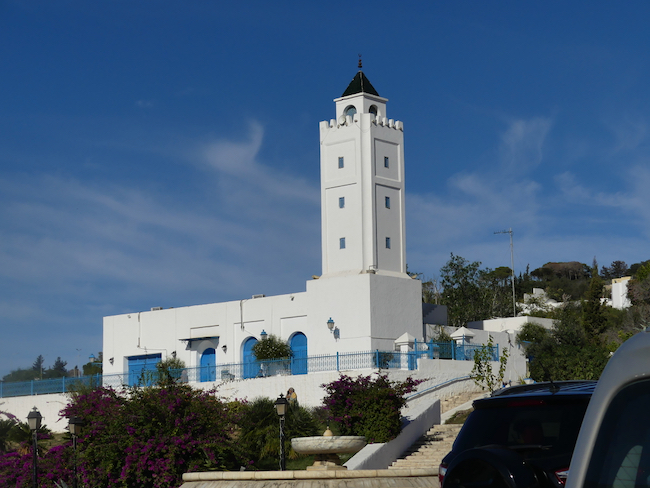

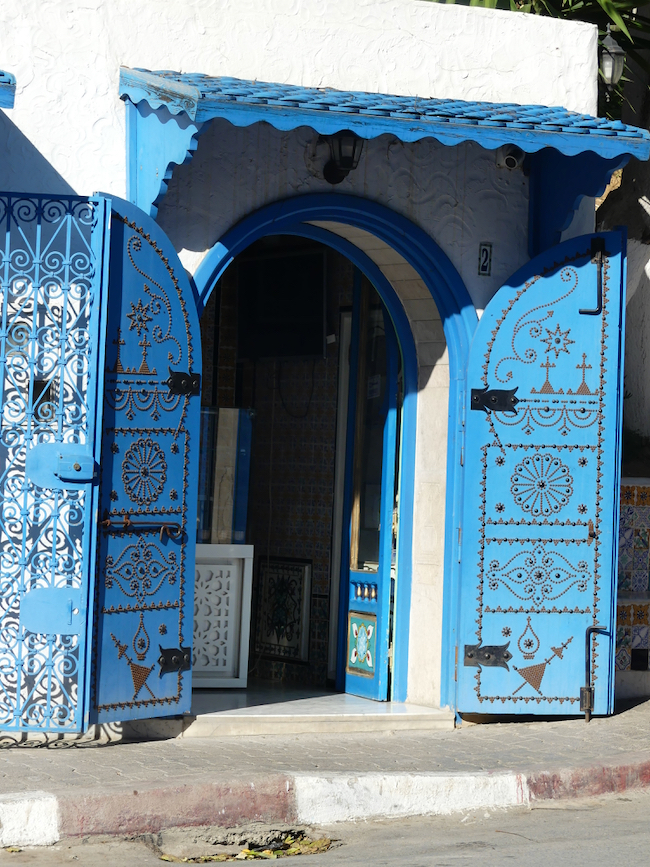
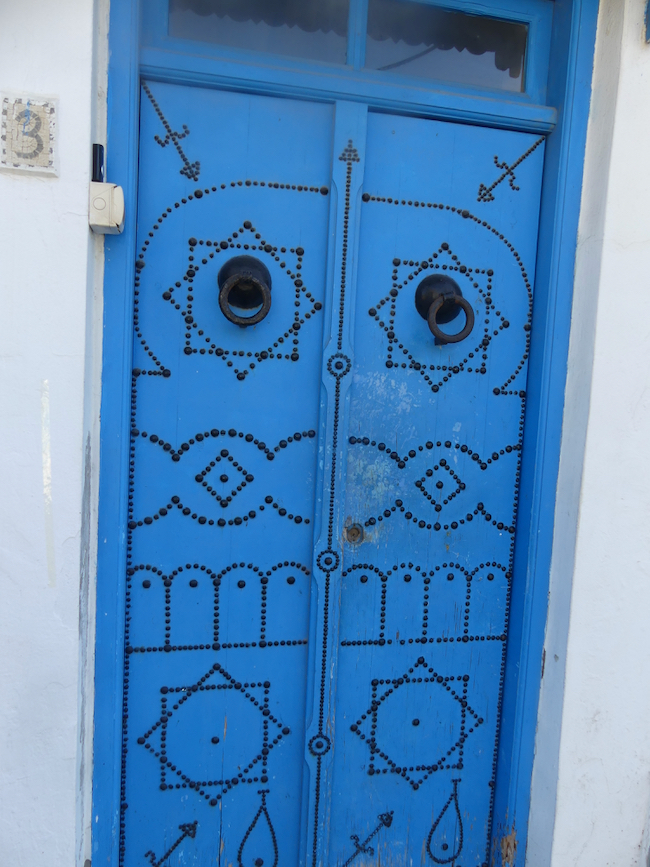
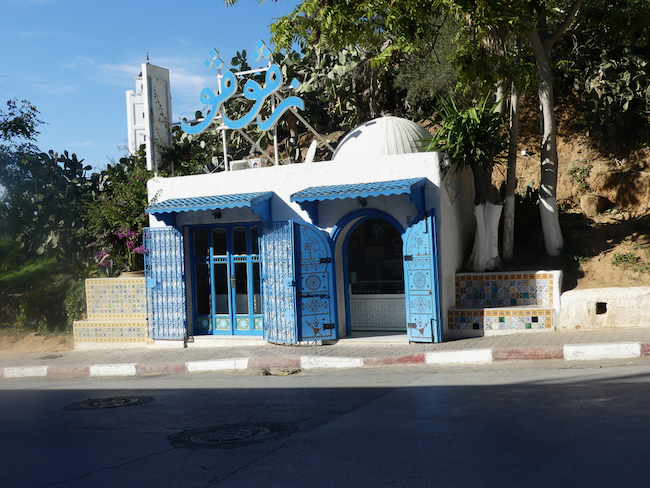

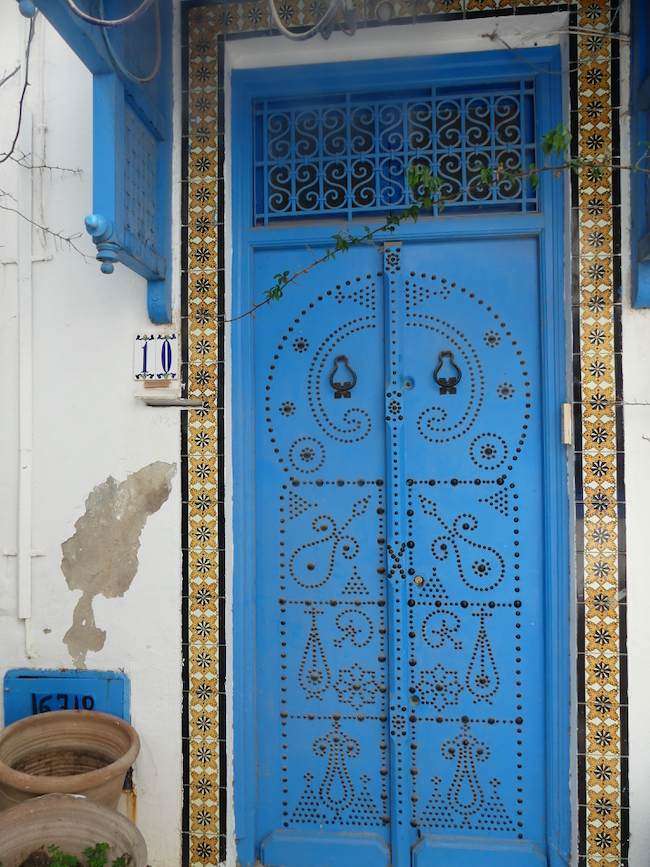

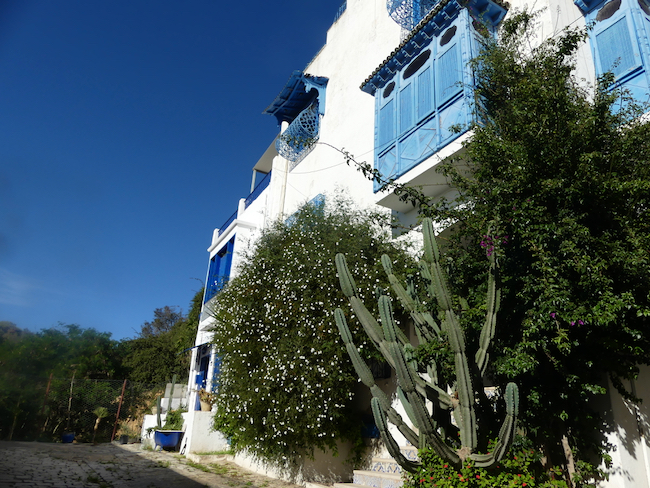

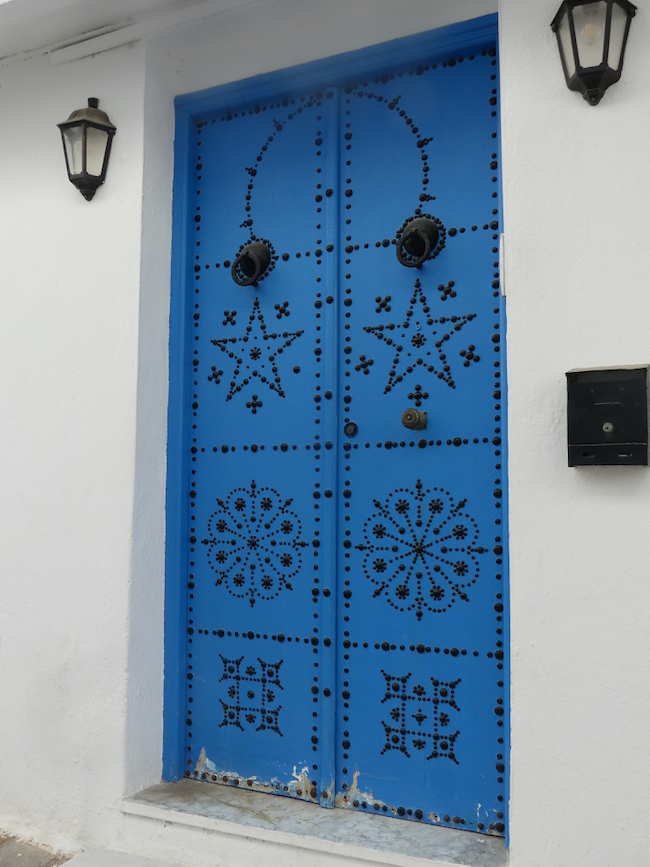

On return to the Viking Saturn, as instructed, we had our shore passes out and ready to give to the official collecting them. But there was no official collecting them! No one was collecting them! We still have them! Just in case.
The sun is setting over Tunis.




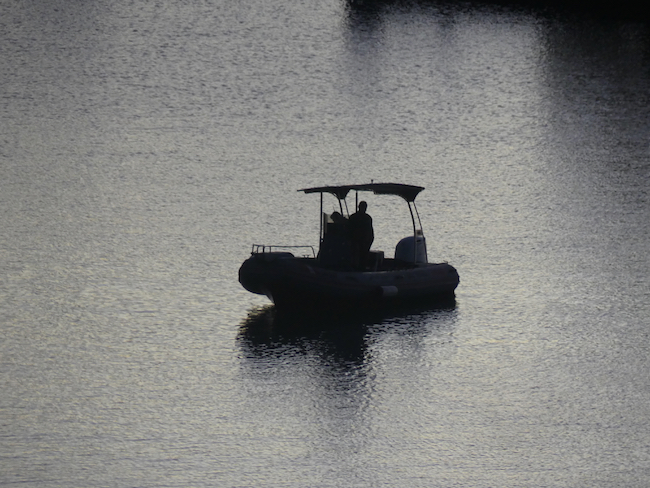
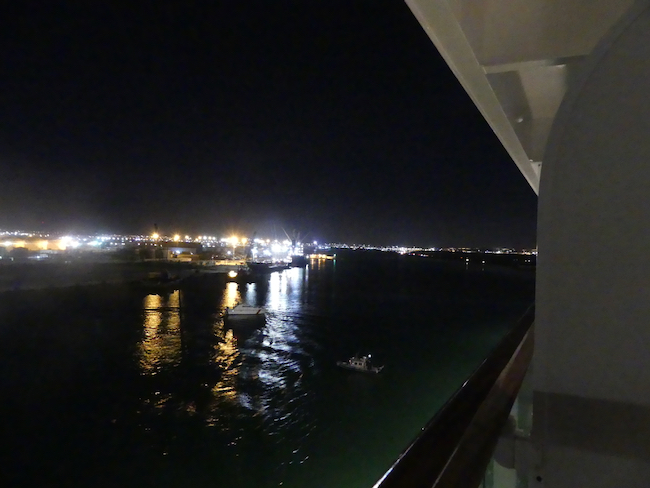

As we sail away, a flock of gulls trail us, hoping for a hand out!

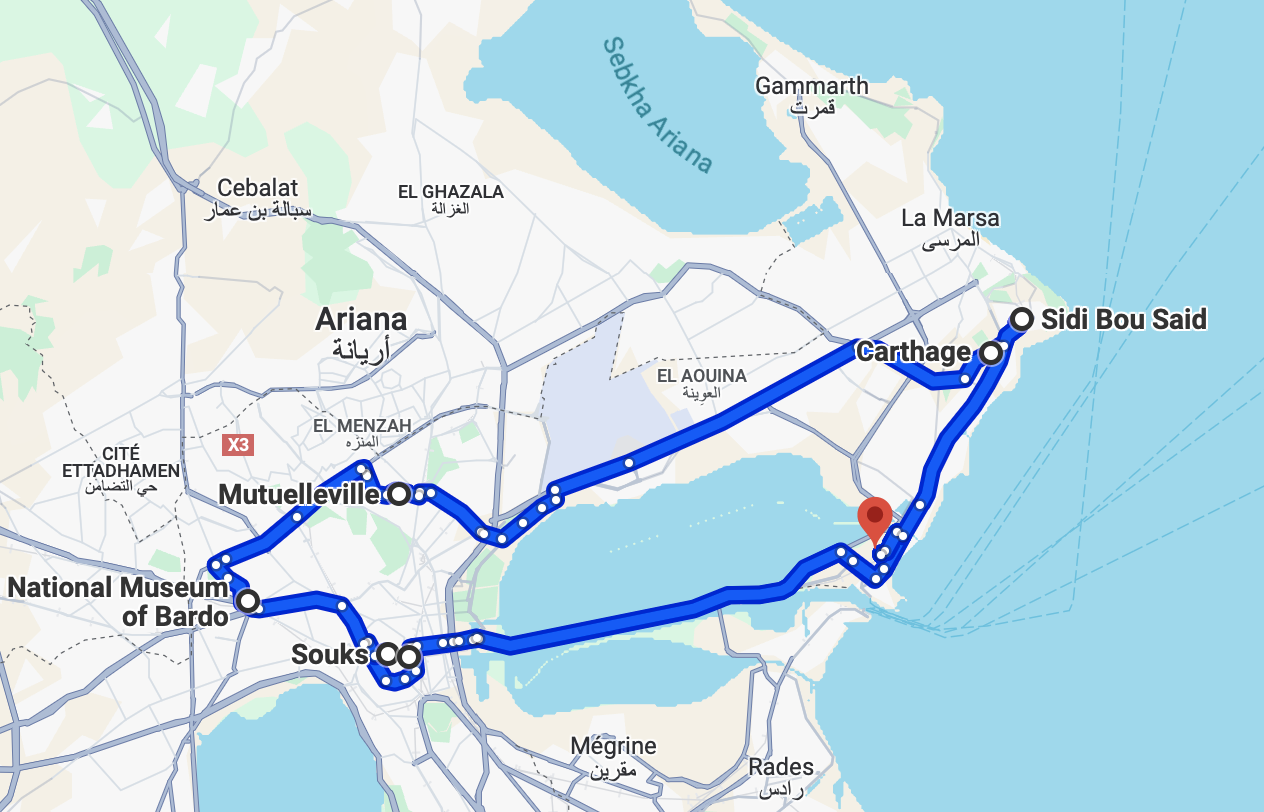
Just in case you are, like me a map person, this is a general idea of the route we took today:
Morocco Malta and the Med: Tunisian Interlude
We aren’t just sailing away from Malta. We are sailing toward a part of our history, and please pardon that these photos are not that great; I don’t even know what kind of camera we were using and they are now very old.
We lived in Tunis for two years, courtesy of the US Government, wanting us to be linguistically and culturally more fluent. For me, it was scary at first – coming from Monterey, CA and entering into what seemed to be a very alien culture.
It began a great leap in opening our visions to other ways of thinking.
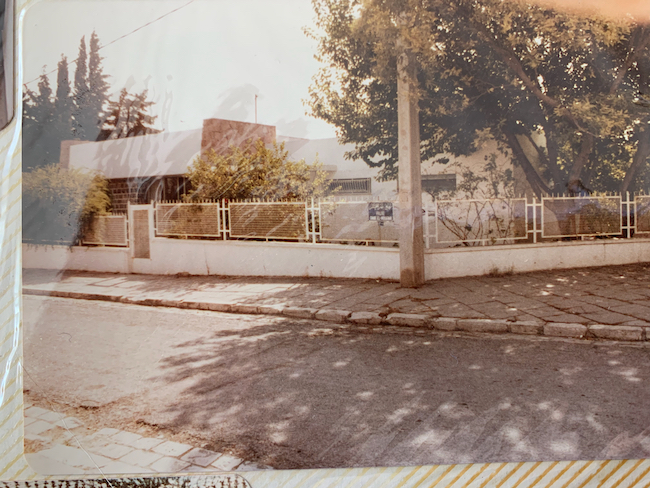
Below is our old villa – I am showing you this because when we went to visit it, it looked entirely different.
Our son went to a local Pre-School, Joie de Vivre, the Joy of Life 😊. This is his class photo.

AdventureMan on our back porch, where we often ate. We only had air conditioning in our bedrooms. The candelabras (there were two) were made for us in Binzerte.


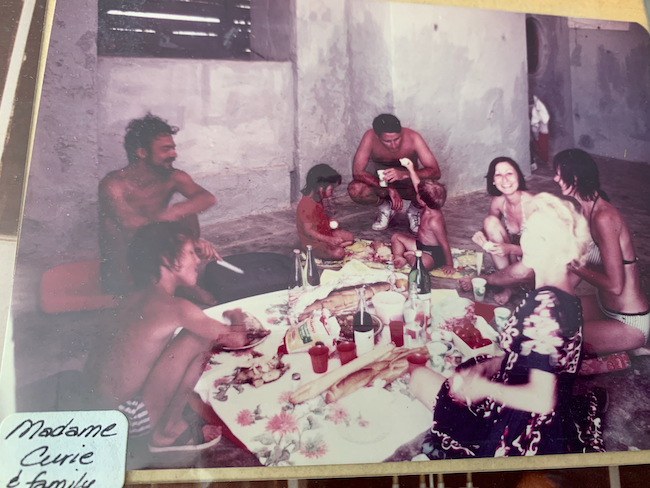
My French teacher, Madame Huguette Curie invited us into her culture; she lived on Avenue Habib Bourgiba in a palatial apartment and had this seaside cottage where we could swim and picnic together. She was beautiful and cultured, and helped us learn about and love our time in Tunisia.


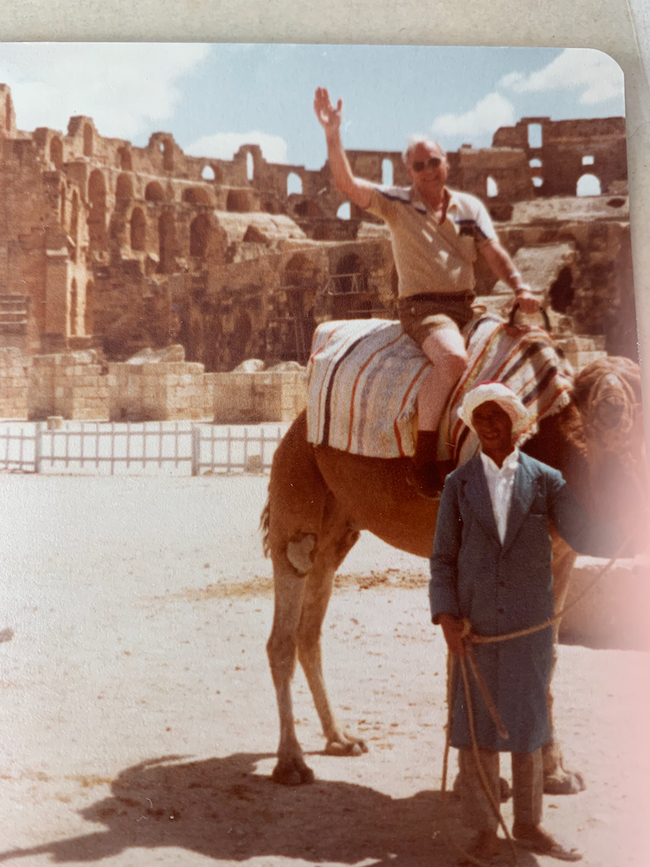
My parents came to visit, and we had a wonderful time showing them Tunisia. This was at the Ampitheatre in El Jem.

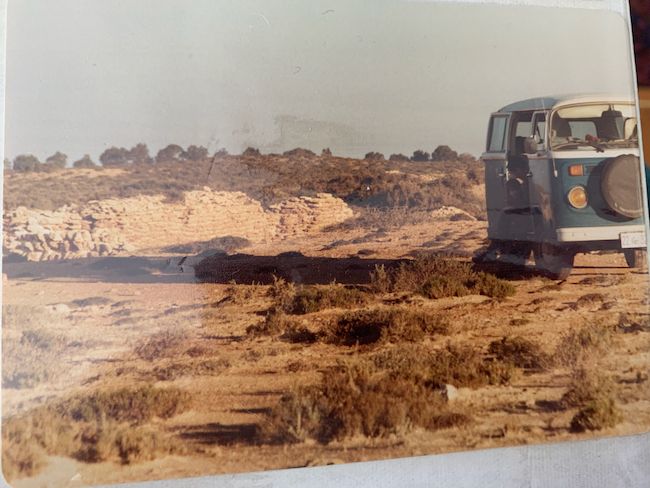
We camped in desolate areas – now built up – in our Volkswagon Bus.
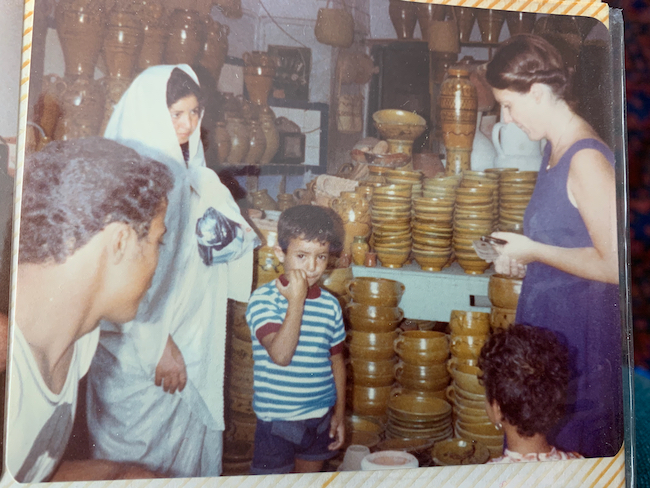
Once a year, there was a Bedouin festival in Douz (where much of the original Star Wars was filmed.) We camped there, too, and have never been colder in our lives than in the Tunisian desert in late November.

The Camel Market in Nabuel was a great weekend favorite.
So my friends, on! on! We are on our way back to Tunis, 46 years later.
Living off My Fat: Adaptation
It probably all started growing up in Alaska, where my mother would measure us in July to order our snowsuits as soon as the new catalogs came out. We lived where ships didn’t come in the winter, so supplies for the winter needed to be ordered – and received – before the ships could no longer navigate the channel.

Then came our life in Germany, where we lived by what my sister called “Commissary rules.” Her one word of advice as a newlywed leaving Germany, while I was staying, was “When you see something in the Commissary or PX you think you MIGHT need, buy it.” Definitely a no-regrets philosophy.
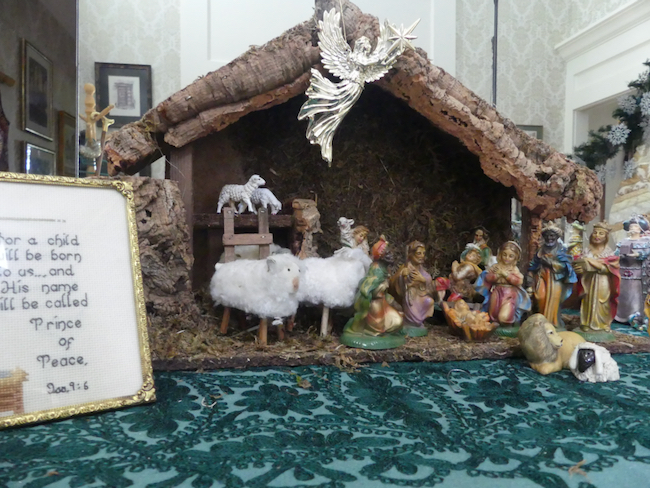
When we were sent to live in Tunisia, in the late 1970’s, we were instructed to take everything we might need for the next two years. Some things – chocolate chips – we learned to live without. We adapted to new foods, new ways of doing things. One of the great treats was the fresh, gorgeous, silky olive oil; I would take my jar to the little olive oil vendor at the nearby souk and he would weigh my jar, fill it, subtract the weight of the jar and charge me for the oil, which made everything taste French.

I did have a two-year supply of shoes for a growing toddler, also clothing for him in graduated sizes, and two years of age-appropriate books I could pull out of the closet. We were able to mail-order through the embassy pouch, and my mother was able to mail me little extras. One year, when I was running the Christmas bazaar, she was able to find red and green Christmas fabrics in July, at a discount, and mail them to us for our crafting. It was such a luxury!
In Qatar, I was always bringing back duffels with quilting rulers and rotary cutters for my quilting friends. In Kuwait, it was books for my book club and American sugar for a friend who liked to bake. Kuwait had sugar, but more coarse, and American sugar melts more quickly for a finer result. Who knew?
There are items from the past I still have in abundance – dental floss, women’s underwear, shoes – and staples I buy but no longer use in the quantities I once did because we no longer live a life where we entertain a lot nor prepare for unexpected people on temporary duty who need a meal and an exchange of currency. I am trying to bring down my supplies of artichoke hearts and pimentos, beans and rice, canned tomatoes, chutney, Tupperware and hand soap.

My Little Free Library, one of the best birthday gifts ever, helps me keep my books from overflowing.
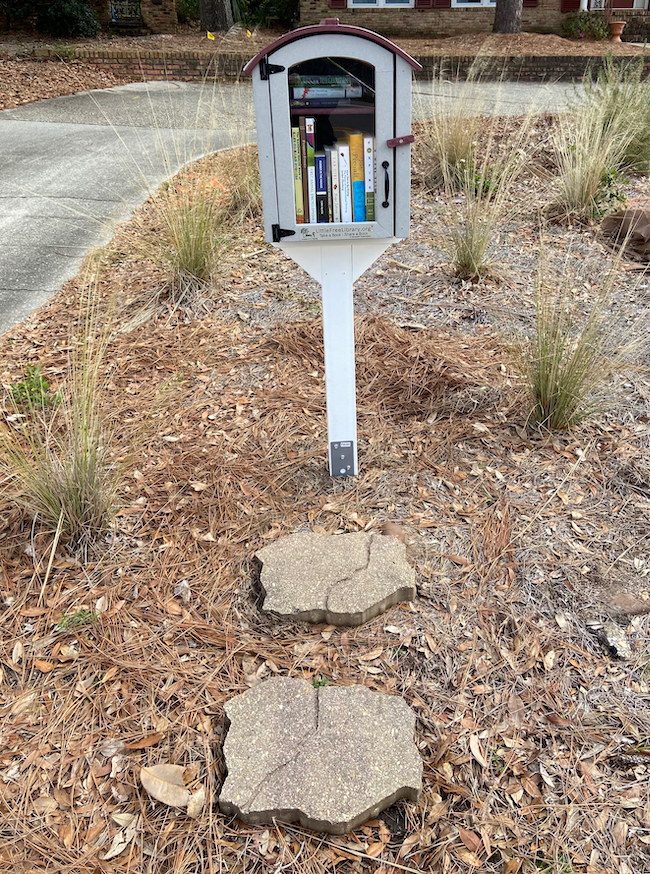
We are happy, these days, to be living with less. We are still caught by surprise by rolls of baking parchment we are still using from Kuwait, dental floss leftover from our years in Tunis and an excess of Christmas decorations we still need to pare down. We try to go easy on ourselves. “Ah,” we sigh, “it’s a process.” God grant that we live long enough to use up all those supplies we bought “just in case.”
People Who Smell Like People
I’ve just finished a run and I’m lying flat on the floor under the ceiling fan to cool down. This little Alaska girl is not wired for running in heat and humidity; I run on a running trampoline between the air conditioning outlet and the ceiling fan.

As I lie on the ground, hot and sweaty, the cats can’t get enough of me. Uhtred in particular, loves body smells. When we go on vacation, AdventureMan leaves dirty underclothes to keep him from getting too lonesome. To Uhtred, my sweat seems to be like some rare purfume; he is rolling and bumping on me, purring, kneading, clearly out of his mind with delight.
I find myself thinking back to the days in the early 1960’s when we moved to Germany. The war had been over for years, but it was still a post-war country, where we couldn’t eat ice-cream because there were brucellosus outbreaks among cow herds. And people smelled differently.

Our first housing was in a hotel on a busy street with a street car, and we learned to take the street car everywhere. For a young teen, it was a world of freedom. But people . . . smelled. We could smell their perspiration. The women didn’t shave and neither men nor women washed or dry cleaned their clothes as often as we did.
As a girl, our culture taught us that we were never to have any smell other than shampoo, soap or a light perfume. As teen-agers, we had an utter horror of perspiration, or any other kind of personal odor.
We got used to it. At some point, we just accepted the difference. It was just a part of riding the streetcar, or shopping, the people smelled like people. We didn’t even think about it.

Years later, we found ourselves living in Tunisia, and once again, people smelled like people. We noticed, but we understood and accepted that it wasn’t right or wrong, it was just a difference.


Now, there are times when I miss Tunisia, I miss Zambia, I miss people who smell like people. It also occurs to me that we Americans may also not alway be so hygienic in the future, where world-class fires destroy huge portions of large states, where water is increasingly scarce, where hurricanes destroy electrical delivery systems and pumping systems. We may not wash our clothes as often, we may wear our clothes longer between washes, we may bathe less frequently – and we may smell like people.
Maskmaker, Maskmaker, Make Me a Mask
When I headed to the YMCA on Wednesday, it was with a heavy heart. I have loved the reservation only swimming; I have actually felt fairly safe with so few people, and the respect for protecting one another through keeping safe boundaries. Already rumors are abounding that the Governor is about to move rapidly forward with his “evidence based phase-in” headed toward the new normal, and will open gyms.
The same day, I received my word that my sister, who was very sick this winter and was told over and over by her doctor that it was only severe bronchitis, has tested positive for the corona virus antibodies. She had it all along. She kept asking. They told her no.
That, along with my mother’s death from the virus, makes me cautious. We come from long-lived people. We are no match for this virus.
So I headed into the Y knowing that once the gym gets back into full swing, I may have to withdraw until I am certain the virus has diminished in our area, and that the “evidence” is supported by full transparency of the medical examiner’s reports (currently being censored / withheld by executive decision of the very governor who is telling us we will go forward making decisions on these unavailable statistics, nationally reported to be underreported in the state of Florida.)
Excuse me, but WTF??
So I wear my mask into the Y, but I take it off to swim, all that chlorine and I feel safe enough. One of the lifeguards gasps and says “I LOVE your mask! Did you make it?” and I told her I did, that I had made about 150 and given them all away.
“Would you make me one just like it?” she asked.

The mask is made from some fabric I found in the souks in Tunis, when we lived there forty years ago. It is a deep sea blue, and purple, with some black and white for drama, with Berber jewelry motifs, triangles with five pendants, crescents, hands of Fatima. I bought ten yards of the fabric when I saw it, and have used it through the years in projects and quilts, a little here and a little there. I loved it that she had the same immediate emotional response to the fabric that I had.
“I don’t know if I have any of that fabric cut for masks,” I told her honestly, “but I will look.”
I swam my mile and headed home, feeling lighter. I had my tasks outlined for the day, but I am nearing a point where I can’t go further – I’ve already packed items we need, like that spare tube of toothpaste, and my vitamin C serum. I got a little carried away with the packing . . .
So I scurried the rest of the morning, full of energy, and in the afternoon I rewarded myself by allowing myself to go back to mask-making, a place I haven’t been for nearly a month. Masks aren’t hard; I figured out a way I like to do them, and I really like to do them, I like the process, and I love working with the fabrics. Even better, my young friend asking me to make her a mask just like mine breathed new life and hope into my spirit; I was able to finish about fifteen masks and offer them to other staff members and life guards when I went in this morning. As I was working with them, I found just one piece of the fabric she loved, that I love, and it was enough to make her a mask, just like mine.
People around here are more reluctant to wear masks than people in places like Seattle. When I walked in with a selection of masks in lovely fabrics, people were delighted to be able to choose something that pleased them. One lady, when I offered, didn’t hesitate, she said “Oh, I know exactly what I want, I can see it!” and chose a dark blue batik with turquoise stars. Another woman chose a Florentine style ivory print with cranberry and green, and gilt highlights. It was fun for me to see them choose, and I can only hope they will like them well enough to wear them as we work to protect one another from this lurking virus.
No, No, I Won’t Let Go!
AdventureMan and I make a great team. He is making sure the outside and the garage sparkle, and I am taking care of the inside, except for his office and his personal clothing. He likes to manage those himself, and I can’t blame him.
There are mornings I can barely face another day of packing, and then I remember Fort Leavenworth, when my riding boots arrived, packed without wrapping, in a box with my evening dresses. There was a part of me that felt outraged, dishonored. Who would do such a thing? And another part that empathized with the worker at the end of a long day, packing for a privileged woman who had riding boots, and evening gowns, and saying “what the hell.”
I learned a good lesson. If it matters to you, pack it yourself. If you can’t pack it yourself, have a special crate built for it.
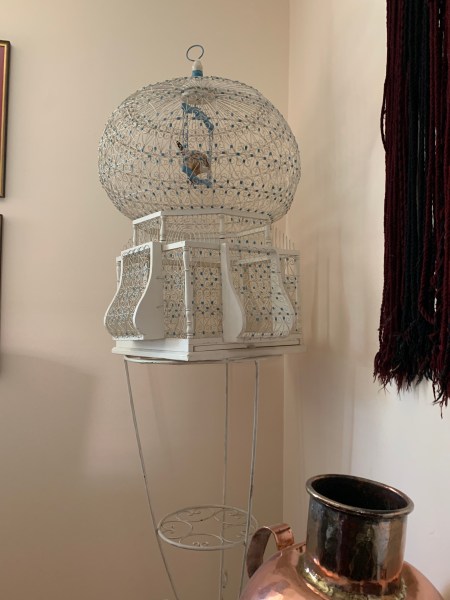
We were so young, but we saved our money and bought a bird cage from Monsieur Samouda, in Sidi bou Said, Tunisia, and had a crate built for it. We’ve had it for forty years now with many moves and no damage.
I have packed a lot of boxes in my life.
I’m finding that there are some things I can part with easily. And then some things I can’t let go.


We met and spent our early married years in Germany. This was our wedding candle, lo, those many years ago. I had to stop burning it on our anniversaries when it started to collapse. It still makes me smile. I can’t let go.
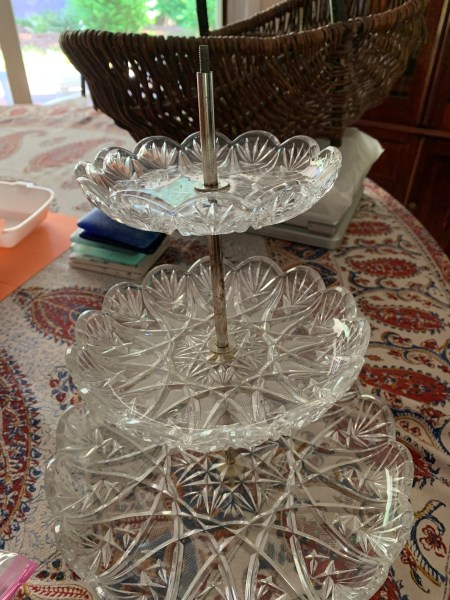
My Mother and Father were in the Wednesday night bowling league in Germany, and they were very good bowlers. They were also on the admin board of the league, and were in charge of the prizes, which they often won. Texting back and forth with my sisters today, I learned that they served on that committee to insure that each of the daughters received an identical crystal cookie tree, which my Mother won each year in the final tournament. Post-war Germany was a wonderland for Americans who lived there. I’m not ready to let this go. One sister let hers go long ago, the other is using hers to hold her jewelry.

I know I should let this pot go – I think it is a fish poacher – and I can’t. We bought it in the Souk al Hammadiyya in Damascus. I can tell I have cooked in it once or twice in the forty years I have owned it, not enough to make it valuable for its utility. The reason I can’t let it go is because of the artistry of the handle. Not even that it looks so beautiful, but the bird handle fits perfectly in your hand. It feels GOOD. I’ve never had any pot or pan that had such a sensuously lovely handle. Someone who made this handle really knew what he was doing, and created it with heart.
When my husband came home today, the first thing that happened when he saw the pot was that he reached for the handle, and then asked “are you thinking of parting with this?” I said “No, I can’t.”
I wish you could put your hand on this bird handle. It’s that special.

We have a family message thread with my son and his wife, who are moving to a larger home as we move to a smaller home. I often take photos and say “would you like this?” maybe with an explanation, and they say yes or no.
This time, AdventureMan texted back immediately: “Not the Kuwait Teapot from the Blue Elephant!” and I immediately packed it to take with us. When we first got to Kuwait, he planned to take me out for Valentine’s dinner, not realizing that it was one of the hugest date nights of the year in Kuwait. On Valentine’s Day, he called everywhere looking for reservations, but there were none to be had.
Being American, we like to eat earlier than Kuwaiti people, so I suggested we dress and go to the Blue Elephant, a favorite restaurant at the Hilton Hotel on the beach, where we were known. When we got there, there were only a few other couples.
“So go in there and beg,” I suggested with a grin, “Tell them we will eat quickly and be out in an hour.” I think he did exactly that. I don’t know what he said, maybe a little money changed hands, but very soon we were ushered to a table, and reminded that we needed to be out by eight, when the table was reserved.
We had a lovely dinner, at the end of which he bought me the little elephant teapot. What I love is that I am not the only one who can’t let go. 🙂
Farewell Viking Forseti, Hello Bordeaux and the Marche’ des Capucins
When we reach our cabin, after the farewell dinner with our friends, there is a card waiting for us, beautifully handwritten, to tell us that our taxi will be waiting for us at 0930, and Viking wishes us a safe trip. This kind of attention to detail makes for great customer relations.
Our friends are fretting; there is a nation-wide train strike which may – or may not – start tomorrow, as they are heading for the train station en route to Paris. It causes great consternation. We tell them that we are picking up our rental car at the same station, the Gare Sainte Jean, and that if there really is a train strike, to quickly go pick up a rental car (before everyone else tries to do the same) and drive to Paris. It’s not a long drive.
We have a leisurely breakfast and our luggage is picked up from outside our door. At 0920, we head outside, and we can see a car waiting. In Tunis, in Doha, we used to call these limo’s, they are a higher class of taxi. Often someone’s private car (then, in the Middle East, things have changed somewhat since then) you were given a phone number by a friend, and you only shared that number with people you know who would appreciate and not abuse the service. It was a beautiful, well kept car, no markings to indicate it was for hire. He took us directly to the hotel, which was not that easy to find. We thanked him, and set up a pick up for the next day, which was a Sunday.
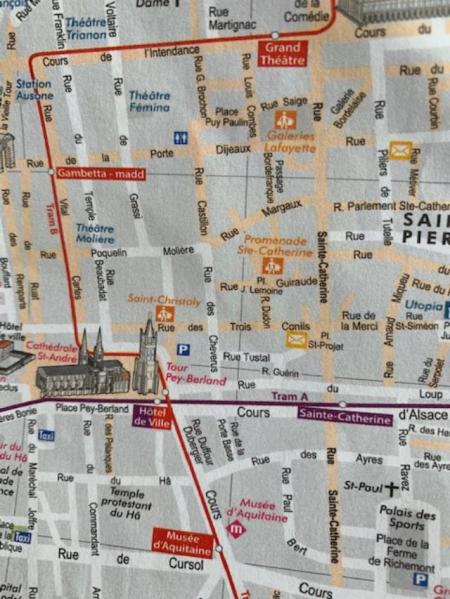
We had found a hotel, The Grand Hotel Francais which is also a Best Western. It is beautifully located near the Grand Theatre and just up the street from Saint Andre’s. I can’t figure out how to make a mark on the map, but up in the upper right corner, just where the red line B (tram) makes a turn, you see Rue de Temple, and the Hotel is on that street. The location is very quiet, but it is walking distance to everything!
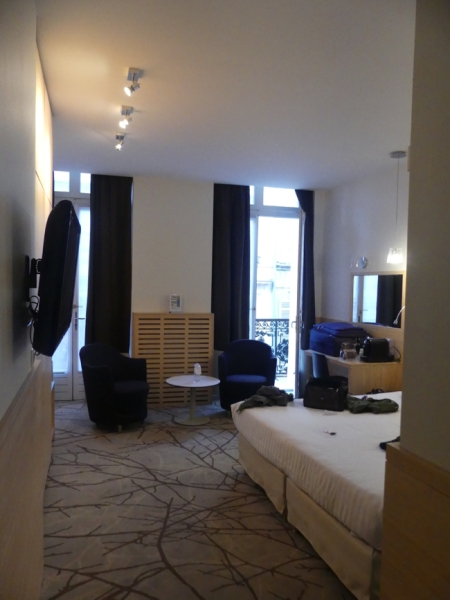
We loved this hotel. First, we loved the location. Second, even at 0930 in the morning, they had our room ready for us. We had been prepared to drop our bags in the hotel baggage room until official check-in time, but what joy it was to be able to go to the room directly.
While I am not a big fan of motel-modern, I am a fan of this room. I like space. The ceilings are very high. While the walls are plain, the room has a spacious feel.
The bathroom is also spacious, and very modern. It felt roomy, especially after the ship. Lots of towels, and big thick cotton bathrobes. The controls on the shower were sort of space-ship modern, you move this knob this way to control volume, and that ring that way to control desired heat, and how do you raise the shower-head and make it stay exactly where you want it? But it wasn’t rocket science, and once I figured it out I explained it to my husband. We ran into this configuration several times.

What contributes to the feeling of spaciousness are the floor to ceiling French doors out onto a balcony. I am a big fan of balconies. Below is the view to the right, which you will see again as the marathon runners run by later in the day/night.
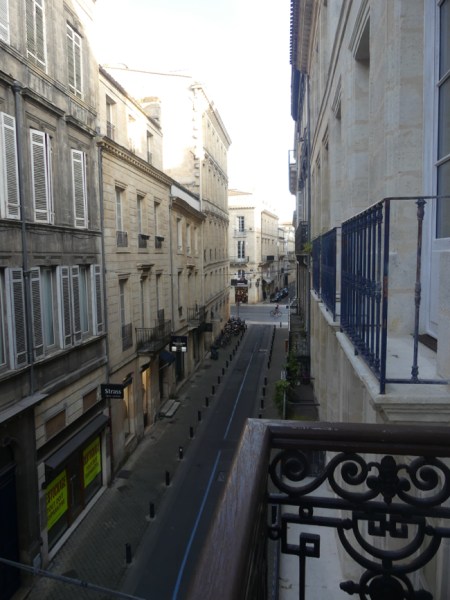
Looking down this street, you can almost see Saint Andrews cathedral, the “temple” to which the rue runs.
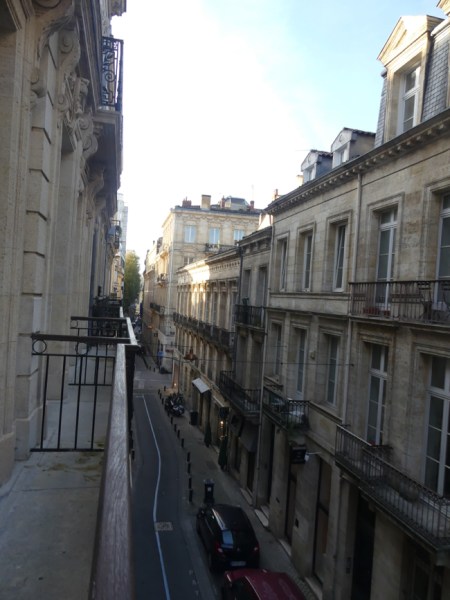
We didn’t stay long, just long enough to leave our luggage and get what we needed for a busy day trying to do everything we wanted to do in Bordeaux. (We failed. Oh well, guess we’ll just have to go back again 🙂 )
I had a priority. I love markets. I wanted to see the Marche’ aux Capuchins. We have an all-city pass that lets us on all the trams and busses, and lets us into several museums, so we have that joyous feeling of knowing we can do anything!
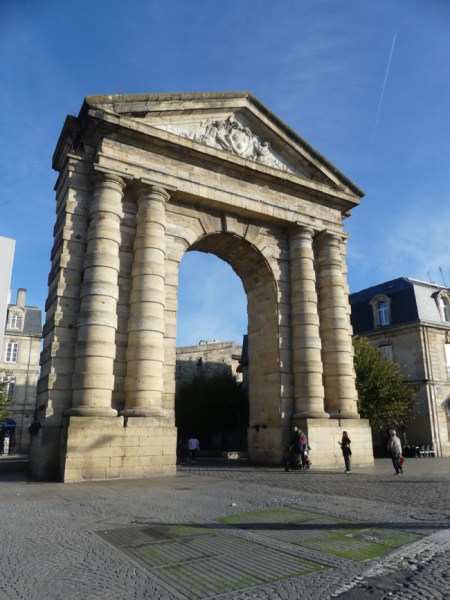
We take the B line, heading South, and get off at the Place de la Victoire, where there is a huge beautiful arch. And look at the skies! It is a beautiful, warm day; there is a lot of excitement in the air because tonight is the famous Bordeaux marathon, a crazy night where the streets of the city close down and the runners get to race on the major roads of the city.

I love public art, don’t you? Look at this big bronze turtle, and her little one, right in the middle of the city of Bordeaux. I love it that she has food in her mouth, after all, this is Bordeaux. Look at the leathery texture, captured in bronze, of her skin. I always think of turtles as symbols of long life.

The walk looks short on the map, but the blocks have a longer feel. It is a little north African, lots of kebab places, wonderful exotic smells. We feel very much at home. We come to the entrance of the famous market.
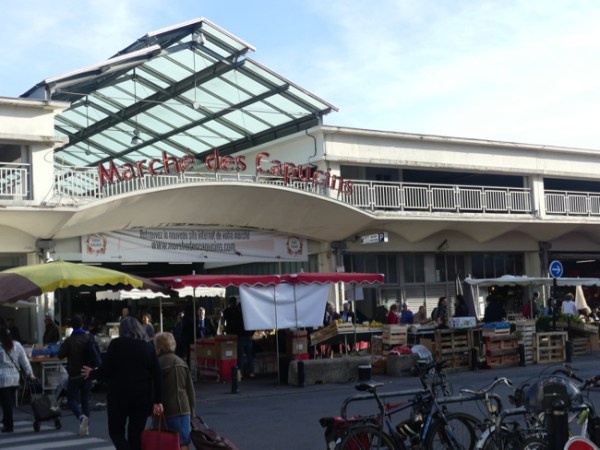

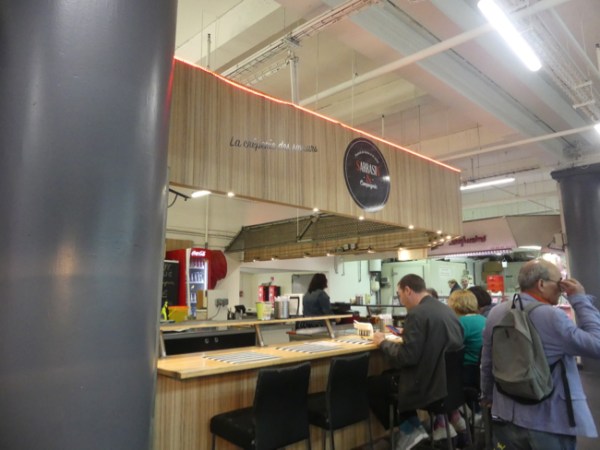
This is one of the reasons we are here. We hunger for the pate’s of fall, the Forestiere, and other local specialities. This is heaven, even just to look, it is abundant!
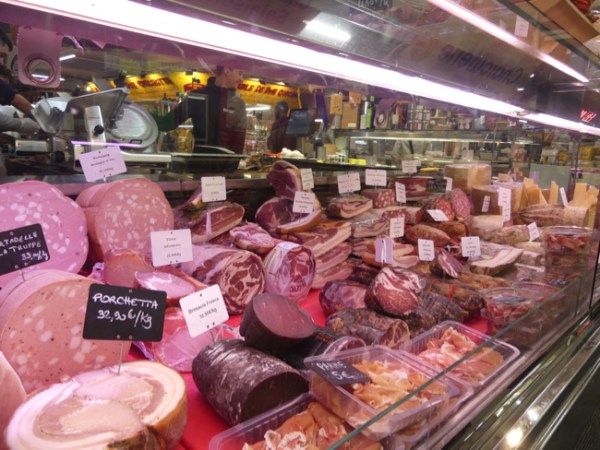
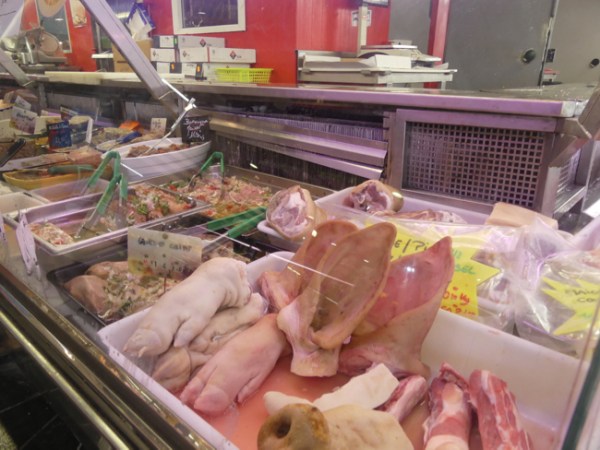
Umm, below, there are often things we wouldn’t even think of as food. Pigs ears? Hoofs?



When we lived in Tunis, we shopped at the Marche’ Lafayette where families would sell their varieties of pasta like this. It was the tastiest pasta in the world, and so fresh it spoils you for the kind you buy in stores. We have no stove, no pots, no pans and it is all I can do not to buy some just because I can, because these are so tempting, so beautiful.

Quiches-by-the-slice

Fabulous old grains breads

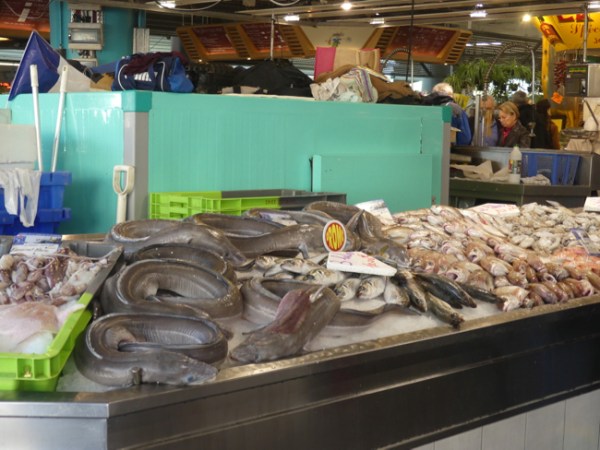
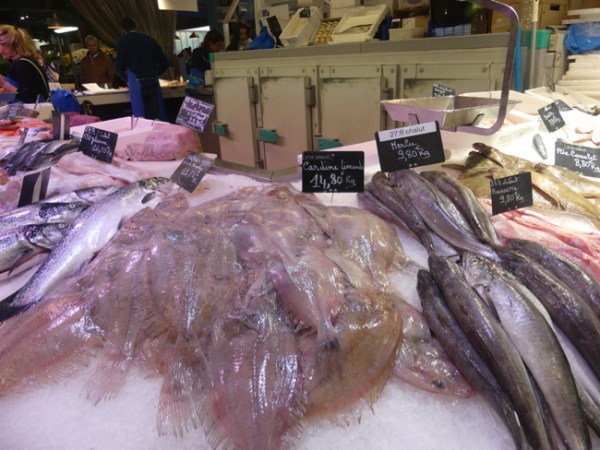
In the center of this photo below are fish, translucent, almost transparent fish that look like a pile of cellophane in this photo, but are distinct fish. I’ve never seen them before, and wonder how they cook up? No, I don’t ask because these merchants are interested in making a sale, and I am rally just a voyeur.
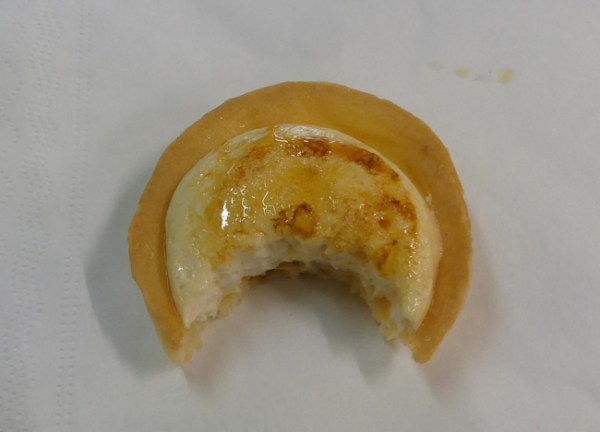
Ahhh! These are famous. We are warned to get to the market early to try these, that they bring so many, and when they are gone, they are gone. Clouds of love, and oh, my, WOW.

A thin sweet crust, a sweet sort of cream meringue, truly a fabulous cloud 🙂
Plates of oysters, fresh from the sea, ready to eat!
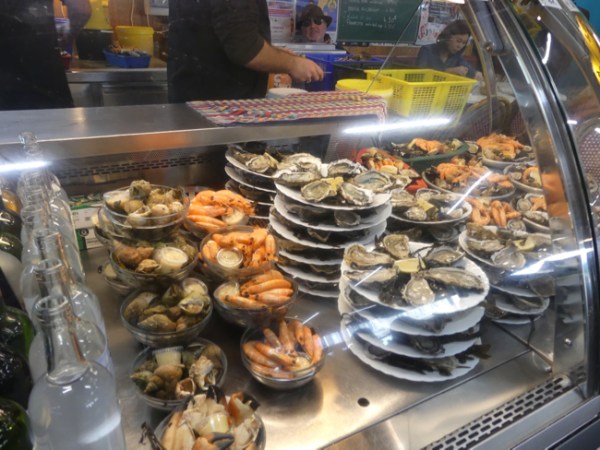
The prices of oysters are controlled by the French government. Every place, we are told in Arcachon, charges about the same.

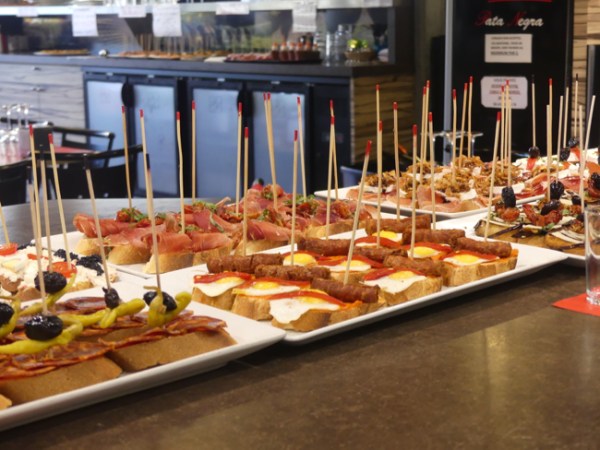
You pick out a variety of little tapas sandwiches and pay by the color of the stick.

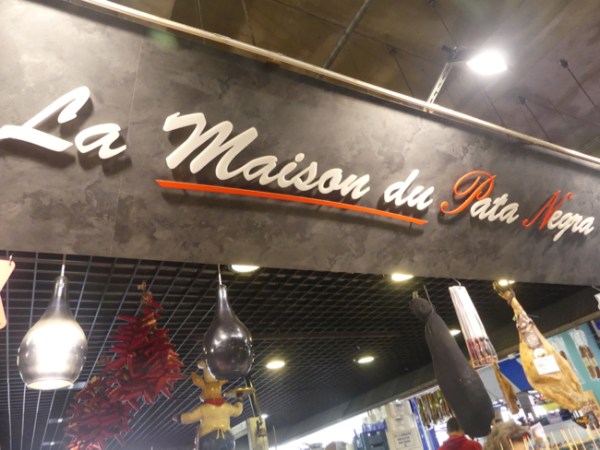

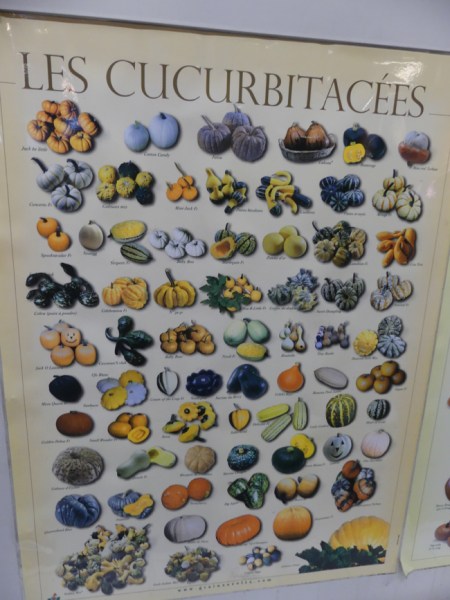
Cucurbitacee are gourds; most of these appear to be pumpkin-like. This market was a heaven of squash and gourds.


Even as we leave the marche’ we see another sign for tonight’s Bordeaux Marathon Madness – the energy is everywhere!
Bordeaux/Dordogne Trip – We Owe it All to Martin Walker and Bruno, Chief of Police
Several years ago, I ordered a book recommended by Amazon. I do that from time to time, and I will tell you honestly, some of them are real stinkers.
This book, Bruno, Chief of Police, by Martin Walker, was delightful. So delightful I started looking for more of the series, some of which I was able to find used. So delightful, I shared the Bruno, Chief of Police with my husband, and he, too, was hooked.
If there is a genre I like, it is detective novels set in foreign locations, dealing with crimes that have to do with social issues current in the locale. The first I can remember is the Eliot Pattison series about Inspector Shan, a Chinese detective who falls on the wrong side of Chinese political correctness and ends up in a Tibetan jail, where he begins a series long association with Tibetan monks and the threat to Tibetan civilization that the Chinese pose. It is eye-opening reading.
The next series I discovered were the Barbara Nadel series set in Turkey with Inspector Cetin Ikhmen. Then the fabulous and prolific Donna Leon and Commisario Guido Brunette, set in Venice.
And actually, I don’t read all this books in sequence. I watch for books by these authors, and read them when they come out, not unlike my addiction to James Lee Burke and Dave Robicheaux, set in New Iberia, Louisiana and Montana.
That was a very long introduction to the idea that it makes travel in foreign lands much more user-friendly to have read books that put you on the ground, seeing what the people who live there might see. When we went to Venice, we went off the beaten track to eat at a restaurant that Commissario Brunetti recommends to a touring couple who witnessed a crime and made a report to him. It was a great adventure just finding this restaurant, Rossa Rosa (“Guido Brunetti Sent Us”) and it had delicious local food, no tourists. In Venice. Imagine. Now, too, when we read the newest Brunetti novel, or watch the German production of the Brunetti series, we feel a closer connection with Venice, a familiarity, because we have a “friend” on the inside. Or so we feel.
Bruno Correze, the Chief of Police in the fictional French village of St. Denise, along the Vezere river close to where it links with the Dordogne, loves his small town. In the very first volume, we meet his friends, we visit his home, we are with him when he prepares meals and entertains his friends (he uses a lot of duck fat) and we get to visit the markets and cafes with him. Every book, like the best of this genre, introduces us to at least one issue, social and/or criminal, past or present, which is manifesting itself as a problem in the Dordogne. The actual crime may or may not be the point of the novel, and the solutions are often very French.
We have devoured this series. We felt like we had been there. So we decided we needed to go there.
We visited the Dordogne – it seems like a short time ago – the last time, 35 years ago, when our son, now grown, was around 9. We made a special effort to make this a trip which was relevant to him, too. We visited Castelnaud, and spent hours with the trebuchets and mangonels, old weapons once the ne-plus-ultra of fighting off the enemy. We visited the old caves with early paintings, when they were still open to visitors.
We love France, we love traveling in France and we have never had a negative experience in France. While I once spoke French fluently – we lived in French speaking Tunisia – but language skills get rusty when they don’t get exercised. Oh, really, any excuse will do. Martin Walker’s books made us hungry, hungry for French foods and hungry just to be in France.
We booked a cruise out of Bordeaux, eight days of cruising on the Gironde, Dordogne and other rivers, visiting villages older than our entire nation, learning about major appellations, eating some fine food and drinking some very fine wine.
And then we picked up a rental car in Bordeaux and headed to the Dordogne. I’m going to tell you all about it, but first I want to share Martin Walker’s books with you. He, and Bruno, have a wonderful website where he tells you all his favorite places. As we read the Bruno books, we also take notes – which wine he chose to serve with the duck course, where he and his friends gathered for the wedding feast, etc. It was like having a friend who says “Oh, I am desolate I won’t be there, but here are all the places you need to go, restaurants you will like and oh, be sure to try this wine!” Hotel and restaurant recommendations are on the website under “Bruno’s Perigord”
Martin Walker’s Bruno, Chief of Police website
Here are the Bruno, Chief of Police books, in order, from a resource called How to Read Me, which puts the books in order. http://www.howtoread.me/bruno-chief-of-police-books-in-order/
1 Bruno, Chief of Police – Meet Benoît Courrèges, aka Bruno, a policeman in a small village in the South of France who has embraced the pleasures and slow rhythms of country life. But then the murder of an elderly North African who fought in the French army changes all that. Now, Bruno is paired with a young policewoman from Paris and the two suspect anti-immigrant militants. As they learn more about the dead man’s past, Bruno’s suspicions turn toward a more complex motive.
2 The Dark Vineyard – When a bevy of winemakers descend on Saint-Denis, competing for its land and spurring resentment among the villagers, the idyllic town finds itself the center of an intense drama. Events grow ever darker, culminating in two suspicious deaths, and Bruno finds that the problems of the present are never far from those of the past.
3 Black Diamond – Something dangerous is afoot in St. Denis. In the space of a few weeks, the normally sleepy village sees attacks on Vietnamese vendors, arson at a local Asian restaurant, subpar truffles from China smuggled into outgoing shipments at a nearby market—all of it threatening the Dordogne’s truffle trade and all of it spelling trouble for Benoît “Bruno” Courrèges, master chef, devoted oenophile, and, most important, beloved chief of police.
4 The Crowded Grave – It’s spring in the idyllic village of St. Denis, and for Chief of Police Bruno Courrèges that means lamb stews, bottles of his beloved Pomerol, morning walks with his hound, Gigi, and a new string of regional crimes and international capers. When a local archaeological team searching for Neanderthal remains turns up a corpse with a watch on its wrist and a bullet in its head, it’s up to Bruno to solve the case.
5 The Devil’s Cave – It’s spring in St. Denis. The village choir is preparing for its Easter concert, the wildflowers are blooming, and among the lazy whorls of the river a dead woman is found floating in a boat. This means another case for Bruno, the town’s cherished chief of police.
6 Bruno and the Carol Singers (short story) – Bruno is occupied with his Christmastime duties. From organizing carolers to playing Father Christmas for the local schoolchildren, Bruno has his hands full . . . at least until some funds raised for charity go missing.
7 The Resistance Man – First, there’s the evidence that a veteran of the French Resistance is connected to a notorious train robbery; then, the burglary of a former British spymaster’s estate; and, finally, the murder of an antiques dealer whose lover is conveniently on the lam. As Bruno investigates, it becomes clear that they are connected.
8 The Children Return (also known as Children of War) – Bruno’s village of St. Denis has been called many things, but a hotbed of international intrigue has never been one of them . . . until now. When an undercover agent is found murdered just as a prodigal son is set to retun from a grim tour in the Middle East, the small town suddenly finds itself host to a determined global tribunal, threatening the usual cheer brought by St. Denis’s annual wine festival.
9 A Market Tale (short story) – As summer blooms, the newest talk of the town is the rapport between Kati, a Swiss tourist, and Marcel, a popular stall owner whom Kati meets over his choice strawberries. None are happier than police chief Bruno to see Marcel interested in love again, but as his friend’s romance deepens, Bruno senses trouble in the form of Marcel’s meddlesome sister Nadette.
10 The Patriarch (also known as The Dying Season) – Bruno Courrèges is thrilled when he receives an invitation to the lavish birthday celebration of his childhood hero, World War II flying ace Marco “the Patriarch” Desaix. But when the party ends in the death of one of Marco’s longtime friends, Gilbert, it turns into another day on the job for St. Denis’s chief of police.
11 Fatal Pursuit – It’s the start of summer, and Bruno’s found himself the last-minute replacement navigator in a car rally race. The event has attracted a spate of outsiders with deep pockets, big egos and, in the case of one young Englishman, an intriguing story about a lost Bugatti Type 57C. When a local scholar turns up dead, Bruno suspects unnatural causes.
12 The Templars’ Last Secret – When a woman’s body is found at the foot of a cliff near the idyllic French town of St. Denis, chief of police Bruno Courrèges suspects a connection to the great ruin that stands above: a long-ago Knights Templar stronghold. With the help of Amélie, a young newcomer to the Dordogne, Bruno learns that the dead woman was an archaeologist searching for a religious artifact of incredible importance.
13 A Taste for Vengeance – When a British tourist fails to turn up for a luxurious cooking vacation in the idyllic village in the south of France that Bruno Courrèges calls home, the chief of police is quickly on the case. Monika Felder is nowhere to be found, and her husband, a retired British general, is unreachable.
14 The Chocolate War (short story) – Police chief Bruno enjoys wandering the stalls of the weekly market in the village of St. Denis as they are being loaded with wares. But when Bruno’s old friend Léopold from Senegal start selling African coffee and chocolate more cheaply than Bruno’s old friend Fauquet at his café across the square, a competition erupts between the vendors.
15 The Body in the Castle Well – When Claudia, a young American, turns up dead in the courtyard of an ancient castle in Bruno’s jurisdiction, her death is assumed to be an accident related to opioid use. But her doctor persuades Bruno that things may not be so simple. Thus begins an investigation that leads Bruno to Monsieur de Bourdeille, the scholar with whom the girl had been studying, and then through that man’s past.
How to read me: Bruno, Chief of Police
http://www.howtoread.me/bruno-chief-of-police-books-in-order/
I owe a big thanks to Martin Walker for giving us so much inside information which enhanced our trip so much. I will try to remember to give him credit along the way as I take you along with us on our trip.
“Do You Have a Heartbeat?”
This morning in Pensacola the temperature was a cool 71 degrees F. and the humidity was low. It makes all the difference in the world.
“How’s your day?” I asked my friend in the pool at the YMCA, and she grimaced. “I’m off to a bad start,” she said, “I hung my suit and towel and shoes on the line outside, and after the rain last night, everything was soaked this morning.
(We really needed the rain, and we got a soaker of a storm. Today, everything is blossoming in our yard and happy, moonflowers, African Irises, Ginger, plumbago, roses – they respond to a good soaking by blooming in delight.)
I grinned at her. “Did you wake up this morning? Do you have a heartbeat? Are you breathing? Are you here at the YMCA?” I was heartless, and persistent. She laughed.
I talked about the countries I’ve lived in; how in my first African country, Tunisia, back in the day, people competed for our garbage. My cleaning lady asked permission to take glass jars with lids, to take tuna cans. She asked that I give her any clothes I didn’t want. In the Middle East, there were restaurants where people waited near parked cars to beg for the leftovers we carried. Anything. Anything would do.
Some people didn’t have a towel, much less a swim suit, or shoes to hang on a line.
We live in the midst of plenty. Even Tunisia, when we went back twenty five years later, didn’t have the poverty we saw when we lived there. We didn’t see clubbed feet, we didn’t see hunched backs, we didn’t see crossed eyes. The little villa we had lived in had a second floor. There were signs everywhere of prosperity. We didn’t see any beggars, not one.
When I get all wrapped around the axel about the state of civility in my country, about our abuses at the border, about our increasing bureaucratic hardness-of-heart toward the least of these, I need to stop and take a deep breath and spend time acknowledging how very blessed we are. It gives me strength to go on fighting.
Recent Comments
ExpatAlien on What Country am I Living … intlxpatr on Yellowstone: Old Faithful to C… Michelle on Yellowstone: Old Faithful to C… Cathy on No Grown-Ups in Charge intlxpatr on Waiting for Snow Wikipedia Donate Button

Amazina


Early Voting in Florida


 Here There and Everywhere