I want to be in Venice, too!

We are getting ready to take a journey to a whole new set of petroglyphs, so I have activated a new AirTag. I love these things. I am taking a checked bag this time, for a stop in Denver where I will initiate my niece’s twins into the art of quilting. Just basic stuff, rotary cutting and beginning piecing, and the idea of a quilt. I’ve had a lot of fun planning this, and I have a suitcase full of resources for their exploration.
The set-up is so easy that a technologically impaired elder can do it in under a minute. How cool is that?
So as I set up, I also checked on independent AirTag, the one that disappeared in Barcelona, traveled the Med, crossed the Atlantic, went up the Amazon and crossed back the Atlantic to Barcelona and is now in Venice. Venice! I love Venice. AdventureMan loves Venice. We find Venice endlessly interesting.
And the Villa del Geologia. Wow. I don’t think I even knew it existed. I love that this little AirTag has this fascinating life of its own.
We are taking our son and his family on a trip next year, and I think I will gift them AirTags, for their luggage, for their backpacks, maybe even for their kids. How handy it would be to be able to keep track of all the individuals traveling together as they scattered out in an airport! Of course, you have to get their consent, otherwise, as the instructions tell you, it would be stalking, and against the law.
Spring Break Getaway to New Orleans

Heading to New Orleans over Spring Break with the grandchildren has been a tradition for us for about ten years. We love watching them grow and become adults, and at the same time, as their peers become more influential, we know our days of traveling with them are limited, so we are determined to enjoy every minute.
I’m not very good at selfies. We’ve been taking pictures at this rest stop every year, and this is the first year we were able to get all four of us into one photo. Sorry, granddaughter, if I cut off the top of your head. 😒
First stop, our granddaughter chose Origami for lunch, one of our favorite restaurants in New Orleans for Japanese food. Lots of small plates, a great variety of fresh made sushi rolls, and always a great experience.
Next stop, the Audubon Zoo, another tradition, where we buy a Krew membership every year so the whole family can go when the spirit moves us. I didn’t think my granddaughter could fit into the monster’s mouth anymore, but she assured me she could.
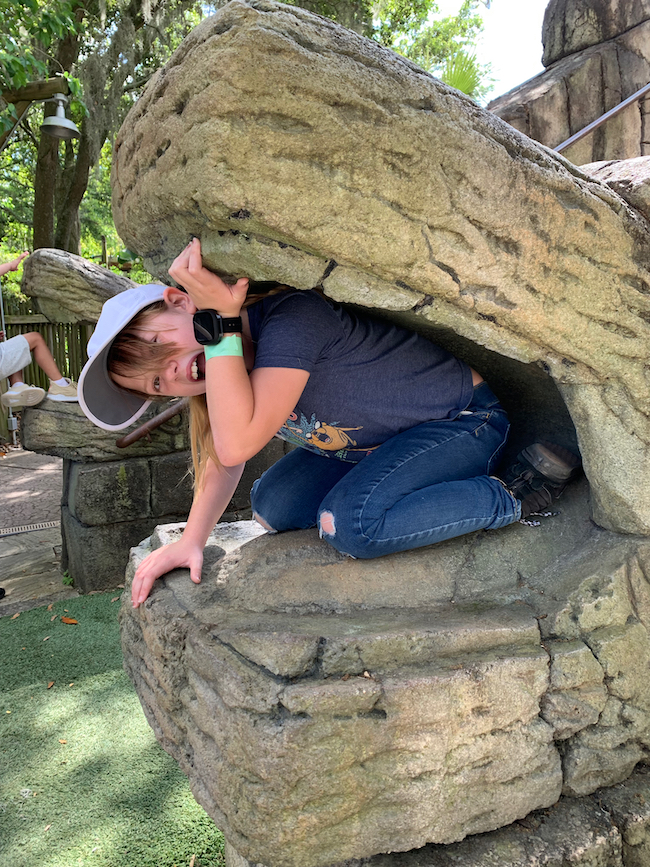
And then, near the “rolling hill,” a little monkeying around.


The hotel we usually stay in, near the Zoo, was all booked up (The Park View) so we stayed in Metairie, where we have another favorite restaurant with char-grilled oysters: Drago’s.

We all split a platter of the char-grilled oysters, and then N. ordered raw oysters as her entree. LOL, when you travel with the grandparents, you get what you want.
Breakfast was also at a familiar restaurant, La Madeleine, this one located just around the corner from Dragos, where we eat their famous oysters. What is not to love – omelettes, galettes, croissants, pastries and for me, good coffee.
Then, because they are older now, we take them somewhere new – the Mardi Gras Museum. It’s a huge warehouse where floats are stored, restored, and created, and where grand parties are held during Mardi Gras. I wasn’t sure the kids would like it, but they did. We watched a short historical movie, learned a lot, and then had a ball self-touring the collection. You can take a guided tour, but we all have short attention spans and headed out to start in the less populated sections.

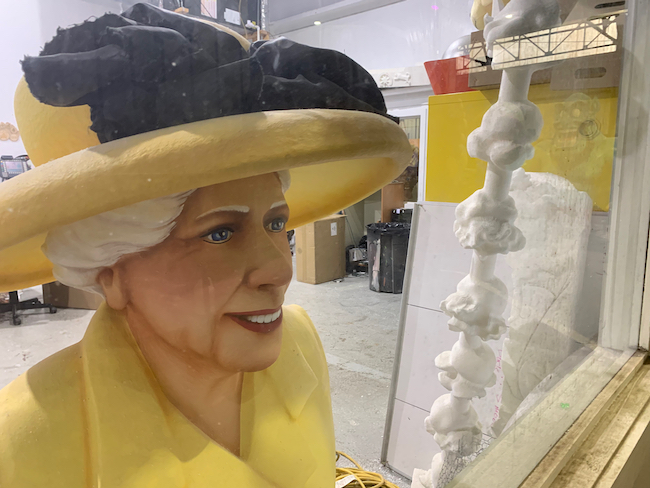
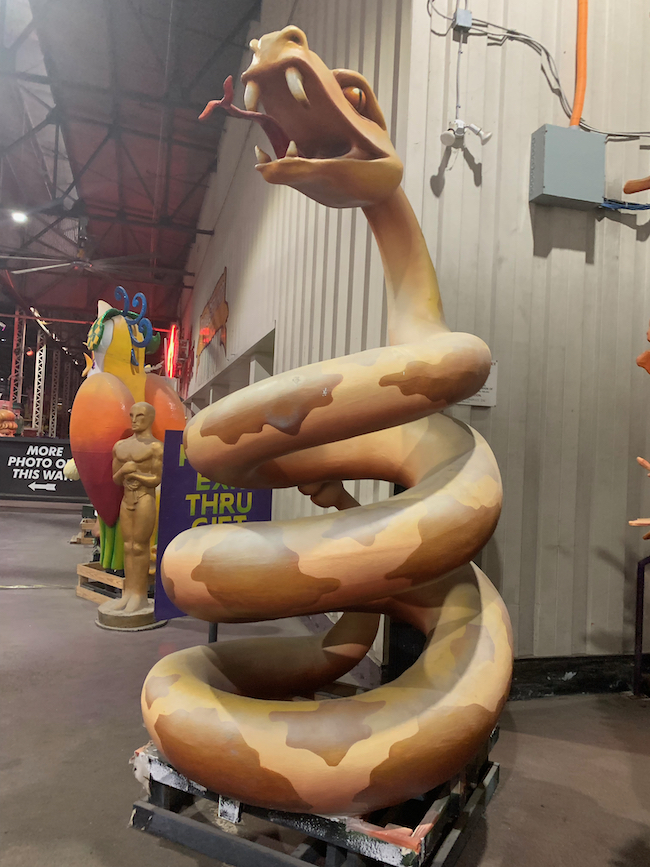
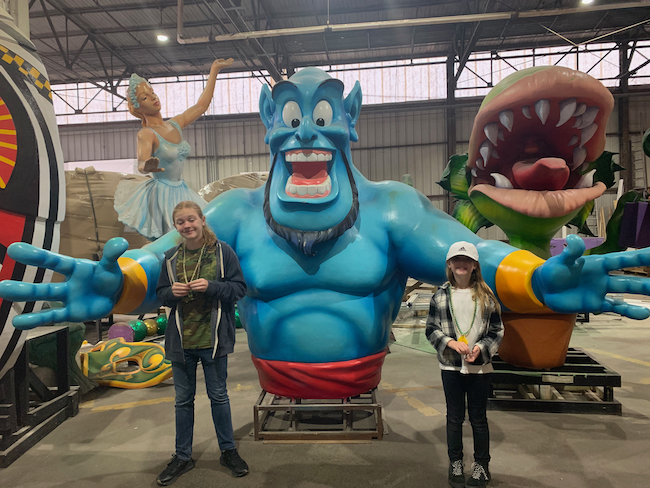
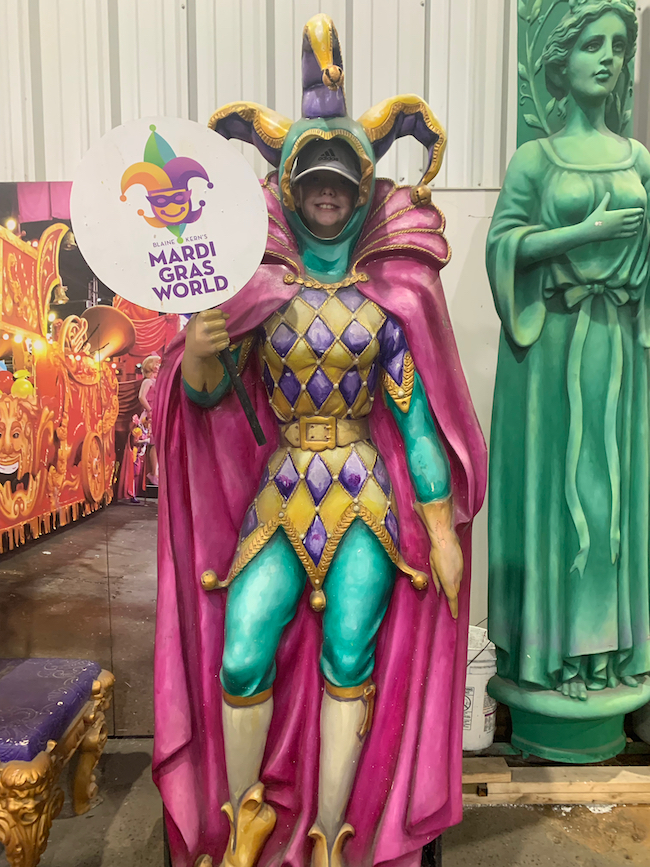

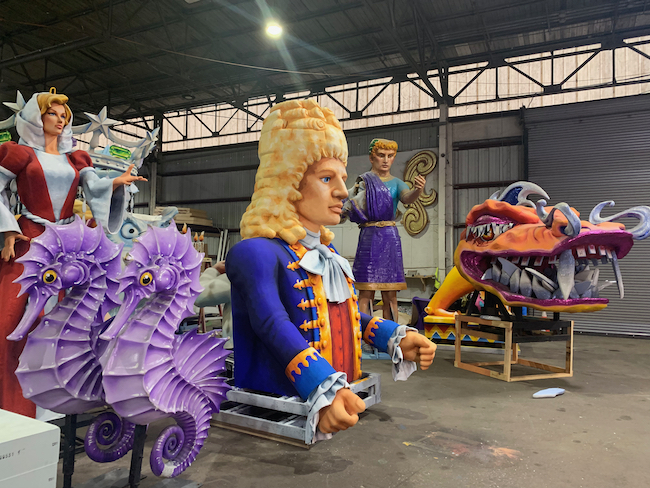
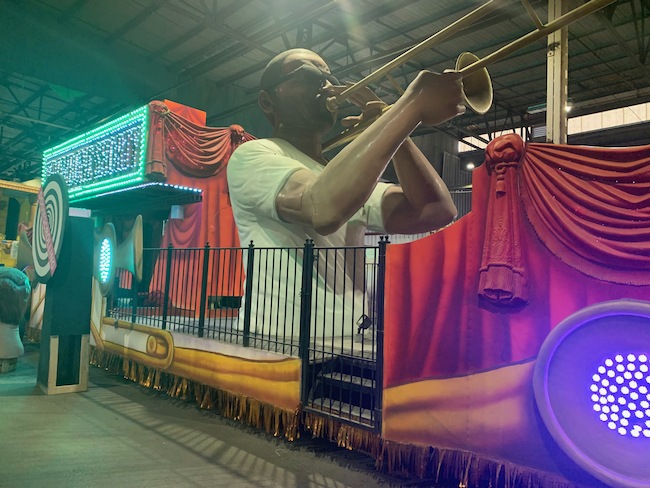

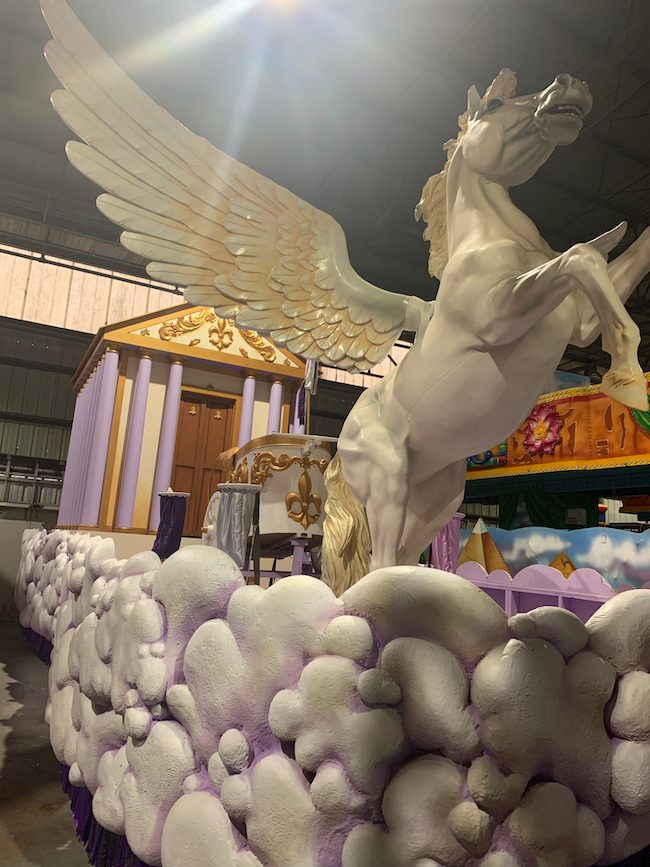


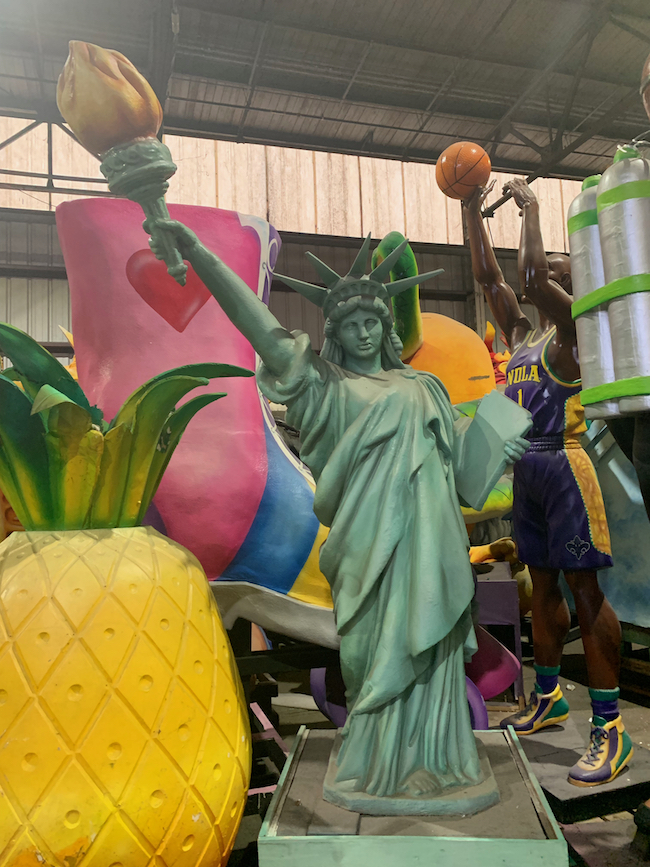


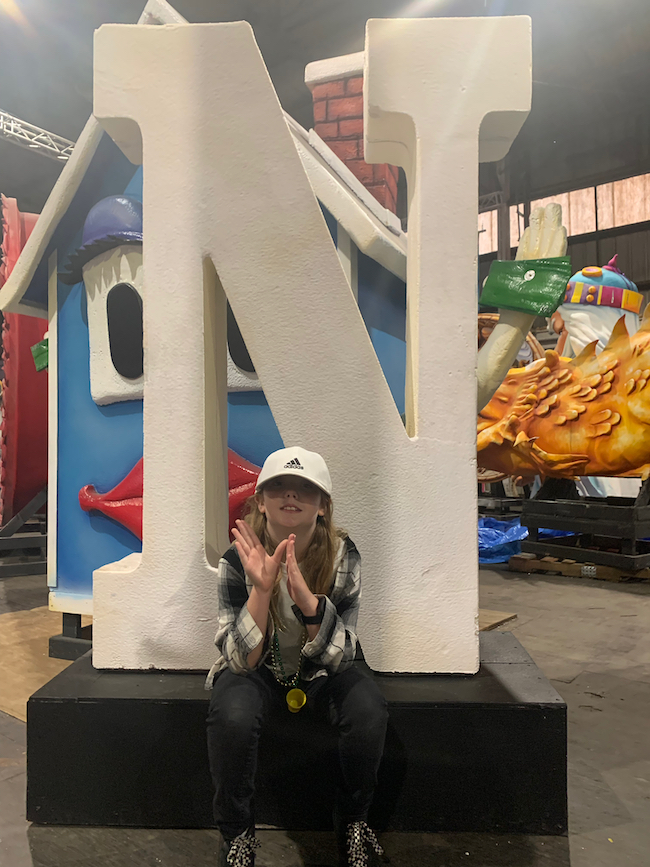


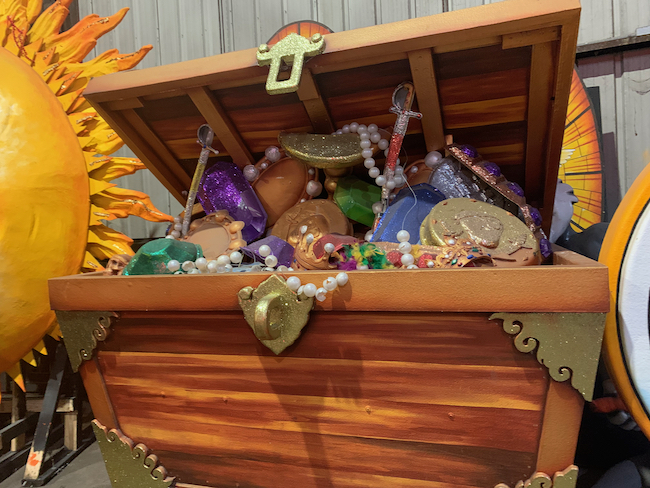

You might have mixed feelings about Mardi Gras – I know I do. I never know what drunk people might do; things can get wacky in a hurry. There is a tawdriness in the customs. And yet – I love this museum. I love the creativity of these artists who use styrofoam to create the most amazing images. One of them talked with my granddaughter and I and said “I can’t believe I get paid to do this!” I love the inclusivity of the Mardi Gras Activities, and the care and attention that go into creation of so many of the costumes, particularly the African-American Indian costumes, beaded and feathered.
As we are finishing, drips start coming down through small leaks in the warehouse ceiling, and we know we need to head back to Pensacola. My thought was we would try to keep ahead of the storm, but the reality was, we were on the leading edge for three hours, only escaping as we got close to Pensacola. It caught up with us later in the evening.

Jazzy BBQ, a FAO Adventure in Pensacola
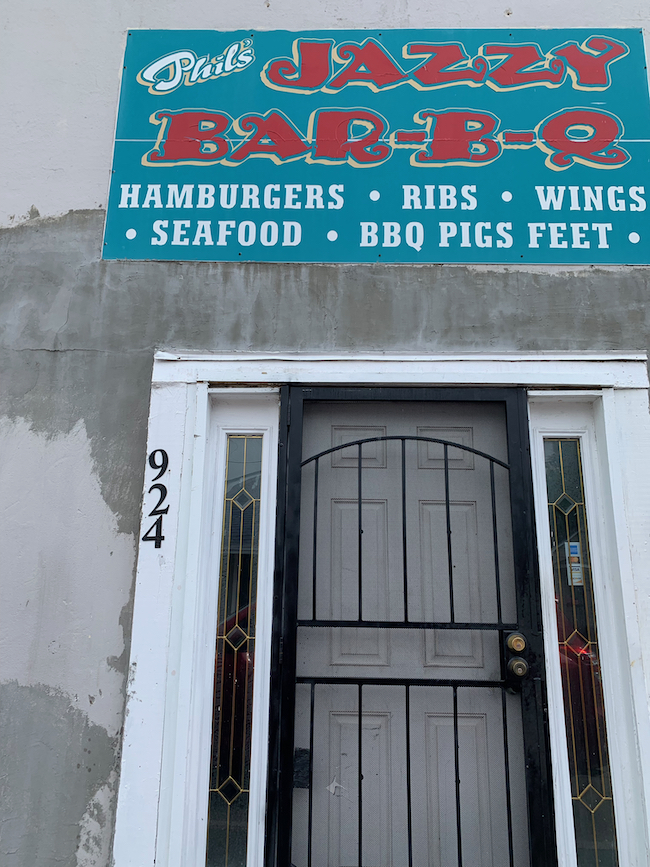
We are driving up Davis, because AdventureMan wants me to see a new Halal Market he has found (you can get some wild ingredients in these specialty stores in Pensacola) when he spots Jazzy Bar-B-Q. We continued on to the market, where I found all the exotic and wonderful spices and legumes I used to find in the LuLu and Family Food Stores in Doha, but AdventureMan was still thinking about Jazzy Bar-B-Q, and so today when it came time to think about lunch, he knew just where he wanted to go, and the adventure began.
AdventureMan was a Foreign Area Officer when we were in the military, and to be that sort, you truly have to have a spirit of adventure.
We got to Jazzy Bar-B-Q around noon, but the door was closed and a lady laden with deliveries was just leaving.
“Don’t leave!” she called out. “He’ll be right back. He’s just making deliveries! He’s my son!”
We drove around the block for a better parking spot and she was just about to leave. “Here!” she said, thrusting one of the delivery sacks in our direction, “I want you to have this to nibble on while you wait.”
“Oh no, oh no,” we said, but this dear woman insisted, gave AdventureMan the container, and drove off saying she was calling her son to tell him we were there.

Ribs, chicken wings, greens and mac ‘n cheese. All very tasty! AdventureMan held off, but I had a wing and a rib while we waited.
Very soon, Phil arrived, unlocked and invited us in. In reality, he is a noted musician, and the restaurant was started by his Mama, who also does some of the cooking. For example, for tonight he has jumbo shrimp in an Alfredo sauce for his dinners. He has a lot of customers who aren’t able to get out anymore, and the food he creates is more of a ministry than a business. He cooks with love.
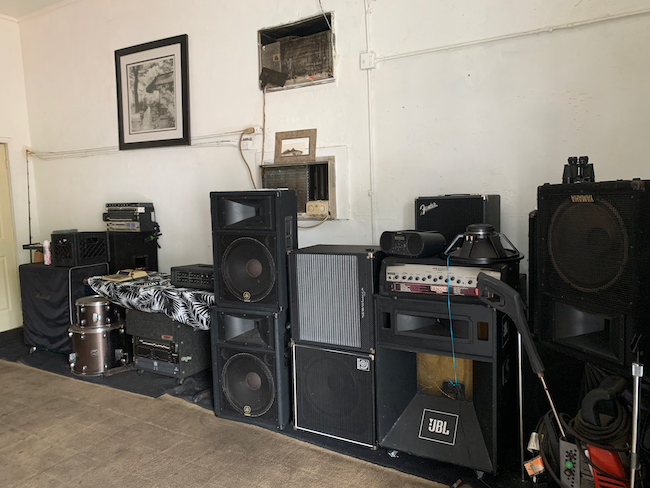

We were the only ones there, and as Phil fixed our meals, he told us about his family (originally from Pritchard, Alabama, then many years as New Yorkers, then to Pensacola) and his customers. It reminded me of the kind of hospitality we often received in the Middle East, listening to stories as food was created.

Phil sent us out with so much food, and a green pepper that after we eat, we are to salvage the seeds and use them in our garden. We brought it home – it was all delicious. I was especially glad he had greens, and they were amazing.
I ordered the rib plate, and I got enough ribs for a week! AdventureMan ordered the pulled pork sandwich, and got two!

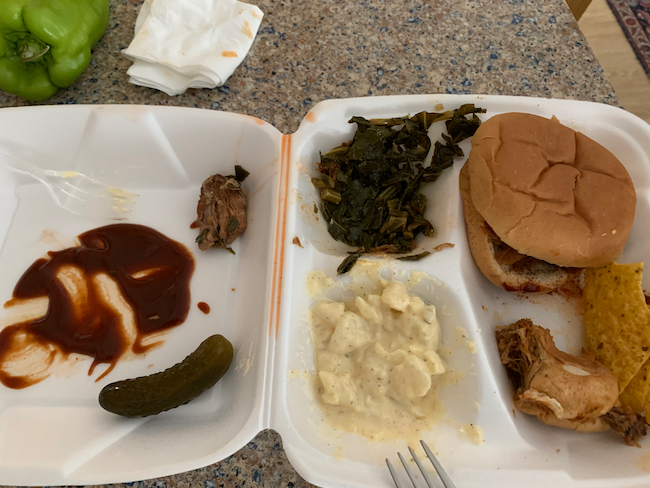
(Sorry, we had already tucked in when I remembered to take a photo.)
Long story short. Jazzy Bar-B-Q is more than just food; it is also about those who prepare it and those who are eating it. We loved this experience, and we will be going back.
For A, Because You Asked 😘

“So where’s your AirTag these days?” asked my friend, A, who knows who she is, so I won’t put her name here and embarrass her.
I don’t know. Guess today would be a good day to check.
And there it is, still in motion, now back for Spring in the Gulf of Valencia, close to where the big adventure started. I’m still not sure what ship it is on, or whether it is with someone who switches ships.
Errant AirTag Explores the Amazon
My AirTag went missing in early November from the dock in Barcelona. I didn’t know until we were in Montreal, at the end of the month, and I was checking on my checked bag and noticed my backpack (which was with me) was shown in France. I don’t know the circumstances, but it appears the AirTag is on some other ship, or person, and following its adventures gives me great delight.
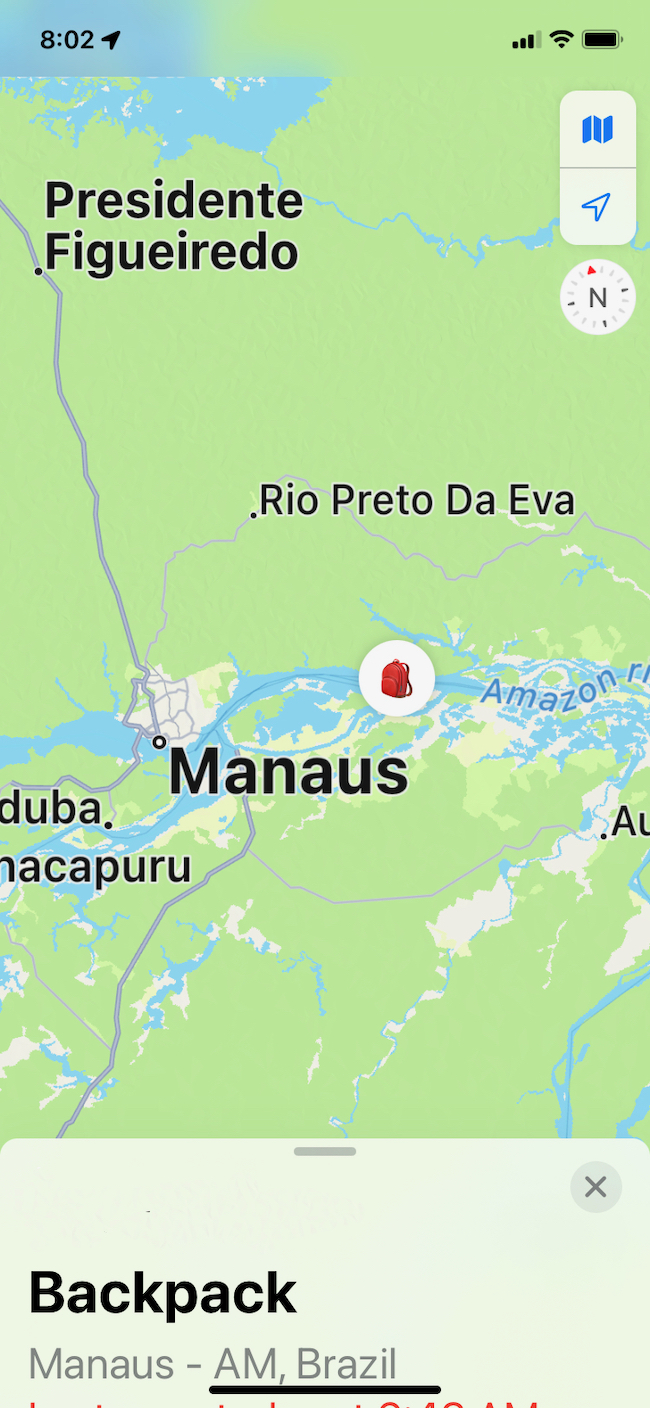
Barcelona to Abu Dhabi: Abu Dhabi to Pensacola
Ashok brings breakfast to our room just as we finish dressing and we are able to say our last goodbyes.


The new Abu Dhabi Louvre, which will feature the painting bought by Prince Badr bin Abdullah Al Saud, attributed to Leonardo Da Vinci for $450.3 million at auction.


We are excited. We have a lot planned for Abu Dhabi, and we are eager to begin our journey home. We can hear the baggage being unloaded, ready to be claimed by disembarking passengers.

Buses are waiting to take other passengers on tours, or to hotels.
Compared to other disembarkations, when we had to leave at 3:00 a.m. to catch flights back to the US, this is very civilized; breakfast at 6:30, and departure scheduled for 8:00. As it turns out because we have made independent arrangements, we can depart before the groups, and we do.

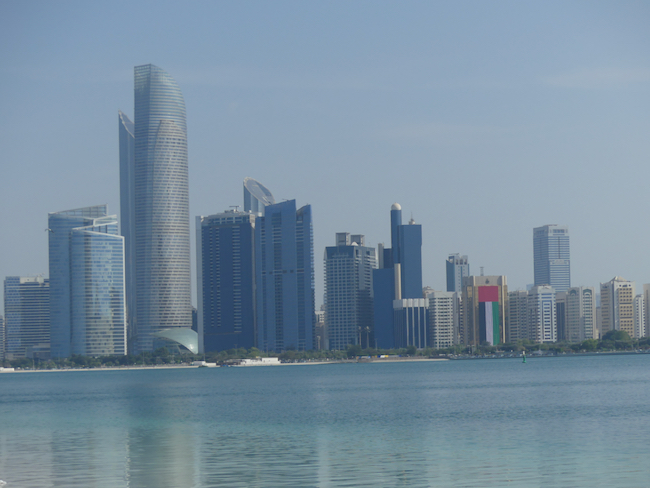
Our driver is not there, but there is an Azamara ship parked just next to ours so AdventureMan leaves me with the bags and walks over to the next parking lot to find our driver, waiting with a sign with our name on it. He directs him to our ship, we say goodbye to our Belgian friends, who are also expecting a driver, and we load up. He takes us to the Marriott, where we are given a beautiful room on the 21st floor and we look out in awe and the sheer awesomeness of Abu Dhabi architecture.
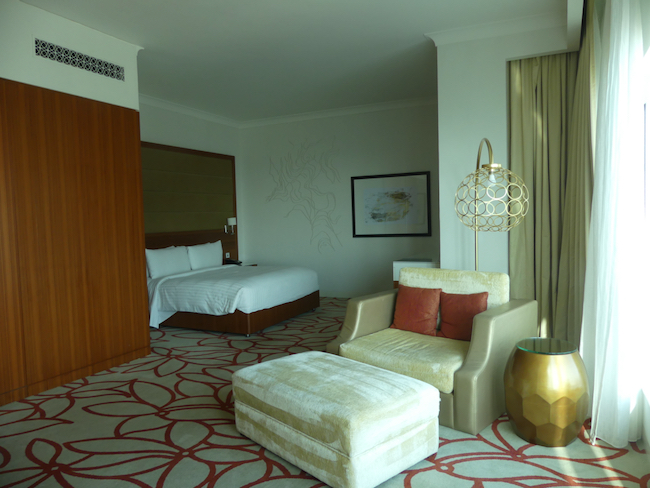


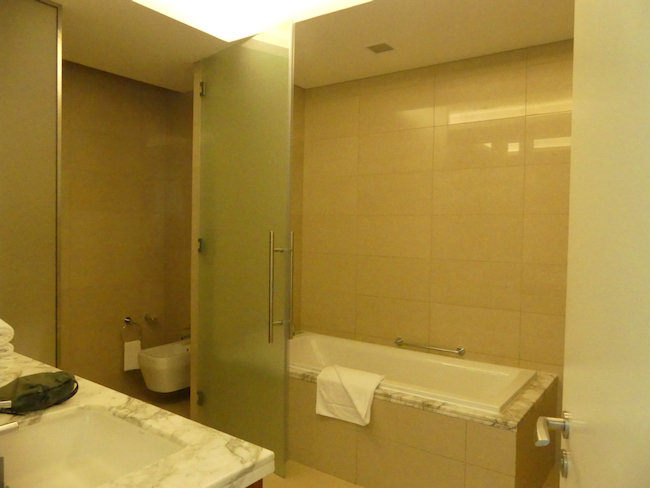

It is already really hot outside, even at 8 in the morning. We shower. We settle in.


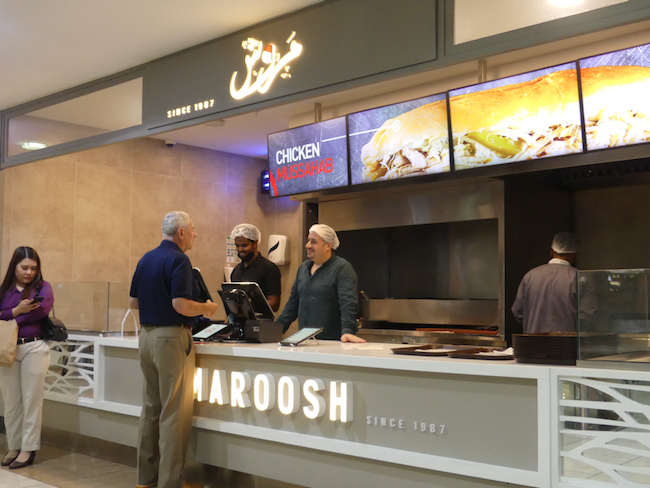
I can’t believe it. There’s a mall, and a LuLu within walking distance. AdventureMan promises to take me there at nightfall. The LuLu was one of my favorite stores in Doha – we did a lot of our grocery shopping there. It had a lot of prepared foods, mostly Indian, and a lot of foods we had never seen before. One time the LuLu had a Mango-Fest. Who knew there were so many kinds of mango, like more than 80 kinds?


This is a qibla. We haven’t seen a qibla in a long time. It is the mark on the ceiling that tells us in which direction, in which we would find Mecca.


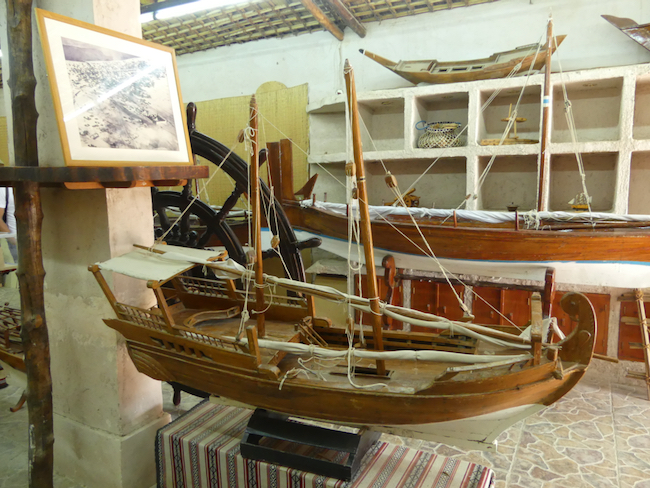
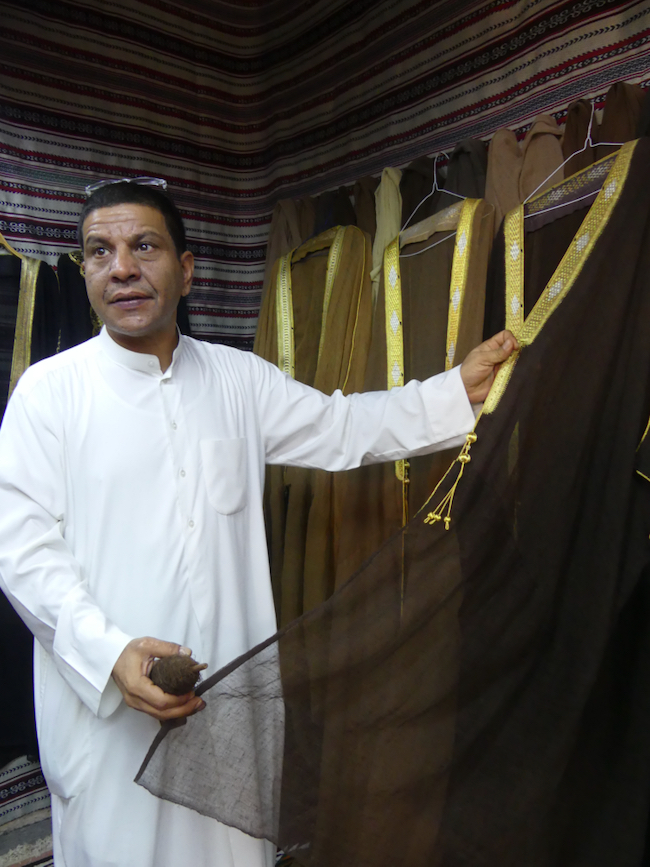
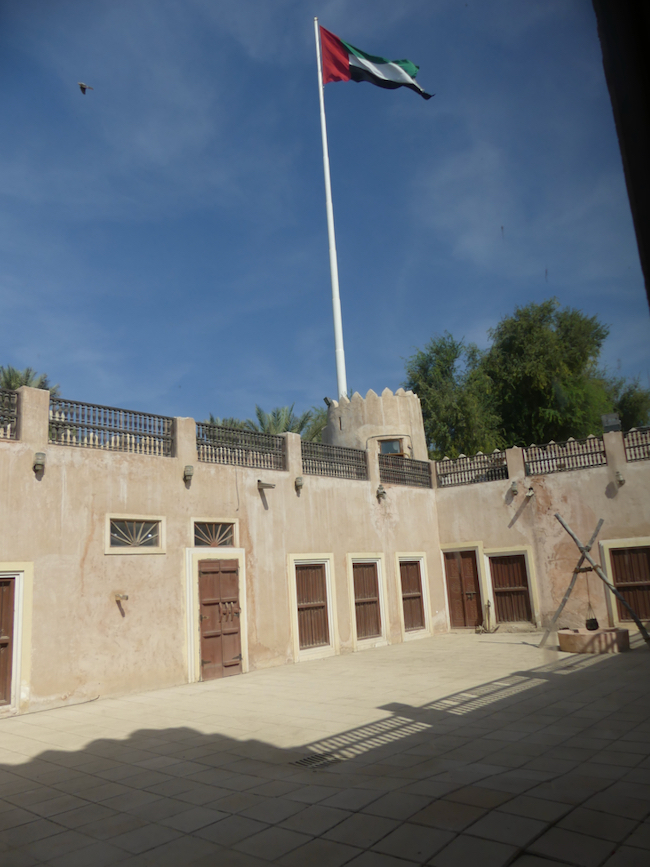
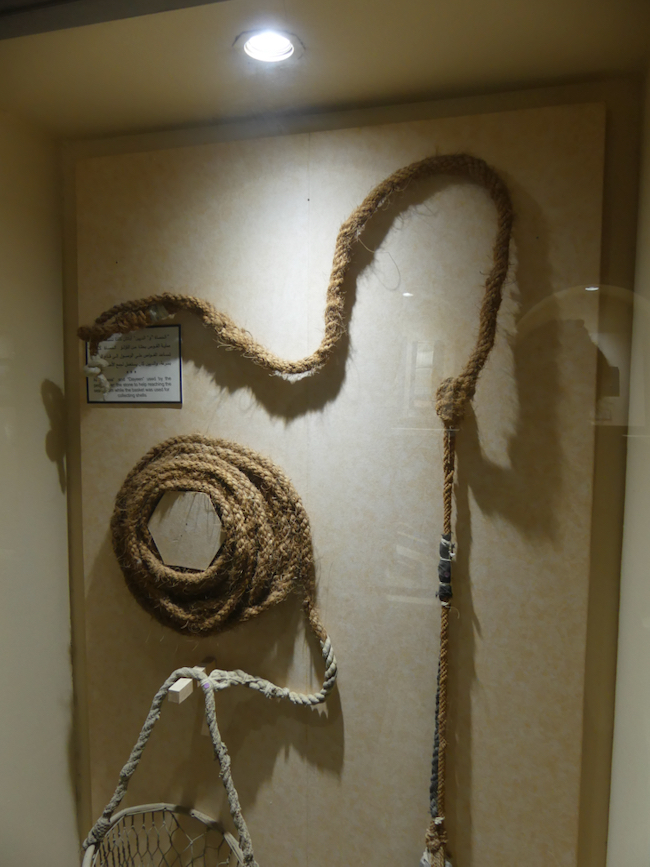
We have the same driver at 10:00, and he takes us to Abu Dhabi’s Heritage Village, which we love. Abu Dhabi has gathered craftspeople from all over the Middle East to demonstrate dying crafts – boatbuilding, wool-spinning, weaving, making thobes trimmed in real silver and gold threads, made of the finest camel wool, beating copper into pots and bowls, making silver-trimmed daggers (khanjars), weaving tent bands. It was lovely, stimulating – and also very hot.

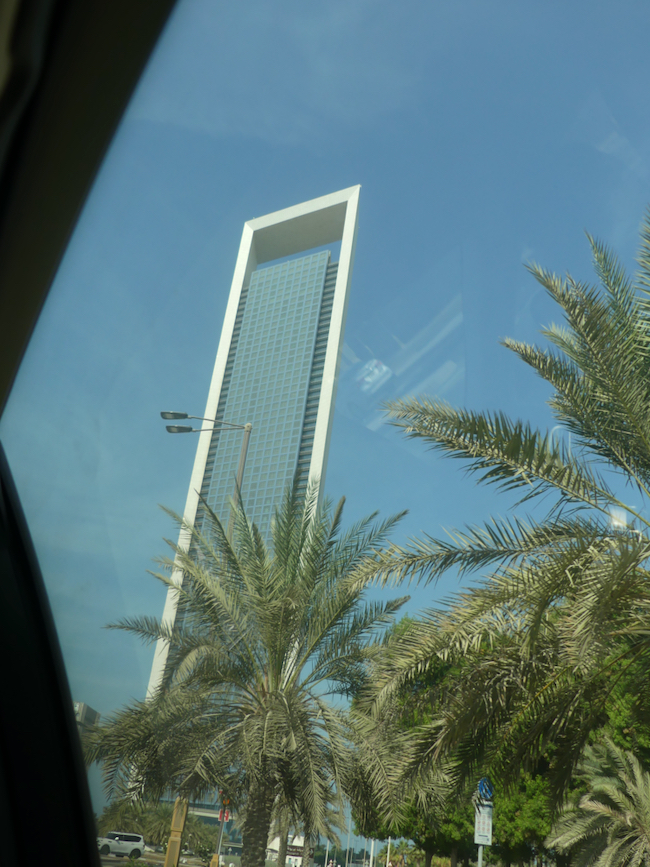
We take a photo of our driver’s car so we can find him when we are through at the Heritage Park.


The boatbuilder






The man who made elegant traditional winter robes, bisht, for men and women
The weaver of wool, and of pictures

The maker of Khanjar, the curved daggars worn at the waist, and also maker of the sheaths which protect them.



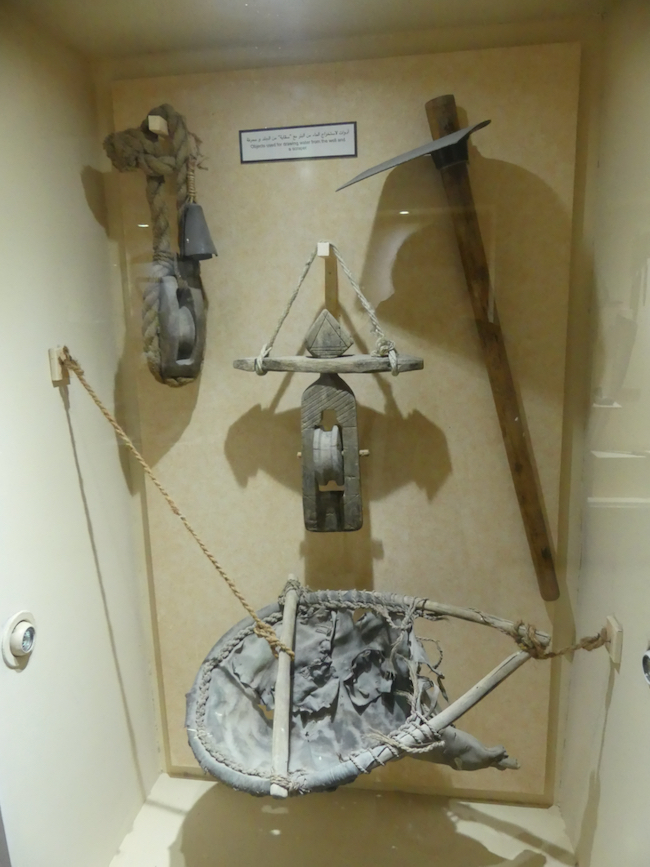
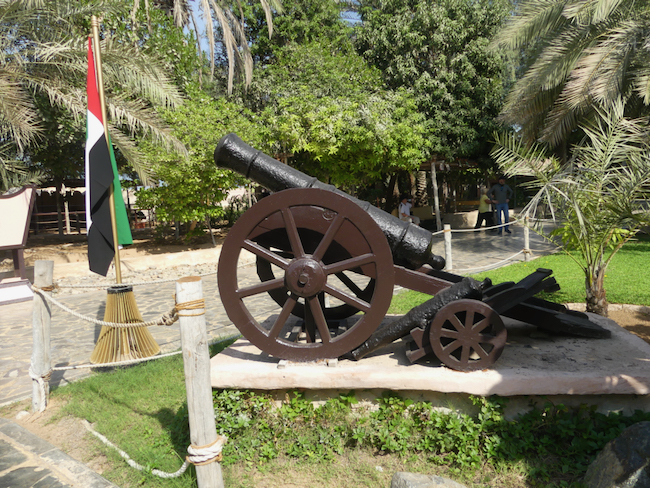


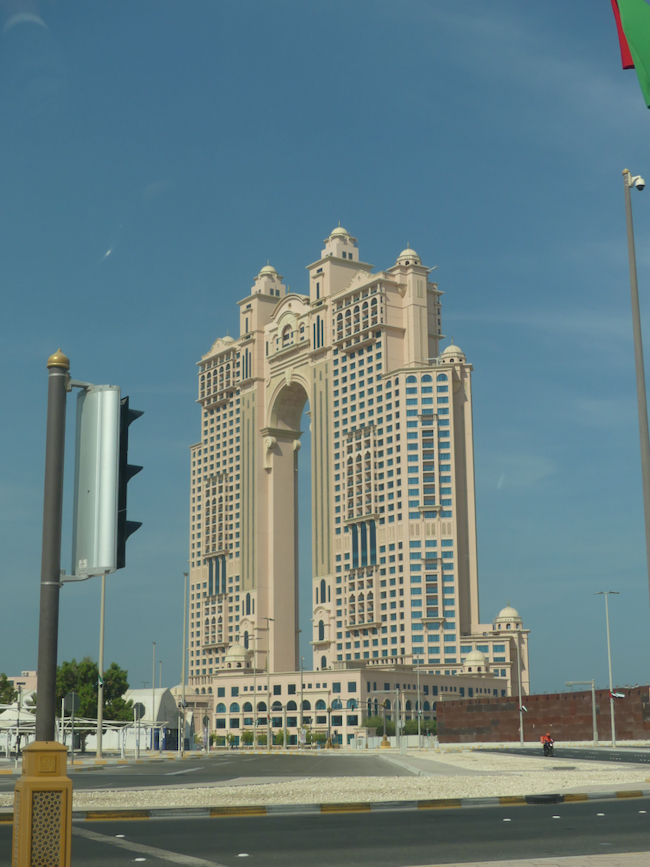
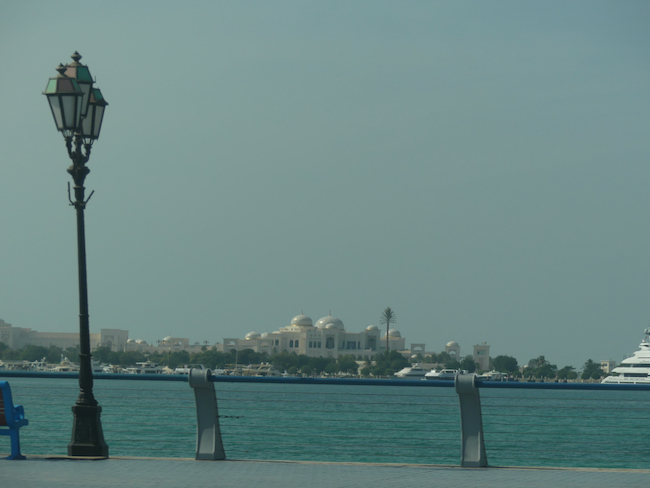

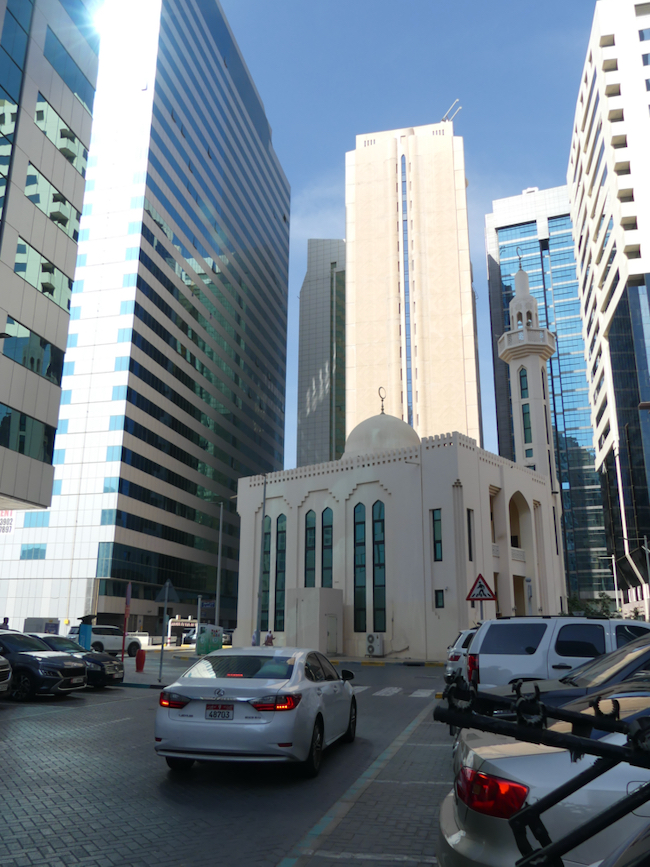
Next stop was the Abu Dhabi “souks” – more stores selling souvenirs and handicrafts, but a level up from the tourist-oriented markets.
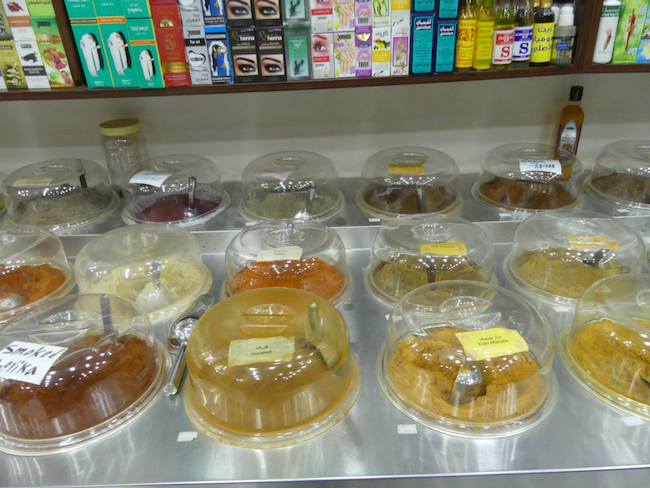
AdventureMan spotted the shop I had been looking for, a shop selling fresh saffron, but it had so much more! Camel milk soap in natural and in black, with varied scents, loofahs and treats for bathing, and thousands of spices, some of which we had no idea how to use. I invested in saffron, for us, for our foodie friends, and loved knowing we had found just the right shop, Wadi al Zafran.

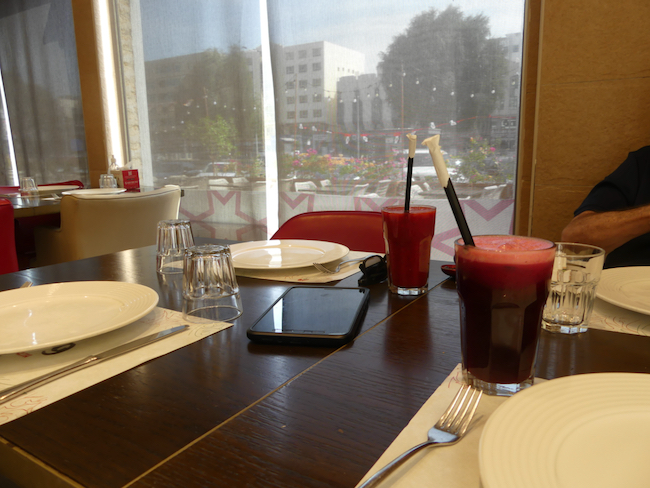
We were hungry, and the concierge at the hotel had given us the name of a good family restaurant, Zahrat Lubnan on Defense Street, where we could get good food at local prices. We found it, and I laughed, it was just what we had asked for, full of families, and it was noisy! But one look at the menu and we knew we were in the right place, the food is the food we have learned to love with all our years in the Middle East, all our favorites. The noisiest of the families leave, and we enjoy our lunch thoroughly, including more very fresh pomegranate juice and strawberry juice.
This gave me a giggle; I had forgotten how traditional restaurants used tissue for napkins.



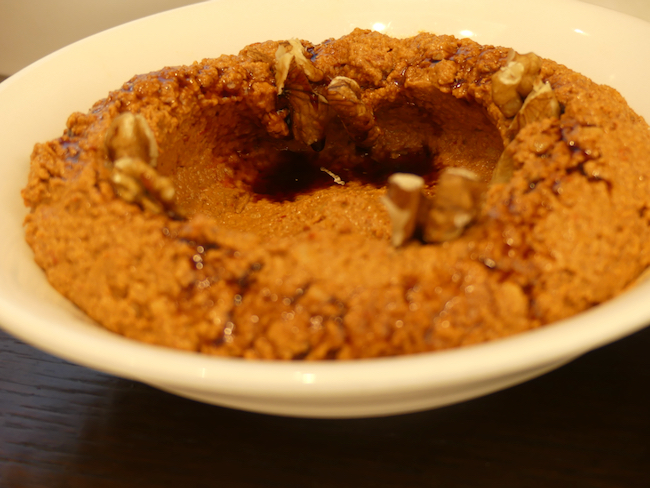
Muhammara! My favorite! To my delight, it tastes a lot like mine, made with a recipe given to me by a generous Kuwait blogger many years ago, thank you, Yousef!
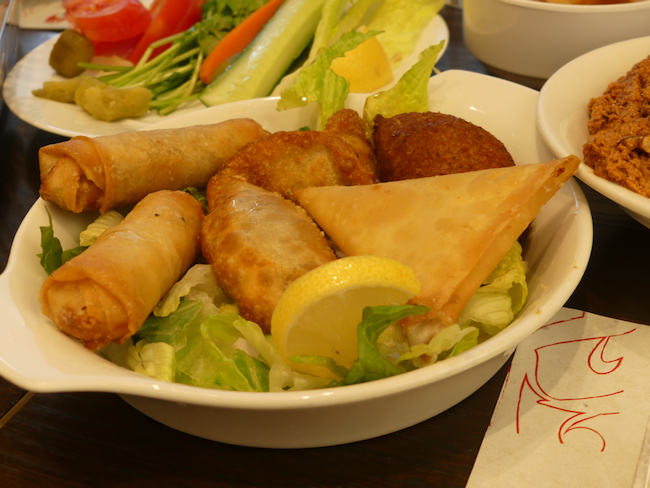
The stuffed vegetables and lamb special – if only we had been six people we might have been able to eat it all. It was delicious.

Back at the hotel, in the heat of the afternoon, we nap, knowing we have a long night ahead of us. We are so thankful for a nice room, a good shower, and a breathtaking view.
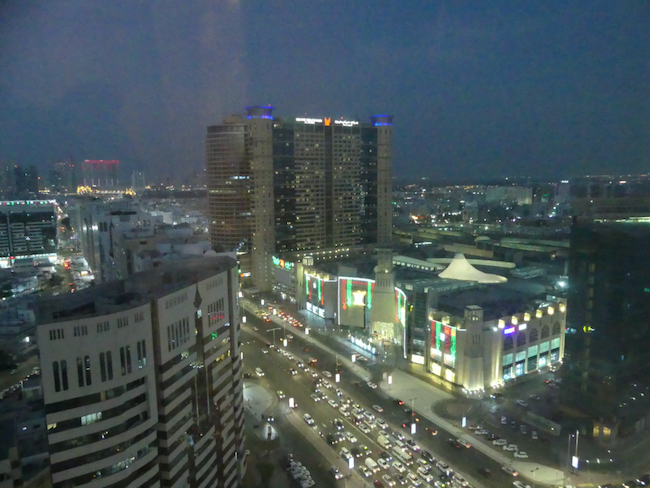
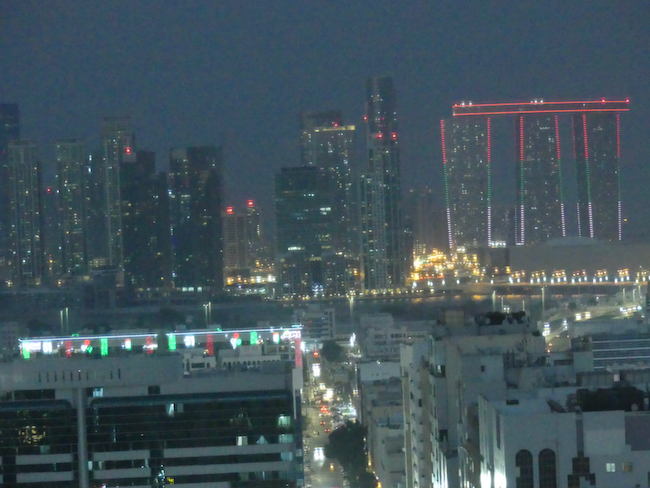


At 11:00 pm our driver takes us to the airport, we get checked in, ticketed, and we go to the lounge to pass the hours before our flight would begin loading.
Processing our shipboard experience is ongoing. At the very beginning of the trip, we met Ed and Alan. I saw them at breakfast in Barcelona and liked them. We became acquainted on the bus to the ship and kept running into one another and having good conversations the entire trip. In the end, AdventureMan saw them as he was retrieving his passport and said our goodbyes. We really enjoyed knowing them.
We met a Belgian couple; he was 59 and had had a stroke that left him immobile and unable to talk, but he was still alive and lively in his head and his desire to participate. His wife is 50 and very committed to living as normally as possible, wheeling him everywhere in his chair, taking him on excursions where possible, and giving him every experience they are able to arrange. I liked them both and admired their courage and resilience, and persistence in the face of daunting circumstances.
We felt very fortunate to have next-door neighbors we also really liked, Miguel and Margarita, so sweet and so kind to one another, and with such an interesting history.
I admire the staff. For passengers, we get on and it’s like the party begins. For the staff, with endless cycles of passengers, it’s like the party never ends, and they are the hosts. It is exhausting to be so chipper, so helpful, so willing to facilitate, and to make it look so easy. It is hard work, and we admire their commitment to making every experience good for the passengers, often at great sacrifice in their private lives.
We had a great flight on Etihad en route to Brussels. We slept well and had a nice breakfast. I had yogurt but AdventureMan shared his “Brioche” which was hot and goopy and fancy with a huge burst of flavor from the first bite.
Brussels was easy. We settled in the lounge until our flight was called. Then the flight was delayed waiting for some passengers, and delayed, and the passengers never came. As we sit, waiting to depart, we are now scheduled to land about 25 minutes before the next flight is scheduled to depart. AdventureMan talked to the flight attendants; they say our connecting flight probably won’t be held and we will have to schedule on the next flight. That throws the flight out of Atlanta into question, too. We’ll need to make arrangements for our cats to be covered another day, or two until we can get back to Pensacola.
Afterword:
Montreal was a nightmare. When we arrived and were shuttled through the arrivals, we assumed we would go to transit, but all passengers to the USA were directed into a third line which went into US Customs. We had given ourselves extra time in Atlanta to go through customs. We had never heard a word about the “convenience” of going through US Customs in Montreal. It was confusing, it was cumbersome, and we had our faces scanned for facial recognition software. We were tired. This was new and unexpected. There is also a new system of baggage screening so you wait until your bag shows up as “cleared” on a screen, then you can pick your bag up and head for your next flight.
Do I need to say we missed our flight to Atlanta? We were directed to a customer service man who would direct us to our next flight. There was one man, a very patient and long-suffering clerk in a booth, and 20 agitated people in front of us. The line behind us grew quickly; the line in front of us moved slowly. One woman, who needed to get a flight to Paris, he told to sit and wait while he took care of all the others – and the line is stretching on into oblivion by this point. I went to the Air Canada lounge to see if they could help; they could not.
Finally, we were put on a Delta flight, and we would not make it to Atlanta in time to catch our flight to Pensacola. While AdventureMan gleaned two seats in the Air Canada Lounge, I tried to find a quiet place (the lounge was in an uproar with the customs change and all the people who had missed their ongoing flights) to connect with Delta and arrange for a later flight. After a lengthy conversation, we determined there was no flight for which we had a hope of connection, so she booked us for the next day.
Here is one ray of sunshine. It is Thanksgiving weekend. When Oceania had told us they would only book us out of Atlanta, and that Pensacola to Atlanta and back was on us, the only ticket I could find on Delta were two full-fare first-class tickets. They were the only tickets on the flight. I bit the bullet, way back months ago, and bought the tickets. Good thing, as it turned out, because with a full fare ticket, and calling before we actually missed the flight, we were able to book a flight for the next day with no extra fees charged.
I found AdventureMan and explained the situation to him. The lounge was packed, and getting unruly as more disturbed and tired passengers entered. I suggested we leave, find the gate (which changed twice as we waited), and that I really needed him to find us a room in Atlanta; I was fried and needed his help. My hero, he pulled out his trusty mobile phone, looked at Atlanta, found the nearest hotel to the airport and reserved a room.
We had one checked bag, which Customs had shown us arrived and was cleared, but it had not been booked on the flight on which we were scheduled. We checked the Apple AirTag Find My Carry-On, and it showed us exactly where our bag was in the airport and some very good Delta agents tracked it down and had it put on the cart for our plane. I will never travel anywhere again without AirTags in my bags.
At this point, something very odd showed up. “Find My” showed my “backpack,” which just before departure from Pensacola had actually turned into a duffle. It was shown to be in Cadiz, Spain, which was very odd, because I had it with me, I was holding it. Only later did I discover the AirTag was not in the “backpack,” it must have disappeared somewhere in Barcelona (I had last checked on it when we were boarding the ship, and it was on the dock) but while the bag was with me, and that is what matters, the AirTag had been liberated and was leading a life all its own.
We were exhausted. We had been traveling for about 20 hours at this point, and had hoped to be home. The flight from Montreal to Atlanta was sheer hell; we were hoping to sleep and there was a (sweet) family behind us with an 18-month-old baby. It is late at night, the baby is fussy and the Mom, God bless her, is tossing the baby up and squealing loudly, to keep him from crying and disturbing other passengers. So we would be nodding off and (SQUEAL!) or (SCREECH!) and then we would be not sleeping.
I have full sympathy for anyone traveling with infants and children. I had to do it for many years myself. The Mom was doing her best. It’s not easy traveling with a very young child.
After what seemed like an eternity, we landed in Atlanta, a very COLD Atlanta, late at night and we are still in our Abu Dhabi hot-weather clothes. Our checked bag shows up on the AirTag finder as having arrived with us (another blessing we don’t take for granted) and we picked it up and got in the line for bus transportation to the terminal where airport hotel buses pick up.
Fortunately, I had a sweater in my duffel, which I pulled out and put on. Buses for hotels came and went, but not ours. Then, it came and it was a large bus, for the Airport Marriott Hotel, and it was just us and the crews from two or three different airlines, chatting about mutual friends and funny things happening on flights.
When we got to the hotel, we loved it. The lobby was full of young people, mostly with computers, some working intently (it was 11 pm by this point), some socializing, all laid-back and having a good time. It was so relaxed, it felt like a college dorm. We were quickly checked in and reached our very simple but quiet room where we were delighted to have hot showers and get to bed. Well done, AdventureMan!

Sunrise in Atlanta

We slept and slept, and woke with plenty of time to dress and get ourselves back to the airport, to check in for our flight, and even to have some breakfast in a familiar bookshop where we have eaten before. We decided having the unexpected overnight in Atlanta was really not such a bad thing.
Our big worry would have been our cats, but our caretaker was able to stay another day and the cats were fine. We got to sleep without unpacking, unconcerned with transitioning back to our normal life, and the short flight to Pensacola was uneventful. We had a great cab ride home, unpacked, went to lunch, and had a very unhurried day as we began to sink back into our Pensacola lives, and prepare for Christmas. 🙂
Barcelona to Abu Dhabi: Dubai, Sharjah and More Adventure Than Anticipated
North from Muscat, through the Straits of Hormuz (where you see Khasab) and then south to Dubai.

We didn’t have a lot of expectations for the day. We were docking late in Dubai, just after lunch, and heading off almost immediately for Sharjah. We couldn’t really think why we were really going.
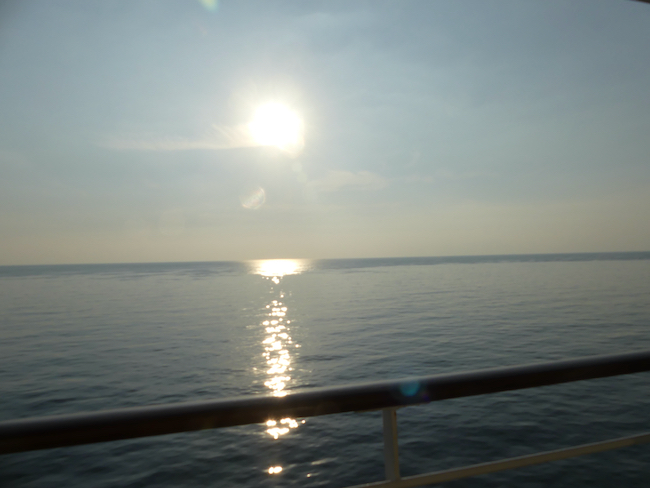
Packing to go home changes everything. You are no longer on a journey, you are already planning an end, it’s like the end of a love affair. AdventureMan and I sit down and calculate our tips. The tour requires that we prepay gratuities, and we did so, but there are people who contributed greatly to our happiness on board, and we need to encourage them in the most sincere way – cash.
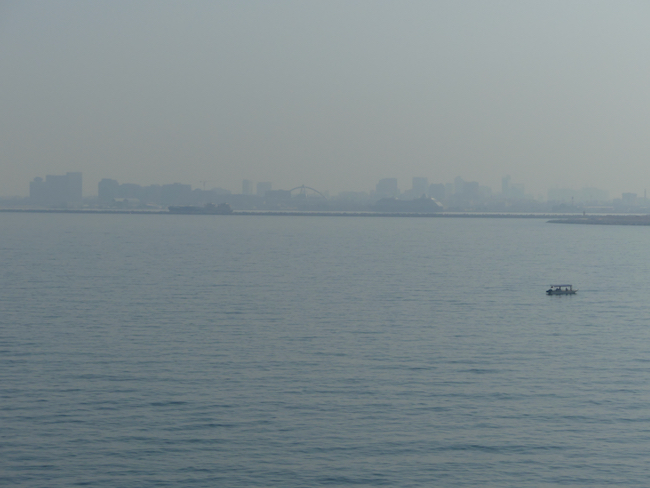
So I spend my early morning time up in Horizons, drinking coffee, catching up on e-mails, and taking photos of the sunrise, which is shockingly dirty. The sun appears to be fighting its way through the smog and haze. And, oddly, the sun is rising on the port side of the ship, which would imply we are heading south, how can that be? I figure we must have passed the Straits of Hormuz and are now going south towards Dubai, it’s the only explanation I can think of. (See map above)

We hit breakfast – it’s taken about two weeks for us to settle back down, with all the variety and abundance offered, and we are now back to mostly eating with some discipline. I’ve not been as good with the blood sugar during the trip, but I’m back down to normal now and want to hold that line.
Our last trip to the spa, and once again, we have it all to ourselves, and then loll around for a while in the hot Gulf sunshine before showering – the spa is salt and showering is a must, as is drinking a lot of water to rehydrate. Lunch is just a little rushed, and then we are off to the Nautica Lounge where we run into Ed and Alan, and catch up on their happenings as we wait for our trips to be called. They are off to visit Dubai, while we are off to Sharjah.


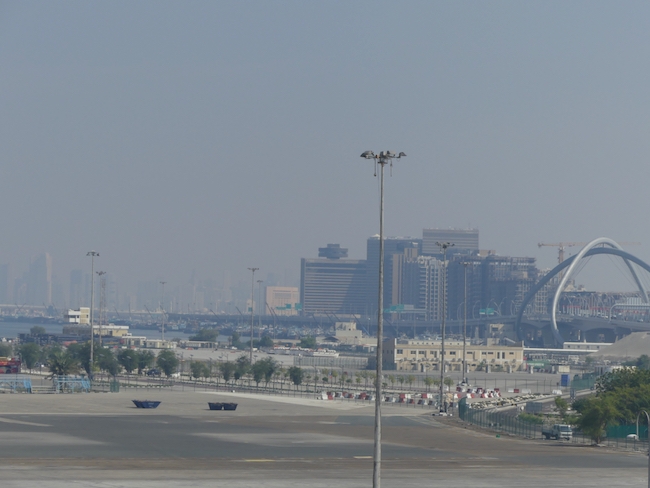
Below is the very modern, very efficient arrivals terminal and immigration.

First, we have a great guide, an Iranian woman, with no headscarf, which she later explains – that the Quran says nothing about covering your hair or face, only to “cover your beauty.” She says that she covers sometimes, like for praying in the mosque, but she finds the abaya and headscarf are off-putting to her western tourist clients, and that people feel freer to ask her questions when she looks more like them. I found that to be compelling – that she believes in covering but that she also believes in eliminating barriers with her clients. I liked that she could hold those two ideas and make it work.

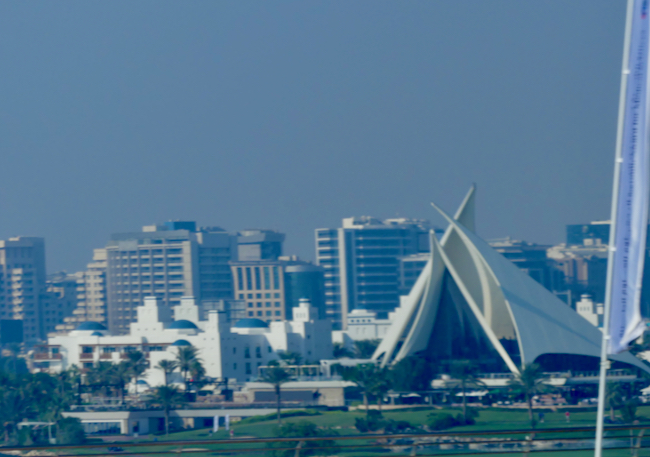

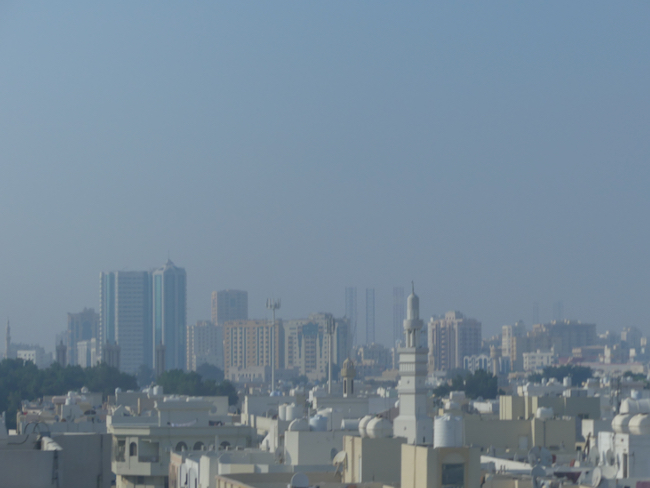
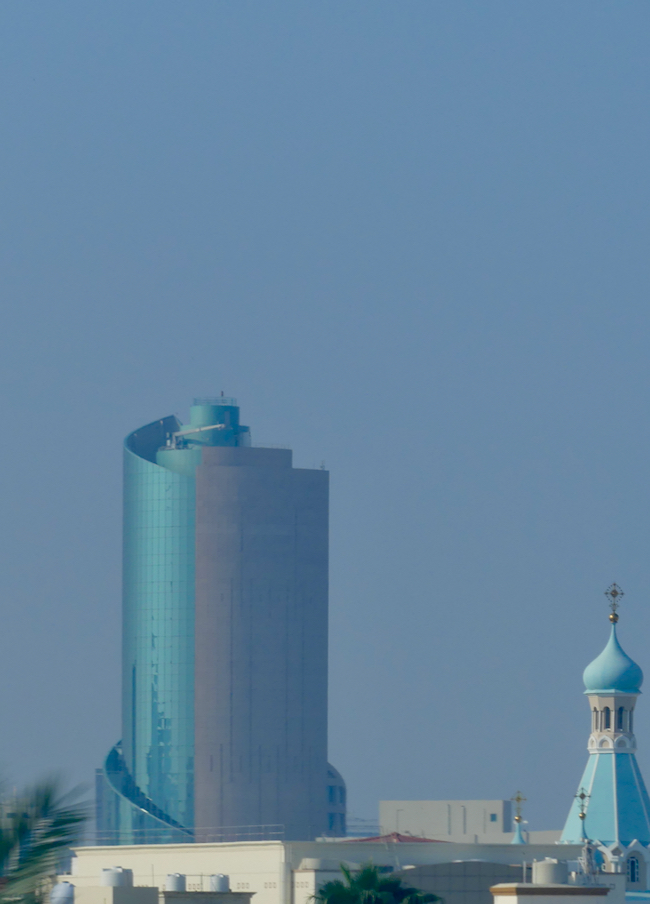
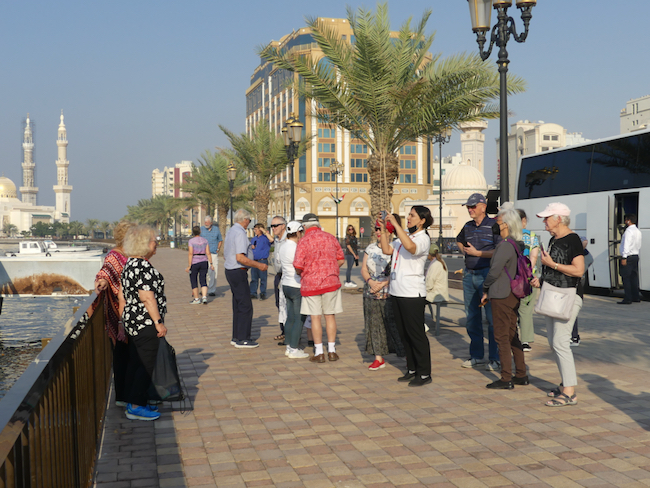
The trip was amazing. Sharjah is still quieter and somewhat less modern than Dubai and Abu Dhabi, although still built up in a more residential way. We started with a visual (in the bus) tour of a roundabout with beautiful official buildings – the court, the library, a mosque, surrounding a park, all very beautiful. Then we went to the Islamic Museum.


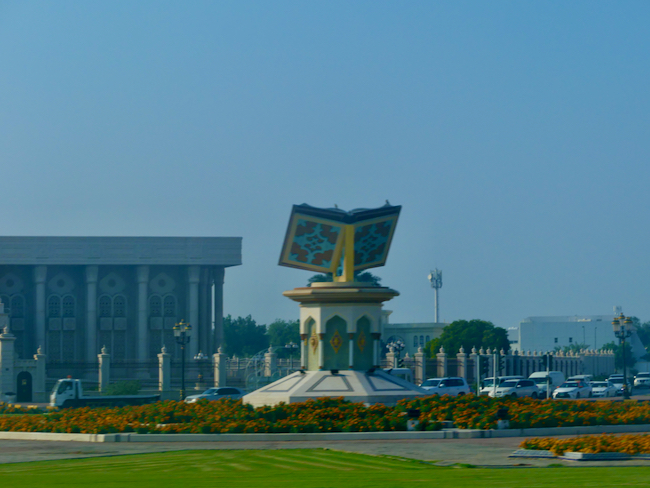
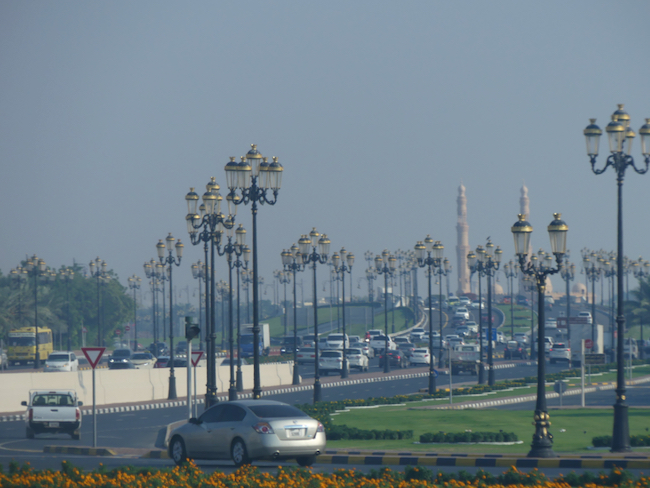
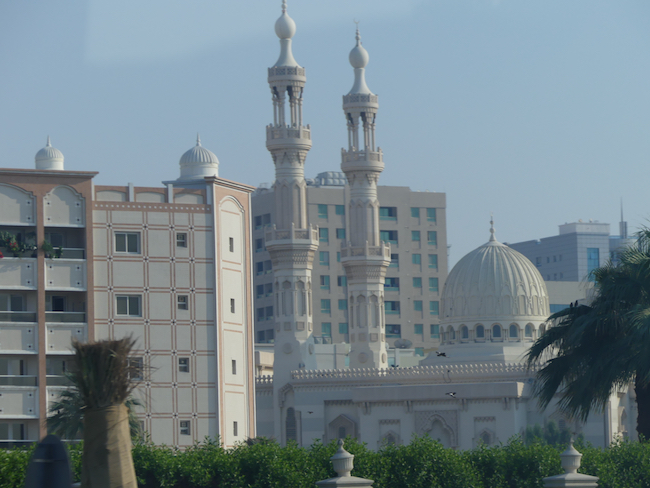


The Islamic Museum was impressive.



I leave the group; I zipped to the gift shop. It’s not that I am a rabid shopper, it’s that I do like to bring things back for people and I find the best quality at the best prices in museum shops. I found some wonderful things, very quickly, and moved on to a visiting Calligraphic exhibit, (I learned the glory of Islamic calligraphy at the Tarek Rejab Museum in Kuwait, a treasure trove of gorgeous Islamic scripts) and then I zipped up to visit the beautiful dome, gloriously painted with constellations and signs of the zodiac.

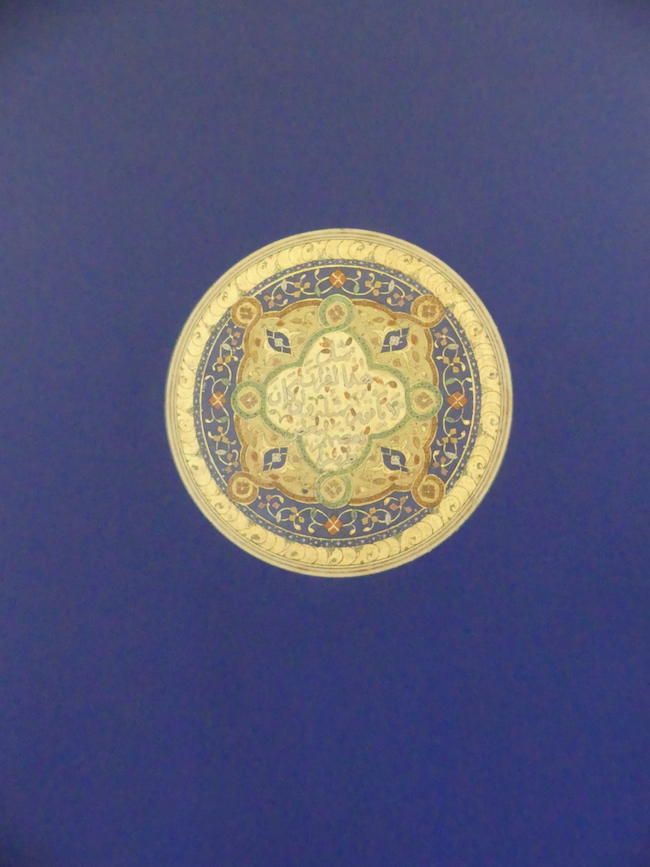

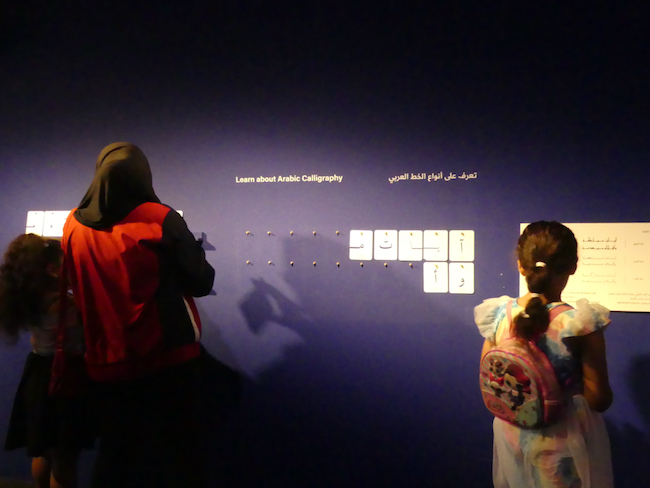

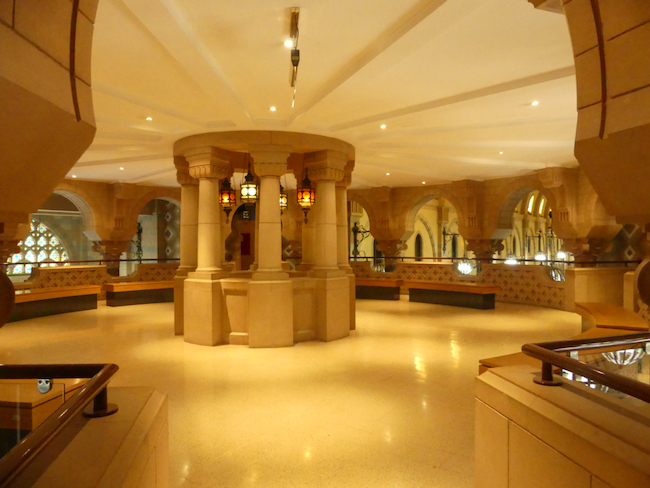
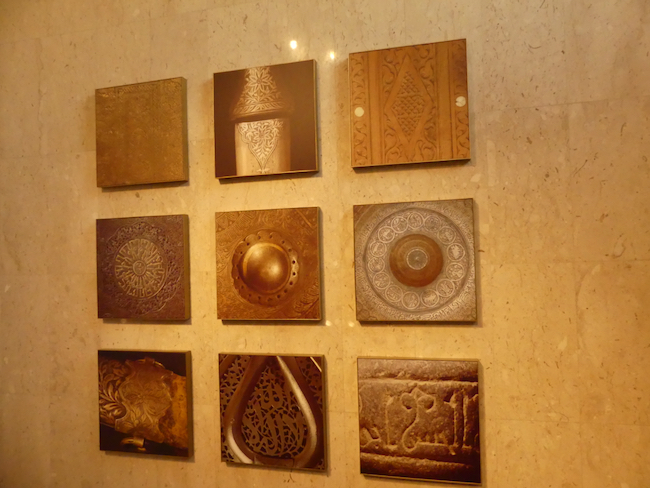
The dome crowns a beautiful reception room with comfortable chairs, and people looking up at this ceiling in wonder. It is beautiful.


From there, I went to the section on Islamic technology, where I exalted in astrolabes and exquisite instruments of measurement – I love good design. It thrills my heart to see the gorgeous design of these instruments created to do practical work, but which thrill the user with their beauty.
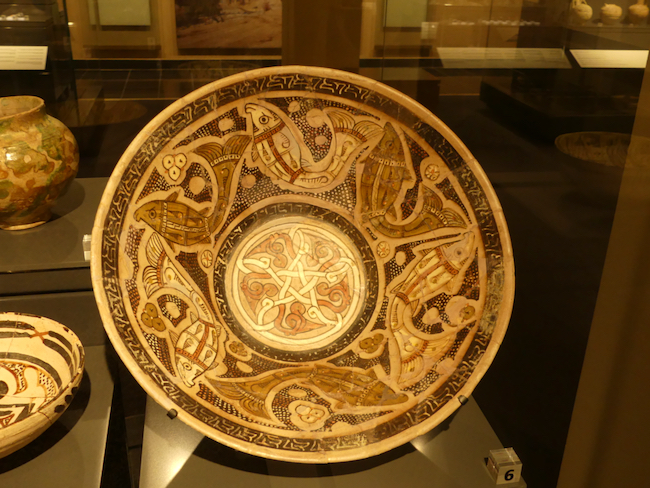


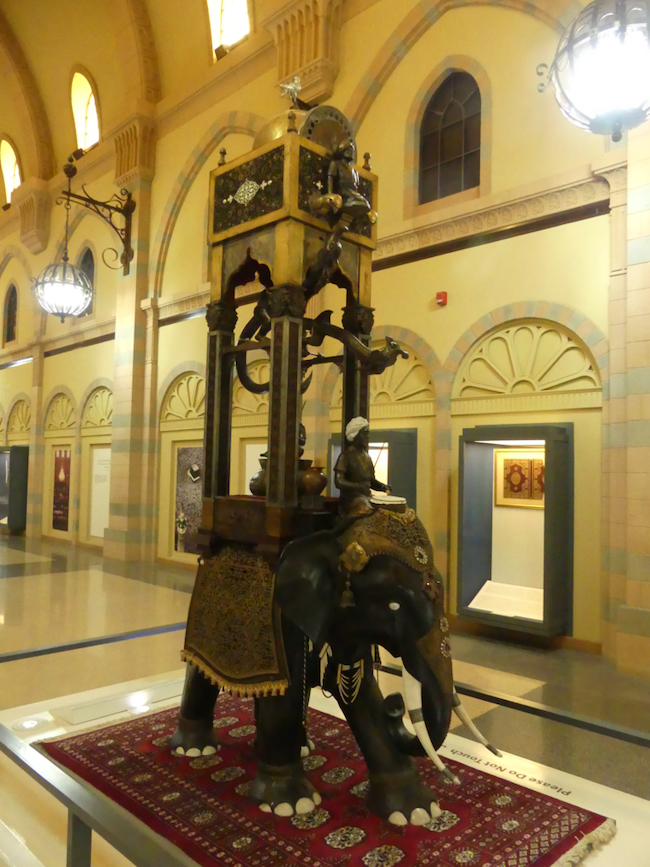
As I am there, I get a call from AM reminding me our time is almost up and it is time to meet. Here is a thing about Oceania excursions – we never had a single one where were were held up by a lagger. On all our tour, people paid attention to time expectations and met – or even exceeded – the instructions.


From the Islamic Museum, we headed to a fort, actually a re-creation of an actual fort which had been built on that exact spot. It had gorgeous pieces of ancient weaponry, guns, cannons, ammunition, suits of armor, and samples of early technology, such as goat skins used to store liquids, make yoghurt and butter. It was nearing sunset, and the late afternoon light loved the fort and it’s beautiful spaces.


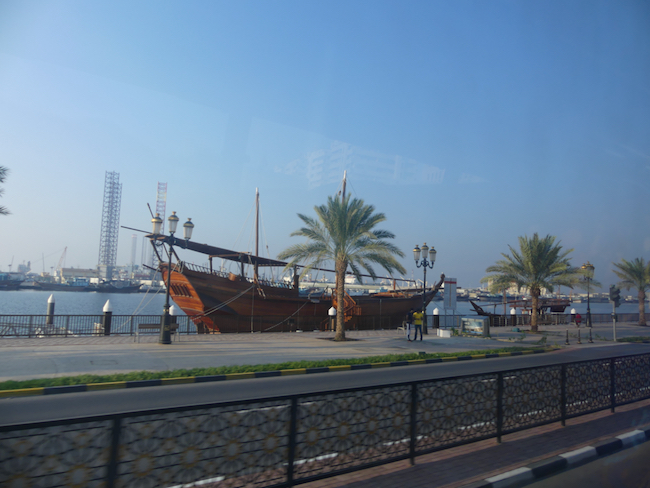


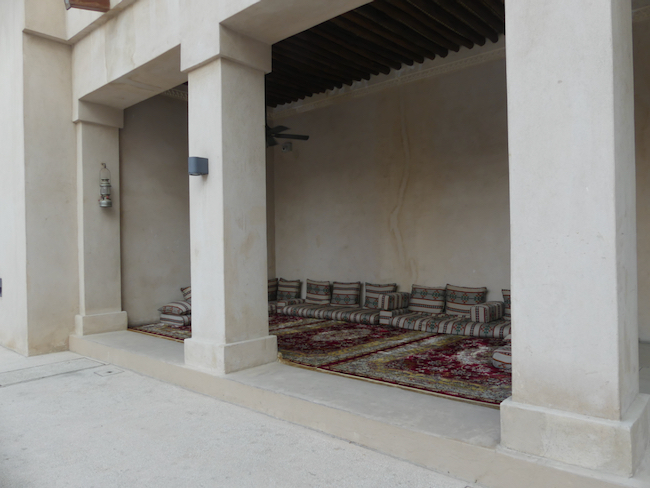

You will see a picture later of the original fort; this fort has been re-constructed in the middle of a busy city to honor the Sheikh and to honor earlier traditions in Sharjah. Below is looking down into the well in the fortress.


I found this display below a bit bizarre, but maybe that’s just me?
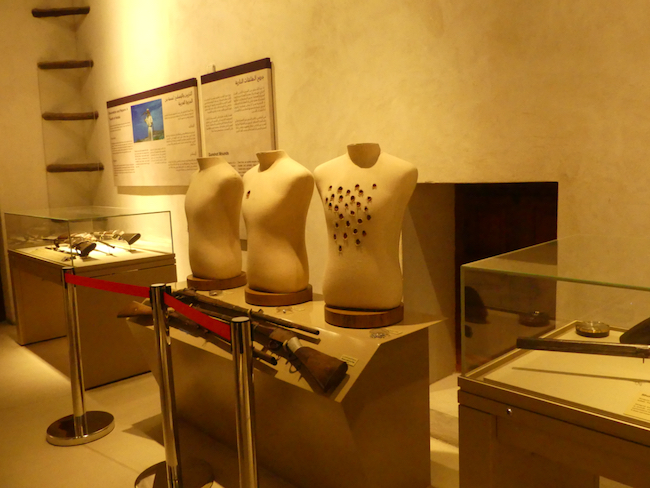


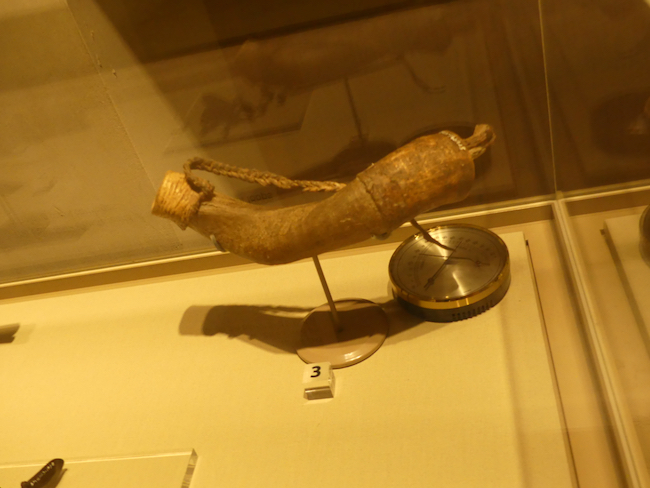


Below is an Omani chest, with the nail-head decoration. This chest is used as a closet, holding a simile of the Sheikh’s wardrobe.

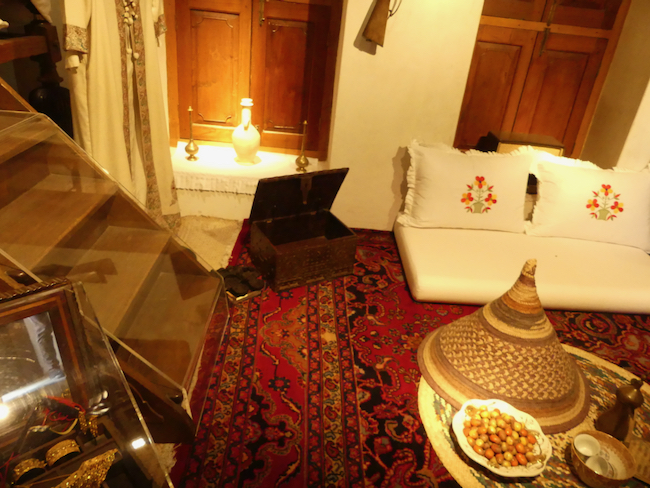


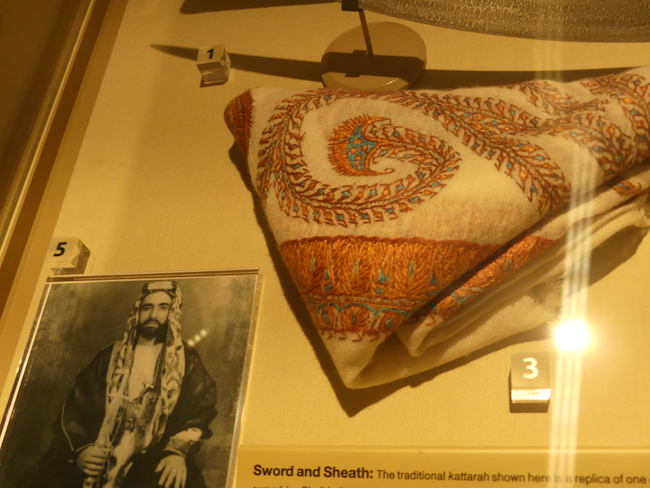


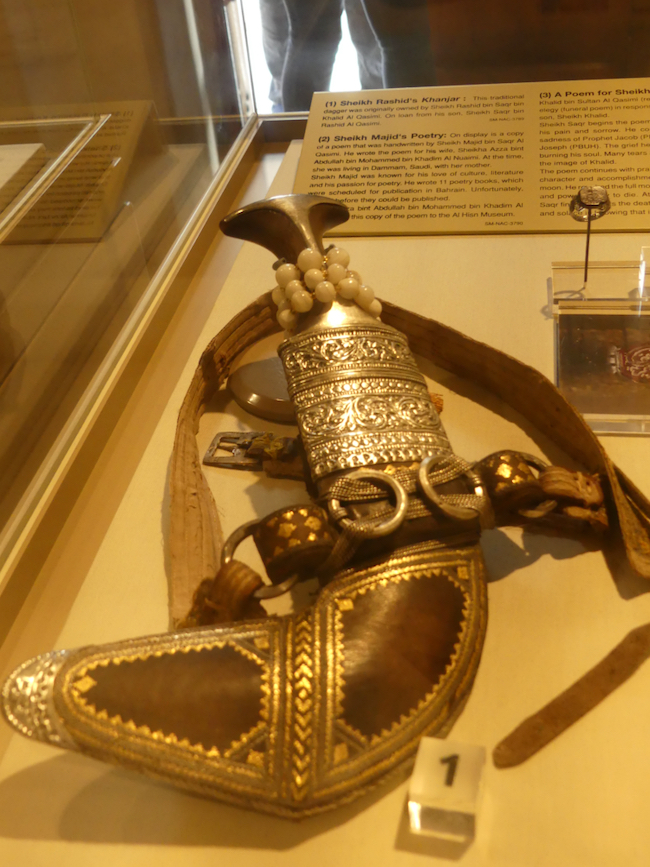
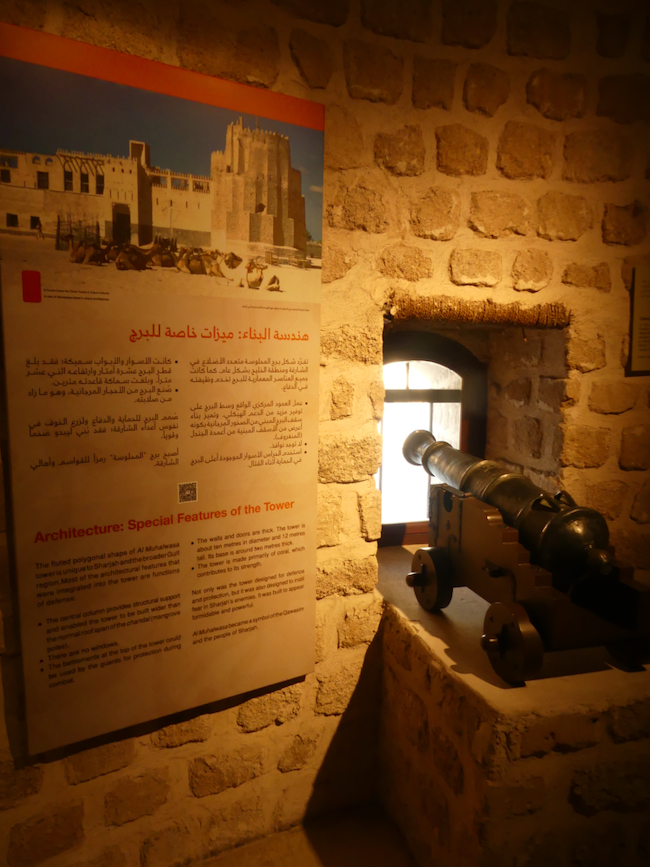

Another view of this modern apartment building; I would like to believe the snake-like figure is also calligraphic:
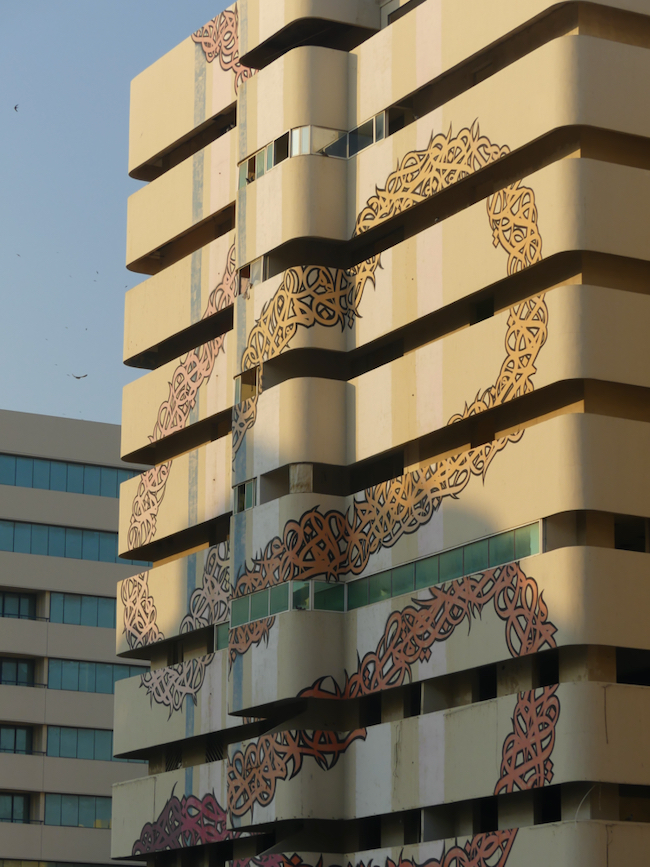

Last, we went to the Sharjah “souks.” We started off at the gold souks.

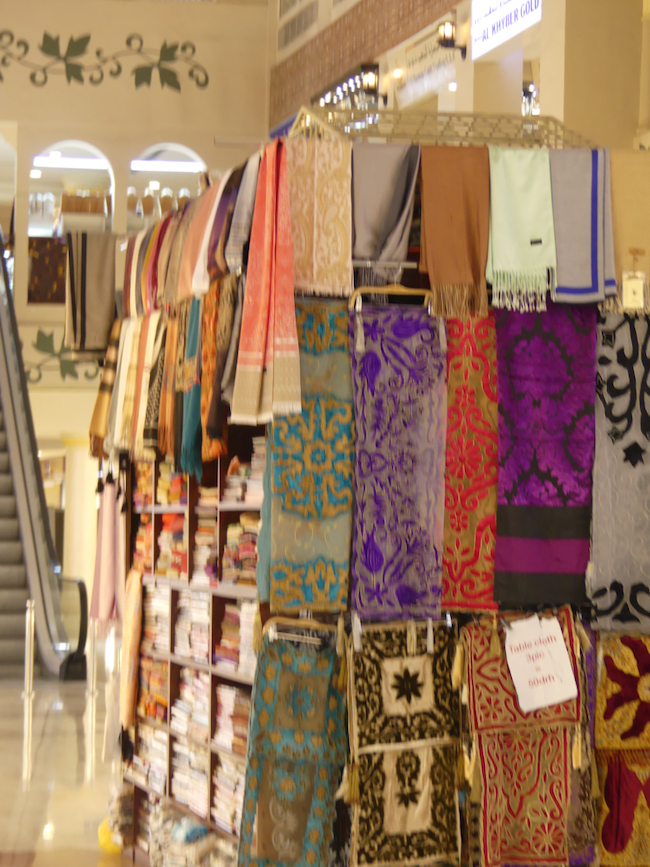
I like gold. I like real jewelry. The gold souks are overwhelming. Many of the shops are full of gold sets, the kind of gift a young bride is given by the groom’s family when she enters their family, a mail-like necklace/breastplate, and maybe earrings, a headpiece, sometimes handpieces, all matching, and all of which belong to her and provide her with some security in case down the line she is divorced or widowed. In theory, her bride price and her jewelry are hers to invest and manage. These sets are awesome to behold.

The sets are also intimidating. Maybe a movie-star could carry them off in our culture, but otherwise, they would draw too much attention. As we walk by shop after shop, I am dazzled and my heart beats faster, but when it comes to something for me, there is nothing. I remember how hard I had to look in places like Saudi Arabia, when gold was much cheaper, for pieces which were more modest and simple.


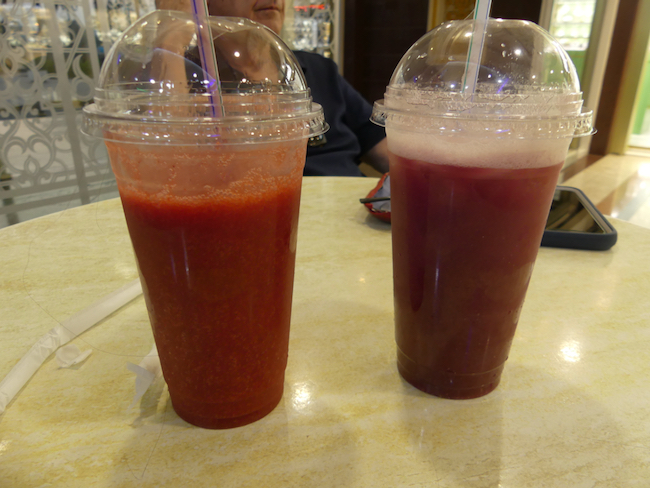
I buy nothing, except for at the end when AdventureMan and I have fresh-pressed juice; strawberry for him, and pomegranate for me. It is fresh juice, with no additives, and no sugar; there are pieces of fruit in the juice and it is delicious. These are times I really miss living in the Middle East.

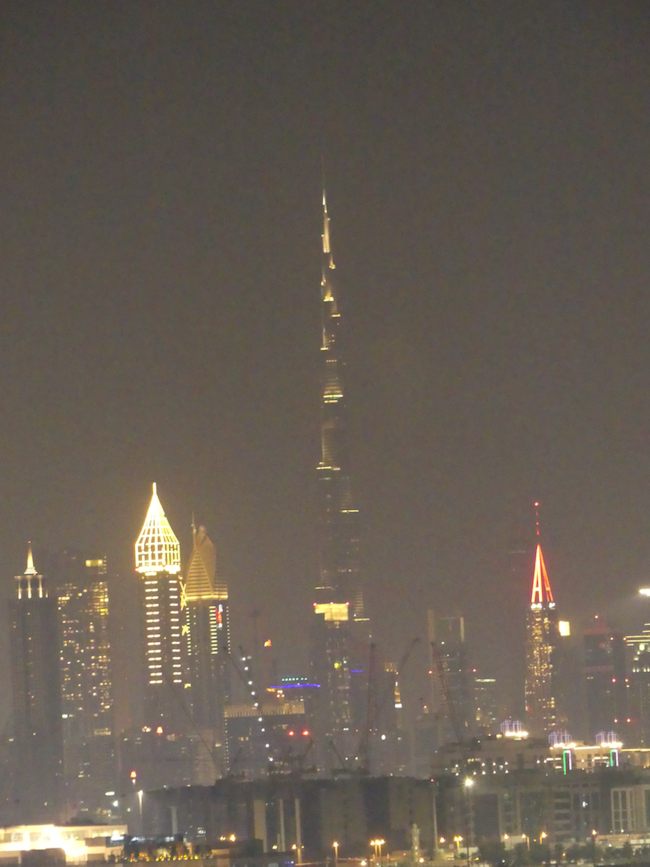
As we are leaving, the sun has just gone down and the night has gone purple. It never fails to take my breath away. I only see this color in the Middle East, and it is just when the call to prayer begins to be called. Tonight there is a crescent moon. We are looking across the river at Dubai. The lights are twinkling, the call to prayer calls to our hearts, and families are gathering on woven mats to sit on the grass of the park across from the Mall. It is an exquisite time of the day and an experience of pure joy.


“So,” I can hear you asking, “The day is over. Where is the unanticipated adventure?”
Back at Nautica, we stand in line to pick up our passports for our departure the next day. I am handed my passport. AdventureMan’s passport is not there. The crew searches relentlessly, as we watch others easily access their passports. AdventureMan’s passport does not show up. It has not been returned by UAE Security. No one knows why.
We go through a bad couple of hours. I am trying to game what we will do if the problem is not resolved. This is an unusual circumstance, but this is the Middle East.
Security tells us his passport has been flagged because he was in Dubai in 2008 and they have no record of his exit. This is entirely possible. AdventureMan traveled a lot, in and out of many countries. Perhaps someone was talking with him as he departed and neglected to mark his departure. It’s all speculation. We really don’t know.
Finally, hours later, they relent, and an hour before the boat sails, his passport is returned by UAE officials.
We dine in our cabin, as we finish our packing. We need to have clothes for sleeping, clothes for disembarkation, and clothes for flying, including something warm for our transits through Brussels and Montreal. This entire trip has been a packing challenge, trying to anticipate temperature changes and comfortably appropriate clothing, including modesty requirements. Dinner is simple but relaxing, we finish off the wine we bought in Barcelona, and we jump up now and then to refine packing, make sure we have the appropriate paperwork, etc. We are greatly relieved to have AdventureMan’s passport back and we are also a little unnerved. We are hoping there will be no further problems as we leave Abu Dhabi.
We sleep well.
Barcelona to Abu Dhabi: A Very Fine Day in Muscat, Oman

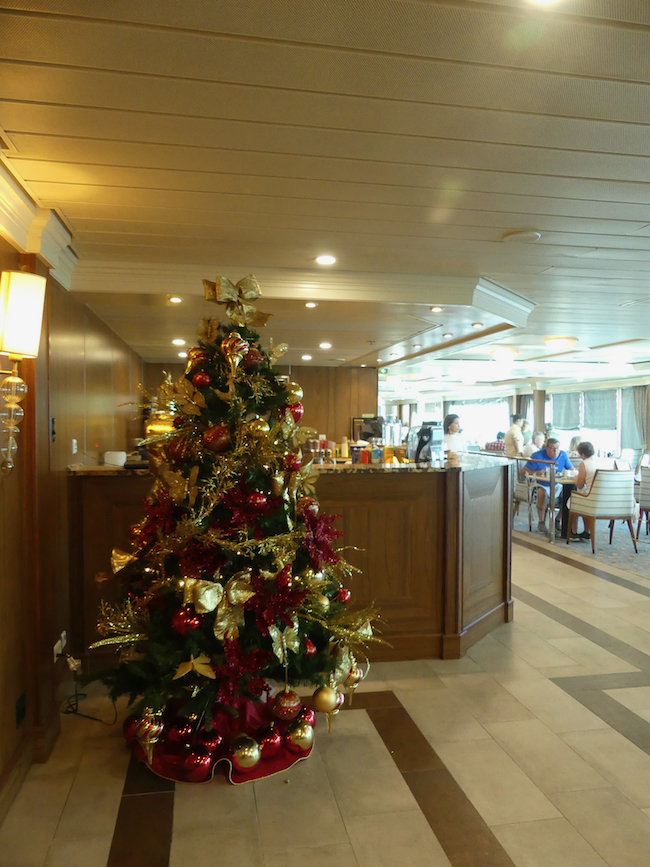
Overnight, Christmas has begun to happen on the Nautica. As I head up for my morning coffee in the Horizons Lounge, a decorated tree has magically appeared overnight. As the day goes on, more and more trees will appear. I am such a believer in Christmas. Today, we are approaching Muscat, a city I love, and there is a Christmas tree in Horizons! How can the day get any better?

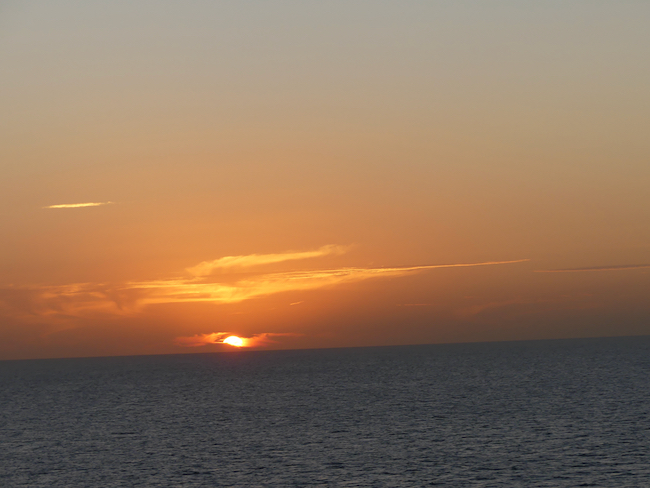
A fabulous early morning sunrise is icing on the cake.

Coming in to Muscat.


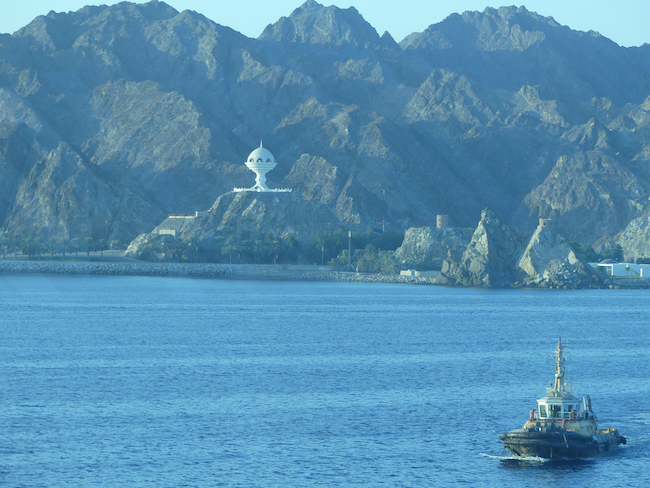


We had been so disappointed to be in Muscat only for a few hours and to know that on Friday the Muttrah souk would not open until late afternoon. We had signed up for a dhow ride. We like dhows, and we are only in Muscat for such a short time! Once we discovered the souk would be opening early, and closing at the mid-day call for prayer, we decided to skip the dhow ride and take the shuttle into Muscat. Changing our plan changed everything. Our disappointment lifted; we felt empowered once again! We could choose our own adventure!


I head back to the cabin to check on AdventureMan. He is not there! Natalia, our cabin attendant, tells me he just left looking for me, he went THAT way, and I go to the cabin. I knew we could spend a lot of time chasing one another and that the best thing was to stay in one place. I spent a short time putting together a GO bag, water, etc, then he was back.
We went for breakfast and decided we are ready to go.
We meet with the local destination resource who gives us a good map, and we head for the shuttle, which arrives just as we leave the ship. There are Hop On Hop Off buses all lined up to take others on their adventures, too!

It takes us 300 yards to the immigration building, we get our little card and we get back on the bus. The driver takes us another mile and we are at the Muttrah Souk.
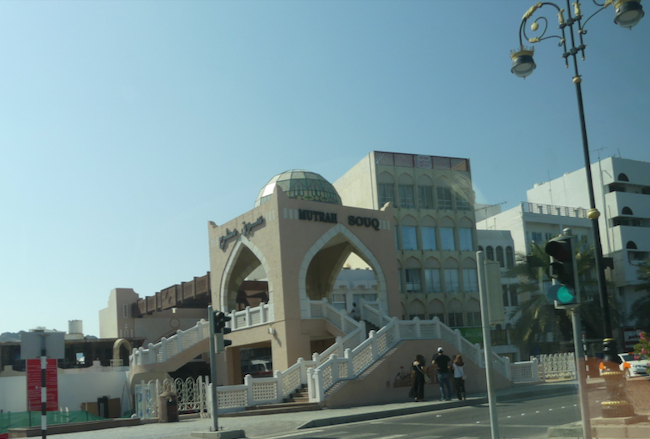

Much to my surprise, there is a lot of local activity. We are among the first to arrive, but there are local women doing their shopping, shopping for gold, with their babies, some with their husbands.


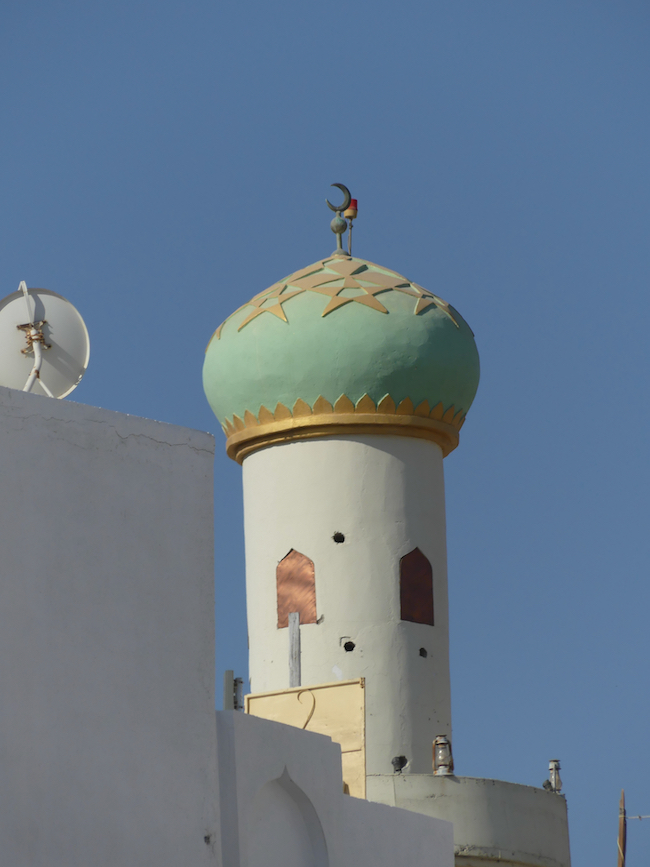
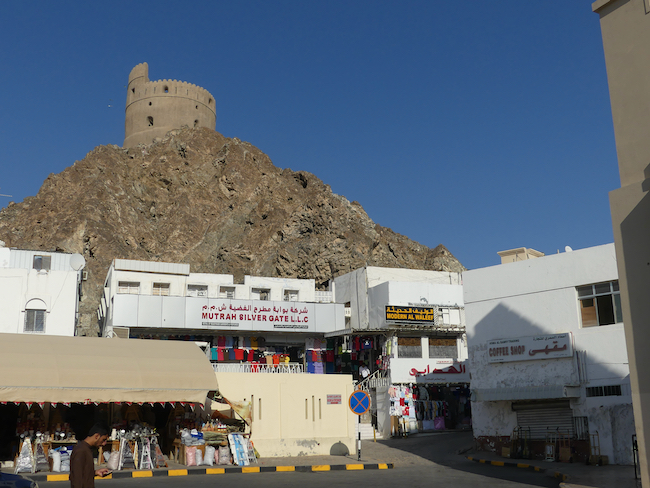

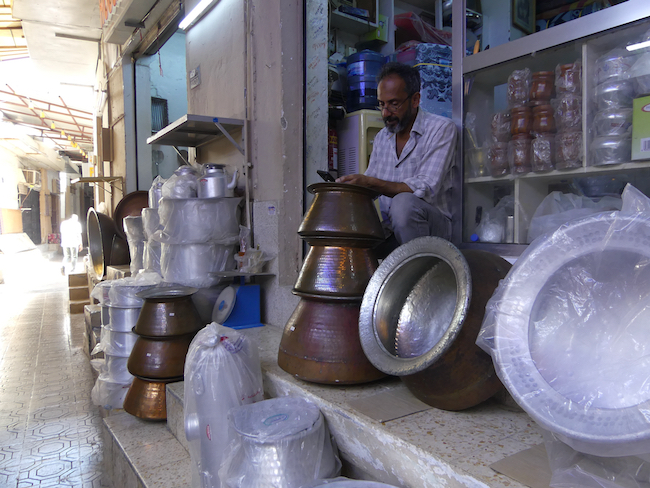
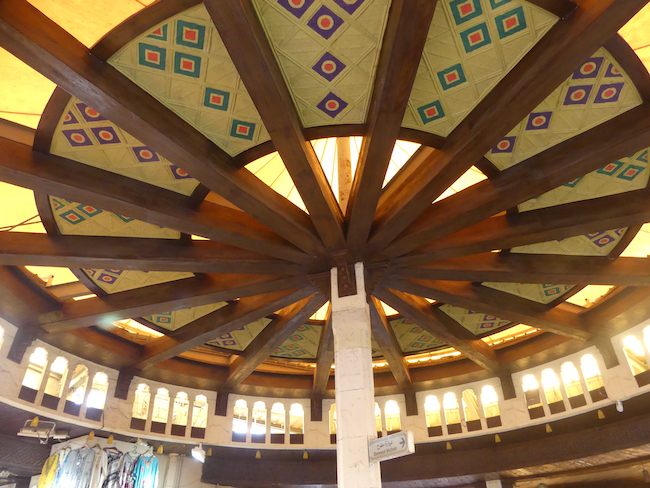
This man was so kind. He had just bought some freshly cooked Felafel, and AdventureMan asked him how much they were. He immediately went and bought some for AM, and refused to take any money for them. They were delicious. Of course, we bought from his shop.

We keep to the smaller back streets at first, and I look longingly in the beautiful gold souks, remembering days of long ago when I would admire, but know that nothing I was seeing (mostly bridal and dowry jewelry) would be anything I could wear in my life.
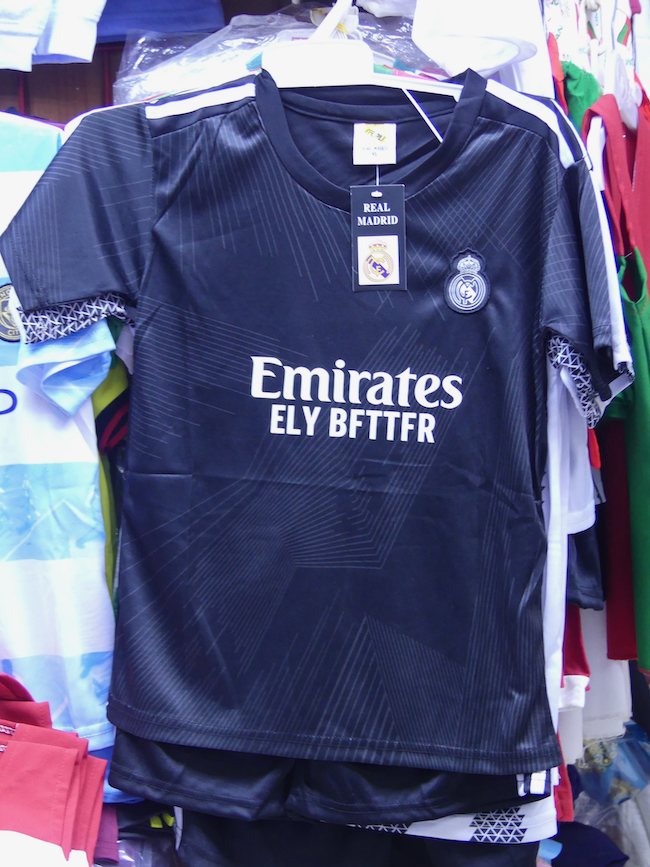


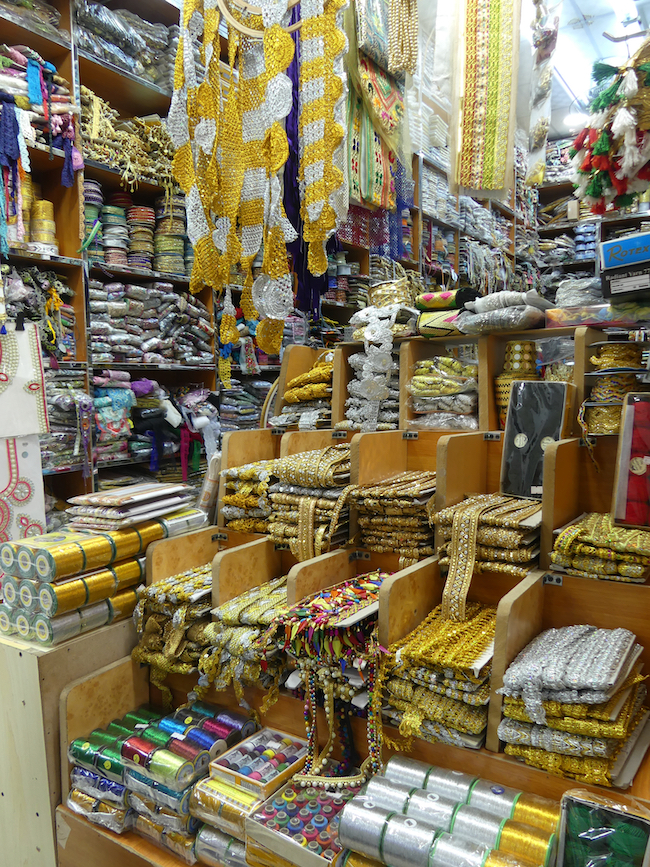
We also saw fabric shops and notions shops which made me drool, and I had to stop to admire – but not to buy. I know where my granddaughter gets her love for glitz – the gold trim dazzles me, but I have nowhere to wear it.


We wander around, nothing looks that familiar, and then suddenly, it does. We shop the back streets for perfume bottles, scarves/shawls for gifts, and something for the postman – we find him an Oman snow globe. We stop for drinks, in a central, shady restaurant where I have pomegranate juice and AM has strawberry – delicious and refreshing.

And it is HOT. We have been thinking it would be hot once we hit Haifa but were lucky to have cooler weather through Haifa and Luxor. Even at sea in the Red Sea, it has been comfortable. It didn’t get HOT until today.

The souks begin to fill up; the tour buses have finished their trips and are dropping the riders at the souks.

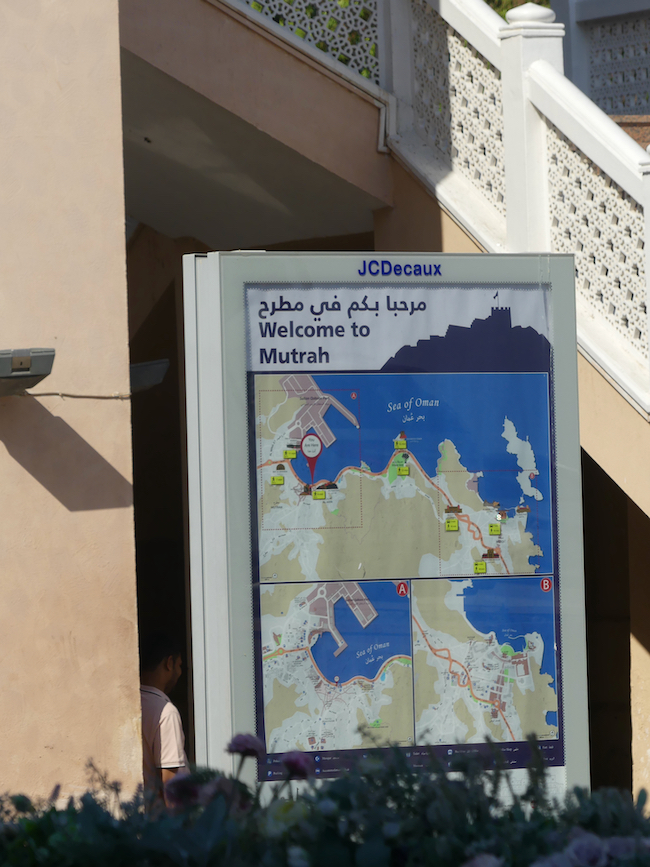


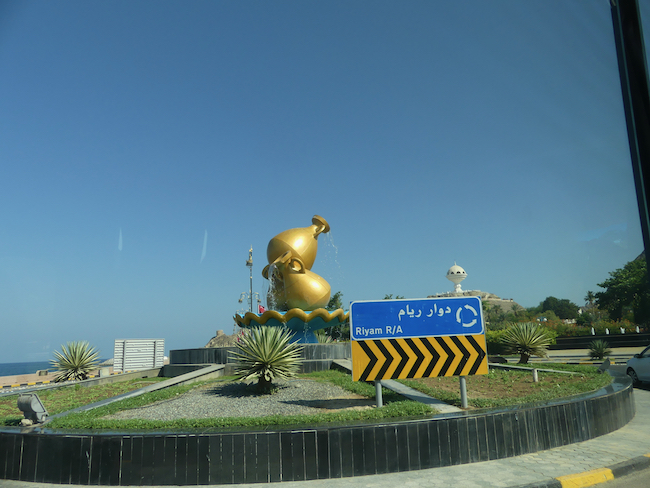

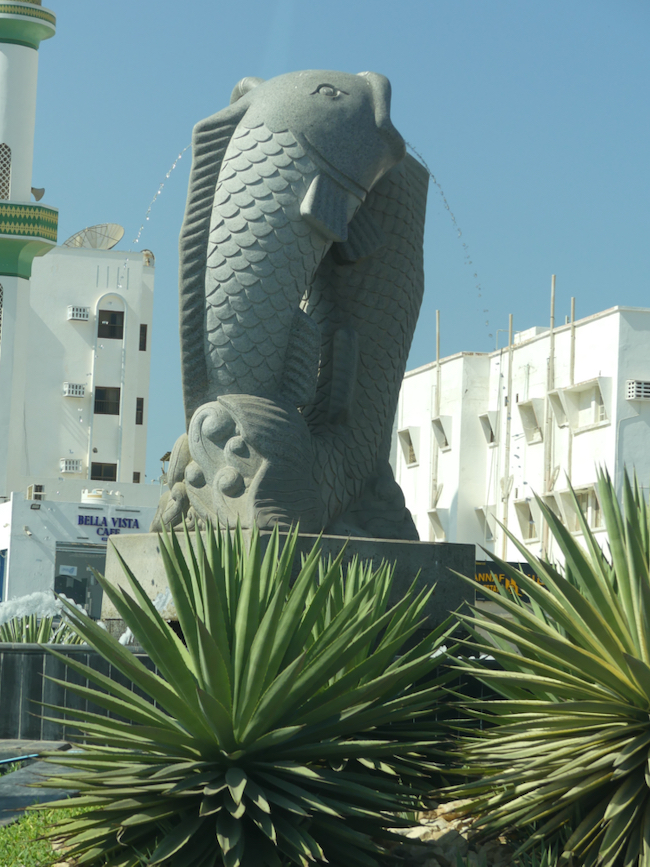

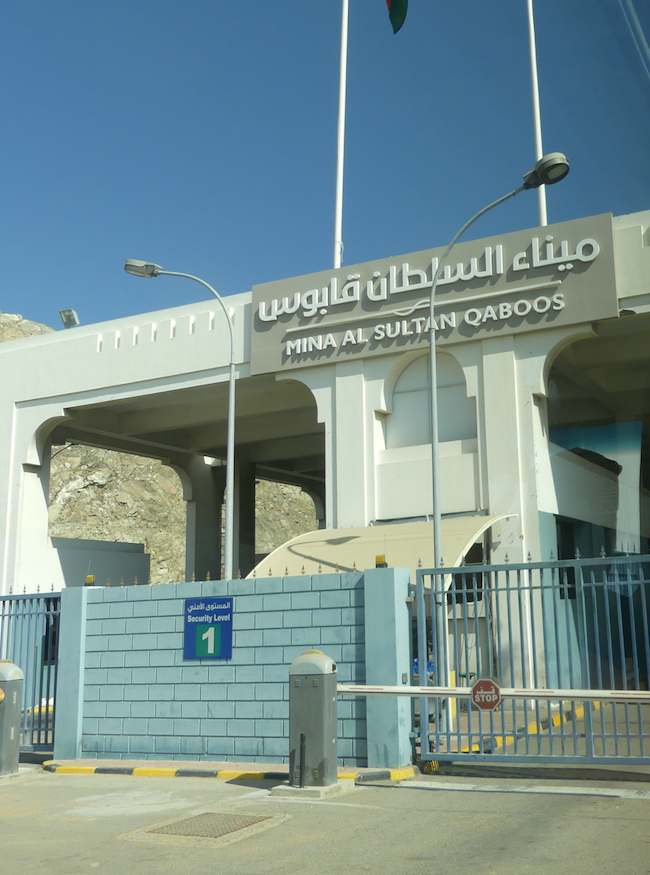
We were actually back on the boat by noon – the souks are just minutes away – and there was another fish soup for lunch. It tasted a lot like the bouillabaisse but was a zarzuela. After lunch, we hit the spa. We lay out on the divans for a short while but it was HOT. The Nautica departs at four.
Tomorrow we will arrive in Dubai, but not until noon or so, and then we have a trip to Sharjah, a small emirate that I have never seen. Then we have dinner and make sure our bags are packed and ready to go because our next stop is Abu Dhabi and disembarkation, which they say is very uncomplicated.
AdventureMan is restless, we go up for tea and to watch the ship depart. Joined by friends from England, we chatted about our day in Muscat. As we chatted, dolphins swam back and forth across the wake in the back of the boat.

Back in the cabin, at sunset, Ashok brought appetizers – egg rolls and two scones. We’ve been eating all day – lightly – but we will save the scones for dessert.

Armed Guards On Board!
I have a friend currently traveling a similar route to the trip we took, only in reverse, going from Dubai to Athens through the Suez Canal. Today, when I checked his ship’s location, I saw this:

Recent Comments
ExpatAlien on What Country am I Living … intlxpatr on Yellowstone: Old Faithful to C… Michelle on Yellowstone: Old Faithful to C… Cathy on No Grown-Ups in Charge intlxpatr on Waiting for Snow Wikipedia Donate Button

Amazina


Early Voting in Florida


 Here There and Everywhere