Slow Cooker Cassoulet
When I first saw this recipe on allrecipes.com I thought “this isn’t right! Where’s all the fat?” Cassoulets we have eaten in the high plateau central southwest part of France had duck in them, and goose fat, and some mutton, maybe a little pork. They have elaborate rituals, where you boil it in a large enamel pot for hours, then bake it, pulling it out now and then to break and stir in the crust that forms, baking again, breaking the crust, for hours. Cassoulet is a ritual, not just a dish.
But I saved the recipe, because our son and daughter-in-law have gotten us intrigued with slow cooker cooking, and this week, I gave it a try:
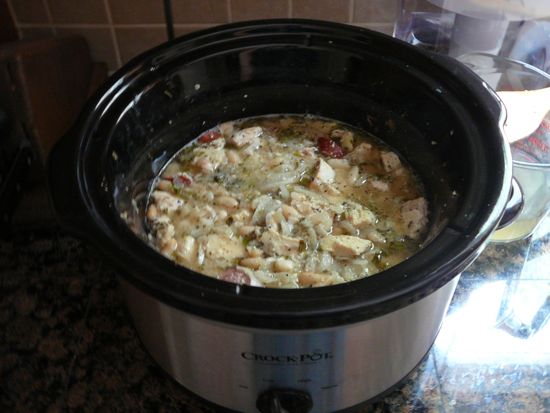
The hardest part of this recipe is finding cannelini beans. After I finally found dried beans (at the Four Winds International Grocery at 9th and Creighton) I actually found canned cannelini at WalMart. (I know! Whoda thunk?) I wanted to go ahead and try it with the dried beans, so I soaked them overnight, cooked them, and then went ahead with the following recipe:
Cassoulet Slow Cooker
• 2 pounds skinless, boneless chicken breast halves, cut into chunks
• 1 onion, quartered and thinly sliced
• 2 large cloves garlic, minced
• 1/4 cup chopped fresh parsley
• 1/2 teaspoon salt
• 1/4 teaspoon black pepper
• 2 (15 ounce) cans cannellini beans, drained and rinsed
• 1 pound turkey kielbasa, cut into 1/2-inch slices
• 1/3 cup dry white wine
Directions
Place the chicken into the bottom of a slow cooker.
Stir together the onion, garlic, parsley, salt, pepper, cannellini beans, and turkey kielbasa in a large bowl. Pour the mixture over the chicken in the slow cooker, and pour the wine over all the ingredients.
Cover, set the cooker to Low, and cook until the chicken is very tender and the cassoulet is thickened, 5 to 6 hours.
This recipe perfumed the house with rich aromas. We could hardly wait to eat. Such simple ingredients, so easy to fix! Toward the end, I had to add a little more wine and I also added about a teaspoon of Herbes de Provence. If you live in Kuwait or Qatar, or don’t use alcohol in your cooking, you can substitute chicken broth for the wine, or an unsweet grape juice, or one of the non-alcoholic wines available in some supermarkets.
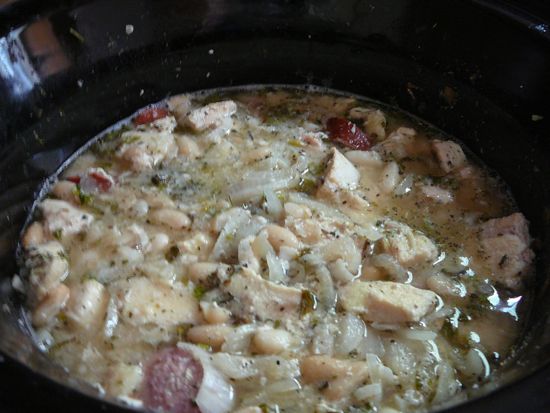
Here’s how it looked close up, shortly before serving. 🙂 Hope you try it, hope you like it. 🙂
What Matters?
For twelve years, most of my life prior to 1998 was in storage. When we first headed to Saudi Arabia together, then back to Germany for several years, then to the Gulf for several more, we had thought it would be just a few years . . . actually, we didn’t think of any time, we just never expected to pack almost everything we owned for that long.
As we were awaiting our shipment from storage, AdventureMan asked me what mattered most. In the greater scheme of things, what matters most isn’t coming out of storage. What matters most is the lives who have connected with mine over the many years.
But there are a couple things I wanted to see again.
First, when we married, we started saving for our first trip to Africa. We didn’t eat meat. We didn’t go to movies. We saved, and a little after we had been married for a year, we went to Kenya and Tanzania for a month, three weeks on safari and then a week on the beach at a marine reserve, where we could snorkle. During that time, we saved every penny, but out of his lunch money, AdventureMan saved enough to buy me this little candleabra, which I cherish. He bicycled to the shop to pay the $25 per month until it was paid for. It was a total surprise, one of the best surprises I have ever had in my life. I wanted to see it again:

Also during that first year, we were looking for wedding china. We had met and married. We hadn’t gone through a long process, just made a decision and followed through. It seemed so sensible to us at the time. Then we had lots of time to search for just the right china.
It took us forever. We would ‘kind of’ like one or two, but not enough to buy it. Then, one day at the Heidelberg Officer’s Club, we found it. We visited it again three months later, and found we liked it just as much, even more. We also had an income tax refund, so we made our first major purchase together, and, after all these years, we still love it:
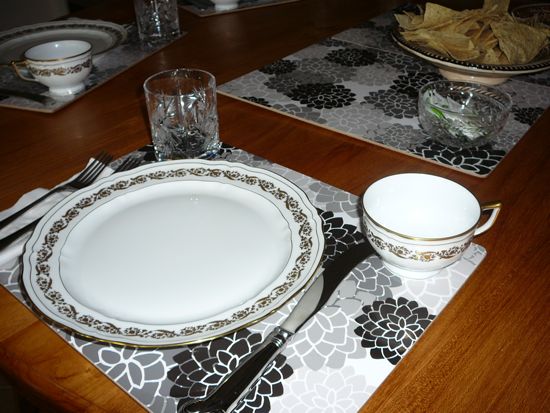
It is simple, white, with a little encrustation, and – to us – still as beautiful as the day we bought it. It is made by Reynaud, an old porcelain manufacturer in Limoges, but they were bought out several years ago by Cerelene, and now this pattern, Cheverny, is no longer made. I am registered on several replacement sites, but not a single piece has appeared in all the years I have been registered. One year in Germany, just before we left, we bought four more plates and coffee cups, but the replacements are not the same. The china was thicker, not so refined as the original. And then they stopped making it altogether.
Every piece arrived intact. We have a couple chips – we’ve had the china around 36 years, so a broken piece here and there, a chip from time to time – it’s hard to avoid.
We also have an Ethiopian cross, and some very old cookbooks and etiquette books I have collected – I was happy to see them again, along with some French hunting ducks I found once in the Metz flea market. 🙂 Old friends. By the grace of God, we have come through these 12 long years with only a few chips ourselves, nothing broken, and nothing of great importance missing.
AdventureMan Loves Magnolia
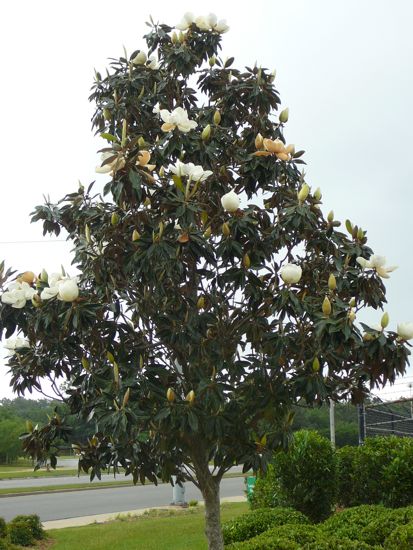
I was oblivious. I didn’t even know what a magnolia tree looked like. But AdventureMan grew up in the South, and he has been pointing them out ever since we got here. We watched them as they formed their buds. And now – magnolias are blooming all over Pensacola!

Grafitti Bridge
Grafitti Bridge turned purple last week. The Run for Life (Cancer Survivors) had painted it purple and then had to put guards on it because the Oil Spill protesters wanted to paint it black.

You know how there are the rules, and then there are the way rules are enforced – or not? Grafitti is discouraged in Pensacola, but Grafitti bridge – a train bridge – is kind of exempt. The informal rule is that as long as the police don’t actually SEE you painting on the bridge, they won’t bother tracking you down. So the adventure is to do it in the middle of the night, with someone keeping watch so you don’t get caught in the act.
Pocket Park with a View
As we were winding our way home from lunch, we came across a tiny parking area – two cars worth – and a pocket park with a view to die for.
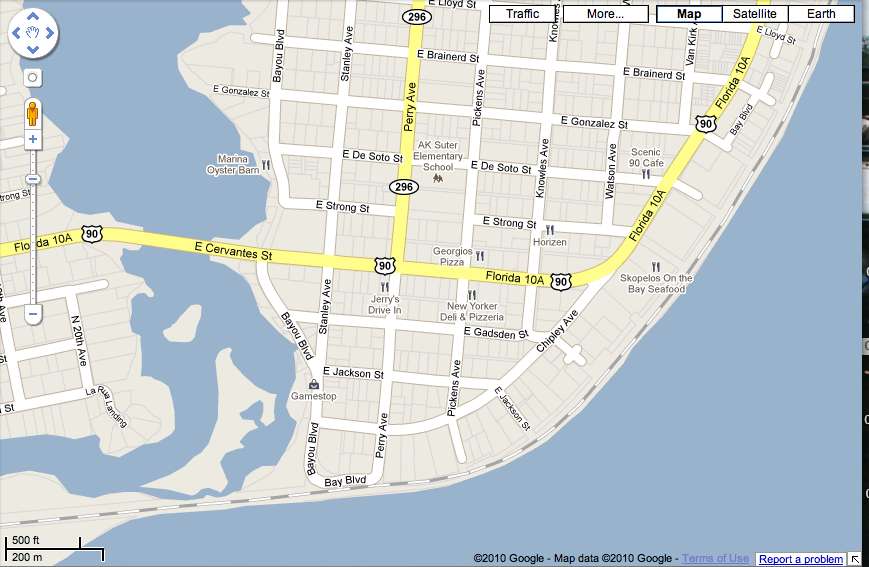
The park is about where it says Chipley Avenue, and has a view of the Garcon Point bridge; a perfect place to watch the sun rise, if you are a sunrise person, which . . .I am!


The park was donated by a gift from a woman who is memorialized in a tiny plaque in the park:
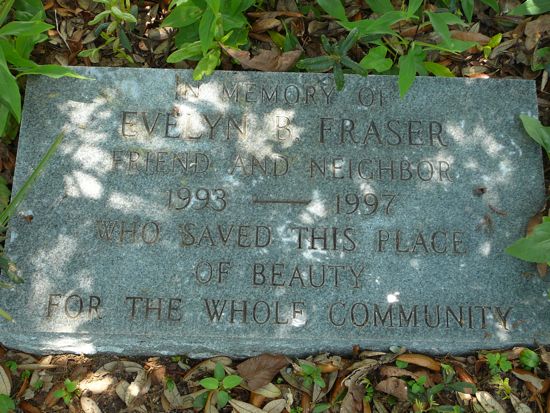
Isn’t that a beautiful legacy to leave behind when you depart this world?
The Mediterranean Plus In Pensacola
Woooo HOOOOOO on YOU, AdventureMan, you were RIGHT! (He always looks for his name, so might as well put it right up front for him 😉 )
We had visited an international grocery store to look for some particular spices, and AdventureMan spotted the Mediterranean Plus just around the corner. We thought they might be related . . . both have felafel and other “Mediterranean” specialties we have come to associate with the Middle East – hummus, tabouli, baba ghannoush, fattoush . . .
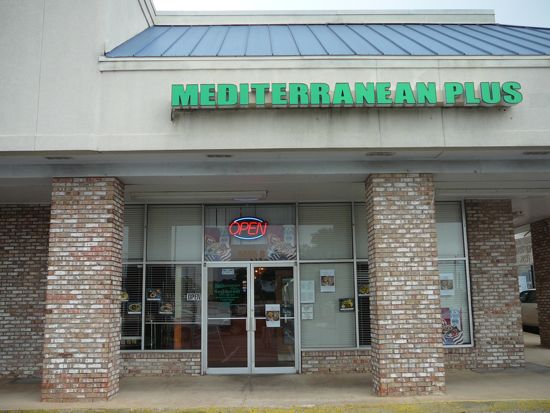
As we walked in, we knew we had come to the right place:

The menu was to die for – almost all the things we love. The owner is Jordanian, and, while there is no fattah for my early breakfast 🙂 he has a lot of other wonderful dishes to satisfy our ‘Mediterranean’ cravings. Once again, I apologize. Sometimes when the food shows up, I forget about photos until it is too late. I wish you could have seen this plate when it was prepared, it was beautiful. Even better, the baba ghannoush is lush and smokey, as good as any I have ever had in Kuwait and Qatar. The tabouli was just exactly right, the right blend of parsley and bulgar, exactly the right amount of lemon. Mumtaz.

I have been on a mission. I have a good friend who is down to the last of some Kuwait biriyani spices I had brought back as a guest gift a while back, and I was hoping to find more. I found biriyani spice AND I found Lebanese olive oil. I laughed when I saw Vimto:

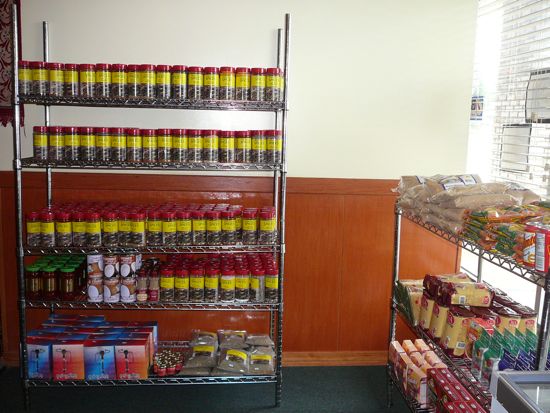

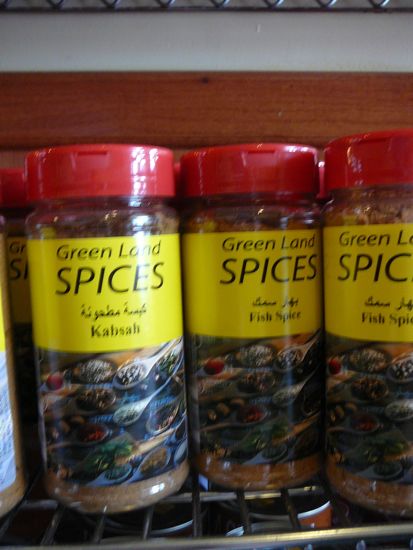


As AdventureMan talked with the owner, he discovered we actually had been in the restaurant before, in its previous location on Cervantes. This location has a lot more space for diners and for parking. We are thrilled to find it – the food is GOOD!
Mediterranean Plus
6895 N 9th Ave
Pensacola
850 469 9225
My Newest Friends
Welcome! Welcome!

We ordered the washer and dryer almost a month ago, but because of a huge energy star promotion, there was a backlog, and it took forever to get them.
In the meantime, our household goods from storage – 12 years of storage – arrived, and almost everything we are keeping needs to be cleaned.
We had two old featherbeds from the former East Germany that had a little mildew on them. I almost threw them away, but I thought since I am going to throw them away, I might as well see if they could be saved. I put them in (one at a time; they are each too big to be put in together) on a cycle called “sanitize” and then dried them on high and . . . they came out perfect! Wooo HOOOO!
As you can see, even though I have done many loads, I still have a ways to go:

No, not the brass pot; it is not going in the washer. It needs to have a handle put back on, so it is waiting there with other low-priority projects for me to get around to it. 🙂 Isn’t this a great laundry room?
Stamping Our Hunger
We are still getting used to a lot of things about living once again in our own country, but one thing we know we love is the open hearted spirit of giving in the USA. Every week people are raising funds to help those in need, or to raise awareness of a health issue, etc.
This week, on Saturday, the mail carriers sponsored a food drive for the local food pantry. Early in the week, they delivered flyers and a sack to each house on their route, asking us for donations of food to be placed on the doorsteps on Saturday. They even mentioned foods and items most needed, so it was easy.
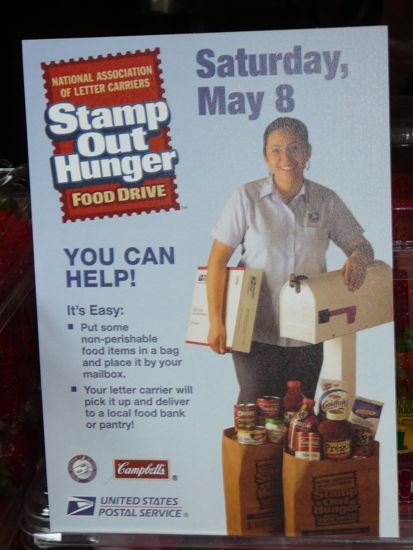
What I cannot imagine is how they got all the donations into one mail truck. I can imagine it was enormously successful. When I worked in fund raising, the first thing I learned is that people will give generously if you make it easy for them – that’s why when you get a request for donations, you get a form, a self-addressed envelope, and sometimes it even has a stamp on it.
So how much easier does it get than having a bag provided and just filling it? Putting it outside your own door, knowing it will be collected? God bless the men and women who had to trundle all those sacks out to the trucks, and then from the trucks to the food pantry! God bless the work of their hands!
By the way, when you are asked to give, here are some things that people who use food pantries often need:
rice
peanut butter
tuna fish
canned or powdered milk
disposable diapers
canned meats
And something most people don’t think of: dog food, cat food for the family pet
Rogation Days
AdventureMan and I love sleeping in a little on Tuesdays. This whole retirement thing is like being on vacation every day. No one says we HAVE to go to AquaAerobics, but it is such a great class, we want to go. This morning, however, it dawned grey and cloudy, not quite so cool . . . warmer, and more humid. I have my cup of coffee in my quilt room study, and AdventureMan is next door, in his office/study. It’s one reason we bought this house; we can have our own spaces and still be close enough to call back and forth.
As I am reading my morning devotions, I notice this is a “rogation” day. I have seen the term every now and then on the church calendar, but I haven’t a clue what it is, and today (!) I have the leisure to look it up. It is absolutely fascinating. This is from a website on church liturgies, traditions and prayers :
Rogation Days are an old religious custom which is now seldom observed in the Catholic Church, and many Catholics haven’t even heard of them. Episcopal parishes sometimes still observe them, and many people have them on a personal liturgical calendar.
Ok – so what are they?
The word “rogation” come from the Latin rogare, which means “to ask,” and the Rogation Days are four days set apart to bless the fields, and ask for God’s mercy on all of creation. April 25 (coincidentally the Feast of St. Mark) is called the Major Rogation; the three days preceding Ascension Thursday are called the Minor Rogations. On these days, the congregation used to march the boundaries of the parish, blessing every tree and stone, while chanting or reciting a Litany of Mercy, usually a Litany of the Saints. A few still do.
The Rogation Days were first instituted in the 5th Century by Mamertus, bishop of Vienne in France from 461 to 475. During his episcopate, France was in an almost continuous state of near-disaster. The Goths invaded Gaul. There was an enormous amount of disease; there were fires; there were earthquakes; there were attacks of wild animals. As a result, Mamertus spent a great deal of time in prayer, beseeching God to help the stricken community.
One night, when the village was overwhelmed with a fire, he conceived the idea of instituting a annual procession and litany in which the entire community would pray for God’s blessing and protection. He is reported to have said: “We shall pray to God that He will turn away the plagues from us, and preserve us from all ill, from hail and drought, fire and pestilence, and from the fury of our enemies; to give us favorable seasons, that our land may be fertile, good weather and good health, and that we may have peace and tranquility, and obtain pardon for our sins.”
Thus the custom of processing around the entire length of the parish while invoking a Litany of the Saints began. Over the centuries, it became the custom to also use the procession to “beat the bounds” – to mark and establish the boundaries of the parish – while also blessing the trees, stones and fields. In modern times, the actual purpose of “beating the bounds” – to impress the boundaries of the village on everyone’s mind – has ceased to be necessary due to modern surveying techniques, and the practice is largely ceremonial.
The standard practice in the Episcopal Church is to pray for fruitful seasons on Monday, commerce and industry on Tuesday, and stewardship of creation on Wednesday. When currently observed, the practice frequently has an environmental bent.
– Carl Fortunato
Don’t you love the idea of of “beating the bounds?” I think of the Emirs of Qatar and Kuwait, one day a year, followed by a procession of their countrymen and women, blessing every tree and stone and calling on God/Allah to protect their countries. I think how wonderful it would be in our own USA to have these four days a year (there is a major rogation in April to bless the crops, and then three days preceeding Ascension Day for “beating the bounds,” i.e. blessing the country. Imagine if we were all to pray blessings on our country at least three days a year. Uh Oh. Did I mention it is also a time of fasting?

Recent Comments
intlxpatr on Shampoo Ginger tigerbutterya0c5ff1d… on Shampoo Ginger intlxpatr on British Soldier Kidnapped, Esc… John on British Soldier Kidnapped, Esc… intlxpatr on British Soldier Kidnapped, Esc… Wikipedia Donate Button

Amazina


Early Voting in Florida


 Here There and Everywhere