British Isles: Kirkwall, Scara Brae – The Best Day of Our Trip?
We think this day was the best day of our trip. We think every day of this trip has been stellar, above expectations, because we expected both heat and rain, and have had neither. We have had glorious days and breathtaking experiences, and today was the best of the best.

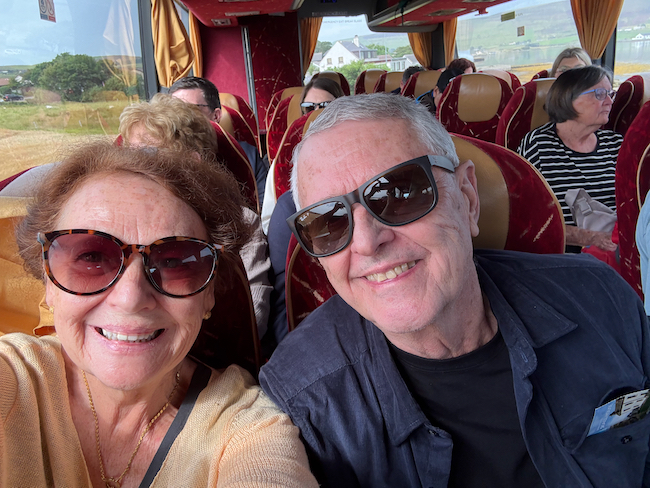
Thank you, AdventureMan, for helping me out with photos. I wish I had more.
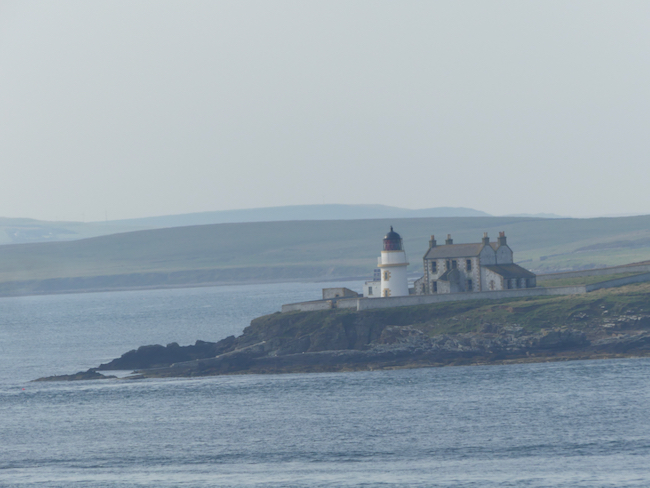
We wanted to see two major geographical locations coming to Kirkwall, and we got to see them, and more.
One was Scapa Flow, a huge inland harbor, one of the largest inland harbors in the world. Vikings used it as a natural harbor for centuries. The British kept a fleet there in WWI, and the Germans scuttled their ships there after WWI rather than surrender the ships to the British.
A German U-boat came in after 1939 and sunk the Royal Oak, a British battleship, and over 800 people perished. Among them were 16 year old boys working on the ships with the Navy, causing such outrage in Britain that they no longer recruited 16 year olds.
For the British, the Scapa Flow is a memorial on the level of Pearl Harbor for the Americans. It’s a protected area.
Continuing on, we were able to see the Stone Circles of Brodgar and Stromness, These huge circles of stone pre-date Stonehenge by centuries.
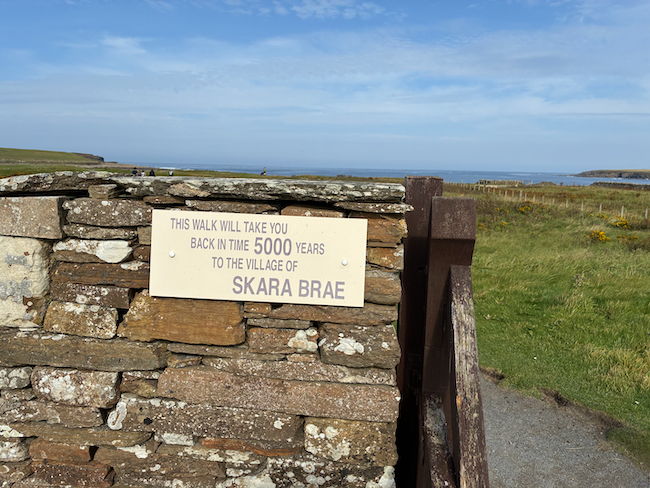
And then we reach our goal, Scara Brae.
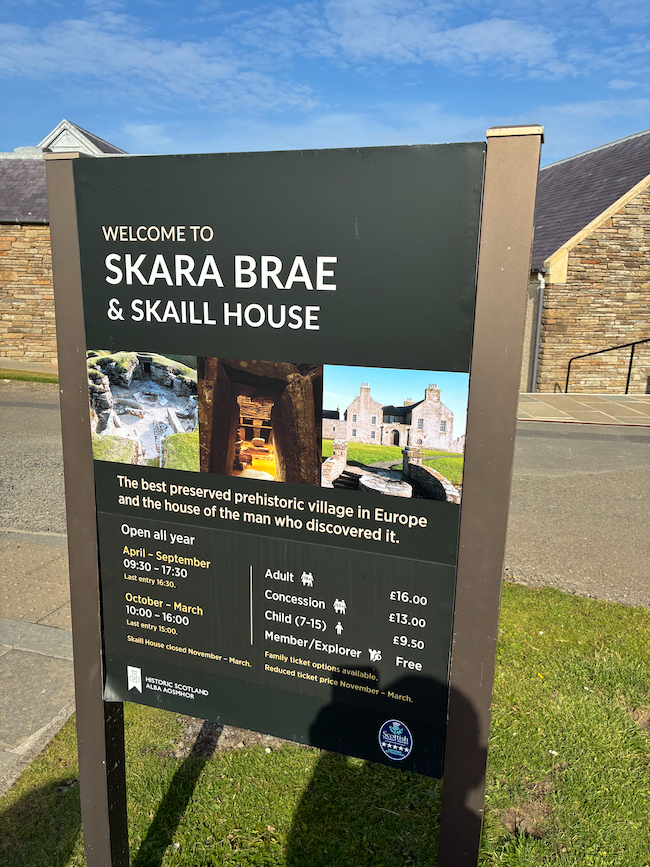
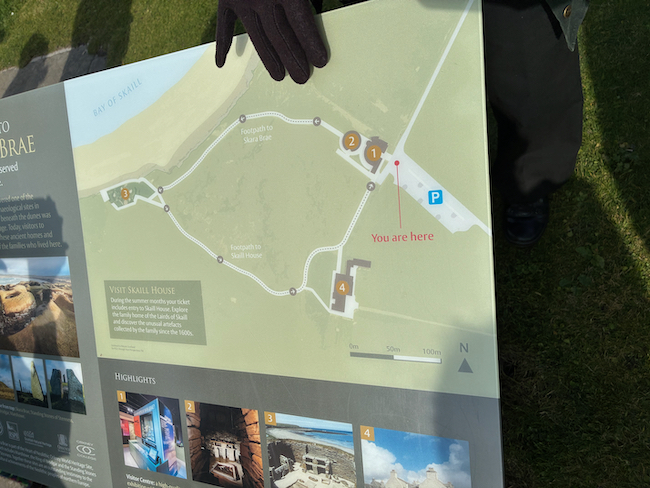
Scara Brae was discovered by accident when a huge storm uncovered stone dwellings buried by sand and soil, which were beginning to erode away. The dwellings are over 5,000 years old, created to shelter from wind and cold, to store goods, and to house families. There are areas created for food preparation, food storage and cooking, areas for sleeping, and a special area for crafting items like pottery and tools to make life easier.
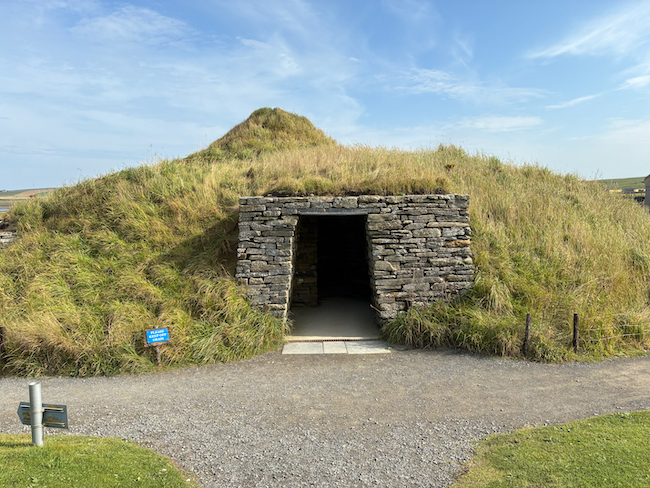
Many people today think we are smarter than earlier man, but when I look at the smart things these people created to make their lives livable, I believe they were every bit as smart as we are, and in some ways, smarter.
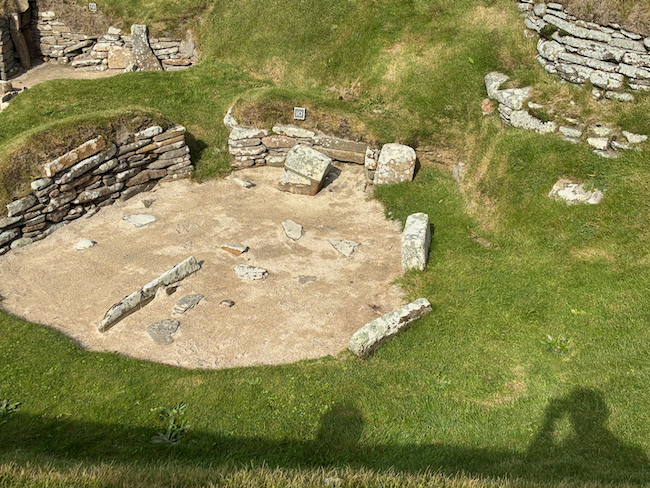
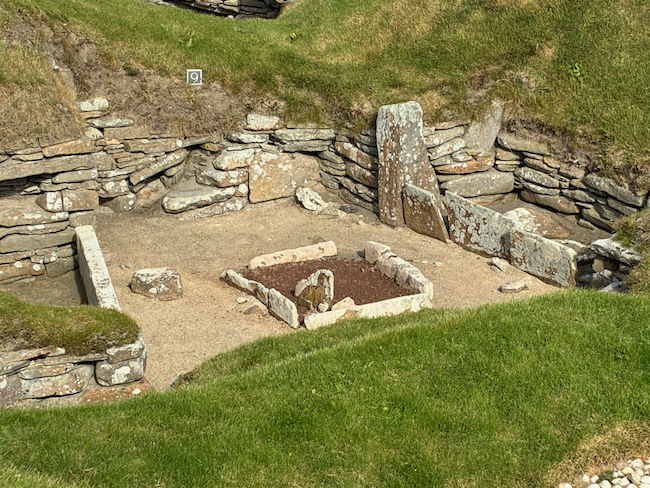
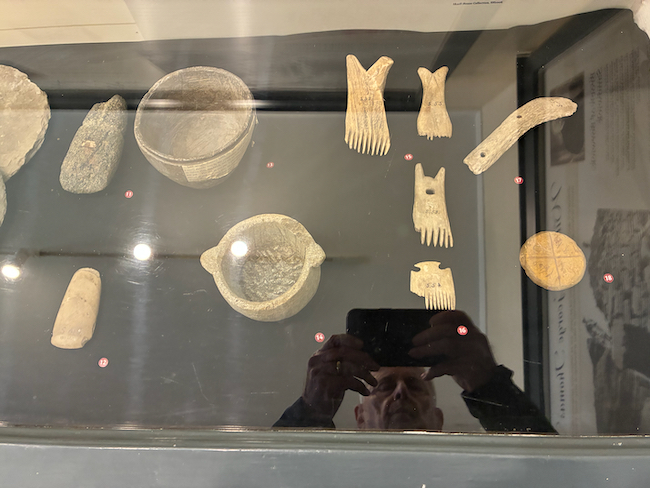
Look how closely these stones fit together to keep the earth out of their houses, fitted without mortar. Our archaeologist guide tells us there is no way to date a stone wall like this, that the inhabitants of the Orkneys build their walls the same way to this day, only now they also use mortar. Traditionally, they will put pointy flat stones on top, vertically, to discourage sheep and cattle from trying to get in (or out). In the museum there are artifacts – combs, needles, tools – which help date the findings.
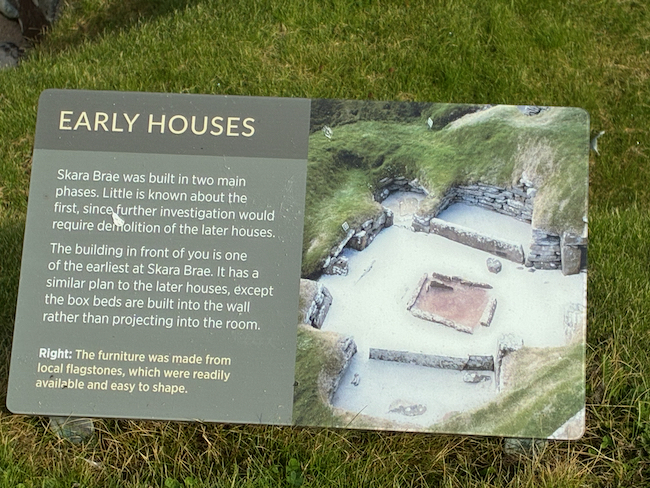
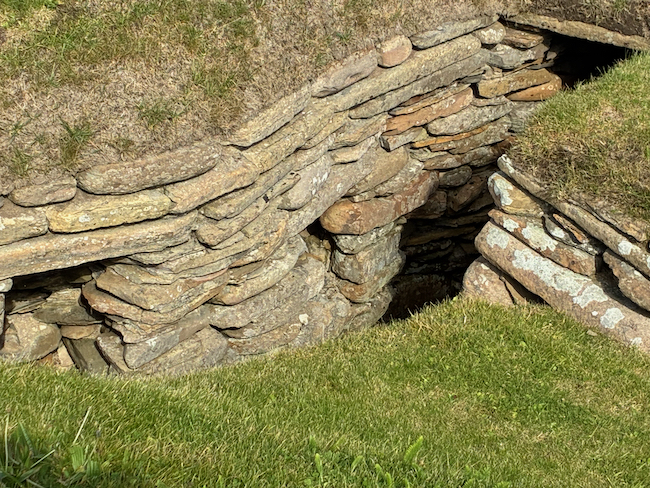
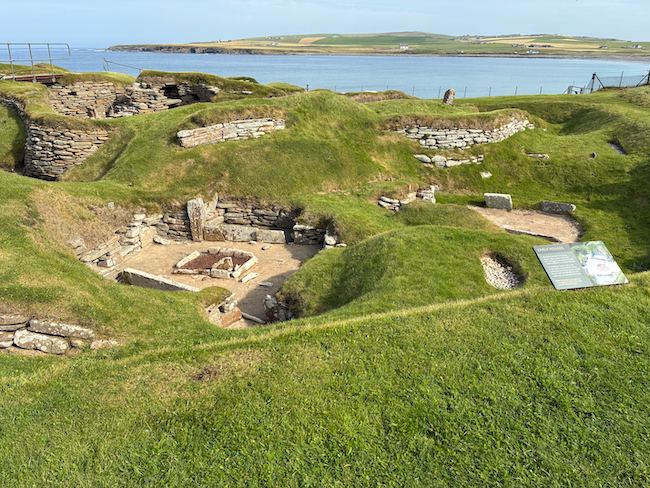
It is a beautiful location, by the sea. It was a thrilling visit.
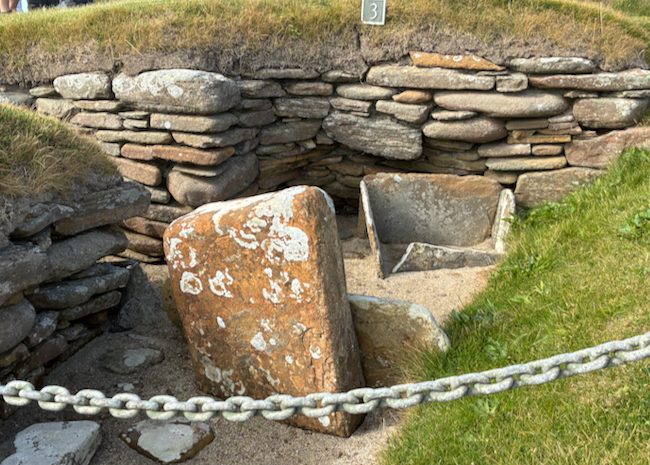

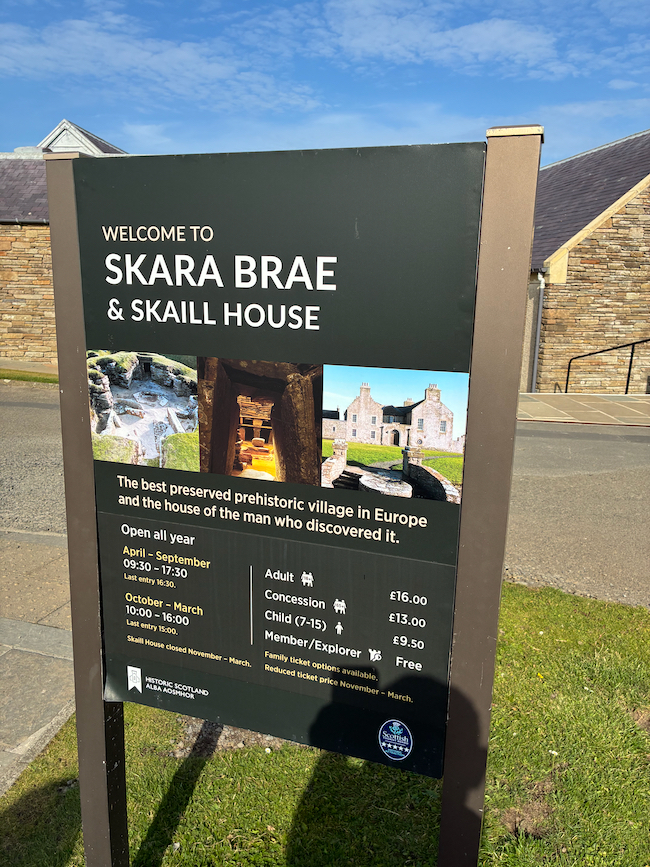
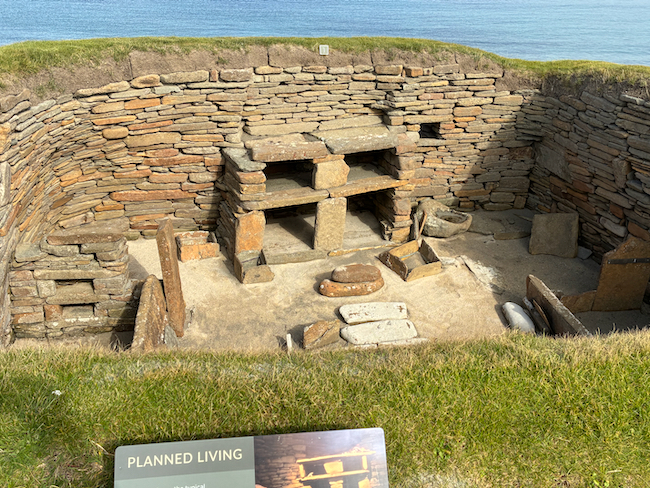
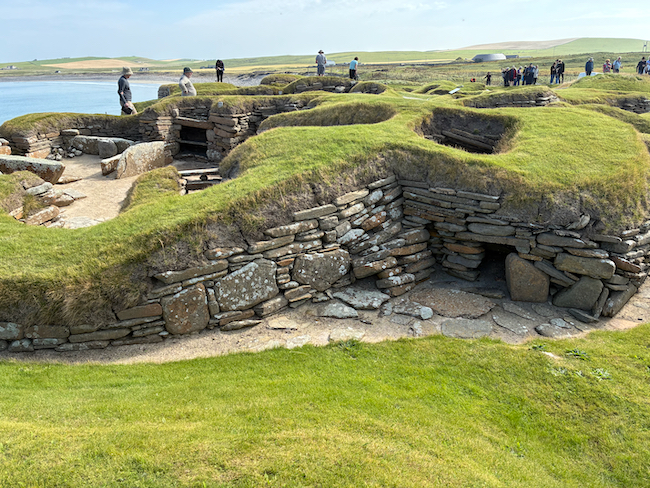
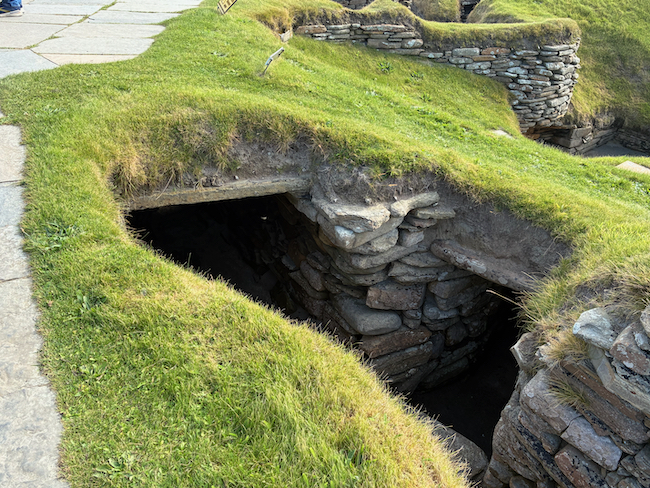
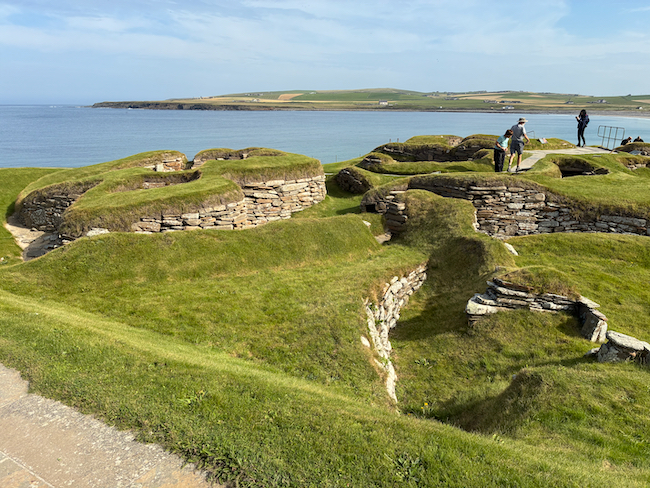
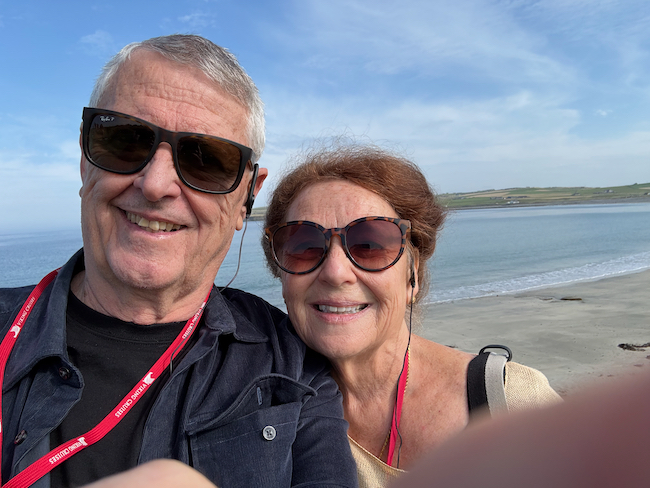

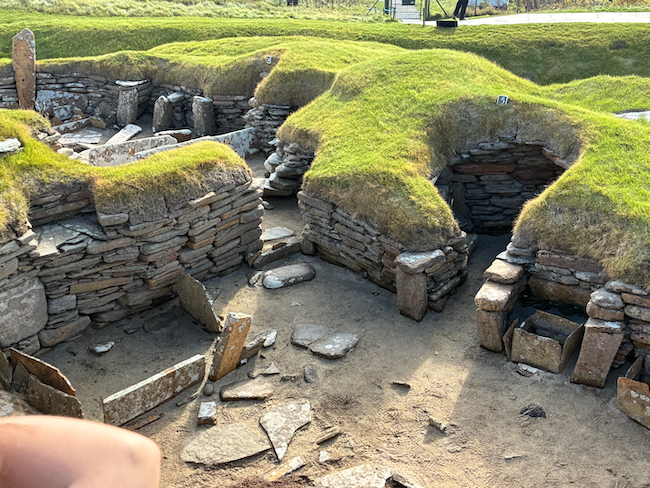
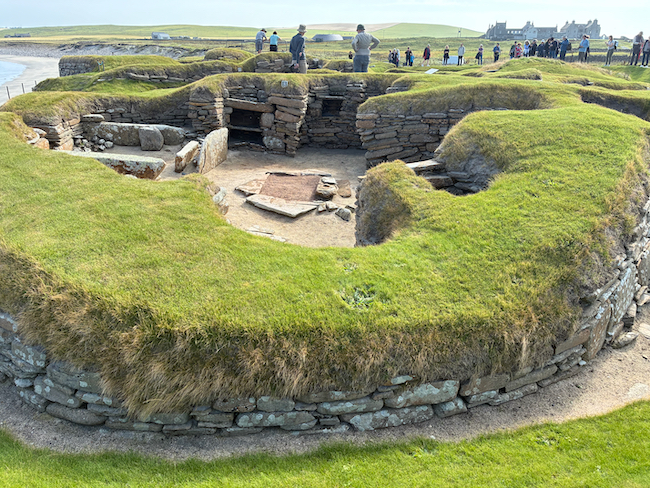

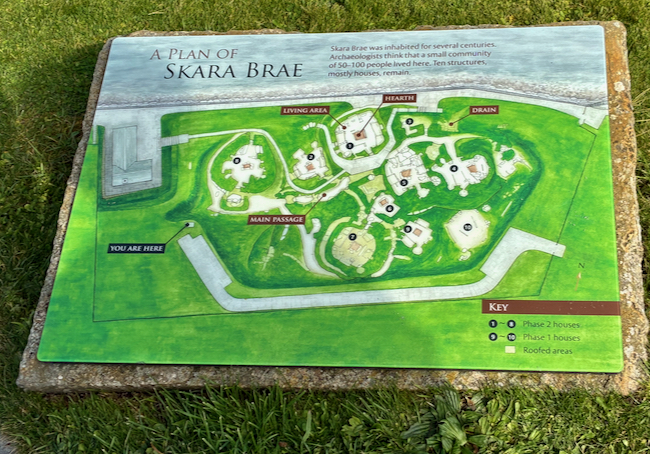
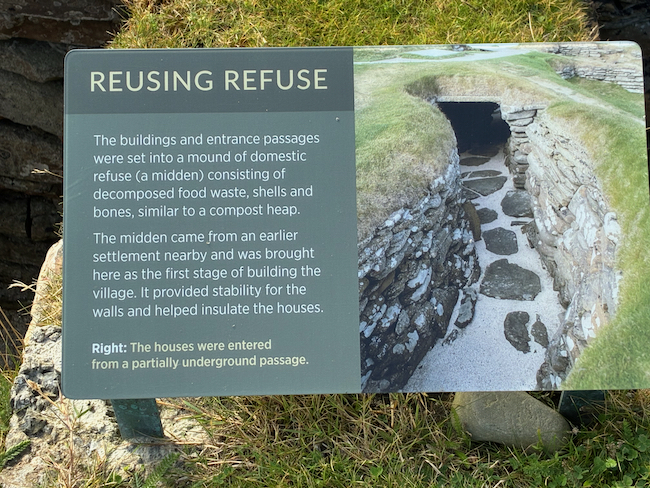
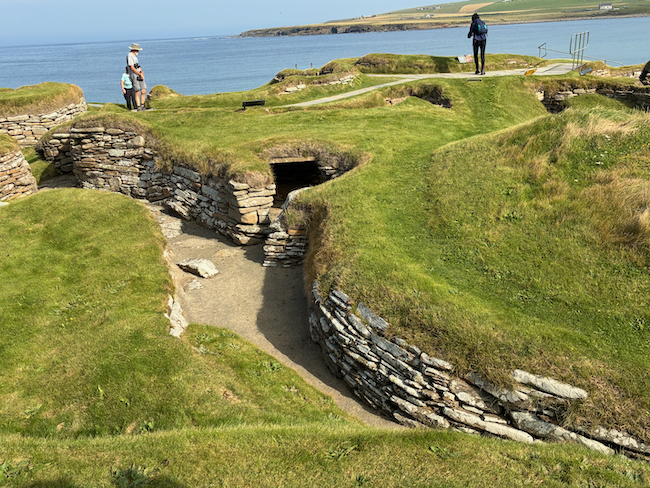
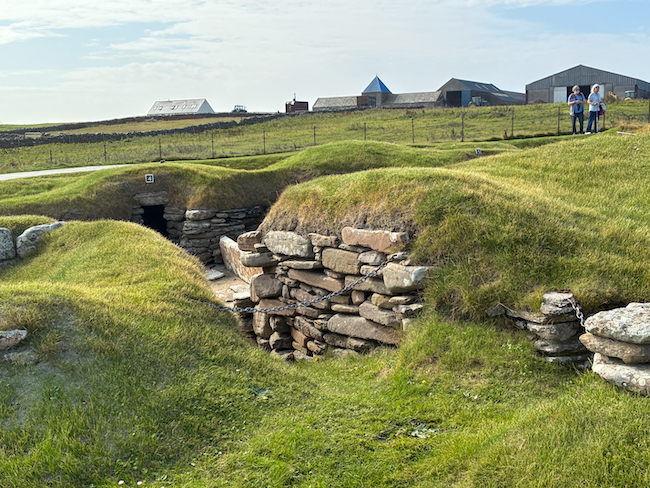
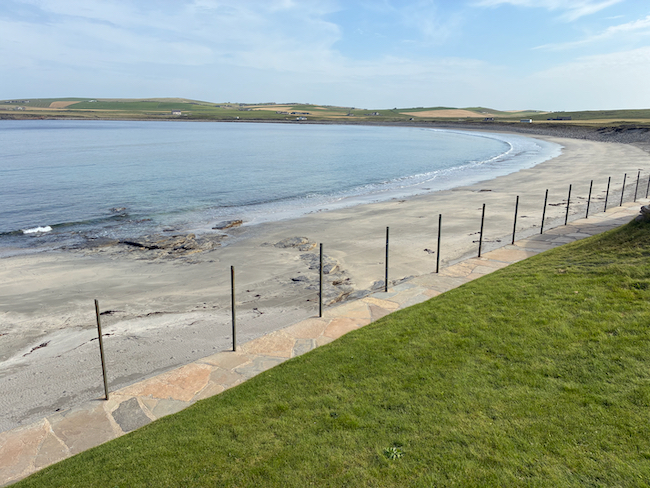

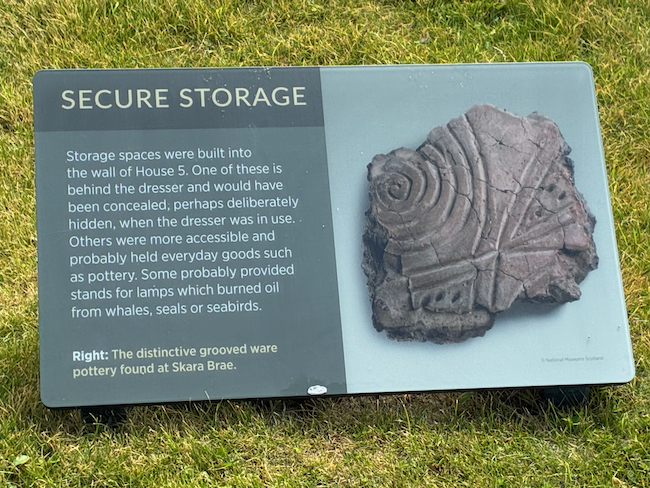


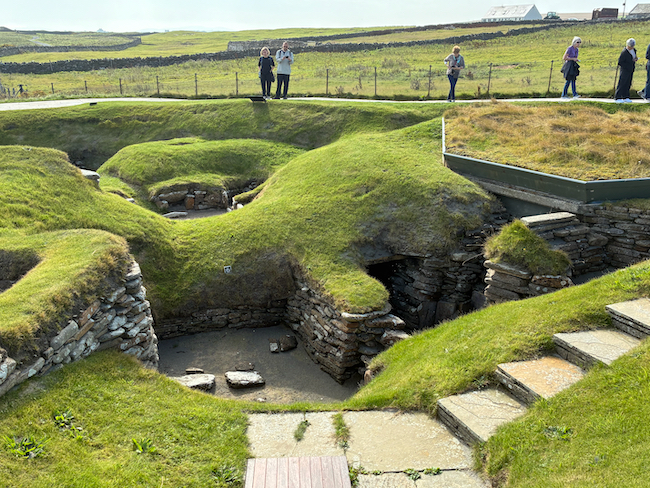
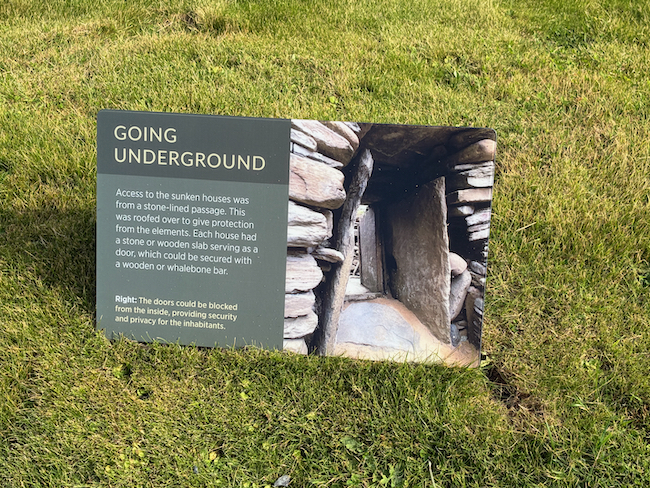
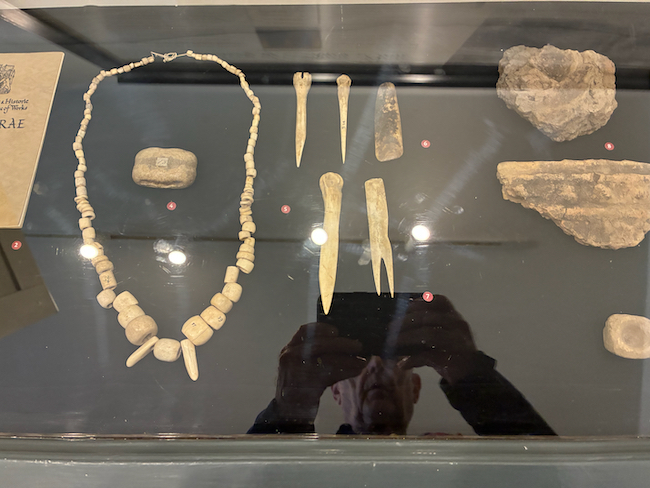


”Graham Watt, the 7th Laird of Breckness, who unearthed the world famous neolithic of Skara Brae in 1850 put in a seawall to forestall further erosion and archaeological experts have excavated several of the houses, although more exist still underground.” (I believe this quote came from a Scara Brae booklet, but I am not sure. 🤔)
On the way back, our bus drives slowly by a series of Neolithic marvels, the Stones of Stenness, the Ring of Brodgar and the tomb at Maeshowe. The bus isn’t allowed to stop because separate bus tours go to those sites (bureaucracy is international!)
(For a lot of fun, read Ann Cleeves newest book in the Shetland/Orkneys Inspector Perez series, The Killing Stones. It is better if you read all the Ann Cleeves Shetland series first, but I read this as a standalone and then started reading the Shetland series, and it worked just fine. )
“The Stones of Stenness are part of one of Europe’s richest archeological landscapes—the legacy of a Neolithic society that flourished between 3800 and 2200 B.C., after the introduction of agriculture but before the advent of metal tools. A mile to the northwest, on higher ground, is another mesmerizing assemblage of megaliths in open space: the Ring of Brodgar, a stone circle some three hundred and forty feet in diameter. To the east is the tomb at Maeshowe, where, beneath a grass-covered mound, Stenness-size slabs anchor a thirteen-foot-high chamber with a corbelled roof. Like Stonehenge and other Late Stone Age sites, Maeshowe has a solar alignment: on the midwinter solstice, the setting sun shines down the entrance passage. Together, these monuments, which are part of a UNESCO World Heritage complex called the Heart of Neolithic Orkney, seem to constitute a minimalist holy land.” (Another regrettably unsourced quote.)
Back in Kirkwall, we decided to have lunch and return to the boat later. We found an Italian restaurant and feasted on Caprese Salad; AdventureMan had a specialty Seafood pasta and I had Spaghetti Aglio Oglio. After lunch, we visited St. Magnus Cathedral, one of the oldest churches in the British Isles. There was a community flower show/competition – the sort of event I love. Groups and individuals created lavish floral displays around the church and won prizes for the best in several categories. It was magnificent and the cathedral was full of people! Then, to celebrate, we had ice cream at the famous Daily Scoop.
Kirkwall is a place to which we would happily return. There is so much more to see and learn.
If you think I am amazing because I remember all these details, you will be happy to know that I have forgotten much, but that I kept a daily journal that reminds me of the details of our daily life on board the ship and at our destinations. Honestly, now we have trouble remembering which day we were in which city.
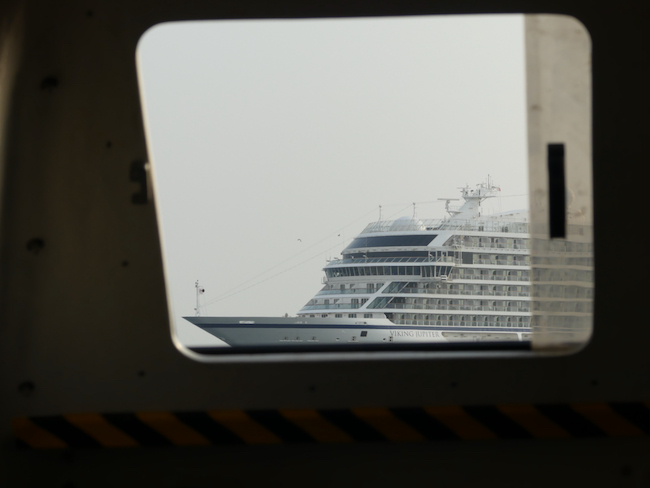
We tendered back to the ship and enjoyed a deeply satisfying nap before meeting up with our friends for dinner.
The food on board Viking Jupiter is fantastic. It’s a great life, being a grown-up, having options. One night we can focus on salads and seafood, another night on soups or Chinese specialties, another night on roasted salmon and sides – we can choose what we want to eat, and we can choose how much. Viking makes little tiny desserts, maybe a quarter cup of chocolate mousse with a meringue star on top, or one small scoop of ice cream – or two very large scoops with toppings, whatever is your pleasure.
When we get back to our room, it is newly cleaned, every night, with fresh towels and clean sheets, all set up for a good night’s sleep.
It’s not like we live like this at home. We cook, we clean, we keep up the yard, we repair the house, we handle our grown-up responsibilities. For just this short time, it is so wonderful to be taken care of.
I have to give full credit to my husband for most of the Scara Brae photos. I also take full responsibility for the fact that there is a jumble of Scara Brae photos in the middle of this post in no order. Somehow they all got grouped and I can’t figure out how to ungroup them. I used to laugh at my elders who struggled with technology, and now karma is biting me in the butt, and once again I am humbled.
British Isles: Belfast and the Days Run Together
I am laughing as I look at these photos, because I remember every day as being sunny. I don’t remember the early morning clouds. It almost always cleared off by noon. I don’t remember any rain, either, but I can see here in Belfast we did get a little rain. I think it happens more often than I would like to think. I would be willing to swear my memory is correct, and – it is not always.
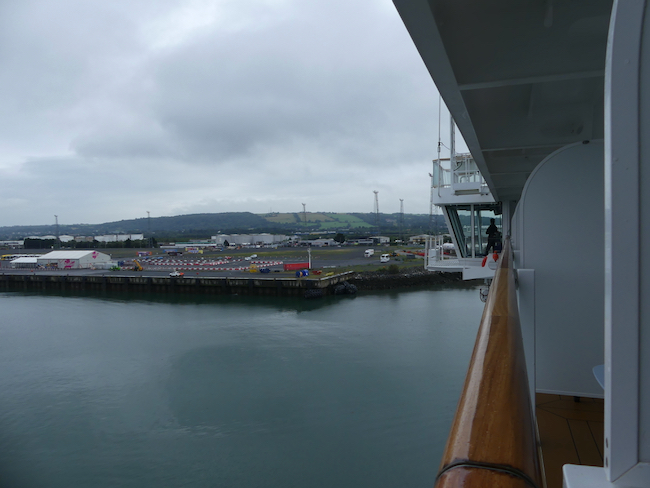
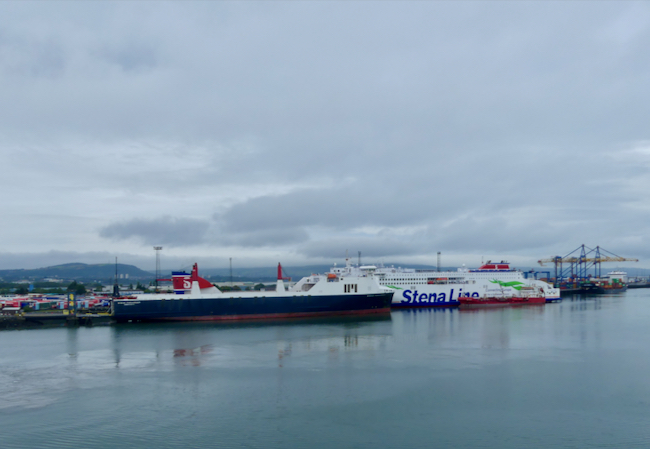
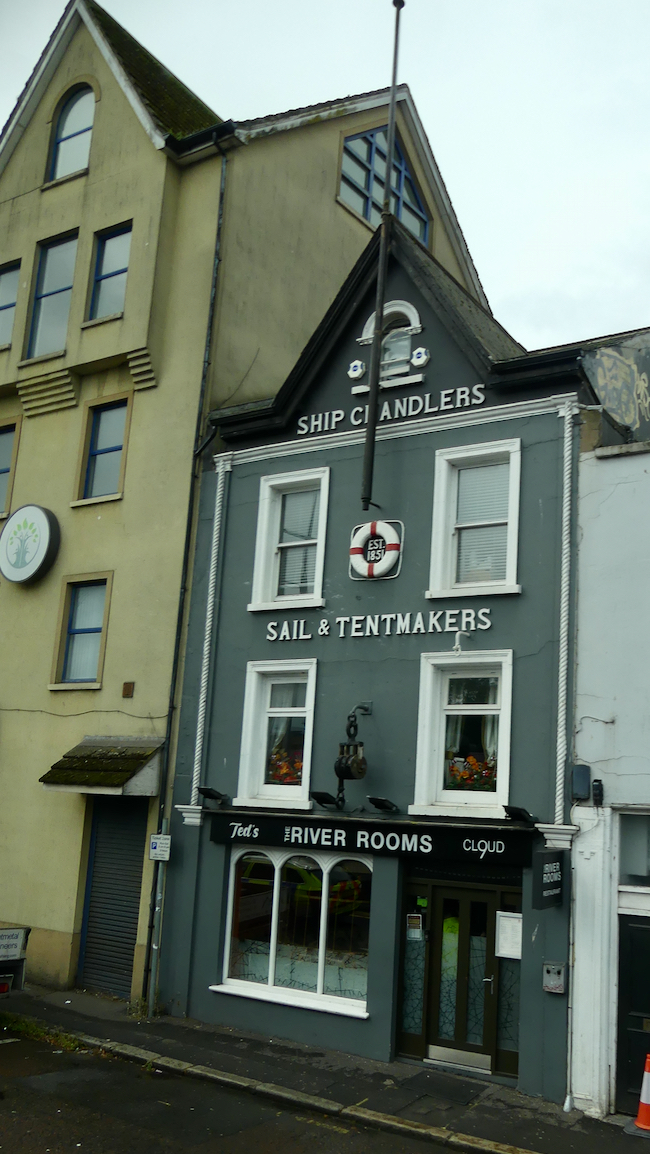
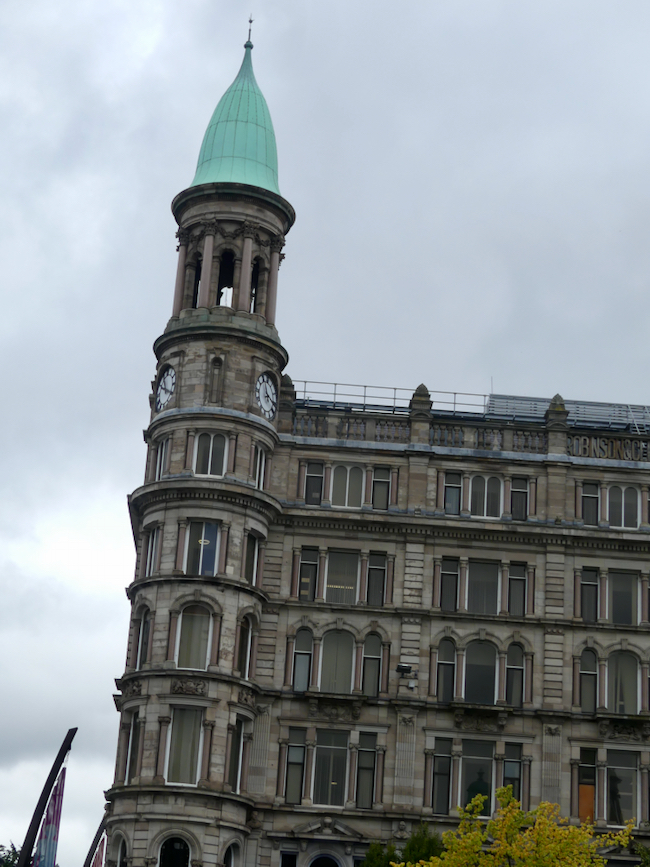
We had anticipated and studied Chester. Belfast caught us by surprise. It looked so drab in all our looks at YouTube videos and trip reports, but it has become a vibrant, future-oriented city and one I could see living in.
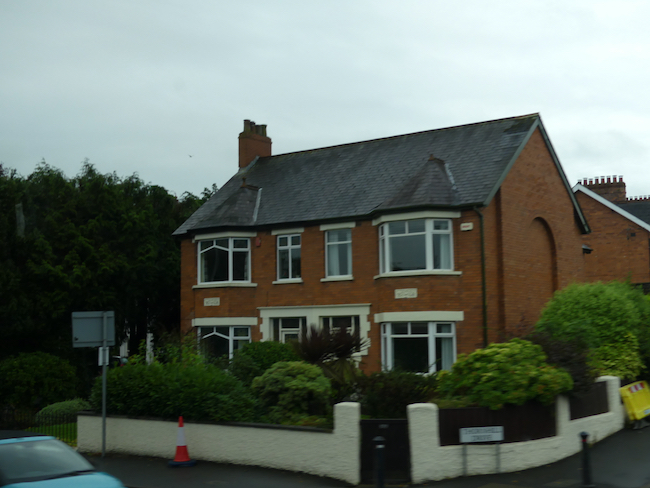
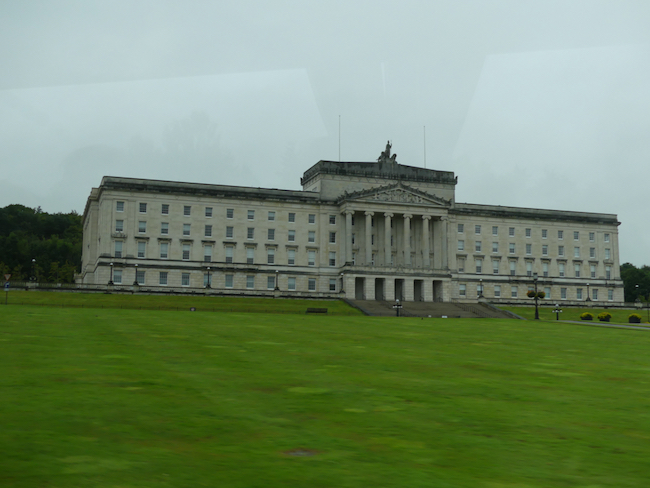

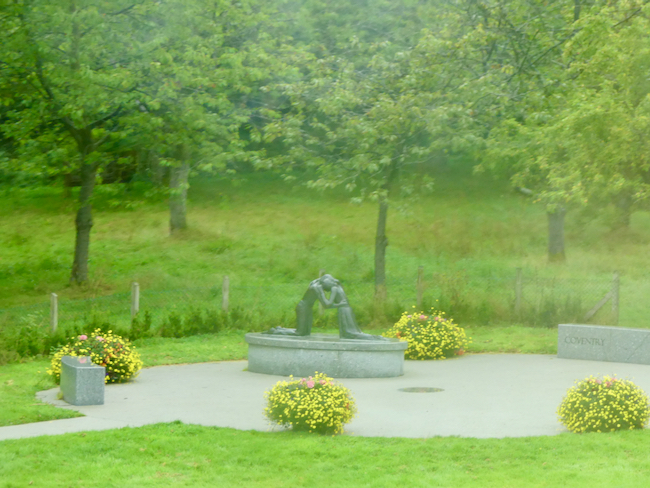
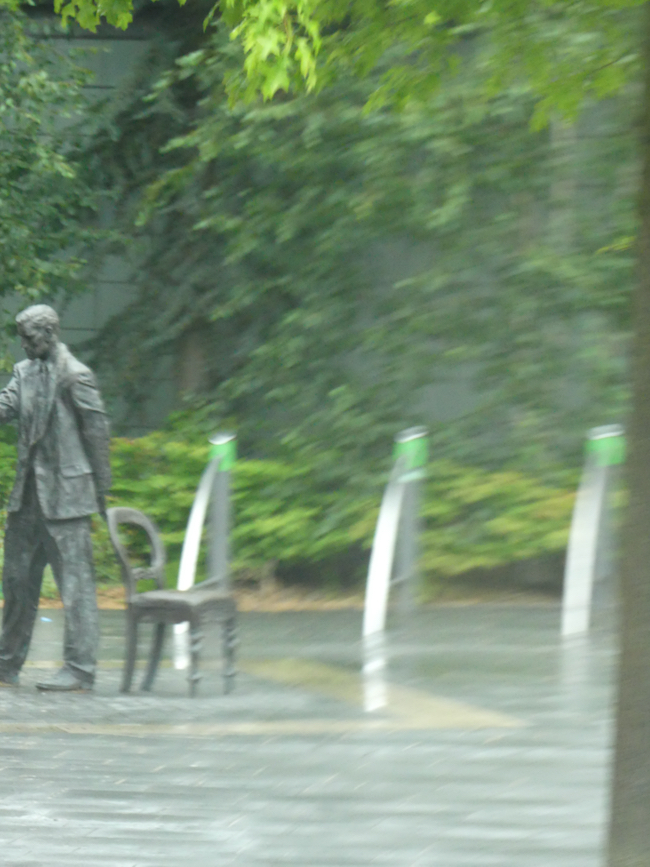
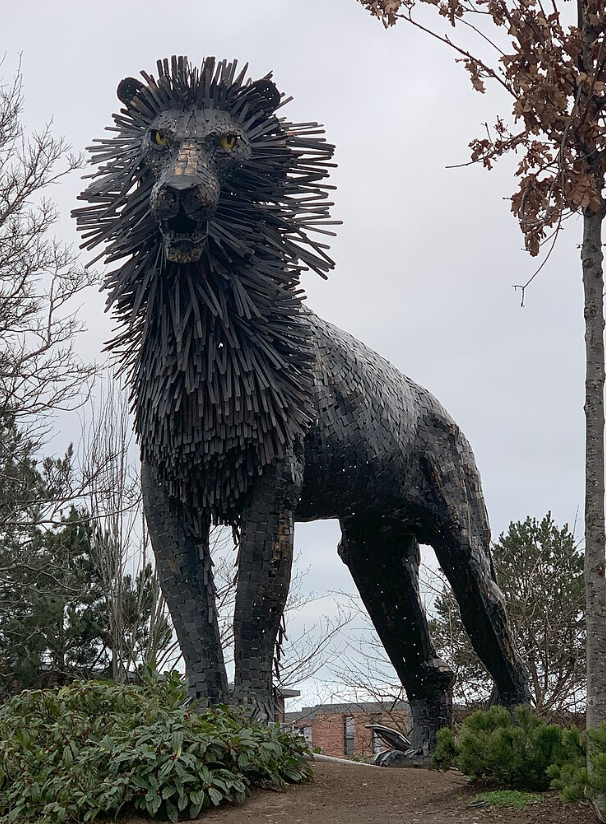
I apologize for the quality of these photos, taken as best I can from a bus with rain-drop smeared windows. Below is a square in homage to the author C.S. Lewis. Under that is a statue of his lion from the Narnia series.
Our guide is Sean, and he is full of jokes, but also full of history, some old history, but most of it about the “troubles” and how the peace is working out. As it turns out, peace is very difficult. People have trouble learning to trust one another after all the years of shooting at one another, but groups are finding ways to work together on projects, and rubbing shoulders with one another helps reduce fears and prejudices, and helps contain small problems from becoming big problems.

Belfast Castle below:
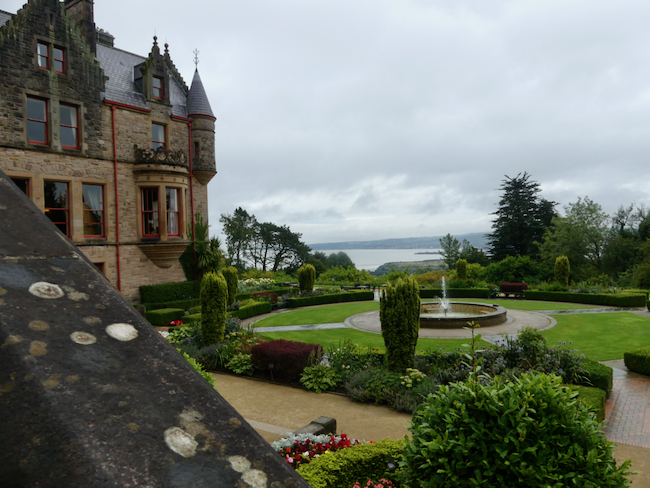
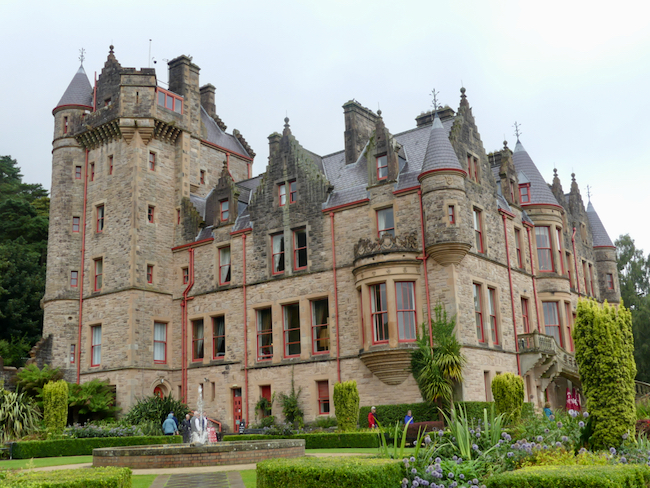
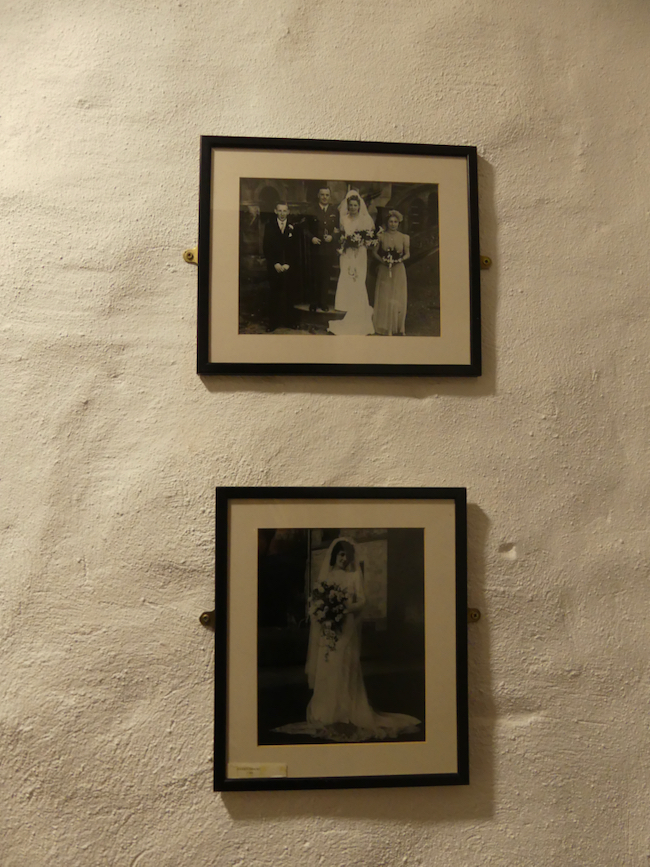

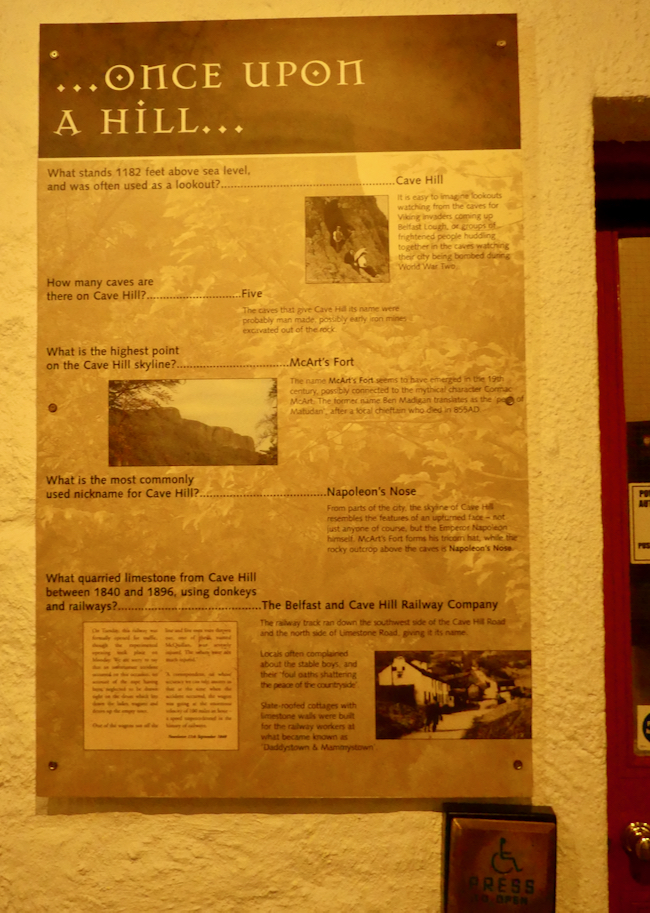
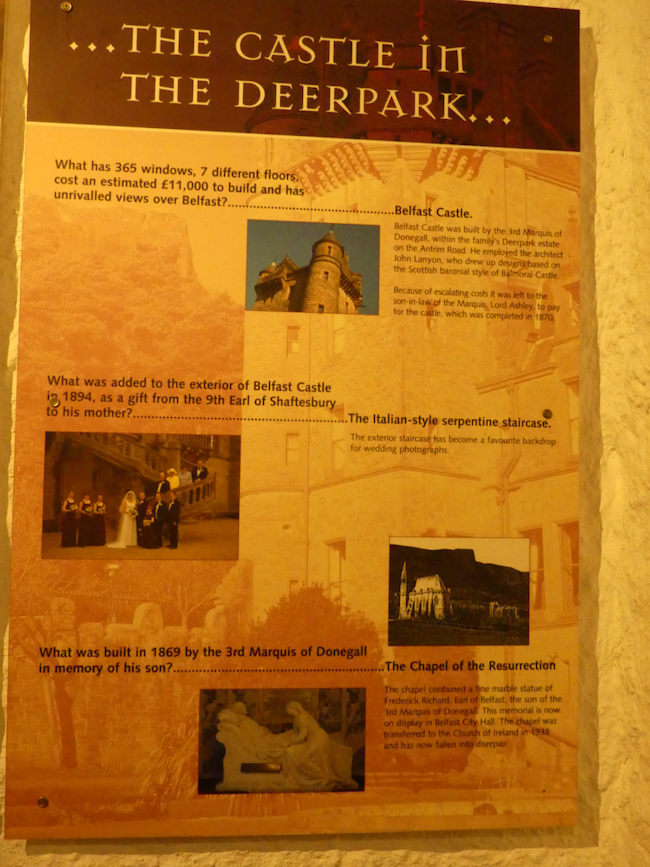
We start looking for the nine cats hidden in the gardens:
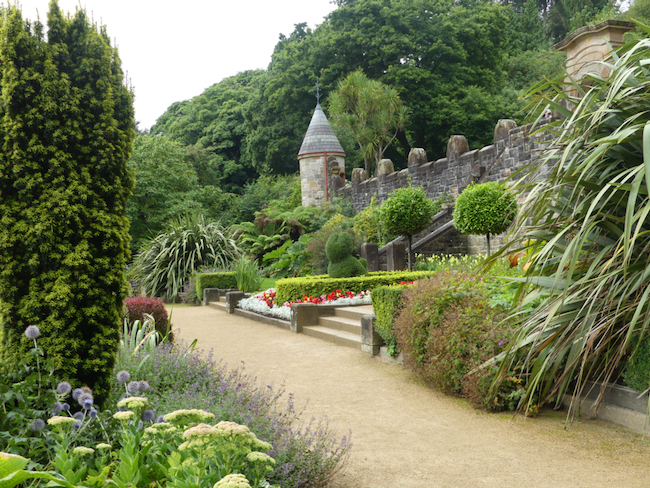
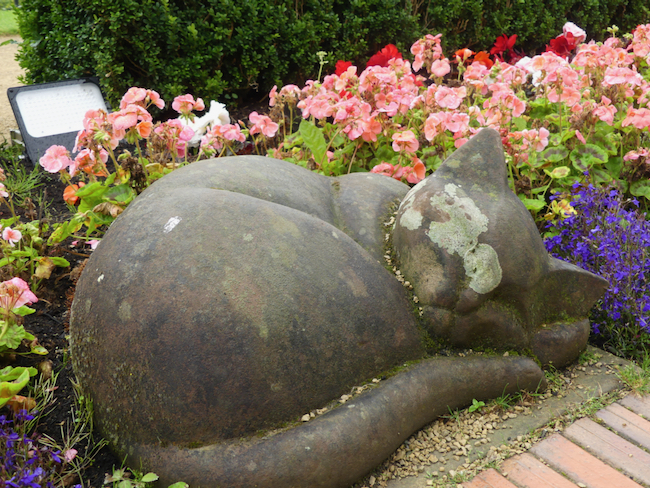
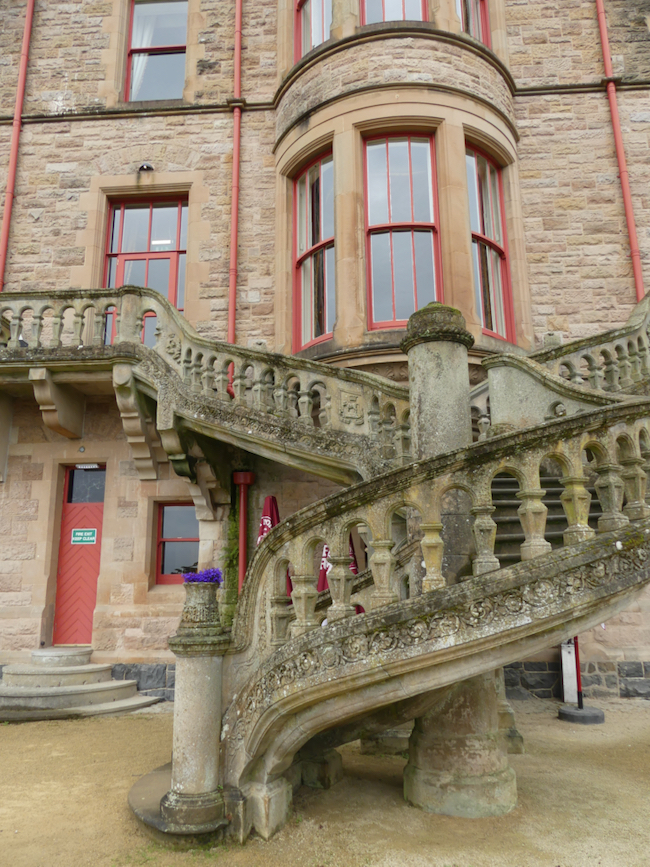
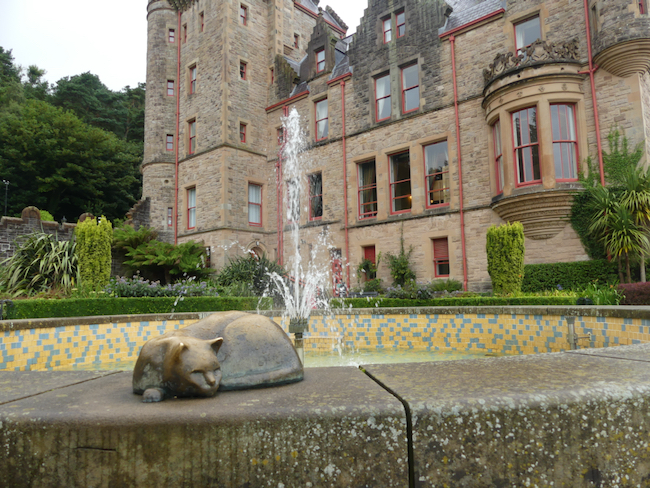
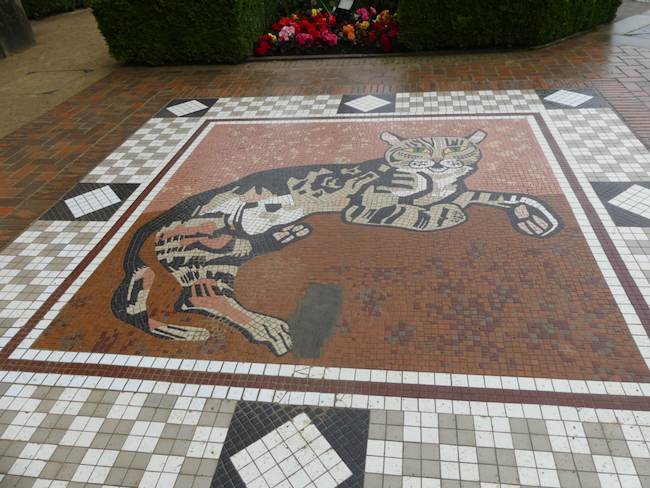
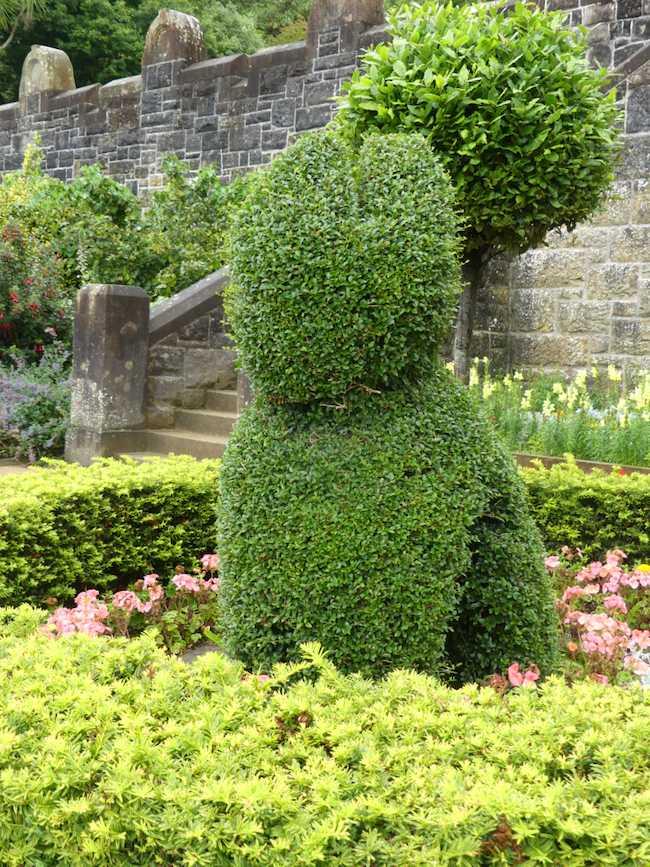

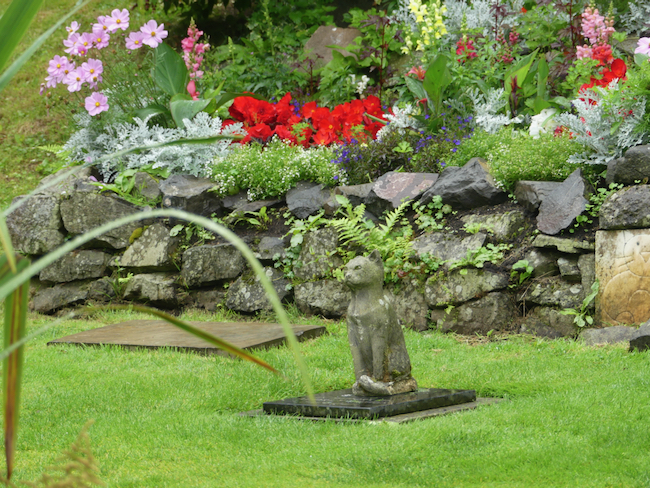
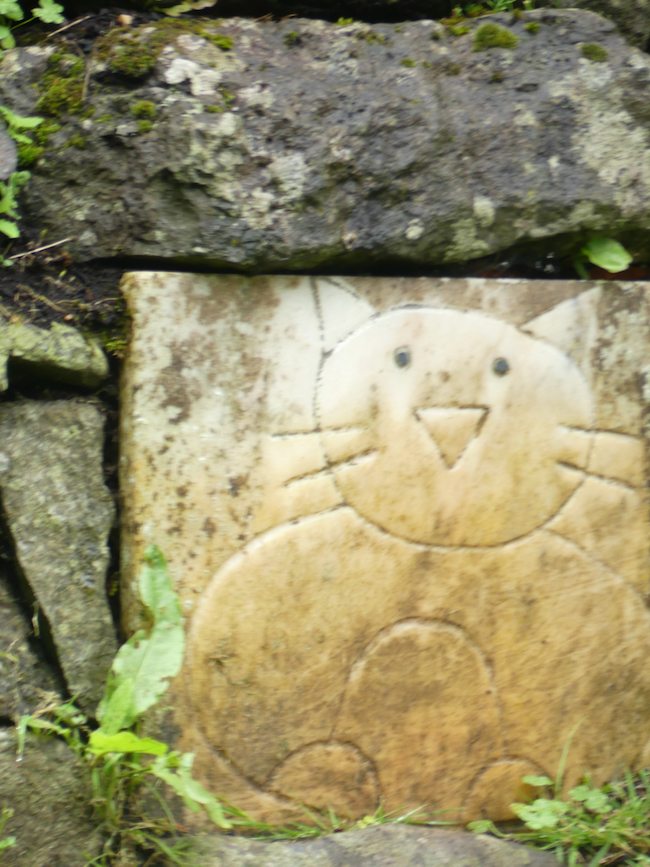


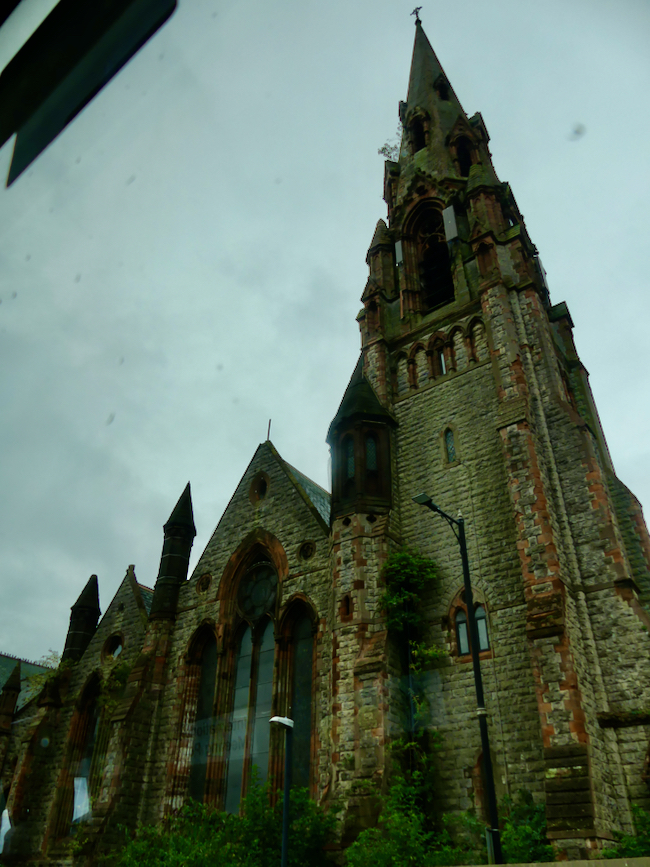
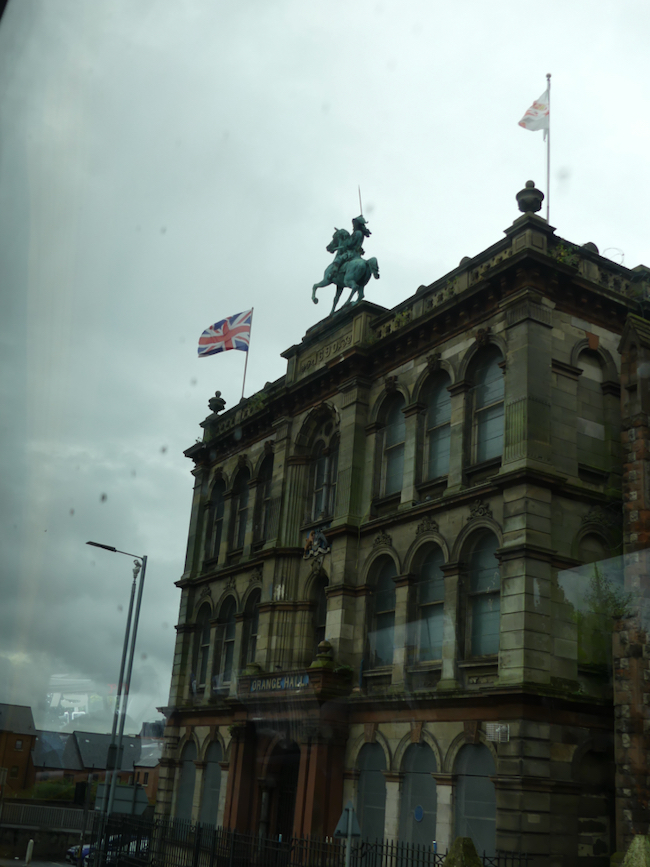
Sean tells us that most of the flags and nationalist art is created by the working class, who are still living with some resentment of the ruling, more liberal class in power. Most building flying Palestinian flags are those of the soldiers and those protesting the status quo.
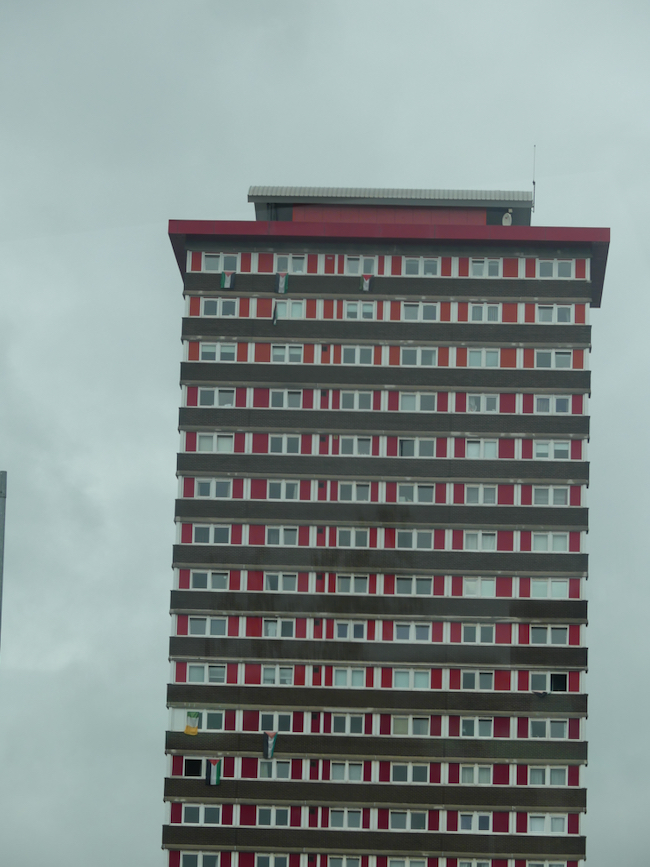
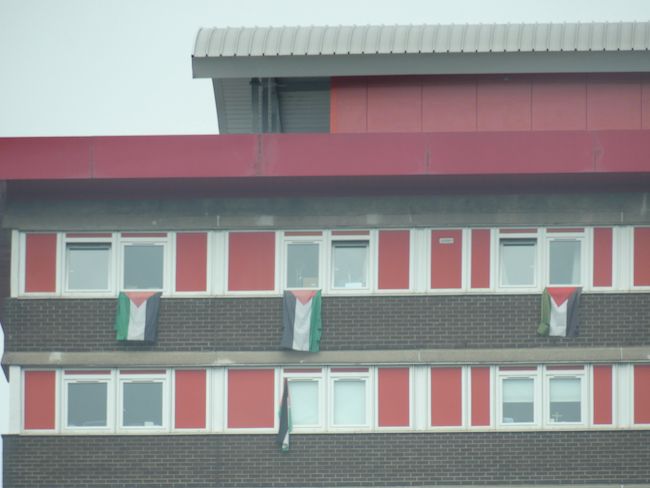
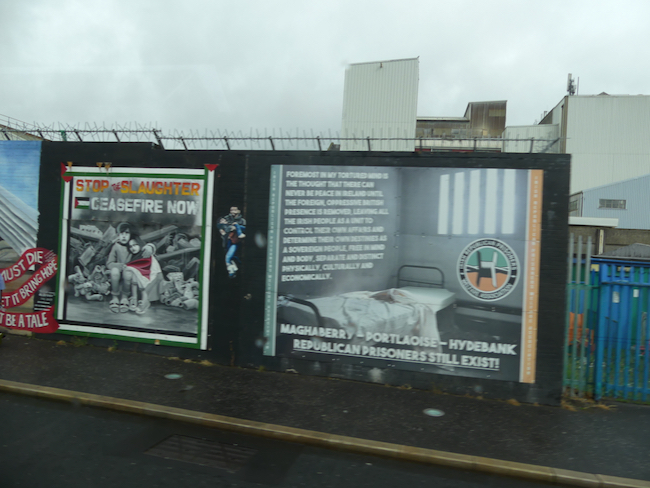
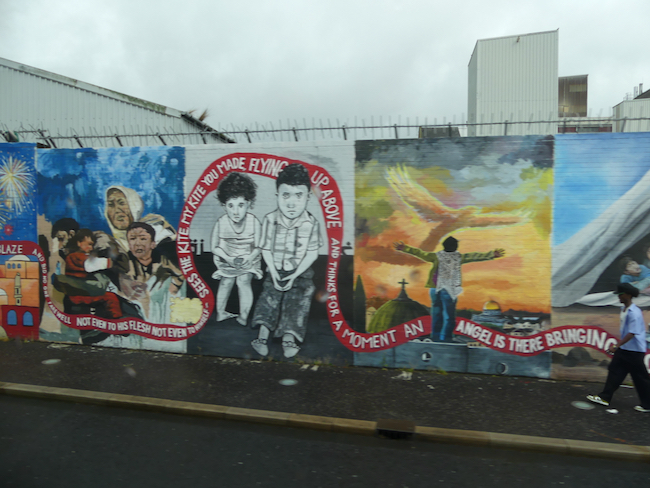
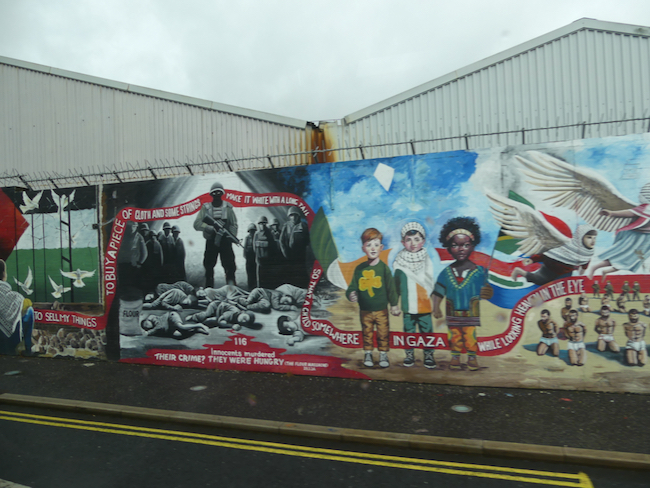
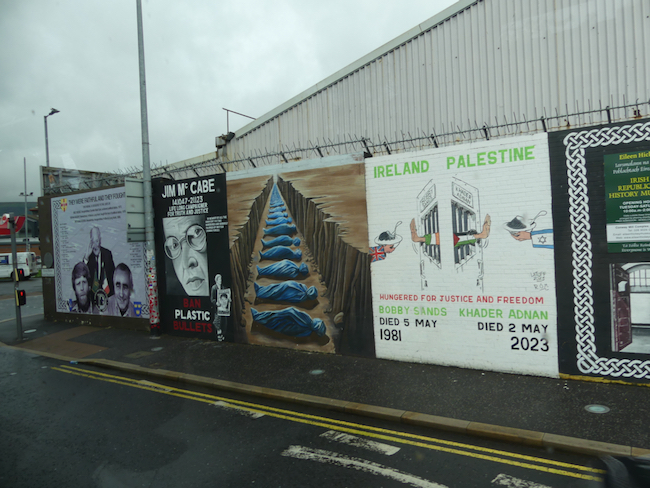
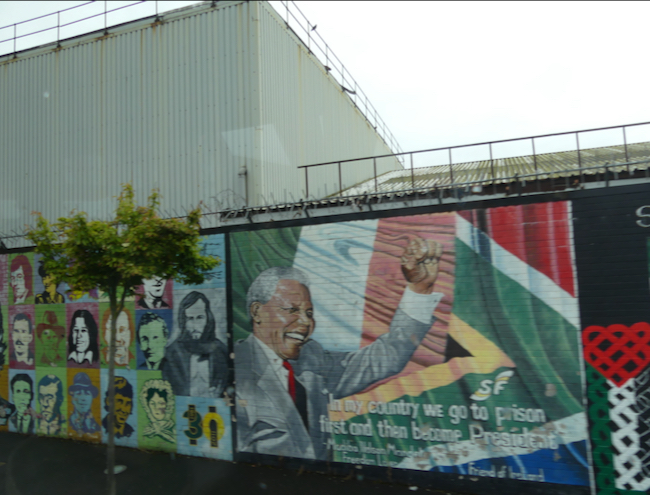
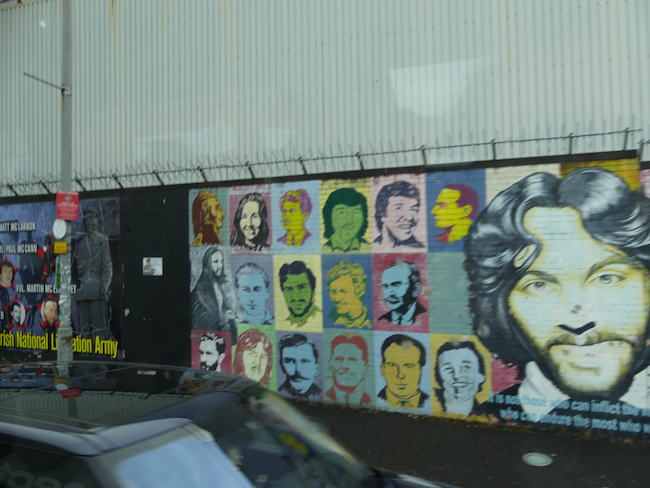

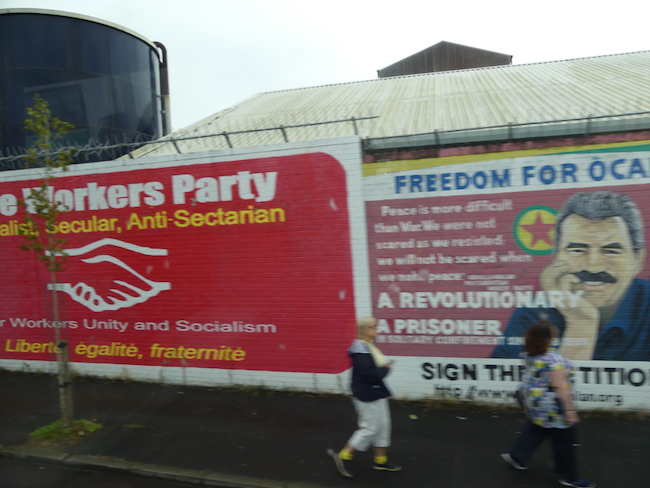
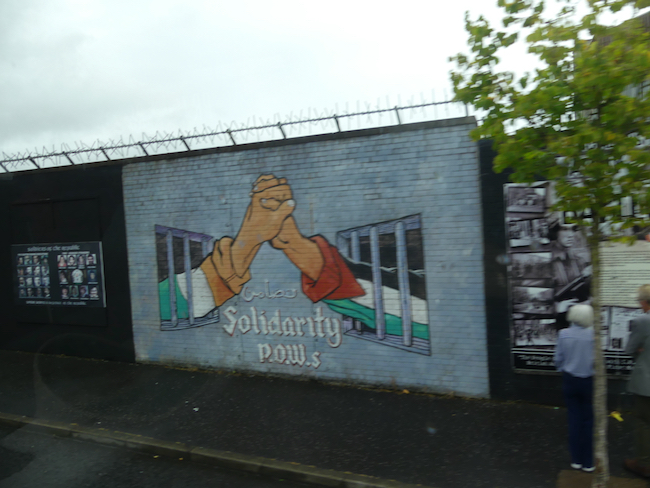
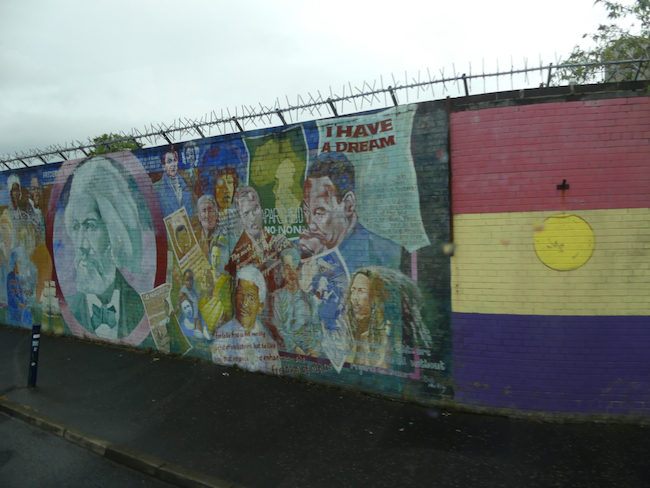

The art of those in power is mostly about sacrifice, and history of service. This art increases feelings of positivity and acceptance of the status quo. All of this was imparted to us without any indication of which Sean’s position.
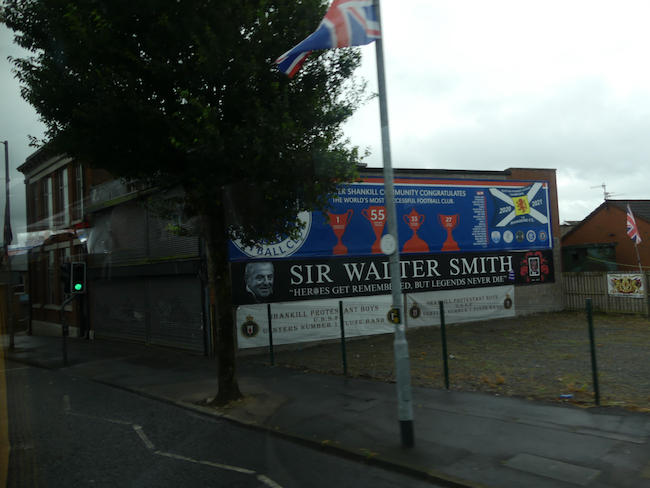
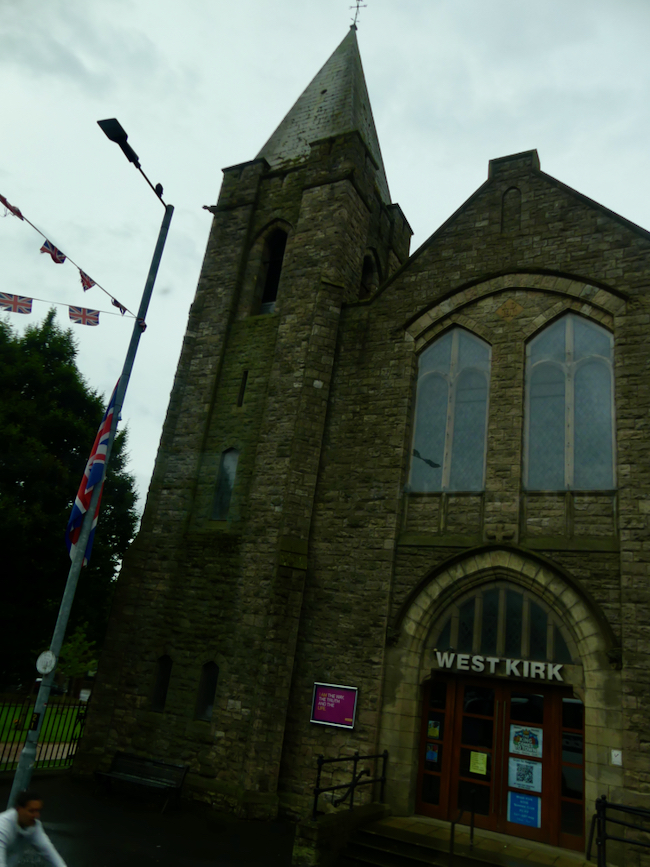
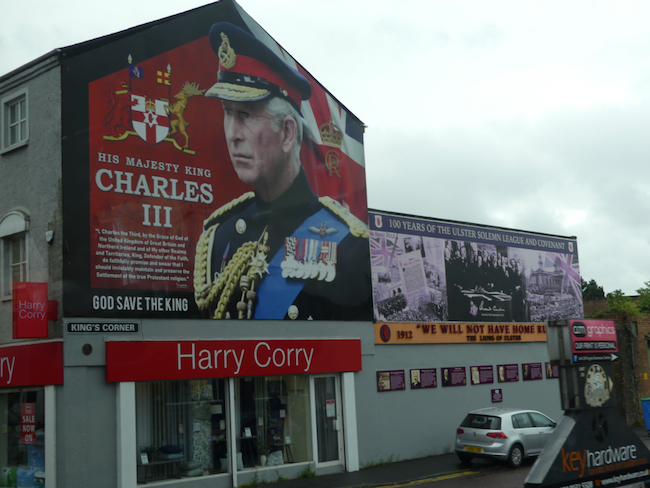
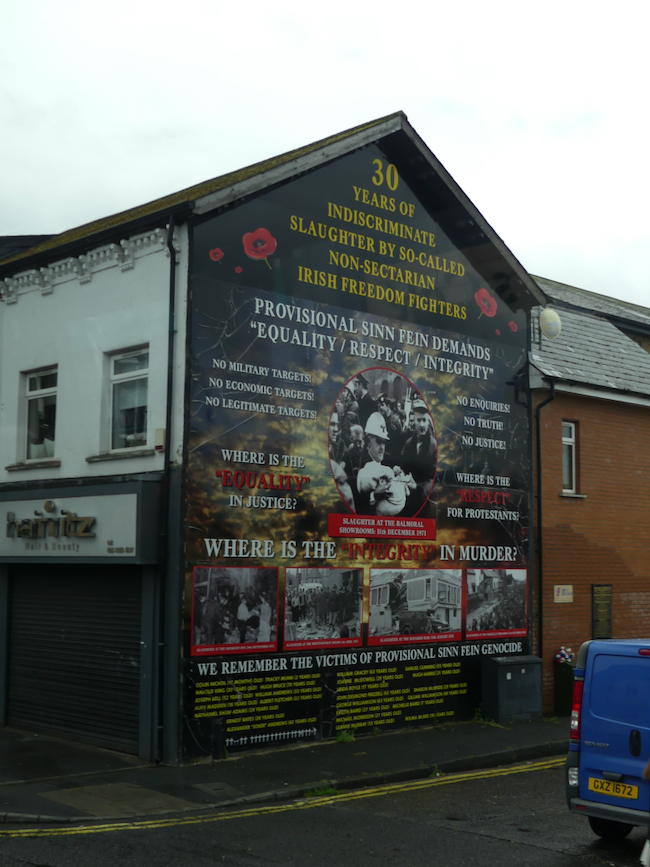
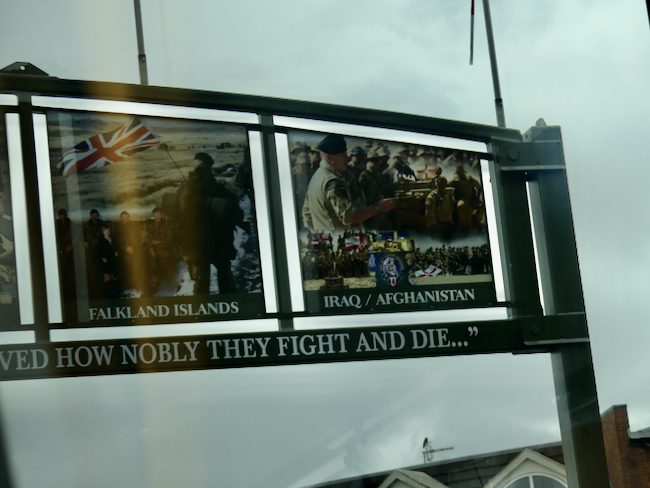
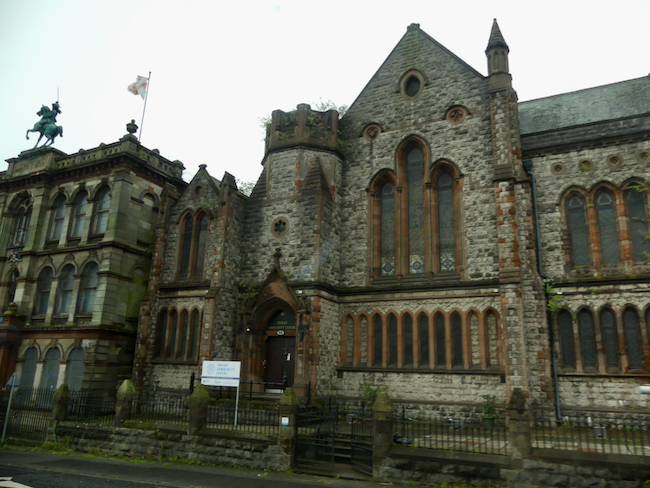
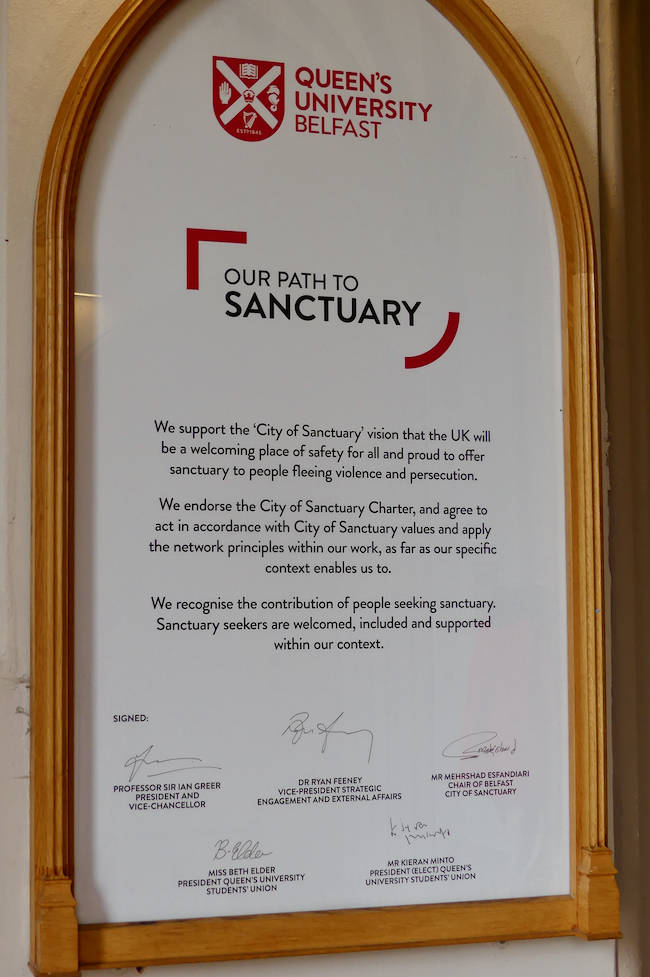
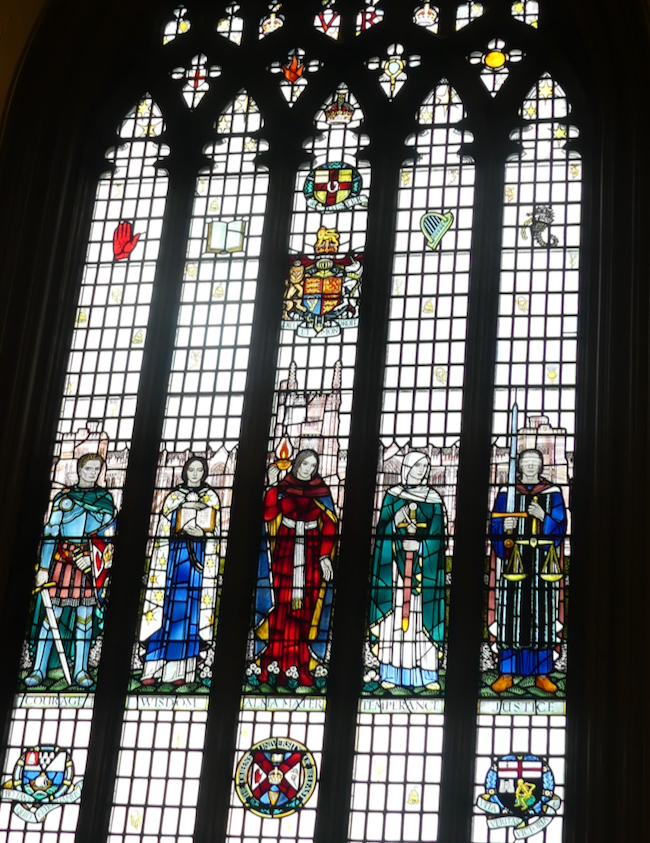
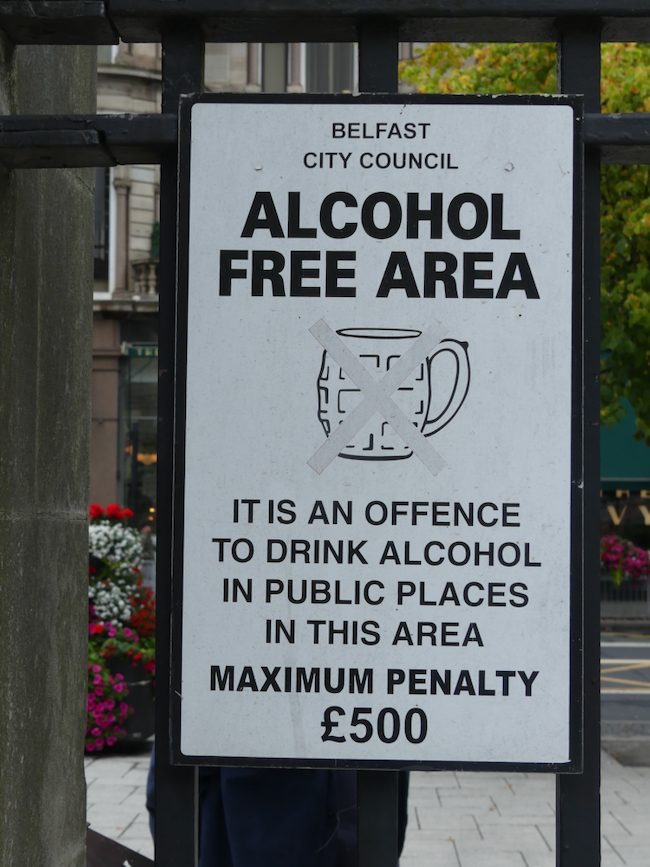
We had not anticipated liking Belfast as much as we did. I spite of the divisions, there is a vibrance in having the devisions out in the open, and a commitment to working out the differences. Belfast is now one of the safest cities in the world. We visited a large university, very impressive, and I found myself thinking how wonderful it might be for one of our grandchildren to attend a university where people openly debate the significant political positions. It lends life and energy to upper-level studies when new and challenging ideas can be confronted and evaluated.
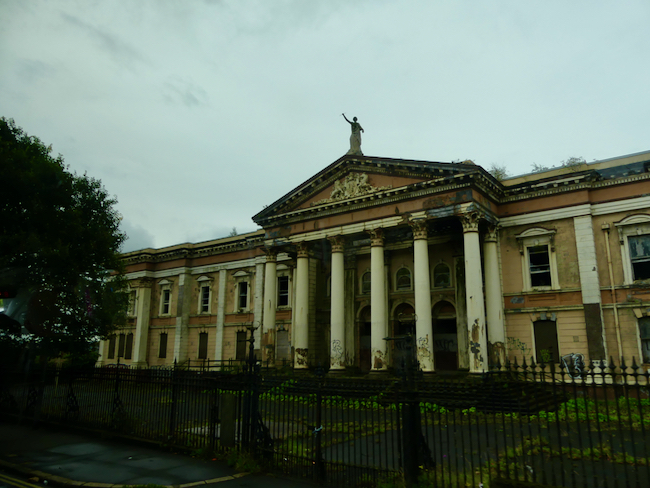
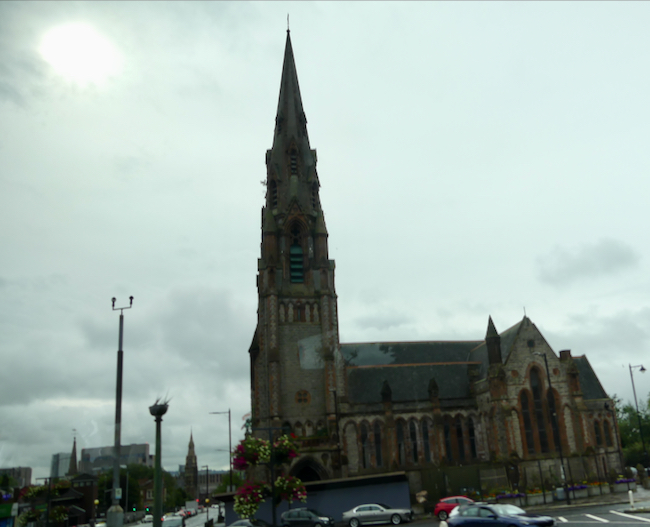


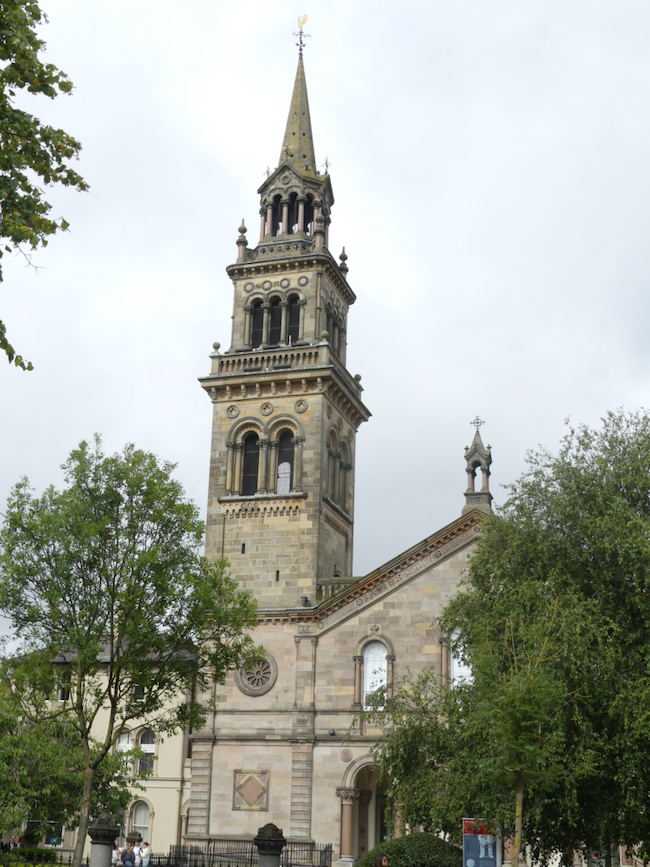


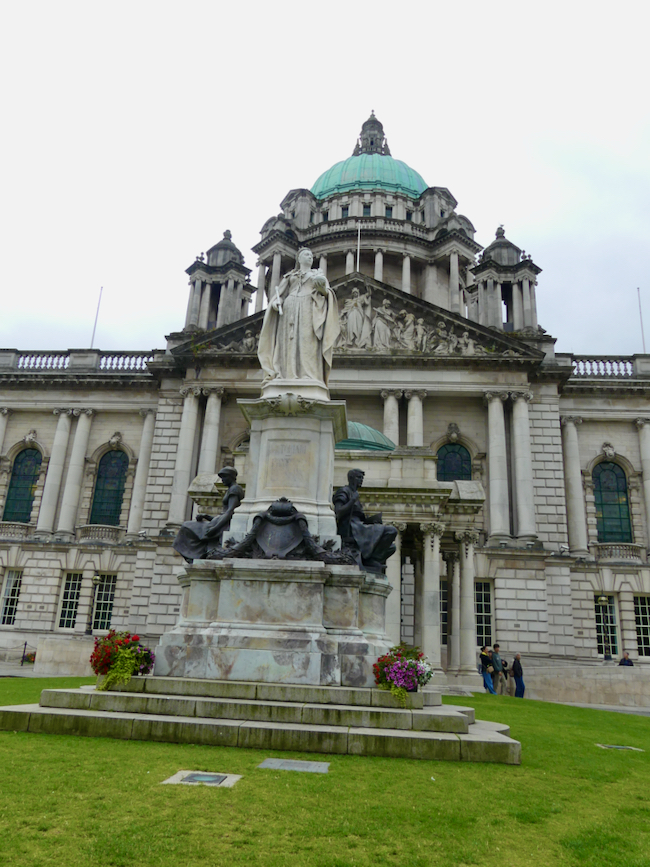
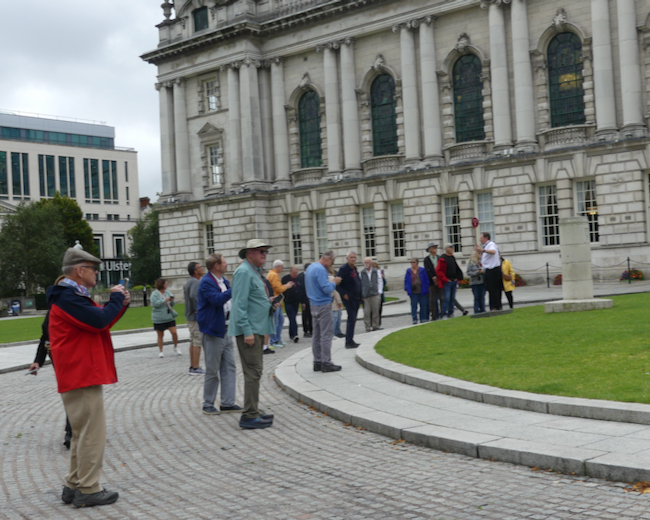
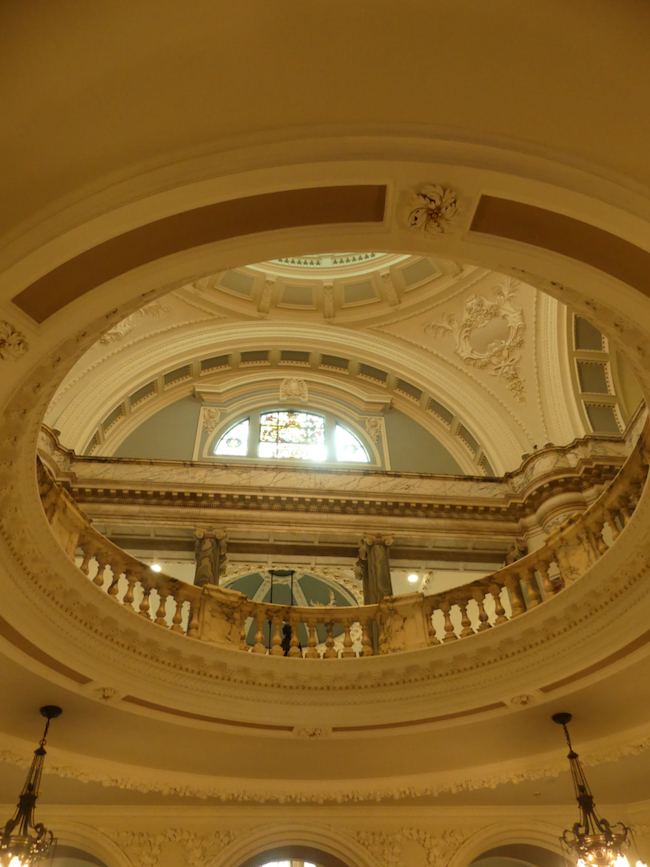
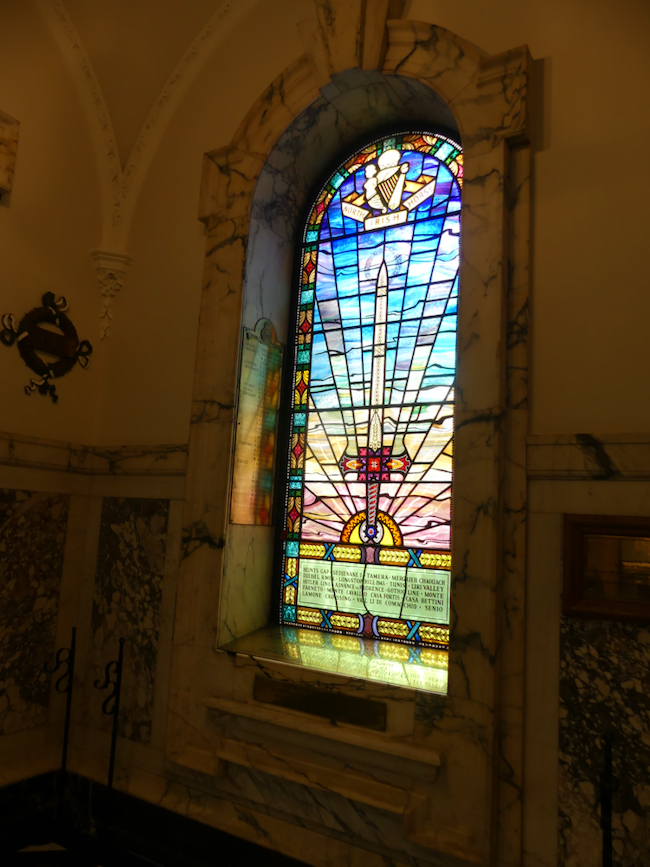
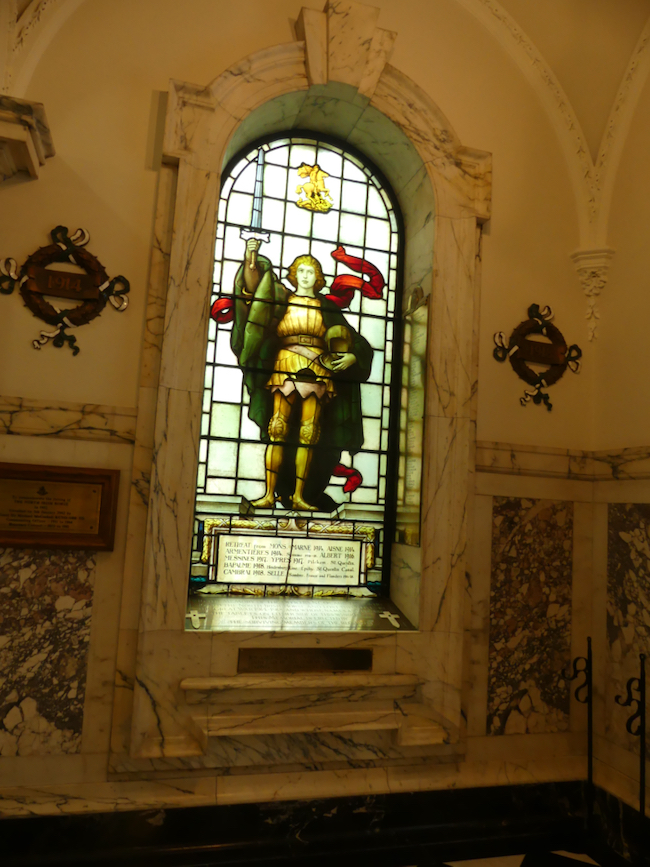
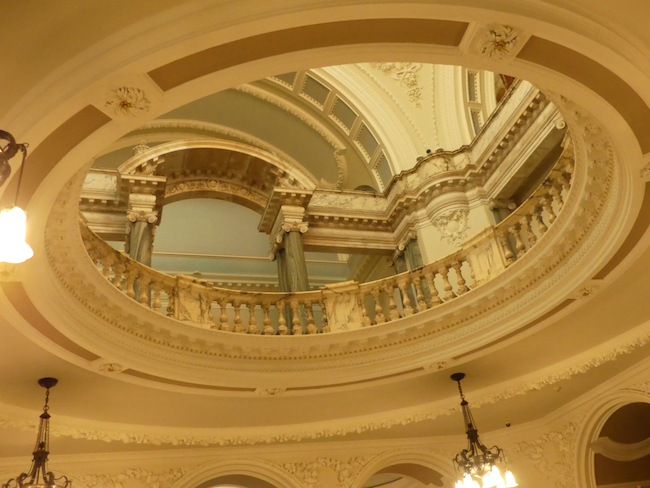
We met up with our friends back on the ship and shared our impressions. Our backgrounds are similar in some ways, very different in others, so we always have lively and entertaining discussions when we meet up. They have a substantial collection of Starbucks cups, and strive for one from each city. I like cups, too, but sometimes I want something locally made. I always love seeing what they find.
And Belfast reminds us of why we travel. We see a country perpetually at war over religion, culture, customs, and willing to try to kill each other. Now, they are putting in the hard work of reconciliation, trying to find common ground. It isn’t easy. I like that all voices are allowed to express themselves, and that it is a situation where compromises are emerging. No one gets everything they want, peace is not taken for granted, and they persist through the discomfort. Maybe we can learn something.
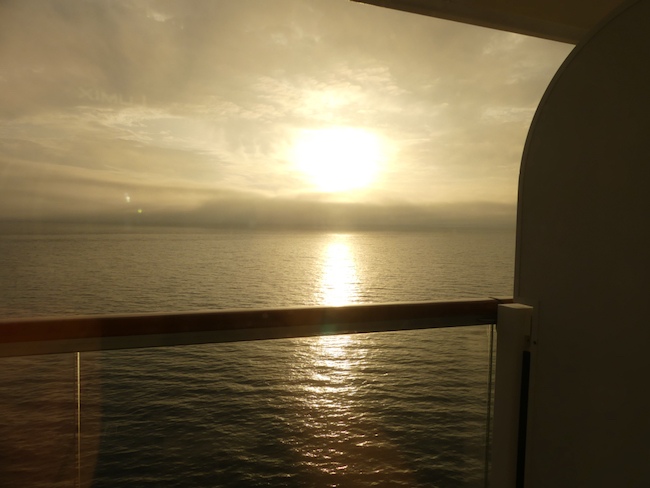
Sun setting as we leave Belfast.
British Isles: Liverpool, Chester, Uhtred and The Beatles
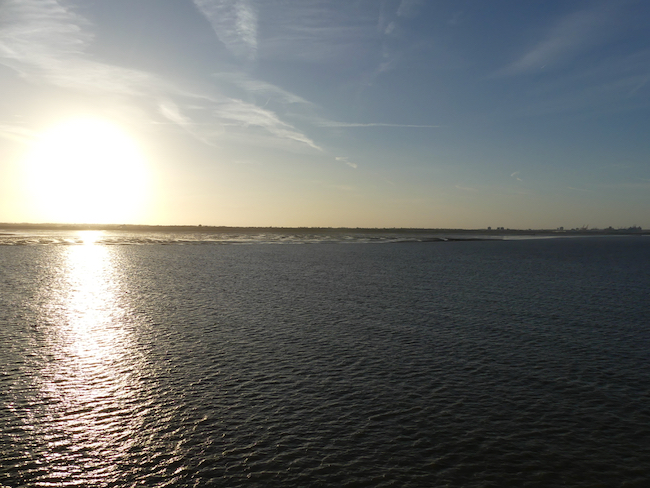

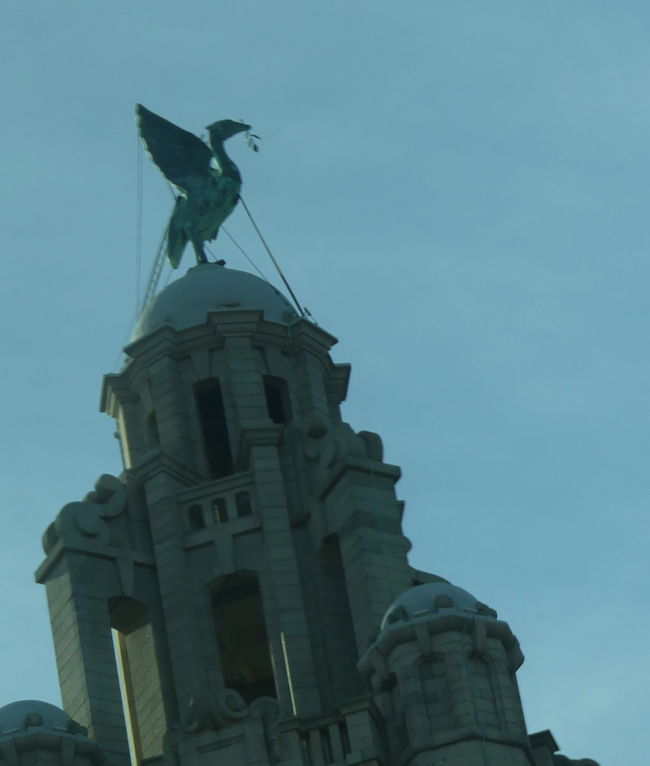
A bright sunny day docking in Liverpool, and we are facing the dock, which is fun for being able to watch people. We have a quick breakfast and depart with our group to find our bus in the parking lot. On our way to the bus we have an obstacle; a 45 degree incline to walk up, no steps, just a very long incline. We did fine, but I imagine people with walkers will find it challenging.

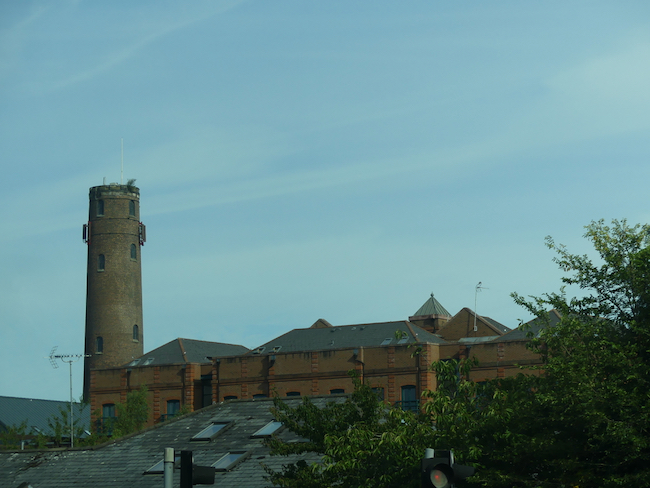
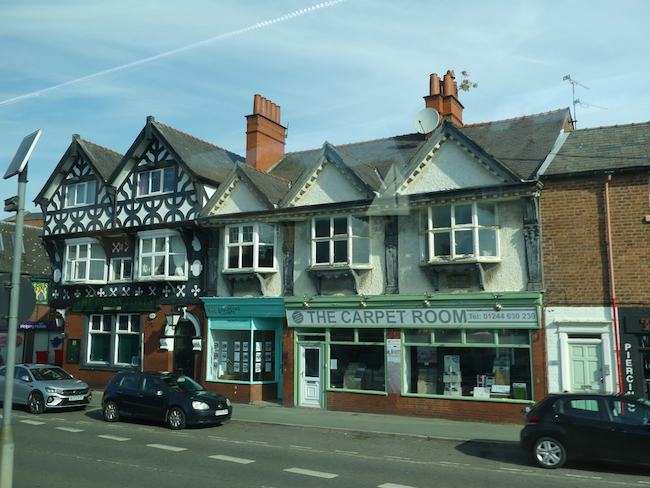
The drive to Chester was fun – I’ve read and re-read Bernard Cornwall’s Saxon series (about 21 books) featuring an uncouth but principled warrior named Uhtred, who is Lord of Bebbenburg but spends many books trying to take it back from the Danes who took it from his father, and raised him. It’s complicated. It’s a fascinating series, and it ends with the Battle of Brunanburh.
The Battle of Brunanburh is well documented, it happened, and it was definitive for uniting Britain under one monarch, but the records are ambiguous as to where the battle occurred. Recent archaeological finds indicate it may well be this area, near Chester, and we are passing right by this momentous battlefield.
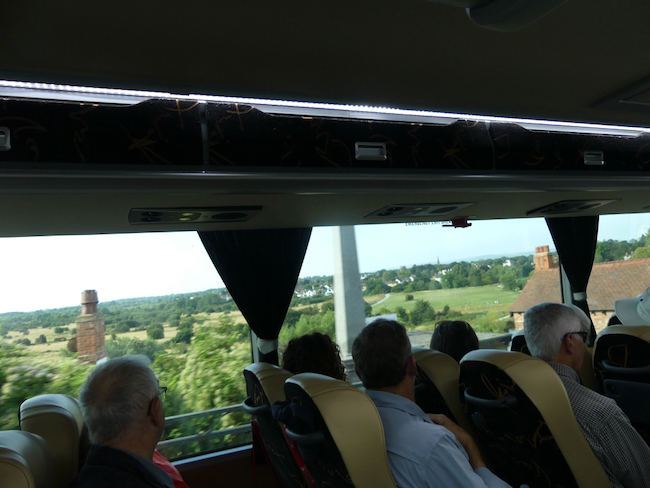
Chester itself is just as Uhtred describes it, an old Roman City with two major cross streets and an obelisk where the major roads cross.


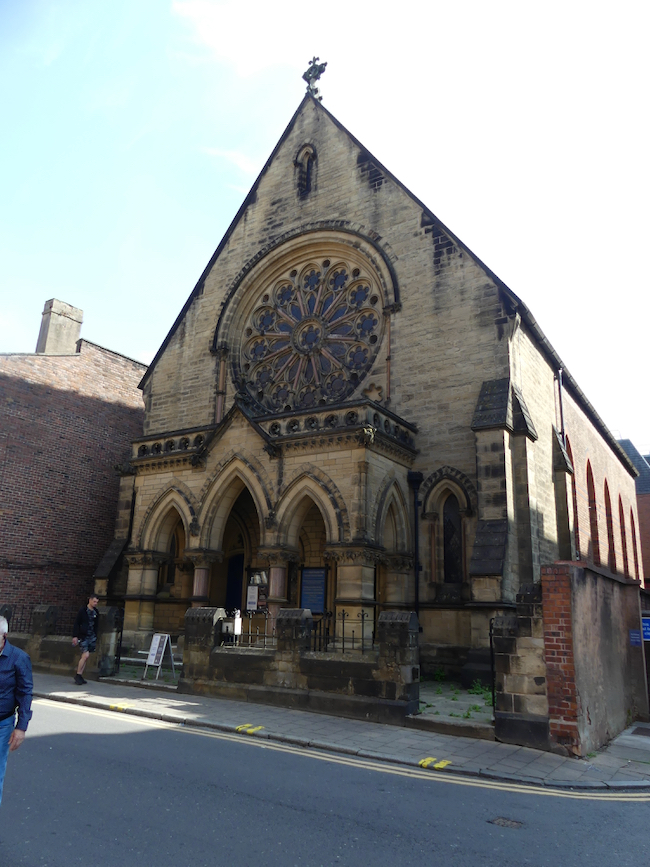
There is a significant cathedral, and a very old Church of Saint Olaf, the original church for the Danish community, once they arrived.
We found a woolen shop, and in the very back of the shop there is a display of pediments for an old Roman bath. Many shops in Chester have similar spaces, where for centuries, citizens have built over the original Roman structures. This is a city where you could spend months or years.
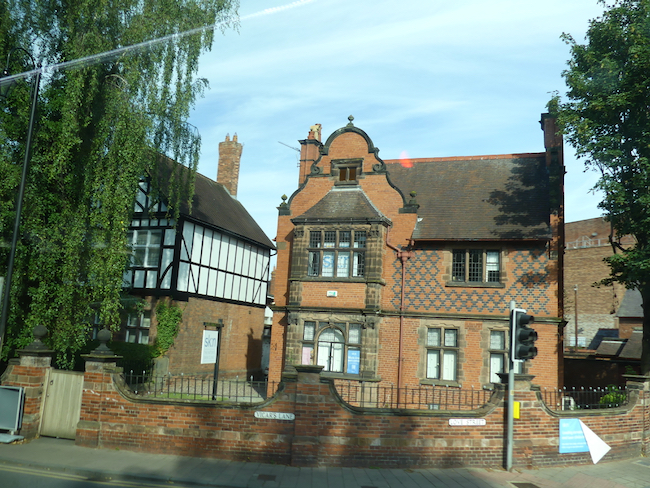
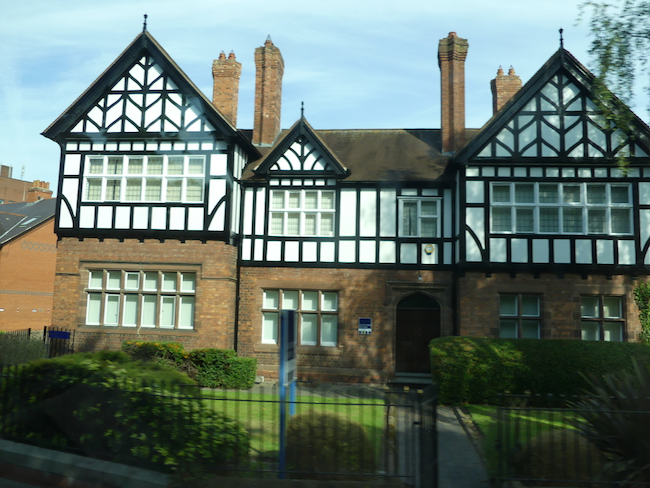
We walked outside the gates to look at the remains of the Roman Amphitheater, and the course of the river Dee, and how it changed so dramatically over the centuries, away from Chester, leaving Liverpool as the more convenient shipping depot, with the Mersey River.
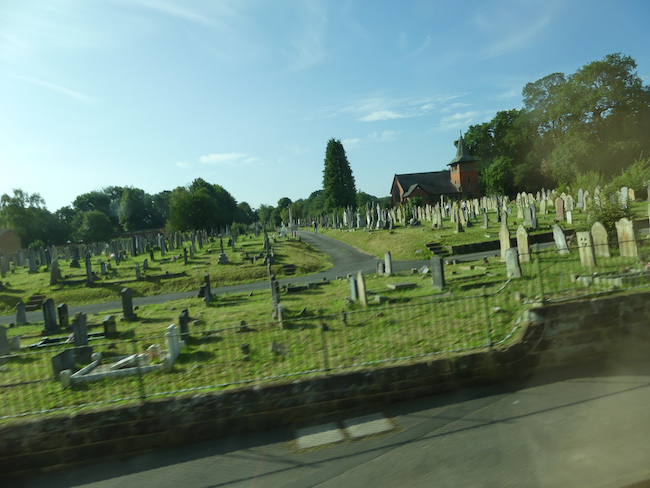
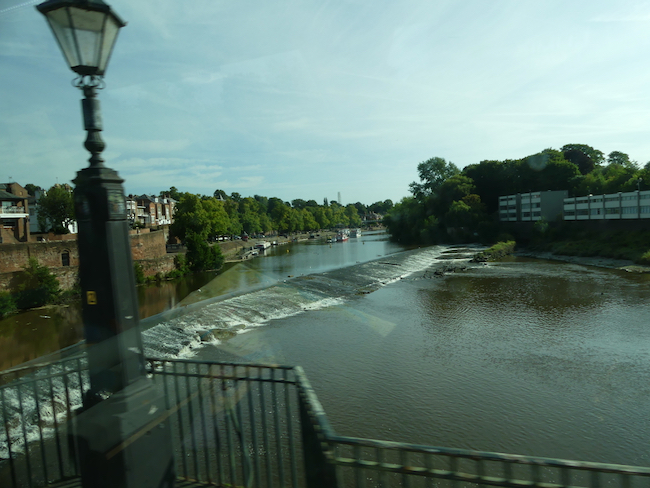
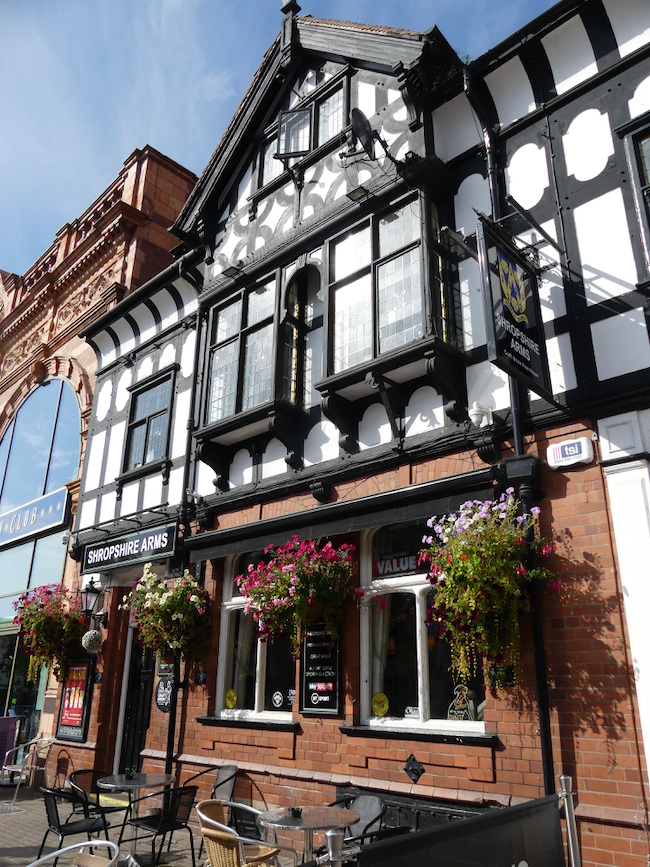
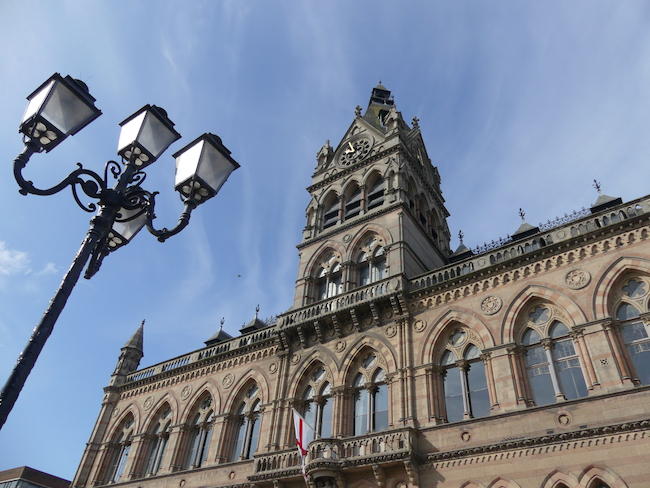
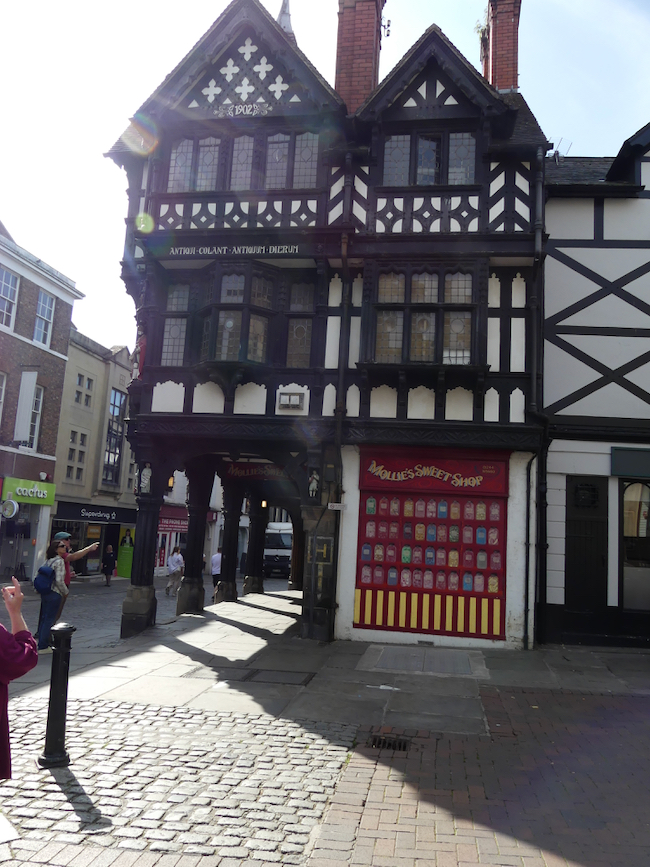
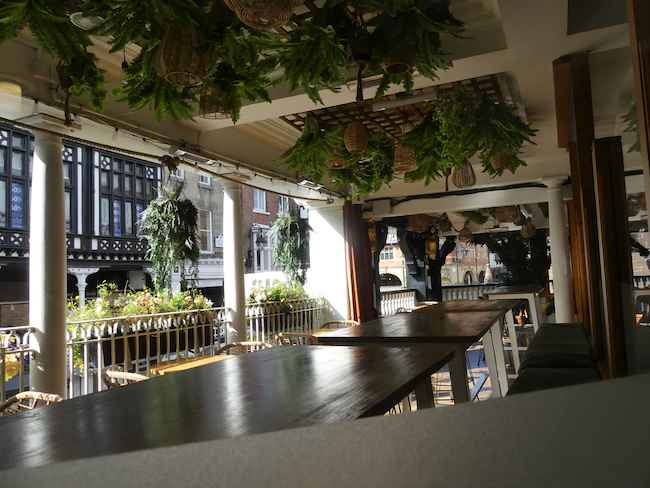
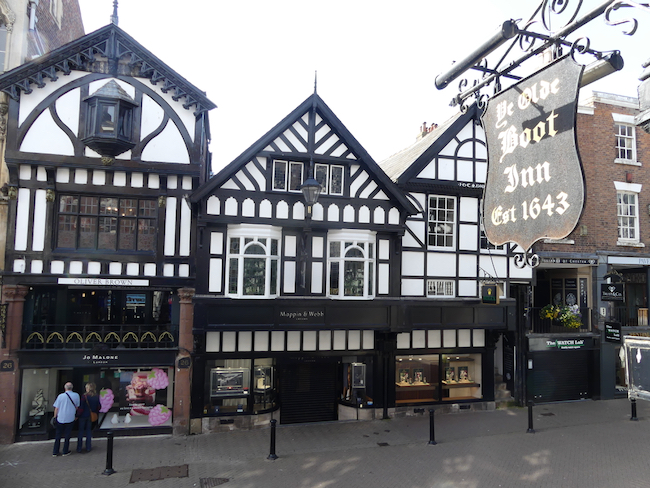

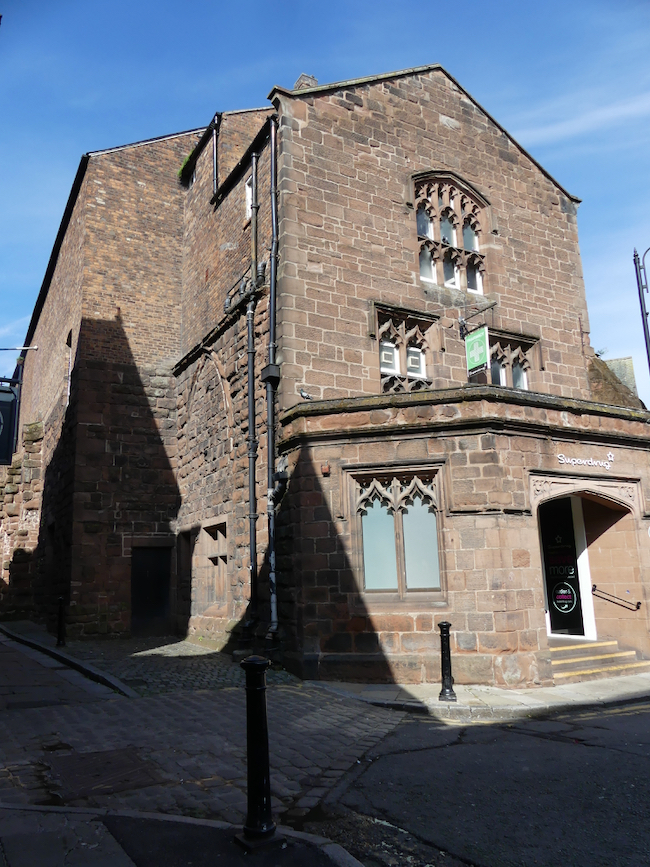

We ate lunch was at an old pub, The King’s Head (after Charles I, who was beheaded) and our group had it all to ourselves. We sat in old leather booths, drank British beer (I had Ginger Beer) and they fed us fish and chips and mushy peas. Yes, that is a thing. Not a thing familiar or welcome to most Americans, but a thing.
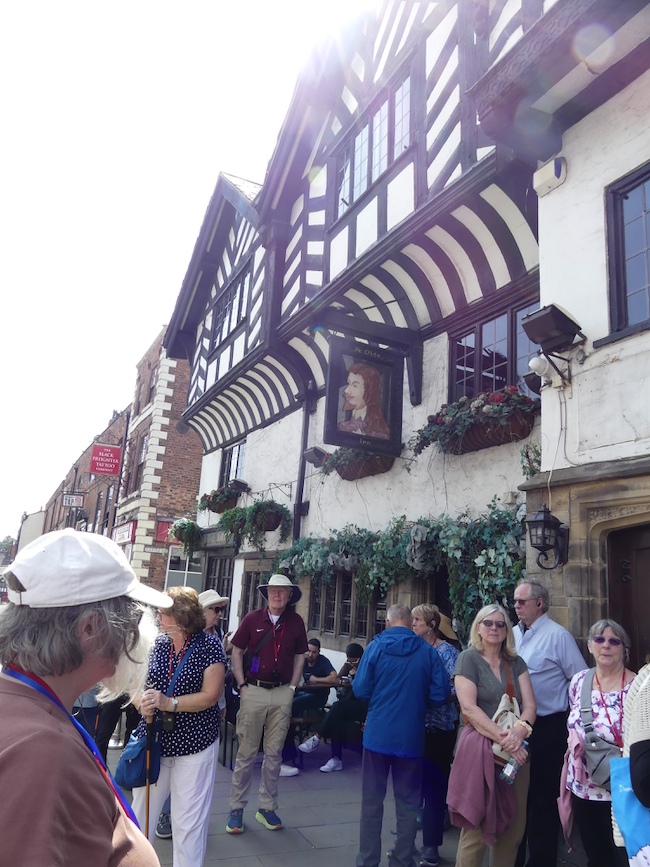

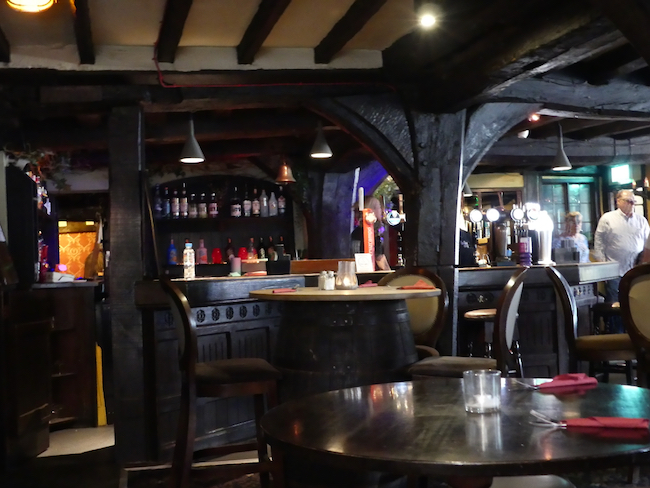
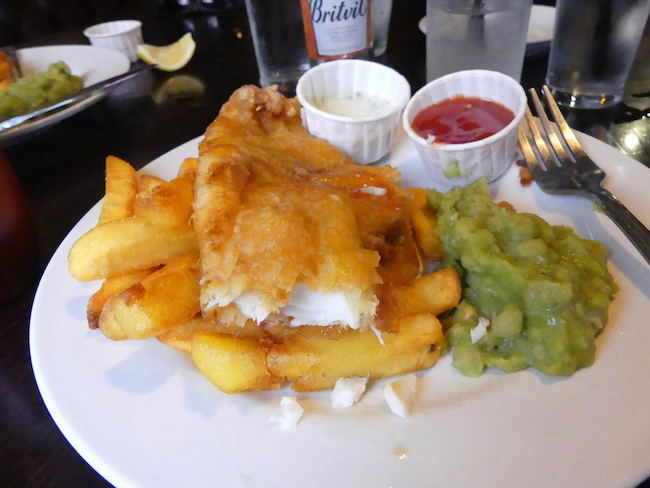
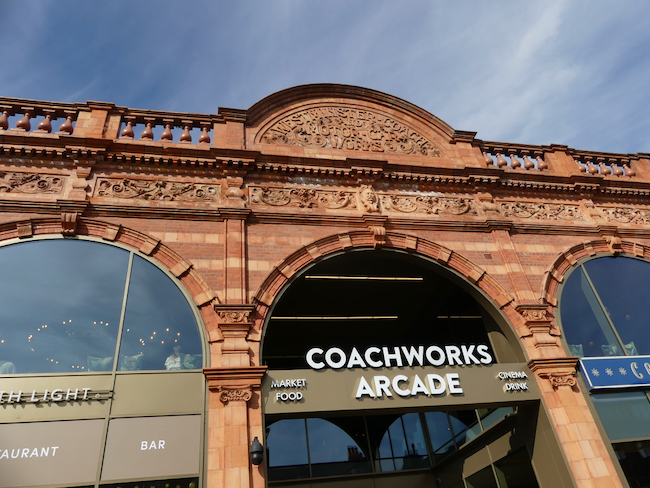
After lunch, we toured the big historic cathedral, and then had a little time on our own, which we spent in the community library. We agreed we would move to Chester in a heartbeat, just for this library, so welcoming (restrooms tourists could use) with an arch way made of books at the entry. Inside was a large snack lobby, all the books, tables and chairs; it was full of young people having a great time and it had a number of cinema rooms upstairs running old movies during the day. It was a delightful public space.



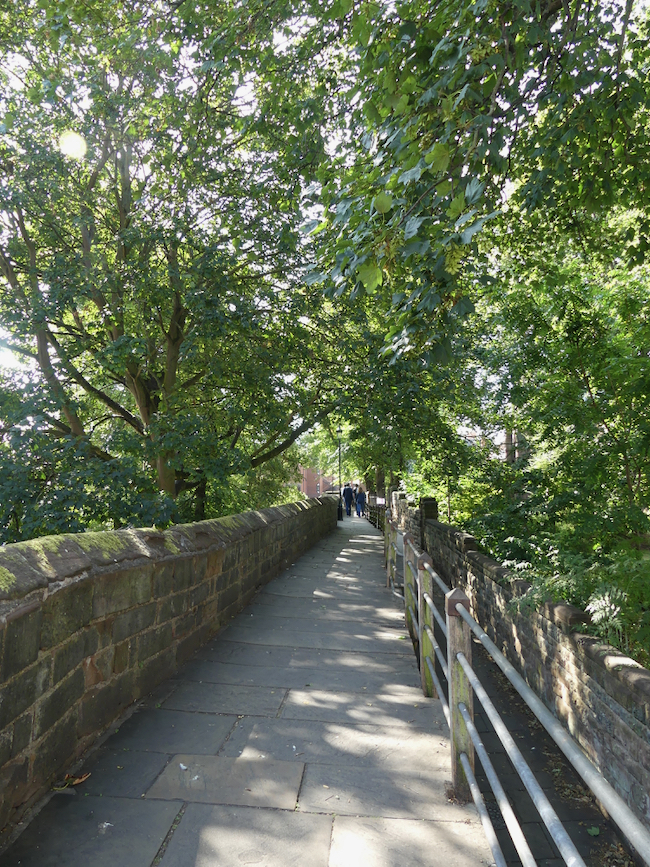
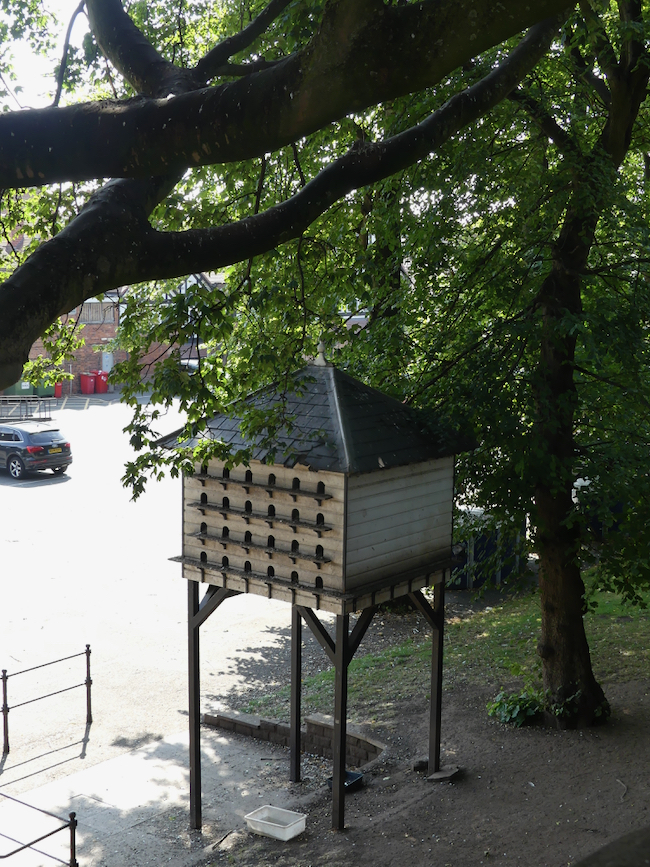
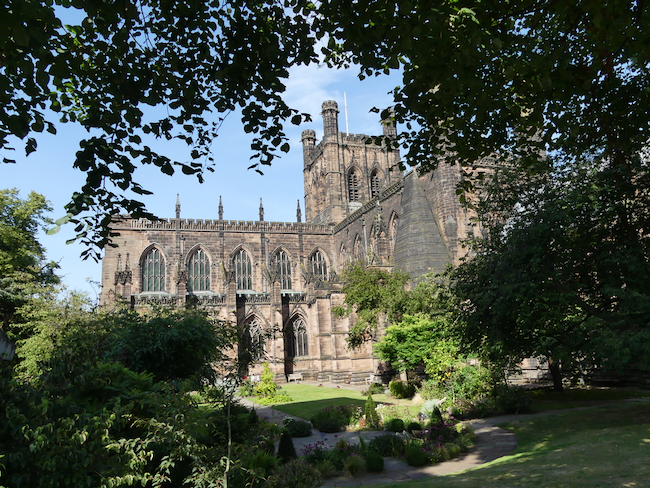
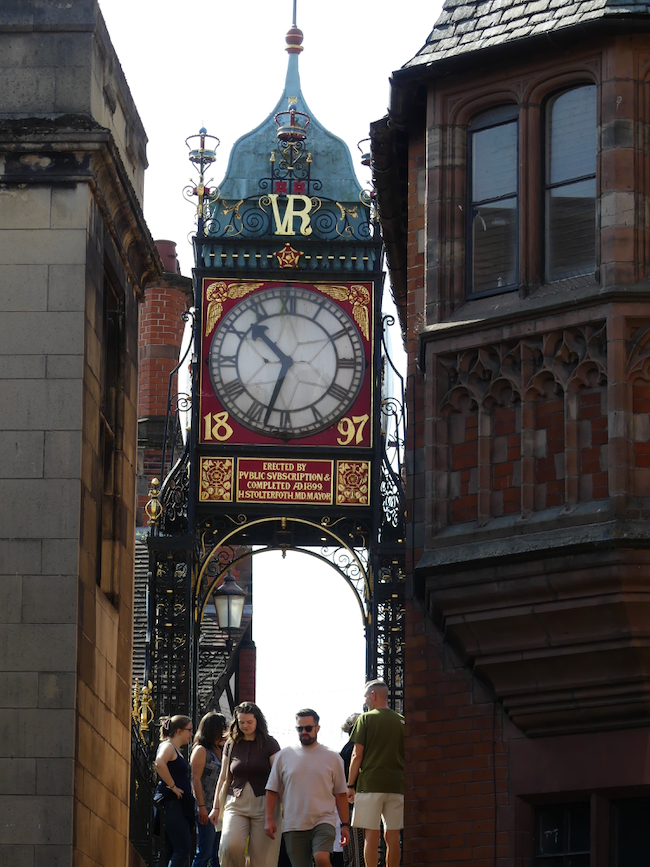
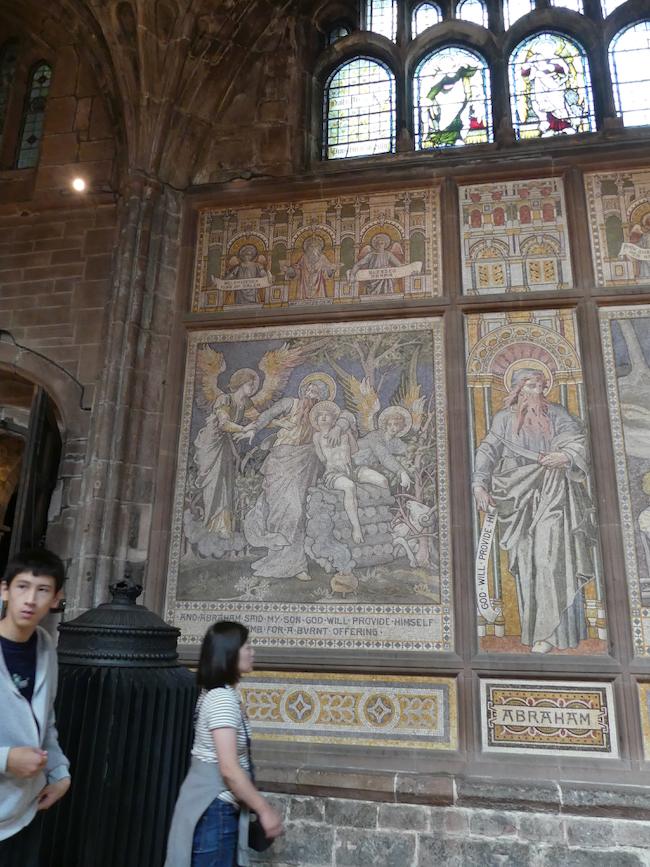

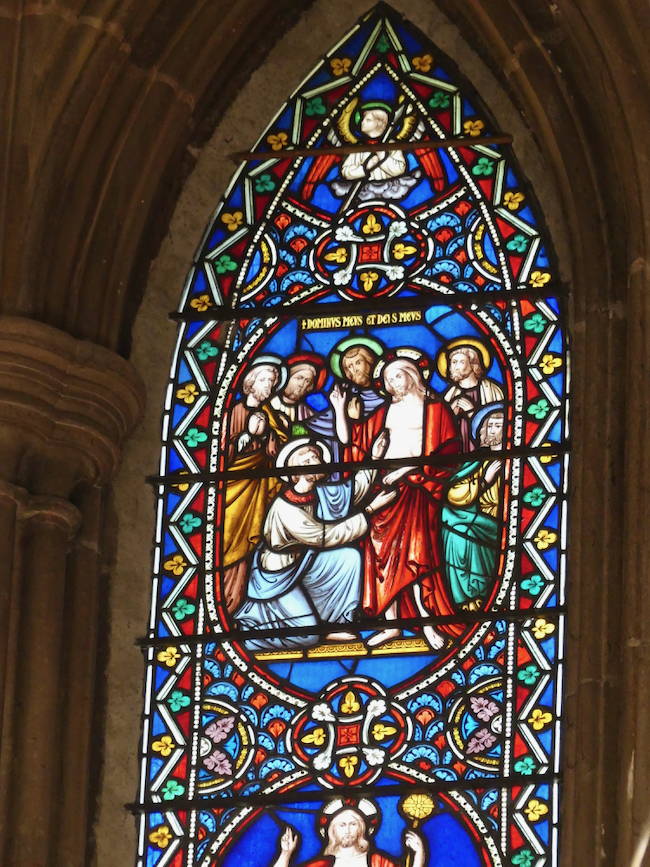
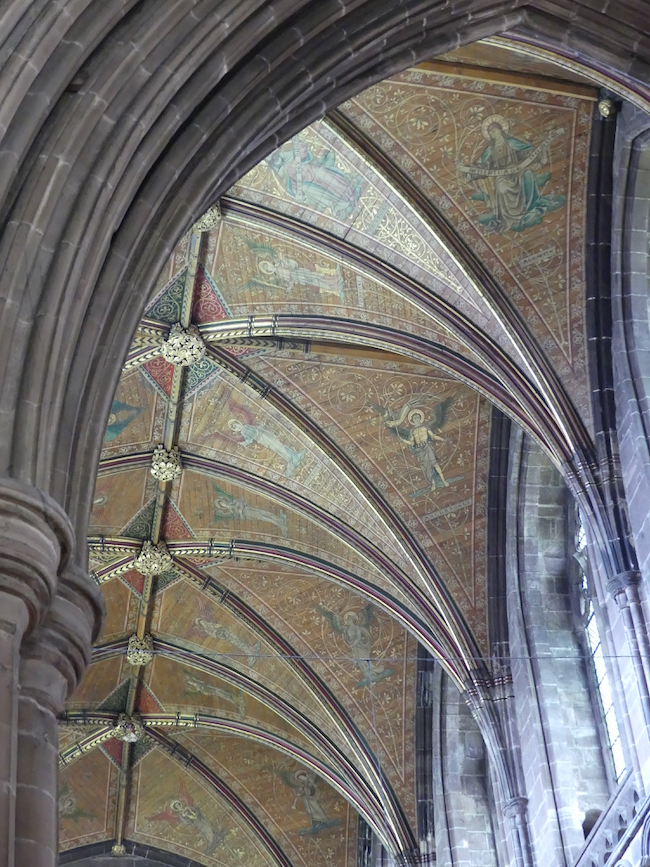
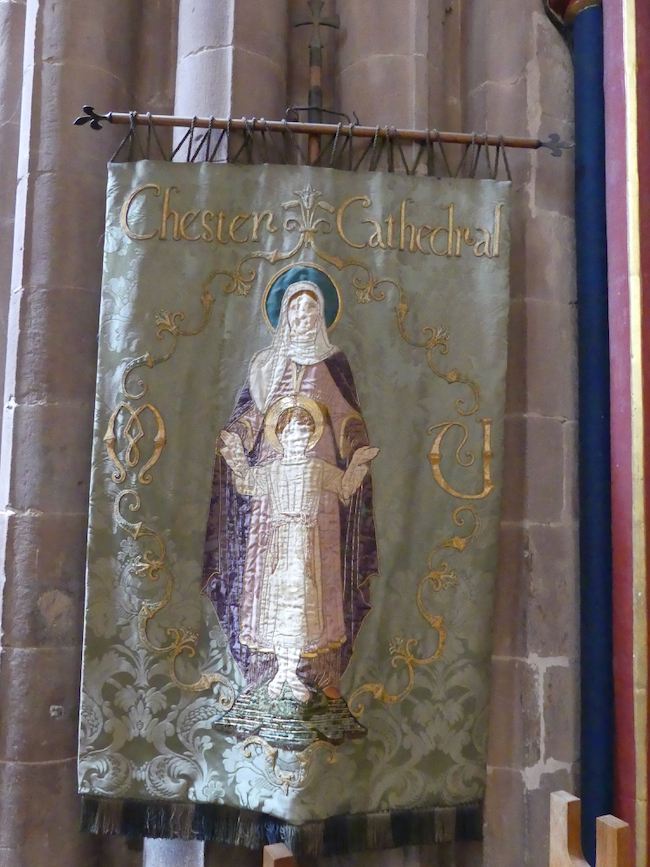
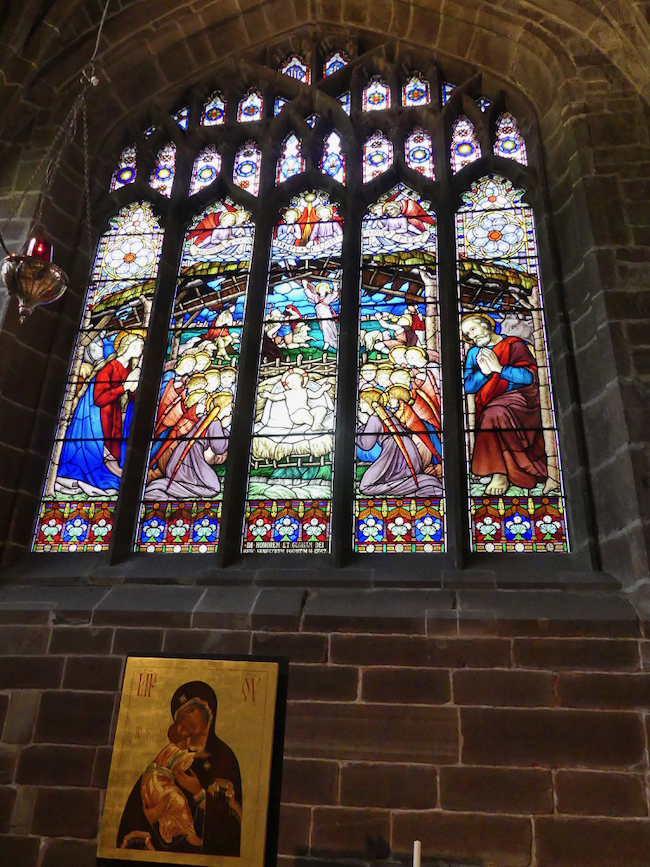
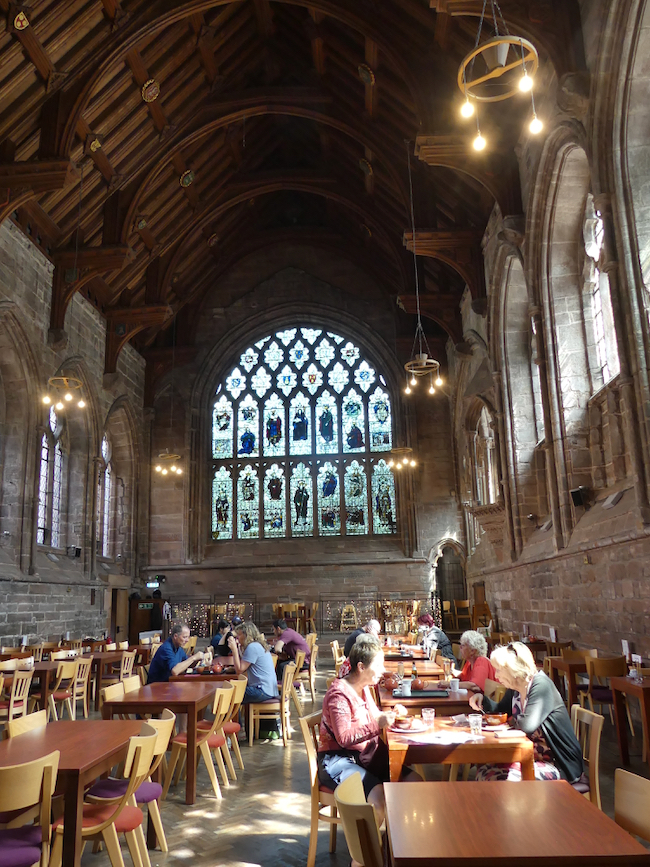


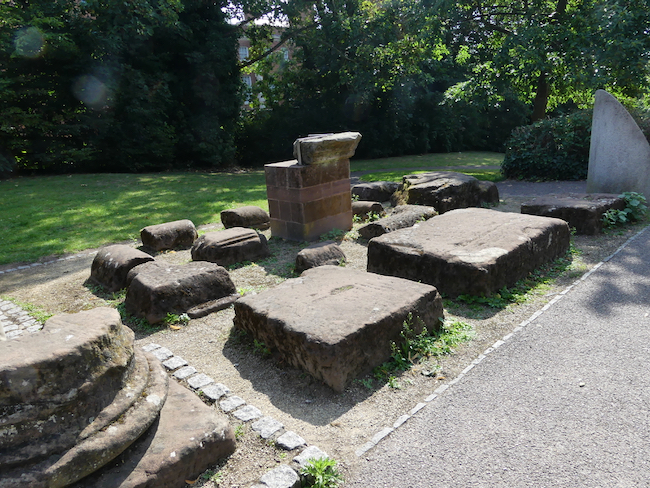
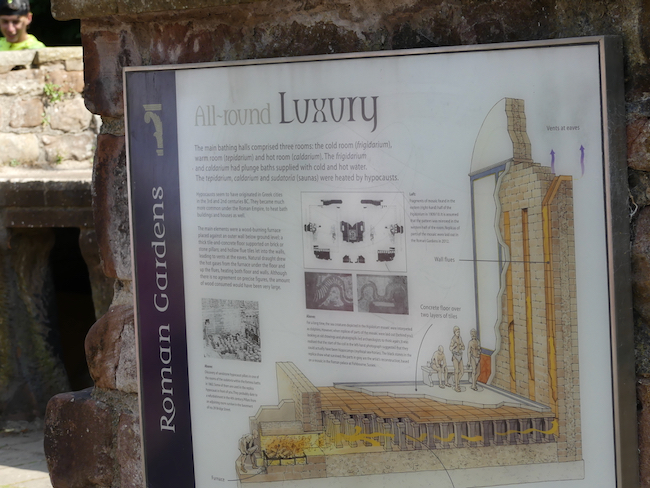

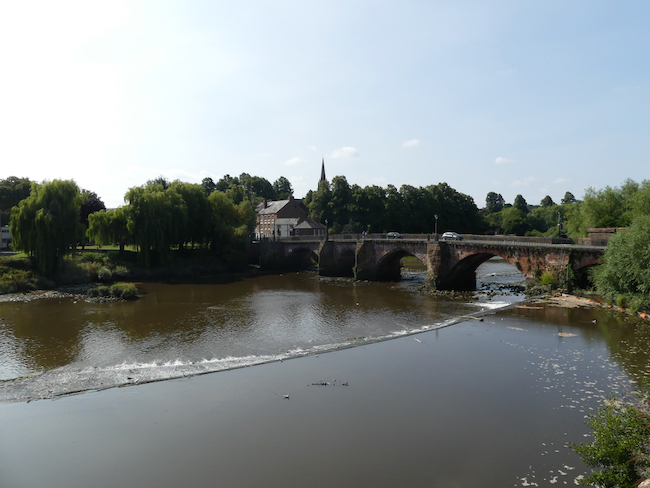
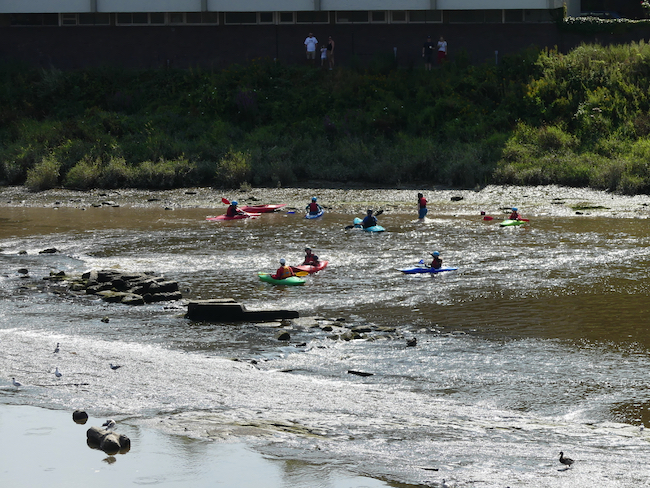

On the way home, the guide played “Ferry Cross the Mersey” as we took the long underground tunnel under the Mersey. We love creative guides – playing this song provided us with a truly memorable moment.
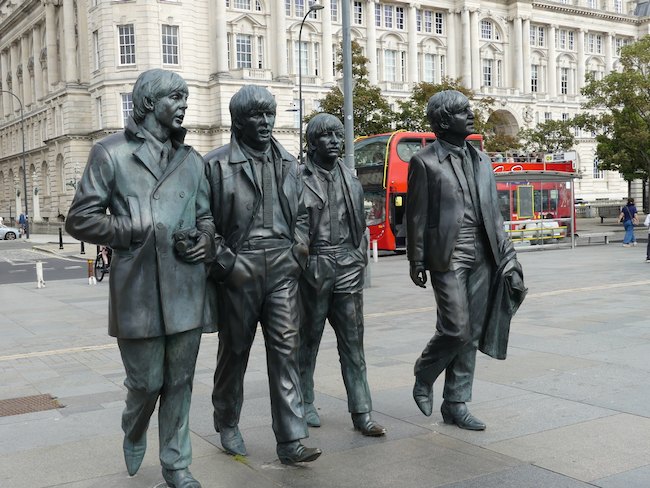
We exited the bus and made a quick walk over to pay homage to the larger-than-life statues of the Beatles prominently on the Liverpool ship harbor. This picture is a miracle – there was a line of people waiting to have their photos taken with the statues – a favorite was holding hands with Paul McCartney – and there had to be a second or two of space while one walked away and the next approached. It took a while! I was lucky to have two seconds to shoot this shot before the next in line took her place.
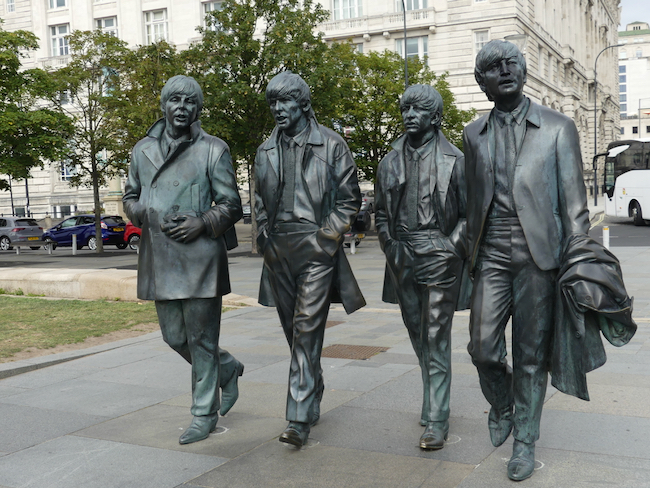
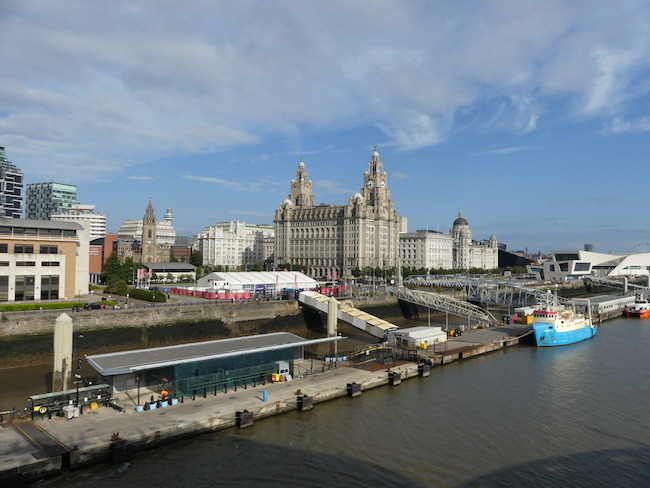
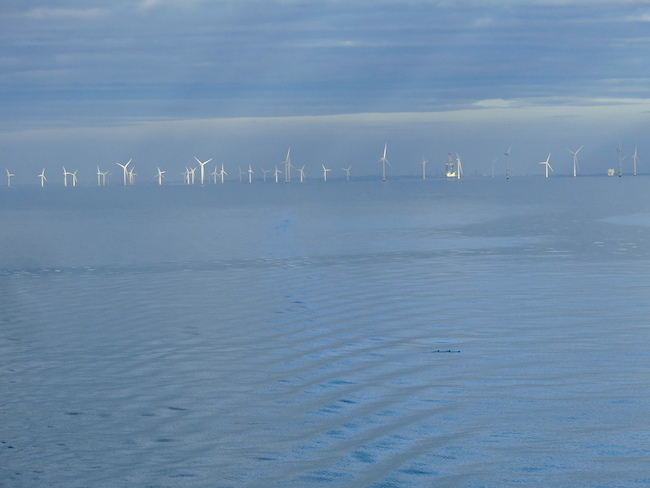

Another fun, memorable day with so many impressions and images that it is impossible to absorb and integrate them all. I thank God I kept a journal to help me know which day I was in which city!
British Isles: Wales and Carnaefon Castle
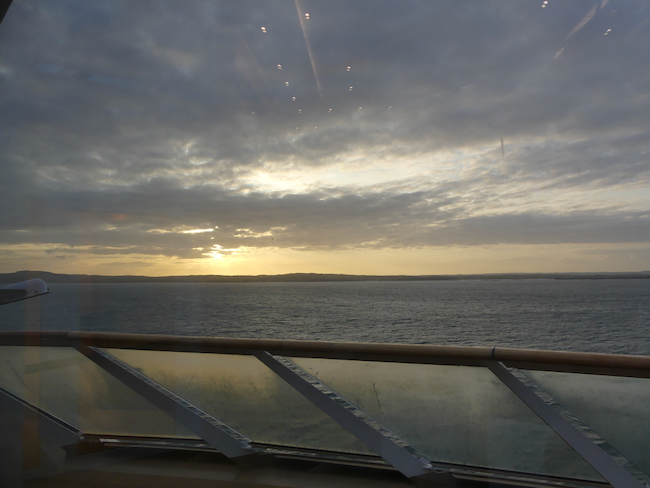
We don’t have any activities until we leave for Castle Carnaefon. I woke early, dressed, went up to Explorer Lounge for sunrise and to catch up on e-mails. AdventureMan caught up with me, we went to breakfast, then to the spa. I filled out a Viking request for assessment and delivered it to guest services on my way to the spa.
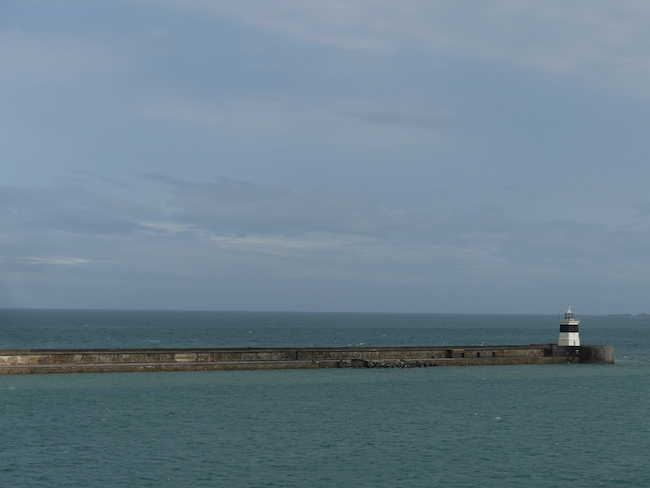
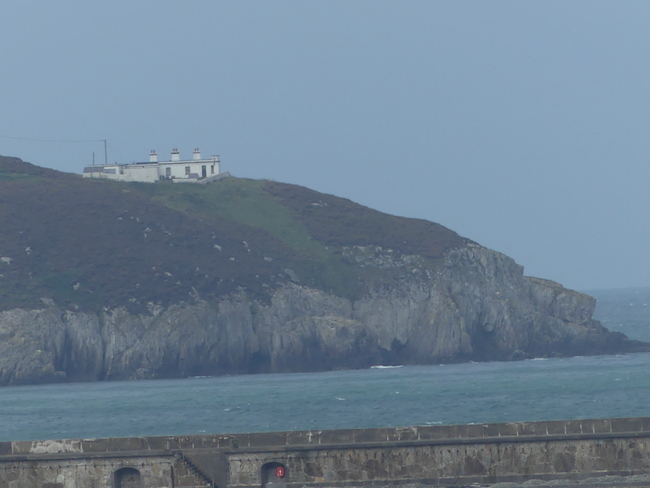
I’m the only one in the pool for the first half hour, and feel great about exercising without feeling watched. The water is cooler than the first day and more comfortable. AdventureMan joins me, we visit and recover on the lounge chairs, then I return to the room and AdventureMan follows later. We take it easy, read up on Carnaefon Castle, and eat lunch early, then meet up with our group at one. Actually, there are three groups going.

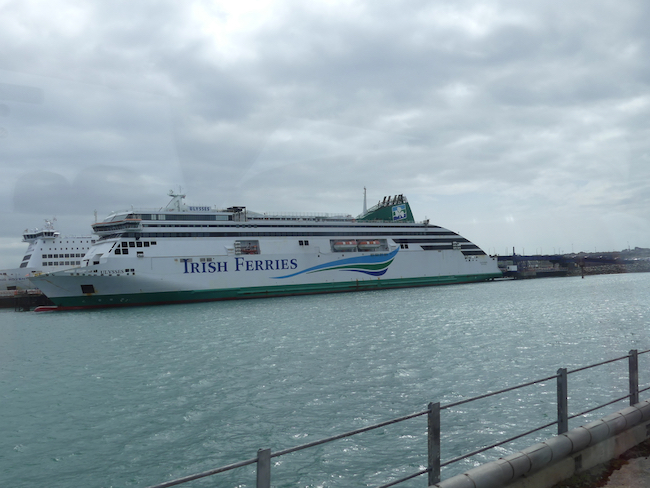
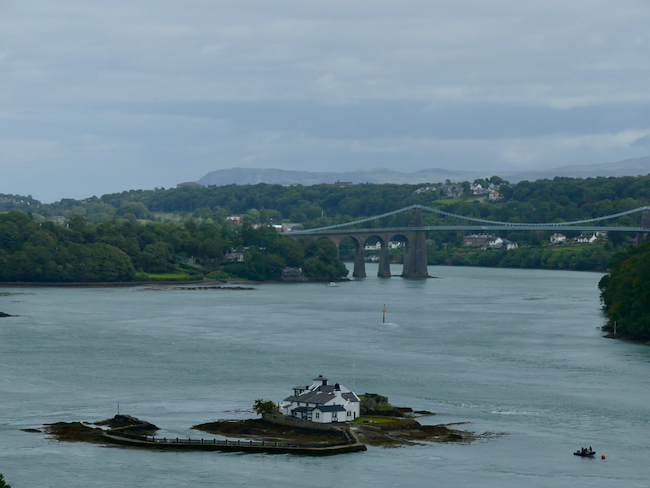
This photo above haunts me. The house is so vulnerable, so low to the water, it would look as if it would flood with a bare rise in the water. In the right lower corner is a small boat with people in it approaching the island. You can see there is an inlet on the riverside of the island where a small boat might be moored and protected somewhat from the vagaries of the river. The house looks sturdily built, but so isolated! So vulnerable!
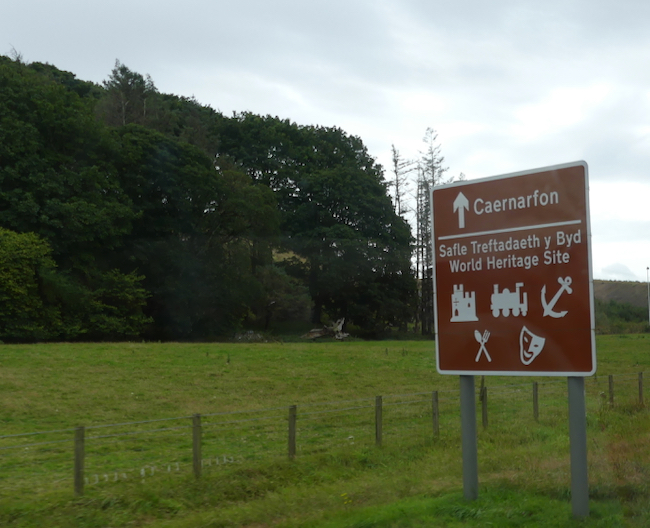
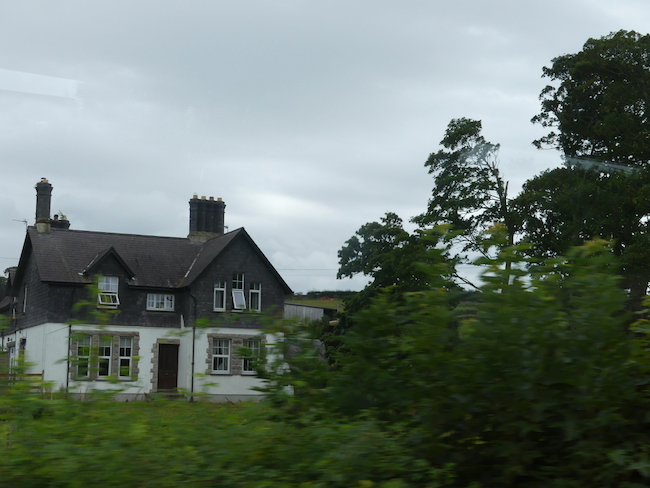
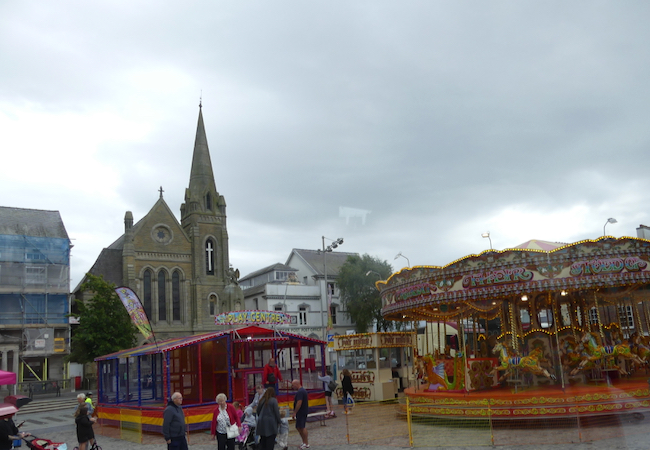
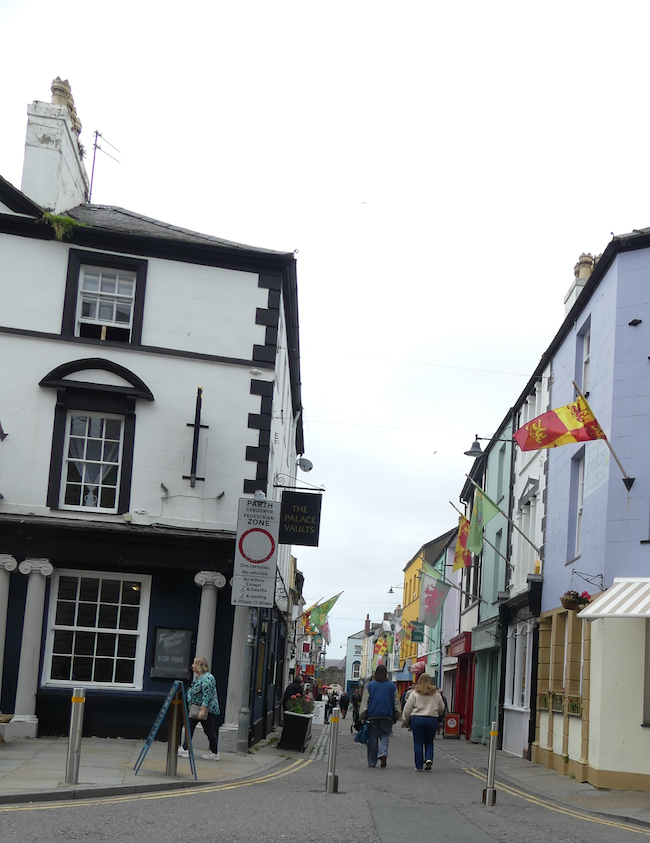
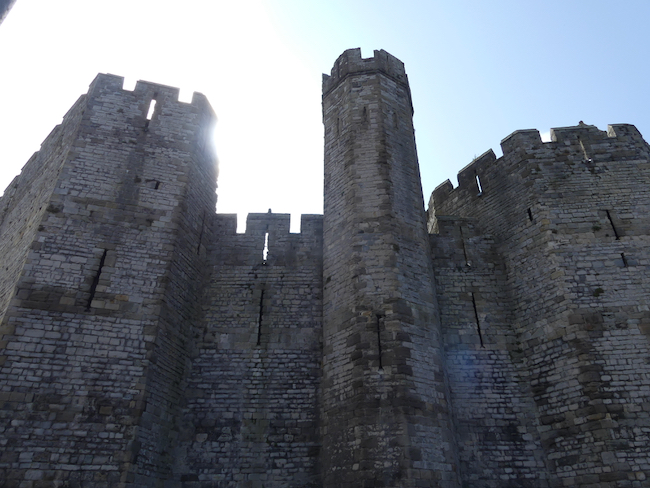
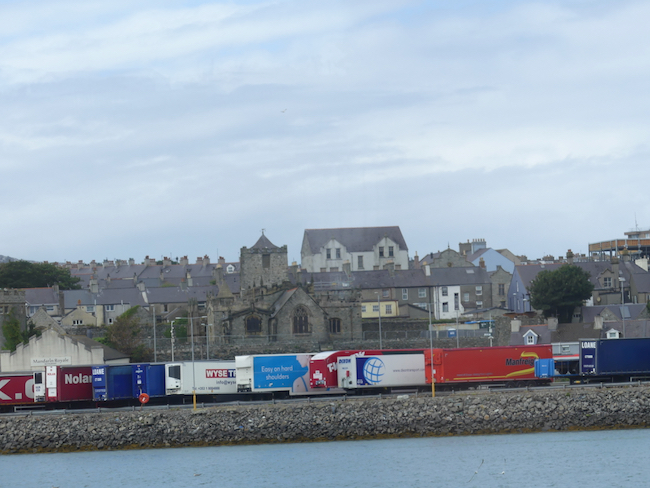
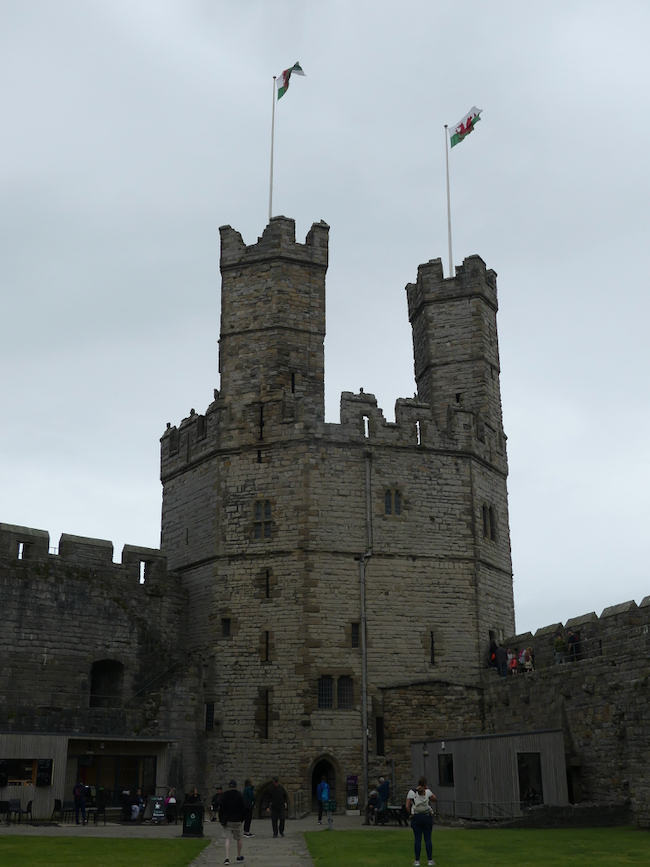
It is a lovely drive. We have a great guide, who gives us a brief history of Wales, and a lot of history about the castle, which is one of the earliest castles in the British Isles, huge, and is the castle of the Prince of Wales. We start in the kitchen, which had some system of running water, huge fire pits, separate rooms for a variety of functions; the speculation is that the kitchen fed around 600 people daily.


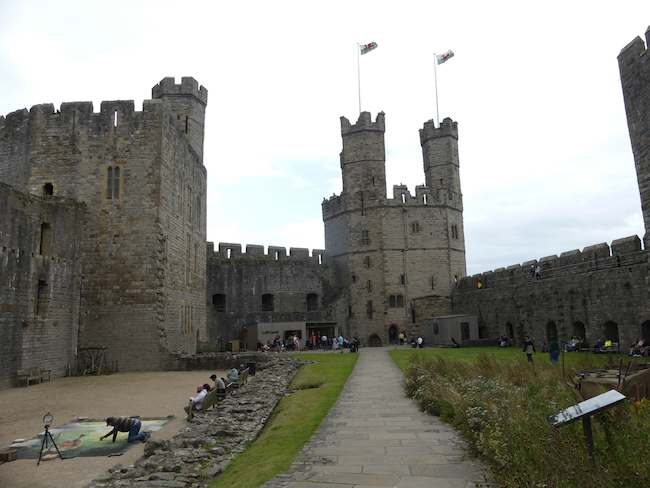
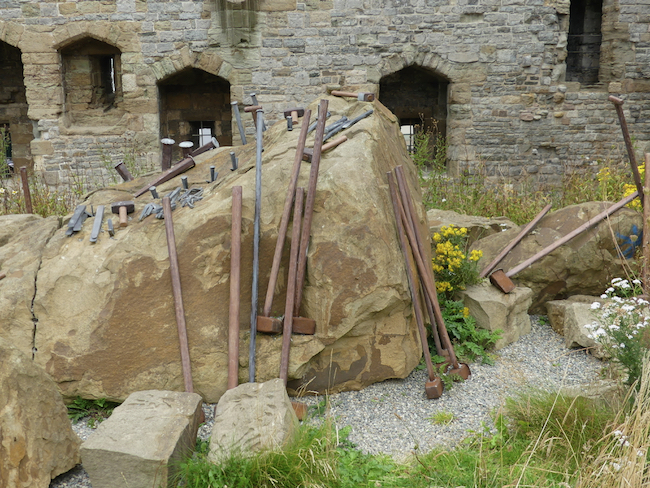
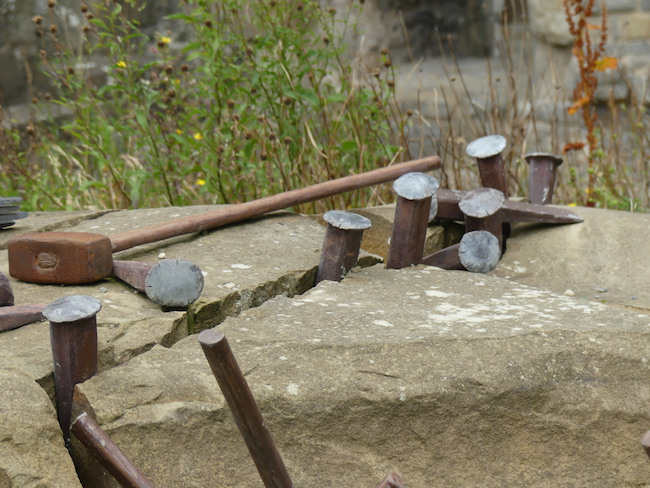
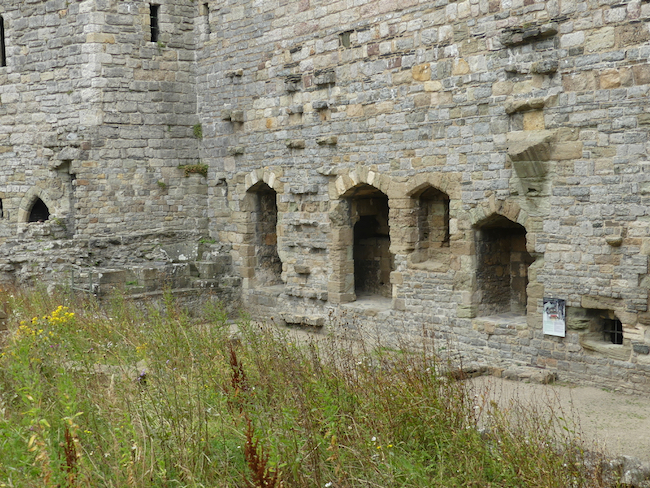
Below is the old kitchen area – inside and outside. It is hard for me to imagine feeding 600 people at least one meal a day every day of the year from this kitchen area.
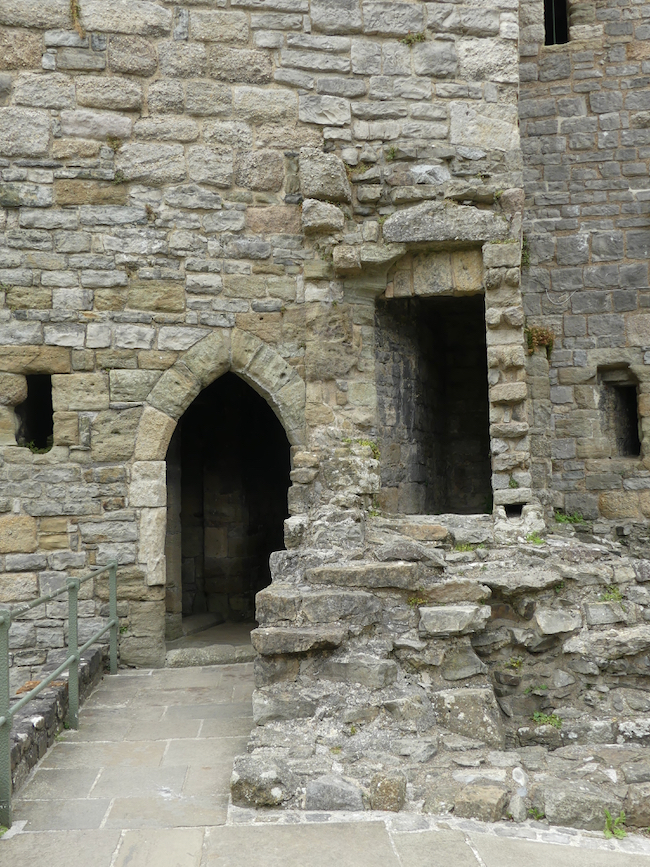
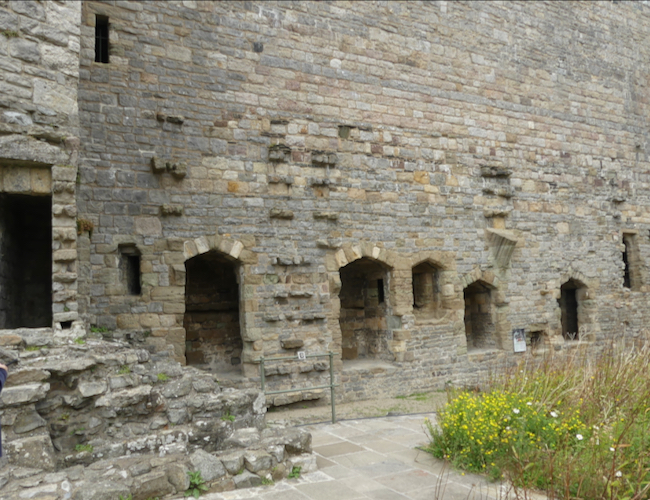
The walls are huge; high and thick, with arrow slits. We are told that there was little crime within the walls because those caught committing theft or assault were simply thrown out or executed.
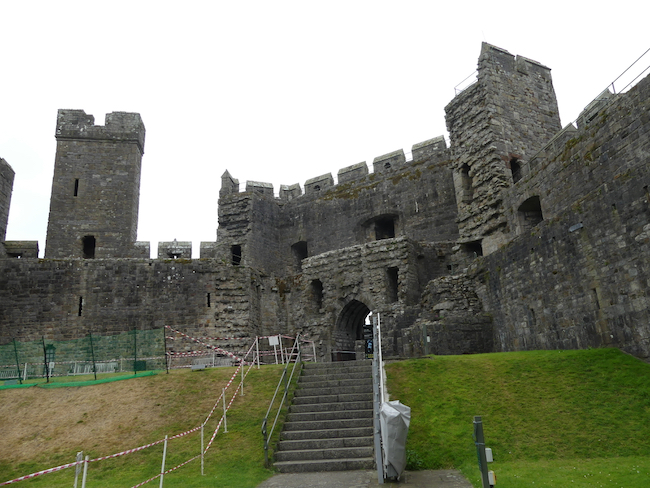
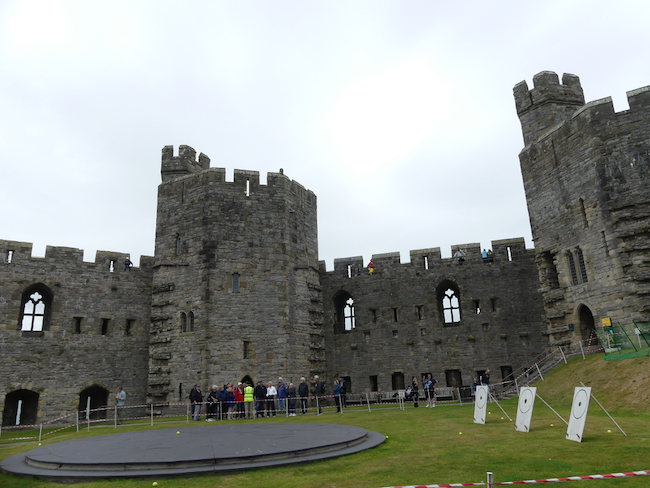
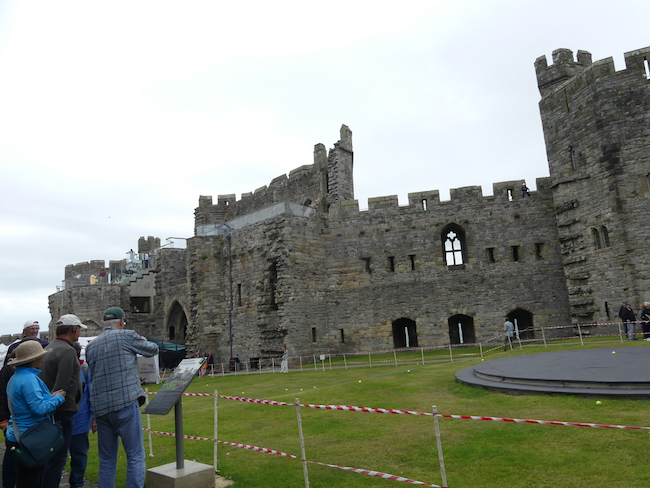
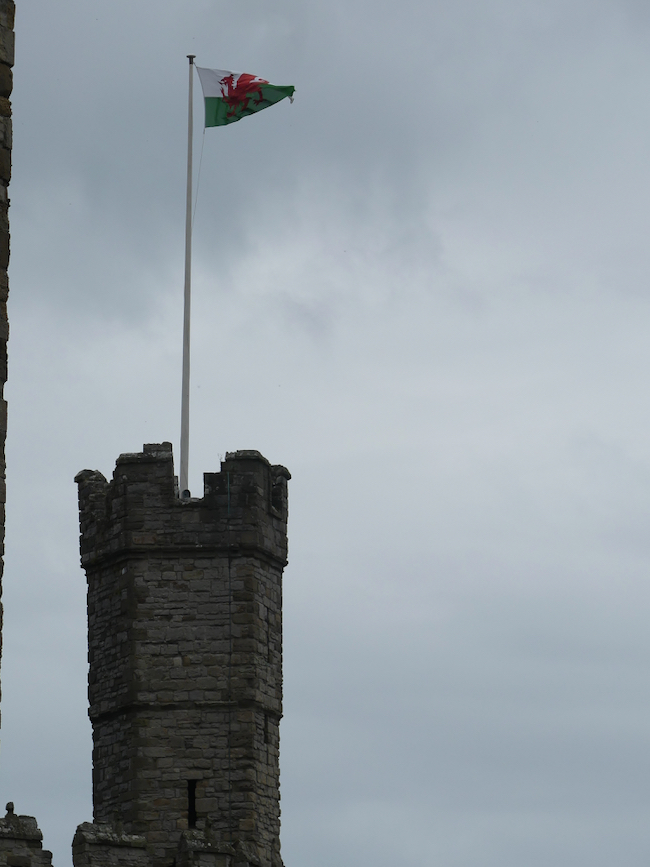
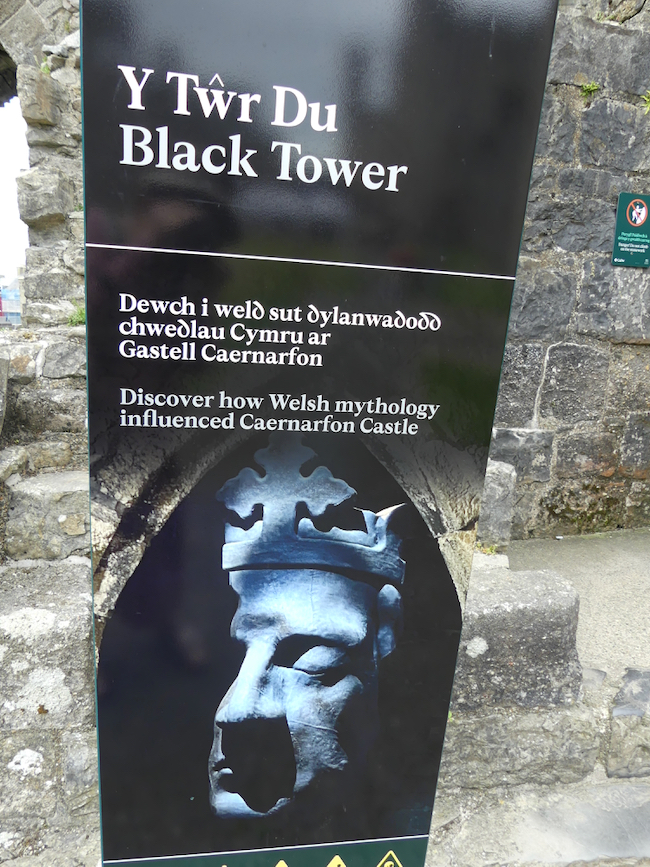
AventureMan found a comrade-in-arms in the Castle Museum and they had a long talk, then his new friend called his friend at the Fusiliers Museum and sent AdventureMan there, where he had another really good war-fighting related conversation, while I explored the castle walls and functional areas. I tried to get up the stairs, but there were groups blocking the way, so I had a coffee and hit the gift shop, then sat on a quiet bench in the old kitchen area, waiting to meet up with AdventureMan and the group.
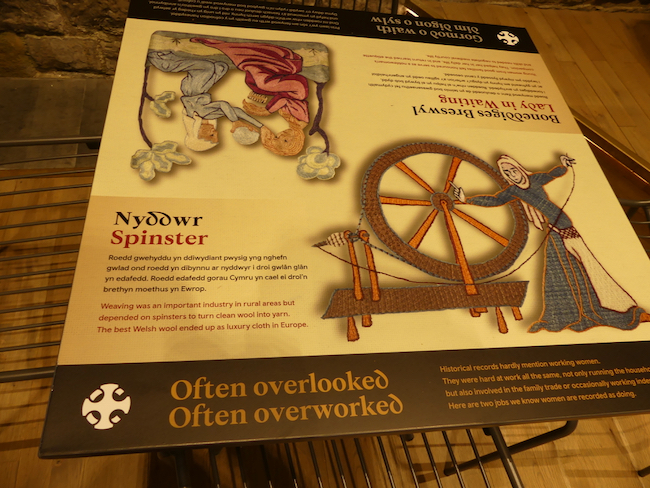
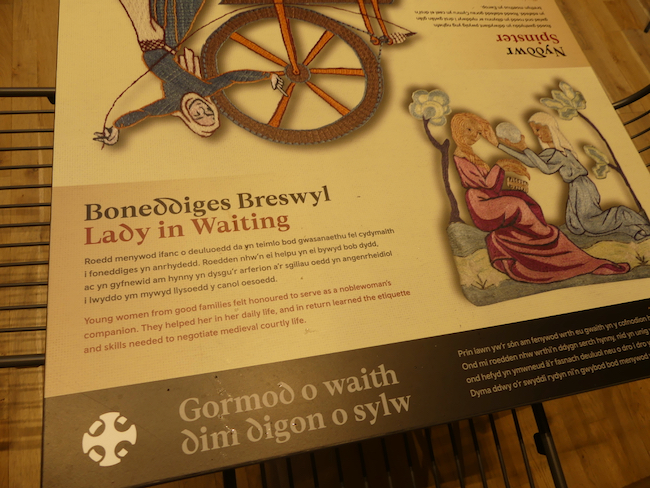
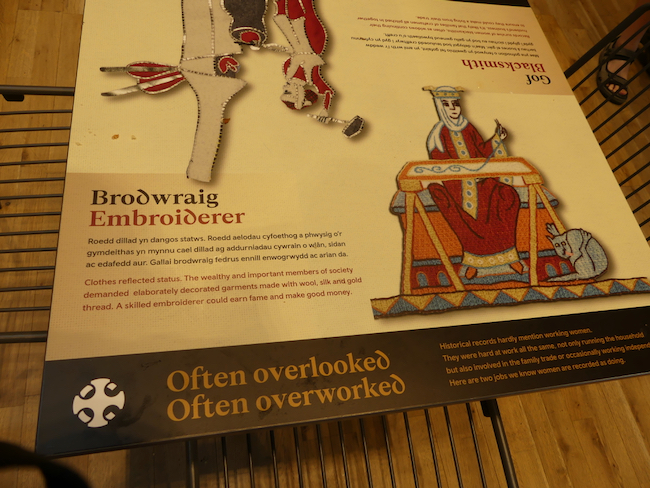
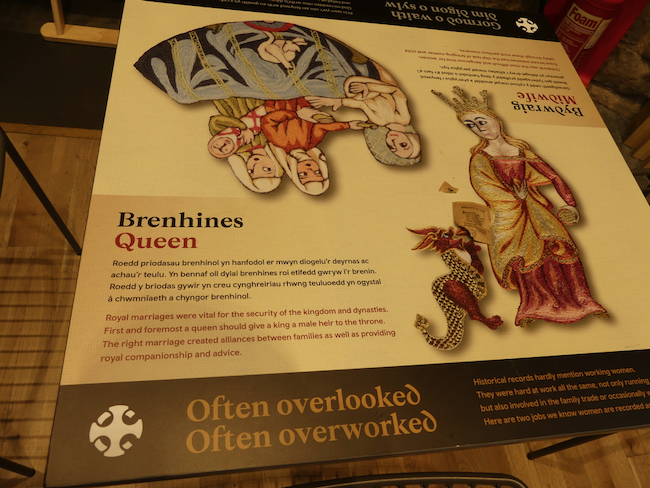
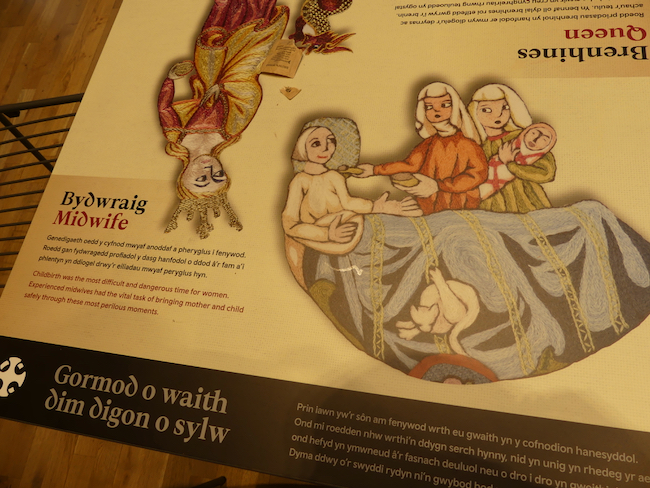
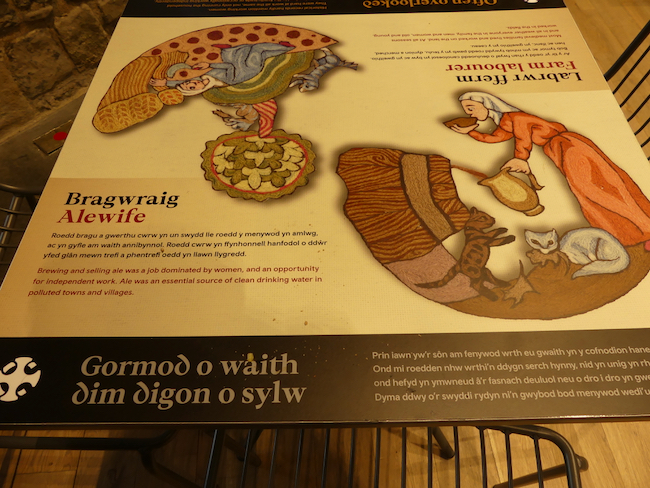
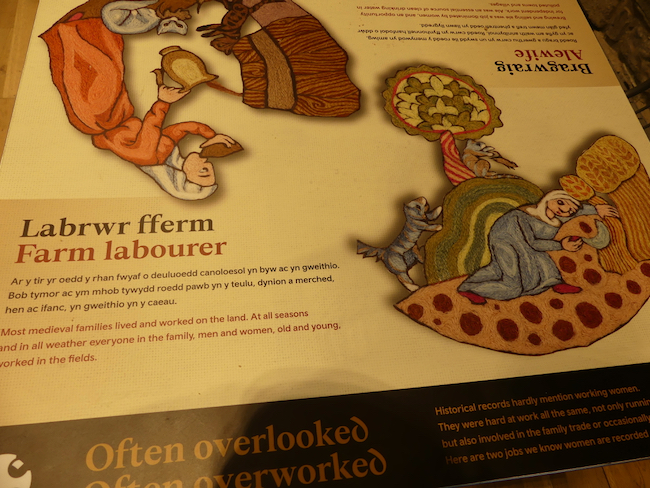

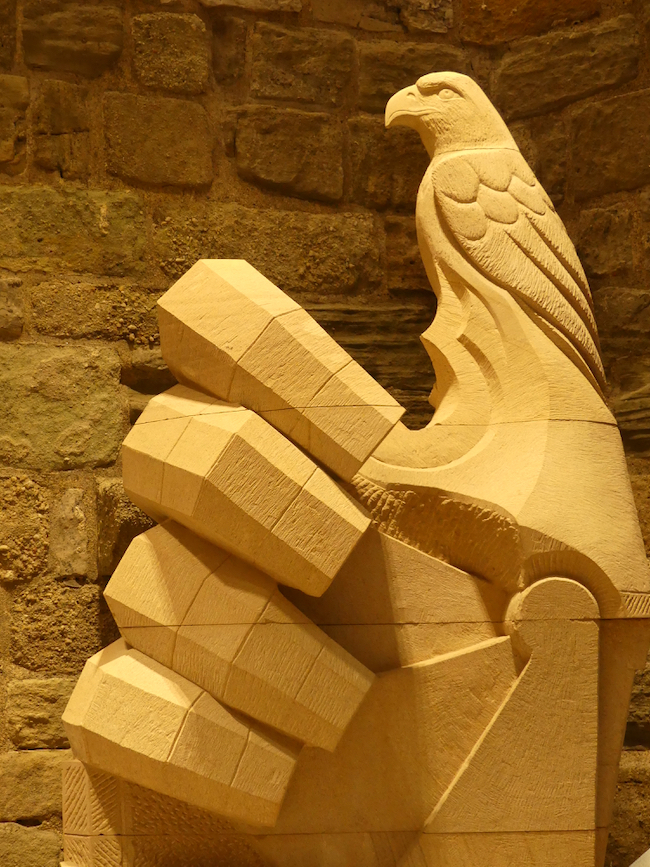
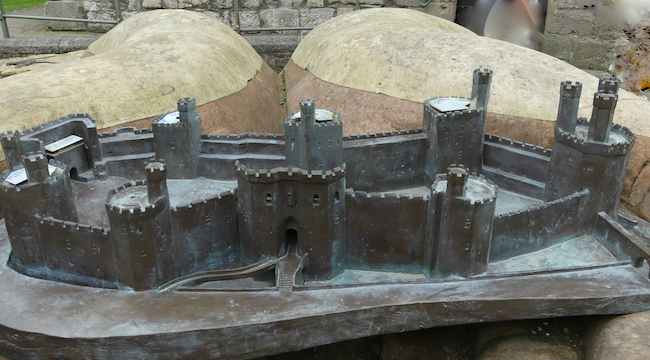

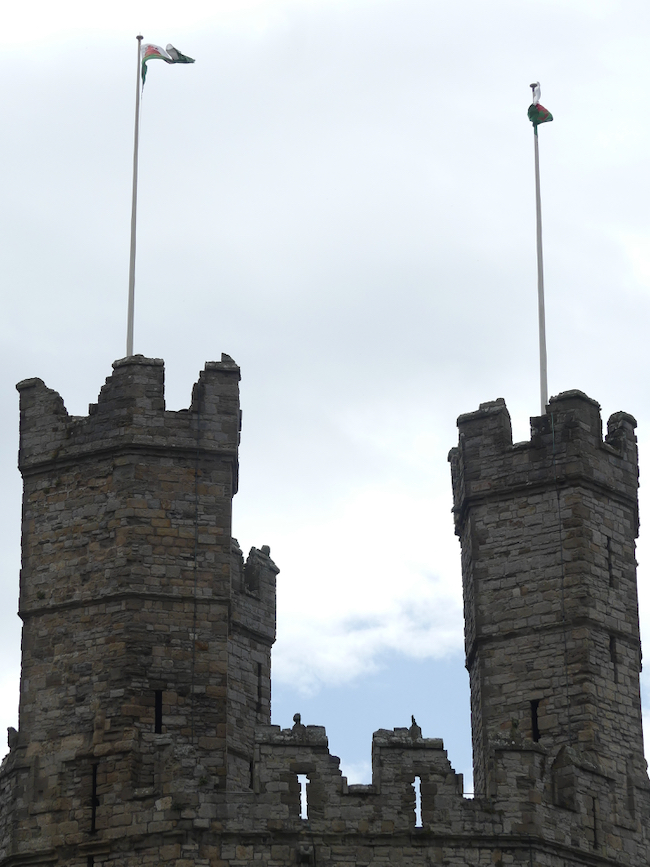
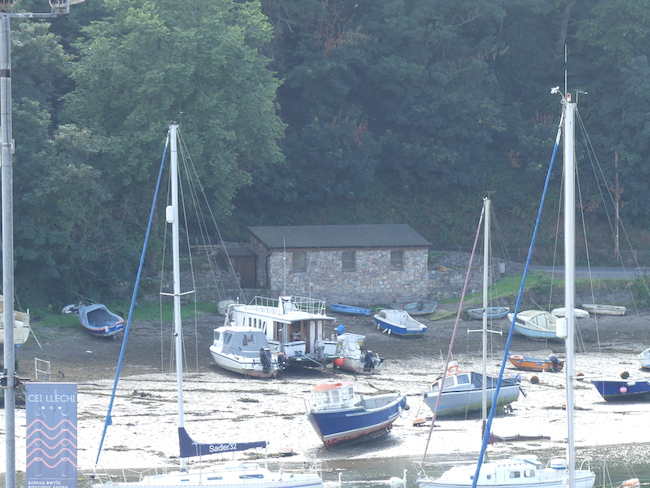
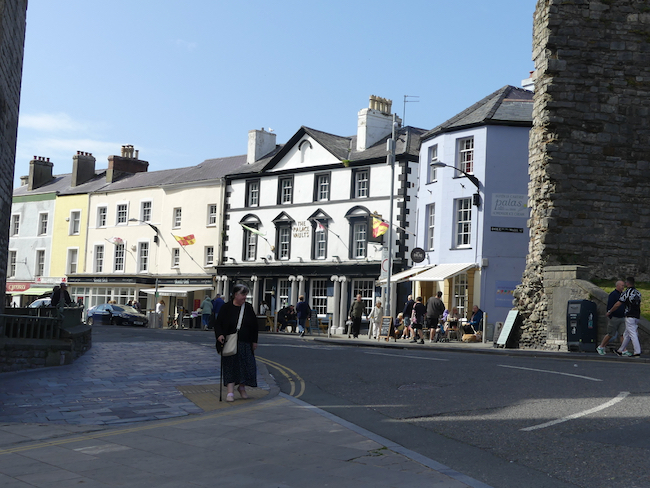
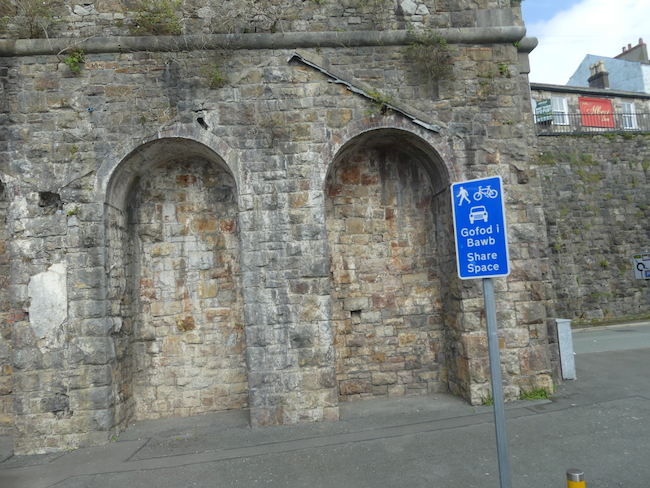
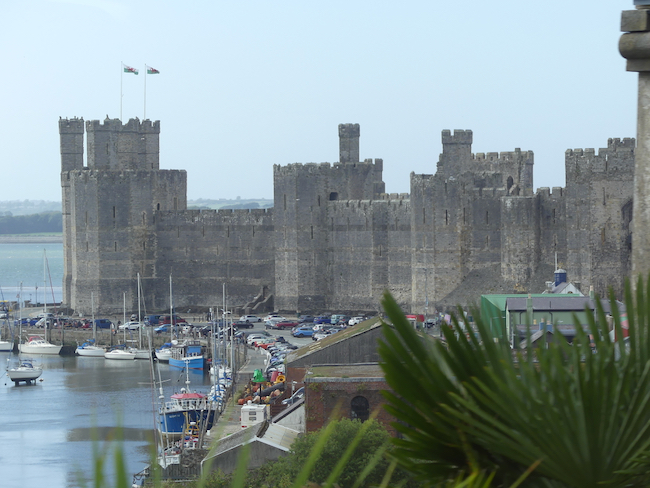
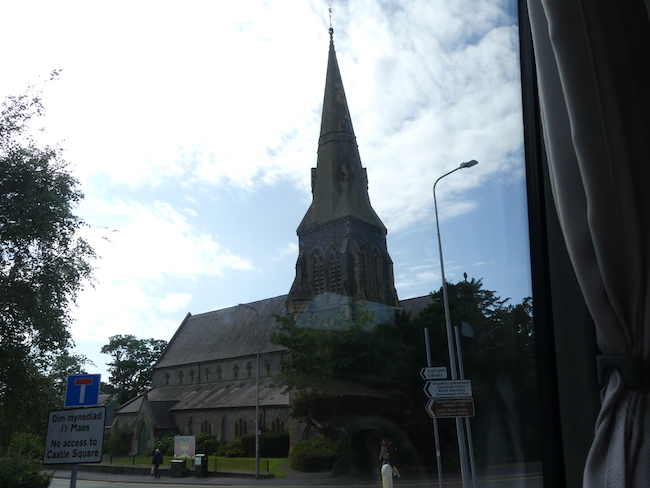
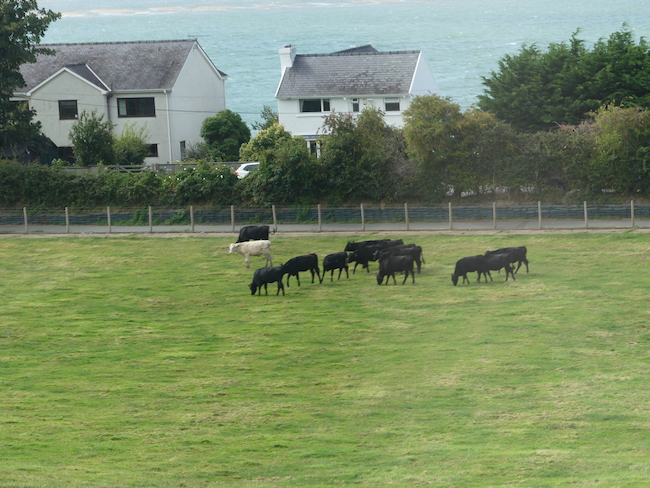

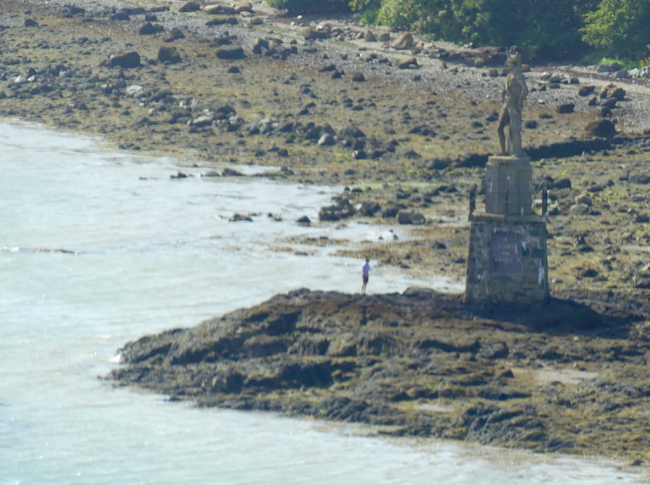


Back on board, we had some of our Greenwich wine and our Herrod’s cheese and sat out on our sunny balcony reviewing our experiences until time to meet up with our friends for dinner. After dinner, we walked the upper decks, chatted with some of the other guests and then returned to the room to prepare for tomorrow’s visit to the ancient Roman city of Chester.
Here is what bothers me. I can say I’ve visited Wales; that might sound impressive. The truth is that today we spent about eight hours in Wales, mostly in the harbor, on the bus, in a historic castle, and then on the bus coming back. There is something in me that does not think this really counts as “visiting” Wales. I have a Welsh friend. I would have loved to have seen more of the country with her; I would have loved to walk the country, speak with the people, eat the food, live through a winter in a small Welsh town. I think the expat in me goes deep. An eight-hour span of time barely begins to touch the surface of a country with a history and culture like Wales. It almost feels disrespectful.
Crime Wave? Another Lie
Today I am sharing a blog post from Robert Reich, about how we can deal with the absurdities we are hearing about crime waves – but only in inconveniently Democratic majority cities:
How to respond to Trump’s lies about a “crime wave”
AUG 28, 2025
Friends,
Trump’s escalating rhetoric of a “crime wave” in America, coupled with threats to occupy Chicago, New York, Baltimore, and many other cities, has put many Democrats in a bind.
They worry if they deny crime is a problem, they could turn off swing voters who always and inevitably worry about crime.
As with immigration, crime is an issue that Trump can demagogue because, while the rate of serious crime his fallen dramatically, most Americans continue to fear crime. That fear has been heightened by expanding homeless encampments and drug overdoses in plain view, no matter what the statistics say.
Crime has also been a racial dog whistle. At least since Richard Nixon emphasized “law and order” and Ronald Reagan said he’d be “tough on crime,” Republicans have used fear of crime as code for white fear of Black people.
So what should Democrats do? My suggestion: Don’t simply give statistics showing that the rate of dangerous has fallen. Say safety is critically important, but local police rather than federal troops are best at dealing with it.
Don’t stop there. Hammer Trump for pardoning the 1,500 criminals who violently attacked the United States capitol and caused the deaths of four police officers — and for then firing the federal prosecutors who held them accountable.
Attack him for opening the floodgates to white-collar crime — hobbling the Consumer Financial Protection Bureau, freezing enforcement of the Foreign Corrupt Practices Act, disbanding the National Cryptocurrency Enforcement Team, and retreating from almost all federal lawsuits involving money laundering, crypto markets, and foreign corruption.
Since retaking the White House, Trump has granted clemency to Lawrence Duran, a health care executive who was convicted of leading a Medicare fraud and money laundering scheme. Trump has commuted the 14-year sentence of Jason Galanis, who defrauded investors, including a Native American tribe and a teachers’ pension fund, of tens of millions of dollars. He has pardoned Julie and Todd Chrisley, the reality TV stars convicted of bank fraud and tax evasion.
In April, the Wall Street Journal reported that Attorney General Pam Bondi was “swapping out and sidelining career supervisors who were responsible for charging crimes such as corruption, price fixing and securities fraud.”
Trump is soft on crime as long as the crime serves his own purposes. People who try to get on Trump’s good side — such as New York City Mayor Eric Adams, who was indicted on bribery charges during the Biden administration — have seen Trump’s Justice Department drop its charges against them.
Before they poured money into Trump’s initiatives and PACs, many Big Tech corporations were facing federal investigations and enforcement actions. Those investigations and lawsuits are now being dropped.
Earlier this year, the Department of Justice dropped its criminal case against Boeing, which involved the company’s role in two plane crashes that killed 346 people — despite Boeing previously agreeing to plead guilty in the case.
Trump is himself a criminal, found guilty on all 34 counts of falsifying business records in the first degree related to payments made to Stormy Daniels before the 2016 presidential election.
Don’t just accuse him of manufacturing a pretext to go into American cities. Hit him hard on his own horrific record of coddling criminals.
Morocco Malta and the Med: Algiers!

We are excited. Algiers is one of the reasons we booked this tour, knowing that things can happen, and that for political reasons, or because of weather, it might not really happen. When you travel, you just have to accept that things are not always going to work out.
(On this trip, by the grace of God, every single thing worked out.)
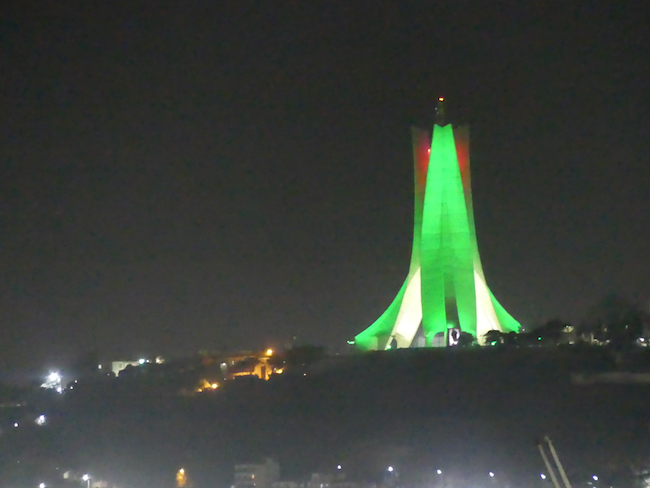
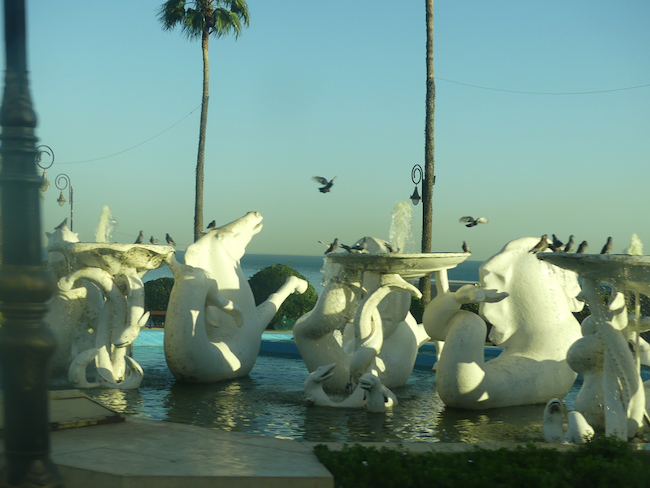
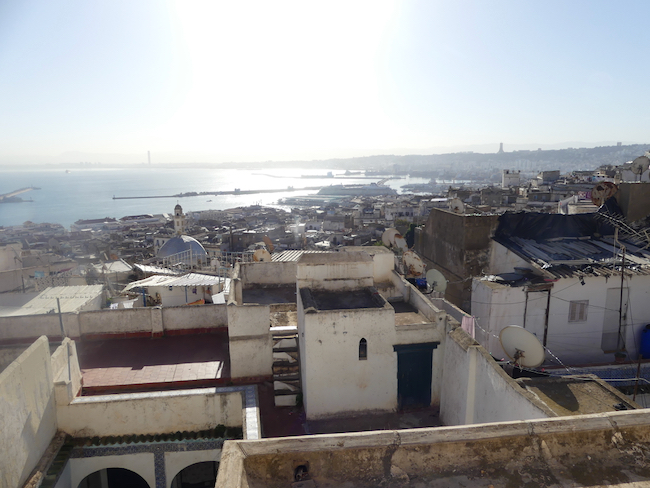
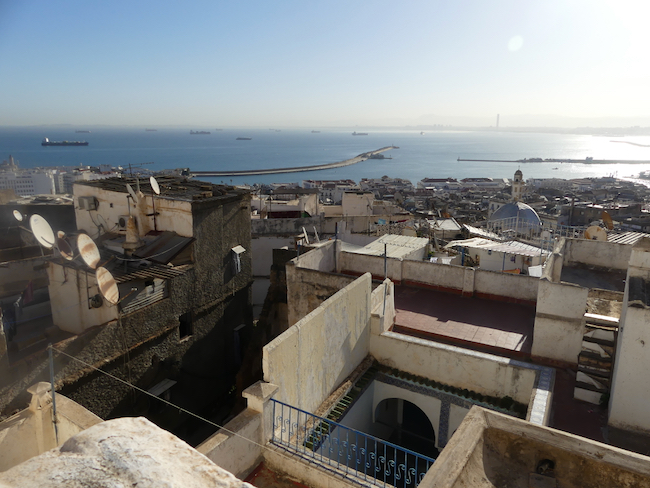
It’s still dark, and we are sailing into the harbor at Algiers. On the hill I see – A Christmas Tree??!! No, as it turns out, this is a memorial to the martys of the war, the Algerian war for freedom from the French.
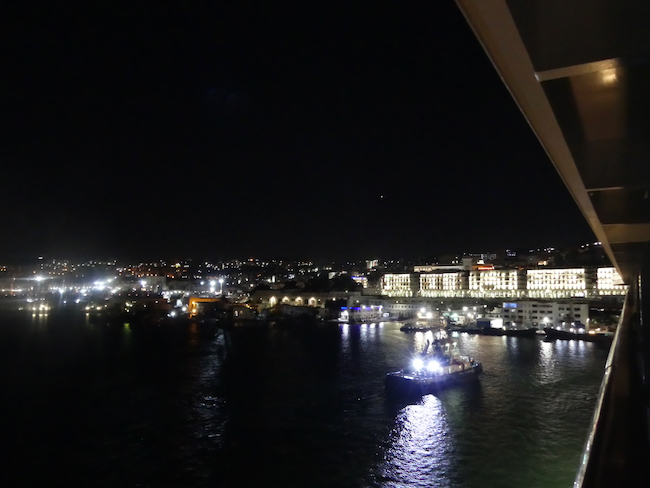

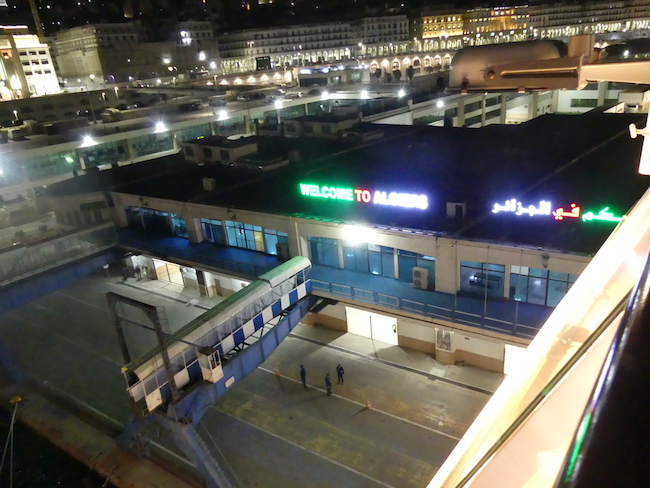
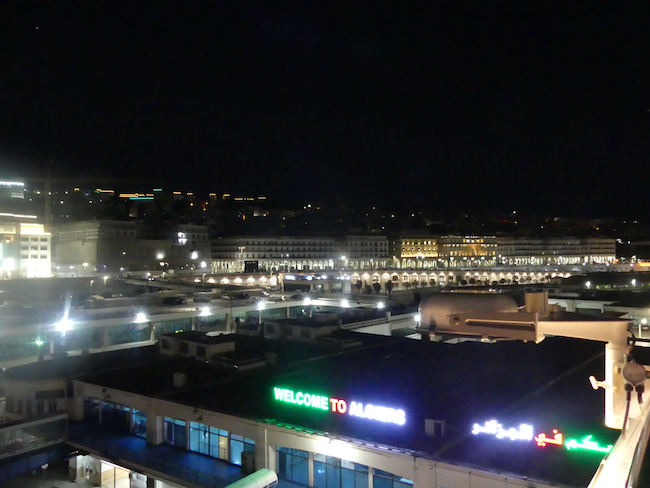

Algiers is the only port in which I heard the call to prayer. It was hauntingly beautiful. The mosques do not all start at the same time, so there is a kind of cacaphonic beauty from a large number of prayers going up at the same time.




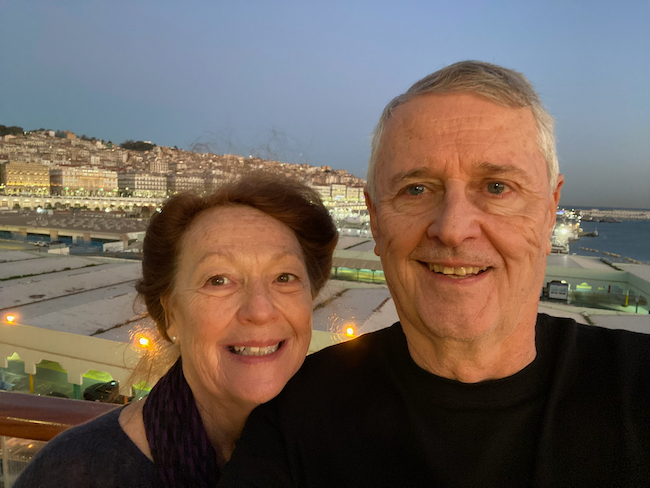
The Hall of Honor is where we process through to get to our buses.

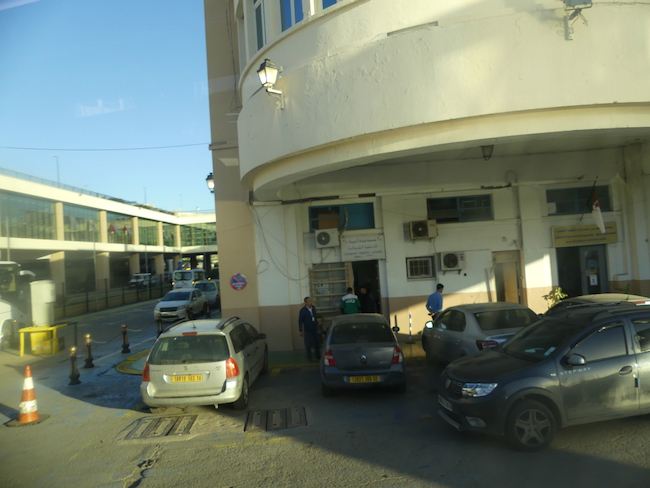
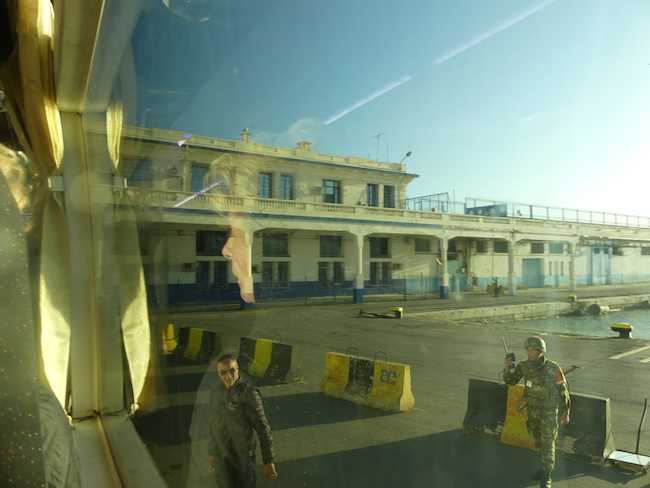


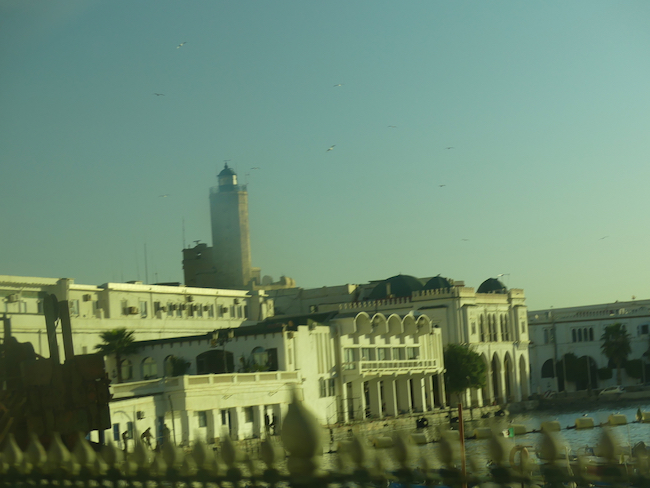
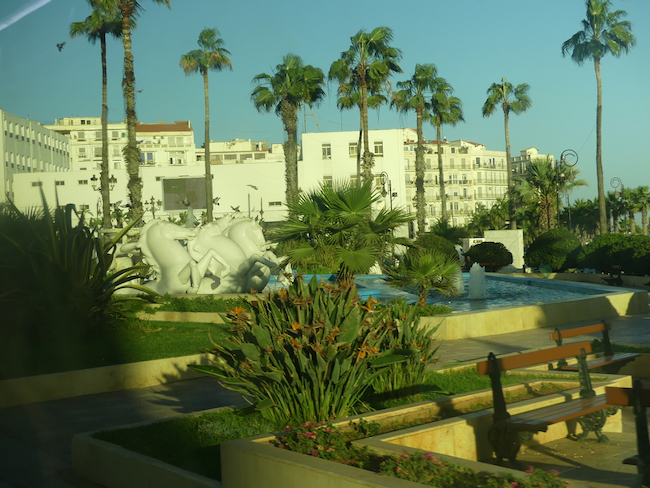
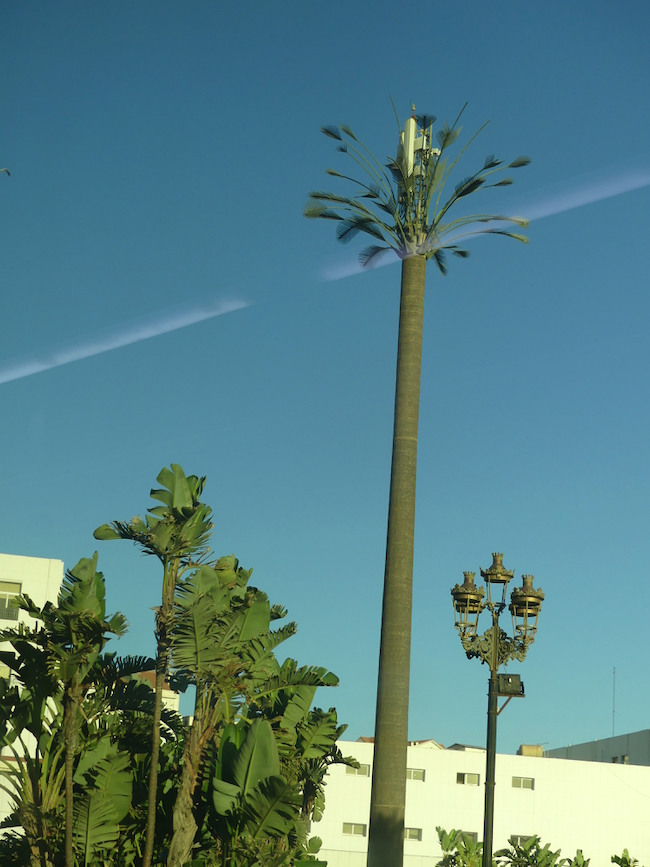
We used to see these “Palm Trees” in Kuwait, really communication towers.
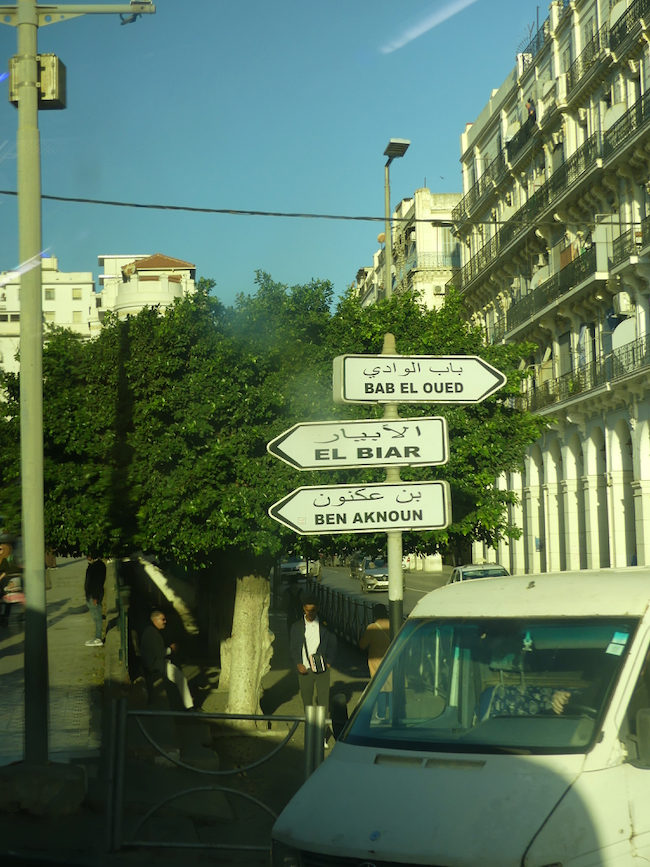
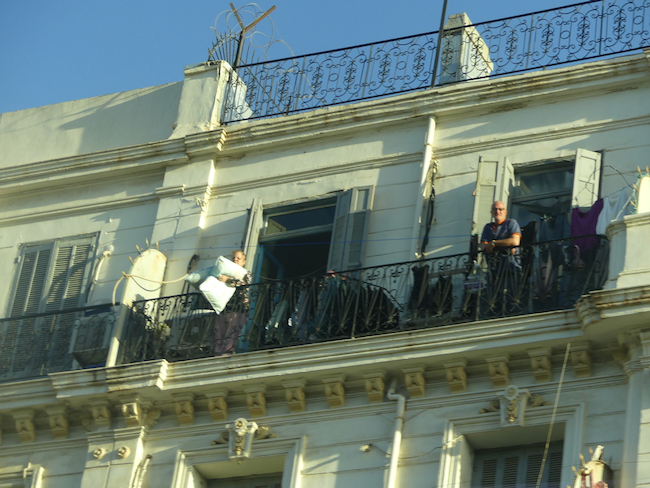


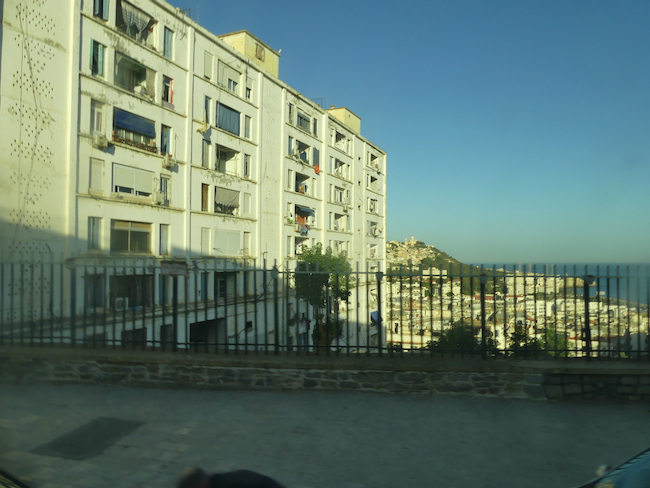
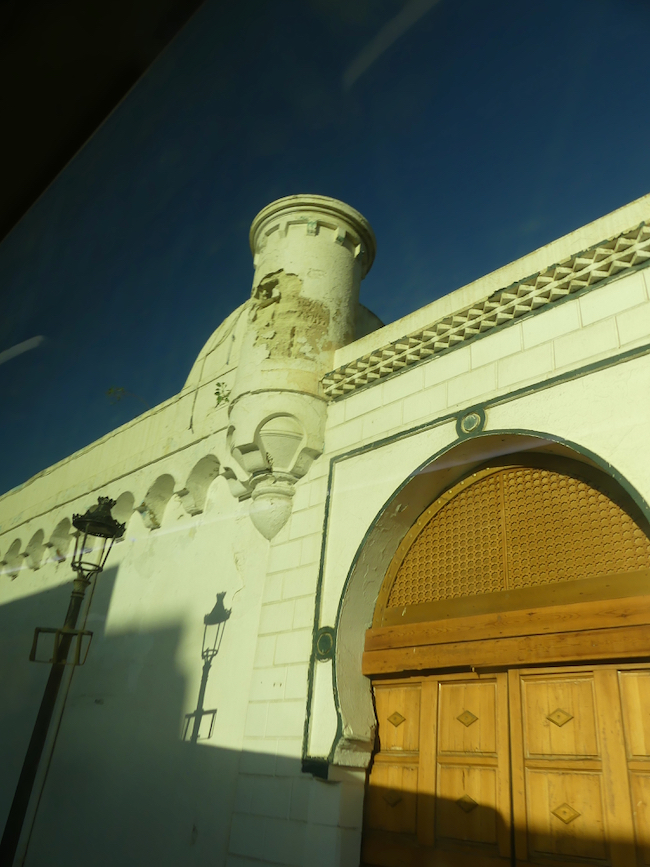


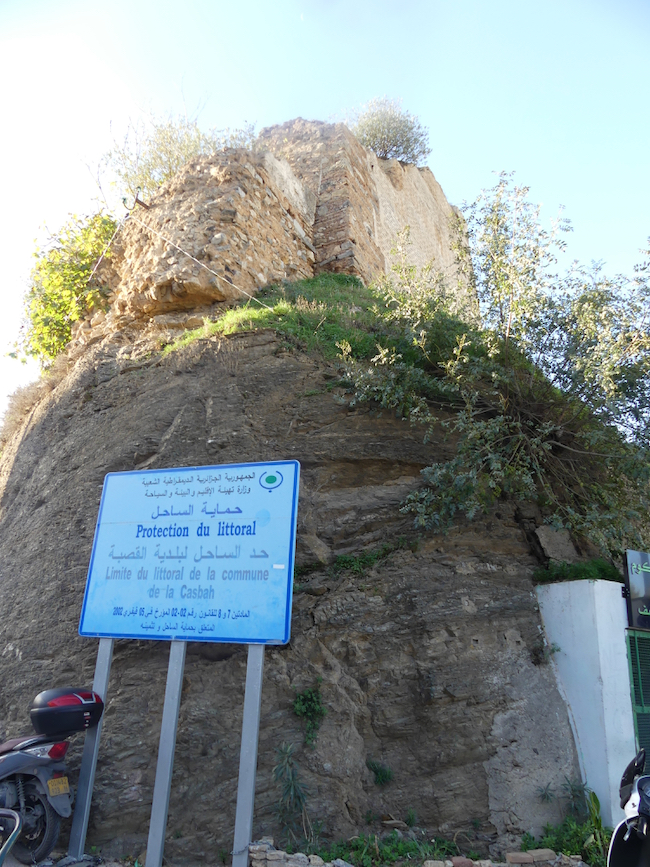


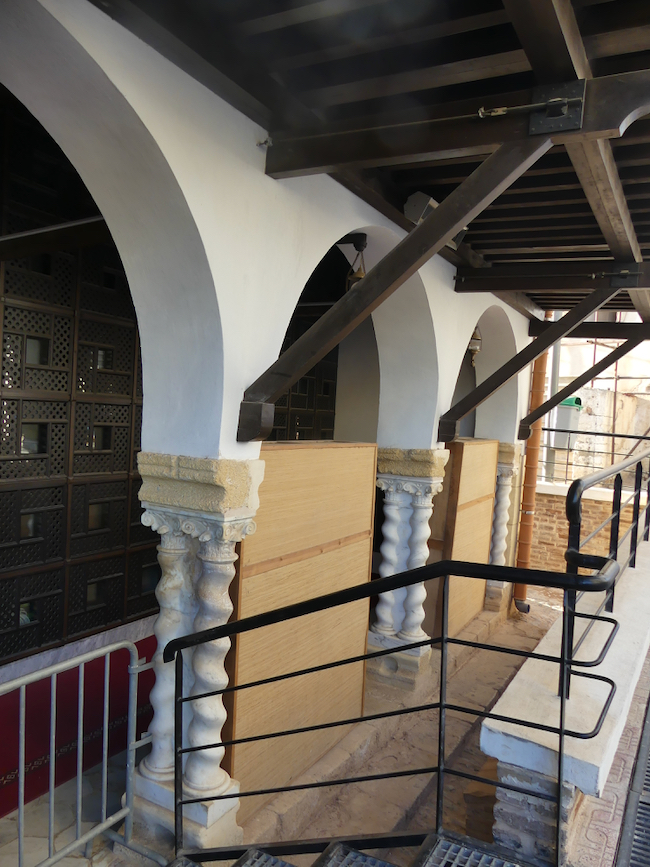
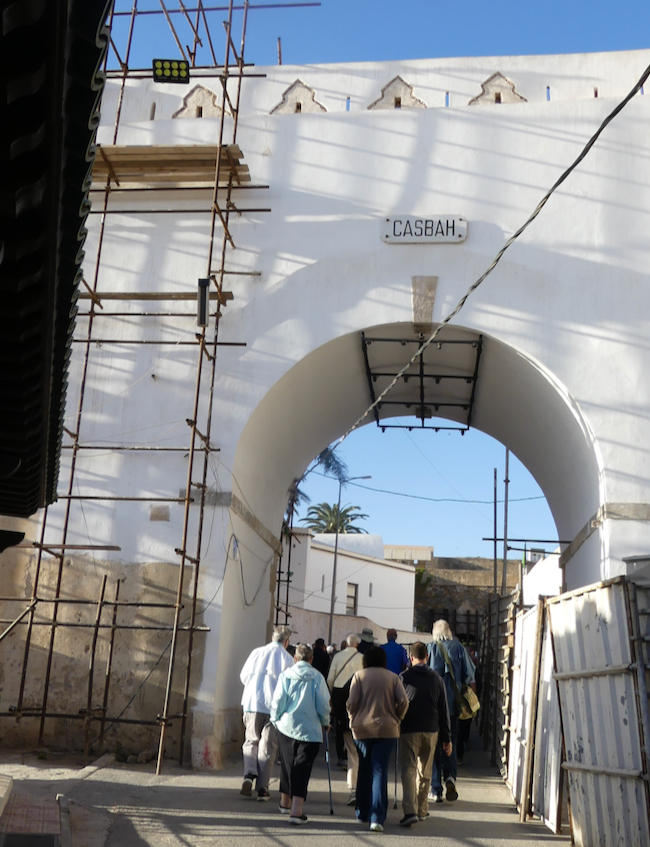



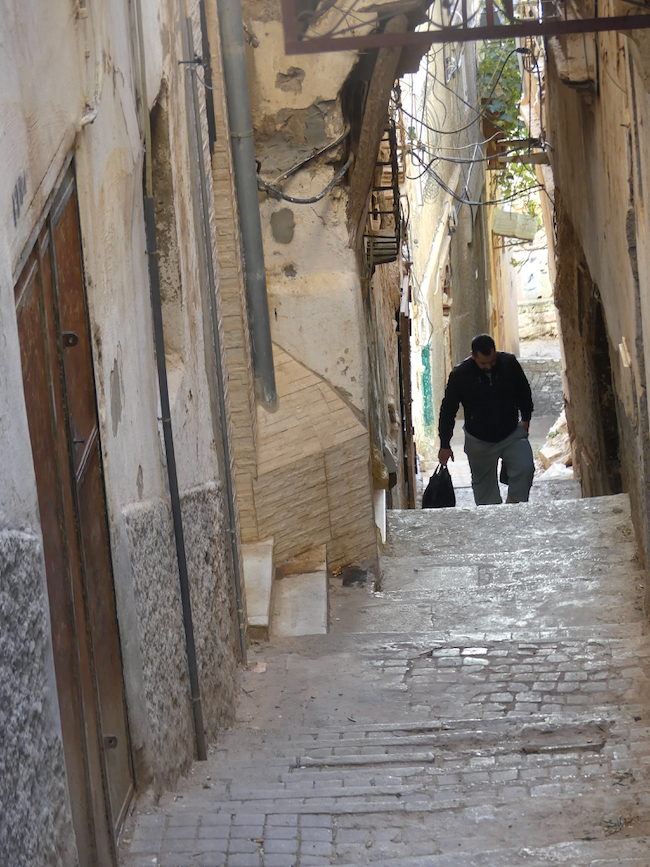
You may be thinking, “Some of the photos here are not the quality we expect!” So, I will explain that I am shooting as fast as I can, surrounded by people I am trying to keep out of my shots, so I can give you an idea of what we are seeing. There is one group after another, all holding up their cameras, getting in one another’s shots. I try to stay ahead or behind, but trust me, the pressure is on. Each group is about twenty-five people, each group with five poorly disguised armed guards, trying to not look like armed guards. They turned out to be really nice guys. Trying to keep American tourists in a line going at a steady pace is a thankless task.




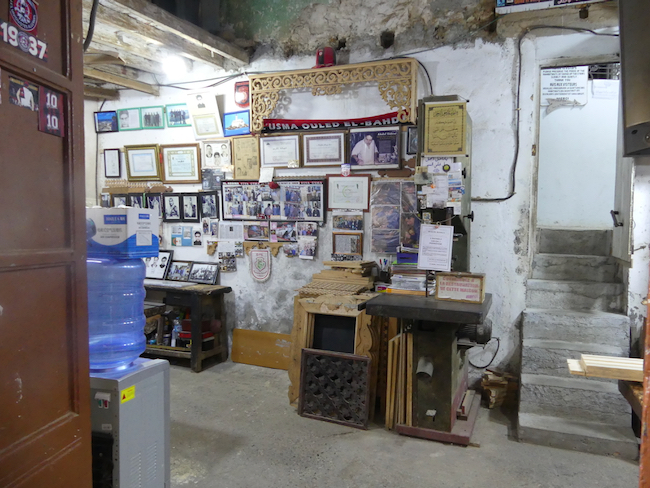

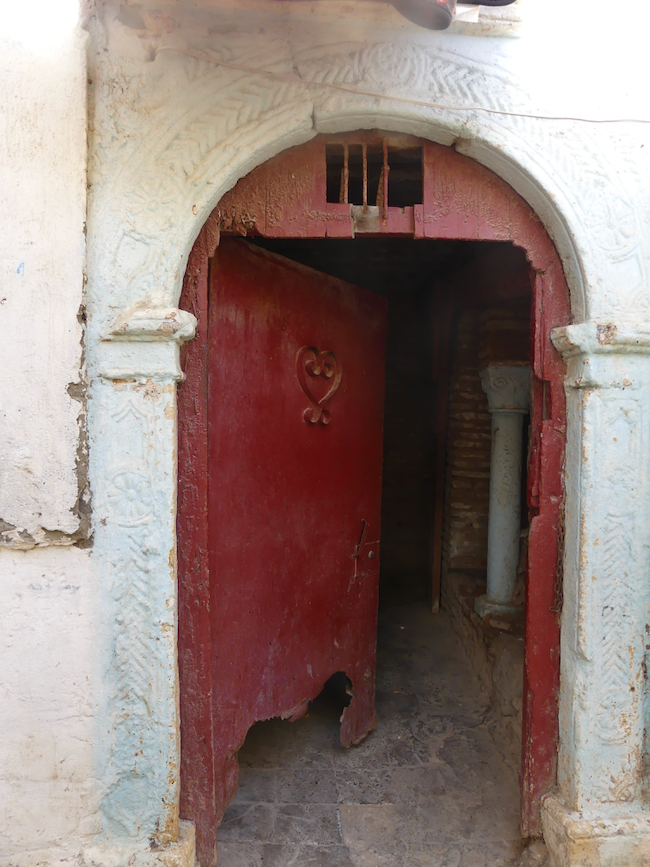


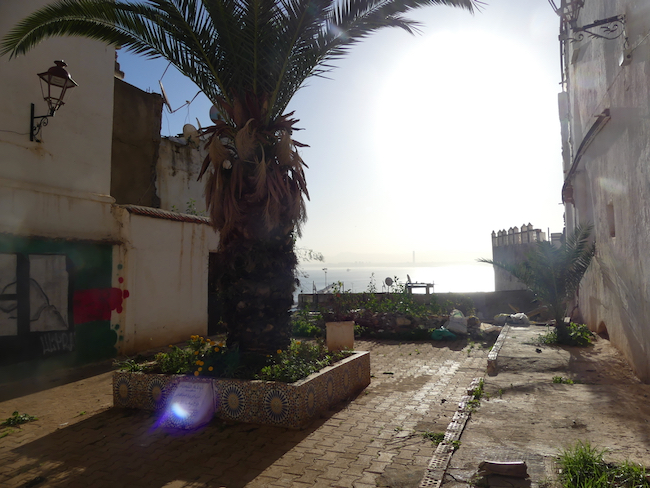
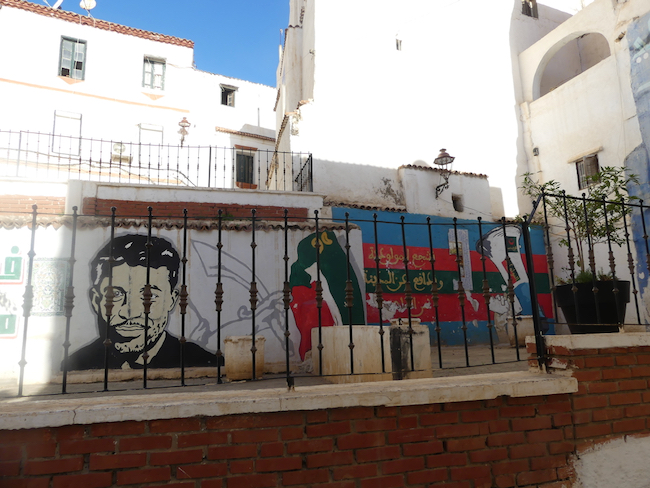

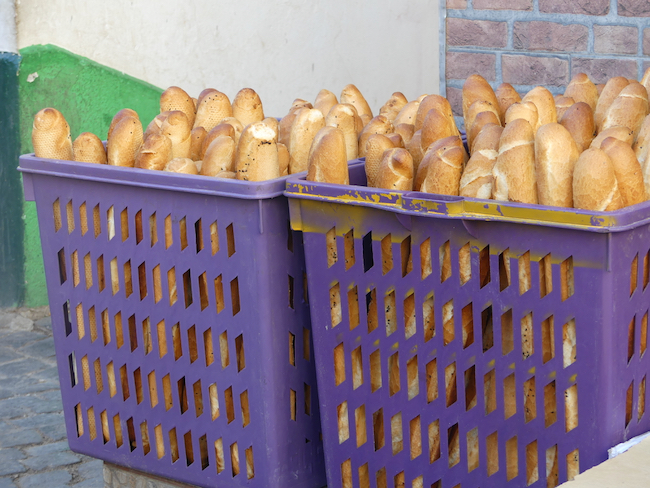
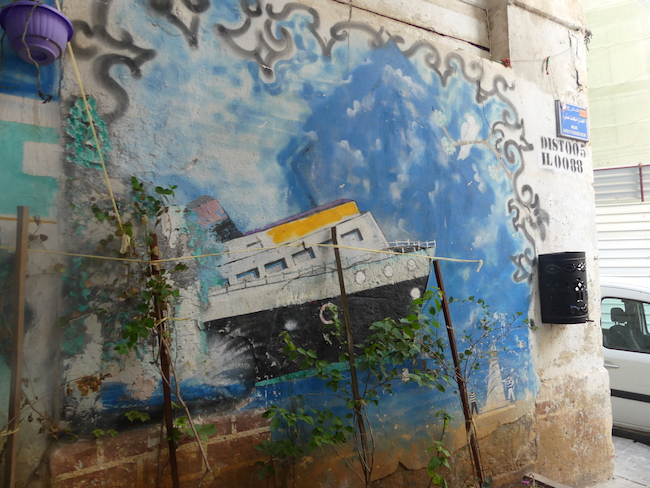
To me it was a little weird that every rectangular plastic basket I saw was purple.
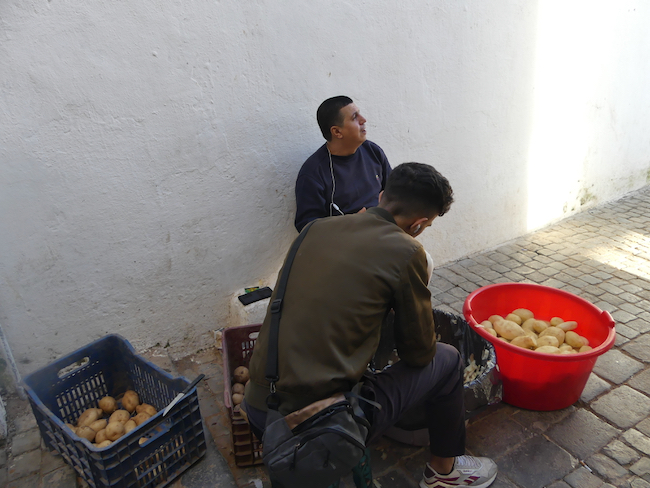
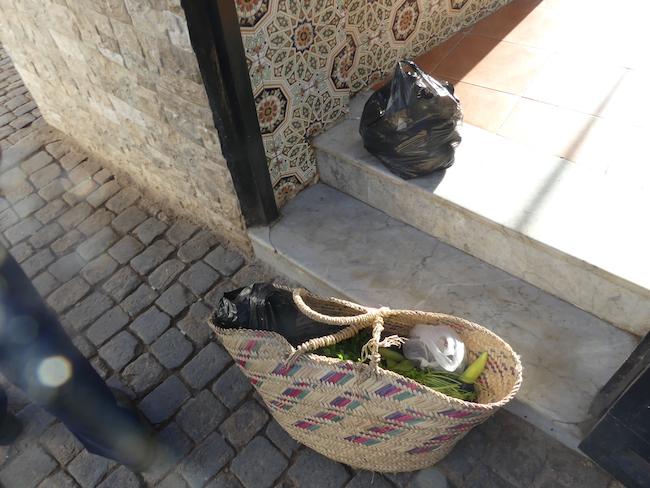
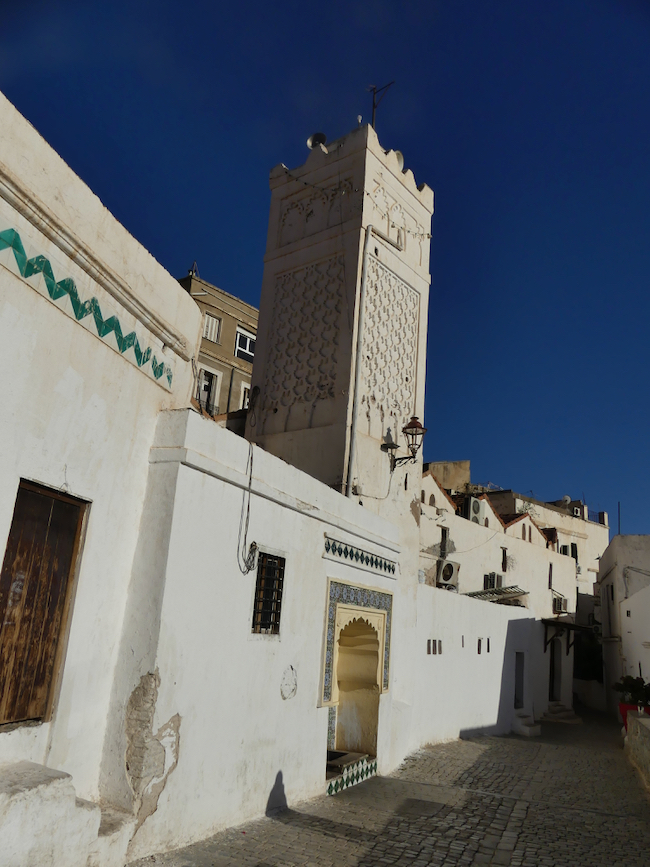

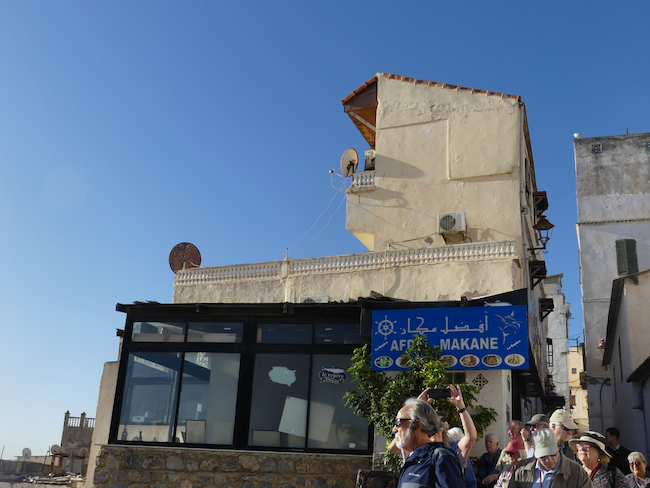
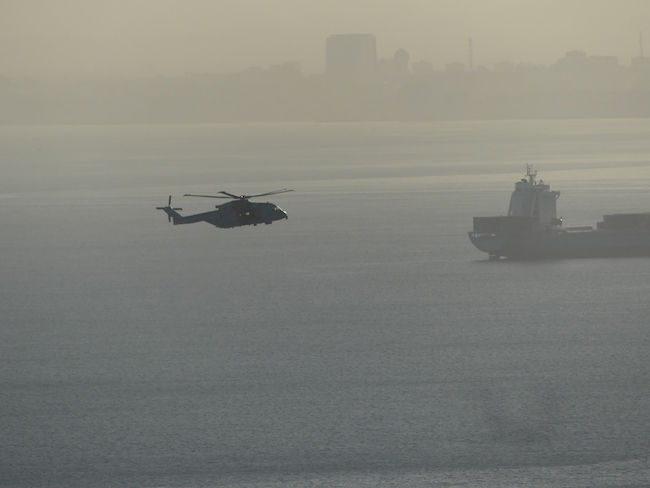
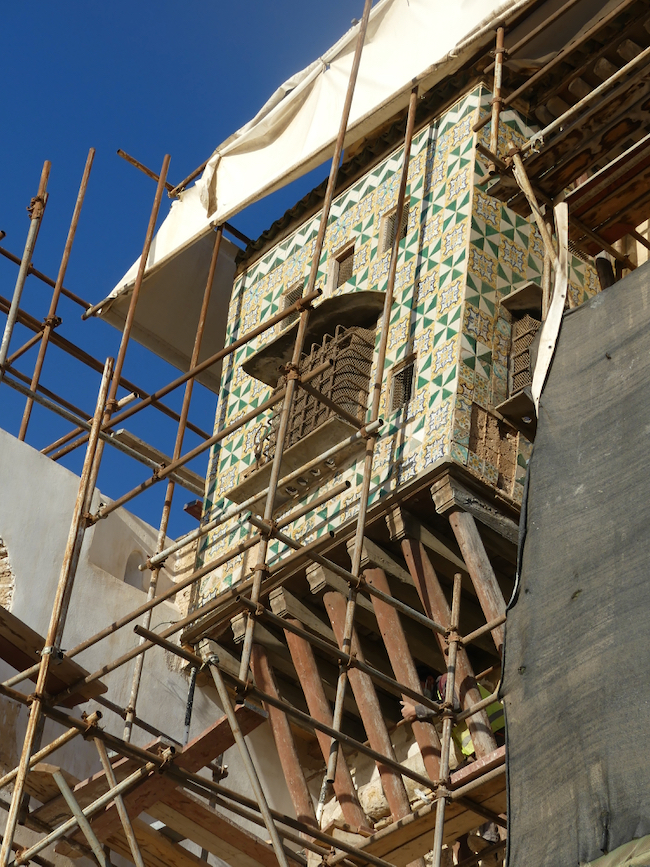
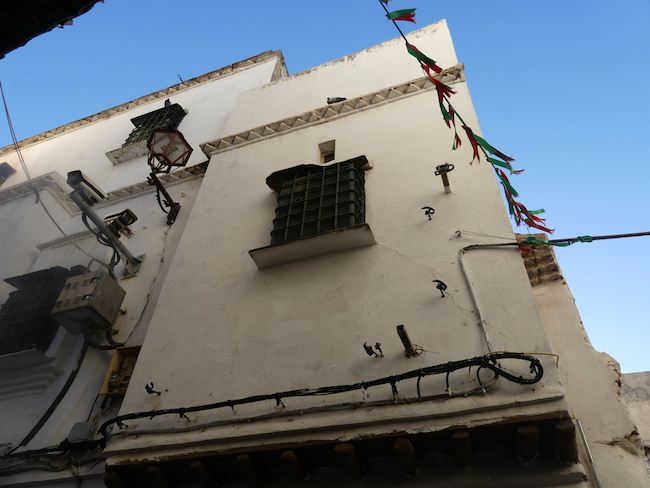
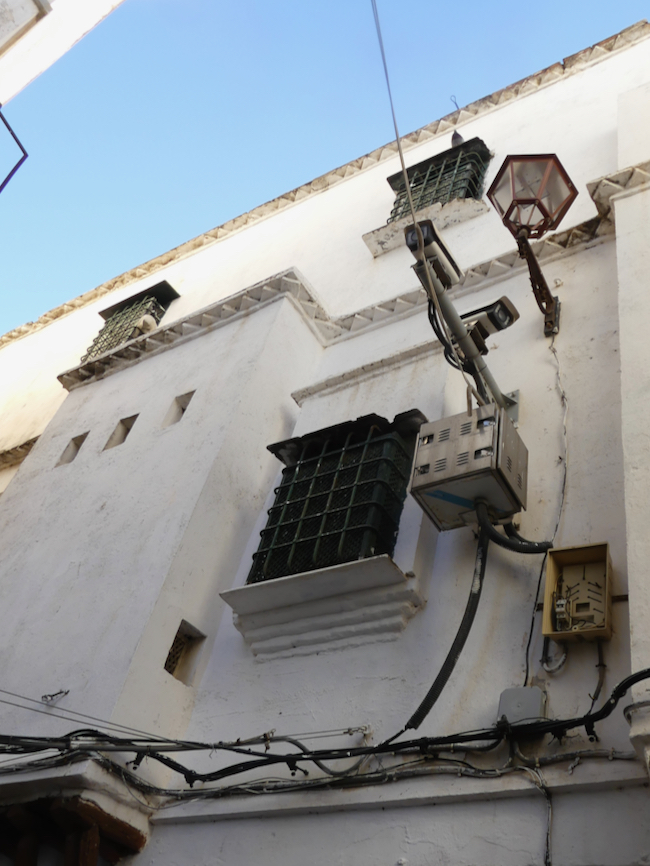
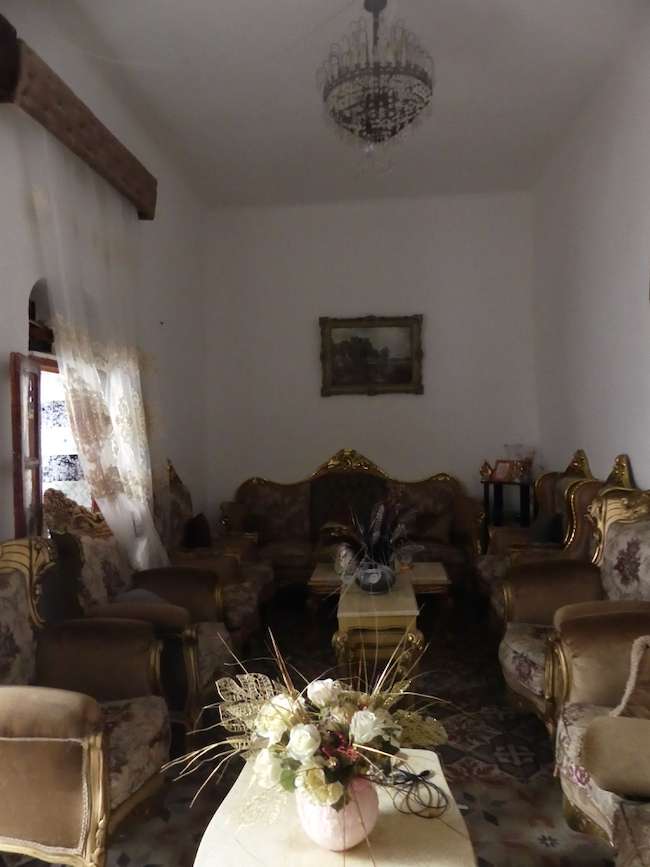
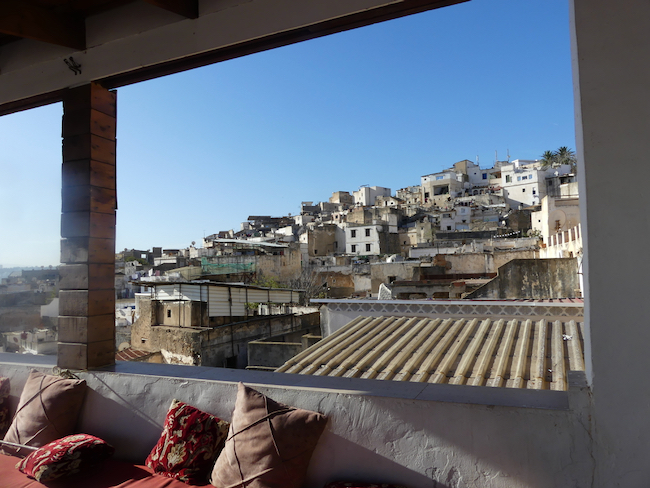
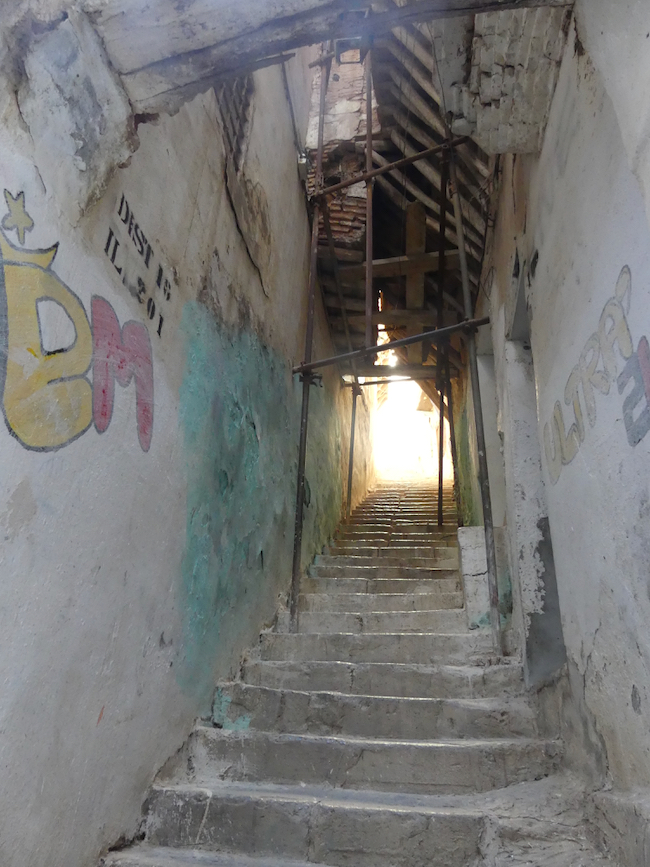
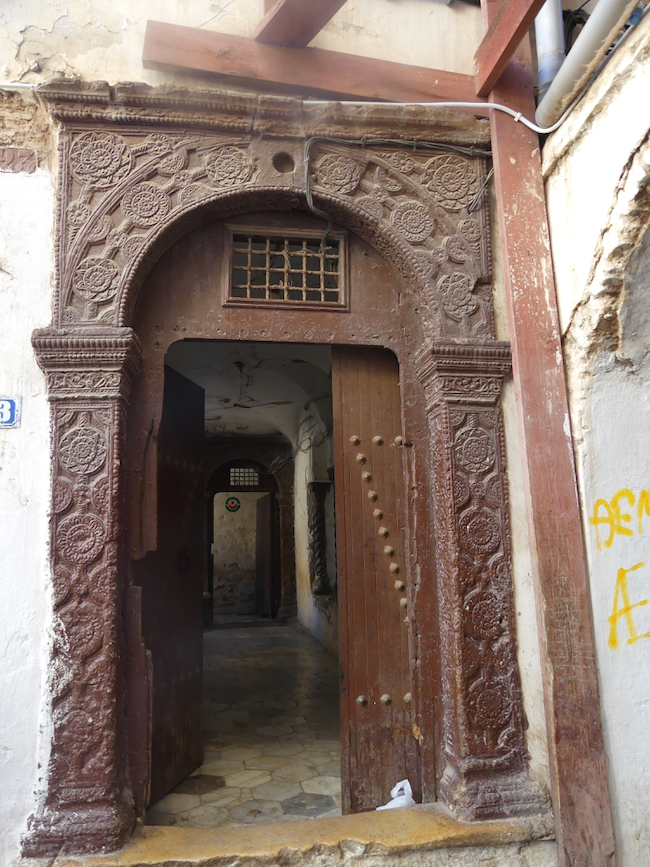
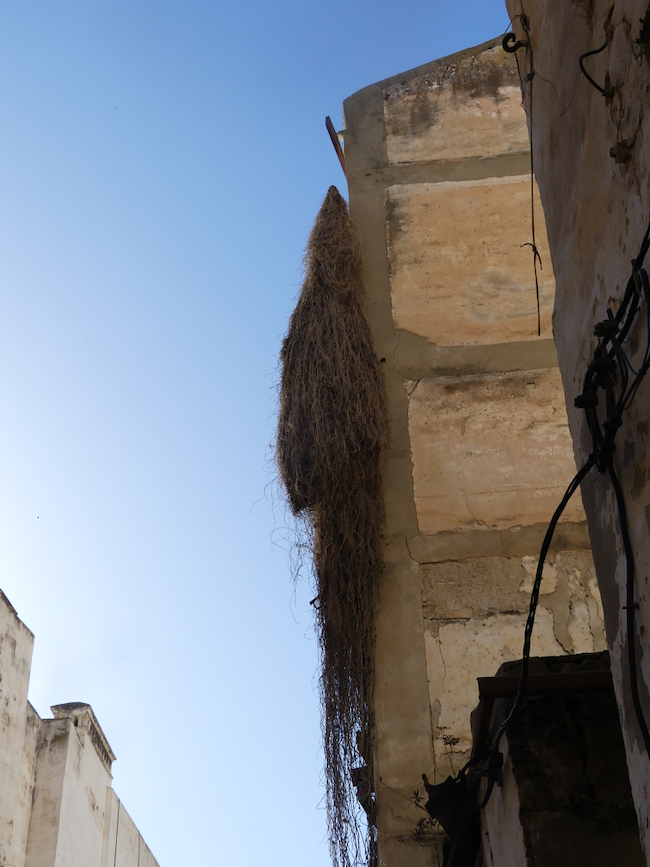
I find some of these construction techniques and electrical wiring workarounds concerning.

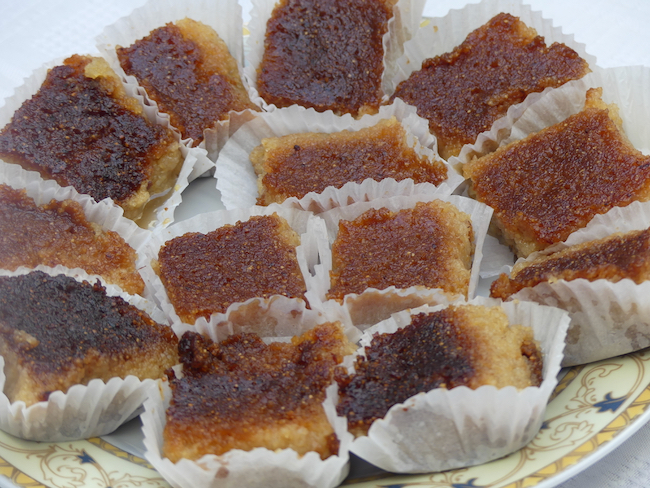
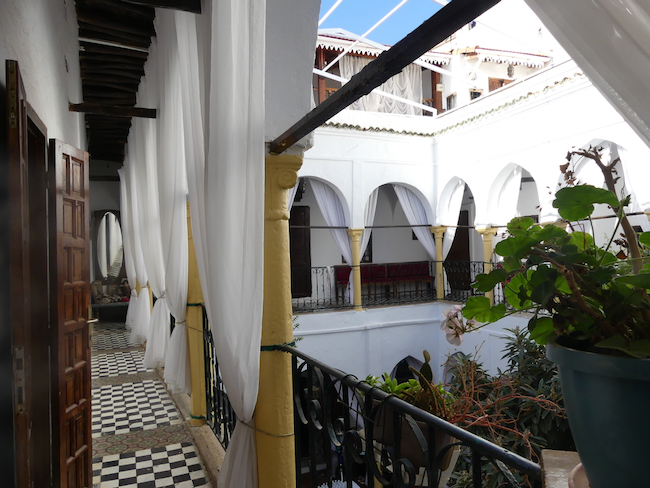
We are taken to a hospitality villa, where they serve fresh dates, mint tea from fresh mint leaves, and fresh baked cookies and pastries.


We think our guide is terrific. First, we love that he showed up in old traditional garb (which we learned he had specially made for this very purpose.) He is full of great information, very patient with his flock, and somehow he manages to get us all going in the same direction and is able to keep us somehow together.

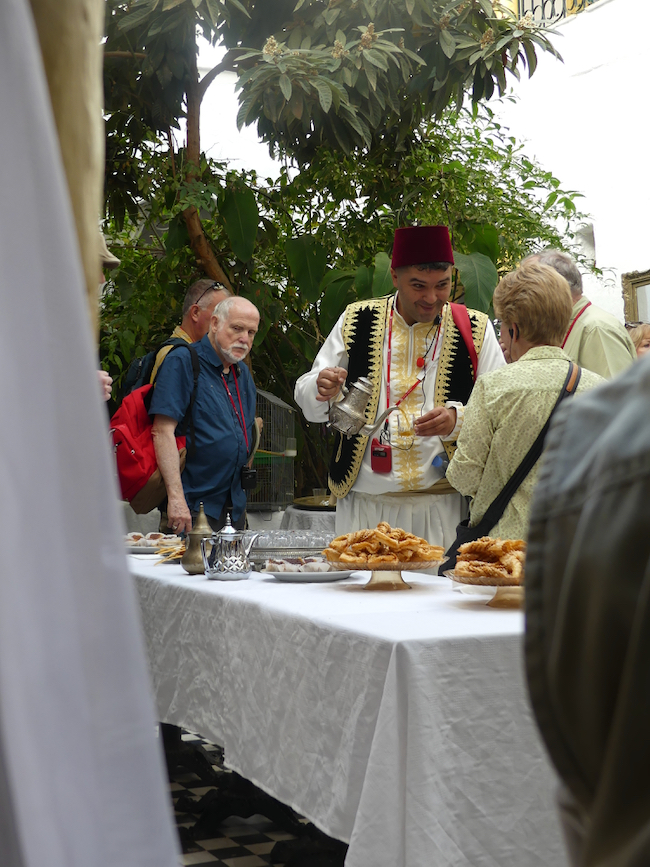








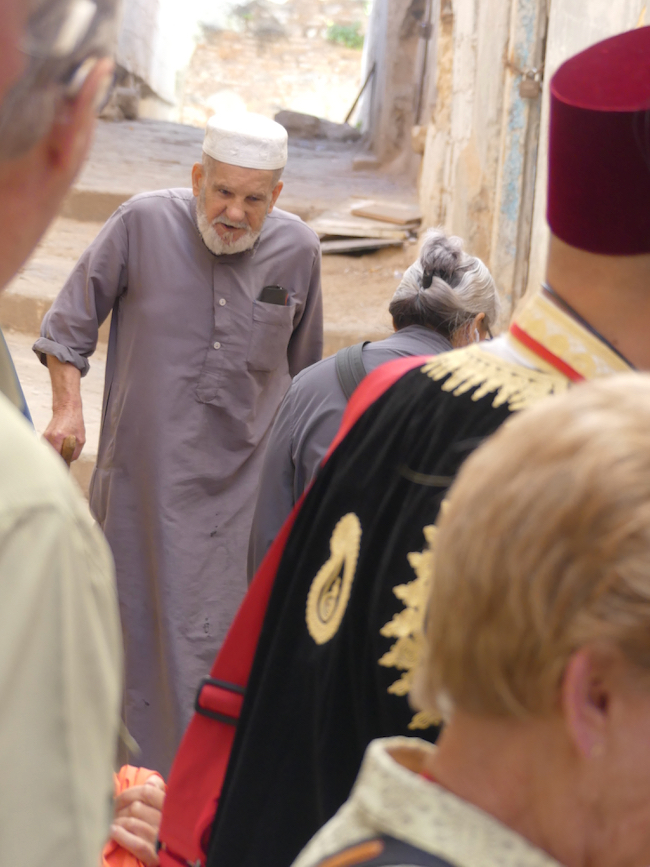
I love this photo. The shopkeeper, trying to keep his street clean and orderly; the donkey, picking up garbage on the street impossible for a garbage truck (and with steps!) and our guide in his traditional garb.




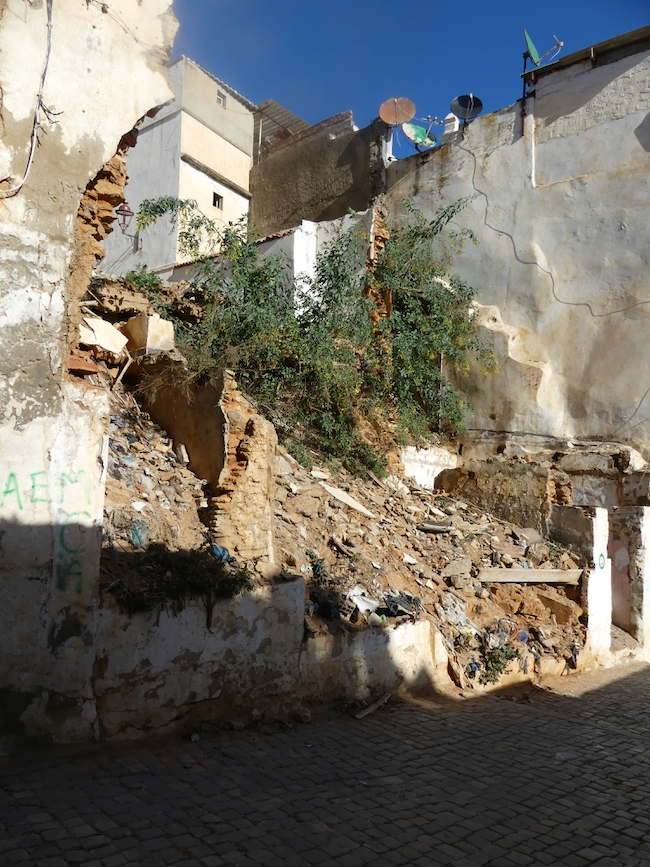
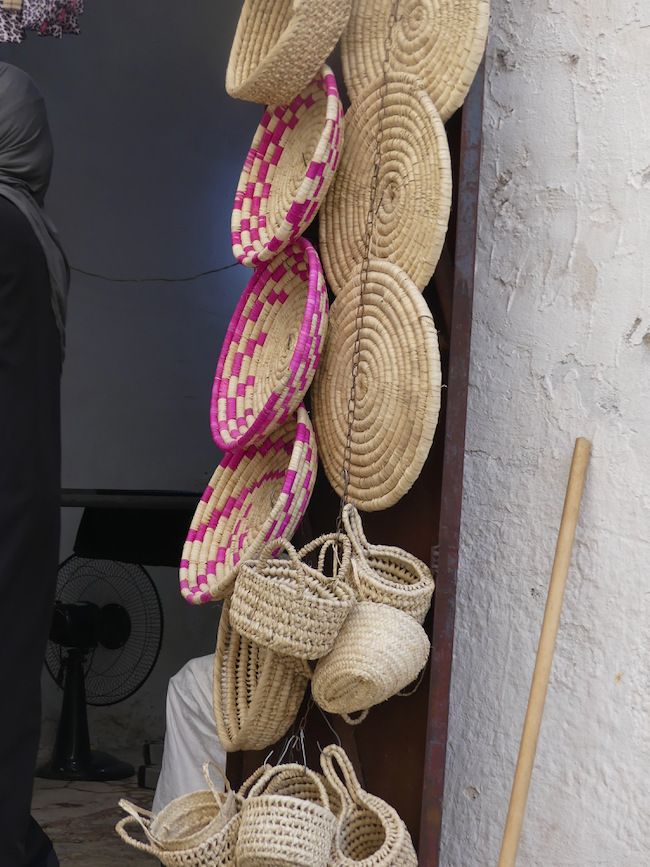


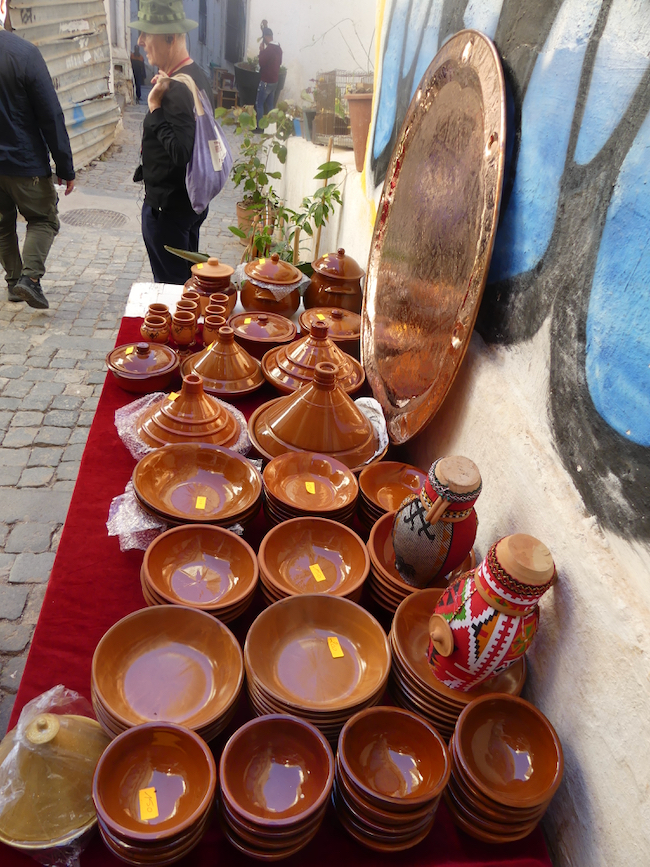



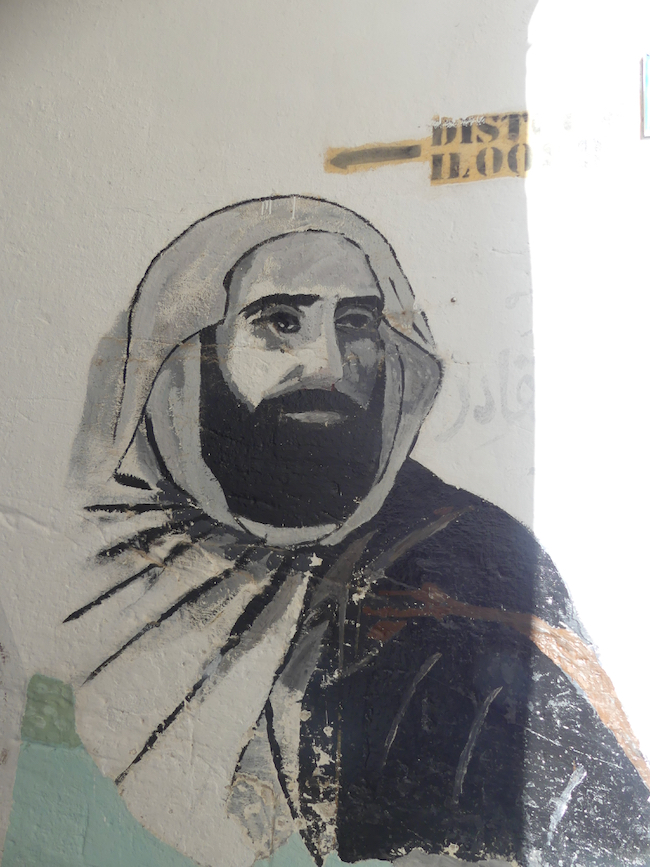

I believe this is the shop that made the traditional outfit for our guide.


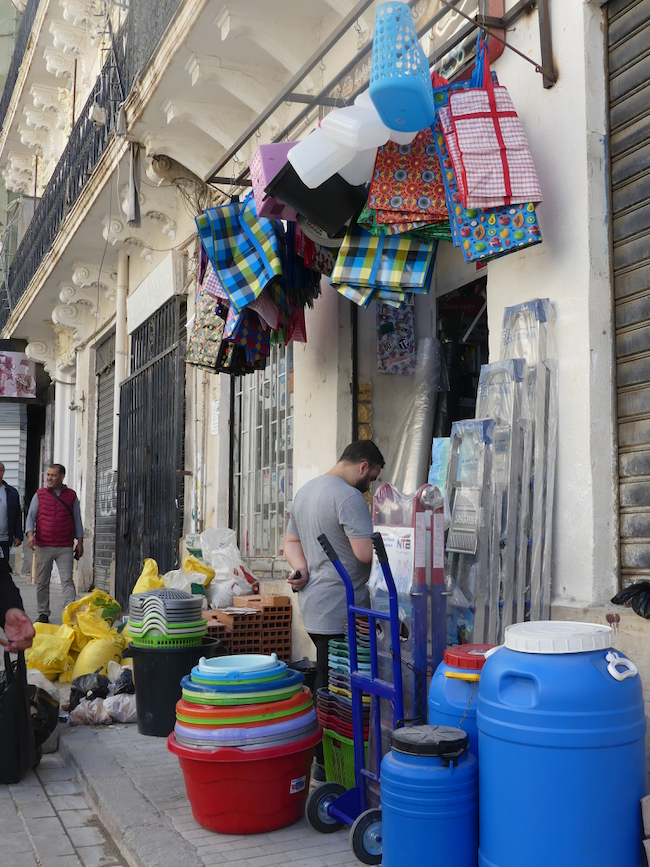


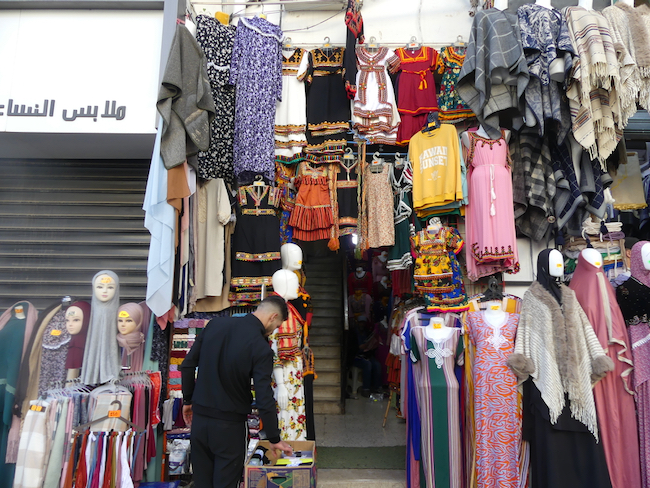
I am betting this is the fish market.
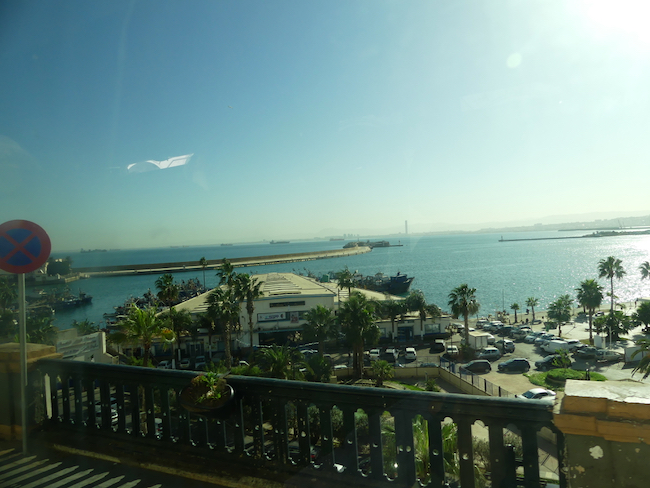
Now I am pretty sure it is the fish market!
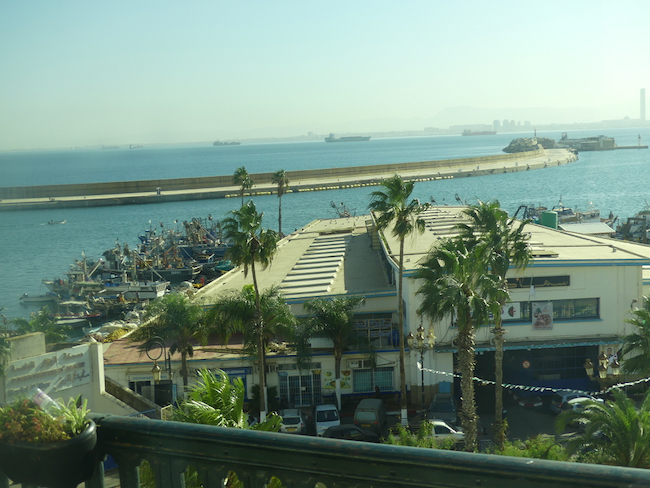
We reboard the ship. We can’t get off again. We are really glad we chose the Casbah walking trip, we feel we got a good feel for that part of town. We never felt hostility, only curiosity, even though a huge crowd of Americans in groups of twenty-five on the narrow, normally quiet pedestrian streets must have been disruptive.
For many of the people who chose this trip, the terrain was challenging. It was stone, sometimes slippery due to sand or moisture. The steps were uneven, the stones rough and irregular. For many, the poverty was distressing, and the dirtiness and disorderlyness made them uncomfortable. I think, too, that it would have been good to let them do a little shopping, good for the tourists and good for the Algerian merchants, but the security concerns were so great that tourists were not given any time to interact with the people or the economy. Too bad. We learned that Algiers will not be included in future Morocco Malta and the Mediterranean trips.
I think, too, maybe it felt familiar to us because the slice of Algiers that we saw was very like Tunisia in the late 1970s, and it was at first a challenge to us, but we learned and adjusted.
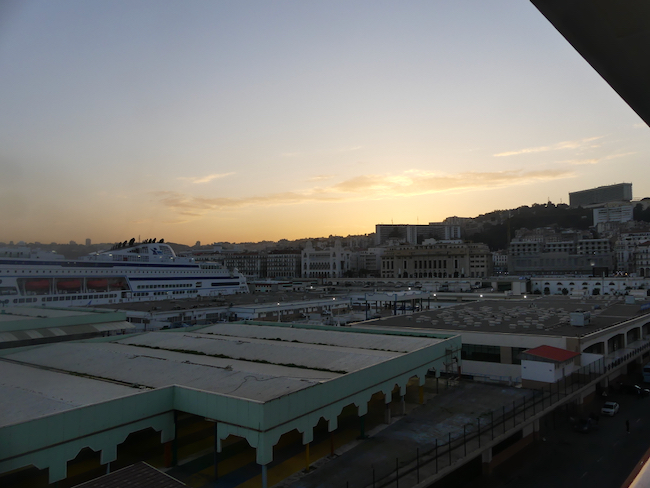


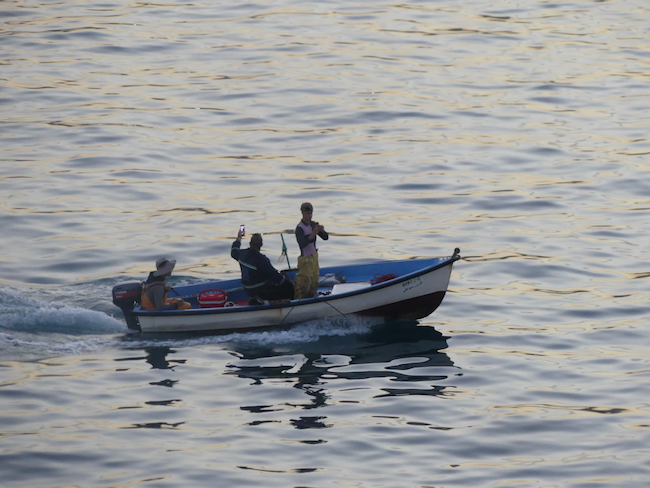

Farewell, Algiers!
Morocco Malta and the Med: Not Even a DAY in Rome

Viking Saturn arrives in Civitavecchia, not Rome. It’s a couple hours plus to Rome.
OK, real world stuff here, I am about to do what we call a First World Whine. Meaning in the larger scheme of things, we know how very lucky we are to be able to do these trips. And we are having a ball. And – I think I may be getting old. It feels like there are not quite enough hours in the day. Not to see all we want to see, or to understand all that we see, or take notes on what we see so I can make sense when I share these trips with you.
So today we are “in” Rome, but we are docked in Civitavecchia, a port about two hours drive from Rome. We signed on to a sort of Rome on Your Own kind of thing because we have never been to Rome before, we know what we want to see and do, and we want to do it at our own speed. We’ve signed up for the earliest trip into Rome, and we plan from there to catch a shuttle to the Coliseum, because, well, you go to Rome and see the Coliseum and the Trevi Fountain.
This won’t even be a “day” in Rome, this will be like five hours in Rome, and I am trying not to feel the pressure. Whatever time I have, I want to experience Rome, I want to feel Rome but oh, the pressure is mounting. Aargh.
Our guide is delightful. She hands us a map, and she hands us a card, and tells us where we will need to br to catch the bus for the ride back to the ship. This is the card for the tour company:

Civitavecchia is a pretty cool old city on its own. If I ever have a chance to spend four or five days really seeing Rome, then I would choose the next time I landed in Civitavecchia to just visit Civitavecchia. It’s full of old structures, and it’s been featured in several Dan Brown-type novels where the characters travel impossible distances in impossible times and solve ancient mysteries with intuitive leaps.
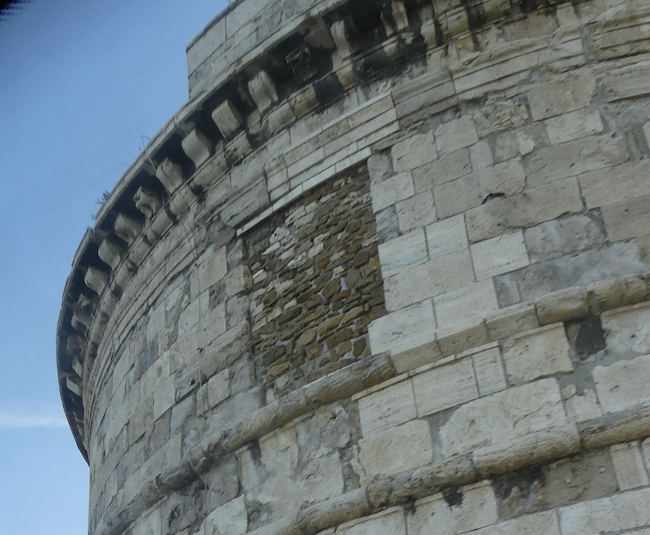


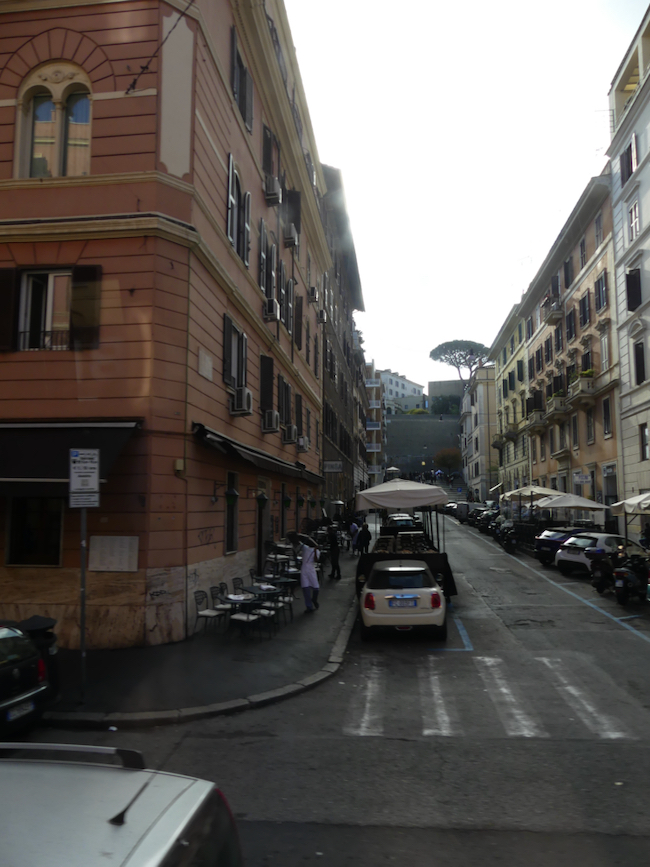

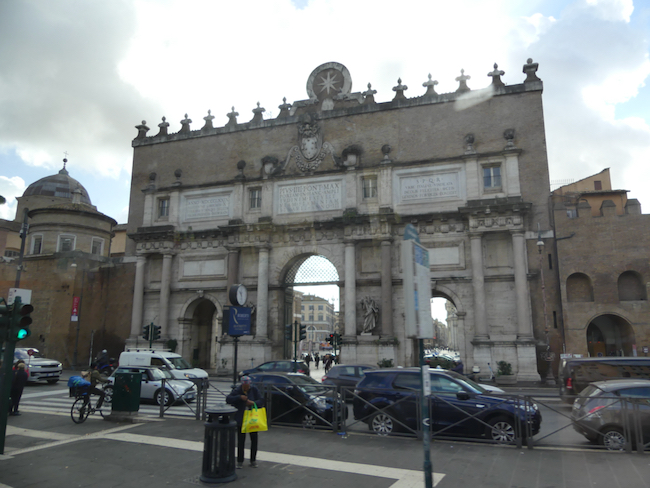
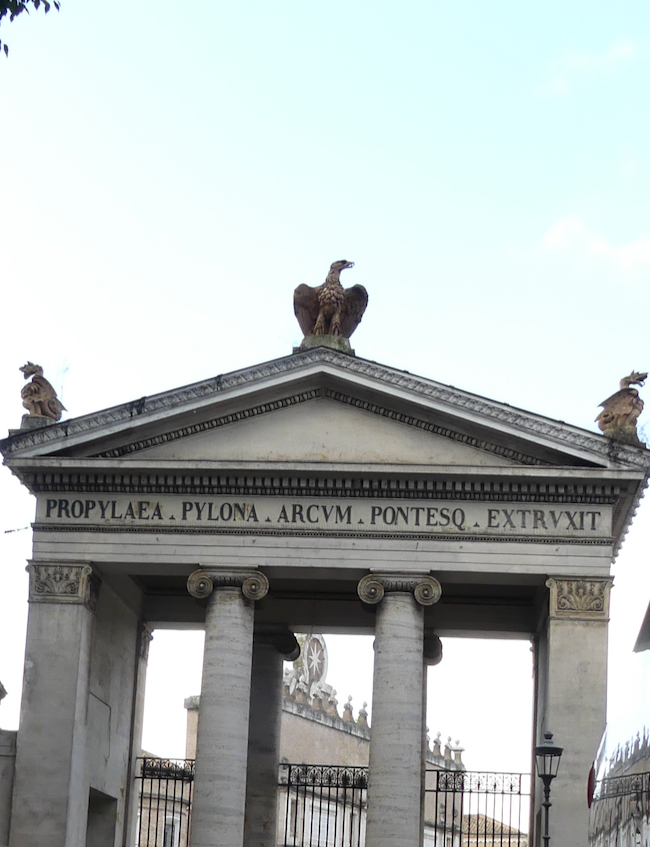
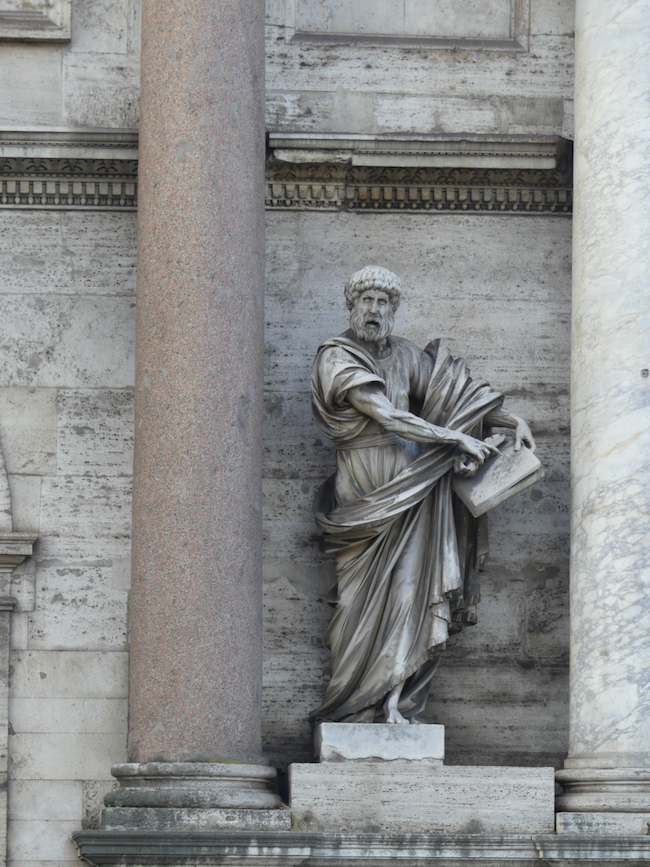
So Plaza de Popolo; our first stop so we can catch the shuttle to the Coliseum; we will finish up here at the end of our few hours.

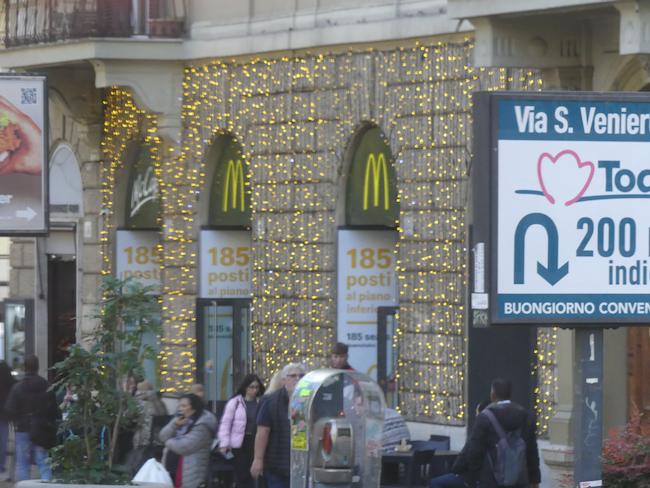
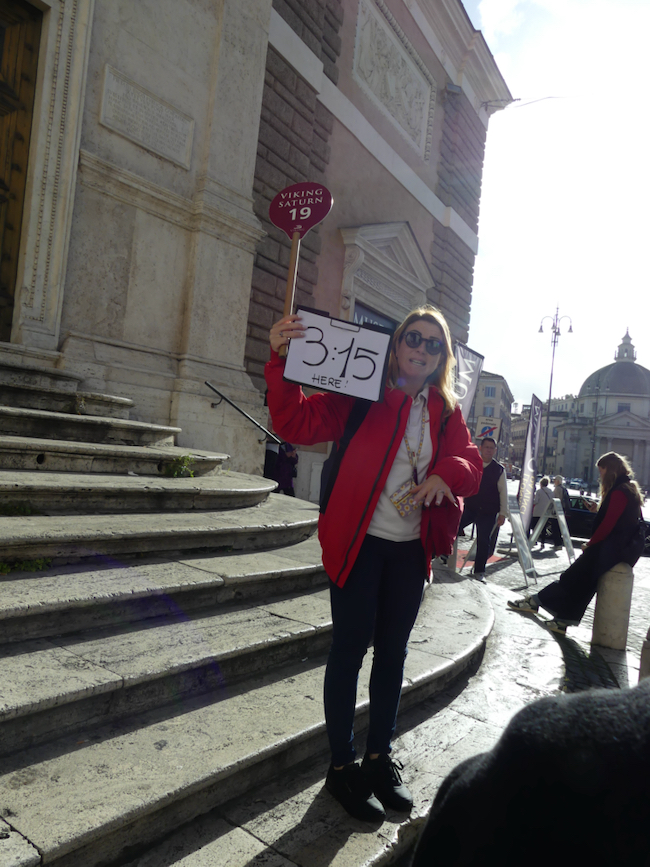
Love Viking signage!


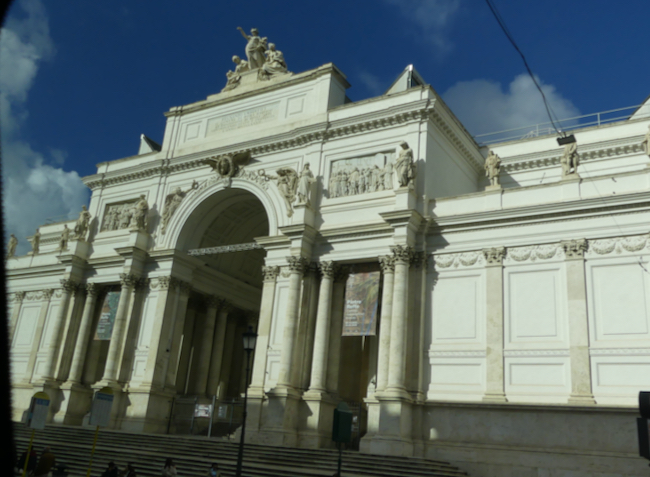


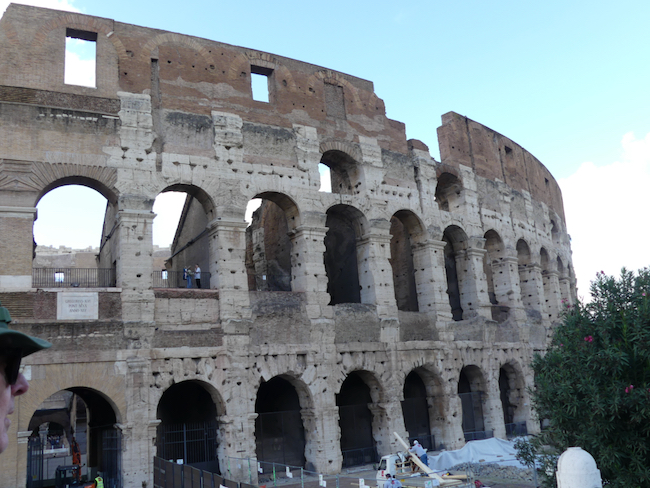

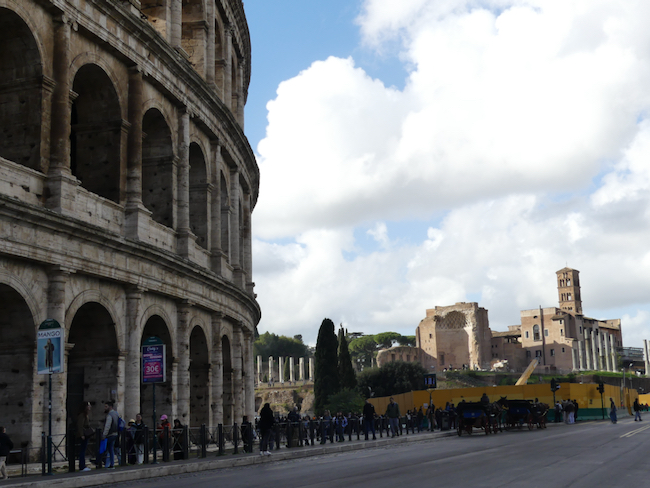
It’s early. And there are already hundreds of people. We take the requisite selfies and skedaddle.


Check!
It’s supposed to be cold in the morning, maybe a little rain, and warm in the afternon. We carry go-bags with the minimum to meet all the requirements, plus water and something chocolate in case of emergencies.
We have several things we want to see – AdventureMan has found the Pantheon on our map, and the place our guide recommended for a lunch were the Romans might eat, and the Trevi fountain, and between the Coliseum and Plaza de Popolo we can see those, and whatever else we see. We just want to soak in a little flavor of Rome, and we can do that by walking, and hitting some of the back streets and lesser-known sights.
Actually, once we shoot those photos with the Coliseum, we start having a good time. There is really nothing we HAVE to do except be at the meeting place at 3:15.
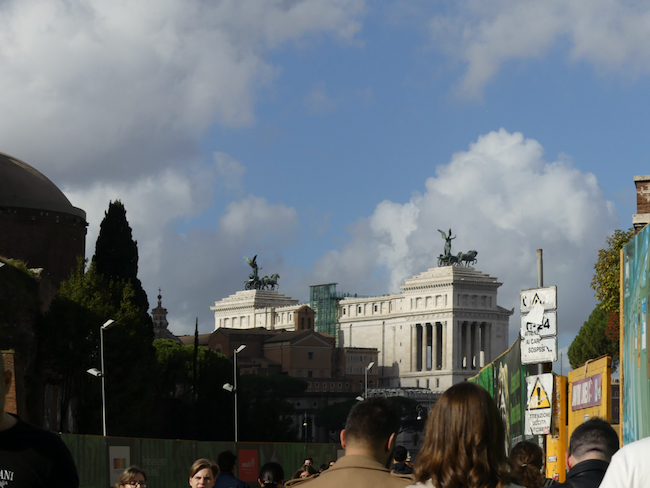

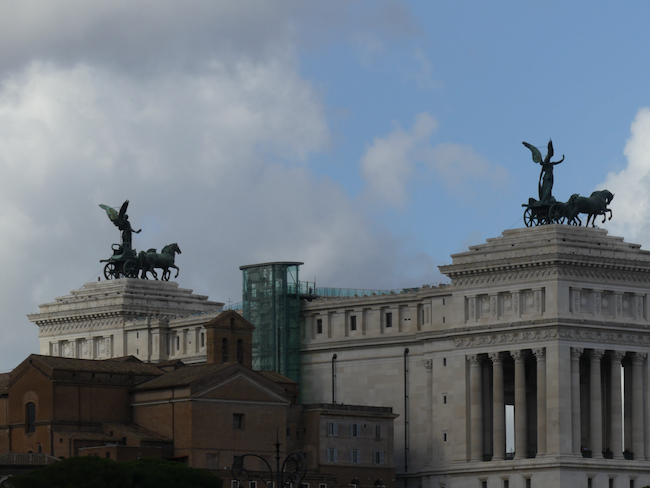


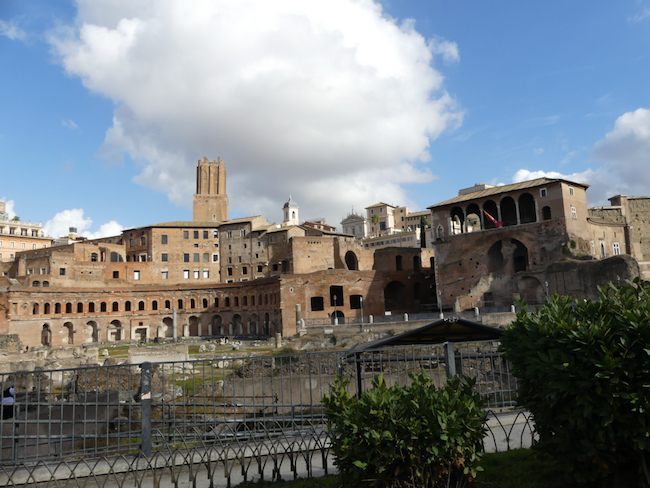
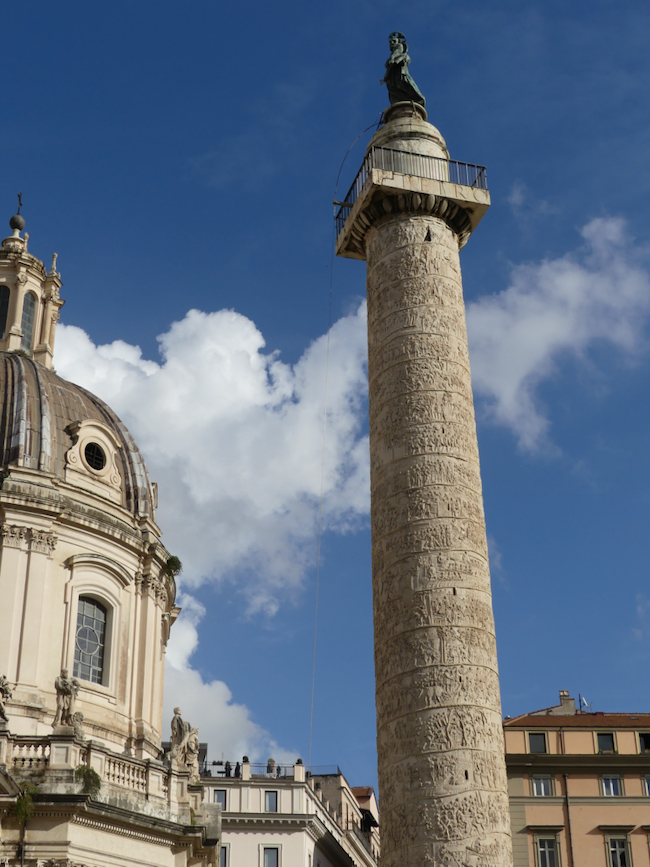


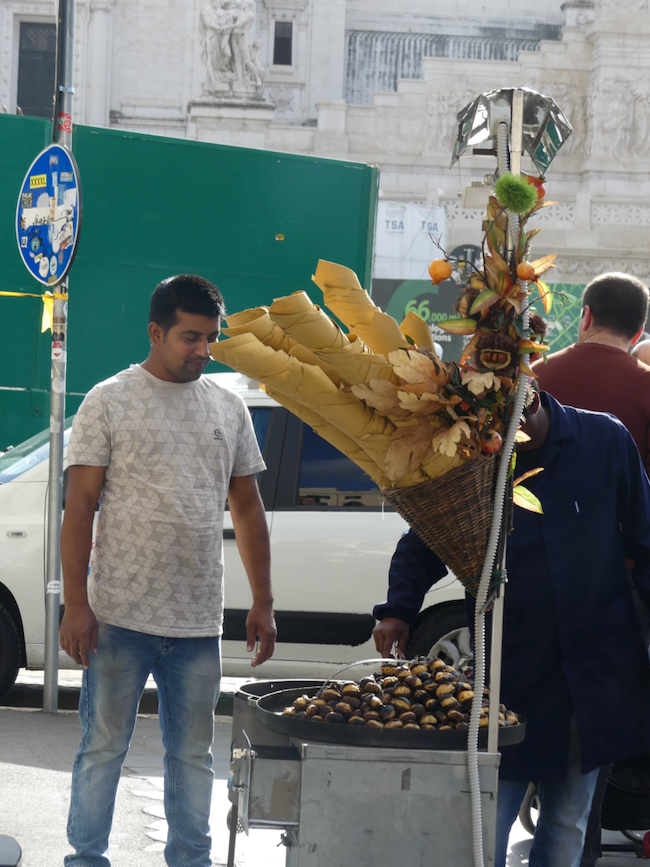

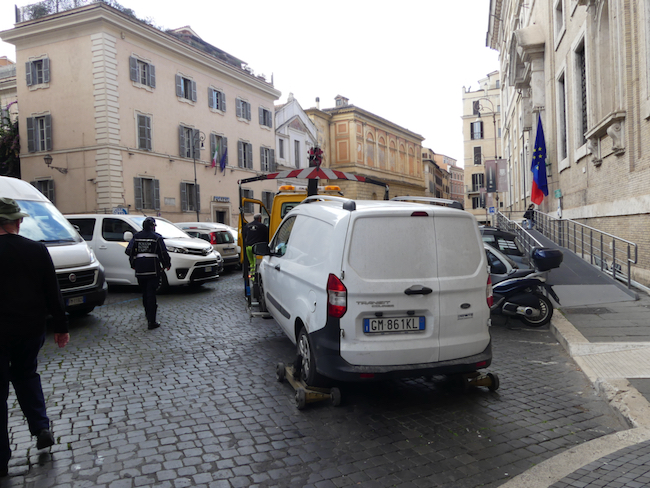

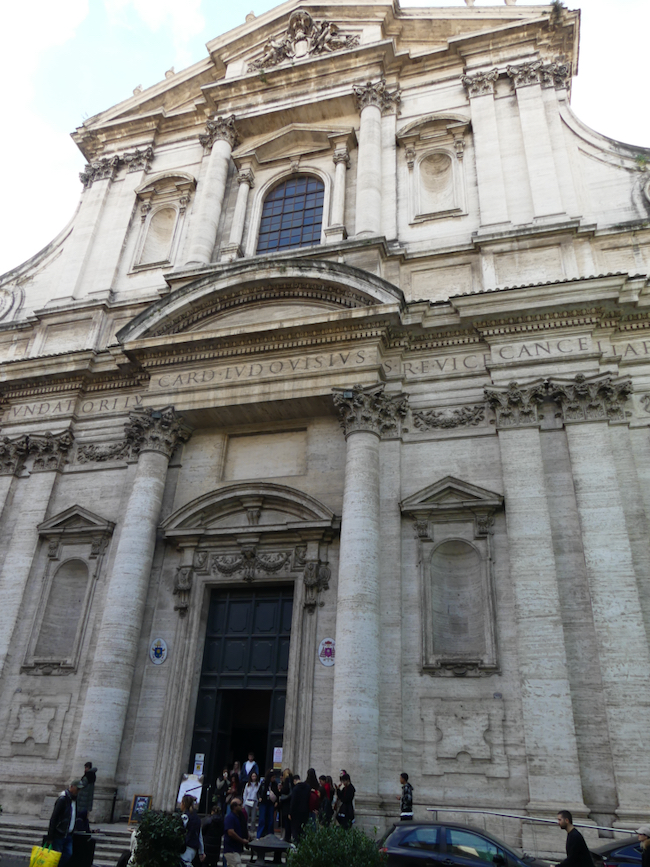


Now comes another small adventure, and another wonderful hairdresser story. We can see the restaurant we want to go to on the map, but no matter how we try, we can’t seem to get there. AdventureMan sees a hair salon, and pops his head in to ask for help. A guy sitting there asks what he is looking for and when AdventureMan tells him the name of the restaurant, he gets a big smile on his face and says “My friend works there! I will take you there!”
AdventureMan had thought he was a customer, but no, he was a hairdresser and was relaxing between customers. He was a very nice man; we talked as we walked to the restaurant, and when we got there, he found his friend, introduced us and told him to take good care of us, that we were his friends.
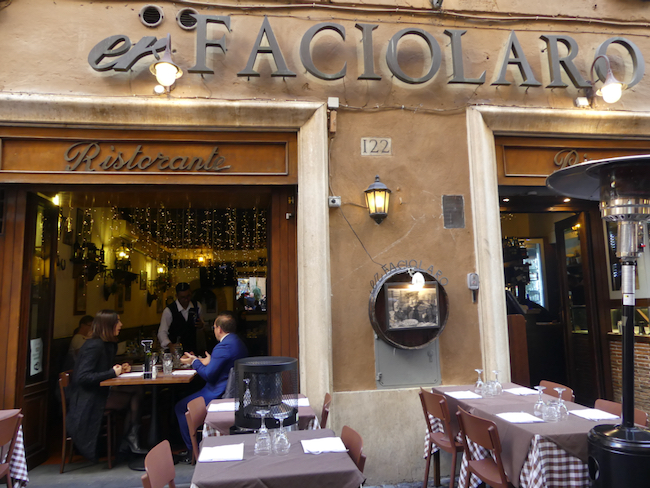
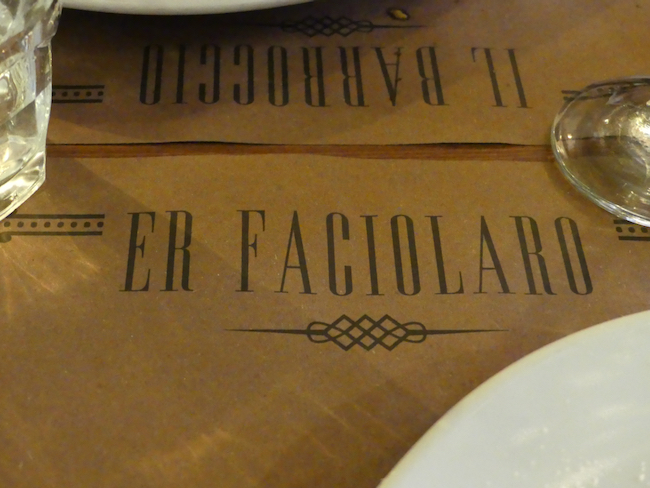

We loved the place. And we loved the food. And we loved the nice young man who took such good care of us. He looked at me and said “I know you are American, but I think you family is from here.” I said no, we were mostly Swedish, and he laughed and said “You look like you are from here.” And he approved of everything we ordered, and brought us good wine.

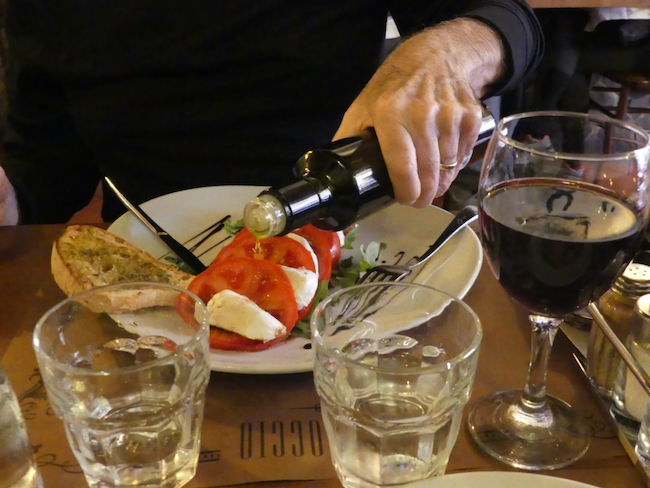

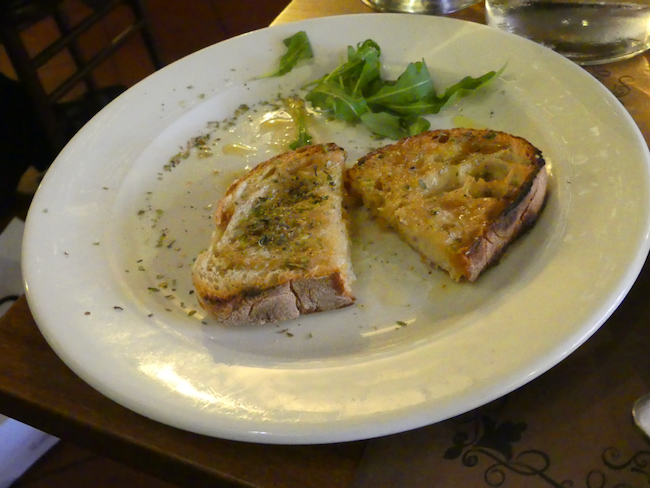
These were roasted artichokes, Jewish style, and you could eat the whole thing, even the stem. SO delicious!


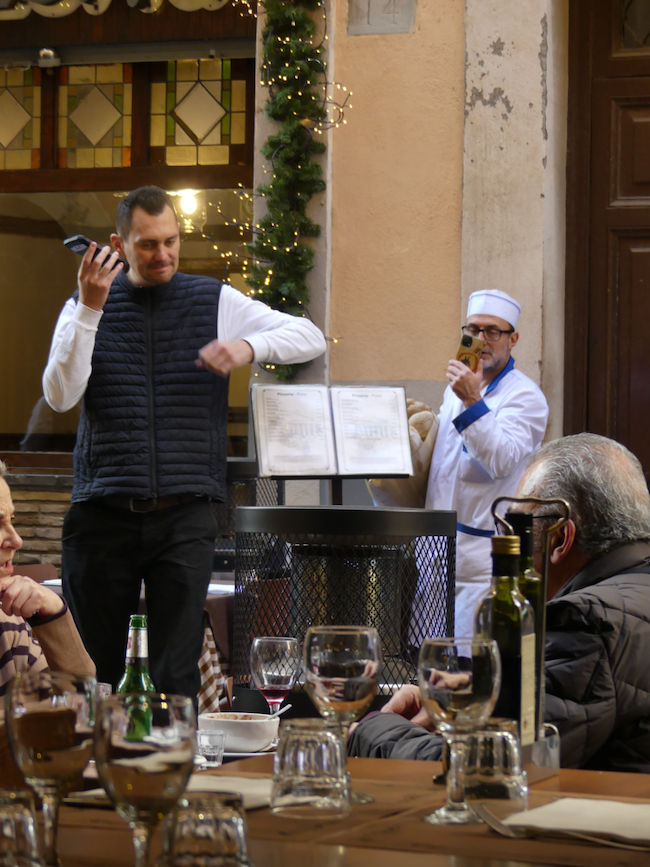
I love this baker in the background, with his load of bread, phoning someone to say he is here.

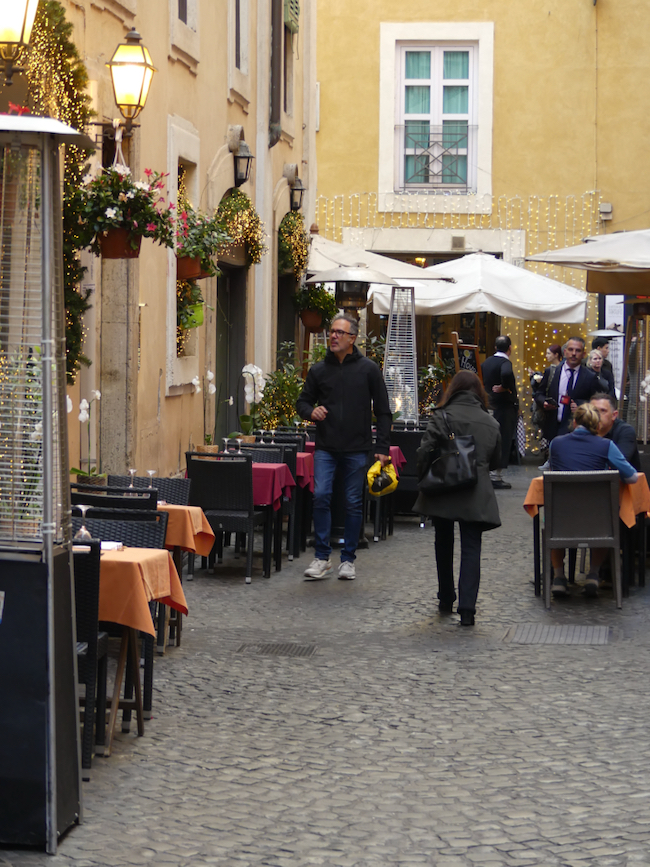
We find the Trevi Fountain, under construction, OK, check. LOL.


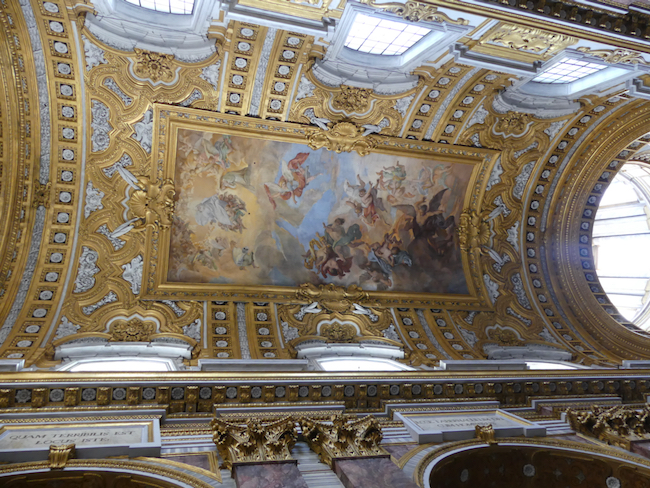
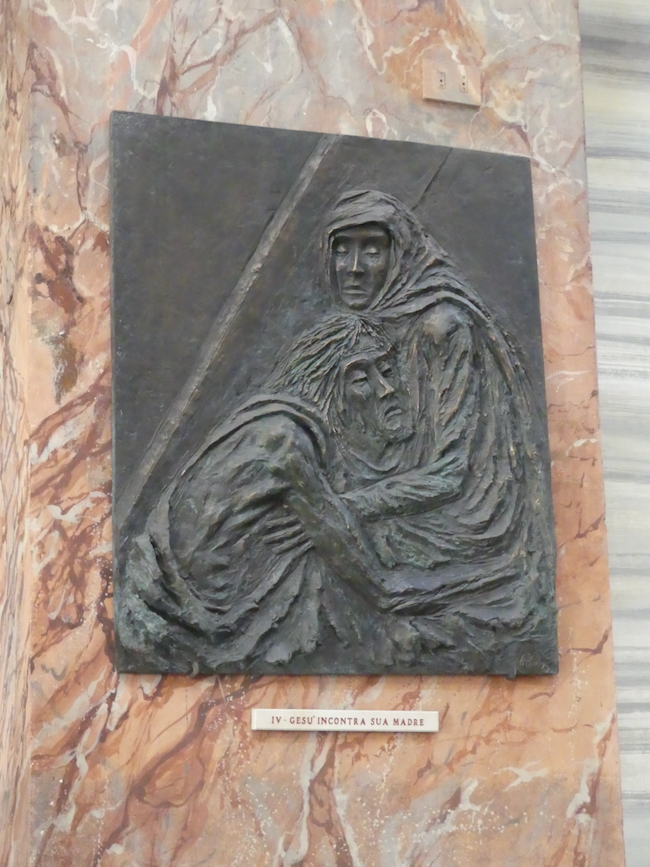


We found the river, and walking alongside it was so relatively serene.


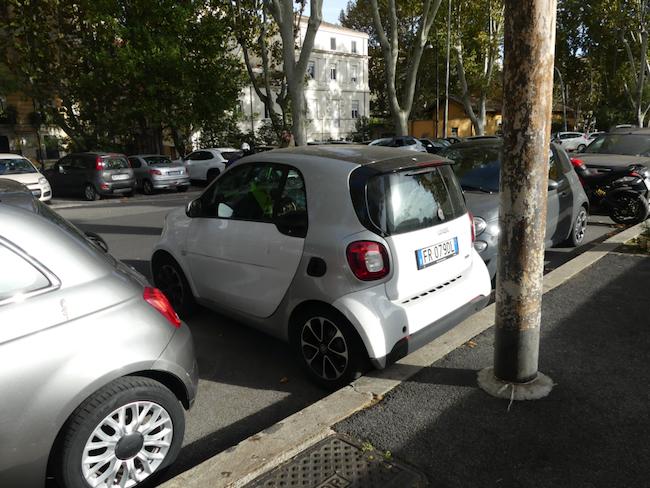
AdventureMan has a philosophy that if it isn’t forbidden, it is permitted. He loved this driver’s panache.


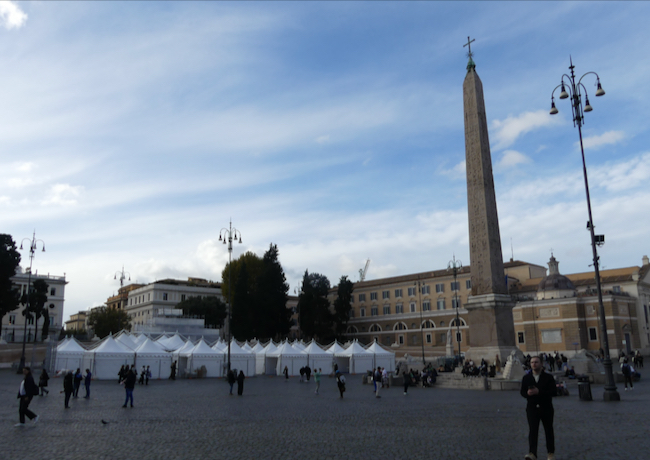
We have fifteen minutes before meetup, back at Plaza de Popolo. We’ve had a great day. We grab a couple espressos at a cafe so we can use the restroom before the drive back. AdventureMan discovers he actually likes espresso and says it is a lot like Turkish coffee.
The Christmas markets are just starting to set up, but are not open yet.
My FitBit is confused by the time change; keeps track of steps but not hourly requirement.

This is so frustrating. Back on board, we attend a lecture by Professor David Kohl. It is speculative and also entertaining, but I wish I had heard the lecture BEFORE the Rome visit as he mentions two of the oldest churches in Rome that I would have loved to see.
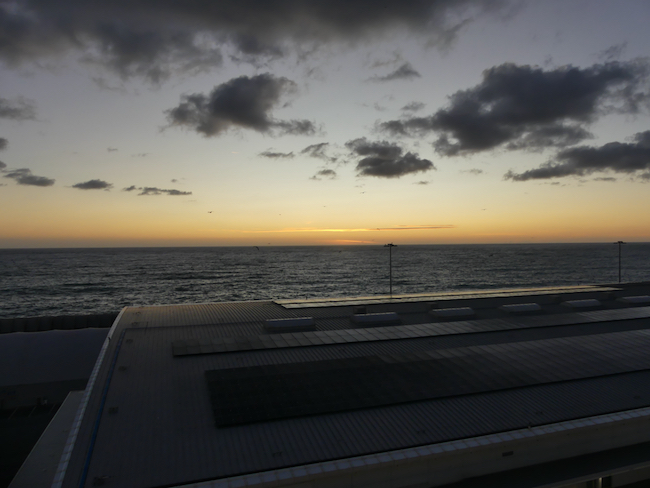
So the sun is setting over Civitavecchia and we are getting ready once again to sail away.


Morocco Malta and the Med: Ajaccio (Corsica) and Napoleon
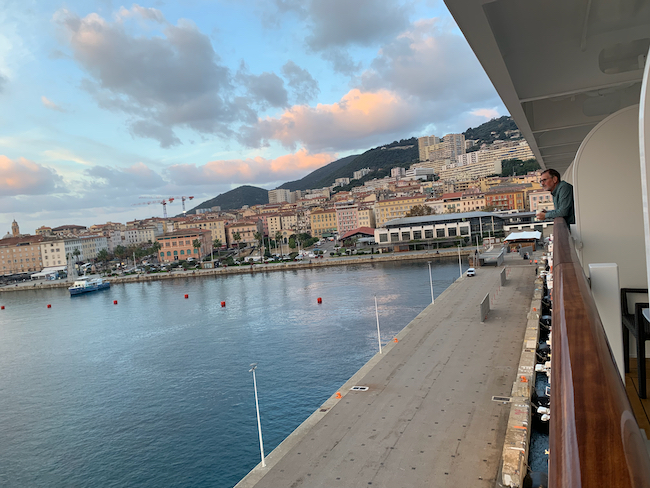
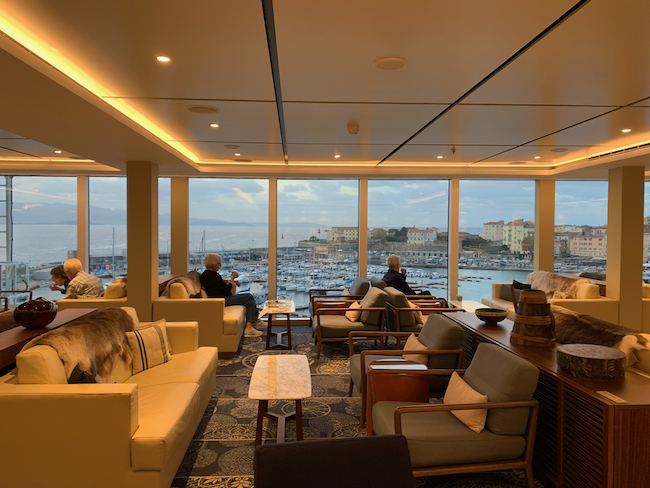
Early morning arrival in Ajaccio

Breakfast at Mamsens, the small Norwegian style kiosk in the Explorer’s Lounge. We love their waffles with fruit and I especially love the golden gjetost, soft smooth and nutty.

We can see the buses lining up for our excursion. We signed up for the earliest; I like the early morning light for photos and we are docked right in town; we can leave the tour as it finishes and explore on our own. We hope we can also have lunch in Ajaccio. We’ve never been here before, and AdventureMan is a long-time appreciator of Napoleon, his strategies and tactics, who was born in Ajaccio.
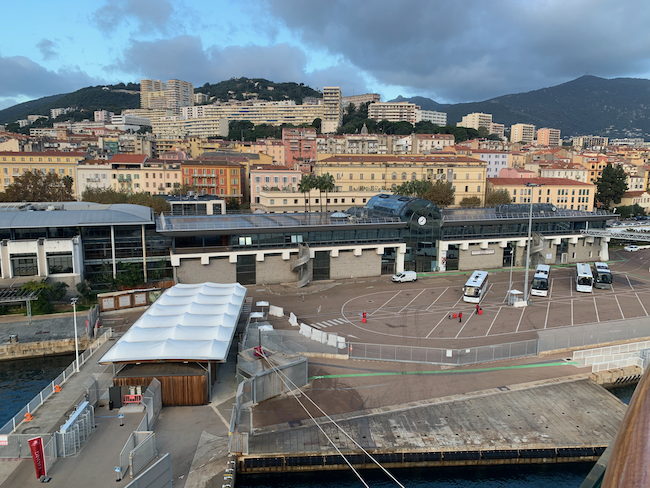

Sometimes I overthink. My morning is cloudy and grey, and light flat and sullen. Ah well, we do the best we can with what we’ve got. Fortunately Viking has their nice bright red canopy and carpet to usher us off the ship and to our buses.


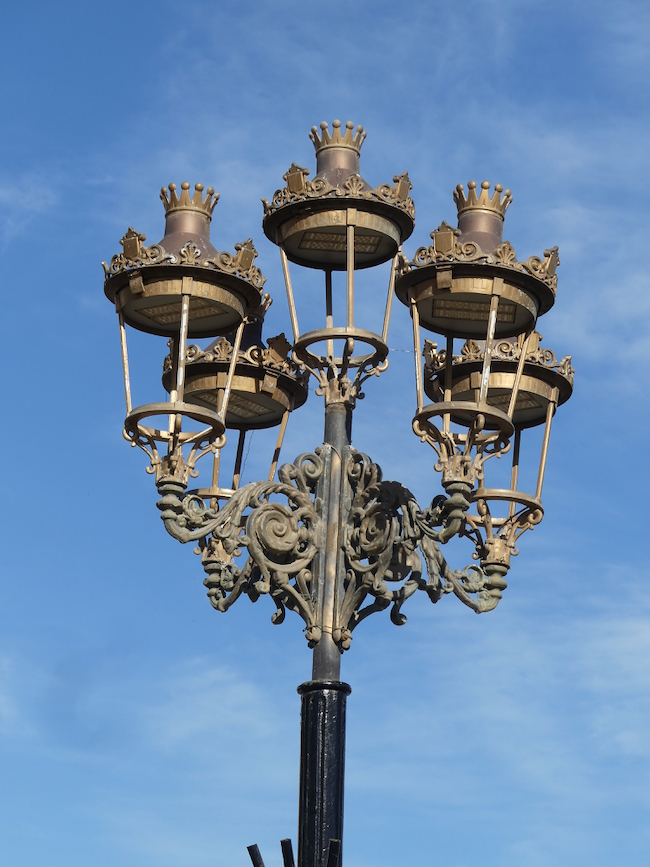
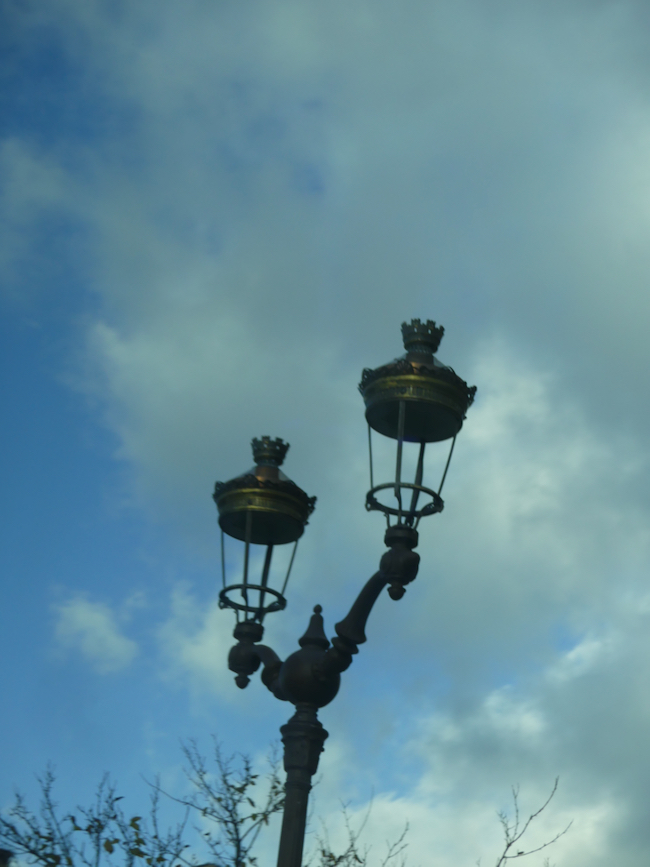
The light fixtures are interesting, Napoleonic crowns
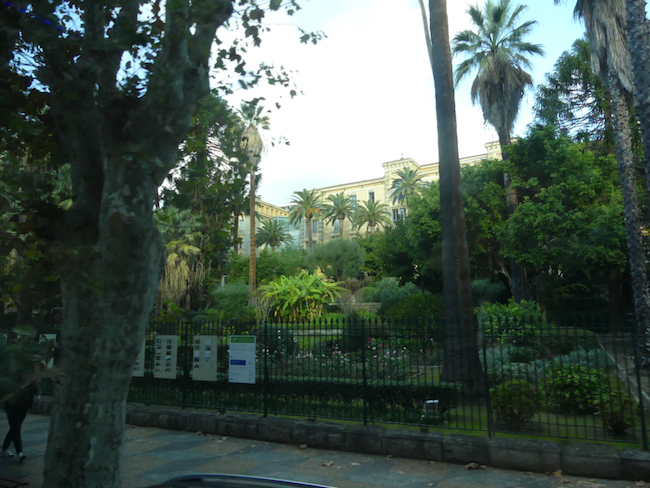

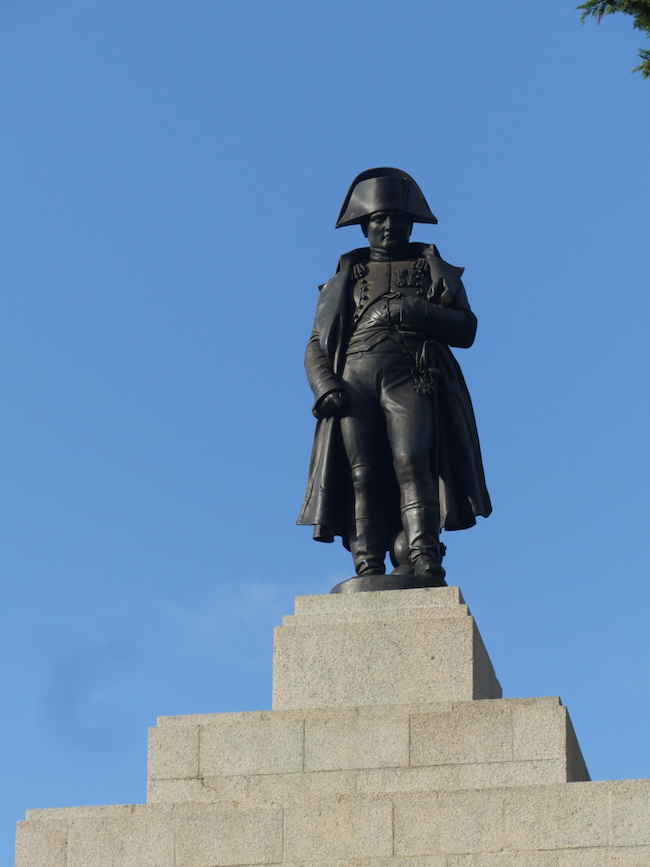
Napoleon looking at AdventureMan with appreciation. 😉

The cave of Napoleon (he hid there? I don’t know the significance.)


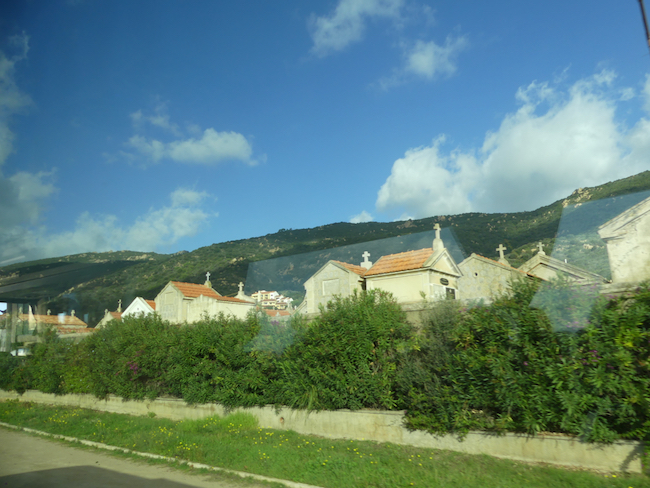
We drove along the coastline, I never mind a coastal drive! This is some of the priciest real estate in Corsica, overlooking the sea. These are family crypts, so beautiful that families picnic, even sleep in these houses where their family members are encrypted.
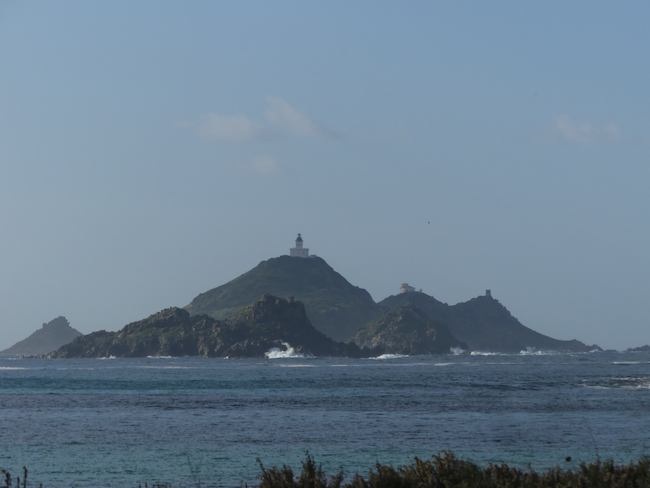
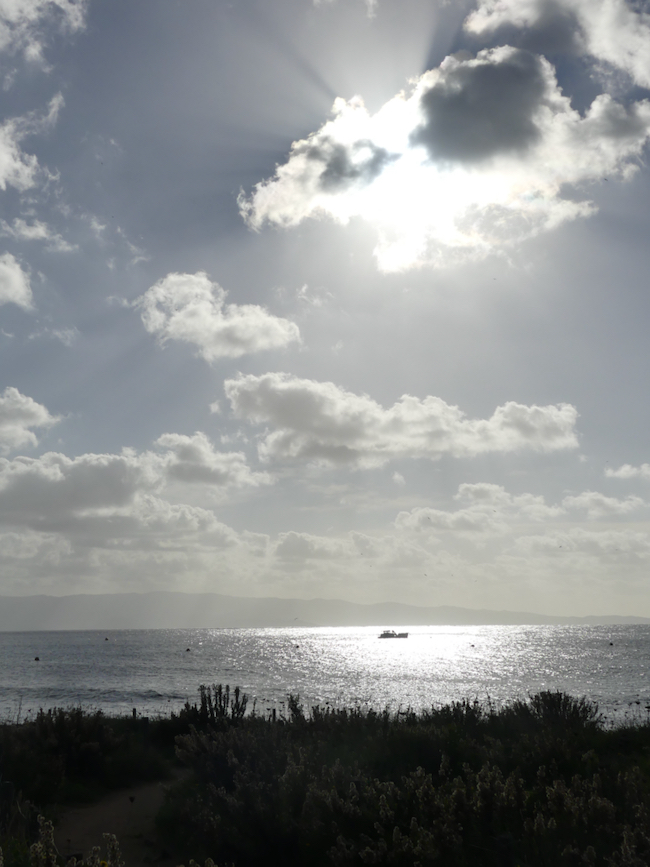
We come to a rest stop, and the three island/mountains with towers on top are significant, but I can’t remember how. It is sunny now, and windy, and we appreciated the time to walk and breathe in the sea air. Their were powerful waves hitting the wharf, so it was chained so we wouldn’t walk out there.




Back in town, we exit the bus at the church where Napoleon was baptized, which is undergoing some repairs and renovations now, but they let us go in.


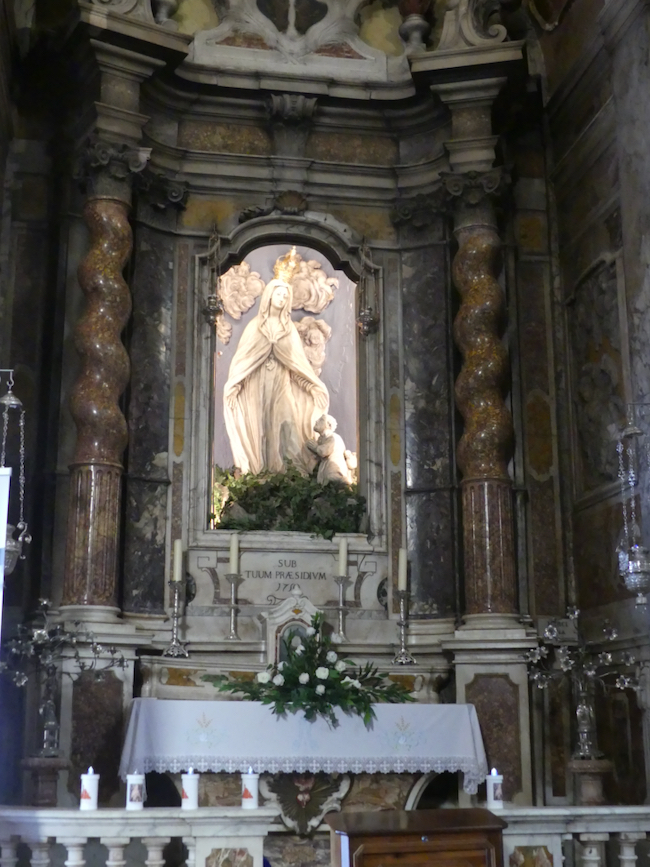
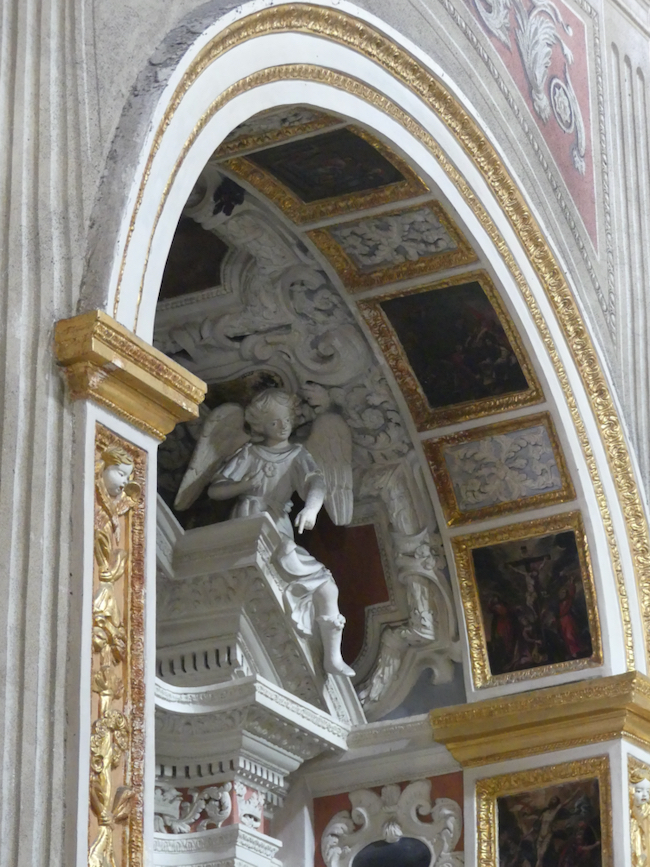
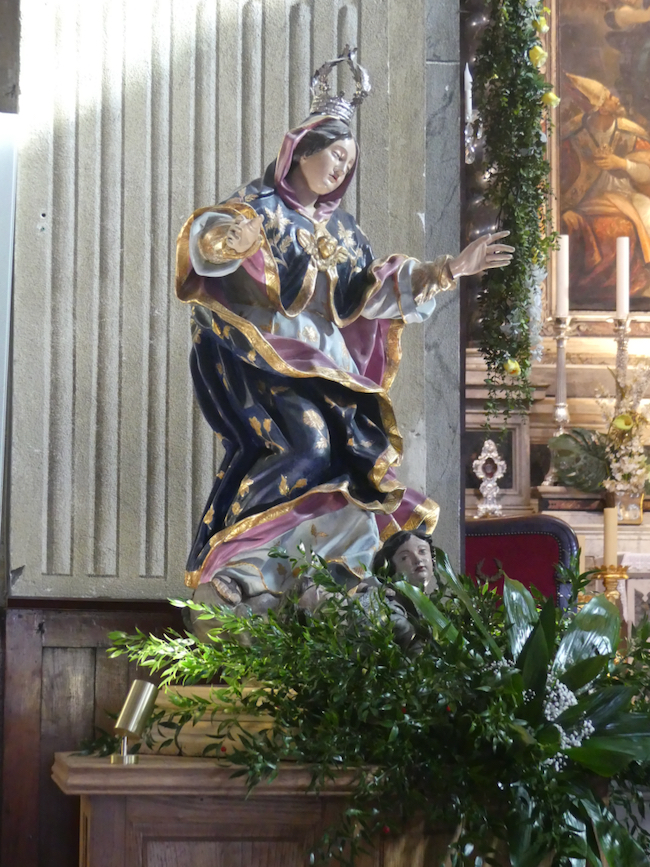
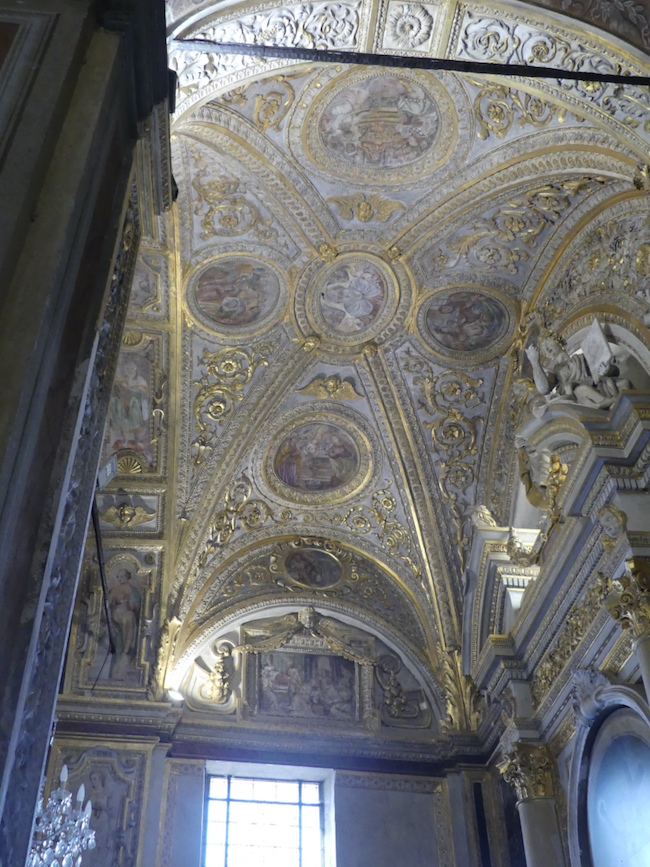
We are told that these are Corsican windows, special to the area because Corsicans are snoopy and into one another’s business and these windows allow snoopy women not to be seen but to keep up with the happenings in the neighborhood. I tell you this because in Malta, these same windows are reported as a Maltese invention because Maltese women are snoopy, and in Rome, of course they were a Roman invention because – well, you get the picture. I guess the women were snoopy because they were often confined to the home, and learned what they could by peeping out these screened windows?

The next church was dear to my heart, the Mariner’s church. Far less elaborate than Napoleon’s church, this church was in place to pray for those who go to sea, who fish, who are sometimes late returning, and for those who never come back. Growing up in Alaska, among fishing folk, I have a great respect for and a healthy fear of the sea. I feel at home in this beautiful, heart-felt church.

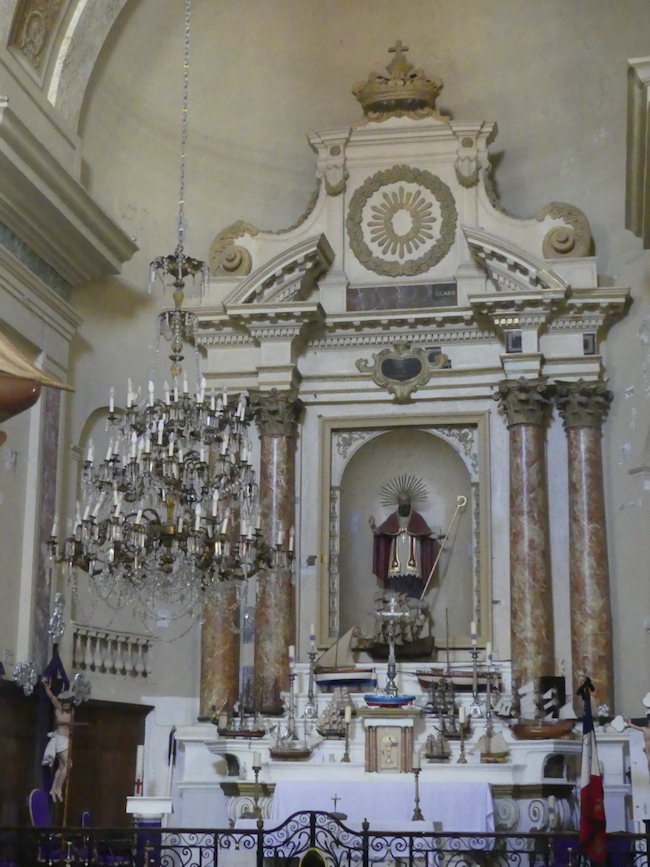


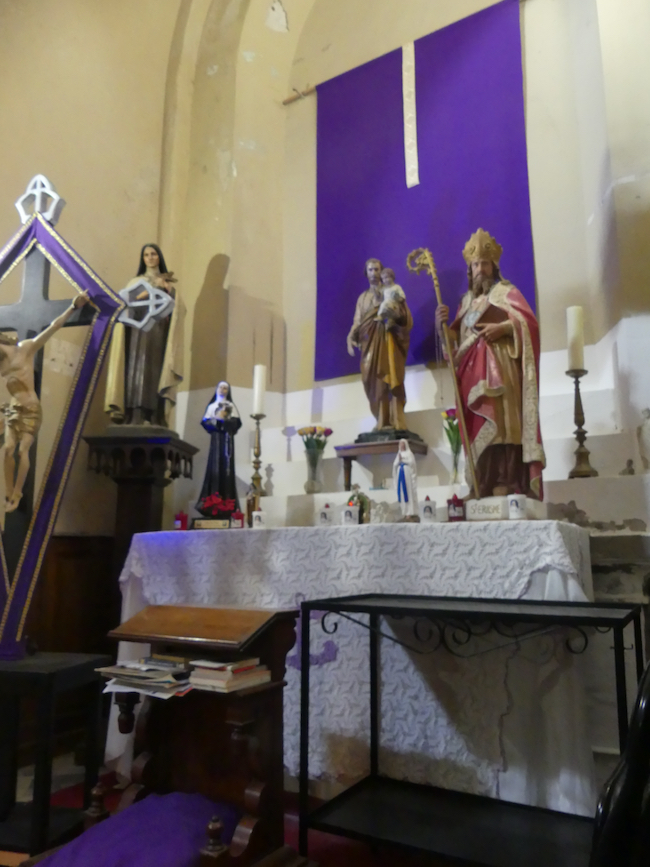
Leaving the Mariner’s Church and nearby, the Fortress and moat. And something else, can you see?

I’ve changed the angle just a bit, can you see now?
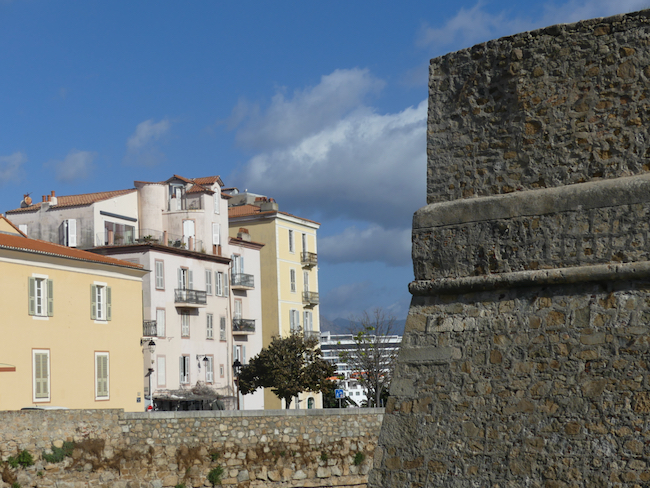
That’s our ship! We’re the only ship docked in the center of town, and you can see it from everywhere. We have no concern leaving the group when we are ready; we know how to get back to the ship before it sails.
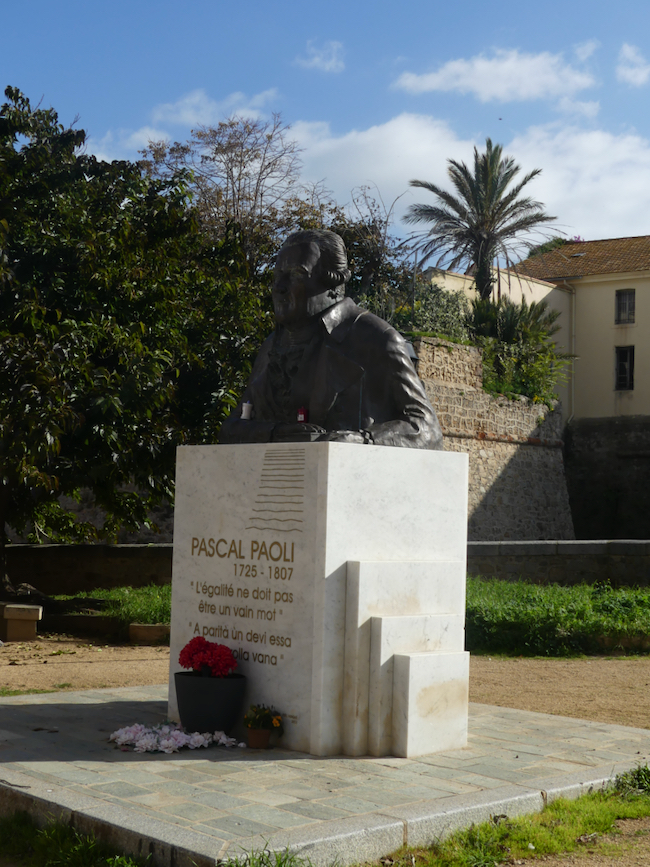
Our guide implied that the people of Ajaccio are actually prouder of Pascal Paoli than Napoleon, and that we should be too, we Americans. Do you know who he is? Wikipedia says:
Paoli commemorated in the United States
The American Sons of Liberty movement were inspired by Paoli. Ebenezer McIntosh, a leader of the Sons of Liberty, named his son Paschal Paoli McIntosh in honour of him. In 1768, the editor of the New York Journal described Paoli as “the greatest man on earth“. Several places in the United States are named after him. These include:
- Paoli, Colorado
- Paoli, Indiana
- Paoli, Kentucky
- Paoli, Oklahoma
- Paoli, Pennsylvania, which was named after “General Paoli’s Tavern” a meeting-point of the Sons of Liberty and homage to the “General of the Corsicans”.
- Paoli, Wisconsin
Our guide told us that the first democratic constitution in the world was Paoli’s 1755 Constitution for the independent Republic of Corsica and that it was written in conjunction with with Thomas Jefferson and was directly influencial in the formation of the US Constitution.. I can find no verification of that information, but I found the following in Grunge. Hmmmm.
The American Dream is born
Emanuel Leutze
Across the Atlantic, Patriots in the Thirteen Colonies eagerly followed the Corsican War. According to the Journal of the American Revolution, Corsica’s heroism made Paoli highly respected in America, inspiring the Patriots (especially the Sons of Liberty) to push for a war of independence. William Pitt called him “a hero out of Plutarch.” According to the Colonial Society, the leader of the Boston Riots, Ebenezer Mackintosh, named his son after Pasquale. At Columbia University (then King’s College), a battalion of student volunteers of the NY militia nicknamed “the Corsicans” formed in 1775. Its most famous member? Alexander Hamilton.
Pennsylvania, Ohio, Indiana, and Wisconsin all contain towns named Paoli after that famous Corsican hero. At Paoli’s Tavern, PA, British forces defeated George Washington and Anthony Wayne. The significance of the name was surely not lost on either side. But was Paoli’s spirit present at the Old Pennsylvania State House in 1787?
According to Thomas Jefferson, he was not. The US Constitution was a purely American product, free of foreign influence. But Georges Coanet, secretary-general of the Pasquale Paoli Foundation, during a visit to Paoli, PA, noted that Paoli ran in the same Masonic circles as Benjamin Franklin and Lafayette, so they would have at least known about his constitution and ideas. It will never be certain, but given his American fame after Ponte Novu, it is certainly plausible that Paoli was at least on the minds of some of the founders during that hot Pennsylvania summer.
Read More: https://www.grunge.com/441925/the-heroic-story-of-the-island-that-inspired-the-american-revolution/
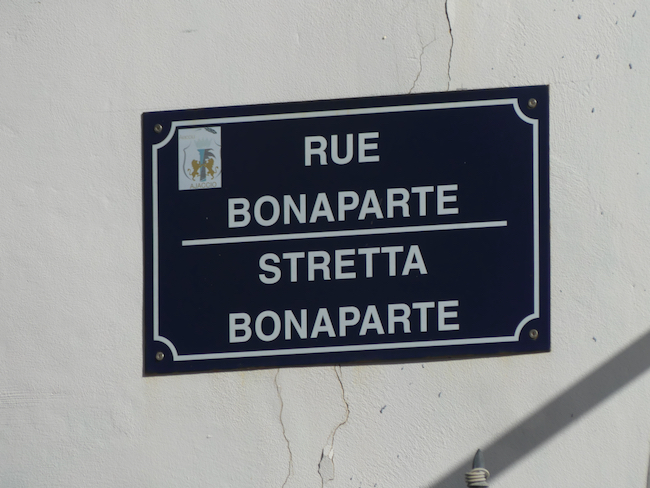
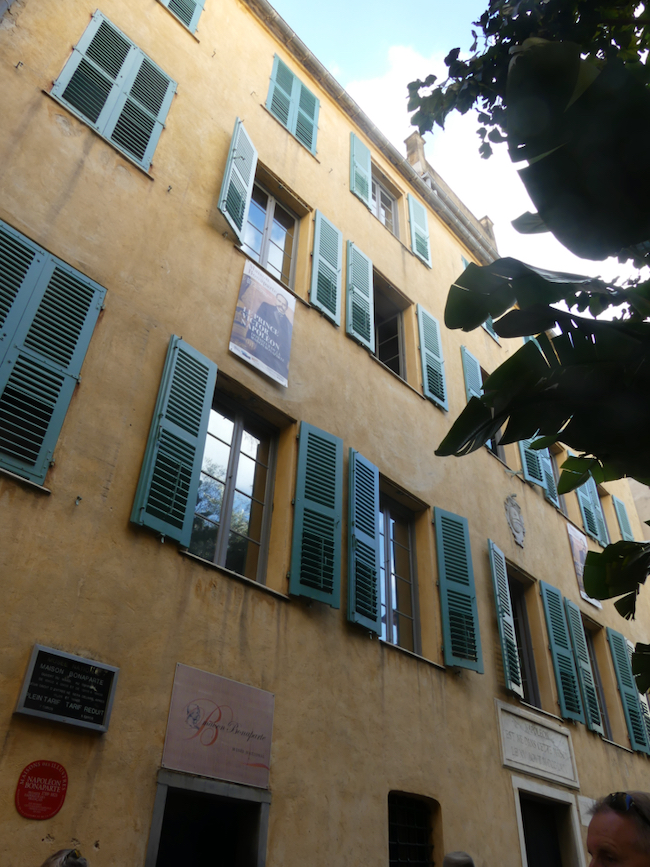
Paoli and the Bonaparte family did not get along. There’s a history. Below is the house where Napoleon was said to be born.
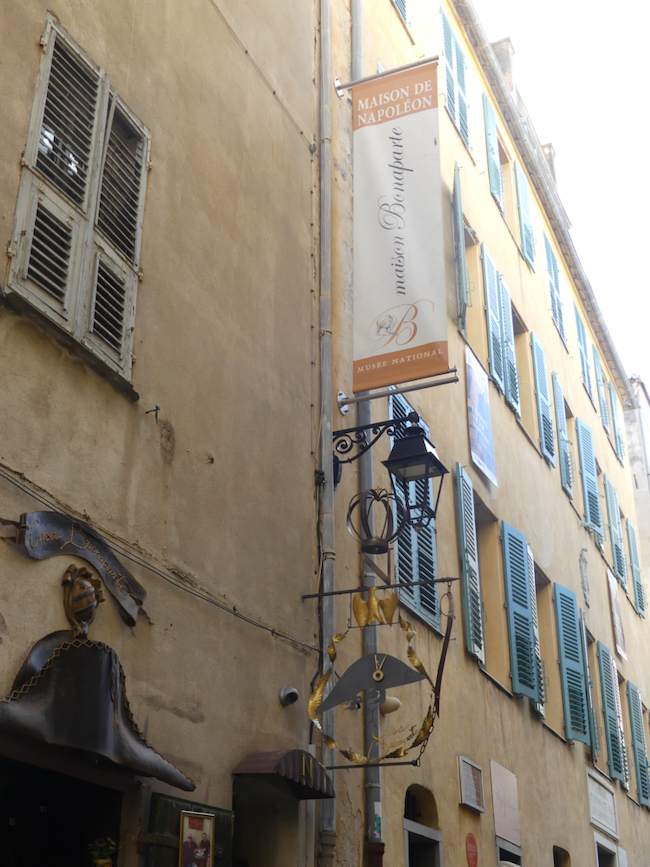
Lots of little shops open selling Napoleonic schlock, but it is Monday, and the Napoleonic Museum is not open.
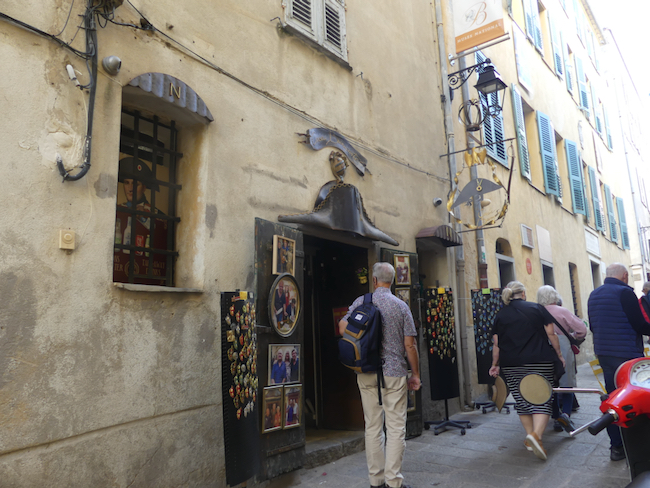


At this central plaza, we separated from the group; I knew where the open market was and I wanted to see it. It was nearby. It was closed. No big deal, I also urgently needed to buy some mascara, and we had seen a large French department store on a main street, so we looked it up on Google and followed the blue dots until we got there. French store, lots of mascara, emergency met. As I paid at the caisse, I had to wait while a very long conversation took place between the cashier and a woman I thought to be a customer. But no, the cashier turned to me, although the other woman kept talking, and took my payment.
We are always trying to break large Euro bills so that we have small coins for bathrooms and for tips, so I broke a 100 Euro bill and as the cashier handed me the change (the mascara was not expensive so there was a lot of change) the woman was talking to me, and she was telling me she had not eaten for several days and that she was very hungry.
I am on a 23 day trip on a large ship going to wonderful places and I have a fist full of change in my hand. A part of me feels extorted, and a part of me sees me – privileged, buying a luxury, not a necessity, and with a handful of bills. I was ashamed I had even hesitated. Yes, I gave her some money to eat.
I never know when it is right or wrong, and I am sure I have been taken advantage of. In my readings, I came across this exhortation in scriptures: Matthew 5:42 Give to everyone who begs of you.
We are hungry, and we wanted to eat in Ajaccio. We find a place that looks promising, there is a local man sleeping with a glass of brandy in his hand and a dog on his lap. We take that as a promising sign. Here is another promising sign:
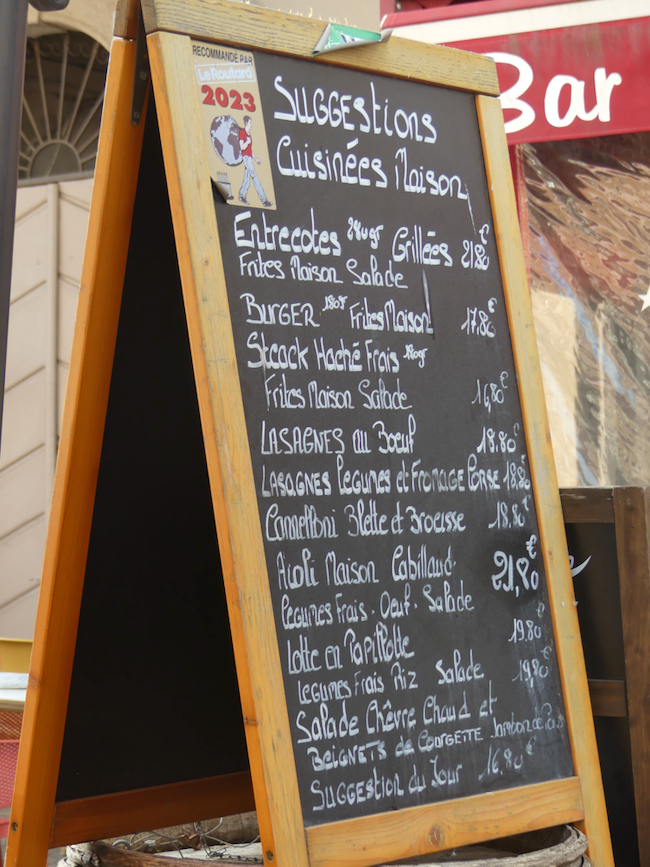
We love this name, liberally translated “The Hole in the Wall”

If you look very closely, you may see the sleeping man and his dog on his lap 😊
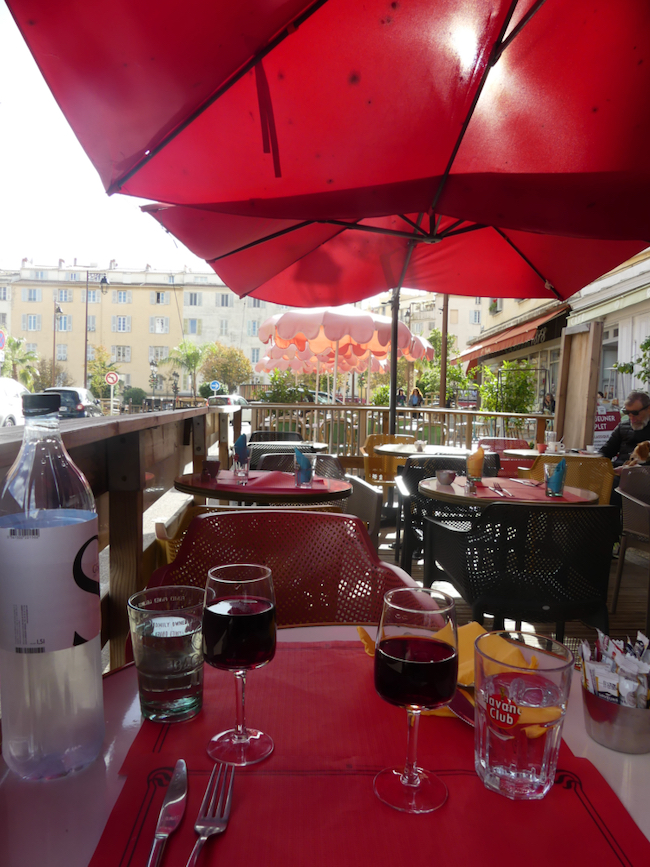
My husband orders the Entrecôte, and I order the Aioli Maison Cabillaud. It’s too much food, but it is delicious! Sorry, I ate most of my fish before I remembered to take a picture.


Here’s something interesting to me – we eat like kings. On these cruises, we eat what we wish, and we eat desserts. We are walking so much – most days 10,000 steps or more. Sometimes way more. We are so active, the weight doesn’t stick. Also, we really like vegetables and salads and seafood with lighter sauces or no sauce at all, so we don’t worry, and we don’t gain weight. Also, the desserts served on board are very small, and even so, we might split a dessert so we usually get home our same weight or – even a little less! It’s a mystery.
We walk back to the ship – we had wine with lunch and are ready for a short nap. After our nap, we head for the spa, the beautiful Viking spa with hot water pool, a snow room, a wet steam room, a dry steam room – oh what luxury.
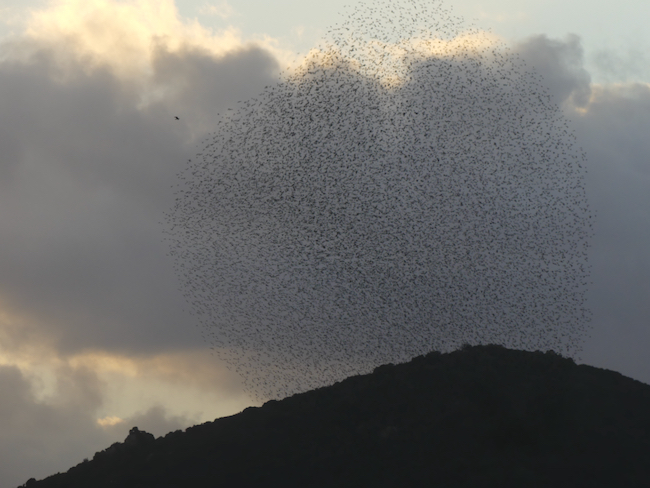
We are back in our cabin for sunset and Sail Away, and we see a spectacular sight – it’s nearing sunset, and suddenly the starlings start flocking; they look like schools of fish in the water, same movement, a glorious, joyful dance! I looked it up. It is called a murmuration. A murmuration . . .


This must be a frequent occurrence; guns are going off all over town, and fireworks. I don’t know if it is to keep the starlings from landing or to provide everyone with this spectacle.


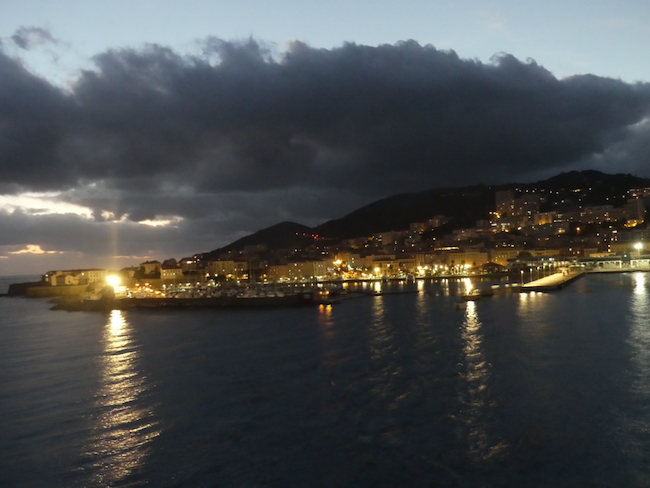
At sundown the Christmas lights come on!

And we sail away from Ajaccio.
The “Righteous Gentiles”
Today in our church Lectionary, we celebrate those who stood up to the Nazi policies and shielded and rescued thousands of Jewish people who might otherwise not have survived the torture, imprisonment and extermination, solely for being “the other.”
PRAYER (contemporary language)
Lord of the Exodus, who delivers your people with a strong hand and a mighty arm: Strengthen your Church with the examples of the Righteous Gentiles of World War II to defy oppression for the rescue of the innocent; through Jesus Christ our Lord, who lives and reigns with you and the Holy Spirit, one God, now and for ever. Amen.
“THE RIGHTEOUS GENTILES”
Although the phrase “Righteous Gentiles” has become a general term for any non-Jew who risked their life to save Jews during the Holocaust, it here appears to apply specifically to: Raoul Wallenberg [Swedish, d. 1947] Hiram Bingham IV [d. 1988, American]; Karl Lutz [d. 1975, Swiss]; C. Sujihara [d. 1986, Japanese]; and Andre Trocme [d. 1971, French].

Raoul Wallenberg (August 4, 1912 – July 17, 1947?) was a Swedish humanitarian who worked in Budapest, Hungary, during World War II to rescue Jews from the Holocaust. Between July and December 1944, he issued protective passports and housed Jews, saving tens of thousands of Jewish lives.
On January 17, 1945, he was arrested in Budapest by the Soviets after they wrested control of the city from the Germans, and was reported to have been executed while a prisoner at Lubyanka Prison, although this is not entirely certain.
Wallenberg has been honored numerous times. He is an honorary citizen of the United States, Canada, Hungary and Israel. Israel has also designated Wallenberg one of the Righteous among the Nations. Monuments have been dedicated to him, and streets have been named after him throughout the world.
— more at Wikipedia

Hiram “Harry” Bingham IV (July 17, 1903 – January 12, 1988) was an American diplomat. He served as a Vice-Consul in Marseille, France, during World War II, and helped over 2,500 Jews to flee from France as Nazi forces advanced.
In 1939, Bingham was posted to the US Consulate in Marseille, where he, together with another vice-consul named Myles Standish, was in charge of issuing entry visas to the USA.
On June 10, 1940, Adolf Hitler’s forces invaded France and the French government fell. Several influential Europeans tried to lobby the American government to issue visas so that German and Jewish refugees could freely leave France and escape persecution.
Anxious to limit immigration to the United States and to maintain good relations with the Vichy government, the State Department actively discouraged diplomats from helping refugees. However, Bingham cooperated in issuing visas and helping refugees escape France. Hiram Bingham gave about 2,000 visas, most of them to well-known personalities, speaking English, including Max Ernst, André Breton, Hannah Arendt, Marc Chagall, Lion Feuchtwanger and Nobel prize winner Otto Meyerhof.
— more at Wikipedia
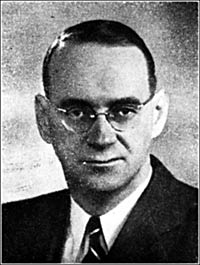
Carl Lutz (b. Walzenhausen, 30 March 1895; d. Berne, 12 February 1975) was the Swiss Vice-Consul in Budapest, Hungary from 1942 until the end of World War II. He helped save the lives of tens of thousands of Jews from deportation to Nazi Extermination camps during the Holocaust.
Lutz immigrated at the age of 18 to the United States, where he was to remain for more than 20 years. Lutz’s sojourn in the United States ended with his assignment as vice-consul to the Swiss Consulate General in Jaffa, in what was then Palestine.
Appointed in 1942 as Swiss vice-consul in Budapest, Hungary, Lutz soon began cooperating with the Jewish Agency for Palestine, issuing Swiss safe-conduct documents enabling Jewish children to emigrate.
Once the Nazis took over Budapest in 1944 and began deporting Jews to the death camps, Lutz negotiated a special deal with the Hungarian government and the Nazis: he had permission to issue protective letters to 8,000 Hungarian Jews for emigration to Palestine. Lutz then deliberately misinterpreted his permission for 8,000 as applying to families rather than individuals, and proceeded to issue tens of thousands of additional protective letters, all of them bearing a number between one and 8,000. He also set up some 76 safe houses around Budapest, declaring them annexes of the Swiss legation. Among the safe houses was the now well-known “Glass House” (Üvegház) at Vadász Street 29. About 3,000 Jews found refuge at the Glass House and in a neighboring building.
— more at Wikipedia
Chiune Sugihara (1 January 1900 – 31 July 1986) was a Japanese diplomat, serving as Vice Consul for the Japanese Empire in Lithuania. During World War II, he helped several thousand Jews leave the country by issuing transit visas to Jewish refugees so that they could travel to Japan. Most of the Jews who escaped were refugees from German-occupied Poland or residents of Lithuania. Sugihara wrote travel visas that facilitated the escape of more than 6,000 Jewish refugees to Japanese territory, risking his career and his family’s life.
When asked why he did it, he responded:
“You want to know about my motivation, don’t you? Well. It is the kind of sentiments anyone would have when he actually sees refugees face to face, begging with tears in their eyes. He just cannot help but sympathize with them. Among the refugees were the elderly and women. They were so desperate that they went so far as to kiss my shoes, Yes, I actually witnessed such scenes with my own eyes. Also, I felt at that time, that the Japanese government did not have any uniform opinion in Tokyo. Some Japanese military leaders were just scared because of the pressure from the Nazis; while other officials in the Home Ministry were simply ambivalent.
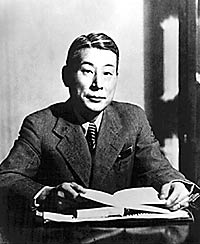
People in Tokyo were not united. I felt it silly to deal with them. So, I made up my mind not to wait for their reply. I knew that somebody would surely complain about me in the future. But, I myself thought this would be the right thing to do. There is nothing wrong in saving many people’s lives …. The spirit of humanity, philanthropy … neighborly friendship … with this spirit, I ventured to do what I did, confronting this most difficult situation —and because of this reason, I went ahead with redoubled courage. ”
When asked why he risked his career to save other people, he quoted an old samurai saying: “Even a hunter cannot kill a bird which flies to him for refuge.”
— more at Wikipedia
André Trocmé ( April 7, 1901 – June 5, 1971) and his wife Magda (née Grilli di Cortona, November 2, 1901, Florence, Italy – Oct. 10, 1996) are a couple of French Righteous Among the Nations. For 15 years, André served as a pastor in the town of Le Chambon-sur-Lignon on the Plateau Vivarais-Lignon in South-Central France. He had been sent to this rather remote parish because of his pacifist positions which were not well received by the French Protestant Church. In his preaching he spoke out against discrimination as the Nazis were gaining power in neighboring Germany and urged his Protestant Huguenot congregation to hide Jewish refugees from the Holocaust of the Second World War.

In 1938, André Trocmé and Reverend Edouard Theis founded the Collège Lycée International Cévenol in Le Chambon-sur-Lignon, France. Its initial purpose was to prepare local country youngsters to enter the university. When the refugees arrived, it also took in many Jewish young people wishing to continue their secondary education.
When France fell to Nazi Germany, the mission to resist the Nazis became increasingly important. Following the establishment of the Vichy France regime during the occupation, Trocmé and his church members helped their town develop ways of resisting the dominant evil they faced. Together they established first one, and then a number of “safe houses” where Jewish and other refugees seeking to escape the Nazis could hide. Many refugees were helped to escape to Switzerland following an underground railroad network. Between 1940 and 1944 when World War II ended in Europe, it is estimated that about 3500 Jewish refugees including many children were saved by the small village of Le Chambon and the communities on the surrounding plateau because the people refused to give in to what they considered to be the illegitimate legal, military, and police power of the Nazis.
— more at Wikipedia
I am thankful for Sawtucket, who has kept me up with my daily Lectionary readings for more than 22 years. I thank Sawtucket for today’s reading, reminding us that we are all of one blood, one humanity, no matter our skin color, our nationality, nor our religion. We are human beings, and our job is to watch over one another.
Mayor Emory Valentine Doesn’t Get His Way

It all started with a conversation with my Mom, during which, in a hushed voice, she told me about a neighbor “who had gotten a blue card.” A blue card? I had never heard of a blue card.
“It meant she had to leave the state!” Mom said.
Such a small thing, and such a journey it has led me on, trying to find out about the blue card and how it functioned. It led me to The History of the Juneau Alaska Police Department, and reading through that led to an hour of hilarity reading through the struggles of a small frontier town trying to bring order out of chaos and fight the battles of sewers, garbage, untethered horses, bawdy houses, and law enforcement.
Here are some examples of early actions:
1904
September, 1904 – George Kyrage (“George the Greek”) was elected to the Council and served with Mayor George Forrest, Councilmen Henry Shattuck, John Reck, Louis Lund, J.P. Jorgenson, and Henry States. Kyrage was named chairman of the Police Committee and found himself squarely between those who wanted prosperity through a wide open town, and those who demanded strict enforcement of a new ordinance prohibiting women loitering in saloons.
1910
January 7, 1910 – The conduct of a man named Al Graham was discussed and the Council ordered that he be given a “Blue Ticket”.
April 15, 1910 – The applicants for City Marshal were as follows: Charles Biernoth, W.G. Harris, Charles Meline, Mike McKenna, William Steinbeck, John Sweeney, Fred LaMarche Holmberg, and J.T. Martin. Charles Biernoth received the majority of the votes and was elected.
May 6, 1910 – City Marshal Charles Biernoth was asked to resign.
1913
April 18, 1913 – Mr. Nolan appeared before the Council and protested that the women of ill fame were allowed to live in the vicinity of the saw-mill outside of the restricted district, and the matter was referred to the Police Committee and the Chief of Police.
1914
January 2, 1914 – The City Attorney was instructed to prepare an ordinance against expectorating on the sidewalks of the City of Juneau.
-An ordinance was passed that provided punishment for pimps and moques to be set at not more than one hundred dollars.
City refuses to clean up red light district
February 6, 1914 – Councilman H.J. Raymond said that the last Grand Jury: wanted the City of Juneau to do something about cleaning up the red light district in the City. It was moved that the Chief of Police be ordered to close up every bawdy house in the City; but the motion died for lack of a second. It was then moved that the Chief of Police be instructed to stop the sale of liquor in all houses of prostitution in the City of Juneau; and again the motion died for lack of a second. It was then moved and seconded that a letter be forwarded to John Rustgard, US District Attorney, First Division of Alaska, stating that the City authorities of Juneau will be glad to lend all the aid they can in the enforcement of the law in the sale of liquor in houses of prostitution in the City of Juneau.
May 14, 1914 – A day’s labor in the Municipality of Juneau was set at eight (8) hours, common laborers were paid 35 cents per hour, and could work any number of additional hours at the same rate per hour.
1915
January 27, 1915 – A special meeting was called to hear charges of misconduct in office that have been made against Chief of Police William McBride. The Council requested that witnesses give their testimony. Harry Grove was duly sworn and testified and Charles Freegrove, Helen, and J.H. Gilpatrick were called and questioned by different councilmen. The hearing was then continued to a subsequent meeting of the Council.
January 29, 1915 – The Clerk read the resignation of William McBride from the office of the Chief of Police of the City of Juneau which took effect on February 1, 1915.
-A proposed ordinance was presented entitled “An ordinance requiring horses to be tied”.
July 7, 1916 – S.A. Judd protested that the Chief of Police had ordered him to leave town.
It makes for fascinating reading. Then I came across this sequence of reports, but for all my Googling, I cannot find out what the charges were against Chief of Police W.S. Harding:
1917
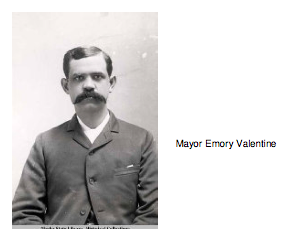
April 11, 1917 – Mayor Valentine declared that grave and serious charges have been made against W.S. Harding, Chief of Police, and that proofs are now in his possession. He further declared that an emergency existed, ordered that the office of Chief of Police be declared vacant, and stated that he will in due time appoint an emergency Chief of Police.
Councilman King asked Mayor Valentine the nature of the charges, to which Mayor Valentine replied that Mr. Harding would be given an opportunity to answer them, and that he would call a special meeting for that purpose.
April 12, 1917 – It was moved and seconded that W.S. Harding be elected to the position of Chief of Police for the coming year, to which Mayor Valentine declared out of order and stated that Mr. Harding had been suspended under the rules. Councilman Blomgren called for a vote on the adoption of the motion, and all six councilmen vote aye.
April 20, 1917 – The Clerk read the following demand: To Emory Valentine, Mayor and Common Council of the City of Juneau:
Whereas, Emory Valentine Mayor of the City of Juneau did at a public meeting held in the City of Juneau on the night of the 19th day of April, 1917, read certain affidavits purporting to contain certain charges against me as Chief of Police of Juneau, and that Emory Valentine publicly announced on the streets and public places of the Town of Juneau that he had other charges against me, I hereby demand that affidavits and all charges made against me as a public official and against my conduct, if committed and filed with the Common Council of the City of Juneau, or the Clerk of the City, and that a hearing be had immediately. Respectfully submitted, dated Juneau, Alaska, April 20, 1917. (signed) W.S. Harding
-An Executive Session was scheduled for Monday, April 23, 1917, at the hour of eight o’clock p.m. for the purpose of having the charges against W.S. Harding formally filed or presented.
-The Mayor called for the election of a person to fill the position of Chief of Police for the coming year. The Clerk read the following names as persons who had filed their applications: W.S. Harding, W.D. McMillan, E.J. Sliter, and Capt. E. Harrigan. W.S. Harding received six votes and the other applicants received none. The Mayor declared a veto on the election of W.S. Harding as Chief of Police.
-Harding appointed Dan Harrington, W.D. McMillan, and Emil Mullenbeck, to serve as police officers under him and asked for approval of the Council which was given. The Mayor declared a veto to the action of the Council.
April 27, 1917 – The Common Council of the City of Juneau, Alaska, convened in the Council Chambers of City Hall at the hour of eight o’clock p.m. on Friday, April 27, 1917, for the purpose of trying the charges against W.S. Harding, Chief of Police.
-The trial of the charges was to be heard by affidavit, and W.S. Harding was given until Monday night to file his answering affidavits, with the trial continued to Thursday, May 3, 1917 at the hour of eight o’clock p.m.
May 3, 1917 – The Common Council of the Town of Juneau, Territory of Alaska, convened in the Council Chambers of the City at the hour of eight o’clock p.m. on Thursday, May 3, 1917 – Mayor Valentine presiding. A resolution calling for the reading of the charges against W.S. Harding, Chief of Police accusing him of misconduct in office and the answering affidavits from the Chief was read.
-Affidavits of Walter Johnson, Frank Morrison, Jack Ivey, Fred Alexander, Mrytle Mercer, J.W. Felix, D. DeBlaser, F.J. Breezee, L.N. Ritter, and E. Valentine supported the charges.
-Affidavits of W.S. Harding, Emil Mullenbeck, Louise Dejonghe, E.W. Pettit, L.O. Sloane, C.O. Lindsey, Carl R. Brophy, W.D. MacMillan, A.C. Williams Jr., Frank E. Sargent, Glen C. Bartlett, H.H. Post, D.J. Harrington, George C. Burford, Edith Johnson, John B. Marshal, Harry Ellingen, and E.A. Naud were read in answer to the charges.
-The Council took a ten minute recess to consider the charges, and Mayor Valentine left the meeting.
-Following the recess, the following resolution was read: Be it resolved that W.S. Harding, Chief of Police of the City of Juneau, whom certain charges have been filed against, has been exonerated and it is the wish of the Council that he continue as Chief of Police.
May 4, 1917 – The electric light at the end of the garbage dump was out, causing trouble for boats navigating up and down the channel.
-Mayor Valentine objected to the claim of Chief Harding for his full monthly salary, saying that he was only entitled to pay for the first eleven days in April, because Harding was relieved from office on that date.
-The Clerk read Mayor Valentine’s veto message to the action of the Council electing W.S. Harding as Chief of Police on April 20, 1917, and to the action of the Council confirming the appointments of W.S. Harding, Patrolman Harrington and Mullenbeck. The following resolution was then read: Be it resolved that the veto of Mayor Valentine to the action of the Council in electing W.S. Harding, Chief of Police of the City of Juneau, Alaska on April 20, 1917, be overruled and held for naught. And be it further resolved that the veto of Mayor Valentine to the action of the Council in confirming the appointment of Patrolman Harrington and Mullenbeck on April 20, 1917, be overruled and held for naught.
Mayor Valentine served as Mayor for six terms, according to Wikipedia, and organized the volunteer fire department and designed the city’s first water system. For some reason, he really didn’t like the Chief of Police, but Harding and a lot of support among the council members, and retained his position. Fascinating stuff; brings history to life.
And you thought history was dull?
Recent Comments
ExpatAlien on What Country am I Living … intlxpatr on Yellowstone: Old Faithful to C… Michelle on Yellowstone: Old Faithful to C… Cathy on No Grown-Ups in Charge intlxpatr on Waiting for Snow Wikipedia Donate Button

Amazina


Early Voting in Florida


 Here There and Everywhere