September 11; A Day of Infamy

I was in Seattle for a wedding, staying with my sister. My nephew and I were up early, and he called to me, “Come see something! This is so weird. A plane just flew into the World Trade Center!”
I didn’t believe him, but I went to his room across the hall to see. As we watched, the second plane flew into the second tower.
“That wasn’t an accident,” I said. “It’s not that easy to fly straight into a building.”
But mostly, I was thinking “Will I ever see my husband again?”
We were living in Germany. The phone lines were blocked. I couldn’t hear his voice.
My sister got a call, and she left for work. My nephew left for work. I had a coffee date with one of my former professors; she never showed up. She called me later to say she was stuck in the ferry line; the ferries weren’t operating, and neither was her phone until now.
So I hit the quilt shop. I knew I would spend the rest of the day rivited to the television screen, trying to learn what had just happened. We had seen it, we kept seeing it, over and over, but none of us could understand what we were seeing.
The New Yorker cover, above, captures it perfectly – we were all in the dark.
I was scared, and I felt angry. I wanted to DO something. I wanted to have something positive to come out of this horror. I designed a quilt. I cut out the pieces. I hand stitched all the pieces. It got me through.
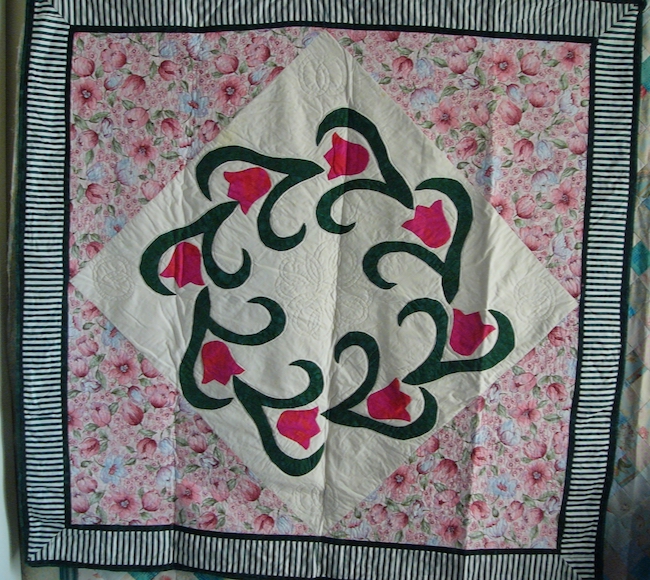
Maybe late that night, AdventureMan was able to call me. We still didn’t know exactly what was going on or if the planes would ever fly again. I held my breath in the coming days, as my flight reservation day approached.
I was on one of the first planes out. I remember the pilot coming on as we were departing, and telling us to introduce ourselves to each other, to be neighbors on our flight, that we would help one another if anything went wrong. It was greatly moving, unexpectedly emotional.
September 11 is one of those days when everyone knows where he or she was when the planes hit. Everyone has a story. On our first safari to Botswana, we met a New Yorker who had been working in downtown New York and who had to walk miles to get home and somehow ended up barefoot. She said the walk was the best part, being alive was the best part, and that the streets, on that day of horror, were filled with people who were kind and helpful to one another.
Play Station, Romeo and Juliet, ISIS, and Syrian Refugee Discussions
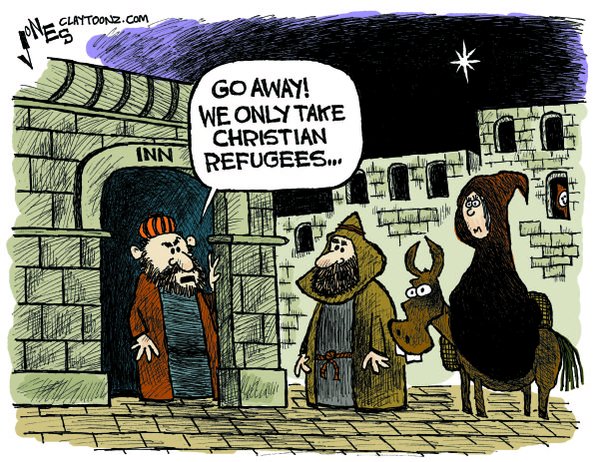
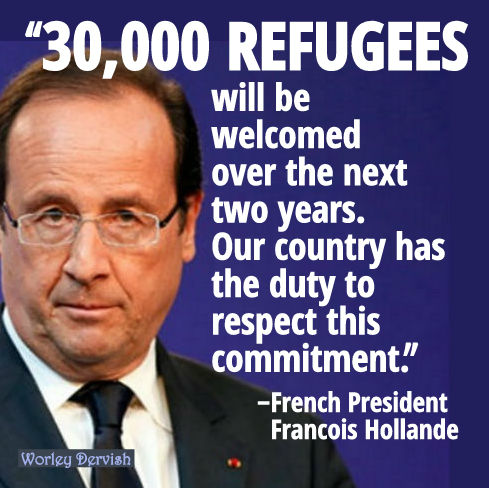
I belong to a group that I can only describe as “thoughtful” Christians; it’s a church-related study group, and as everywhere else in the US of A, people are discussing recent events in Paris, and the related issue of resettling Syrian (and not only Syrian) refugees in the United States.
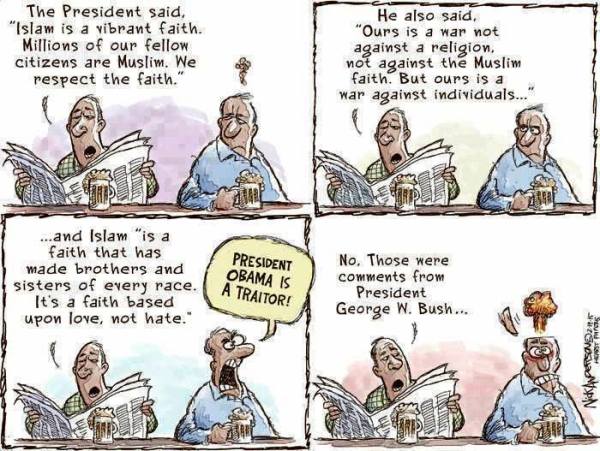
The same discussions are taking place on FaceBook. I’m inclined to think that those who are thinking lime me are measured, and thoughtful, and that those who disagree with me are overly emotional, even rabid, and that their attitudes might be Un-Christian as well as Un-American.
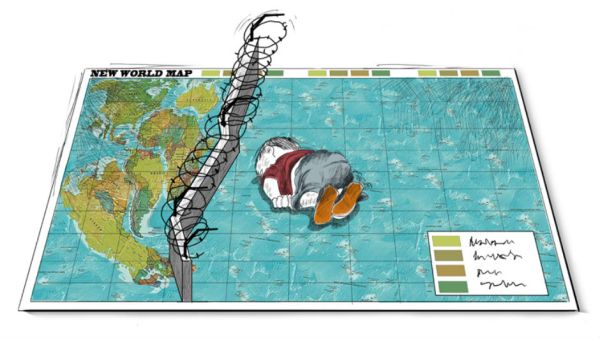
I am not so blind as to not see that they may see the exact same thing, in reverse. It’s the times, and the issues.
One very smart woman communicated something I haven’t heard anywhere else, that investigators believe these Paris murderers might have been communicating by creating a Play Station group, so you can message your group members, and your message disappears seconds later.
One neuron sparks, synapses connect and the outline of a picture emerges. Of course. This plot was not that complex. My major focus would be on how they got the weapons, but other friends tell me that now weaponry can be had very inexpensively on the dark market in Europe.
But what has puzzled me, until now, was the kind of thinking that would put this scenario together, and I have concluded that we did. By our entertainment technology, we have taught them to strategize. We have trained them to think through scenarios, and to have branching options. We have taught them to join forces. We have taught them to work in teams. Some may have had some training to operate the weapons so accurately, but this was the equivalent of a canned hunt, shooting fish in a barrel. They had rapid fire weapons, and rooms full of people expecting no more than a pleasant night out. Before they knew what was happening, the event had come and gone.
They are young. The so called “master-mind” (I really don’t like that label; I don’t think this took masterful planning, and they did not accomplish their major goal, which was terrorizing the soccer game) escaped, but not for long. They calculatedly and callously used expendables to accomplish their mission. There was no escape planned for most; give them suicide belts. Give them death. Did they know that the one pulling the strings had no intention of dying with them? So why on earth didn’t they question this plan?
When you are playing games on a Play Station, and you lose, you get another life. Hey, just like jihad! They are young, death means little, and they are easily manipulated. A glorious death, if you don’t look too closely. As I was in water aerobics this morning, we danced along to an old ditty called “Just Like Romeo and Juliet” and I thought how appropriate it was to these times and circumstances – a tradition of hatred between two groups, two young people who cross the lines, and then, their death rather than the hard work of trying to make changes in the real world.
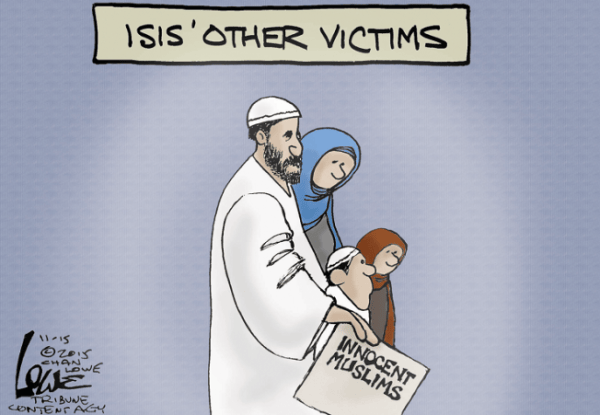
Death isn’t romantic, and the God we share, the God of Father Abraham, hates the shedding of innocent blood, no matter by what name you call him. He tells us that only he knows the intentions of the human heart. When he chooses someone to do his work, it tends to be leaving this country and walking to another, leading a people out of slavery, bearing a child, or memorizing the words of an angel, not bombing, or shooting, or forcing others to worship in the way you believe everyone must worship.

The one true God also tells us, all of us, that we are to love our neighbor, and that our neighbor is that naked, helpless, beaten man lying by the side of the road that the fastidious religious men crossed the street to avoid helping. We are to take him in, pay for his care at the inn, tend to his wounds, not for any hope of gain, but because it is the right thing to do, the decent thing to do, for our fellow human being, our neighbor.
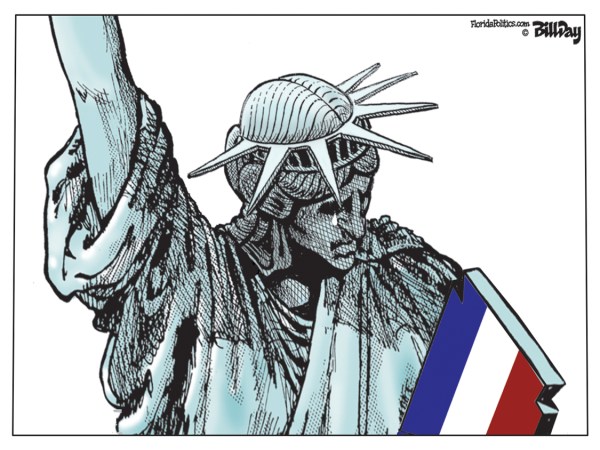
One final note, when we use the Statue of Liberty coming to the rescue of France, showing the colors of France, noting her origins in France to honor our own “Liberte” we most not fail to take note of the words at her base: Give me your tired, your poor; The huddled masses yearning to breathe free; The wretched refuse of your teeming shores; send these – the homeless, tempest tossed to me! I lift my lamp beside the golden door!”
Recent Comments
intlxpatr on Shampoo Ginger tigerbutterya0c5ff1d… on Shampoo Ginger intlxpatr on British Soldier Kidnapped, Esc… John on British Soldier Kidnapped, Esc… intlxpatr on British Soldier Kidnapped, Esc… Wikipedia Donate Button

Amazina


Early Voting in Florida


