Saudi Women Drive, No Problem
For your delight of the day, please go to YouTube and watch this hilarious Saudi video, No Woman, No Drive! Click on the blue type above 🙂

From The Guardian:
Dozens of Saudi Arabian women drive cars on day
of protest against ban
-
Staff and agencies
- theguardian.com, Saturday 26 October 2013 12.03 EDT
Activists say at least 60 joined call to allow female drivers – making it country’s biggest ever demonstration against the ban
More than 60 Saudi women got behind the wheels of their cars as part of a protest against a ban on women driving in the kingdom, activists have claimed.
A Saudi professor and campaigner, Aziza Youssef, said the activists have received 13 videos and another 50 phone messages from women showing or claiming they had driven, the Associated Press reported.
She said it had not been not possible to verify all of the messages. But, if the numbers are accurate, they would make Saturday’s demonstration the biggest the country has ever seen against the ban.
Despite warnings by police and ultraconservatives in Saudi Arabia, there have been no reports from those who claimed to have driven of being arrested or ticketed by police.
A video clip of a protest by May al-Sawyan, a 32-year-old economics researcher and mother of two, was uploaded on the YouTube channel of the October 26 driving for women group, along with several other videos of women purportedly driving in defiance of the ban in Riyadh, al-Ahsa and Jeddah. It was not possible to verify when they were filmed. Another video to feature on YouTube was the spoof No Woman, No Drive.
“I am very happy and proud that there was no reaction against me,” she told AP. “There were some cars that drove by. They were surprised, but it was just a glance. It is fine. They are not used to seeing women driving here.”
Sawyan said she had obtained a driver’s licence from abroad. She said she was prepared for the risk of detention if caught but added that she was far enough from a police car that she was not spotted.
“I just took a small loop. I didn’t drive for a long way, but it was fine. I went to the grocery store,” she said.
Her husband and family waited at home and called her when she arrived at the shop to check on her, she said. She drove with a local female television reporter in the car. They were both without male relatives in the vehicle.
“I know of several women who drove earlier today. We will post videos later,” one of the campaign organisers told Reuters.
The Associated Press reported that a security official said authorities did not arrest or fine any female drivers on Saturday.
Youssef said she and four other prominent women activists received phone calls this week from a top official with close links to Interior Minister Prince Mohammed bin Nayef, warning them not to drive on Saturday, the day the campaign set for women’s driving.
She also said that “two suspicious cars” have been following her everywhere all day. “I don’t know from which party they are from. They are not in a government car,” she said.
Activists said they have 16,600 signatures on an online petition calling for change. Efforts to publicise the issue have been described as the best-organised social campaign ever seen in Saudi Arabia, where Twitter has millions of users and is used to circulate information about the monarchy and official corruption.
Previous attempts to promote change fizzled out in arrests for public order offences and demoralisation. In 2011, the activist Manal al-Sharif made a YouTube video urging women to drive their own cars, and was imprisoned for more than a week. But the signs are far more positive now.
Three female members of the shura (advisory) council – among 30 appointed by the 90-year-old King Abdullah – recommended this month that the ban be rescinded, though no debate has yet taken place.
Latifa al-Shaalan, Haya al-Mani and Muna al-Mashit urged the council to “recognise the rights of women to drive a car in accordance with the principles of sharia and traffic laws”.
The three – praised by supporters for “stirring the stagnant water” – framed their argument with careful references to religious edicts banning women from being in the company of an unrelated male driver. Other ideas designed to reassure critics are appointing female traffic police and driving instructors. Cost is another big factor, with families having to employ chauffeurs, as is convenience.
Though no specific Saudi law bans women from driving, women are not issued licenses. They mostly rely on drivers or male relatives to move around.
Powerful clerics who hold far-reaching influence over the monarchy enforce the driving ban, warning that breaking it will spread “licentiousness.” A prominent cleric caused a stir when he said last month that medical studies show that driving a car harms a woman’s ovaries.
God-With-A-Sense-of-Humor at King O Felafel in Orlando
After driving seven and a half hours to get to the convention hotel, AdventureMan and I needed dinner! We settled in to our hotel and took a quick look at the menu – nope. We needed something comforting, something familiar. And there it was, just one minute, I am not kidding, from our hotel, the King O Felafel.
God-with-a-sense-of-humor had plopped us splat down in a hotel in the middle of Middle-Eastern-Land. Minutes from Disney, minutes from all the shoddy tackiness of Orlando, we find ourselves “home.”
The King O Felafel’s shop was full of regulars, including one very large family taking up about five tables all put together, and having a wonderful time. The King himself makes his own felafels, using that little felafel making tool, he was so quick. The was clean clean clean, and service was quick.
We started with lentil soup, and I ordered the Vegetarian Platter (which was like a mezze) and AdventureMan ordered a Felafel Sandwich.
Oh, how we have been yearning for the simple joy of a felafel sandwich done right. The King O Felafel was heaven for us.

Thank goodness I remembered to take a picture before we demolished the entire platter!

So simple, so good. A homemade felafel. Perfection.

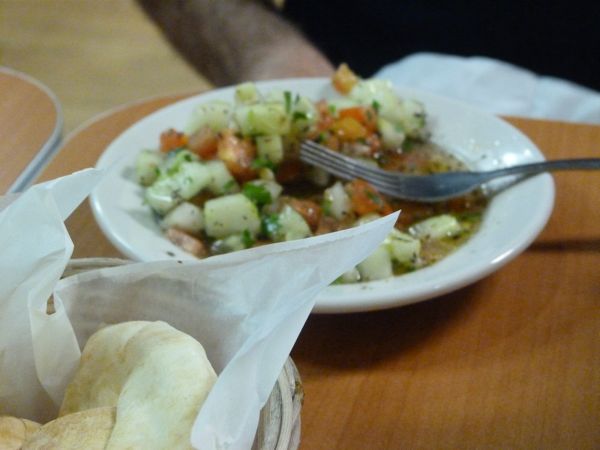
This shop is not undiscovered. He has a large clientele of all kinds of people who appreciate superb food, beautifully and tastily prepared.
Across the street from the King O Felafel is a mosque which also has a gym and a meeting hall. There are several other ‘Mediterranean’ restaurants nearby, and several hookah lounges. There are so many shops in this little area of Kissimmee with ‘halal’ foods and even groceries selling halal meats. Wow.
Mosque – my photo was blurry, so I grabbed this from Google Maps. I guess it used to be a computer shop; now it has arabic writing on it and a sign that says it is the AMYL Center (Masjid Shadi)


Taliban Says Malala ‘Has Done Nothing To Earn Prize’
Mr. Taliban, did you see Jon Stewarts interview with Malala? (See below) All she wants is an education. She wants an education for herself, but also for all children in Pakistan. Your children, too! She wants them to have that opportunity, that’s all. And she has paid the price for her courage speaking out, and she bravely continues to state the obvious – there is nothing in Islam against educating women.
MIRANSHAH, Pakistan: The Pakistani Taliban Thursday said teenage activist Malala Yousafzai had done “nothing” to deserve a prestigious EU rights award and vowed to try again to kill her.
The European Parliament awarded the Sakharov human rights prize to the 16-year-old, who has become a global ambassador for the right of all children to go to school since surviving a Taliban murder attempt.
Malala survived being shot in the head by a TTP gumnan on October 9 last year and is seen as a leading contender for the Nobel Peace prize, to be announced on Friday.
“She has done nothing. The enemies of Islam are awarding her because she has left Islam and has became secular,” Tehreek-e-Taliban Pakistan (TTP) spokesman Shahidullah Shahid told AFP by telephone from an undisclosed location.
“She is getting awards because she is working against Islam. Her struggle against Islam is the main reason of getting these awards.”
He repeated the TTP’s threat – made numerous times in recent months -try again to kill Malala, “even in America or the UK”.
Malala and moved to Britain in the wake of the shooting for treatment and to continue her education in safety.
Feted by world leaders and celebrities for her courage, Malala has addressed the UN, this week published an autobiography, and could become the youngest ever Nobel Peace Prize laureate on Friday.
Her autobiography “I am Malala”, written with journalist Christina Lamb, has gone on sale in Pakistan and Shahid warned the Taliban would target bookshops stocking it.
“Malala is the enemy of Islam and Taliban and she wrote this book against Islam and Taliban,” he said. (AFP)
The Alaska State Museum in Juneau
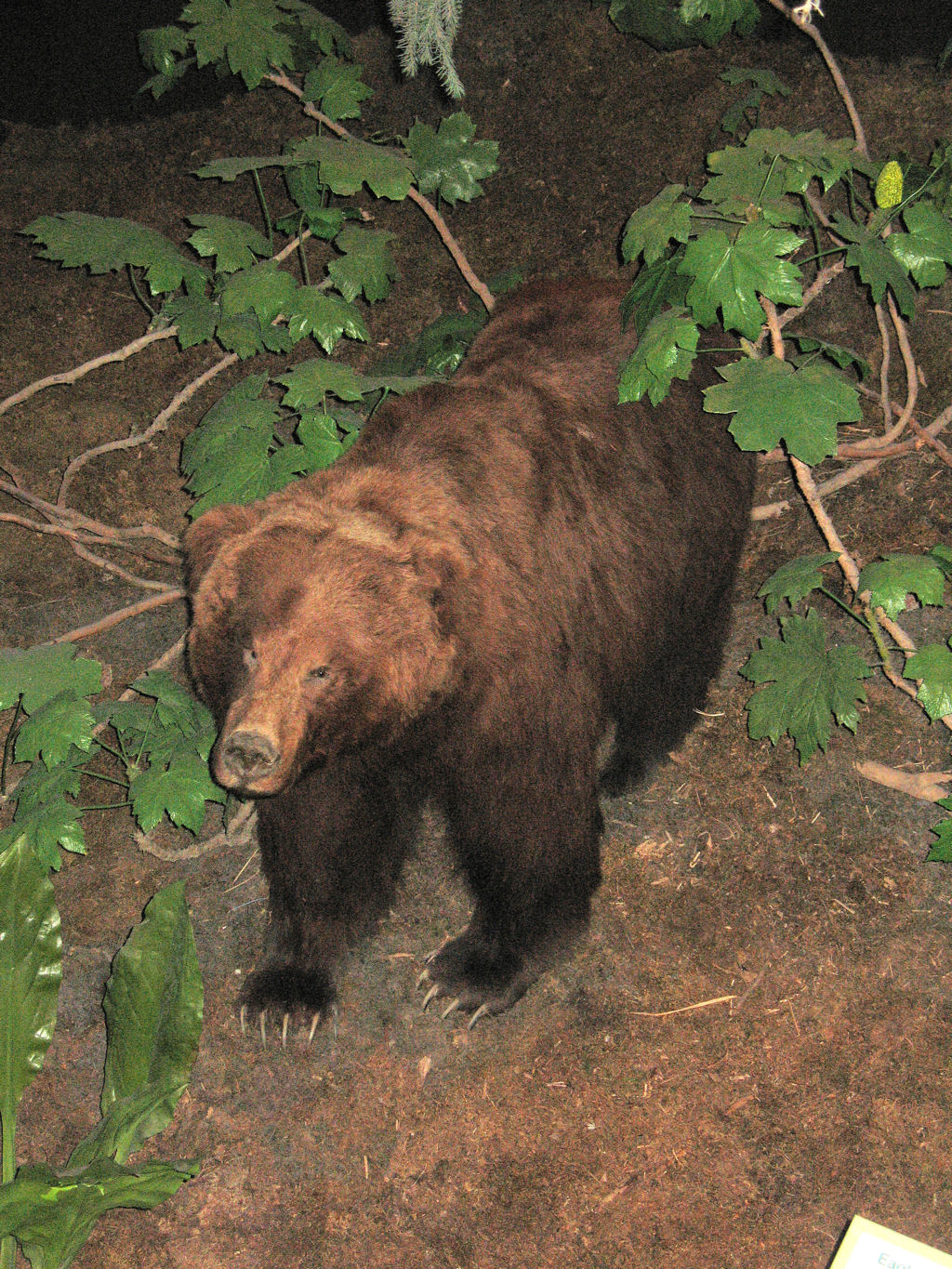
“Oh,” the docent laughed, “everyone asks about that old bear. He hasn’t been around for years. He got all patchy because all the kids touched him and his hair fell off.”
LOL. I know one of those kids. There was a big sign that said “Do Not Touch the Bear” but he was a snowy white polar bear and . . . irresistible. My Dad worked in the same building as this museum, in its old location, and I would meet him there for a ride home after going to the library.
I loved this museum.
This time, it was one of the highlights of the entire trip. This museum is rich in well-curated pieces, and they are beautifully arranged. A new museum is going up; I can only hope that when it opens, it is at least as well done as this one is. Both AdventureMan and I could spend a lot more time in this museum.
Carving at the entrance:


Bent wood box

Painted chest
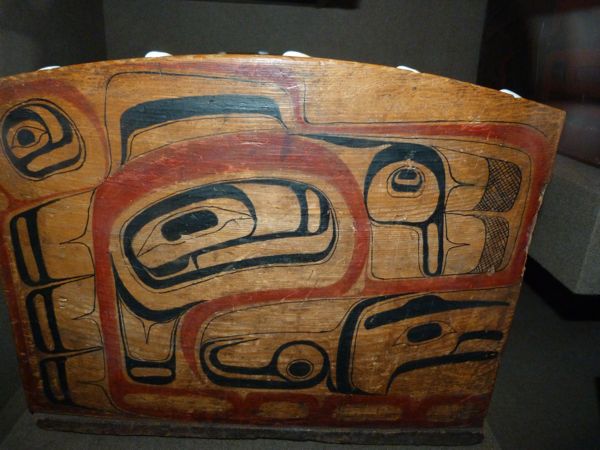
Ceremonial robe
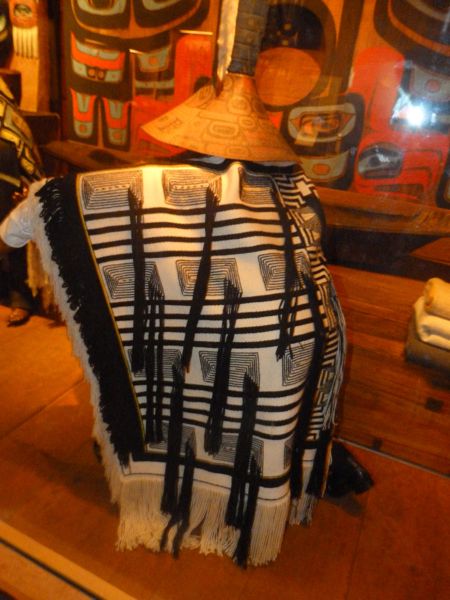
Everyday clothing
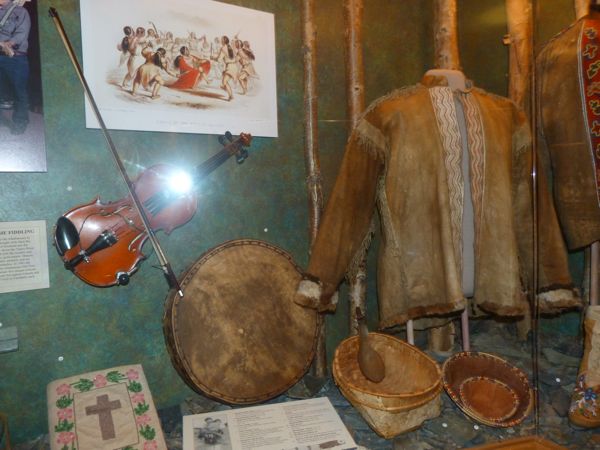
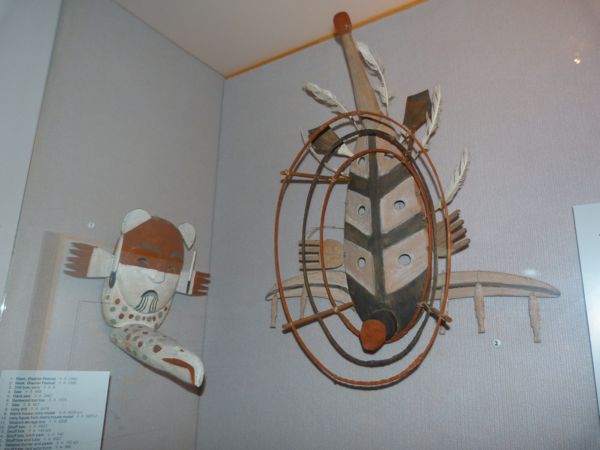
Upiq masks
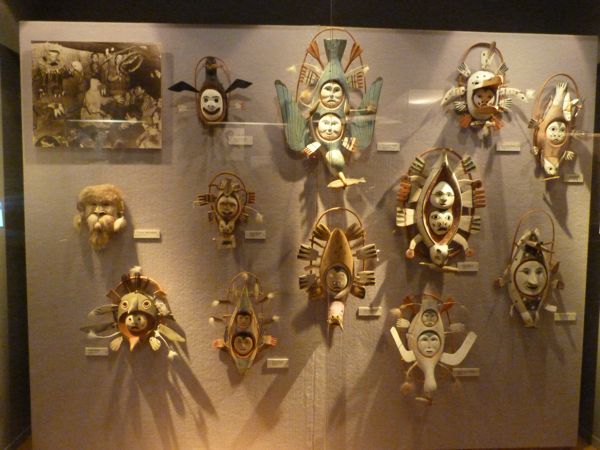
Close up Upiq masks
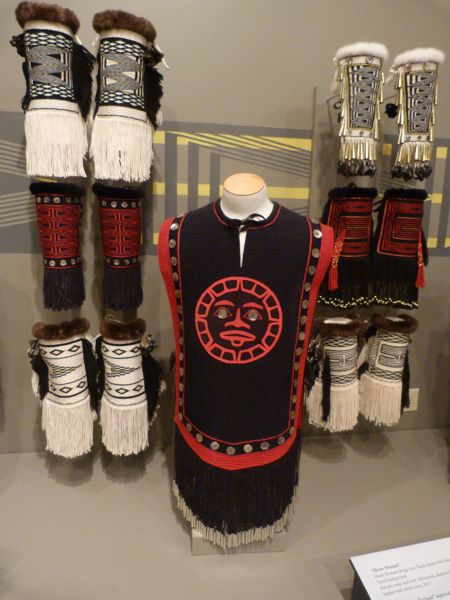
Sun motif ceremonial outfit – look at the leg pieces – don’t they look like Sadu weaving to you?

Moon motif ceremonial outfit
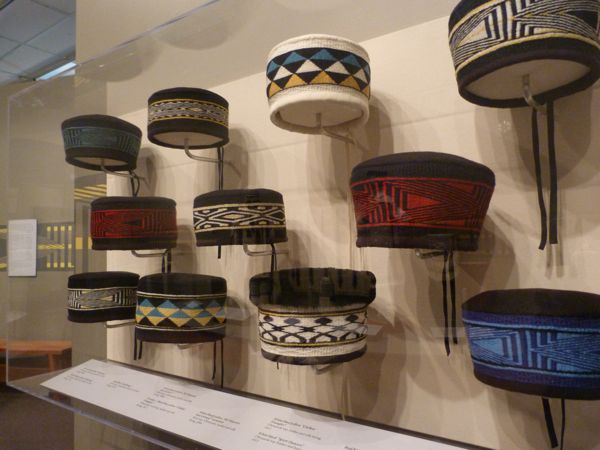
Hand made hats. I was so surprised; these are like prayer caps in Oman and in Pakistan and I think in Indonesia. That they would be so similar in shape and geometric embroidery was amazing to me.
Eagle’s nest display, with eagle sounds. I love this! There is also a bear, but positioned so you really cannot touch . . . 😦

Corner pillars of Alaskan native houses used to look like this, not exactly totemic but with carved spirits:

There is so much more. I focused on the Alaskan Native inhabitants, but there are also exhibits of the coming of the Russians, the gold rush, the transition to territory and statehood . . . I can only take in so much at one time! Good thing we are going back 🙂
ALASKA STATE MUSEUM
395 Whittier Street
Juneau, AK 99811-1718
Tel: 907.465.2901
Fax: 907.465.2976
Gospel for 9/11

Are we who we say we are?
Do we follow the spirit of The Word? Do we as believers pick and choose from our holy book(s) or do we humble ourselves, as Christ did, and do as he commands?
The Lord Jesus Christ commanded a very difficult life style. I have met holy people among all religions; I am forced to believe that “the way and the truth and the light” are behavioral, and that there will be many surprises when we get to the last days.
September 11th is a difficult day. This is a difficult Gospel reading for a difficult day:
Matthew 5: 38 – 47
Eye for Eye
38 “You have heard that it was said, ‘Eye for eye, and tooth for tooth.’h 39 But I tell you, do not resist an evil person. If anyone slaps you on the right cheek, turn to them the other cheek also. 40 And if anyone wants to sue you and take your shirt, hand over your coat as well. 41 If anyone forces you to go one mile, go with them two miles. 42 Give to the one who asks you, and do not turn away from the one who wants to borrow from you.
Love for Enemies
43 “You have heard that it was said, ‘Love your neighbori and hate your enemy.’ 44 But I tell you, love your enemies and pray for those who persecute you, 45 that you may be children of your Father in heaven. He causes his sun to rise on the evil and the good, and sends rain on the righteous and the unrighteous. 46 If you love those who love you, what reward will you get? Are not even the tax collectors doing that? 47 And if you greet only your own people, what are you doing more than others? Do not even pagans do that? 48 Be perfect, therefore, as your heavenly Father is perfect.
One New MERS Death in Saudi Arabia; One in Qatar
New in from Reuters, via AOL news:
DUBAI, Sept 8 (Reuters) – The MERS coronavirus has killed two more people in the Gulf, one in Saudi Arabia where the strain emerged last year, and one in neighbouring Qatar, health authorities said.
The death of a 74-year-old man in the Medinah region of western Saudi Arabia was the 45th fatality in the kingdom from Middle East Respiratory Syndrome Coronavirus (MERS-CoV) which can cause coughing, fever and pneumonia.
The Saudi Health Ministry also said on Sunday that three women aged between 64 and 75 had contracted the disease.
A 29-year-old Qatari admitted to hospital on Aug. 17 has died, Qatar’s Supreme Council of Health said in a statement dated Sept. 6, adding that another citizen who had contracted the disease while abroad had recovered.
The World Health Organization said last month the number of confirmed infections worldwide in the past year was 102, of whom almost half had died.
In a study into what kind of animal “reservoir” may be fuelling the outbreak, scientists said this month they had found strong evidence it is widespread among dromedary camels in the Middle East.
The virus has been reported in people in Tunisia, France, Germany, Italy, and Britain. (Reporting by Sami Aboudi in Dubai and Amena Bakr in Qatar; Editing by Robin Pomeroy)
Recipe For Life
Thank you, Renee, for sending this lovely little reminder of how to lead a happy life:
Great Recipe (one of the best that you will ever read)
1. Take a 10-30 minute walk every day. And while you walk, smile. It is the ultimate antidepressant.
2. Sit in silence for at least 10 minutes each day.
Talk to God about what is going on in your life.
3. When you wake up in the morning complete the following
statement, ‘My purpose is to__________ today. I am thankful for______________’
4. Eat more foods that grow on trees and plants and eat less food that is manufactured in plants.
5. Drink green tea and plenty of water. Eat blueberries, wild
Alaskan salmon, broccoli, almonds & walnuts.
6. Try to make at least three people smile each day.
7. Don’t waste your precious energy on gossip, issues of the
past, negative thoughts or things you cannot control. Instead
invest your energy in the positive present moment.
8. Eat breakfast like a king, lunch like a prince and dinner like a college kid with a maxed out charge card.
9. Life isn’t fair, but it’s still good.
10. Life is too short to waste time hating anyone.
11. Don’t take yourself so seriously. No one else does.
12. You are not so important that you have to win every argument. Agree to disagree.
13. Make peace with your past so it won’t spoil the present.
14. Don’t compare your life to others. You have no idea what their journey is all about
.
15. No one is in charge of your happiness except you.
16. Frame every snowballed disaster with these words: ‘In five years, will this matter?’
17. Forgive everyone for everything.
18. What other people think of you is none of your business.
19. GOD heals everything – but you have to ask Him.
20. However good or bad a situation is, it will change.
21. Your job won’t take care of you when you are sick. Your
friends will. Stay in touch!!!
22. Envy is a waste of time. You have everything you need.
23. Each night before you go to bed, complete the following statements: I am thankful for__________.
Today I accomplished_________.
24. Remember that you are too blessed to be stressed.
25. When you are feeling down, start listing your many blessings. You’ll be smiling before you know it.
26. Send this to everyone you care about.
“);
Happy 7th Blog-iversary to Me!
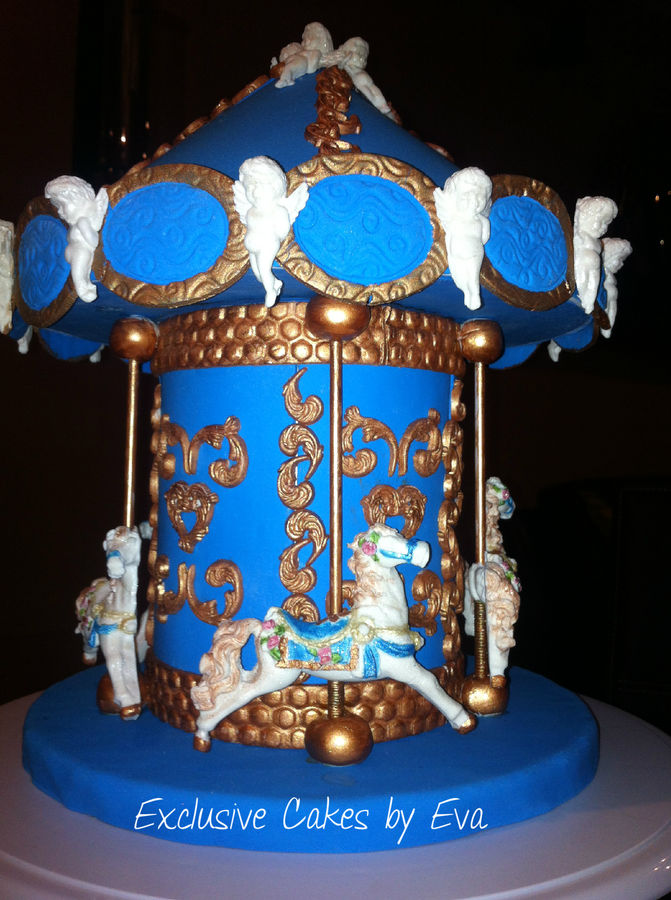
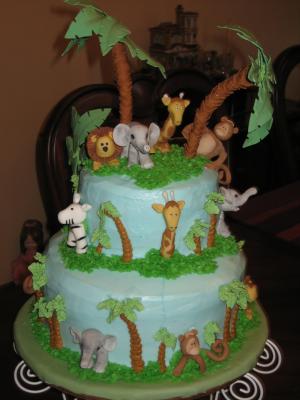
Once a year I get to troll the internet looking for cakes. It is so much fun. I had no idea there is so much creativity out there, so much daring. I found a wedding cake that is tilted! Something in me loved it, loved the spirit of a woman who would marry knowing life is often off-kilter and messy.
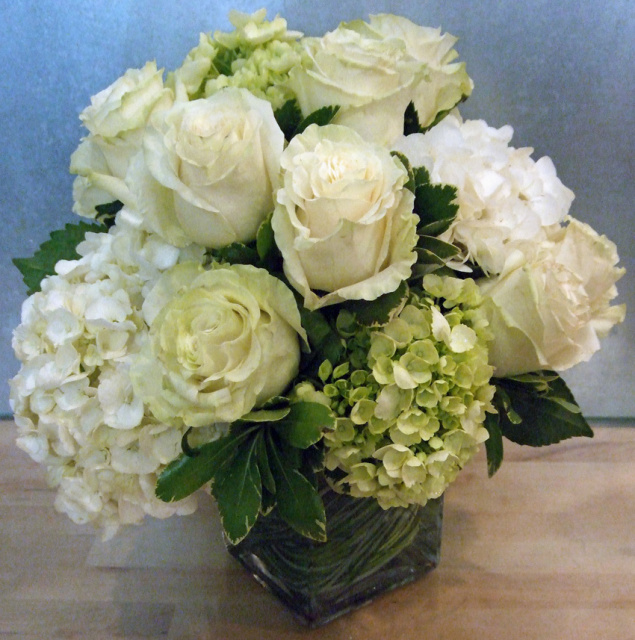
I love white roses, so this year I have sent some to myself:
Come on by, have some virtual cake with me to celebrate seven years of blogging:
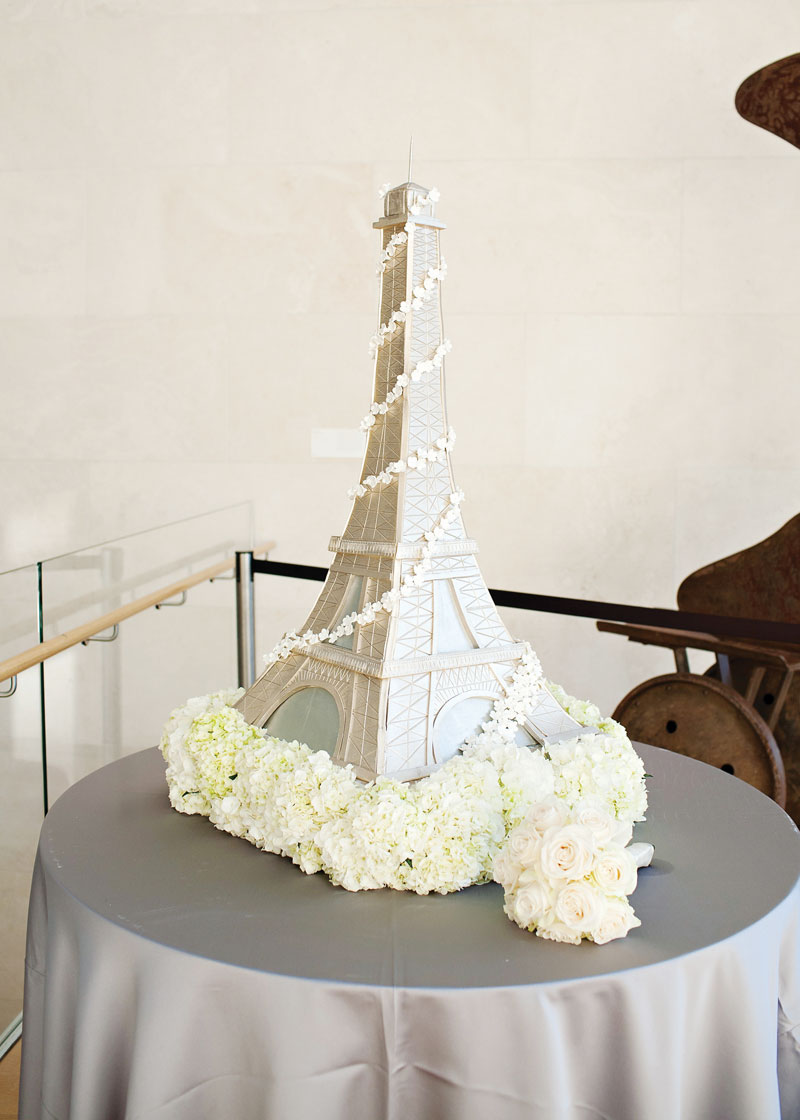
And here, an elegant combination of cake and white roses:

Seven years ago in Kuwait, I started blogging. There was a wild blogging scene in Kuwait, a lively community. Blogs were candid, and many were substantial, dealing (carefully) with political and economic issues in Kuwait. I remember reading and learning, and finally gathering up my courage to write my very first entry, and it has been a recurring theme, cross-cultural communication. I learned so much from my life in the Middle East, Tunisia, Jordan, Saudi Arabia, Qatar and Kuwait. I made the most amazing friends. It changed my life and my perceptions utterly.
Of the three Kuwait female bloggers who inspired me to start blogging, Jewaira has gone private, 1001 Nights is a good friend, a mother, and an author 🙂 and Desert Girl is still going strong. Mark, at 2:48 a.m. is also still going strong, so strong that he has been able to leave his full time employment and operate on a consultant basis.
Of course, as any blogger will, I sometimes think of quitting. There are days I find myself with nothing to say, nothing in my life so interesting that I think it is worth sharing, not even a news story worth noting. So I’ve had to ask myself why I continue.
I do it for myself. When I started, I had a reason and that reason still stands. I forget things. This isn’t age-related, it’s busy-life busy-world related; we forget the details.
My Mother saved all my letters from Tunisia. I remember reading them and laughing because at three, my son’s best friend in his day school was a boy he called Cutlet. I know his real name is Khalid, but Cutlet was as close as this little American boy in a French-Tunisian school could get. I had totally forgotten, until I read the letter. So my primary reason for continuing to blog is documentary – just plain record keeping, like an old fashioned diary. Noting things in my daily life or the life around me.
Even now, sometimes I see a post written long ago, usually one of our Africa trips, Botswana, Namibia, Tanzania, Zanzibar, Zambia – will start getting a rush of stats. It thrills my heart. It makes it all worthwhile, knowing something I have put out there is helping others, even years later. Perhaps one day, I will quit blogging, but leave the blog up, with these informational articles.
My stats make no sense at all, one of my biggest stat gainers this year was a news article I tossed off about the prank on the South Korean pilot names after the plane crash landed in San Francisco. It just made me giggle, and I couldn’t resist printing it. It ended up with a life of its own, as many entries do – and you just never know. Someone pins an image and you get a million (ok hyperbole here) hits you never expected.
In the end, I believe that those who keep blogging do it because as Martin Luther once said, “I cannot other.” We do it because something within needs to be expressed, even if it is just some kind of daily record. I know it’s why I blog.
Camels Source of MERS?

From today’s BBC News:
Mers coronavirus: Dromedary camels could be source
By Rebecca Morelle
Science reporter, BBC World Service
Dromedary camels could be responsible for passing to humans the deadly Mers coronavirus that emerged last year, research suggests.
Tests have shown the Mers (Middle East Respiratory Syndrome) virus, or one that is very closely related, has been circulating in the animals, offering a potential route for the spread.
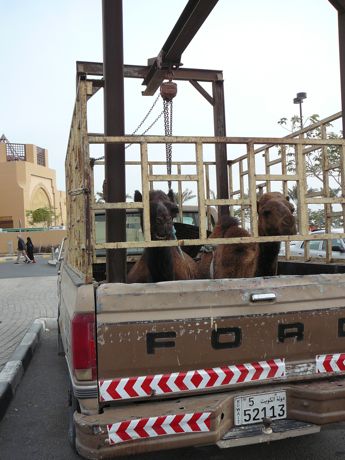
The study is published in the journal Lancet Infectious Diseases.
But the scientists say more research is needed to confirm the findings.
The Mers coronavirus first emerged in the Middle East last year. So far, there have been 94 confirmed cases and 46 deaths.
While there has been evidence of the virus spreading between humans, most case are thought to have been caused by contact with an animal. But until now, scientists have struggled to work out which one.
‘Smoking gun’
To investigate, an international team looked at blood samples taken from livestock animals, including camels, sheep, goats and cows, from a number of different countries.
They tested them for antibodies – the proteins produced to fight infections – which can remain in the blood long after a virus has gone.
Professor Marion Koopmans, from the National Institute of Public Health and the Environment and Erasmus University in The Netherlands, said: “We did find antibodies that we think are specific for the Mers coronavirus or a virus that looks very similar to the Mers coronavirus in dromedary camels.”
The team found low levels of antibodies in 15 out of 105 camels from the Canary Islands and high levels in each of the 50 camels tested in Oman, suggesting the virus was circulating more recently.
“Antibodies point to exposure at some time in the life of those animals,” Prof Koopmans explained.
No human cases of the Mers virus have been reported in Oman or the Canary Islands, and the researchers say they now need to test more widely to see if the infection is present elsewhere.
This would include taking samples from camels in Saudi Arabia, the country where the virus is the most prevalent.
‘Priority search’
Prof Koopmans said: “It is a smoking gun, but it is not definitive proof.”
Commenting on the research, Professor Paul Kellam from the Wellcome Trust Sanger Institute in Cambridge and University College London, said the research was helping to narrow down the hunt for the source of the virus.
But he told BBC News: “The definitive proof would be to isolate the virus from an infected animal or to be able to sequence and characterise the genome from an infected animal.”
Health officials say confirming where the virus comes from is important, but then understanding how humans get infected is a priority.
Gregory Hartl, from the World Health Organization, said: “Only if we know what actions and interactions by humans lead to infection, can we work to prevent these infections.”
Data suggests that it is not yet infectious enough to pose a global threat and is still at a stage were its spread could be halted.
Recent Comments
ExpatAlien on What Country am I Living … intlxpatr on Yellowstone: Old Faithful to C… Michelle on Yellowstone: Old Faithful to C… Cathy on No Grown-Ups in Charge intlxpatr on Waiting for Snow Wikipedia Donate Button

Amazina


Early Voting in Florida


 Here There and Everywhere
