And Then – A Miracle Happened
In the middle of the night, with no crowd to celebrate, with no acclaim, The Affordable Housing Bill became law.
During a time when Democrats and Republicans can hardly talk to one another without spitting, 85 Senators, Democrat and Republican, joined 358 Democrat and Republican Representatives to pass a bill to help strapped young Americans get back into the housing market.
The President refused to sign the bill. He called it a “Yawn.” He said he wouldn’t sign it until the Senate and House agreed to institute the SAVE Act. He is attempting to create issues in American elections that don’t exist, to limit voting, to limit who can vote, and to make it harder for American citizens to vote. To emphasize his point, he fired the last two remaining watchdogs on the Election Assistance Commission. He FIRED the people who are in place to make sure our elections are fair and ACCURATE.
I guess he hoped nobody was looking, and that no one would care.
The President did not, however, veto the bill. My guess is that he was facing a revolution in his own party if he vetoed Affordable Housing. So he just let it slide.
He let it slide, and this adorable little bill, The 21st Century ROAD to Housing, supported by members of both parties (who, admittedly, want to get re-elected) quietly became law because it was not vetoed.
In truth, if the president had vetoed, the bill, the numbers are so solid that it would have passed again and become law anyway, but to have foregone that extra struggle, where anything can happen, another distraction, another unnecessary way, it is a small, very welcome, miracle.
Didn’t you learn in your high school classes that laws are made by clasping hands across the aisle? There is so much we all have in common. I believe that most of us have intentions for the common good.
This is a small step in that direction, clearing a small path forward of create common solutions by joining together. Get out the brooms! Clear these cobwebs of hate and chaos! Bring back civility!
Celebrate small miracles!
Celebrate the 21st Century ROAD to Housing Act.
“Cunning, Ambitious, Unprincipled Men”
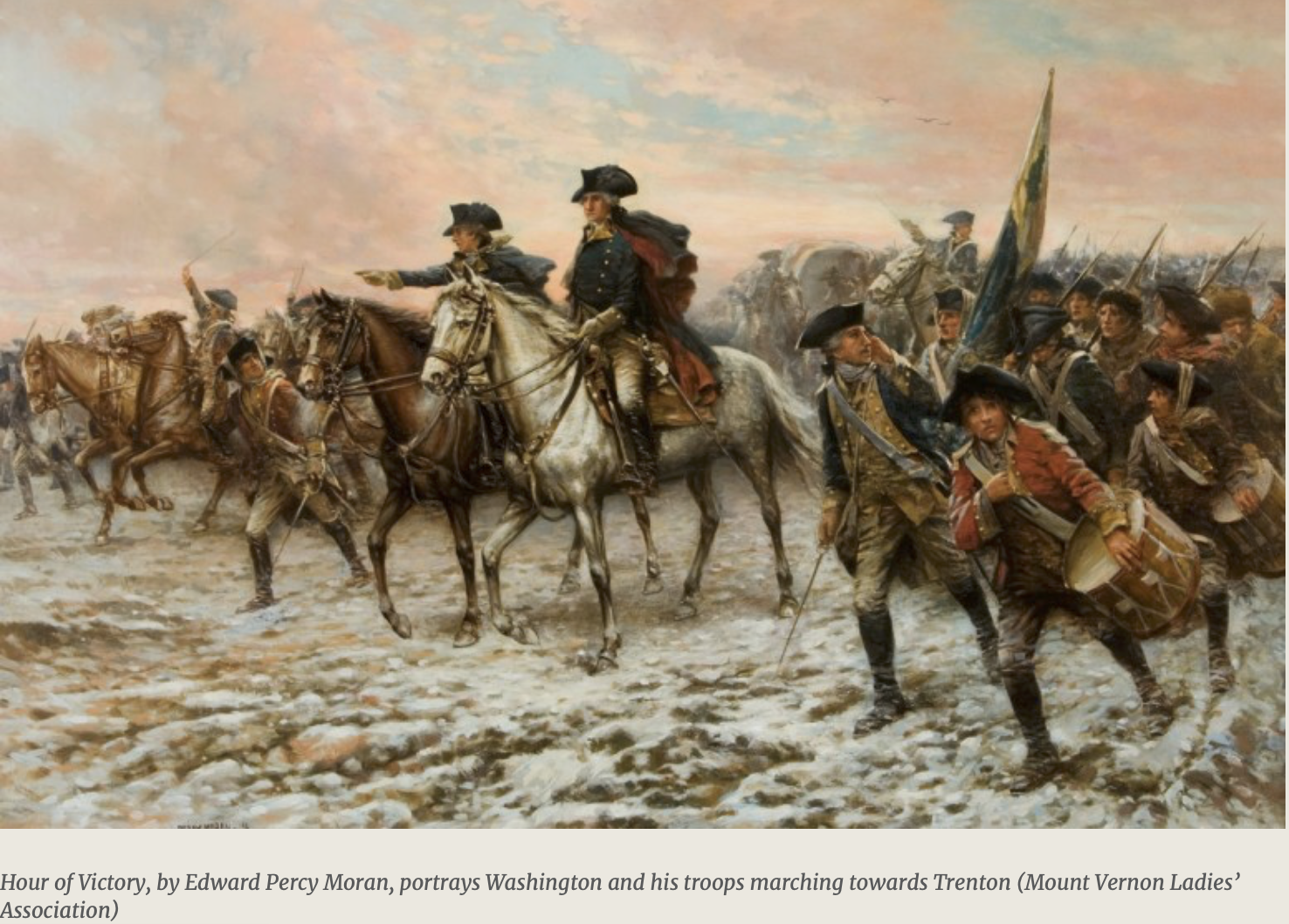
” However [political parties] may now and then answer popular ends, they are likely in the course of time and things, to become potent engines, by which cunning, ambitious, and unprincipled men will be enabled to subvert the power of the people and to usurp for themselves the reins of government, destroying afterwards the very engines which have lifted them to unjust dominion. “
George Washington, FAREWELL ADDRESS | SATURDAY, SEPTEMBER 17, 1796
The proposed SAVE act addresses a problem that does not exist. There IS occasional voter fraud, it is very rare and it is as often committed by one party as the other. Our elections are safe.
The SAVE act creates barriers for legal voters, especially for women who have changed their name as American citizens culturally do. So if you are a married woman, your ID does not match your birth certificate.
As a woman who has had to scramble in my life time to gather original documents, I know how frustrating, time-consuming and expensive it can be. I had to provide my birth certificate and marriage certificate to live in some foreign countries as we served our country. I was strongly motivated, and I had the luxury of clear instructions, TIME, and enough money to buy the documents I needed.
It is primarily American citizens; Women and the poor, who will be inconvenienced by this act, or unable to vote due to lack of money and time to access their documents.
In my state, Florida, restrictions have already gone into place that diminish voting: a requirement to renew your voting registration every other year, limits on early voting, and limits on absentee voting (especially hard for the elderly with limited abilities). Voters are increasingly forced to wait in long lines in the Florida heat and humidity. Oh – and there is an effort by one party to forbid groups who want to provide water for those standing in line to vote, a concern that a bottle of water might influence a vote.
LOL, this is an AI summary of Florida voting restrictions:
Overview of Voting Restrictions in Florida
Florida has implemented several voting restrictions that affect voter eligibility and the voting process. These changes have been a topic of significant debate.
Key Restrictions
Citizenship Verification
- Voters must provide proof of citizenship to register and vote.
- This requirement aims to ensure that only eligible citizens participate in elections.
Identification Requirements
- Certain forms of identification that were previously accepted may no longer be valid.
- Voters must present specific forms of ID when voting in person.
Voter Eligibility Challenges
- Individuals can challenge another person’s eligibility to vote, but this process is regulated.
- Challenges must be submitted in writing and can only occur within a specific timeframe before an election.
Provisional Ballots
- Voters whose eligibility is challenged can cast provisional ballots.
- These ballots are counted only after verifying the voter’s eligibility.
Impact on Voters
Affected Groups
- The new laws may disproportionately impact students, seniors, and women, who may lack the required identification or documentation.
- Critics argue that these restrictions could suppress voter turnout among eligible citizens.
Registration Deadlines
- Voters must register at least 29 days before an election.
- Changes to voter registration, such as party affiliation or address, must also be submitted by specific deadlines.
These restrictions are part of ongoing discussions about election integrity and access to voting in Florida.
These are moves designed to usurp the reins of government.
Recent Comments
intlxpatr on Shampoo Ginger tigerbutterya0c5ff1d… on Shampoo Ginger intlxpatr on British Soldier Kidnapped, Esc… John on British Soldier Kidnapped, Esc… intlxpatr on British Soldier Kidnapped, Esc… Wikipedia Donate Button

Amazina


Early Voting in Florida


