Much Cooler

“Today is forecast to be much cooler than yesterday”
This morning I woke up to discover I had slept eight hours. This is something wonderful for me; a week ago I had to give up taking Benedryl. I am a light sleeper, and I have allergies, so taking one Benedryl every night helped me with both. My doctor said it was time to give it up, that components of Benedryl are thought to contribute to formation of those plaques that speed Alzheimer’s and dementia. Yikes!
For a week I have struggled. I could go to sleep normally, but would awake around three and spend a couple hours wishing I were asleep. Sometimes I could fall back asleep, sometimes not. Part of the problem is the unseasonal warmness of the temperatures, I toss and turn, looking for a cool place.
Then, if I had not managed to get back to sleep, I would find myself getting cross during the following day, a sure sign, just like a toddler, that I need a nap. My naps would be deep and restoring, but probably not that great if I wanted to sleep well the next night. It was a self-perpetuating and destructive cycle. I wondered if I would ever be able to sleep normally again.
Last night I slept normally, and deeply. I woke at six, rested, happy. It helped that the Qatari Cat found elsewhere to curl up last night; many a night I wake up and he is tangled up in my legs and bedding, snoring with contentment. Most important – last night it was cooler. When the temperatures hit in the seventies outside, it can be around 80°F inside when we go to bed, and it makes me restless. I like colder temperatures, and – last night was colder. I slept great! It gives me hope!
Temperatures are lower today, too, and it gives me energy. The heat saps my drive; the cooler temperatures help me be more productive, a good thing in a season where there is much to do! 🙂
Arnie’s in Edmonds
It’s not that I don’t like Arnies. The food is good, and Arnie’s offers a good variety. There is a lot of fresh seafood. Their seafood bisque is very good. Mom loves this place, where you can sit by the window and watch the Edmonds ferry come in and out of port.
It’s just not my favorite place. I like the liveliness of Anthony’s Beach Cafe, or Chanterelle’s, the little Pho 5 place up at 5 Corners. When I go to Arnie’s, most of the customers are – it seems to me – females in their 80’s. Well groomed and hanging in there, but older. Different tastes. It’s a generational thing.
But Mom likes Arnie’s, so I suggest we go there between bursts of rain, and she grins in agreement.
Lunch is pretty good. Mom has her favorite, soup and sandwich, and the soup is the Seafood Bisque and the sandwich is seafood melt:
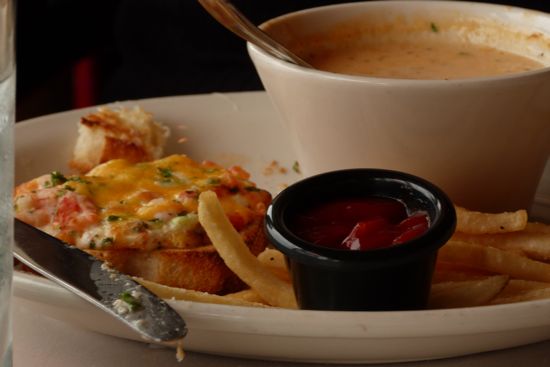
I have the Seafood Bisque – it really is good – and the Seafood Louis. This Louis even has a small salmon steak topping it, and I love salmon. Pensacola has all the fresh seafood in the world, but you don’t see Crab or Shrimp Louis on the menu . . . LOL, maybe it is another one of those generational things.
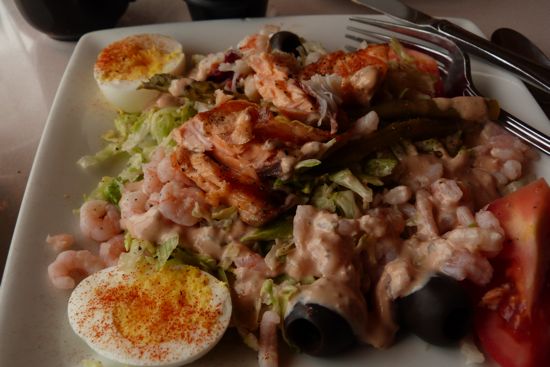
It rained while we were there, but as we were readying to brave the rain, it stopped, just enough of a window to get back into the car and to get her back home. Did I mention it rained the entire time I was in Seattle? 😉
Gene Predicts Your Time of Death
This is absolutely fascinating to me – and no, it does not predict the day you will die, but the time of day that in all probability you will die. It’s fascinating, and you probably don’t even have to take a genetic test to make a good guess as to what time of day you might likely expire. This is from HuffPost Science:
Gene Predicts Time Of Death Down To Hour, Study Suggests
The Huffington Post | By Ryan Grenoble
Posted: 11/19/2012 2:39 pm EST Updated: 11/19/2012 3:05 pm EST
In an study published in the November 2012 issue of the Annals of Neurology scientists studying the body’s biological clock (a.k.a. the circadian rhythm) report the discovery of gene variant that not only determines the likelihood of your being a morning person, but also predicts, with unsettling accuracy, your likely time of death.
The gene typically allows for three possible combinations of nucleotides (the four molecular building blocks of DNA): adenine-adenine (A-A), adenine-guanine (A-G), and guanine-guanine (G-G), according to a written statement released by Harvard Medical School.
“This particular genotype affects the sleep-wake pattern of virtually everyone walking around,” Dr. Clifford Saper, chief of neurology at Beth Israel Deaconess Medical Center in Boston, wrote in the statement. “And it is a fairly profound effect so that the people who have the A-A genotype wake up about an hour earlier than the people who have the G-G genotype, and the A-Gs wake up almost exactly in the middle.”
Moreover, investigators realized as some of the 1,200 older subjects in the project died that these nucleotide sequences were accurate predictors of their time of death, within a range of only a few hours. Patients with the A-A and A-G genotypes typically died just before 11 a.m., while subjects with the G-G combination tended to die near 6 p.m.
“So there is really a gene that predicts the time of day that you’ll die. Not the date, fortunately, but the time of day,” said Saper.
The Atlantic reports researchers believe their results may be due to the human body reverting to its more natural, circadian rhythm-induced state as death approaches, instead of the cycle created by social commitments.
Lincoln Movie
We’ve never seen this happen in Pensacola before. We went to see the afternoon showing of Lincoln at the Bayou Rav Theaters and it was totally sold out. People! This is the weekend before Thanksgiving! Aren’t you supposed to be grocery shopping and baking and polishing silver for Thanksgiving? This isn’t James Bond, this is a historical movie! What are you thinking??
“That’s Just Not Right”
We are talking about taking in the new “ferociously exciting” movie Argo today, and having a bite to eat afterwards at Mellow Mushroom. AdventureMan likes their pizzas (you can watch them toss the dough in the air for the crusts) and I like their Portobello Reuben sandwich or sometimes their spinach salad.
“Law and Order Man always has pineapple on his pizza” AdventureMan said, “and every time he does, he says ‘I know there are people who think pineapple doesn’t go on pizza, but I like it.'”
We laugh. We know who he is talking about. It’s us. We have our ideas of what pizza is supposed to be based on our pizza experiences in Germany and Italy and France. Not a lot of sauce, not a lot of cheese, and a sprinkling of toppings – our very favorite being a seafood pizza we ate in Dinard, France, where they threw and handful of tiny still-in-the-shell creatures on and put it in the big, hot wood-burning oven and minutes later we had this thin crust pizza saturated with briny tiny sea creatures, cooked exactly right.
Pineapple on pizza – it just doesn’t seem right to us. I’m glad our son has the gumption to stick to his guns and have pineapple on his pizza if that is what he likes, but . . . not me. Never!
So we were laughing about our preferences this morning and AdventureMan says “that would be like putting pineapple on a peanut-butter sandwich” at which point . . . I stopped agreeing with him.
“That sounds sort of good!” I said thoughtfully.
“No! That’s just not right!” he almost stomped his foot. He will mix peanut butter with jellies, but for some reason, the thought of pineapple in his peanut butter is unthinkable.
I’ve heard of a sandwich Elvis loved, something like peanut butter and banana and bacon, all grilled together between two slices of bread . . . that doesn’t sound good to me, but then again, I haven’t had the courage to try one. I guess it might be the calorie count that also holds me back – fat on fat on fat, LOL.
Do you have any irrational food preferences? Or combinations that, in your perspective, are just not right?
Happy Boy Swimming
“How did it go?” AdventureMan asked as I came in. He had a dental appointment and couldn’t take the Happy Little Boy to his swimming lesson, so I had taken him.
“It’s probably one of the best days of my life,” I told him. “Happy Little Boy had so much fun. He was really swimming on his own, using the ring, even floating on his back. He was really happy.”
A year ago, he was more fearful and clingy. He had his good days and bad days at the pool, mostly good, thanks to some really good teachers. To see him so happy, so confident, so joyful – now that is a really good day. I feel so blessed to have been a part of it.
This morning was his last parent-child class; now he will be joining the bigger kids swimming classes, where we take him and he and the other kids work directly with the teacher without us in the pool . . . so this is the end of an era.
My Mother was asking for some recent shots, so this morning AdventureMan took him in, and I shot some photos. These are for you, Mom 🙂







We have strong feelings about children learning as young as possible how to be safe in the water. As one of our swimming buddies said, “Florida is surrounded by water.” They had better know the rudiments of water safety. Thank goodness for the YMCA, Miss Donna and Miss Bonnie.

(Photos courtesy of adoring grandmother, LOL!)
Gasp! Look What Happens to Your Blood!
I am reblogging this from my friend GreY’s blog. He is a Kuwait blogger; we both started blogging at about the same time. He is, sadly, now battling cancer of the bowel, and has gone totally vegetarian. He posted this YouTube video that is horrifying, and shocking, and is going to make a big difference in the future choices I make:

The Hidden Dangers in Baking, Roasting, Grilling, Broiling
This is especially bad news for me; I love broiling and roasting to concentrate flavors. I love those crispy pieces of grilled foods . . . the latest from Bottom Line Publications.
How it’s cooked may increase your risk for chronic illness.
Some of the most serious chronic health problems in the US, including Alzheimer’s disease, cancer, diabetes and kidney and heart disease, have been linked to what we eat—processed foods, fast food, red meat, etc. What may surprise you is that the increased health risks from these foods may be due in large part to how they are cooked.
Dry-heat cooking, such as grilling, broiling, frying and even baking and roasting, greatly increases levels of advanced glycation end-products (AGEs), also known as glycotoxins. Small amounts of these chemical compounds are naturally present in all foods, but their levels rise dramatically when foods are subjected to dry heat, which frequently occurs both in home cooking and in commercial food preparation.
The danger: AGEs are oxidants that produce free radicals, damage DNA, trigger inflammation throughout the body and accelerate the aging process. They also make cholesterol more likely to cling to artery walls, the underlying cause of most heart attacks. Some researchers now believe that AGEs can be linked to most chronic diseases.
A NEW THREAT
A century ago, people mainly ate fresh, homemade foods, such as grains, vegetables, legumes and fruits, with relatively small amounts of meat. The processed food industry was still in its infancy.
However, in the following decades, meat portions grew larger, and Americans acquired a strong desire for the intense flavors, aromas and colors in commercially prepared “browned” foods, such as crackers, chips, cookies, grilled and broiled meats, french fries, pizza, etc. During this time, the rates of heart disease, diabetes and other chronic diseases started to rise. This wasn’t a coincidence—the rich taste, smell and appearance of these foods primarily come from AGEs.
Our bodies can neutralize the small amounts of AGEs that are naturally found in foods (and that we produce as a by-product of metabolism). But our defense mechanisms are overwhelmed with the high amounts that are now very common in the typical American diet.
HOW MUCH IS TOO MUCH?
AGEs are measured in kilounits (kU). We recommend consuming no more than 5,000 kU to 8,000 kU per day (see box for examples of kU levels in some common foods). Recent studies have shown that the average American typically consumes more than 15,000 kU daily, and many people eat well over 20,000 kU daily.
Reducing dietary AGEs may be especially important for people with diabetes because high blood sugar levels cause more AGEs to form. It’s also crucial for people with kidney disease because they are less able to remove AGEs from the body. AGEs also are elevated in patients with heart disease, obesity and dementia.
Researchers can measure the amounts of AGEs in the blood, but doctors don’t commonly use this test because it’s not currently available for commercial use. What your doctor can do is measure levels of C-reactive protein (CRP), a marker for inflammation. If your level is high (above 3 mg/dL), you may have excessive AGEs in your blood. If you eat a lot of grilled, broiled and roasted meats, for example, and/or heat-treated processed foods, this also means your AGE levels are likely too high.
AN “AGE-LESS” DIET
Our studies have shown that people who make simple dietary changes can reduce their levels of AGEs by more than 50% in four months. The reduction is accompanied by a similar decrease in CRP levels. Helpful strategies…
Eat less animal protein. Animal protein, especially red meat, is among the main sources of AGEs—and the levels can multiply tenfold when the meat is grilled, broiled, baked or roasted. Helpful: Eat beef no more than three times a week.
Because animal fat also contributes to AGE intake, eat lean meats. They have fewer AGEs than higher-fat meats. Animal fats such as butter also are higher in AGEs than plant fats such as olive oil.
Best approach: Fill three-quarters of your plate with plant foods, such as vegetables, whole grains, legumes and fruits, and leave no more than one-quarter of the plate for animal foods, such as meats and cheeses.
Soups and stews are tasty ways to serve small portions of meat. Also enjoy more meatless meals, such as vegetarian chili or veggie burgers. Nonfat milk and yogurt are low in AGEs and are a good way to add protein to meals and snacks.
Avoid dry-heat cooking, such as grilling, broiling, baking, roasting and frying. High, dry heat greatly increases AGEs. Example: A piece of raw meat might have 500 kU to 700 kU of AGEs. But after the meat is broiled, the level can rise to 5,000 kU to 8,000 kU.
Better approach: Cook with moist heat—stew, poach, steam, boil or microwave. A piece of chicken that’s poached or boiled, for example, will have about 1,000 kU. The same piece of chicken will have about 5,000 kU when it’s broiled.
If you have a desire for grilled or roasted foods, vegetables and fruits are better choices than meats. These foods have far fewer AGEs than meats and fats when cooked with dry heat.
If you do cook with dry heat, marinate first. The eventual formation of AGEs is reduced by about 50% when raw meats are marinated in acidic ingredients, such as vinegar or lemon juice. For each pound of meat, use the juice from two lemons or an equivalent amount of vinegar or lime juice plus enough water to cover the meat (about one cup). Add some garlic and/or herbs for extra flavor. Avoid commercial marinades since they’re usually high in sugar and/or oil, which will increase AGEs.
Reheat gently. Microwaving is a good method for reheating meats and other foods. Be sure to include plenty of liquid and reheat to a safe temperature to prevent the possibility of food-borne illness due, for example, to E. coli or salmonella.
Soups, sauces and gravies should be brought to a boil. Leftovers such as meats and casseroles should be reheated to 165°F.
Don’t eat certain foods together. Consuming meats with foods that are high in sugar—for example, having a slice of cake after eating a hamburger—allows existing AGEs in the meat to interact with the sugars in the cake, creating higher levels of AGEs.
Similarly, eating meats with very high-fat foods, such as a hamburger topped with bacon and cheese, will produce far more AGEs than consuming these foods by themselves.
Focus on fresh foods. Because processed foods have high levels of AGEs, fresh foods and foods that have been minimally processed are a much better choice.
A serving of rice, for example, will have almost no AGEs, but the same amount of crispy rice cereal will have 600 kU. Avoid takeout and convenience foods, such as fast-food burgers, fries and pizza.
Warning: Any food that has been browned or crisped, such as cookies, crackers, chips, etc., will be high in AGEs.
Sources: Sandra Woodruff, RD, a registered dietitian and nutrition consultant based in Tallahassee, Florida, and Helen Vlassara, MD, an endocrinologist and professor at Mount Sinai School of Medicine in New York City, where she directs the Experimental Diabetes and Aging Division. They are coauthors of The AGE-Less Way: Escape America’s Overeating Epidemic. (www.TheAGE-lessWay.com)
Male Castration Increases Life Expectancy
I’m sorry, when I read this article, I couldn’t help laughing. I don’t think I know a single man who would choose a longer life at the cost of castration.
By: Stephanie Pappas, LiveScience Senior Writer
Published: 09/24/2012 12:16 PM EDT on LiveScience
Castration & Life Expectancy: Eunuchs Live Longer Than Other Men, Study Shows
It’s a life-extending strategy most men probably won’t want to pursue, but new research suggests eunuchs live longer than non-castrated guys.
Historical Korean eunuchs — men who had their testicles removed in order to secure high positions in the palace hierarchy — outlived their non-castrated counterparts by as much as 20 years, the study finds. The results will be published tomorrow (Sept. 25) in the journal Current Biology.
In animals, castration tends to lengthen life span, likely because male sex hormones aren’t great for the health. Testosterone is an immune-system suppressor, for example, and can also increase the risk for cardiovascular disease.
But in humans, results have been mixed as to whether castration lengthens life span. One study on patients in a mental hospital found that it does, while another on castrated and non-castrated male singers found that it does not. Nevertheless, researchers have theorized that testosterone’s effects may be the reason women outlive men on average. Other research has suggested a genetic explanation for this life-span gap. [7 Ways to Live Past 100]
In the new study, Inha University researcher Kyung-Jin Min and his colleagues scoured the historical records from Korea’s Chosun (or Joseon) Dynasty, which ran from 1392 to 1910. Until 1894, castration was a way for men to gain access to political power and prestige in the dynasty. Eunuchs could achieve official ranks and marry and adopt girls and similarly castrated boys in order to maintain a family lineage. Eunuchs and male royal family members were the only men allowed to stay overnight in the royal palace.
In fact, eunuchs were used in many ancient empires to guard royal harems, given that they could not impregnate an emperor’s queen or mistress, according to “Hidden Power: The Palace Eunuchs of Imperial China” (Buffalo NY: Prometheus, 1990). Without children of their own, eunuchs were also thought to be more loyal and less likely to attempt to establish their own family dynasties.
By comparing an 1805 genealogy of eunuchs and their families with other court documents, Min and his colleagues were able to determine the life spans of 81 eunuchs. They then compared those life spans with those of non-castrated men of similar socioeconomic status living at the same time. These men were members of three prominent families, most of whom were martial officers or civil administrators.
They found that the average life span for a Korean court eunuch was about 70 years, plus or minus 1.76 years. That was 14.4 to 19.1 years longer than their average non-eunuch contemporaries, who tended to live between 50.9 and 55.6 years.
The differences couldn’t be explained by a cushy palace existence, the researchers wrote, because most eunuchs only went to the palace when on-duty and lived outside it. In fact, male members of the royal family, who spent all their time in palaces, had the shortest lives, making it to about 45 or 47 years of age on average.
AdventureMan’s Garden
It’s all about rebirth, transformation, and new life. Gardening is a discipline, and a spiritual endeavor. You can plant the seeds, you can tend the process, but only God can make those seeds grow and flourish.
AdventureMan is so happy. He loves his garden. No, he doesn’t love weeding (does anyone?) but he loves the feeling of satisfaction when he looks at a formerly weedy bed and sees that it looks great now. His moonflowers are starting to bloom, his tomatoes are starting to ripen, we are using 8 different kinds of fresh basil, he has bounteous peppers, enough to share generously – life is good.

Tomatoes and more tomatoes!
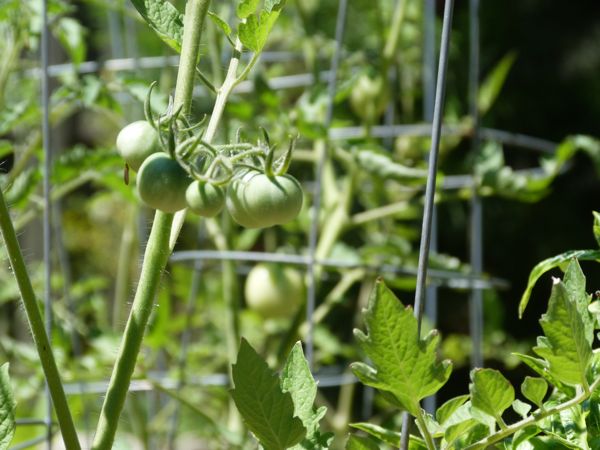

An abundance of jalepenos!

Pear tomatoes coming along:

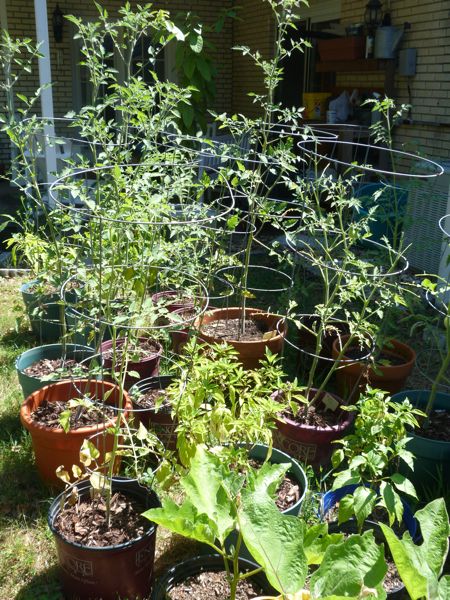
This is one of his butterfly gardens. We have all kinds of butterflies coming through, laying eggs, and hatching into butterflies – Monarchs, Gulf Fritillaries, Sulpher, Brown Beauties, many that he can name that I can’t!

He has been accepted into the Master Gardener’s program and is about to dazzle me with all his gardening expertize! 🙂
Recent Comments
ExpatAlien on What Country am I Living … intlxpatr on Yellowstone: Old Faithful to C… Michelle on Yellowstone: Old Faithful to C… Cathy on No Grown-Ups in Charge intlxpatr on Waiting for Snow Wikipedia Donate Button

Amazina


Early Voting in Florida


 Here There and Everywhere