Palais Medina and Spa in Fes, Morocco
We were delighted to get to our hotel in Fes, the Palais Medina and Spa Hotel. Our room was very comfortable, but my shoes were muddy from Volubilis, and I forgot to take a photo of the room because I really, really needed to wash my shoes off and hope they would dry by the next day as we hike around Fes. It was very large, very beautiful, had a seating area and a huge bathroom. The bed was marvelous.
The Hotel had some quirks. As we were about to board the elevator, others from our ship were getting off and saying “We are NOT going to stay here!” and we wondered what that was all about. On our floor, the hallway was so dimly lit that we struggled to figure out where the card went into the door. But the room was lovely, comfortable, quiet, and it had a wonderful view.
We hurried down to dinner, seeing a sign that said “group dining” we knew where to go.
(I didn’t take this photo; I lifted it from the hotel website, but it looks like the room we stayed in)

From the elevator area into the lobby area:

View at night from our balcony looking left

View early in morning looking out

More view. It really was a lovely room.

This has to be one of the worst experiences of the tour, tied with trying to get through Charles DeGualle to catch our Atlanta flight. The dining room was chaos.
“Grab a place, quickly; they are already starting to take the food away!” one fellow passenger urged us. We found places with friends, then went to search the inevitable buffet. There were still plenty of salad-y things, but entree pickings were slim. People in this hotel were elbowing one another out of the way, as if they had never seen food before, and this food was not worth elbowing anyone out of the way. It was buffet food, and the message it sent me was “this hotel takes groups because we have to in order to stay afloat, but we hate groups.” Dinner was purely awful. I can’t even remember what we found to eat, but except for a pumpkin soup, it was not good and not memorable food except for being not-good.
You’d think it would be hard to screw up breakfast, but breakfast was worse. They had those two little coffee maker things, and long lines waiting for both tea and coffee. Worse – there were no coffee cups! Not one! After a while a few showed up, and what happened when fewer coffee cups than coffee drinkers were available showed us just how very thin the veneer of civilization is. This was our experience at this ultra-first-class hotel. Horrors!
Lesson learned: I did spot a restaurant separate from the group dining restaurant. Knowing now what I know, I would choose to pay for a good Moroccan meal at the private-dining restaurant. Morocco just isn’t that expensive, and Moroccan cuisine is delicious, worth paying for! I would never settle for a mediocre meal, paid for as part of our tour, just because it was paid for. Life is too short!
On the other hand, it was late, we had a long day, I still needed to make sure my shoes were cleaned, and we just wanted to grab a bite and go. This was a nice hotel, but not a stellar experience.
Play Station, Romeo and Juliet, ISIS, and Syrian Refugee Discussions
I belong to a group that I can only describe as “thoughtful” Christians; it’s a church-related study group, and as everywhere else in the US of A, people are discussing recent events in Paris, and the related issue of resettling Syrian (and not only Syrian) refugees in the United States.
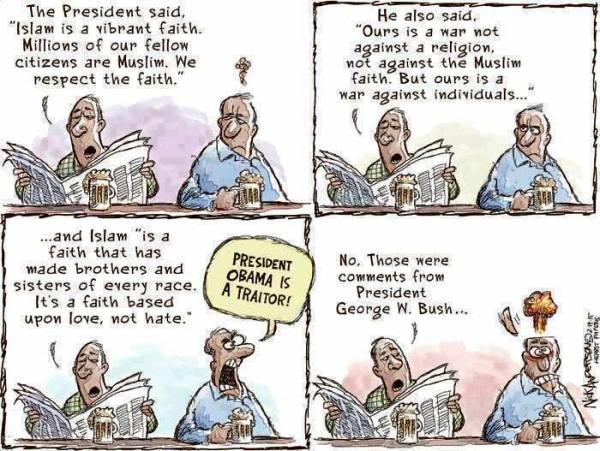
The same discussions are taking place on FaceBook. I’m inclined to think that those who are thinking lime me are measured, and thoughtful, and that those who disagree with me are overly emotional, even rabid, and that their attitudes might be Un-Christian as well as Un-American.
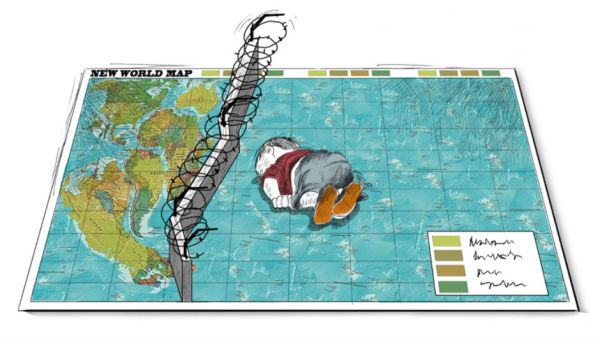
I am not so blind as to not see that they may see the exact same thing, in reverse. It’s the times, and the issues.

One very smart woman communicated something I haven’t heard anywhere else, that investigators believe these Paris murderers might have been communicating by creating a Play Station group, so you can message your group members, and your message disappears seconds later.

One neuron sparks, synapses connect and the outline of a picture emerges. Of course. This plot was not that complex. My major focus would be on how they got the weapons, but other friends tell me that now weaponry can be had very inexpensively on the dark market in Europe.
But what has puzzled me, until now, was the kind of thinking that would put this scenario together, and I have concluded that we did. By our entertainment technology, we have taught them to strategize. We have trained them to think through scenarios, and to have branching options. We have taught them to join forces. We have taught them to work in teams. Some may have had some training to operate the weapons so accurately, but this was the equivalent of a canned hunt, shooting fish in a barrel. They had rapid fire weapons, and rooms full of people expecting no more than a pleasant night out. Before they knew what was happening, the event had come and gone.
They are young. The so called “master-mind” (I really don’t like that label; I don’t think this took masterful planning, and they did not accomplish their major goal, which was terrorizing the soccer game) escaped, but not for long. They calculatedly and callously used expendables to accomplish their mission. There was no escape planned for most; give them suicide belts. Give them death. Did they know that the one pulling the strings had no intention of dying with them? So why on earth didn’t they question this plan?
When you are playing games on a Play Station, and you lose, you get another life. Hey, just like jihad! They are young, death means little, and they are easily manipulated. A glorious death, if you don’t look too closely. As I was in water aerobics this morning, we danced along to an old ditty called “Just Like Romeo and Juliet” and I thought how appropriate it was to these times and circumstances – a tradition of hatred between two groups, two young people who cross the lines, and then, their death rather than the hard work of trying to make changes in the real world.

Death isn’t romantic, and the God we share, the God of Father Abraham, hates the shedding of innocent blood, no matter by what name you call him. He tells us that only he knows the intentions of the human heart. When he chooses someone to do his work, it tends to be leaving this country and walking to another, leading a people out of slavery, bearing a child, or memorizing the words of an angel, not bombing, or shooting, or forcing others to worship in the way you believe everyone must worship.

The one true God also tells us, all of us, that we are to love our neighbor, and that our neighbor is that naked, helpless, beaten man lying by the side of the road that the fastidious religious men crossed the street to avoid helping. We are to take him in, pay for his care at the inn, tend to his wounds, not for any hope of gain, but because it is the right thing to do, the decent thing to do, for our fellow human being, our neighbor.

One final note, when we use the Statue of Liberty coming to the rescue of France, showing the colors of France, noting her origins in France to honor our own “Liberte” we most not fail to take note of the words at her base: Give me your tired, your poor; The huddled masses yearning to breathe free; The wretched refuse of your teeming shores; send these – the homeless, tempest tossed to me! I lift my lamp beside the golden door!”
Still Standing: 9 Year Blog-a-versary Extravaganza
It’s time to celebrate, and, my friends, we have to do it fast because September 11th is nipping at our heels, and September 11th is a day that makes me very sad, very sad, indeed. So for now, forget September 11th! For today, we will celebrate nine years, yes, nine years of blogging.
So many times I have thought “why bother?”
I do it for me. I do it because writing is what I was born to do. I do it because from the beginning, you have given me such wonderful support and feedback.

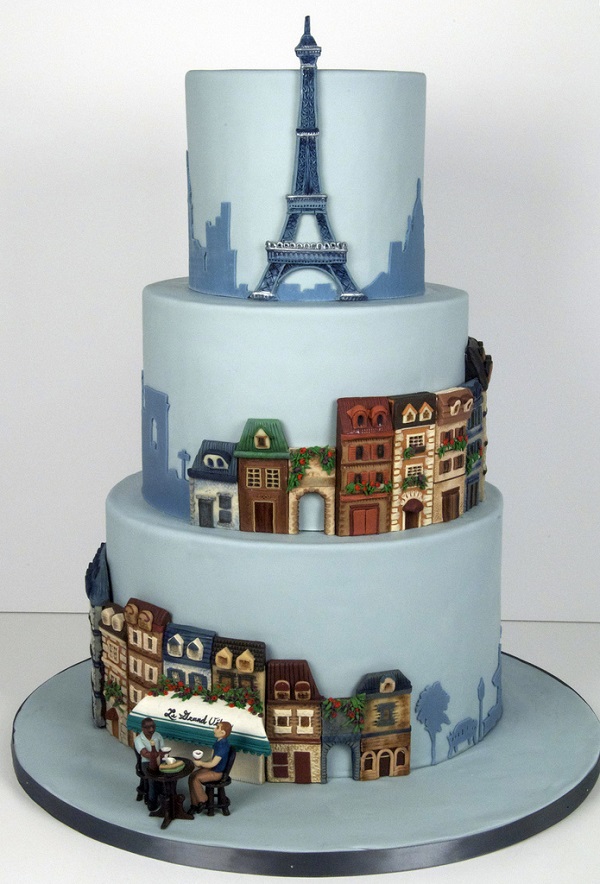
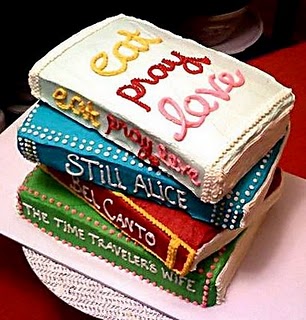
I’m in a Paris frame of mind 🙂 I’ve gathered some wonderful cookies and cakes for you; you can nibble, peruse, re-acquaint yourself with old friends in the comment sections – I know I did, and it re-inspired me.
Back in the beginning, back in 2006, the blogging scene in Kuwait was such fun, so wide open. Bloggers had really interesting things to say, and said them. I learned so much from the Kuwait bloggers, and made some great friends. 1001 Nights and I became life long friends, even though we are far apart. Other bloggers, one in particular from Saudi Arabia who is now deceased, and another from the Netherlands, Aafke, with whom I have stayed in touch and maintained a friendship were full of ideas, started great conversations, it was like being in a salon in France when ideas were steaming and popping and revolutionizing everything.

While the newness of blogging has long worn off, the need to write has not. Mostly, I keep blogging because every now and then I have something to say, and this I where I say it. Yes, there are other, newer platforms, but sometimes you need a place where people with a longer attention span can come and work through an issue alongside me.
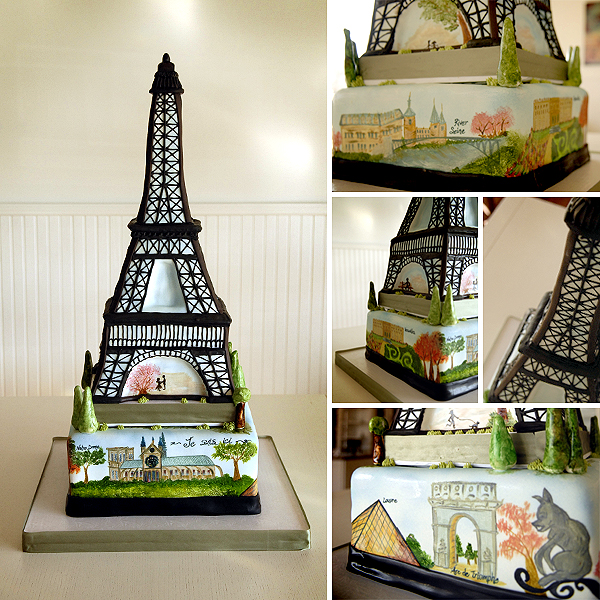
Of course, I also continue because we still love to travel, and I love to share my adventures and my resources with you of similar interests 🙂

Life has greatly changed, once again. This year, our oldest grandchild started kindergarten, real school, and comes to our house where his parents pick him up from work. He is so much fun! We are loving seeing life through his eyes, hearing about his day, learning his new song and his joy in learning. We also get to see either our son or our daughter-in-law every day; it may be just a few minutes, but it keeps us up to date. Life is sweet.
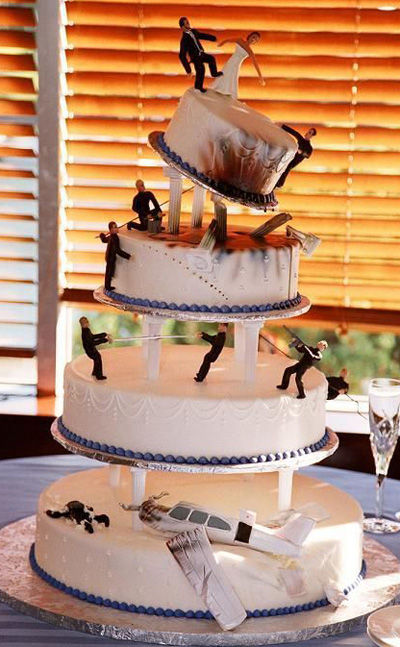
This coming week we also have Grandparent’s Lunch Day with our granddaughter at her school. She is now fully two, and as my favorite nephew Earthling says about his daughter of about the same age “she is very opinionated.” She is also very sure of her right to be right, and to have her way, and she is full of spirit and energy, so she, too, leads us on a merry race. It is a joy to watch her struggle to express herself – and increasingly, to succeed. She is learning new words every day, and you can see the excitement on her face as we understand what she wants so desperately to tell us.

We never have plans for just one trip; we always have one coming up and one in the plans 🙂 so here’s a hint:



Thank you, thank you, all who have remained with me so loyally, those who comment and those who lurk, those who check in now and then and those who write to me in the background to bring me up to date on your lives. You, and your feedback, are what makes this all worthwhile.
Have a cookie, or three or four and some cake and some of this wonderful Moroccan mint tea we’ve brewed, and celebrate nine years and still standing.
Four Reasons Why You Shouldn’t Worry – Rick Warren
I used to worry. It was in my bones. I learned to control my anxieties by running, and now, with water aerobics or a good run on my trampoline, and of course, with faith. Worry changes nothing, worry impedes finding solutions.
This is the message Rick Warren sends out today on worry:
Four Reasons Why You Shouldn’t Worry
By Rick Warren — Aug 10, 2015
“Do not worry about your life, what you will eat or drink; or about your body, what you will wear. Is not life more than food, and the body more than clothes?” (Matthew 6:25 NIV)
Worry is essentially a control issue. It’s trying to control the uncontrollable. We can’t control the economy, so we worry about the economy. We can’t control our children, so we worry about our children. We can’t control the future, so we worry about the future. But worry never solves anything! It’s stewing without doing.
Jesus actually gives four reasons you don’t need to worry in his Sermon on the Mount.
Worry is unreasonable. Matthew 6:25 says, “Do not worry about your life, what you will eat or drink; or about your body, what you will wear. Is not life more than food, and the body more than clothes?” (NIV) Jesus is saying, if it’s not going to last, don’t worry about it. To worry about something you can change is stupid. To worry about something you can’t change is useless. Either way, it’s unreasonable to worry.
Worry is unnatural. Jesus gives us an illustration from nature in Matthew 6:26: “Look at the birds of the air; they do not sow or reap or store away in barns, and yet your heavenly Father feeds them. Are you not much more valuable than they?” There’s only one thing in all of God’s creation that worries: human beings. We’re the only things God has created that don’t trust him, and God says this is unnatural.
Worry is unhelpful. It doesn’t change anything. Matthew 6:27 says, “Can any one of you by worrying add a single hour to your life?” When you worry about a problem, it doesn’t bring you one inch closer to the solution. It’s like sitting in a rocking chair — a lot of activity, energy, and motion, but no progress. Worry doesn’t change anything except you. It makes you miserable!
Worry is unnecessary. Matthew 6:30 says, “If God cares so wonderfully for flowers that are here today and gone tomorrow, won’t he more surely care for you, O men of little faith?” (TLB) If you trust in God, you don’t need to worry. Why? Because he has promised to take care of all your needs: “God will meet all your needs according to the riches of his glory in Christ Jesus” (Philippians 4:19 NIV).
Does that include bills? Yes. Does that include relational conflicts? Yes. Does that include your dreams and goals and ambitions? Yes. Does that include the health issues you don’t know what to do with? Yes. God will meet all your needs in Christ.
Don’t worry about it!
Walter Palmer, “Tiny-Dick” Hunter
While we lived in Germany and Qatar and Kuwait, we went every year to Africa. On the smaller flights out of Johannesburg to Windhoek or into Zimbabwe or Zambia, we would encounter swaggering men, hanging out in the aisles, talking loudly, usually with big bellies, all decked out in safari gear/ersatz military camo. At first, I thought they were mercenaries of some sort, they seemed to be so full of themselves. Then a stewardess told me they were the “tiny-dick” hunters.
I had never heard the term. These are men, who, to make themselves feel good, pay thousands of dollars to be taken to an animal, like Cecil, the lion below, to kill. They have these hunts in the United States, too, where semi-tamed lions are shot at game farms, trapped, and fed, only to be sacrificed to the egos of the “tiny-dick” men.
Walter Palmer says he was told all the permits were in order. A news article on NPR yesterday tells how this famous lion from a protected game reserve was lured across the boundary so that Walter Palmer could shoot his with is little bow and arrow. Walter Palmer has broken the rules and lied before. He has a history of imagining that the boundaries do not apply to him.
I love it that his shameful behavior has been outed, and that his name and his detestable hobby are now known internationally as a man who would shoot a beloved lion for the sake of his ego. Below is the story from Associated Press via AOL News:

BLOOMINGTON, Minn. (AP) — A Minnesota dentist who went on a guided bow hunting trip for big game in Zimbabwe said that he had no idea the lion he killed was protected and that he relied on the expertise of his local guides to ensure the hunt was legal.
Walter Palmer, who has a felony record in the U.S. related to shooting a black bear in Wisconsin, released a statement Tuesday after Zimbabwean authorities identified him as the American involved in the July hunt. They said Palmer is being sought on poaching charges, but Palmer said he hasn’t heard from U.S. or Zimbabwean authorities.
“I had no idea that the lion I took was a known, local favorite, was collared and part of a study until the end of the hunt,” said Palmer, a dentist who lives in the Minneapolis suburb of Eden Prairie. He said his guides had proper permits, and to his knowledge, everything was handled properly.
“I deeply regret that my pursuit of an activity I love and practice responsibly and legally resulted in the taking of this lion,” he said.
The 55-year-old was identified by the Zimbabwe Conservation Task Force, the Safari Operators Association of Zimbabwe and police as the American facing poaching charges for the crossbow killing of Cecil, a well-known lion. Local authorities allege the lion was lured from a protected area and killed in early July. Zimbabwean conservationists said the American allegedly paid $50,000 for the trip.
The lion’s death has outraged animal conservationists and others, including U.S. Rep. Betty McCollum, a Minnesota Democrat. In a statement late Tuesday, the congresswoman called for an investigation by the U.S. Attorney’s Office and the U.S. Fish and Wildlife Service to see whether any U.S. laws were violated.
Ingrid Newkirk, president of People for the Ethical Treatment of Animals, condemned the lion’s killing in a statement.
“To get a thrill at the cost of a life, this man gunned down a beloved lion, Cecil with a high-powered weapon,” the PETA statement said.
Palmer’s hired spokesman, Jon Austin, said he believed Palmer was in the Minneapolis-St. Paul area Tuesday. No one answered the door at Palmer’s home, and a woman who came out of his dental office in nearby Bloomington said he wasn’t there or taking patients Tuesday. Phone calls to listed home numbers went unanswered.
According to U.S. court records, Palmer pleaded guilty in 2008 to making false statements to the U.S. Fish and Wildlife Service about a black bear he fatally shot in western Wisconsin. Palmer had a permit to hunt but shot the animal outside the authorized zone in 2006, then tried to pass it off as being killed elsewhere, according to court documents. He was given one year probation and fined nearly $3,000.
Doug Kelley, a former federal prosecutor and Palmer’s attorney in the bear case, was unavailable for comment Tuesday, according to his assistant.
Palmer has several hunts on record with the Pope and Young Club, where archers register big game taken in North America for posterity, said Glenn Hisey, the club’s director of records. Hisey said he didn’t have immediate access to records showing the types and number of animals killed by Palmer, but he noted that club records involve legal hunts “taken under our rules of fair chase.”
Although African game wouldn’t be eligible, Hisey said he alerted the group’s board that Palmer’s ethics were being called into question. He said Palmer’s domestic records could be jeopardized if he’s found to have done something illegal abroad.
A Facebook page for Palmer’s Minnesota dental practice was taken offline Tuesday after users flooded it with comments condemning Palmer’s involvement in the hunt. Hundreds of similar comments inundated a page for his dental practice on the review platform Yelp, which prior to Tuesday had only three comments.
Some people left stuffed animals at the door to his shuttered office Tuesday in a sign of protest.
Palmer is properly licensed and able to practice in the state, according to the Minnesota Board of Dentistry. Board records show that Palmer was the subject of a sexual harassment complaint settled in 2006, with Palmer admitting no wrongdoing and agreeing to pay a former receptionist more than $127,000.
Learn to Linger
One of the most painful criticisms I would hear of Americans as I lived overseas was that we were all happy, friendly people, but we didn’t really care about people. We didn’t maintain relationships. While painful, it was also, as I looked deeper, true. Our lives are fast-paced, and we move from place to place, person to person, job to job and rarely develop the deep relationships that come from building a long, deep friendship. Today’s lesson from Rick Warren talks about how we can do better in our relationships:
“All of you should be of one mind. Sympathize with each other. Love each other as brothers and sisters. Be tenderhearted, and keep a humble attitude.” (1 Peter 3:8 NIV)
You’re never going to live in harmony with your wife, your husband, your friends, or anybody else without empathy. You can’t have a team without being aware of what’s happening in each other’s lives. That’s why when people work together in an office, they may do work together, but they’re not a team unless they know what’s going on in each other’s lives.
Empathy is so important because it meets two of our deepest needs: the fundamental need to be understood and a deep need to have our feelings validated.
If you’re going to build a team of friends or at work or in your small group, you have to build empathy into the structure. So how do you become an empathetic person?
Slow down. Because our culture teaches us to move fast, we end up relationally skimming. That means you’re hitting the high points and missing all kinds of details in the lives of people you care about most. James 1:19 says, “Be quick to listen, slow to speak, and slow to get angry” (NLT, second edition).
Ask questions. Proverbs 20:5 says, “A person’s thoughts are like water in a deep well, but someone with insight can draw them out” (GNT). Most people hold their emotions pretty close, and they don’t automatically share how they’re doing. “I’m fine” is the standard answer, but that doesn’t really tell you how they feel. If you ask, “””How are you doing?” and the other person says, “I’m fine,” here’s how you draw out a more telling response: Learn to ask the question twice. That’s how you develop empathy. Pause and say, “No. How are you really doing?” The other thing you do is learn to linger. That means don’t be afraid of silence. Just be in the moment, ask the question, and don’t be afraid to sit there and wait. Don’t immediately go into your agenda. Just listen and learn.
Show emotions. The Bible says in Romans 12:15, “Rejoice with those who rejoice, and weep with those who weep” (NASB). Empathy is more than saying, “I’m sorry you hurt.” It’s saying, “I hurt with you.” You’re willing to cry with them, and you’re willing to rejoice with them. There’s only one way you’re going to be that empathetic — stay filled up with God. If your tank gets low on God, you’re not going to be empathetic at all. You’ve got to stay filled up with God.
“All of you should be of one mind. Sympathize with each other. Love each other as brothers and sisters. Be tenderhearted, and keep a humble attitude” (1 Peter 3:8 NIV).
“It’s Going to Be Painful!”

A week after the wedding, I am talking with the mother-of-the-groom, my old friend and telling her she has inspired AdventureMan and I. A friend has contacted us, someone we like, but also someone from another culture. We’ve been friends for a while, but we don’t know him well.
He asked if he and his 10 year old son can come stay with us.
AdventureMan and I looked at each other. This is a man we like and admire, but the cultural differences are profound. We agreed that it is the right thing to do, and the thing we want to do.
So I’m telling my friend, whose home has been a revolving door informal hotel as long as I have known her. She knocks herself out helping people. Lives have changed because she and her husband “welcome the stranger.”
“We want to do it,” I told her, “but we know it is going to be painful.”
“It’s going to be painful!” she enthusiastically agreed. We laughed. This is the basis of our friendship, the ability to tell each other the worst things in our lives and to laugh about it. She knows I am an introvert, and love my peaceful quiet.
“It’s also going to be worth it.” She added, and I believe her.

Small Glimpses of North Seattle
“As Sallam wa alaikum!” I smiled at the Sudanese women coming in to their jobs in our hotel.
They stopped still in their tracks.
“You speak Arabic!” they said, astonishment clear on their faces.
“Only a little!” I smiled back.
I had a whole squad of new friends.
Now that financial times are easing, many hotels we have visited over the last few months are renovating and getting new mattresses. This was a real bonus for our Sudanese friends, and all of their friends.
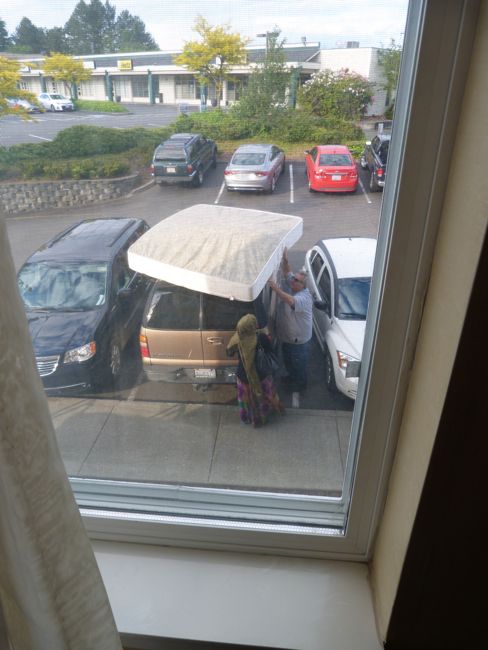

Have you ever tied a mattress on the top of your car and tried to drive? It is a wild and dangerous adventure; the wind lifts and pushes the mattress toward the back as you drive. Unless the mattress if firmly and thoroughly tied down, you are in for a wild ride.
And then again, if you are new in a country, and in need of a mattress, a wild ride is a small price to pay.
On our way back to the hotel, we see protestors in red shirts at every corner. This is not protestors Ferguson style, these are Seattle style protestors, making a big demonstration for fully funding public education, and all the signs are grammatical 🙂

We are so full from lunch that we just want a small dinner. We find a good Ethiopian restaurant listed near our hotel, and head there, but when we arrive, there is plywood over two windows and a sign saying “Sorry, dear customers, but due to car accident our restaurant is closed until it is fixed.”
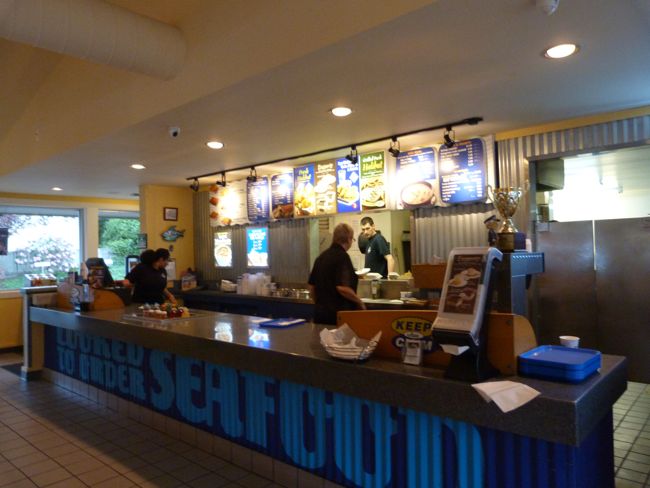
We end up at Ivar’s Seafood Bar, which is quick food, but not cheap food, and very very good food. We are greeted by an older man as we enter, he says “Welcome to Ivars! I hope you have a great meal.” We thought he might be an official greeter, but no, he was a customer like us. We ended up sitting in a booth next to his, so he stopped on his way out to see what we had ordered (halibut and chips, smoked salmon chowder, Dungeness crab cocktail) and just to chat. It’s an Edmonds kind of thing, neighborliness and civility.
A Quick Trip To Edmonds, WA
I’ve shared many photos through the years of my home town, a little town north of Seattle where ferry boats comes in and go out to the Olympic peninsula; the ferries are part of the highway system. It is a small town with several beaches, homes with great views of Puget Sound and the Olympic mountains, home and headquarters for Rick Steves Europe Through the Back Door, and a great community with a lot of emphasis on civility, community and the arts.
This trip is even better – AdventureMan comes with me. He hasn’t been in Edmonds for a while, and has forgotten how charming and fun it is. We check on our house, discover we love it as much as ever, and then head out around town.
Edmonds has an annual tour of gardens, and there are public gardens everywhere, and hanging baskets on the major streets.


They have invested in a lot of public art, funded greatly by their annual Edmonds Arts Fest, held in June, usually on Father’s Day weekend:


Down near the ferry, Adventureman spotted a bald eagle sitting on a piling:

This is one of those photos I kid myself about. Yes, it’s a cool sign, and the photo also includes that bald eagle, the Olympics, the sound, and the ferry landing. Can I include anything more?

There are all kinds of people gathered on the Edmonds beaches, soaking up the warm sunshine. These young women gave AdventureMan a candy bar; they had a bunch with them and were just giving them out. Anywhere else, you wouldn’t eat it, but in Edmonds . . . you might be safe

Who Is My Neighbor?
We just finished our year in EfM, Education for Ministry, and the overall theme was a multi-cultural world, where we confront our own assumptions and prejudices. It has been a grand journey.
We have friends, friends whose son is our son’s best friend for lo, these many years, and they know how to be good neighbors. They are the soul of hospitality. They take in immigrants, fresh-off-the-boat, and teach them how to survive, help them find furniture, apartments, and a living. They welcome visitors, and care for them and their children. They are helpful. They do all this because it is the right thing to do, and they do it tirelessly. I am in awe of these friends; they are the essence of the Good Samaritan.
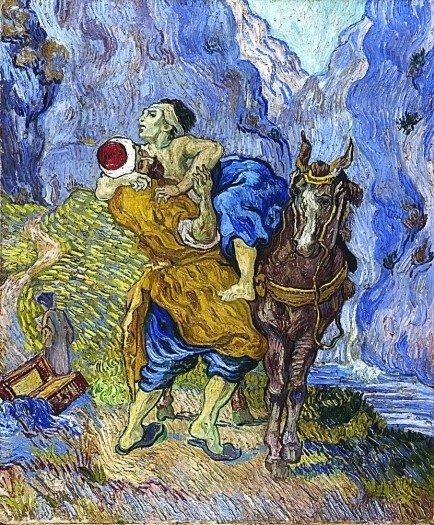
This is Vincent Van Gogh’s painting of The Good Samaritan
THURSDAY, May 21 (from Forward Day by Day)
Luke 10:29 And who is my neighbor?
This beloved parable is about more than being kind to our neighbor. It’s about the grace that is shared and the miracle that is manifested each time we help each other, and each time we allow ourselves to be helped. Both of the main characters in this story, the man who is beaten and left for dead and the man who rescues him and has him cared for, had to humble themselves in order to be in relationship.
Mutual distrust and mutual prejudice could have cost the injured man his life, either by the Samaritan refusing to stop, or in the injured man refusing help from such a suspicious source. Jesus asks us to look past the natural lines of religious creed, racial and ethnic identities, socioeconomic status, and all the other words we use to separate “us” from “them,” and to see his face in the man in the ditch. Jesus is asking us to look up and see his face in the man who is saving someone who cannot save himself.
We are invited to see the face of Jesus on each of these men—to realize that when we reach out in love or when we are being helped, Jesus is always present. Are you willing to be humbled in that way? Who or what can you help, today? Who or what can help you?
PRAY for the Diocese of North West Australia (Western Australia, Australia)
Ps 105:1-22 * 105:23-45; Ezekiel 18:1-4, 19-32; Hebrews 7:18-28; Luke 10:25-37
When I think of the Good Samaritan, I think too of a very pregnant friend, pregnant with triplets, a Jewish woman working in Qatar, whose car broke down. In this day of cell phones, she called her husband for help, but in the time she waited for him to arrive with help, many many Qatari men and families stopped to offer assistance, insisted on giving her bottles of cold water, stopped and waited with her until her husband came and she was safe. They saw a stranger in distress, and they didn’t hesitate, they stopped. Good neighbors 🙂
Recent Comments
intlxpatr on Shampoo Ginger tigerbutterya0c5ff1d… on Shampoo Ginger intlxpatr on British Soldier Kidnapped, Esc… John on British Soldier Kidnapped, Esc… intlxpatr on British Soldier Kidnapped, Esc… Wikipedia Donate Button

Amazina


Early Voting in Florida


