September 12, 2026 Traffic in the Strait of Hormuz
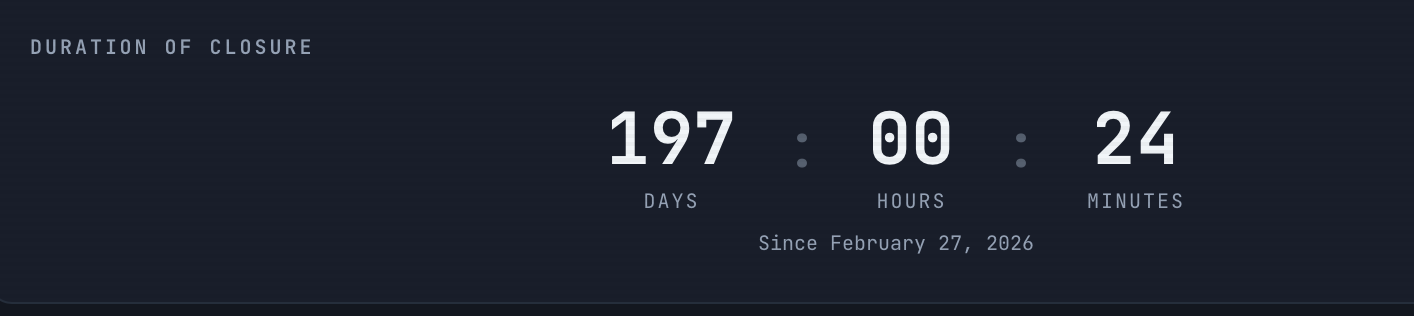
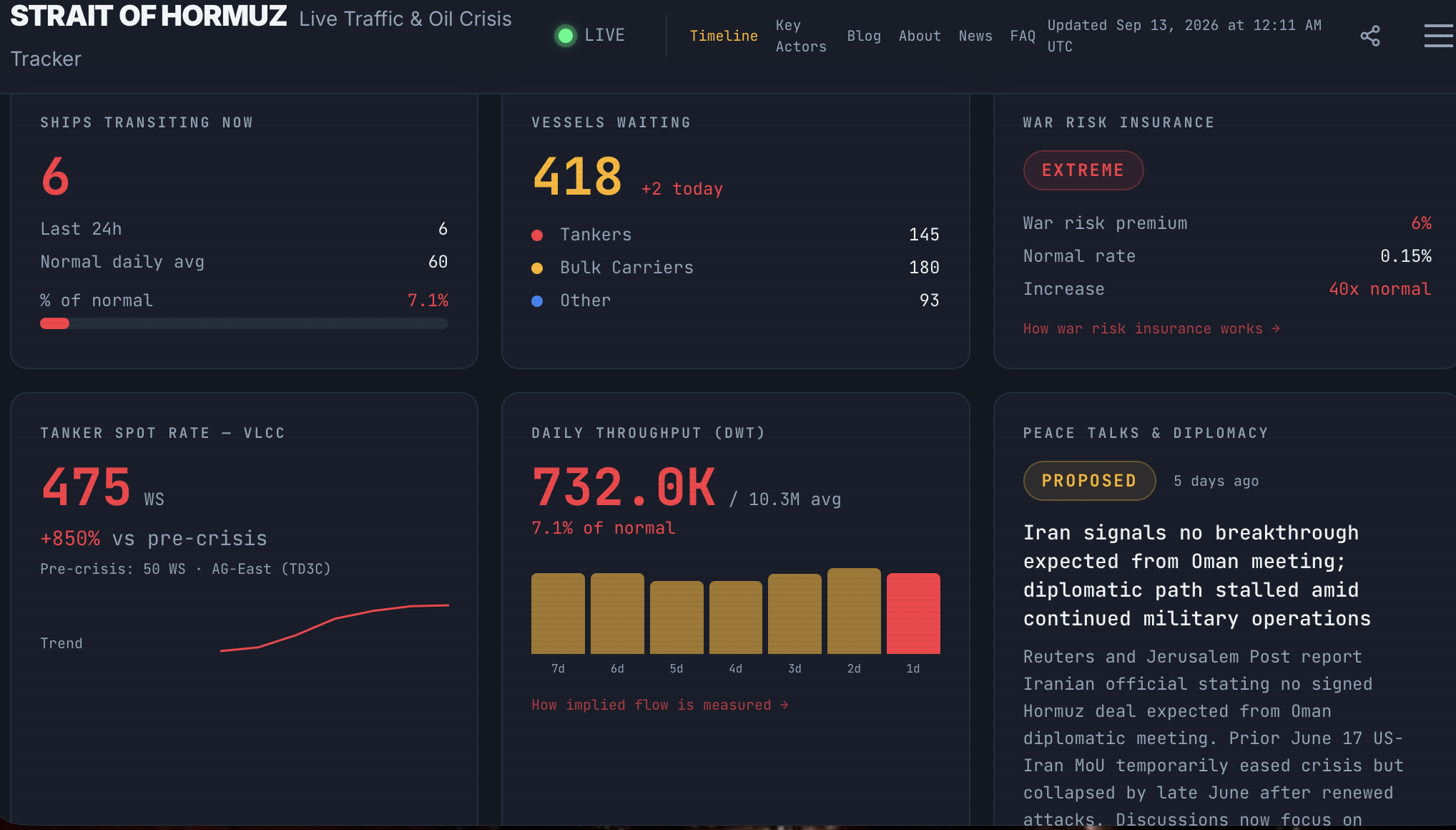
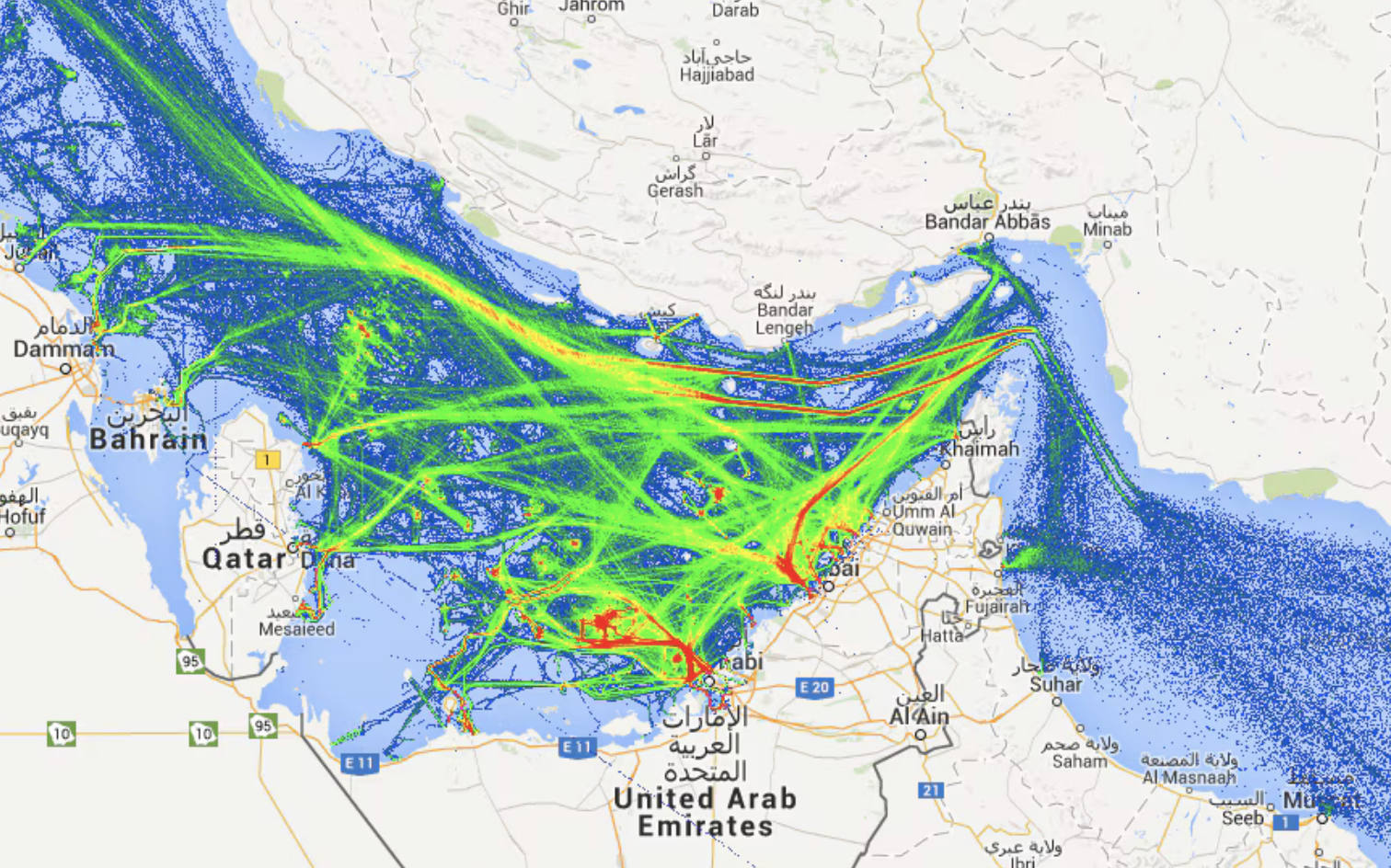
This is what I love about the internet – there are people out there with information, and they are willing to share. I found this information on Strait of Hormuz Live Traffic Tracker, an independently compilation of publicly available information sources.
Below is from MarineTraffic.com:
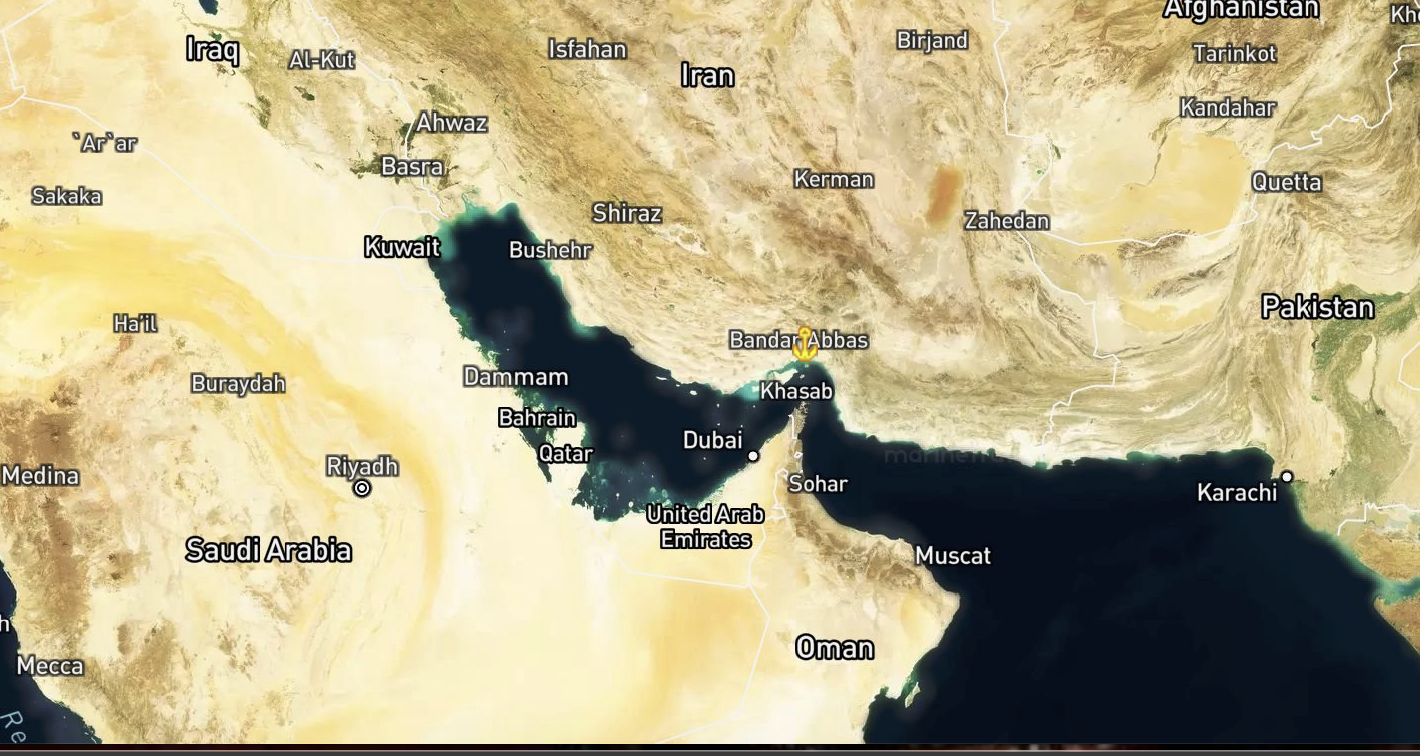
The Strait of Hormuz, 17 August 2026
Traffic through the Strait of Hormuz has effectively ground to a halt as a fragile U.S.-Iran ceasefire expires and recent tanker attacks deter operators. Daily transits have plummeted to just 3 to 4 commercial crossings—down roughly 90% from pre-crisis levels—leaving a massive backlog of thousands of idling vessels waiting offshore.
Current Traffic Status
- Daily Transits: Only 3 to 4 verified ship crossings occurred over the last 24 hours, compared to pre-conflict averages of 60 to 135 daily.
- Vessel Backlog: Approximately 3,200 ships—including roughly 800 oil tankers and cargo carriers—remain backed up and idling west of the waterway.
- Oil Shipments: Commercial crude oil and major petroleum product shipments are virtually non-existent as operators adopt a strict wait-and-see stance.


Bab el Mendeb and the Strait of Hormuz
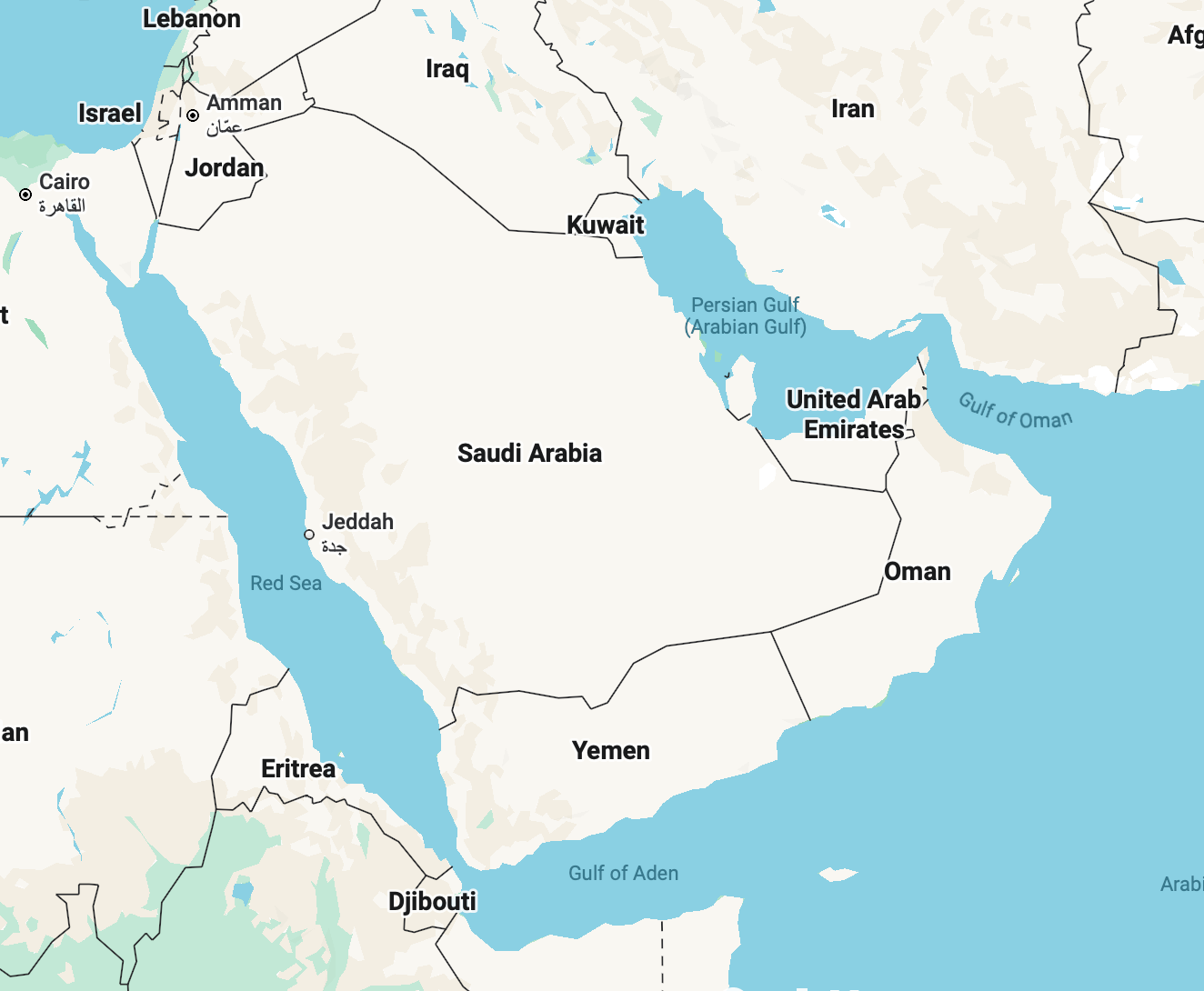
Most people have no idea why these chokepoints are so important until they see it with their own eyes. Here is what they look like on Google Earth.
The Bab el Mendeb is at the tip of Djibouti, on the left. The Strait of Hormuz is between Iran and the northern tip of Oman, on your right. Qatar is that little thumb of land sticking out in the Persian Gulf.
Saudi Arabian oil and Qatari natural gas are blocked if these two chokepoints are no longer open.
Four years ago, during the last World Cup, we were on the Oceania Nautica and went through the Suez Canal, the Bab el Mandeb, and the Strait of Hormuz. We booked this tour especially to see these geographic chokepoints. We were shocked when there was no lecture on these geographic features, their origins, or their importance as shipping lanes – and there was no announcement when we went through the Bab or the Strait. Imagine!
Today in the Strait of Hormuz
When you treat your friends badly and no one comes to help you when you screw up:
Recent Comments
Kitchen on Isiais: Winding Down intlxpatr on Shampoo Ginger tigerbutterya0c5ff1d… on Shampoo Ginger intlxpatr on British Soldier Kidnapped, Esc… John on British Soldier Kidnapped, Esc… Wikipedia Donate Button

Amazina


Early Voting in Florida


