The Black Bean in Wakulla Springs and Tallahassee, FL

So we’ve arrived in Wakulla, to be received rudely at the hotel, turned away until the 3:00 pm check-in, the restaurant closed as we were trying to check in, and there is a part of every human being that wonders if this is going to be the story of our trip.
And then, to save the day, we find The Black Bean.
We drove to the nearby crossroads, where I saw a sign to a restaurant to which we did not go, but we turned left, up 363 and saw an all-day breakfast buffet place with a sign saying “Pork Fat is Where It’s At” (no, no, it’s true, how could I make that up?) and I am praying “Please Lord, find us someplace else, please Lord” and we keep going. AdventureMan says “should I turn around?” and I see a sign just a little up and say “let’s go up there and turn around if it’s nothing.”
As we get closer, we see a big sign for Jerry’s Bait Shop and my heart sinks. But as we turn in to turn around, we see the sign for The Black Bean Cuban Food, and my prayer is answered. Yes!
As it turns out, this is not the REAL Black Bean, which is in Tallahassee, but this is the Black Bean Express, their outpost, for people on the run, going down to St. Marks to go birding, heading out in their boats, etc. The menu is almost the same, just a few things less.
We both ordered the same thing, which we never do, but the Habanero Pork BBQ just sounded so good, and oh, man, it was. It was SO good. We didn’t know how much sandwich there was going to be, we could have shared one, but no, we didn’t know, and we ordered the fabulous black bean soup, too, and we couldn’t eat it all.


This is one of the owners, who fixed these fabulous sandwiches. He told us about their breakfasts, so we decided to come back the next day, but when we came back the next day, they were not open and we saw on the sign that the breakfast is only Friday, Saturday and Sunday at the Black Bean Express.
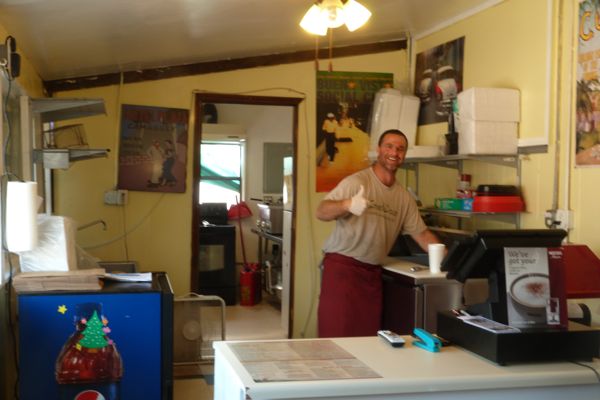
We went back around lunch and had their grilled chicken wrap, which – smarter now – we split, and we also split a red beans. You can read more about them HERE. We met the other owner (the are married to one another) and as we ate, we decided that rather than enjoy another perfectly uninteresting dinner at the Lodge, we would bet another sandwich, and split it for dinner along with some trail mix and water we already had with us.
The Black Bean saved the day. The food was so good; we even stopped for breakfast on our way out toward Tallahassee, having the biscuit sandwiches. I never knew Cuban food could be SO good, so tasty. It was fast, convenient, close to the Lodge, and very tasty. Let’s see, pay a lot more money for uninspired food at Wakulla Lodge, or pick up something at The Black Bean . . . . ? I don’t have to give it two seconds thought! Life is too short! It’s a Wakulla Red R! (Michelin Red R’s are given for good local foods at reasonable prices)
In the adjoining bait shop; a huge box full of live crickets, eeeeeeek!

And a guard dog, Zorah:

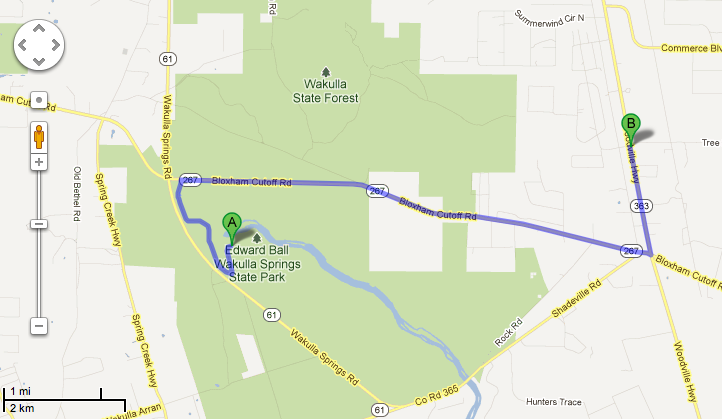
Here is how to get to The Black Bean Express, in Wakulla Springs. There is another, larger Black Bean in Tallahassee:
Wakulla Springs Lodge: Attitude Matters
AdventureMan and I just had a grand adventure, a trip to Edward Ball Wakulla Springs State Park, where we stayed at the Wakulla Springs Lodge for a couple nights.
I think we mentioned we lived in Florida before, a while back, at which time we came to dislike the commercial Florida intensely – think DisneyWorld and Orlando and schlock-filled shops with T-shirts “3 for $10!” It’s not that I dislike Disney, I grew up with Disney, and Bambi and Peter Pan and Sleeping Beauty and Cinderella. They’re a lot of fun.
But have you been to DisneyWorld recently? Have you paid those prices? And if you want to park there, or stay there, or eat there – it is horrendous! Advertised as family friendly, but a death-knell on a family budget.
There is so much MORE to Florida, some wonderful places. Wakulla Springs is one of our favorites, and not far from another favorite, Appalachicola, home of world famous oysters, fresh out of the Gulf (Gulf of Mexico, :-), for my other Gulf friends) We used to stay at Wakulla Springs while we were living in Kuwait and Qatar, and traveling to the USA to catch some time with our son, at FSU in Tallahassee.
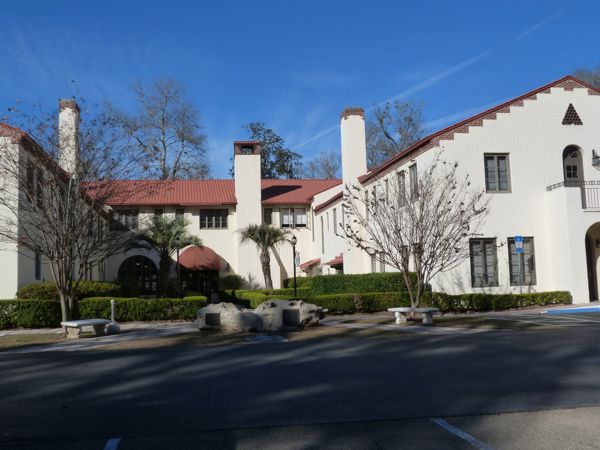
After our drive down, we show up at the counter . . . and the receptionist barely looks at us. She doesn’t get up. She doesn’t have a name tag on; she is wearing a FAMU sweatsuit. We give our names, and she doesn’t say anything to us, just dials a number and talks to someone and then, finally, looks at us and says “we don’t have anything ready. Check-in isn’t until 3:00 o’clock.”
Welcome to Wakulla Springs Lodge. I was speechless. I couldn’t imagine how someone could be so rude! So unwelcoming! We are guests, here to spend our money, and this is how our time in Wakulla begins?
It’s all about attitude. I could feel my temper rising. On the other hand, what good would it do to get angry? Am I going to make a difference in how this young woman welcomes her customer, or am I going to make her day worse than it already is? Sometimes it’s just poor training. Sometimes someone is just having a bad day. Sometimes it’s disgust with corporate management, and this may have been a little of all of the above.
We decided to go to lunch, and the doors closed just as we got there. Wakulla Springs is on a different time zone, and the restaurant is closed!
We were so happy to be going, and now we are having second thoughts. We decide we had better go find something to eat – have you noticed it is easier to be down or angry when you are hungry? Really, really hungry? 😉 We drove to the crossroads that had a few eating places, about half of them closed. There was one I thought “oh please, please, don’t let that be the only one open” and encouraged AdventureMan to drive on, just a little further.
What we discovered will be the next entry 🙂
This is the Wakulla Lodge fireplace:

Edward Ball brought in artisans from Italy to paint the beamed ceiling in the lobby; it is truly lovely:

Later, I sat in the lobby with a cup of coffee, waiting for my boat trip, and a wedding party came in to rehearse for the big day. The mother of the groom had to walk away, trying to staunch the tears, as the pianist practiced “Here Comes the Bride.” I had to cry a little along with her; I LOVE weddings 🙂

The lobby is spacious and light and beautiful. There is a gift shop and ice cream bar at one end of the lobby, and a restaurant at the other end:

These boat trips last about an hour and tell you a lot about the history and wildlife of Wakulla Springs. They are a lot of fun:

The first night, we had a truly indifferent meal in the Wakulla Lodge Restaurant, made bearable by the cheerful and professional waitress, Brittany, who had to tell us that they were totally out of their famous navy bean soup, and also out of the salad we wanted to order.
“We’ve been inundated!” she cried. “The lunch crowd wiped us out!” She was so cheerfully honest we couldn’t help but be cheerful right back. That’s the magic in good customer service.
While the meal was mediocre, Brittany sparkled as she served, and turned what might have been a real downer into just a less-than-memorable meal, we’ve had a few of those now and then, no big deal. With a lesser waitress, it might have been horrible.
All in all, customer service was notable in its imbalance at Wakulla Springs Lodge. Brittany, in the Dining Room, was a star. JJ, a part-timer at the desk, was another star. Our bathroom floor in our room was not clean, but the staff was gracious and eager to please. The ice-cream bar attendant was overworked and grouchy. (Honestly! How can you serve ice cream and be a grouch???)
There is so much potential at Wakulla Springs Lodge. They have this fabulous location, a huge spring where water pumps out thousands of gallons per day, where manatees and wildlife congregate, where movies have been filmed, where serious birders come to “twitch” (check off birds seen), with these fun boat trips, natural attractions, lovely sized rooms, and it just needs some polish to be a seriously first-class destination.
Food Trends for 2013
Found this on AOL News/Kitchen Daily.com
FOOD TRENDS FOR 201
KITCHEN DAILY 11/25/12
The Sterling-Rice Group recently announced its predictions for 2013’s top ten food trends. The list was compiled by the group’s culinary council, which is made up of chefs, restaurateurs and foodies, and it included the following:
Sour Foods -Tart and bitter flavors, such as fermented cherry juice and vinegars will take the stage.
Healthy Dining Out – Chefs will work behind the scenes to make your meals healthier by using ingredients like brown rice and vegetable stock.
Asian Comfort Foods – Thai, Vietnamese and Korean flavors will work their way into traditional American menu items.
Vegetables as Main Dishes – Veggies will take over entrées–options such as cauliflower steaks and squash noodles are becoming more common.
Kid-Friendly Versions of Adult Foods – Kids’ menus will focus less on hot dogs and grilled cheese and more on fruits, grains and authentic Asian flavors.
Local Artisans – American artisan shops will become destinations for foodies that used to travel to Europe for exotic flavors.
Individualized Servings – Menus will offer singular servings for perfectly-sized meals.
Savory Fruit – Chefs will be less interested in sugary tastes than in adding savory touches to their recipes.
All-Inclusive Menus – No diner will be left behind as restaurants offer options to accommodate all eaters.
Popcorn – Popcorn will be the snack of 2013–it will pop up in all types of food!
Cranberry Sauce Grand Marnier
This is so unbelievably easy. When I make this, I just buy one of the mini-bottles, and it is just the right amount:
Cranberry Sauce Grand Marnier
1 12oz package fresh cranberries
1 cup sugar
1 cup water
1 mini bottle Grand Marnier
Bring cranberries to a boil in the water, boil one minute, add sugar, stir until dissolved. Take off heat. Add entire mini-bottle of Grand Marnier, stir, let cool, put in container and refrigerate. (It will gel considerably because of the sugar.)
Tastes good served with turkey, but if you like cranberries, as I do, it is also great with an English muffin at breakfast.
Cranberry Chicken on a Cold Day in Pensacola
It is cold this morning in Pensacola, and yesterday, too. I am thanking God; I feel so much happier and energetic when it is a little bit cold. It’s a good time of the year to feel energetic; I have a LOT to do!
This is a great recipe for busy days. You pop four ingredients into the slow-cooker, plug it in, set it on low and you are done. The smells will alert you that something delicious is on the way. When you are ready to eat, quickly cook up some rice or noodles – either work just fine – and serve the fork-tender chicken with some of the sauce – totally delicious!
Cranberry Chicken – Slow cooker
Ingredients
4 skinless, boneless chicken breast halves
1 (16 ounce) bottle Catalina salad dressing
1 (14.5 ounce) can whole berry cranberry sauce
1 envelope onion soup mix
Directions
1. Place the chicken breasts in the bottom of a slow cooker. Pour the salad dressing, cranberry sauce, and onion soup mix over the chicken.
2. Cook on Low 4 to 6 hours.
The first time I made this, I didn’t have Catalina Dressing on hand, but not to fear – it is also easy to make:
Kraft Catalina Salad Dressing
1 cup sugar
2 Teaspoon salt
dash paprika
1/2 Teaspoon chili powder
1/2 Teaspoon celery seed
1/2 Teaspoon dry mustard
grated onion to taste
1/2 cup vinegar
2/3 cup ketchup
1 cup vegetable oil
Place all ingredients into blender and mix. Store in jar in refrigerator.
Pecans From Texas – Such Generosity!
When I was living in Kuwait, and my son married, one of my new daughter-in-law’s aunts sent me pecans from Texas. She didn’t just send me a pound or two, she sent like 15 pounds of pecans! It was a wondrous gift, and oh, we had pecan muffins, pecan date pies, pecans in everything. Pecans in Kuwait cost dear, you can’t imagine, and these pecans were TASTY, so so good. She tells me it is because they are from Texas, where everything tastes better. 😉

At Thanksgiving, she gave me a HUGE bag of pecan meats.
“I want you to have pecans from TEXAS!” she told me. Her car was packed with sweet gifts for all her nieces and nephews and all the little ones related to her in any remote way. It’s just the way she is. She can’t help it, she is wired to be loving and generous.
AR, I am so thankful you are in my life! I am enjoying every cup of pecans I use, and although I have used a lot, there are so many pecans left it is like I haven’t used any! You are so generous, and I am enjoying your pecans so much! All of Pensacola is enjoying your pecans!
Christmas Cookie Prep – Done!
There was a time when I worked AND I was a mother, and I was a wife (still am) and I had other roles, all of which seemed to require at least a plate of cookies at every occasion, and often some kind of hors d’oeuvres as well. There was only one answer – be prepared! Like a good girl scout, I developed a strategy – do one or two cookies every day for about a week, then store them in storage containers and dig them out when you need them. The good thing is, you can buy these containers and pull them out once a year for a month for many, many years.
One of my earliest memories of Christmas cookies are of my mother and her best friend from university getting together once a year and making rosettes. I made my first rosettes when I graduated from college, sitting over pan on a stove burner, turning it up and then down, trying to get it to hold the perfect temperature, which it never did. Sometime around the 80’s there was a great fad for Fry Babies and Fry Daddies, and the Fry Daddy is just the perfect size for making rosettes, holding the perfect temperature.
This year, I did a hands-on seminar for a family group who wanted to learn how to make these. I am not sure it was a huge success. Everyone succeeded, but one said “I have learned how to appreciate YOU making them in the years to come.” A couple parodied my teaching technique (I am not such a great teacher) and I just figured it means they no longer have to be polite to me; I really am family, that’s what sisters do.
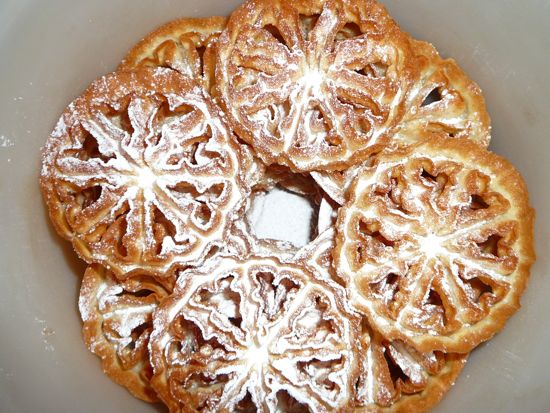
So I made them this week for my friend who hosts a big party every year for the ballet performers. I think of them as ballerina cookies, light as air, mostly made of air – wrapped in fat and sugar:
Rosettes – DONE.
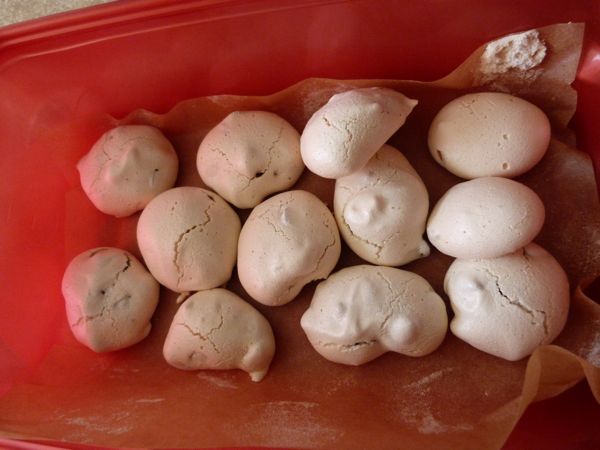
Meringues, too, have that light-as-air feeling, and I am hoping the weather will stay crisp enough that they will not get chewy:
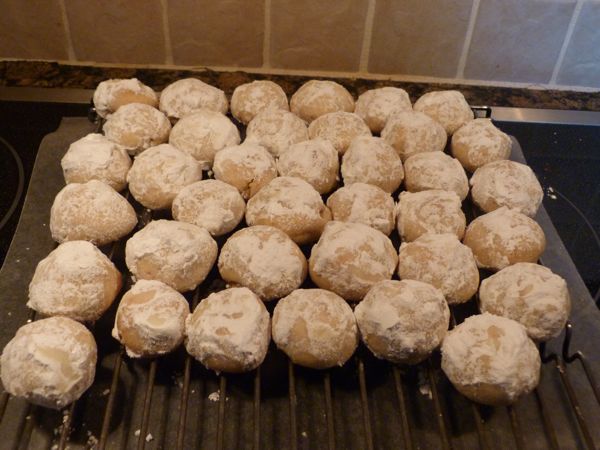
Still light, and melt-in-your-mouth, are the Russian Teacakes, snowy in powdered sugar:
Last, but necessary for color, are the stalwart sugar cookies, time-consuming and fiddly, but so good and so colorful:

Cookie prep – DONE!
Comfort Food: Corn Bread and Chili
While I was cleaning the kitchen and waiting for the last batch of cookies to bake, I whipped up a batch of corn bread for AdventureMan – no use in wasting a hot oven! It is a perfect, cold day in Pensacola. Perfect I say, because it really really is NOT fun baking Christmas cookies – or anything else – in a hot, humid kitchen. How did our grandmother’s and great great’s do it, especially in those voluminous dresses and no air conditioning??
The secret to truly great cornbread is to cook it in a cast iron skillet. You put the skillet in the oven until it is very hot, you take it out (using a pot holder, of course), melt a little butter in the pan, then pour the batter in. It will sizzle, and form a delicious crust. Pop the skillet back into the oven and in 22 minutes (at 425°F) your cornbread will be finished, with a toasty crust. If you want to guild the lily, you can swirl a pat of butter over the top, too.
AdventureMan dunks his corn bread in a glass of milk, which I find totally disgusting, but reminds him of when he was a little boy. It’s just a custom, I know, but I can’t look.

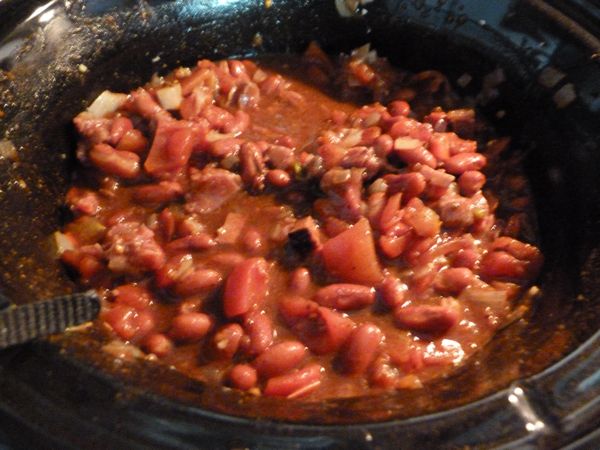
We have a pot of chili brewing, with the last of our home grown tomatoes:
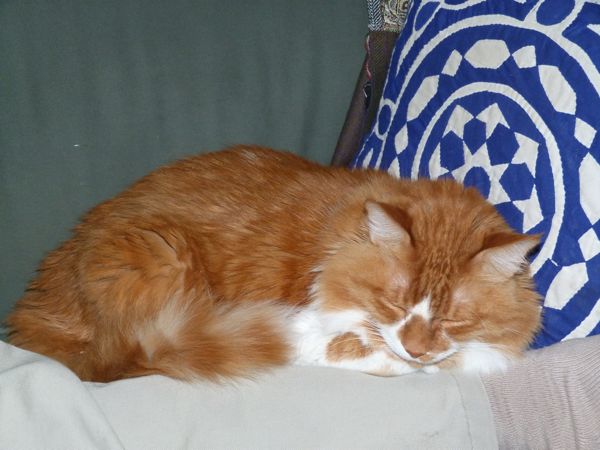
The Qatari Cat is following AdventureMan around, telling him to lie down so they can take a snooze together . . . I think it worked. I can hear them both sleeping . . .
Tant de Brouillard – Foggy Morn in Pensacola
I learned a new word today, le brouillard, from a blogger who liked my Pensacola parade post. I always take a look to see, and this time, it was like taking a brief vacation to a place I love – the villages of France, and the morning market, or marche. His blog is My French Heaven, and he writes in French and English, good exercise for those of us who need to polish up our language skills. Warning: the photos on his blog are EXPLICIT. You will want to eat those oysters, vegetables and sweets right off the page.
He was waiting, this morning, for ‘le brouillard se dissipe’ and I smiled because on my way home from the early service this morning, I had to stop and take some photos of foggy Pensacola and the foggy bayou:
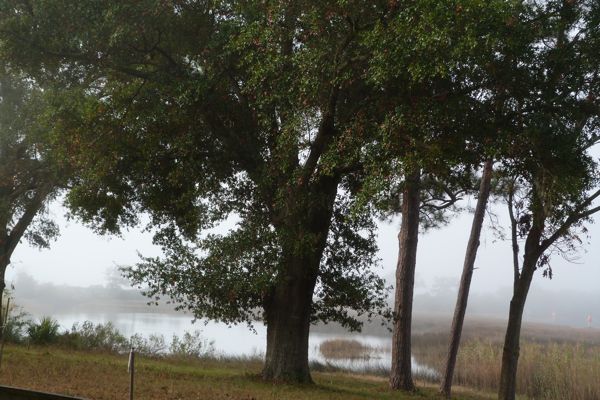

If, in the midst of this crazy time of the year, you can give yourself a small gift and a short virtual vacation, take a moment to have a cup of green tea and visit my friend Stephane at My French Heaven.
Favorite Things Restaurant Opens on Cervantes
“Have you eaten at Favorite Things yet?” our friend asked us.
“They have a restaurant?” I asked. I knew they had a little coffee shop and gifts, but I hadn’t heard they had a restaurant.
“Just opened,” he replied. “I took folks there for breakfast after church last Sunday. It was GOOD!”
So the next day we had to go, missing entirely the police shooting two burglars in our neighborhood.

I had driven by this place a million times, but I had never been in. It was cute, lots of unique gifts and good ideas, an old fashioned candy store and – a newly opened restaurant. Actually, they had just opened the previous Friday, this was still their soft opening while they work the kinks out of their system.
The dining room is cute, all different tables and chairs, all a country theme.
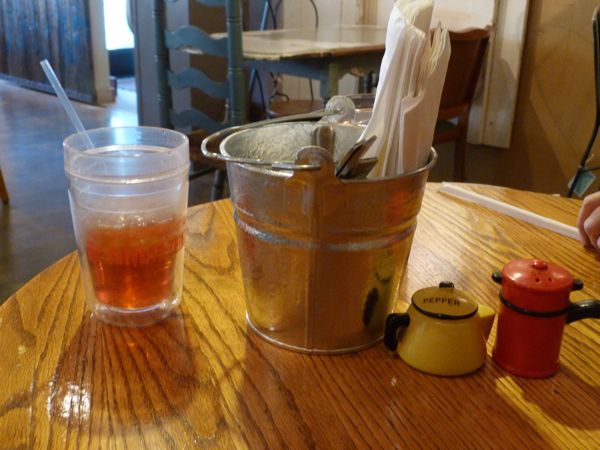
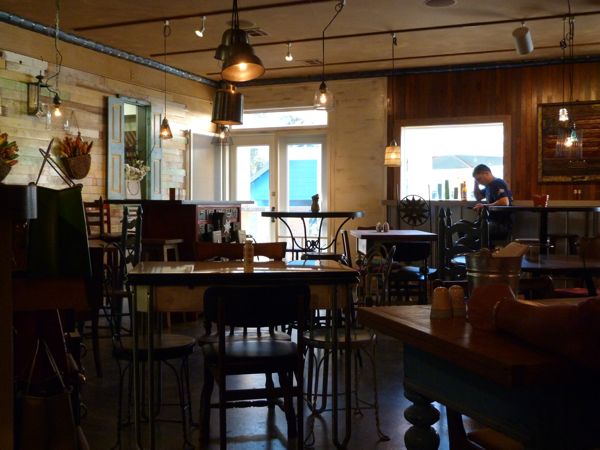
The menu offers a lot of options, breakfast options, sandwiches, entrees, local specialities. I overheard a manager talking it over with a long time friend; Favorite Things is associated with Jerry’s, next door, but “Jerry’s does all the fried food and we do all the rest!”
We ordered, then roamed through the store, looking at the gift offerings:
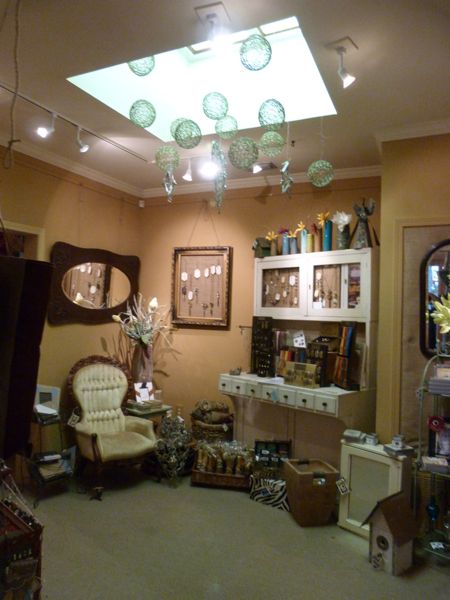


Oops! Food arrived while we were ooohing and aaahing over all the goodies.
AdventureMan ordered the soup and sandwich special with their gumbo and a turkey sandwich:

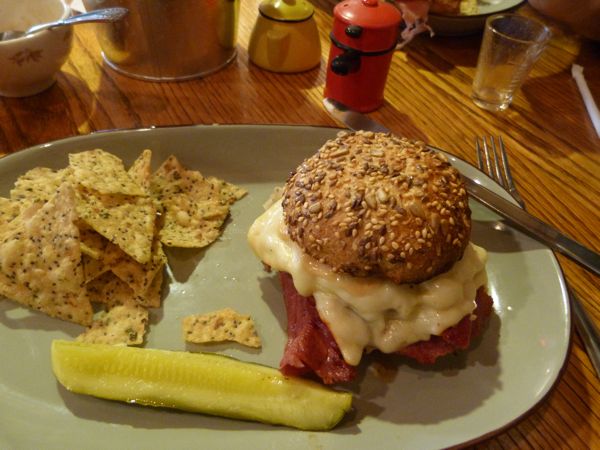
I ordered the Reuben sandwich on whole grain with a cup of the gumbo:

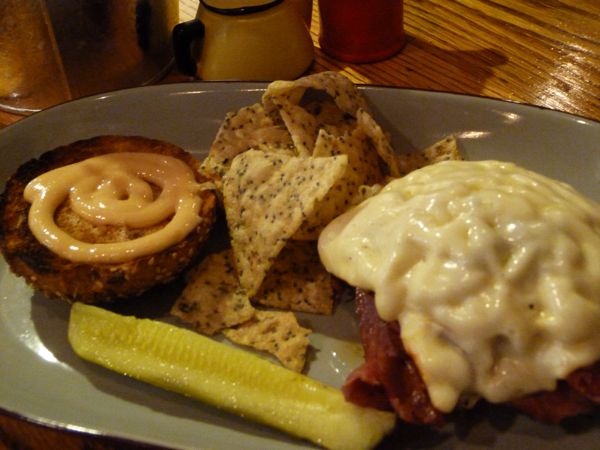
When I put the top on the Reuben, I saw something I really liked – look at all the grains on the top of the roll, and look at the whole grains in the chips:
We went back and tried breakfast, taking little-boy-Q with us, who was good as gold and ate everything with a fork except for the grapes. AdventureMan had a traditional egg special, little-boy-Q had parts of our meal and a fruit bowl, and I had the lachs and bagel breakfast, excellent, and I don’t even usually like bagels. Nice to know there is another good breakfast option near us.

Recent Comments
Kitchen on Isiais: Winding Down intlxpatr on Shampoo Ginger tigerbutterya0c5ff1d… on Shampoo Ginger intlxpatr on British Soldier Kidnapped, Esc… John on British Soldier Kidnapped, Esc… Wikipedia Donate Button

Amazina


Early Voting in Florida


